Weekly birding round-up: 14 - 20 Nov
It’s beginning to look a lot like, if not Christmas just yet (though try telling that to the supermarkets), then certainly winter rather than autumn. The anticipated cold snap swept in from the north, bringing snow at first to the Scottish extremities but, soon enough, a dusting right down to Surrey. As we’d anticipate, that all rather put a dampener on the notable birds but, right on cue, the Hume’s Warblers did the decent thing and arrived. Autumn wasn’t totally done with us for now.
Irish birders may be suffering from something approaching Bufflehead-fatigue, given the frequency with which they’ve been turning up in the last five years – perhaps as many as nine birds have been reported across Ireland since 2020. All that said, there was still a gaping, Bufflehead-shaped hole in the Co.Kerry list… until the end of this week just gone.
Found on Lough Leane on 19th, and still present there the following day, a fine drake Bufflehead is the first record for Co.Kerry and will, of course, attract some admirers. They’re a fine duck even without the added savour of being a county first.
Starting a theme that’s going to resonate throughout this week’s Round Up, it was all rather quiet and peaceful on the whole on the seabirds front. Though not entirely – once again, Norfolk ruffled the otherwise calm weekly waters with a Black-browed Albatross, seen heading east off Titchwell RSPB just after midday on 17th.
This fleeting wanderer aside, there were Pacific Diver to be seen in Ireland, with birds noted from Cape Clear (Co.Cork) on 16th, and in Elly Bay (Co.Mayo) on 17th.
Skuas weren’t setting the world on fire during the week – some 20 Pomarine and a shade over 10 Long-tailed were logged, the latter almost exclusively down the English east coast apart from two sightings from Chapel Point (Cornwall) on 16th and 17th.
Numbers of Little Auk were fair to middling, with just under 120 birds seen during the course of the week. 12 birds off Newbiggin (Northumberland) on 17th were a notable tally.
Great Shearwater were finally all but absent from the news – 16 were seen in Cornwall at The Lizard on 14th, and a single bird from East Pentire the following day; and a possible seen from Gullane Point (Lothian) on 19th.
Echoing the skuas, almost all of the week’s 10 Leach’s Petrel were seen down the English east coast – the exceptions being one on 15th at Porthleven (Cornwall), and another on 16th at Lavernock Point (Glamorgan).
This cold spell of weather surely won’t be agreeable for some of our long-legged beasties, not least our newly resident contingent of Glossy Ibis, many still present in our midst this week but surely beginning to question why they left the Donana in the first place...

A possible Night Heron was noted over Kilnsea (East Yorkshire) on 15th.
Good old reliable honkers and quackers, always there for us in a quiet week. We’ll start, as always, with The Goose Formerly Known As Canada - two interior Todd’s Canada Goose remained at Ballygilgan NR (Co.Sligo) until 17th, with one still present by 20th; while the hutchinsii Richardson’s Cackling Goose was also still present there on 16th-19th. Another hutchinsii bird was seen in Cumbria on 20th at Burgh-by-Sands.
A Ross’s Goose was seen with Pink-footed Geese at Loch of Skene (Aberdeenshire) on 15th-18th.
In Highland & Caithness the Snow Goose remained near Kirkhill on 14th-16th still.
A Red-breasted Goose was seen again at Wallasea Island RSPB (Essex) on 18th-20th.
Numbers of Black Brant picked up this past week – birds were noted passing Birchington (Kent) on 16th; at Kilnsea Wetlands NR (East Yorkshire) on 17th; and on 18th at Saltfleet (Lincolnshire), and Horsey Island (Essex), the latter bird still in the area on 20th.
Onto the quackers, in Dorset the recent drake Baikal Teal remained at Abbotsbury Swannery, seen there again on 14th-17th.
Further southwest, in Cornwall the female Blue-winged Teal was seen on 15th-17th around the Hayle Estuary.
Green-winged Teal pushed through the double figure Rubicon, with 11 birds logged lately. Birds lingered at Colt Crag Reservoir (Northumberland) on 17th-20th, Broadmeadows Estuary (Co.Dublin) on 17th, and on Barra (Western Isles) on 18th. Additional sightings came on 16th from Marshside RSPB (Lancashire & North Merseyside), Clifton Pits (Worcestershire), and on 16th-20th at Lackford Lakes SWT (Suffolk); on 17th at Potter Brompton Carr (North Yorkshire); on 18th-19th at Stanwick GPs (Northamptonshire); on 19th at Alturlie Point (Highland & Caithness); and on 20th at Fort William (Highland & Caithness) and Walmore Common (Gloucestershire).
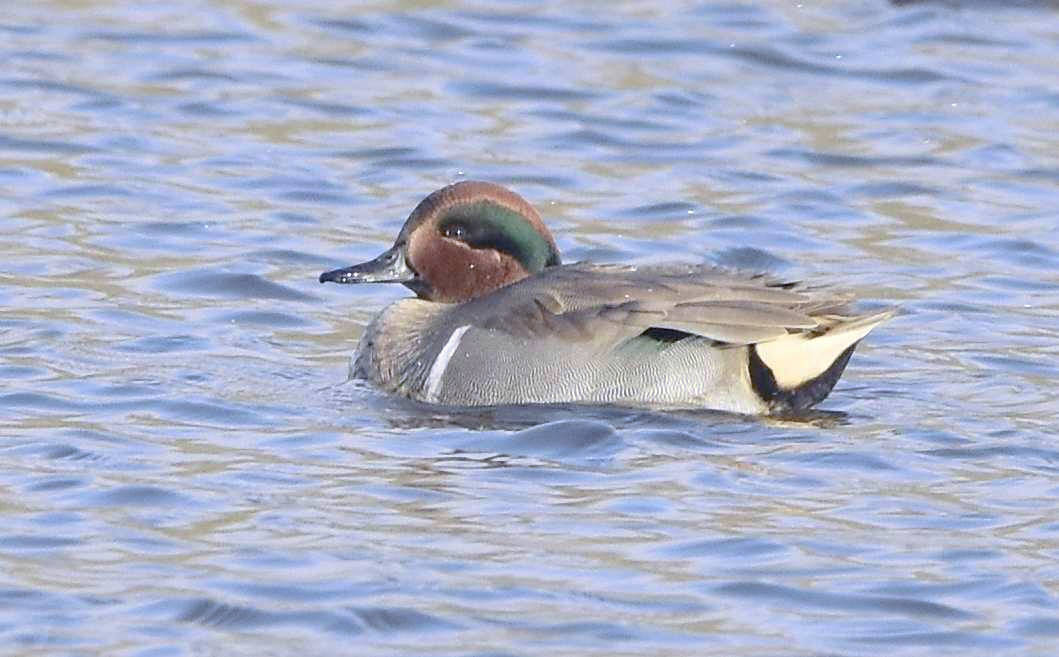
Our regular recent settled American Wigeon remained at Newshot Island (Clyde) on 15th, Loch of Spiggie (Shetland) on 14th-20th; and still present at Ballygilgan NR (Co.Sligo) on 16th-19th. Additional birds were noted at Brierfield Turlough (Co.Roscommon) on 17th; and in Northumberland at Shotton Pools on 14th-17th, and Big Waters NR on 16th and 20th.
Numbers of Ring-necked Duck remained more or less unchanged this week, with 20 birds logged across Britain and Ireland. Three sites enjoyed multiple birds – duos seen at Shapwick Heath NNR (Somerset) on 18th-19th; at Islandeady Lough (Co.Mayo) on 17th; and on Loch Shiel (Highland & Caithness) still on 14th.
The two Lesser Scaup remained in Cornwall at Helston on 14th-20th; two were also still present at Tacumshin (Co.Wexford) on 15th-17th; and single birds remained at Swithland Reservoir (Leicestershire) on 18th-20th, Abberton Reservoir (Essex) on 16th-18th, and on South Uist (Western Isles) on 15th. Another was seen in Surrey at Staines Reservoirs on 17th-20th; and a bird was reported on 19th at Lough Leane (Co.Kerry).
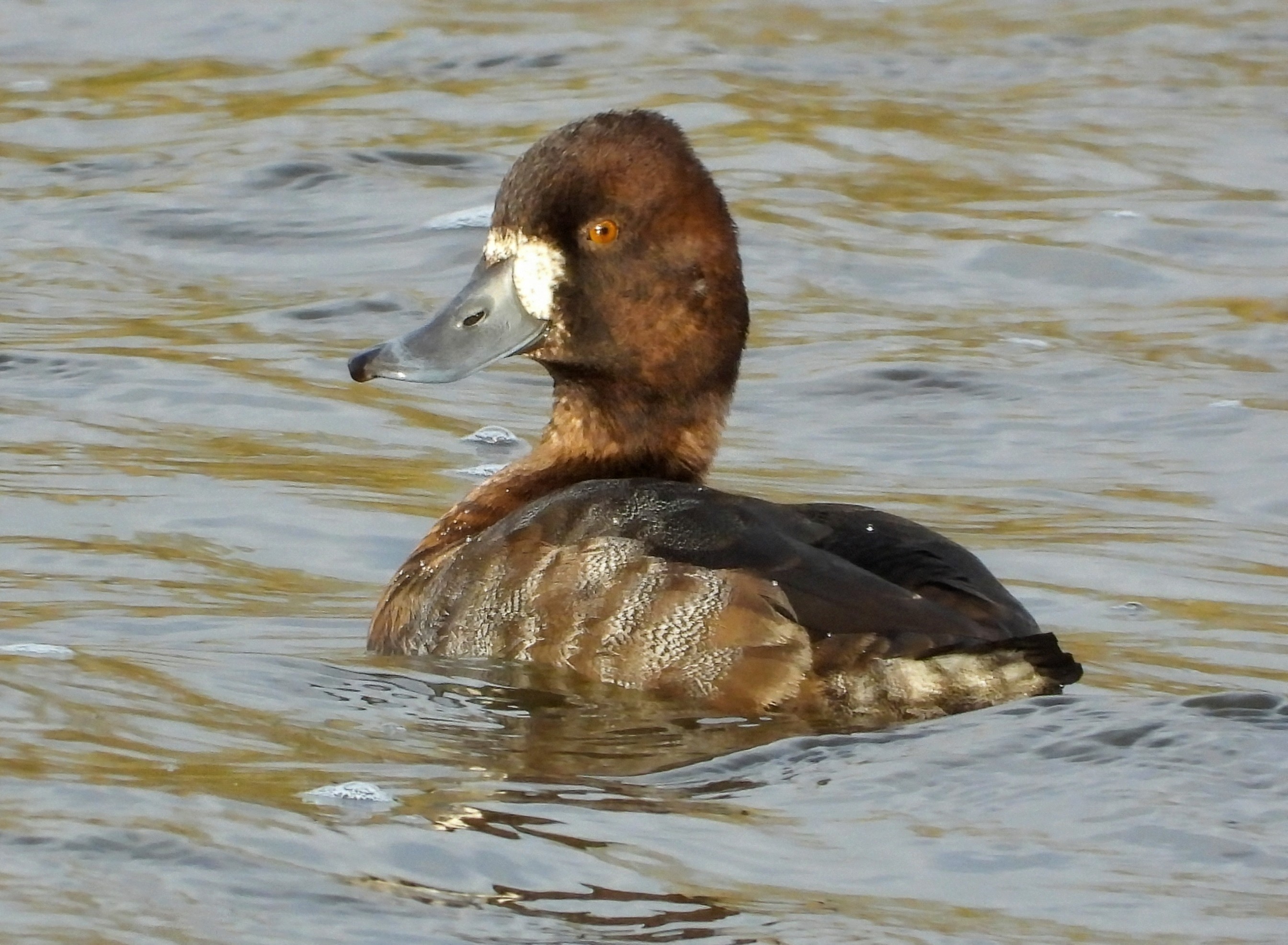
The female Ferruginous Duck remained at Brampton GPs (Cambridgeshire) on 16th-18th.
The drake White-winged Scoter remained at Rossbeigh (Co.Kerry) on 19th.
Irish Surf Scoter were present at Owenahincha (Co.Cork) still on 16th, and at Ballyheigue (Co.Kerry) still on 15th. One remained off Barra (Western Isles) on 14th-15th; and another was seen passing Pendeen (Cornwall) on 16th.
A King Eider was found off Unst (Shetland) on 19th.
Finally, in Ireland the settled juvenile drake Harlequin Duck remained in Co.Donegal off Port Arthur Beach on 14th-15th, and again on 20th.
Little marks the changing of the seasons so well as the abrupt absence of notable waders. We were settling in now for the long haul with just a few familiar faces still to be seen – and not all of them will be hanging around for much longer either. One that will, however, is surely the returned, German-ringed female Kentish Plover still present this week at Burnham-on-Sea (Somerset) on 14th-20th.
Two American Golden Plover were hanging in there this past week – one still at Titchwell RSPB (Norfolk) on 17th; and the other in Ireland at Inch Island Lake (Co.Donegal) still on 16th.
In Suffolk the recent Temminck’s Stint remained at Minsmere RSPB on 14th-17th.
The Spotted Sandpiper was still to be seen at Ballynagaul (Co.Waterford) on 14th-18th.
Slightly better light this morning! A real obliging bird, so one last post before it disappears..... @watbirds pic.twitter.com/L2Kj9toBbx
— Watbirder1 (@Watbirder1) November 16, 2025
Two of our recent selection of Lesser Yellowlegs remained on station in recent days – one still in Cornwall at Truro on 14th-19th, and the other on Rathlin Island (Co.Antrim) on 14th-19th.
The week proved to be a fairly fruitful one for Grey Phalarope, with Storm Claudia pushing some towards land as the week began. Ten birds in all were noted, with just two passing Barra (Western Isles) on 18th the only multiple sighting; one wrecked on King George V Reservoir (London) on 15th-20th was understandably locally popular.

Storm Claudia also delivered a little flurry of Sabine’s Gull, with just shy of 10 noted during the course of the week. Duos were seen from Torness (Lothian) on 16th, and Spurn (East Yorkshire) on 17th; and single birds at Torness on 14th, Kilkee (Co.Clare) on 14th, South Gare (Cleveland) on 14th, Snab Point (Northumberland) on 16th, Walmer (Kent) on 16th, and Weybourne Camp (Norfolk) on 17th.
A first-winter Ring-billed Gull was found on 16th-18th at Doorly Park (Co.Sligo).
A handful of Glaucous Gull comprised birds at Shewalton (Ayrshire) on 14th, 16th, and 20th; Whitburn (Co.Durham) on 15th; and Tiree (Argyll & Bute) on 17th. A bird was reported passing Scarborough (North Yorkshire) on 19th and then, on 20th, the persistent northerlies finally proved good for something with three birds present on Papa Westray (Orkney).
Iceland Gull were similarly hard to come by – birds were noted at Hartlepool Headland (Cleveland) on 15th, Dun Laoghaire (Co.Dublin) on 16th, Roskilly (Cornwall) on 16th, and Drift Reservoir (Cornwall) on 19th; a bird was reported from Cornwall’s Hayle Estuary also on 19th; and a probable at Blackhall Rocks (Co.Durham) on 16th.
Lastly, a Kumlien’s Gull was found on 20th at Brora (Highland & Caithness).
In Co.Wexford this week both the recent juvenile and adult male Northern Harrier put in intermittent appearances at Tacumshin, but both recorded on the same day on 16th and 18th, with a possible juvenile also noted again at Cahore Marsh on 17th.
The adult female Pallid Harrier was wandering Wales still this week, seen at WWT National Wetlands Centre (Carmarthernshire) on 14th, 16th, and 19th-20th; and in Glamorgan at Dalton’s Point on 15th and Crofty on 16th, and at Llanrhidian Marsh again on 16th. A male was seen in Pembrokeshire at Pen-cwnwc on 15th, and Trefeiddan Common on 16th. A final probable juvenile was seen at St Cyrus (Aberdeenshire) on 19th.
A Rough-legged Buzzard remained on Stronsay (Orkney) on 20th.
Hot on the heels of the prior week’s sighting in western Scotland, a possible Eleonora’s Falcon was reported on 16th at St Abb’s Head (Borders).
As we anticipated in the closing remarks of last week’s Round Up, the second week of November is a propitious time for a Hume’s Warbler or two, and so it proved, with at least 16 birds seen during the week just gone – the first being found on 14th up in Shetland on the outskirts of Lerwick, and swiftly followed by a flurry of further birds down the east coast to Kent, where a bird was found on 17th at Kingsdown. An outlier was found in Dorset at Langton Herring on 15th-17th. Two Norfolk sites enjoyed two birds apiece – in Holkham Pines on 17th at least; and at Winterton on 17th-18th; and two were present in Easington (East Yorkshire) on 18th-20th.
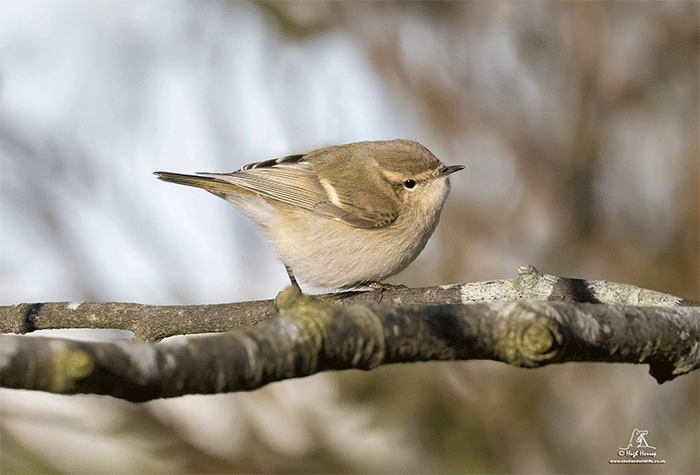
Numbers of Yellow-browed Warbler meanwhile contracted sharply, with around 55 birds reported during the week.
Pallas’s Warbler remained a daily delight, with 23 birds noted nationwide across the week, mostly down the east coast but with some west country outliers in Dorset and Cornwall.
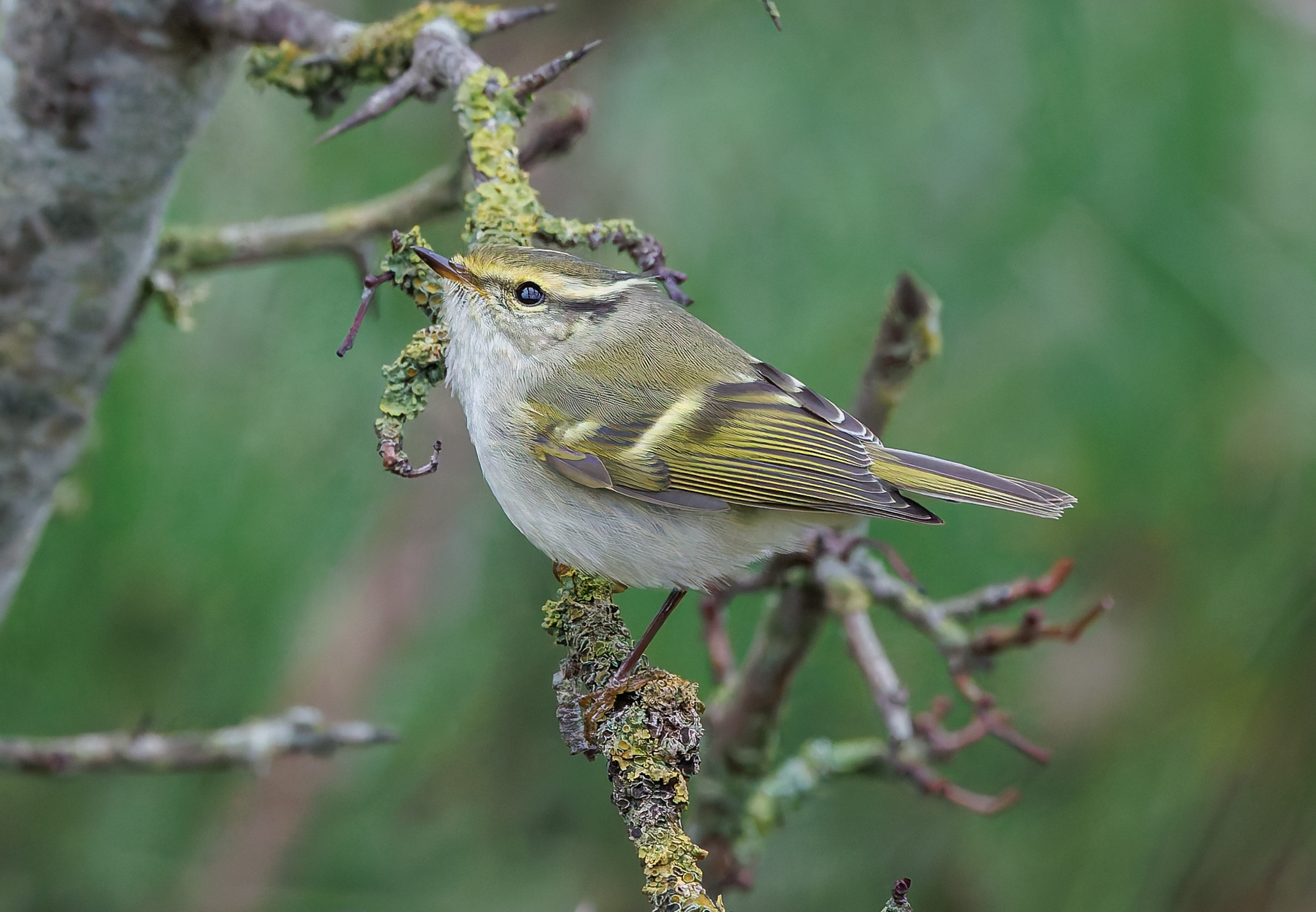
Ten Dusky Warbler were also seen, the English east coast monopoly broken by birds in Leicestershire still at Aylestone Meadows LNR on 15th; on St Mary’s (Scilly) on 14th-17th; at Swanpool (Cornwall) on 17th; and at Loughlinstown (Co.Dublin) on 17th.
Late Barred Warbler were seen at Landguard NR (Suffolk) still on 14th, and briefly at Llwynon (Ceredigion) on 18th. Another Welsh bird was trapped and ringed on 18th at West Cliff (Glamorgan).
Suffolk’s newly arrived Isabelline Shrike sp, thought to be a probable Duarian Shrike, remained present and showing well at North Warren RSPB on 15th-20th.
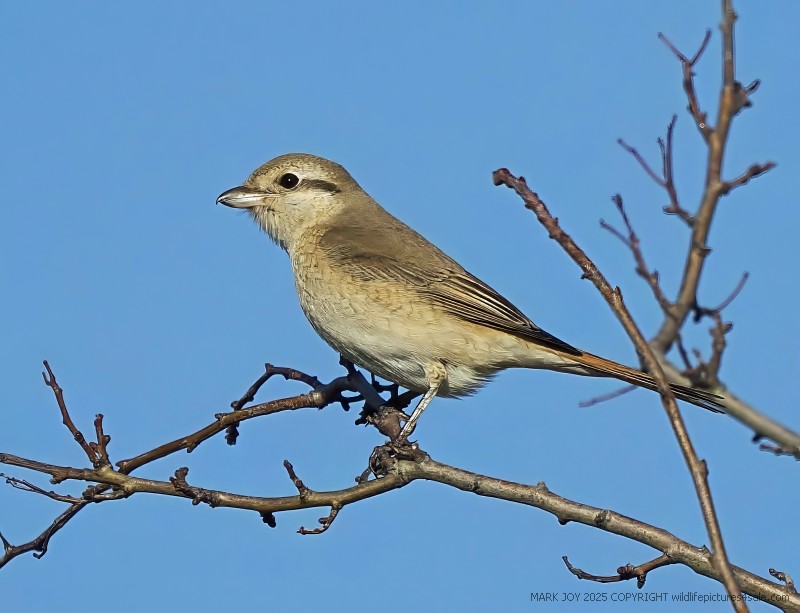
The adult male Daurian Shrike meanwhile remained in Co.Wexford at Ring Marsh on 15th.
The English southern coastal counties landed a trio of Red-backed Shrike this week – on 14th near Portscatho (Cornwall); on 15th at Velator NR (Devon); and also on 15th at Beachy Head (East Sussex).
Great Grey Shrike remained settled this week in Hampshire at Beaulieu Road Station on 14th-17th, and in West Sussex near Steyning on 14th-18th. Additional sightings came from Bratley Plain (Hampshire) on 15th, Gibraltar Point NNR (Lincolnshire) on 16th, and near Lough Ken (Dumfries & Galloway) on 16th.
Two Hoopoe were again seen this week – one at Titchwell RSPB (Norfolk) still on 15th-20th, and another at West Canvey Marsh RSPB (Essex) on 14th – before the end of the week was marked with a small flurry of new arrivals. On 19th a new bird was seen near Bangor (Gwynedd); another at Fenit Island Beach (Co.Kerry); and one on Orkney Mainland at Birsay. Then, on 20th, another was found in Gloucestershire at Rockhampton.
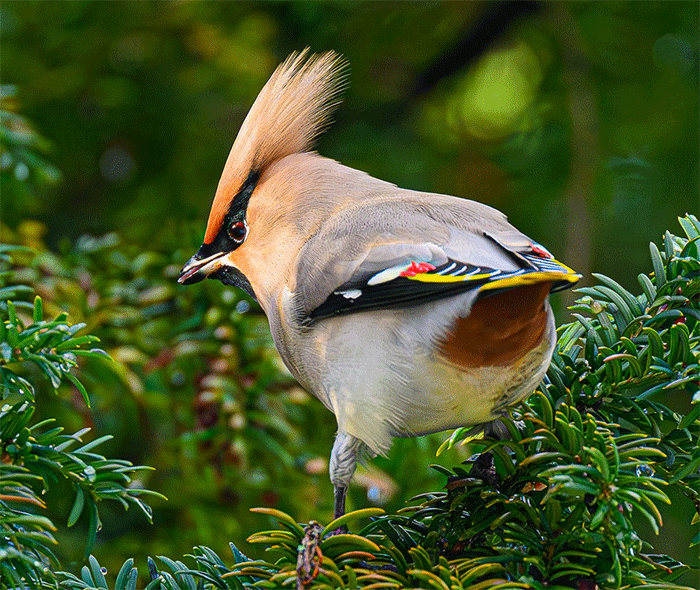
Some 50 Waxwing were recorded during the week, the lion’s share of these being a flock of up to 35 birds in Aberdeen (Aberdeenshire).
Pallid Swift melted away as quickly as they’d come the preceding week, with just two probables to report upon lately – at Ventonleague (Cornwall) on 14th, and Aveton Gifford (Devon) on 16th.
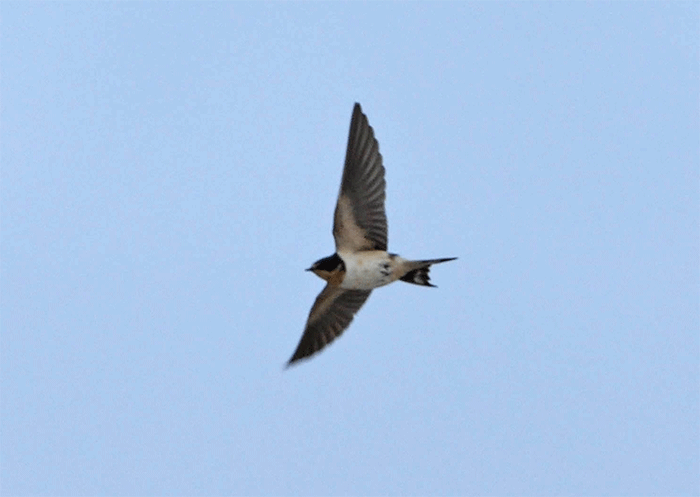
A probable erythrogaster American Barn Swallow was of interest on North Uist (Western Isles) on 17th at Balranald RSPB.
The recent Penduline Tit remained in Gloucestershire at Aust Warth on 14th-16th.
Three Bluethroat made for a pleasant late surprise this week – on St Mary’s (Scilly) on 14th-15th; on Tresco (Scilly) on 14th; and at South Gare (Cleveland) on 16th-18th.

A male murinus / phoenicuroides / rufiventris Eastern Black Redstart was seen in East Yorkshire at Spurn YWT on 16th.
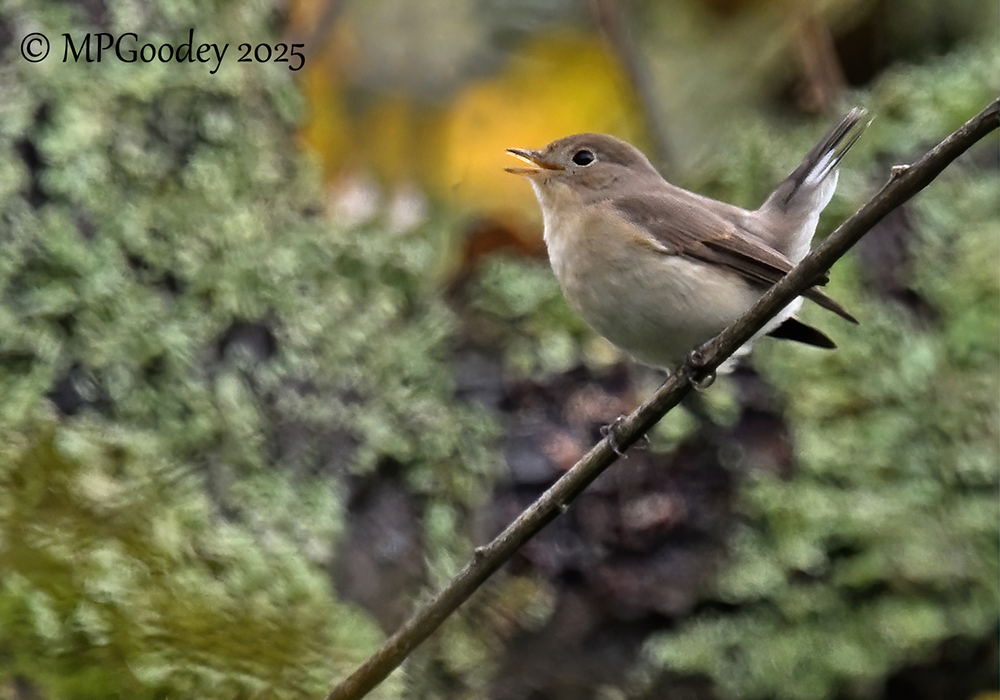
The Red-breasted Flycatcher remained on St Mary’s (Scilly) on 14th-15th.
The recent Olive-backed Pipit continued to delight at South Gare (Cleveland) on 14th-15th; and another was seen at Spurn YWT (East Yorkshire) on 17th.
A Richard’s Pipit was logged over Frampton Pools (Gloucestershire) on 16th.
An Arctic Redpoll remained in Lerwick (Shetland) on 15th.
A Serin was reported at Land’s End (Cornwall) on 15th, followed by sightings in Kent on 18th at Cliftonville and Langdon Cliffs NT.
In Shetland the recent Little Bunting remained at Scousburgh on 15th; and another was seen at Easington (East Yorkshire) on 17th-18th.
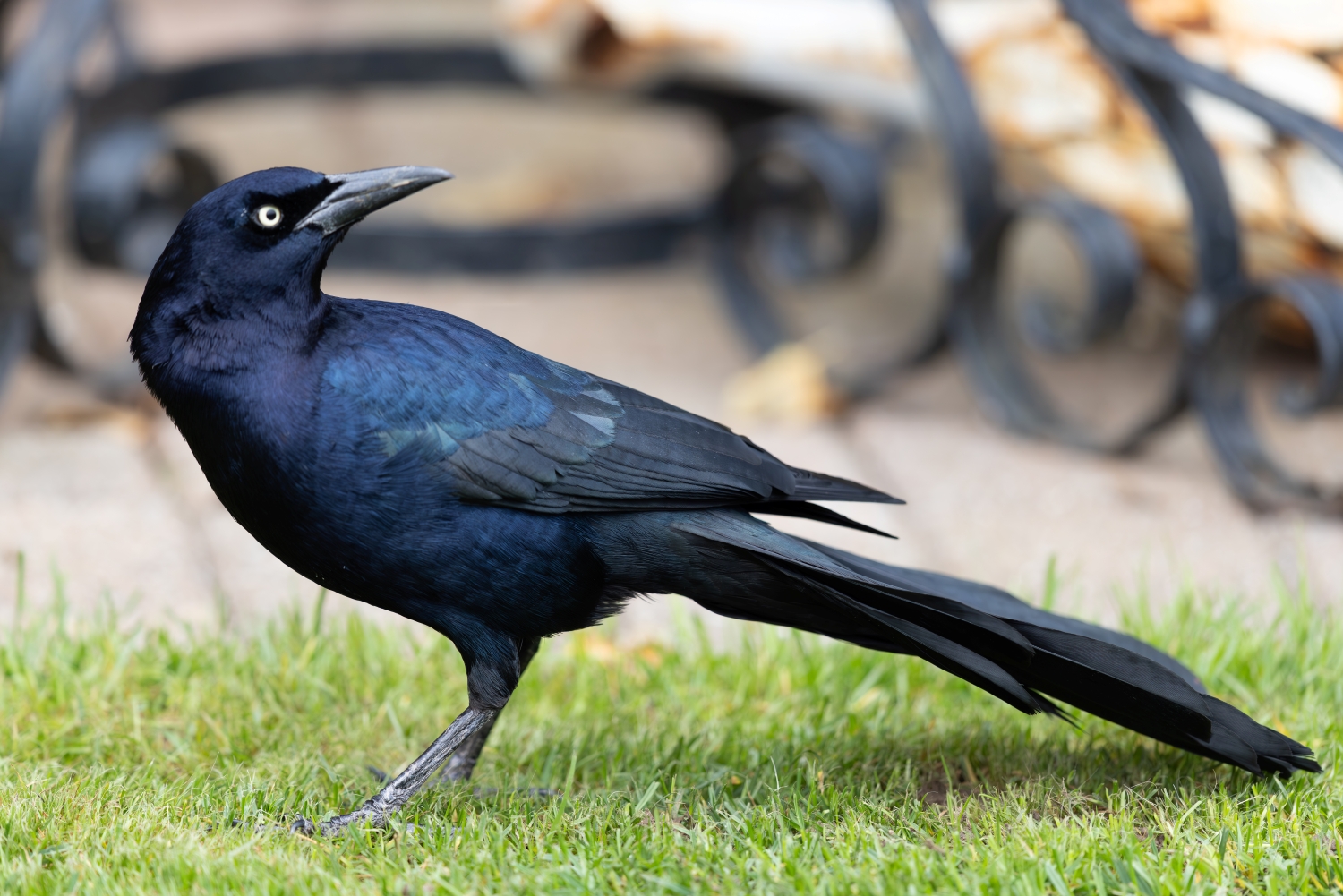
Finally, the recent male Boat-tailed Grackle in Hampshire was going nowhere, settled in the gardens at Holbury still on 15th-20th. It might not be going anywhere, but it was attracting a steady stream of visitors…
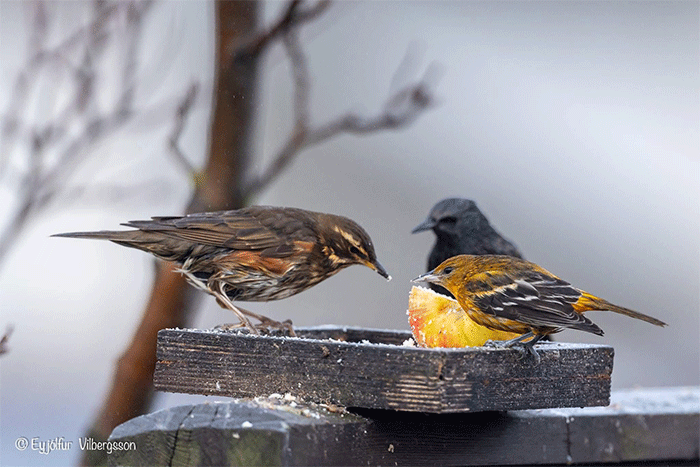
Overseas news this week starts in Iceland, where the country’s excellent autumn lingered around Reykjavik in the form of the Baltimore Oriole still on 15th-16th, and the Brown-headed Cowbird still on 16th-20th also.
In the Netherlands the drake Spectacled Eider remained off Texel on 15th-20th, and the Western Swamphen still at Zevenhuizen on 15th. Two Crag Martin were seen on 15th at North Holland Dune Reserve.
In France, the Northern Harrier remained at Marais de Peychaud on 15th.
In Spain, the settled Cape Gull remained in Laredo on 15th-17th.
Finally, more news from the Azores, where Corvo boasted a Lincoln’s Sparrow on 17th, in addition to Great Blue Heron, American Coot, Northern Harrier, and Rough-legged Hawk. On 14th, the island still held Ruby-crowned Kinglet, Northern Parula, and Wilson’s Snipe.
We’re fairly rattling towards December now, but November isn’t quite done with us just yet. The coming week isn’t a particularly auspicious one from the rarity record book perspective, but there are a few crumbs of comfort to be gleaned from it for the optimists amongst our number.
It’s still a reasonably good week for both Hume’s Warbler and Desert Wheatear alike, so both should remain on our collective radars. Black-eared, Isabelline, and Pied Wheatear have all also occurred in the past in the coming week, so any wheatear is worth a second glance at this late stage.
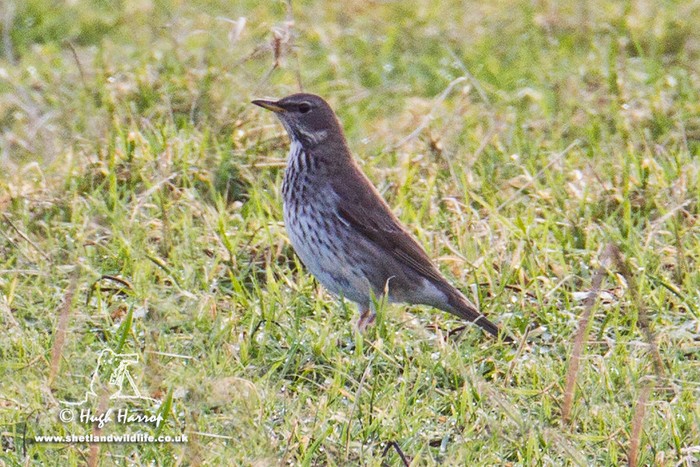
We seem set for a spell of easterlies as the coming week wears on, so that ought to herald some thrushes coming our way. Could a Black-throated Thrush be on the cards?
Jon Dunn
21 November 2025
Many thanks to all this week's contributors for your photos and videos
Get Breaking Birdnews First
Get all the latest breaking bird news as it happens, download BirdAlertPRO for a 30-day free trial. No payment details required, and get exclusive first-time subscriber offers.
Share