Poaching surge reported on Malta as spring migration reaches peak
Conservation group documents repeated illegal hunting and trapping incidents across Malta
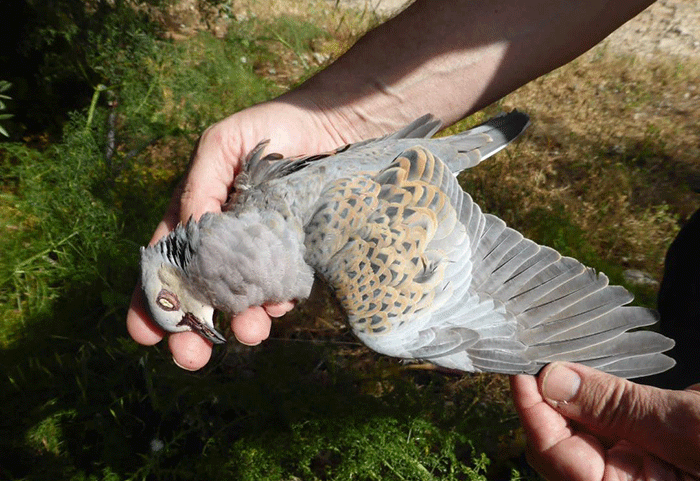
The Committee Against Bird Slaughter (CABS) has reported a sharp increase in illegal bird hunting and trapping as spring migration reaches its peak, with multiple incidents recorded over a short period in Malta.
According to the organisation, illegal activity has “escalated in lockstep with the numbers of birds arriving”, with field teams documenting offences on a near-daily basis during April as migratory birds pass through the central Mediterranean.
Recent cases include the capture of protected Tree Pipits and a Short-toed Lark near Qrendi, where police seized several live birds along with a large clap-net installation and arrested the offender. CABS said such trapping methods remain widely used despite being illegal.
Further incidents reported by the group include the trapping of Ortolan Buntings and additional pipits, as well as the illegal targeting of Turtle Doves on Gozo. In one case, a hunter was filmed shooting a Turtle Dove during the closed season, with police subsequently locating both the bird and the suspect.
Other enforcement actions during the same period involved arrests for hunting within protected areas, the dismantling of illegal trapping installations, and the seizure of live decoy birds used to attract targets. CABS noted that the use of decoys and electronic callers continues to be a common feature of illegal hunting activity.
The organisation said its teams also recorded numerous additional violations, including the shooting of protected species, hunting during restricted hours and the use of modified firearms. Many of these incidents were reported directly to the authorities by observers in the field.
In total, CABS said its monitoring efforts contributed to the arrest of at least eleven poachers in the weeks leading up to mid-April, alongside further cases identified as migration activity intensified.
While acknowledging the response of enforcement authorities, the group expressed concern about the overall scale and persistence of illegal activity during peak migration periods. Managing director Alexander Heyd said: “The resources allocated by the government fall far short of what is needed to effectively tackle poaching in all its forms.”
He added that many offenders appear undeterred by current enforcement measures, with illegal hunting continuing even in well-monitored areas. The organisation has called for increased resources, stricter enforcement and a more coordinated response to wildlife crime.
Spring migration is a particularly vulnerable time for birds moving between Africa and Europe, with large numbers passing through Malta and other Mediterranean islands. Conservation groups say this concentration of birds, combined with favourable weather conditions, can lead to spikes in illegal activity.
CABS teams remain active across key migration sites and say monitoring will continue throughout the main passage period as birds continue to move north to their breeding grounds.
April 2026
Get Breaking Birdnews First
Get all the latest breaking bird news as it happens, download BirdAlertPRO for a 30-day free trial. No payment details required and get exclusive first-time subscriber offers.
Share this story