Dawn Chorus fading as UK songbird numbers continue to fall
New BTO survey shows long-term declines across many familiar species, with some now disappearing from parts of England’s spring soundscape
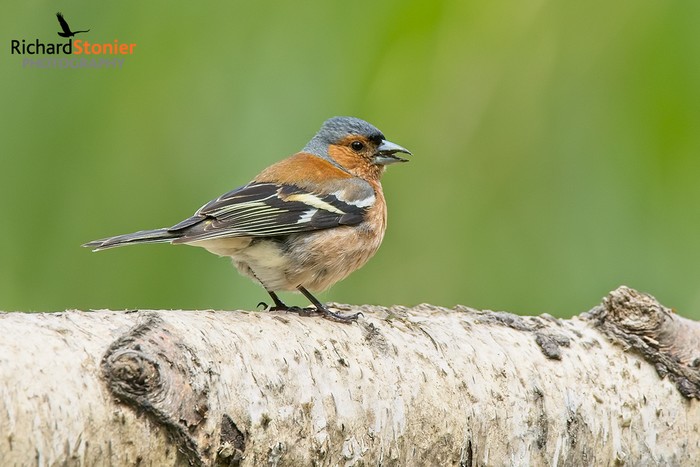
The British Trust for Ornithology (BTO) has warned that the UK’s Dawn Chorus is becoming increasingly diminished, as new figures highlight continued declines among many familiar songbird species.
Ahead of International Dawn Chorus Day on 3 May, the organisation says that while birdsong remains a defining feature of spring, the overall soundscape is now “an aural shadow of its former self”.
The findings come from the latest Breeding Bird Survey (BBS), the UK’s primary long-term monitoring scheme for common and widespread breeding birds. The survey, run jointly by the BTO, the RSPB and the JNCC, draws on the work of nearly 3,000 volunteers and provides population trends for 119 bird species.
Among the species highlighted is Chaffinch, which has declined by 36% across the UK between 1995 and 2024, and by 48% in England over the same period. The decline is thought to be linked to trichomonosis, a disease that has also caused major reductions in Greenfinch and Collared Dove populations.
Other once-common songsters are also in sustained decline. Willow Warbler numbers have fallen sharply in England - down 47% since 1995 - with even steeper regional losses of up to 89% in parts of southern England. In contrast, populations have increased in northern Britain and Northern Ireland.
Song Thrush populations show a mixed picture, with some recovery in northern areas but continued declines in London, where numbers have dropped by 47% since 1995. Mistle Thrush has declined more broadly, falling by 40% across the UK, including an 81% reduction in London.
Several woodland species are among the fastest declining. Wood Warbler has decreased by 82%, Spotted Flycatcher by 61%, and Pied Flycatcher by 52%. The most severe long-term decline is recorded for Willow Tit, which has fallen by 92% since 1995.
Even House Sparrow, a familiar presence in towns and cities, continues to struggle. Despite earlier large declines in the late 20th century, the 2025 population level is reported to be the lowest since monitoring began.
There are some indications that targeted conservation can be effective. Reed Warbler populations, for example, have increased by 51% since 1995, linked to the creation and restoration of wetland habitats.
Prof Juliet Vickery, CEO of BTO, said: “Despite decades of effort to reverse some of the severe challenges faced by many of the UK’s birds, we are still witnessing catastrophic declines across many of our landscapes. And this matters because these songsters are important indicators of the health of our natural world - a natural world on which we all depend.”
Dr James Heywood, BBS National Organiser, added: “The Dawn Chorus is still a major highlight in nature’s calendar, and I would encourage everyone to get out there and enjoy it. However, what BBS shows is that the future of this remarkable free symphony is at risk of becoming little more than a whisper if we do not act to reverse these worrying declines.”
April 2026
Get Breaking Birdnews First
Get all the latest breaking bird news as it happens, download BirdAlertPRO for a 30-day free trial. No payment details required and get exclusive first-time subscriber offers.
Share this story