Nightingales increase on RSPB reserves despite wider UK decline
Survey records second highest total in over a decade as habitat management supports recovery on key sites
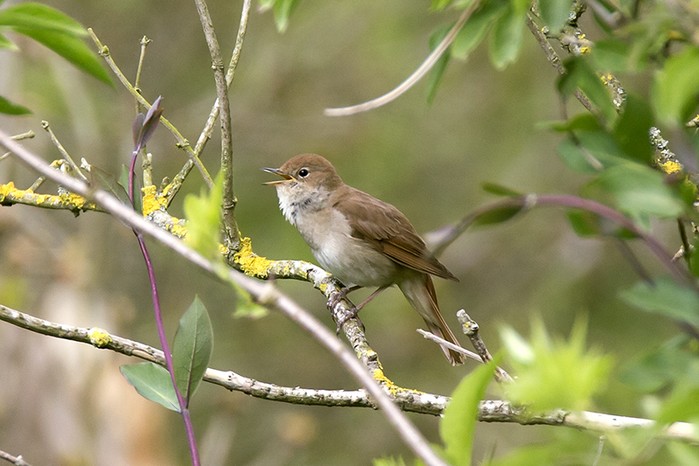
The Royal Society for the Protection of Birds (RSPB) has reported an increase in Nightingale numbers on its nature reserves, with 176 singing males recorded in 2025 - the second highest total in more than a decade.
The figure represents a 7% rise on 2024, when 164 singing males were counted, and comes ahead of International Dawn Chorus Day on 3 May.
Despite this local improvement, Nightingale remains a Red-listed species of high conservation concern in the UK, with the breeding population declining by 34% between 1995 and 2024.
The RSPB says the increase on its reserves reflects targeted habitat management, particularly the creation and maintenance of scrub and thicket habitats used by breeding birds.
Key sites contributing to the 2025 total include Northward Hill, which recorded 47 singing males (up from 37 in 2024), and Canvey Wick with 28. Other reserves reporting increases include Pulborough Brooks (12), Blean Woods (23) and Minsmere, where between 22 and 35 males were estimated.
Nightingales breed in southern and eastern England, favouring dense scrub and woodland edge habitats. Long-term declines have been linked to habitat loss and degradation, including the reduction of scrub, changes in woodland management and increased browsing pressure from deer.
Conservation work on RSPB reserves has focused on restoring these habitats. Coppicing - cutting trees close to the ground to encourage dense regrowth - is widely used to create suitable conditions for nesting and feeding.
Alan Johnson, RSPB England Area Manager, said: “It is fantastic to see Nightingale numbers increasing on RSPB nature reserves thanks to the hard work of staff and volunteers to create safe havens for this incredible migratory species. The growing numbers show effective conservation action and a great example that nature can thrive when given a chance.”
Nightingales migrate to the UK from mid-April after wintering in West Africa. The UK population is particularly vulnerable as birds rely on a relatively restricted wintering range, meaning environmental changes there can affect the number returning to breed.
The species is also highly site-faithful, often returning to the same breeding locations each year, increasing the importance of maintaining suitable habitat at established sites.
Johnson added: “Scrub might not be the most charismatic habitat, but it plays a crucial role in supporting Nightingale and other species such as Turtle Dove and Willow Warbler. Restoring and managing these habitats is vital for species recovery and with Dawn Chorus Day approaching, being able to hear singing Nightingales across our nature reserves makes all the hard work worthwhile”.
The RSPB is encouraging people to mark International Dawn Chorus Day by listening to birdsong, whether at a nature reserve or in local green spaces, with Nightingales among the species that may be heard in suitable parts of southern and eastern England.
April 2026
Get Breaking Birdnews First
Get all the latest breaking bird news as it happens, download BirdAlertPRO for a 30-day free trial. No payment details required and get exclusive first-time subscriber offers.
Share this story