



Weekly birding round-up: 24 - 30 Jul
As summer continued to bake Britain and Ireland to a crisp, the rarities also remained red-hot this past week, with two recent superstar passerines the stars of the show, and Kent reminding us that even the dog days can produce notable new rarities.
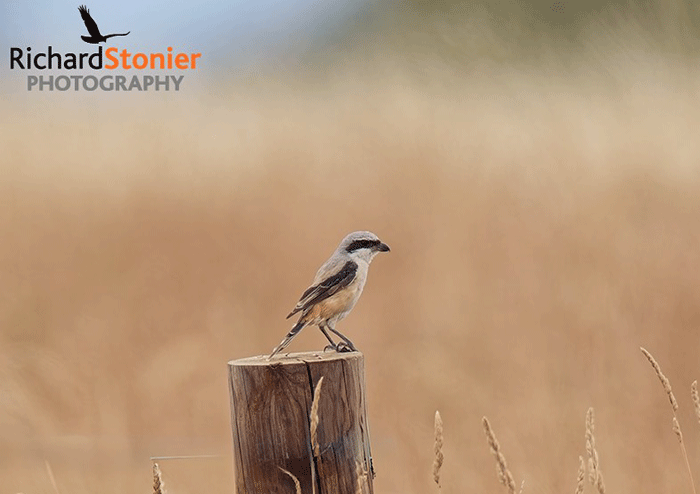
Proving to be that most obliging of rarities – the sort that sticks around for a long time, allowing pretty much anyone so inclined the opportunity to catch up with it – the recent Long-tailed Shrike remained settled at Eastleach Downs (Gloucestershire) on 24th-30th. Whether this summer’s events mark a sea-change in the species’ status in Britain, à la Brown Shrike, or whether they prove to be a Siberian Accentor-like flash in the pan remains to be seen. But one thing’s for sure, for now Long-tailed Shrike has resoundingly lost its blocker status.
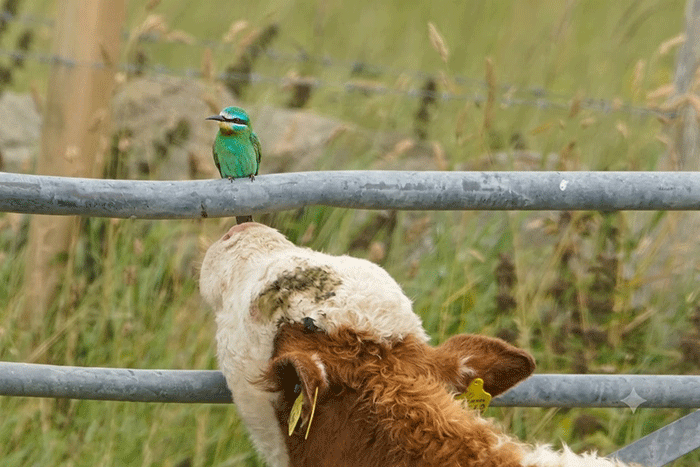
Last seen on Orkney’s Papa Westray on 15th, the Blue-cheeked Bee-eater was re-found this week elsewhere in the archipelago, on Sanday on 28th, where it remained until mid-afternoon before once again going AWOL, before being seen again on the isle on 29th. It’s clearly been somewhere in Orkney in the intervening period, making its known stay in the islands extend to 19 days since the first reported sighting on Westray on 11th.
Once the stuff of resigned, knowing eye-rolling when records came in around about this time of year, some nailed-down Eleonora’s Falcon in recent years have rather changed the status of the species – these days they actually feel like credible rarities when they flash up on the mega alert. And, as such, there’s no flinching to be done when we hear that a pale morph Eleonora’s Falcon was seen coming in off the sea at North Foreland (Kent) on 24th.
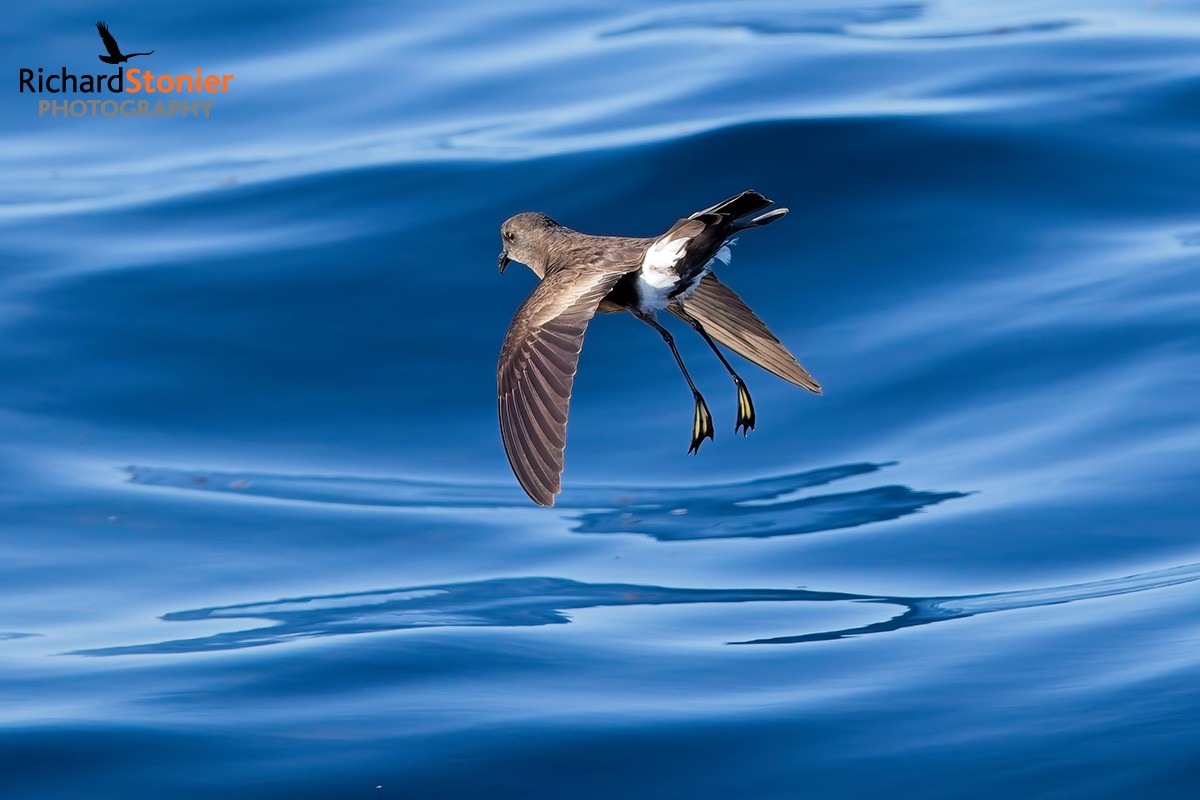
We’ll start the seabirds as is traditional at this time of year with Wilson’s Petrel, with numbers beginning to mount in Britain and Ireland as a whole – some 85 birds in all were logged this past week from land and sea. Notable tallies were 10 birds from a pelagic off Pembrokeshire on 24th, 28 birds seen from Bridges of Ross (Co.Clare) on 25th, some 20 birds from the Scilly pelagic of 28th, and 15 from the Scilly pelagic of 30th. Away from the usual Cornish vantage points, a bird further east in Devon on 29th was notable, seen that day in Lyme Bay off Brixham.
Two Leach’s Petrel were trapped and ringed at Cove Bay (Aberdeenshire) on 25th, one on Fair Isle (Shetland) overnight on 30th, and one was seen from Bridges of Ross (Co.Clare) on 26th.
Belated news this week concerned a Yelkouan Shearwater seen at sea some two and a half miles off Dartmouth (Devon) on 19th. North Ronaldsay (Orkney) reiterated its credentials as a seawatching vantage point on 25th with a Barolo Shearwater seen heading north in the afternoon.
Numbers of large shearwaters started to pick up in recent days. Around 3,600 Cory’s Shearwater were logged this week, with a peak count of 1,200 off Pendeen (Cornwall) on 26th; and some 420 Great Shearwater were logged, the peak count of these being 210 birds seen from East Pentire (Cornwall) on 26th.
Numbers of Balearic Shearwater remained poor, however. Singletons were seen at Fishtown of Usan (Angus) on 26th, and The Lizard (Cornwall) on 28th; while three were seen off Portland (Dorset) on 26th.
A Long-tailed Skua was seen in Somerset at Burnham-on-Sea on 26th, and two on 27th from the ferry between Ullapool and Stornoway (Highland & Caithness / Western Isles); another was reported on 29th from Rottingdean (East Sussex). Pomarine Skua meanwhile were seen from the ferry off Inishmore (Co.Galway) on 24th, off North Ronaldsay (Orkney) on 27th, Brora (Highland & Caithness) on 28th, and Killybegs (Co.Donegal) on 30th.
In Orkney the White-billed Diver remained off Houton on 24th, while a most unseasonable Little Auk was seen from the ferry off Rousay on 27th.
It seems like the Western Reef Heron show may not be over just yet in Wales, with another report coming in this past week of the adult dark morph bird – this time at Kidwelly (Carmarthenshire) on 24th.
Night Heron continued to dominate the news, with the four recent birds seen at Bolton-on-Swale Lake YWT (North Yorkshire) still on 25th-29th. One settled at Porth Reservoir (Cornwall) on 24th-30th, while another was seen again at Middleton Lakes RSPB (Staffordshire / Warwickshire) on 27th.
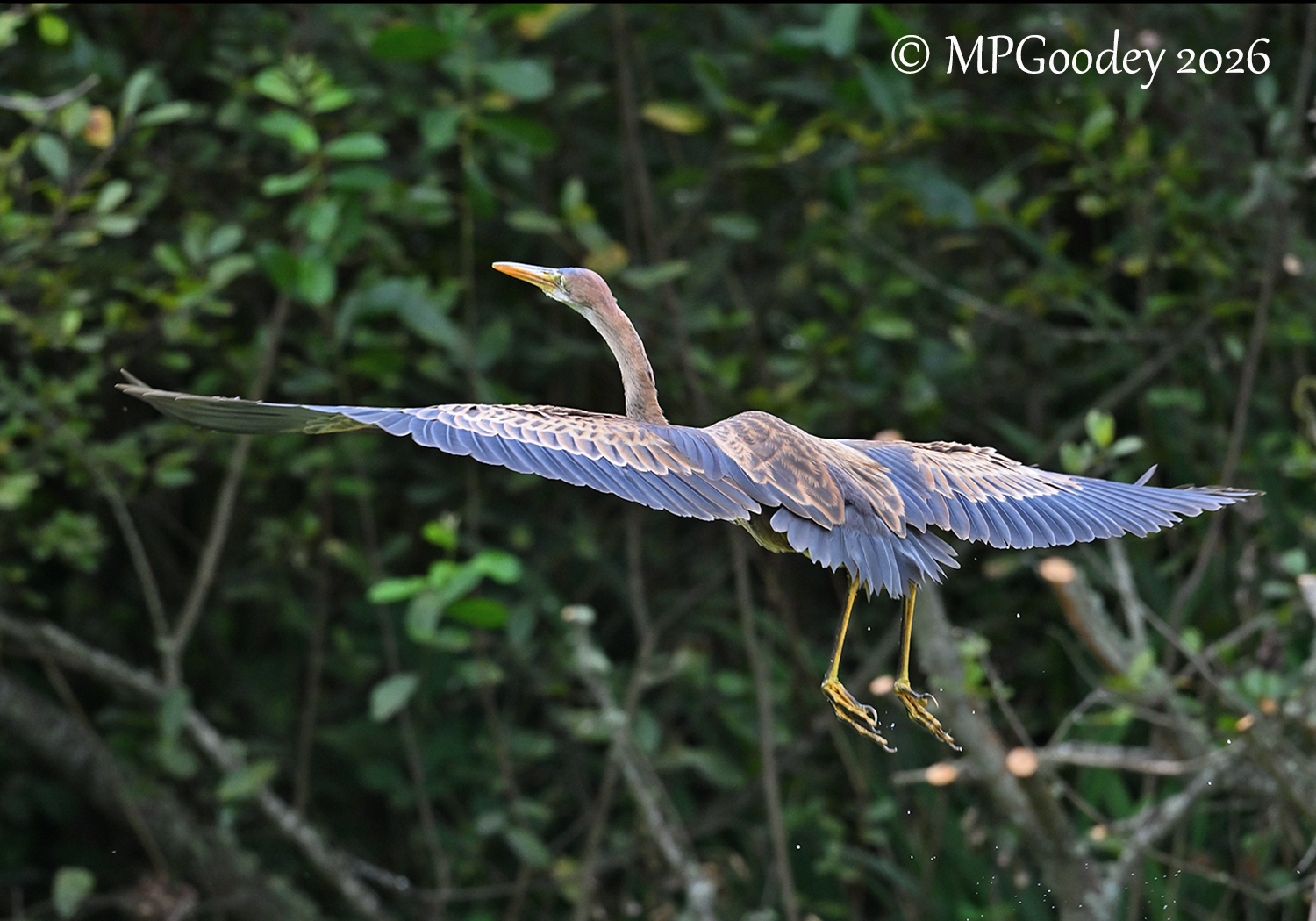
A Purple Heron was seen in Devon on 25th at Seaton Marshes, while another lingered on St Mary’s (Scilly) on 25th-30th, and one was seen over Elton Reservoir (Greater Manchester) on 30th.
The second half of the week was dominated by sightings of Black Stork - starting in northern England, two were present at Croxdale (Co.durham) on 24th, followed by sightings of single birds at Bempton Cliffs RSPB (East Yorkshire) on 25th; Flamborough (East Yorkshire) on 25th-26th; and Low Skirlington and Sewerby (East Yorkshire) on 26th. Moving down to Cornwall, two were seen initially at Lanhydrock on 28th before roving around west Cornwall as the day unfolded. Finally, on 30th two were seen over Chepstow (Gwent).

A Corncrake was heard singing at Rampside (Cumbria) on 29th.
The rarity duckpond continued to be a rather peaceful place still this week, with the main point of interest still being the seaduck to be found off Musselburgh (Lothian)… Here numbers of White-winged Scoter reported fluctuated, but three drakes were again confirmed present there on 28th-30th. Numbers of Surf Scoter also varied, but the full recent trio were once more to be found there on 26th and 28th.
A drake Lesser Scaup was reported from St Gothian Sands LNR (Cornwall) on 27th.
Recent Ring-necked Duck were again noted on Loch of Clickimin (Shetland) still on 26th-30th, and on Netherfield Lagoons (Nottinghamshire) still on 25th-27th; another drake was found in Co.Wexford at Tacumshin on 26th.
Finally, a female Ferruginous Duck was again seen at Stanford Reservoir (Northamptonshire / Leicestershire) on 27th.
Still heading up the weekly waders was, of course, the adult Hudsonian Godwit, present on the muddy shores of Cattawade (Suffolk) on 24th-30th.
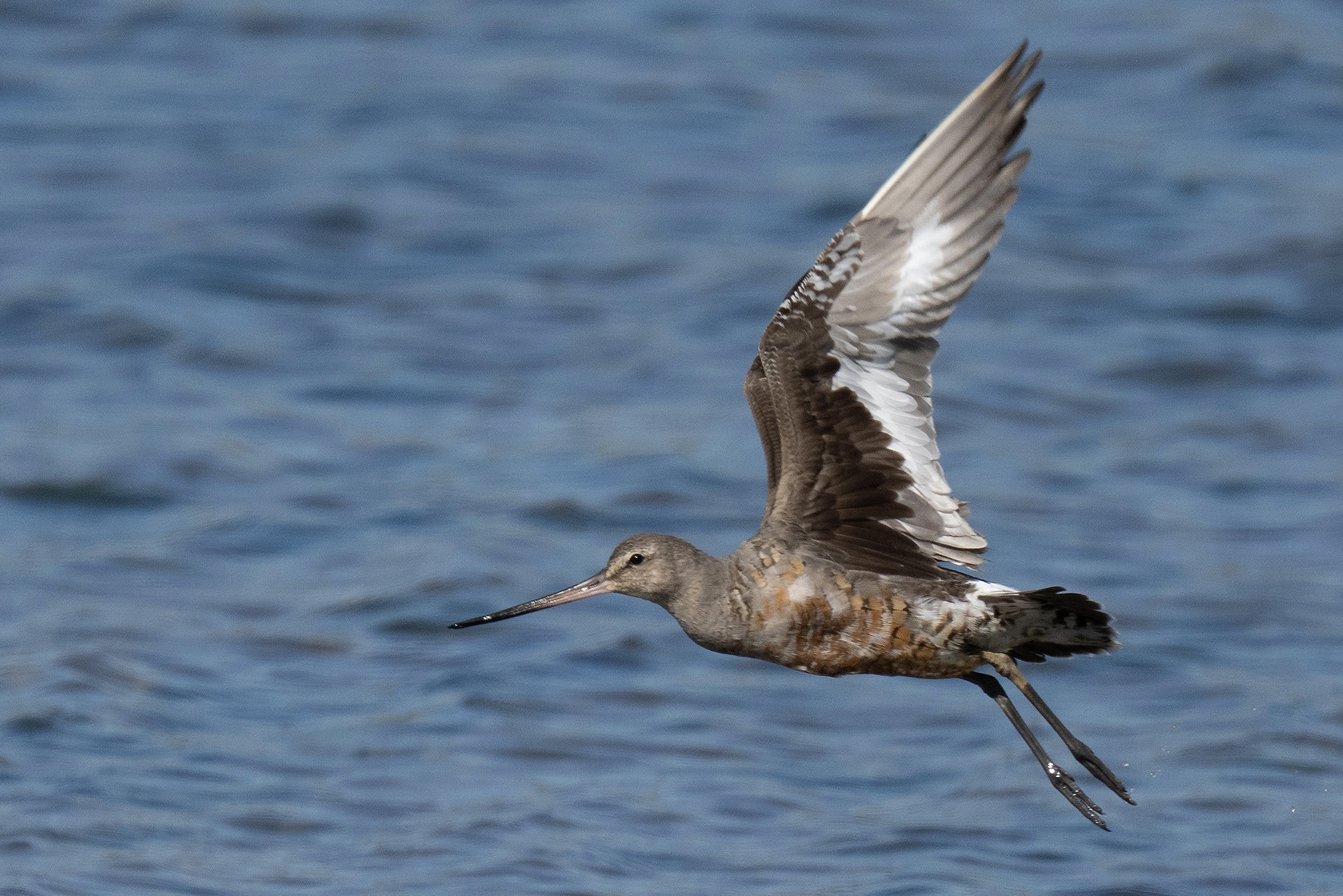
The adult Pacific Golden Plover remained in Lincolnshire at Donna Nook on 24th-30th. An American Golden Plover remained on Westray (Orkney) on 30th.
In Cornwall a Kentish Plover was found on 24th on Hayle Estuary.
Up on Orkney, the recent Semipalmated Sandpiper remained on North Ronaldsay on 24th-29th. Another was found this week in Co.Wexford on Ring Marsh on 27th-29th.

As we anticipated, the week proved to be a good one for White-rumped Sandpiper. One remained in East Yorkshire at Kilnsea Wetlands NR on 24th-30th, joined there by a second individual on 26th, one of these accounting for the sighting on 27th at Beacon Ponds NR; an adult was at Belvide Reservoir (Staffordshire) on 26th; Suffolk drew a bird at Minsmere RSPB and Felixstowe Ferry on 27th; one was found in Kent on 29th-30th at Oare Marshes KWT; two were present on 30th at Snettisham RSPB (Norfolk); while Irish individuals were seen at Ballynamona Strand (Co.Cork) on 26th-29th, Ring Marsh (Co.Wexford) on 27th-29th, and Tacumshin (Co.Wexford) on 30th.
Beacon Ponds NR and Kilnsea Wetlands NR (East Yorkshire) were also graced this week by a Buff-breasted Sandpiper on 26th-29th.
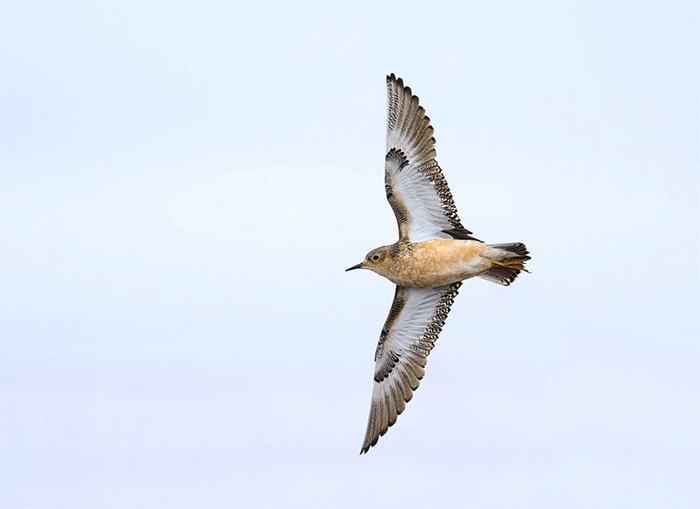
A smidge over half a dozen Pectoral Sandpiper were a fair showing for the species – single birds were logged at Pannel Valley NR (East Sussex) still on 24th, Freiston Shore RSPB (Lincolnshire) still on 26th-28th, Keyhaven Marshes (Hampshire) still on 24th-25th, at Cairnbulg (Aberdeenshire) still on 25th-30th, in Norfolk at Breydon Water on 25th-30th and Stiffkey Fen on 28th, at Hesketh Out Marsh RSPB (Lancashire & North Merseyside) on 29th-30th, and at Saltholme RSPB (Cleveland) and Tacumshin (Co.Wexford) on 30th.
Two Black-winged Stilt remained at Frampton Marsh RSPB (Lincolnshire) on 24th-30th; another was seen in flight at Quedgeley (Gloucestershire) on 27th.
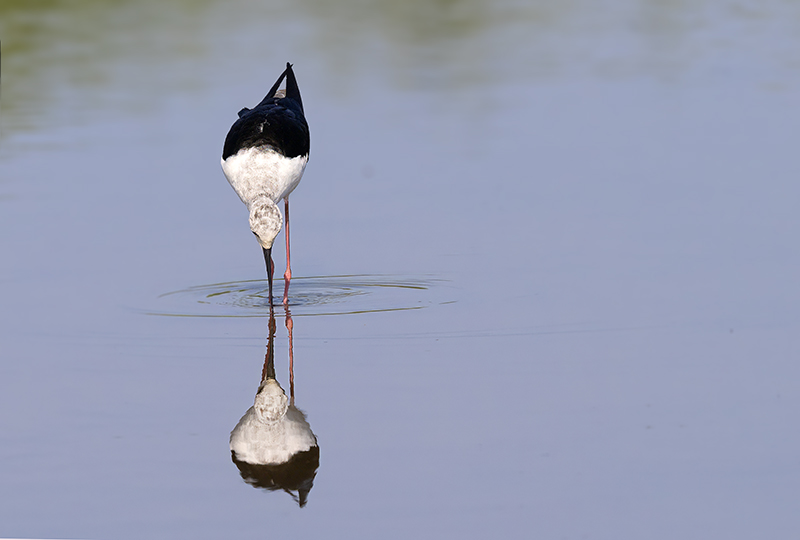
On Orkney a Red-necked Phalarope was seen on North Ronaldsay on 25th.
An adult Franklin’s Gull was found on 30th at Nosterfield Quarry (North Yorkshire).
In Kent the regular adult Bonaparte’s Gull remained at Oare Marshes KWT on 24th-30th. 28th was marked by a small flurry of further sightings – in Gloucestershire an adult at Severn Beach, and a first-summer at New Passage; and in Aberdeenshire at least one bird at Whinnyfold. The New Passage first-summer remained present until 30th, and a first-summer at Whinnyfold until 29th.
Scotland gave us a few lingering Glaucous Gull this week – still present on Westray (Orkney) on 24th, on Mainland Orkney at Stenness again on 30th, and on South Uist (Western Isles) on 24th. An Iceland Gull was seen on 25th at Clonakilty (Co.Cork).
The second-summer Ring-billed Gull remained at Doorly Park (Co.Sligo) on 29th.
In Northumberland the female surinamensis American Black Tern was proving restless, seen on Coquet Estuary on 24th, Coquet Island RSPB on 28th, and off Longhoughton Steel on 29th-30th.
In Co.Wexford the adult White-winged Black Tern was still present at Tacumshin on 24th-25th, Crossfintan Point on 26th, and Lady’s Island Lake again on 30th.
The Black-winged Kite was once again seen in Norfolk this week at Sea Palling on 29th-30th.
A male Red-footed Falcon was seen at Winterton North Dunes (Norfolk) on 24th.
On 25th, a Black Kite was seen at Fotherby (Lincolnshire).
Finally for the raptors, Montagu’s Harrier sightings came from Blewbury Down (Oxfordshire) on 24th and 26th-29th; Churn (Oxfordshire) on 25th-26th; Compton Downs (Berkshire) on 25th; and Horton (Buckinghamshire) on 27th.
Providing some counterpoint to a couple of the headline birds of the week, a Bee-eater was seen in Co.Cork at Bandon on 28th, and Red-backed Shrike at Hanging Houghton (Northamptonshire) on 25th and Roydon Common NWT (Norfolk) on 27th.
Hoopoe were reported from St Monans (Fife) on 24th and Strumble Head (Pembrokeshire) on 25th; and a further bird was seen in Worcestershire at Grimley on 28th-30th.
The male Western Subalpine Warbler remained tucked into the Obs garden on Fair Isle (Shetland) on 28th.
On Orkney the recent Rosy Starling remained on Mainland at Harray on 27th, while another was reported in Highland & Caithness at Scrabster on 25th.
A Serin was seen at Mizen Head (Co.Cork) on 26th.
Finally, a blast from the not so distant past – the male Great-tailed Grackle remained in Lancashire & North Merseyside at Speke Hall on 26th.
The overseas news begins once more in Iceland, where the American Tree Sparrow remained at Kjos on 24th-28th.
A West African Crested Tern was seen in Sicily off Siracusa on 24th.
Closer to home, a Brown Booby was seen on 29th in France heading south past Pointe de Chassiron; while on 28th a dark morph Western Reef Heron was present at Pont de Gau.
August is upon us, and that means the focus increasingly turns to not only waders, but seabirds too. We’re surely due a Fea's / Zino's / Desertas Petrel at some point in the not too distant future…
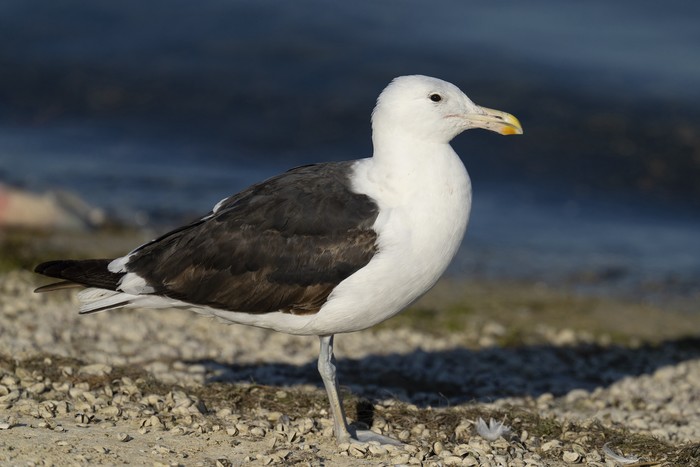
And while more White-rumped Sandpiper are merely a formality in the coming week, perhaps we can dare to dream a little bigger, and look away from waders and seabirds for just a moment? The first week of August coincides with records of vetula Cape Gull at Grafham Water (Cambridgeshire) in 2022 and 2024 – a timely reminder that it’s always worth checking the large gulls wherever one may live or bird, for there’s always hope of something exciting in their midst.
Jon Dunn
31 July 2026
Many thanks to all this week's contributors for your photos and videos and to everyone who contributed throughout the year.
Get Breaking Birdnews First
Get all the latest breaking bird news as it happens, download BirdAlertPRO for a 30-day free trial. No payment details required, and get exclusive first-time subscriber offers.
Share this round-up





