White-tailed Eagle death in Hampshire linked to brodifacoum
Government test results identify the anticoagulant rodenticide as the likely cause, but do not establish how the bird was exposed.
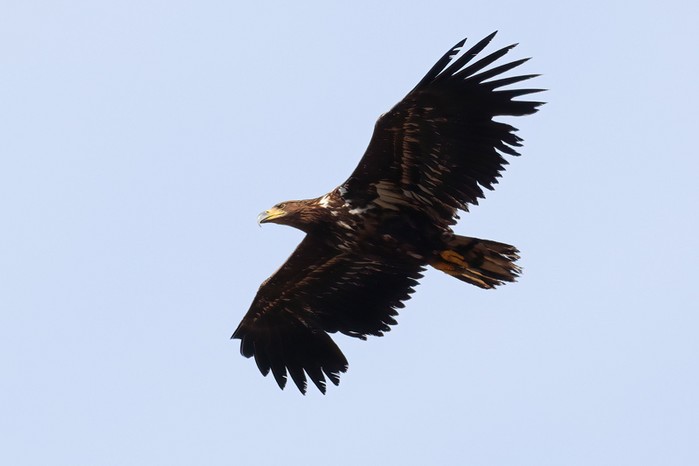
A White-tailed Eagle found dead in woodland in Hampshire in June 2026 had brodifacoum in its liver, with the anticoagulant rodenticide identified as the likely cause of death in the Government's Wildlife Incident Investigation Scheme.
The case entered wider circulation through a 29 October statement from Wildlife Poisoning Research UK, republished by Raptor Persecution UK on 4 November. Raptor Persecution UK did not add separate commentary by Dr Ruth Tingay to the item.
The underlying evidence is an entry in the Health and Safety Executive's October update to the quarterly WIIS results. The scheme investigates reported incidents involving pesticides and wildlife in England on behalf of HSE.
"Analysis has confirmed brodifacoum in the liver which is likely to be the cause of death."
Health and Safety Executive WIIS case summary
Brodifacoum is a second-generation anticoagulant rodenticide. It is intended to kill rodents by preventing blood from clotting, but predators and scavengers can be exposed when they eat contaminated prey. Its detection in an eagle does not by itself reveal where the rodent ate bait, who placed it or whether the product was used lawfully.
That distinction matters. WIIS classifies incidents as approved use, misuse, abuse, unspecified, unknown or another cause after considering the available evidence. The public summary quoted by WPRUK establishes a probable pesticide death, but the material available for this article does not identify the case category or demonstrate deliberate poisoning. It should therefore not be described as a proven wildlife crime.
WPRUK has submitted a Freedom of Information request seeking more detail. The group argues that continuing exposure to brodifacoum threatens the developing eagle population and shows that existing safeguards are inadequate. That is the campaign group's interpretation rather than a conclusion stated in the short WIIS record.
White-tailed Eagles have been returning to southern England through the Forestry England and Roy Dennis Wildlife Foundation release programme, which began on the Isle of Wight in 2019. Forestry England says 45 young birds had been released by August 2025 and that six wild-born chicks had fledged by then. Six further birds were released in Exmoor in August 2026.
The Hampshire case follows other southern English eagle deaths in which brodifacoum has been implicated. It adds evidence of exposure within the reintroduced population, although it does not provide a population-level estimate of risk. The age, identity and tracking history of the Hampshire bird were not disclosed in the public case summary.
HSE notes that quarterly results can be amended while investigations continue. Any later category, enforcement finding or fuller toxicology account could materially change what can be concluded about the circumstances of this death.
6 Nov 2026
Get Breaking Birdnews First
Get all the latest breaking bird news as it happens, download BirdAlertPRO for a 30-day free trial. No payment details required and get exclusive first-time subscriber offers.