RBA Round-up: 20 - 26 Nov
We’re definitely in the dying embers of autumn now, with the law of diminishing returns applying hard as most meaningful passerine migration is largely done and dusted for another year. And yet, and yet… there were still birds out there for the finding, as this past week proved.
Is there any more frustrating headline bird than one that’s here and gone in the blink of an eye? That frustration certainly applies to this week’s opening bird, an American Robin seen briefly, mid-morning on 22nd, behind the police station in Alnwick (Northumberland) before flying off, never to be seen again.
Rarities don’t come much more distinctive than an American Robin - they’re colourful, and pretty chunky things. Certainly hard to mistake. If accepted, this week’s fleeting bird would be a first for Northumberland, so a significant record.
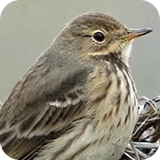
Given their sea change from ultra rarity in the 20th century to anticipated annual bird in Britain, we don’t always elevate American Pipit to the lofty, giddy heights of the headlines. Then again, they’re a relative stranger to Devon, with just the one accepted bird on the books for the county, and it’s getting late in the year.
Devon’s first record was a long-staying bird, a midwinter individual at East Prawle on 30th December 2021 – 29th January 2022. Ample time for local birders to catch up with it, and within the not-too-distant past at that. Will this week’s bird, one that appears to be settling in well at Orcombe Point on 20th-26th, prove a potent draw? Perhaps not, but then again, with other distractions at this time of year becoming thinner on the ground, surely worth a look if one’s in the area.
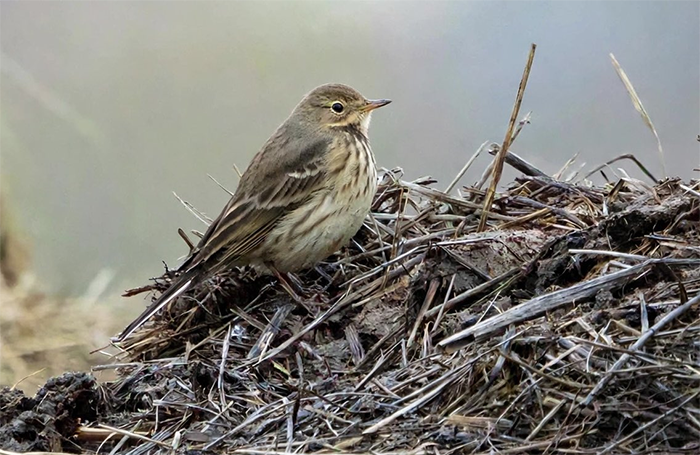
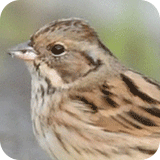
And as this week proved, with a Little Bunting also present at Orcombe, concentrated observer effort often turns up further surprises. There’s probably something else half-decent out there waiting to be found. Anyone like to bet against another Black-faced Bunting this year?
And speaking of Black-faced Bunting, Ireland’s first record proved to be a thoroughly amenable creature, remaining on Cape Clear into the past week, still to be seen there as the week began on 20th, making its stay a full six days – ample time for Irish birders to catch up with it.
Last seen in Dundee (Angus) on 14th, we would have been forgiven for thinking the recent Crag Martin had done a bunk – they’re magnificently mobile birds, after all. But there was to prove to be a twist in the tale this week, for on 23rd there it was once more at Cox’s Stack, and still to be seen there the following day, and once more on 26th for good measure.
Relatively little occurring this week on the seabird front, as we might anticipate at this late juncture in November.
Star turn was the adult Double-crested Cormorant again on 25th in Ireland at Aughrusbeg Lough (Co.Galway).
As for Britain, best of the bunch was the returned adult Pacific Diver in Cornwall off Mousehole on 24th-26th.
Little Auk were thin on the ground, with little more than a handful noted during the week. Two were seen from Redcar (Cleveland) on 22nd; and single birds from Barmston (East Yorkshire) and Long Nab (North Yorkshire) on 20th, Whitburn CP (Co.Durham) and Fife Ness (Fife) on 22nd, Nybster (Highland & Caithness) on 24th, on 24th from Porthoustock (Cornwall), on 25th off St Abb’s Head (Borders), and on 26th from Peterhead (Aberdeenshire) and Filey (North Yorkshire).
A precious few Leach’s Petrel were also logged – one off Southwold (Suffolk) on 20th; one off the Devon coast at Broxham on 22nd; and a final bird from Colne Point (Essex) on 23rd.
As for skuas, just a smattering of Pomarine Skua brightened the week – two seen from Fife Ness (Fife) on 22nd, and singletons from Titchwell RSPB (Norfolk) on 21st, Landguard NR (Suffolk) on 22nd, Canvey Point (Essex) on 22nd, and Long Nab (North Yorkshire) on 26th.
Onto the long-legged beasties, and a report of a Purple Heron at Marazion Marsh RSPB (Cornwall) on 21st was about the sum of things.
As for trundlers, a Spotted Crake was reported from Mitton Wood (Lancashire & North Merseyside) on 21st also.
Predictably enough, the honkers and quackers gave us plenty more variety to go at. Starting with The Goose Formerly Known As Canada, a hutchinsii Richardson’s Cackling Goose was in Cumbria at Rockcliffe Marsh on 20th, and two on North Uist (Western Isles) on 25th, with a probable again in Highland & Caithness at Glencaple on 23rd. A possible interior Todd’s Canada Goose was seen on Islay (Argyll & Bute) on 25th.
A Ross’s Goose was seen in Lancashire & North Merseyside at Sollom on 23rd, and again on 25th-26th.
The two recent Snow Goose remained at Slimbridge WWT (Gloucestershire) on 20th-22nd, and a further bird in recent days was seen at Inch Island (Co.Donegal) on 21st-25th.
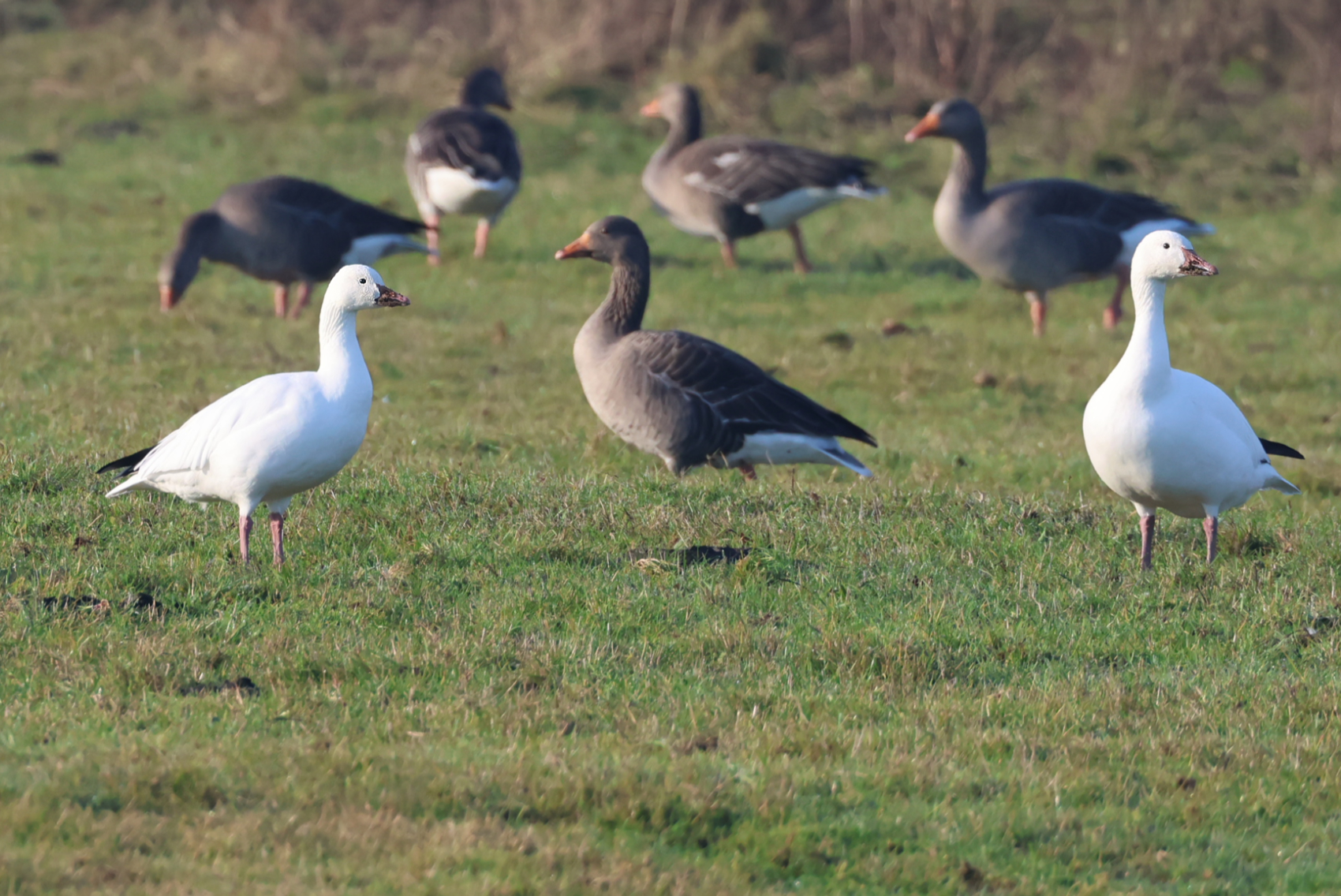
Two Red-breasted Goose lingered at Loans (Ayrshire) on 20th.
As for Black Brant, two remained in East Yorkshire at Sammy’s Point on 20th-23rd, with one still at Beacon Ponds NR on 25th; and a singleton was seen at Ferrybridge (Dorset) on 20th-21st.
At least a dozen American Wigeon were seen in Britain and Ireland as a whole during the week, including two birds at Bishop Middleham (Co.Durham) on 24th, and a further two probables at Jenny Brown’s Point (Lancashire & North Merseyside) on 21st.
Numbers of Green-winged Teal rose sharply and threatened double figures – single birds being logged at Chew Valley Lake (Somerset) still on 20th; Martin Mere WWT (Lancashire & North Merseyside) still on 20th-25th; at Achill Island (Co.Mayo) still on 21st; on 20th at Loch Fleet (Highland & Caithness) and Cors Crugyll (Angelesey); on 22nd-24th at Loch Insh (Highland & Caithness); on 23rd at Loch Ken (Dumfries & Galloway) and Dundalk Docks (Co.Louth); on 23rd-25th at Catcott Lows SWT (Somerset); on 25th at Crook of Baldoon RSPB (Dumfries & Galloway) still; and on 26th at Vane Farm RSPB (Perth & Kinross).
The drake Ferruginous Duck remained in Norfolk on Rollesby Broad on 20th-21st; and the female in Cambridgeshire at Berry Fen again on 24th. A further bird was found on 26th at Walthamstow Wetlands LWT (London). A probable was seen in Hampshire at the traditional site of Blashford Lakes HWT on 20th.
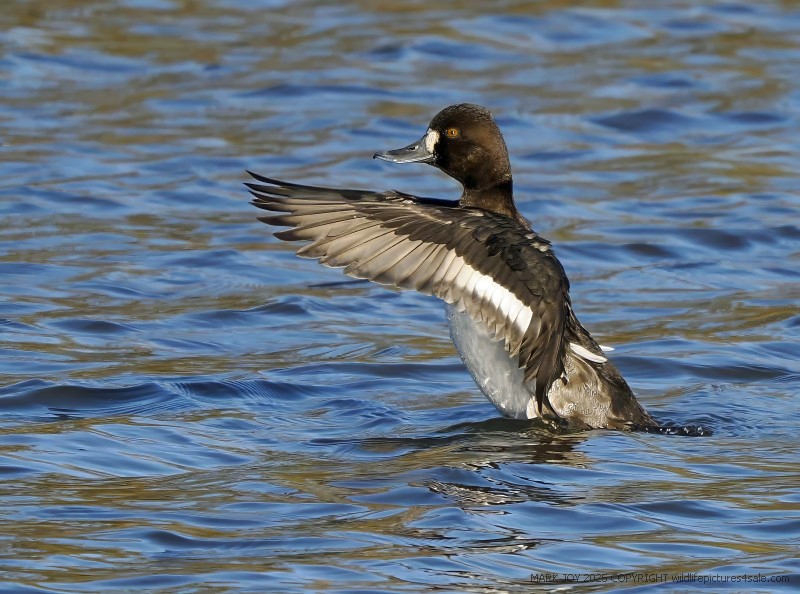
Numbers of Lesser Scaup were on the rise, with a drake again at Abberton Reservoir (Essex) on 21st and 24th, a drake on Loch Leven (Perth & Kinross) on 20th, and a first-winter drake at Langford Lowfields RSPB (Nottinghamshire) on 20th-26th.
We amassed another decent haul of Ring-necked Duck this past week, with around 30 birds again noted in Britain and Ireland and Ireland as whole. Peak counts were quartets at Knockalough Lake (Co.Clare) again on 24th, and in Devon at Whitehill Yeo Pit on 20th-25th. Duos meanwhile were at Boscathnoe Reservoir (Cornwall) still on 20th-22nd; Lochwinnoch RSPB (Clyde) on 20th-21st; at Cefni Reservoir (Anglesey) on 22nd; and on Drift Reservoir (Cornwall) on 26th.
Five Surf Scoter this week were well scattered around Britain – starting in Scotland, birds were present at Roseisle (Moray) and Dornoch (Highland & Caithness) still on 23rd, the Roseisle bird still present to 26th; in Wales, near Aberporth (Ceredigion) still on 20th-22nd, off Llandulas (Conwy) again on 21st, and Old Colwyn (Conwy) again on 25th-26th; and in England, a drake was seen motoring past Pendeen (Cornwall) on 21st. In Ireland, one remained off Kinvarra (Co.Galway) on 25th.
A drake White-winged Scoter was again seen from Gullane Point (Lothian) on 21st, with a sighting also that day from Leven (Fife).
In Shetland the female King Eider remained off Lerwick on 22nd-23rd, while the second-winter drake was again seen at Loch Fleet (Highland & Caithness) on 21st.
The weekly waders start brightly with the adult Pacific Golden Plover still present on the Isle of Wight on Western Yar Estuary on 21st.
An American Golden Plover was again seen at Garlieston (Dumfries & Galloway) on 21st; and a possible on St Mary’s (Scilly) on 20th.
A White-rumped Sandpiper proved locally popular for Norfolk visitors and locals alike on 21st-26th at Titchwell RSPB.
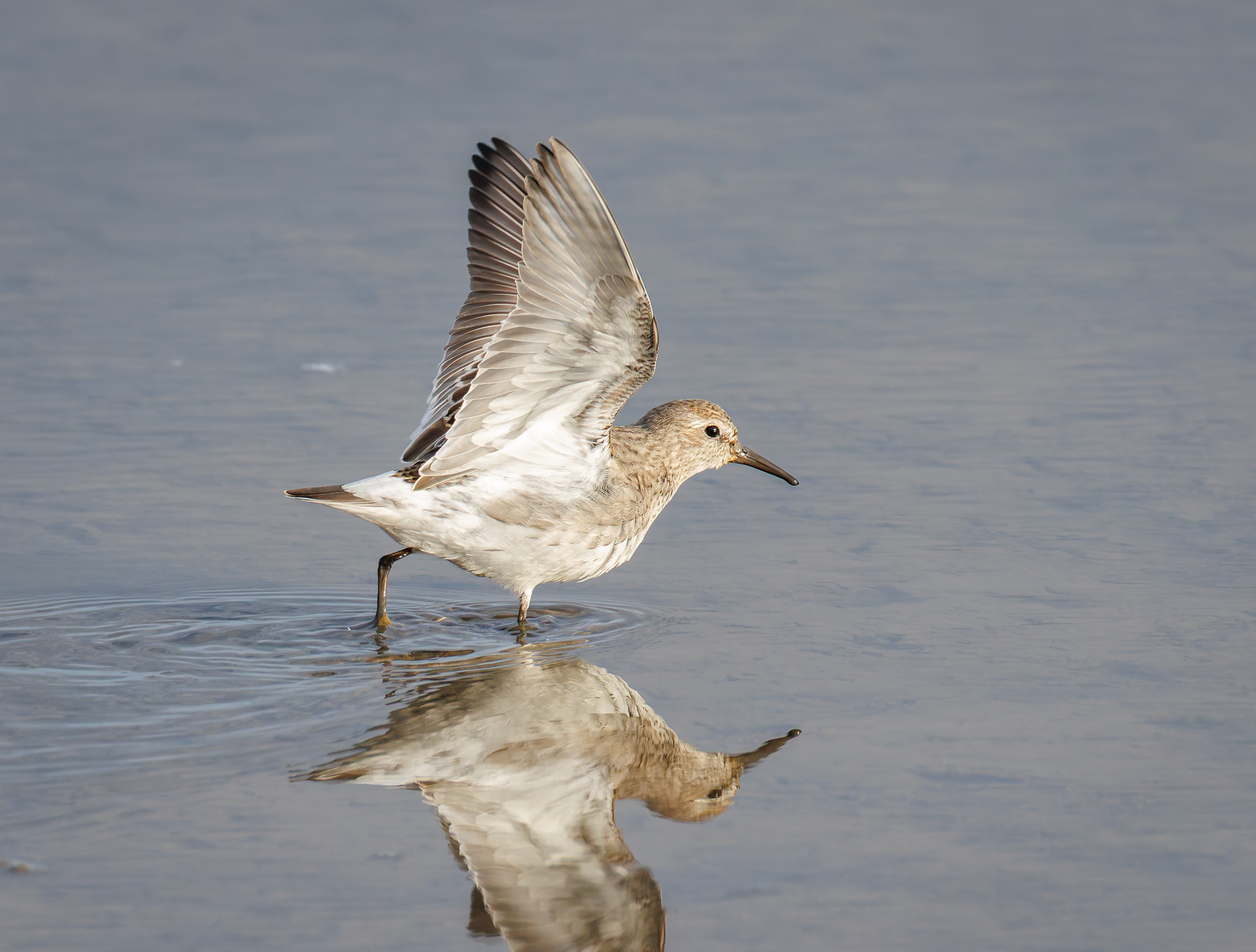
Lastly, numbers of Grey Phalarope tumbled, just about scraping into double figures for the week. Two began the week at Carne (Co.Wexford) still on 20th, one of those remaining there until 23rd; and single birds were noted at Sand Bay (Somerset), off the Farne Islands (Northumberland), and from Porthgwarra (Cornwall) on 21st; on 22nd from Dungeness (Kent); on 23rd from North Foreland (Kent), Blagdon Lake (Somerset), and Hengistbury Head (Dorset); and on 26th at Hove Lagoon (East Sussex). A probable was seen at Hodbarrow RSPB (Cumbria) on 20th.
Still settled and a popular bird, the second-winter Franklin’s Gull remained in Hampshire in the Winchester area on 20th-26th.
A pleasing counterpoint this week came in the form of a first-winter Laughing Gull seen in Co.Clare on 24th-25th at Kilbaha.
A possible Bonaparte’s Gull meanwhile was seen at East Chevington NWT (Northumberland) on this week on 22nd, and a confirmed bird at Portavogie (Co.Down) on 26th.
A possible Sabine’s Gull was seen from Dungeness (Kent) on 22nd, and a confirmed bird off Ballyvoyle (Co.Waterford) on 26th.
Ireland provided us with our weekly Ring-billed Gull sightings – the adult once more in Co.Louth at Blackrock on 21st; second-winters in Co.Cork at Rosscarbery on 22nd and Owenahincha on 23rd; and the second-winter still in Co.Galway at Barnaderg Bay on 23rd.
Lewis (Western Isles) peaked with seven Glaucous Gull seen on the island on 20th; while a singleton was at Drift Reservoir (Cornwall) on 21st. On 25th one remained at Annagh Marsh (Co.Mayo), and a further bird was seen at Amble harbour (Northumberland); a final bird was found at Burghead Bay (Moray) on 26th.
A scatter of Iceland Gull were logged across the region – single birds at Papa Westray (Orkney) on 20th, off Newlyn (Cornwall) on 21st, on 22nd-23rd at Turnberry Bay (Ayrshire), and on 23rd at Spurn (East Yorkshire) and Limerick (Co.Limerick). A probable was seen on 23rd on Islay (Argyll & Bute).
Wrapping up the white-wingers, the second-winter Kumlien’s Gull was still present in Co.Louth at Port Oriel on 20th-21st.
Finally, the prior week’s first-winter Forster’s Tern remained off Penzance (Cornwall) on 20th-21st and 25th-26th, and adjacent Newlyn on 21st-23rd and 25th-26th, while a bird was seen further east in Hampshire at Farlington Marshes HWT in the evening of 20th.
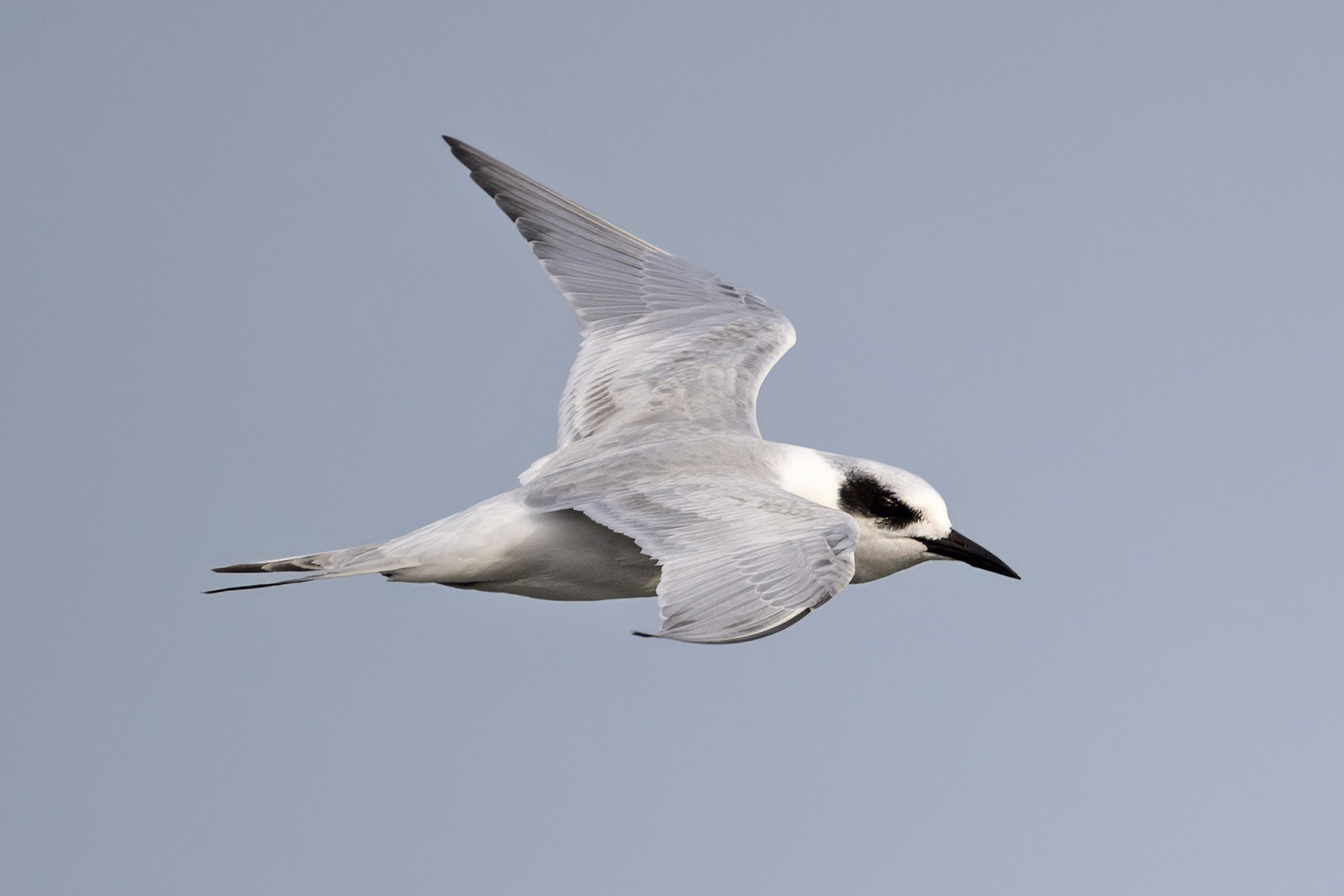
Pick of the week’s rare raptors, the recent juvenile Northern Harrier remained at Inch Island Lake (Co.Donegal) on 20th-25th. A further possible was noted on Cape Clear (Co.Cork) in the afternoon of 25th.
Seemingly now a winter staple in these parts, we enjoyed another busy week for Pallid Harrier - starting with sightings in Wales, these came from Llanrhidian Marsh (Glamorgan) again on 23rd (and once more on 26th) preceded by Glamorgan sightings at Dalton’s Point on 20th, and Wernffrwd on 21st. Up in Lancashire & North Merseyside, the juvenile male was again seen at Mawdesley Moss on 20th. Somerset sightings owed themselves to Steart WWT on 20th-26th still, and Pawlett Hams on 24th. Dorset got in on the act with a juvenile male at Stanpit Marsh on 23rd-24th, and a probable at Coward’s Marsh on 24th; these all followed a juvenile in Wiltshire seen over Luckington on 21st; and were followed by a juvenile on the Isle of Wight at Brading Marshes RSPB on 26th.
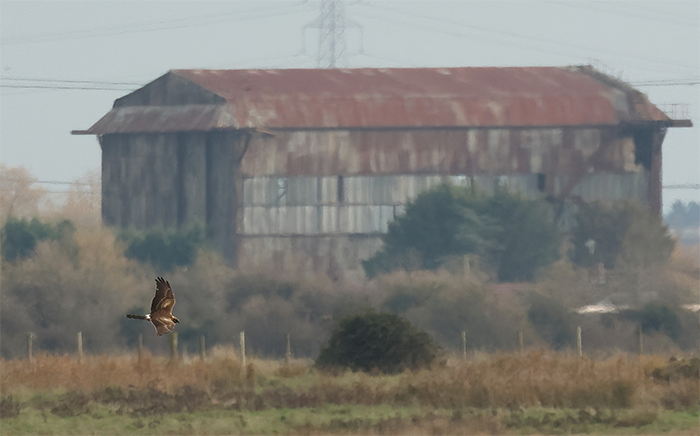
The recent juvenile Rough-legged Buzzard remained around Upwaltham (West Sussex) on 20th, reported again there on 22nd also; and a bird was seen in Norfolk at Sheringham on 24th.
A shade over half a dozen Hume’s Warbler proved obdurate beasts this week, hanging on in both eastern and western Britain. It’ll be interesting to see which if any linger into the winter proper and, surely, there’ll be one or two new birds found inland too in such salubrious places as sewage works’ boundaries. But back to this week – birds remained at Holkham Pines (Norfolk) on 20th-22nd; on St Mary’s (Scilly) on 20th-25th; at Morfa Madryn LNR (Conwy) on 20th-26th; at Kenidjack (Cornwall) on 21st-25th; at Gibraltar Point NNR (Lincolnshire) on 22nd-26th; at Bamburgh (Northumberland) on 22nd; and at Marsden Old Quarry LNR (Co.Durham) on 22nd.
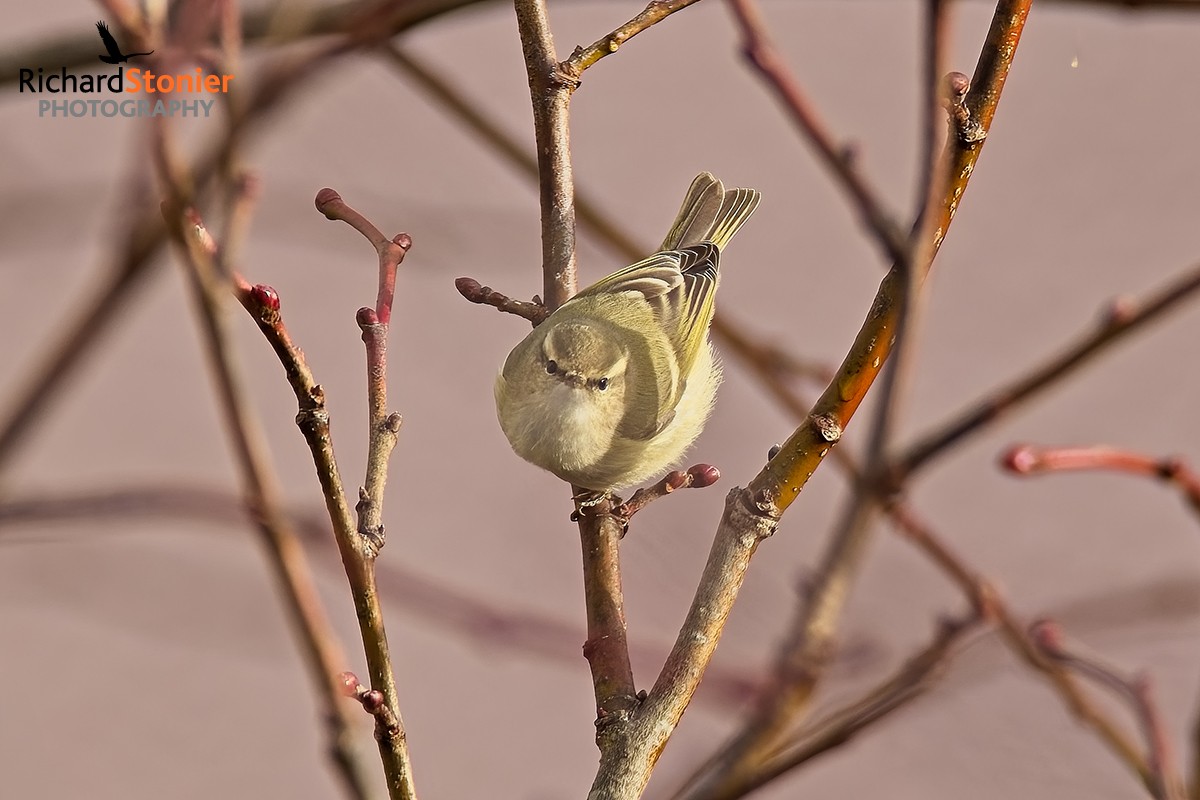
Numbers of Yellow-browed Warbler meanwhile barely made it into double figures…
At least one Dusky Warbler remained on St Mary’s (Scilly) on 21st-25th, with another on Tresco on 25th also; Norfolk meanwhile gave us sightings at Holme Dunes NWT on 22nd and 26th, and Titchwell RSPB on 23rd-26th.
A Pallas’s Warbler was found at The Naze (Essex) on 23rd.
At least one of this year’s accumulation of Zitting Cisticola remained in Suffolk this week at Walberswick NNR on 20th still.
While the week began with a recent Isabelline Wheatear still present in Kent at Dungeness on 20th, the week belonged to North Yorkshire with the discovery of yet another top drawer wheatear for the year in the form of another Issy at Filey on 23rd-25th.
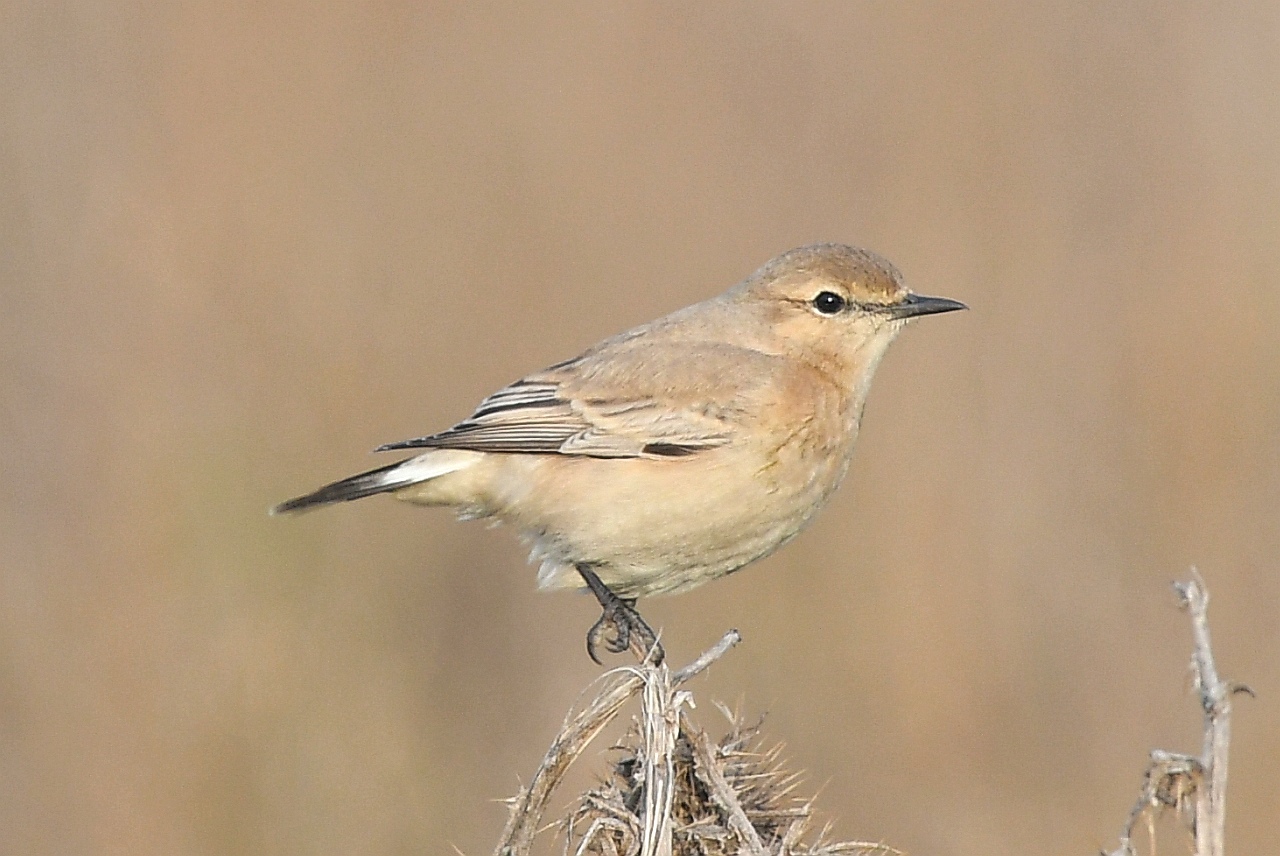
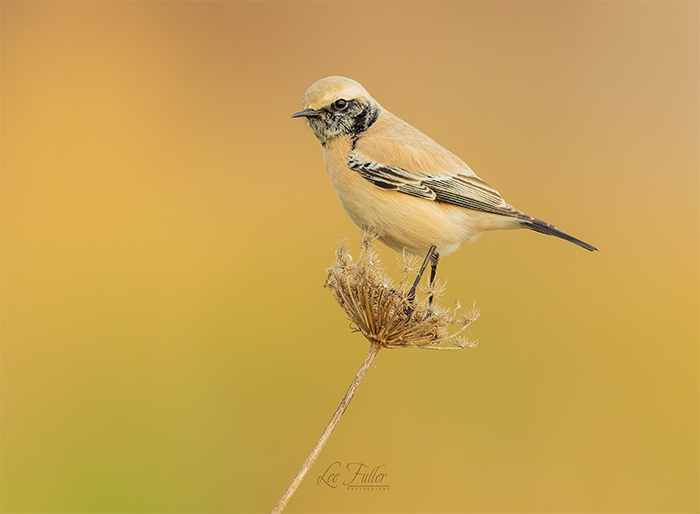
Nor were Desert Wheatear done with us just yet – the lingering first-winter male in East Sussex at Eastbourne was still to be seen there on 20th-22nd, but was joined in the dailies by further female individuals at Perranporth (Cornwall) on 21st, and Weybourne (Norfolk) on 23rd-24th.
A very pleasant late autumn surprise this week came to Co.Kerry in the form of a first-winter Isabelline Shrike sp found at Smerwick Harbour on 24th.
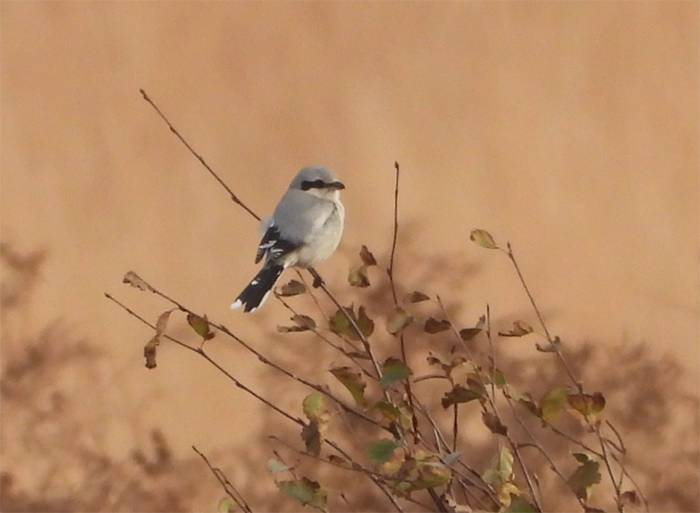
Lingering Great Grey Shrike remained into the new week at Formby Point (Lancashire & North Merseyside) on 20th, and Beeley Moor (Derbyshire) again on 21st-25th; additional birds were found at Worth Marsh RSPB (Kent) on 20th-21st, Ainsdale NNR (Lancashire & North Merseyside) on 20th-26th, and Langholm (Dumfries & Galloway) on 26th.
The week proved a fairly busy one for Hoopoe, with half a dozen birds logged in total – at Llethr Mawr (Ceredigion) still on 20th; at Cashelgarran (Co.Sligo) again on 22nd; at Mawbray (Cumbria) on 21st; on Orkney Mainland at Grimbister on 23rd; in Lincolnshire at Hogworthingham on 24th; and on 25th at Bantry (Co.Cork).
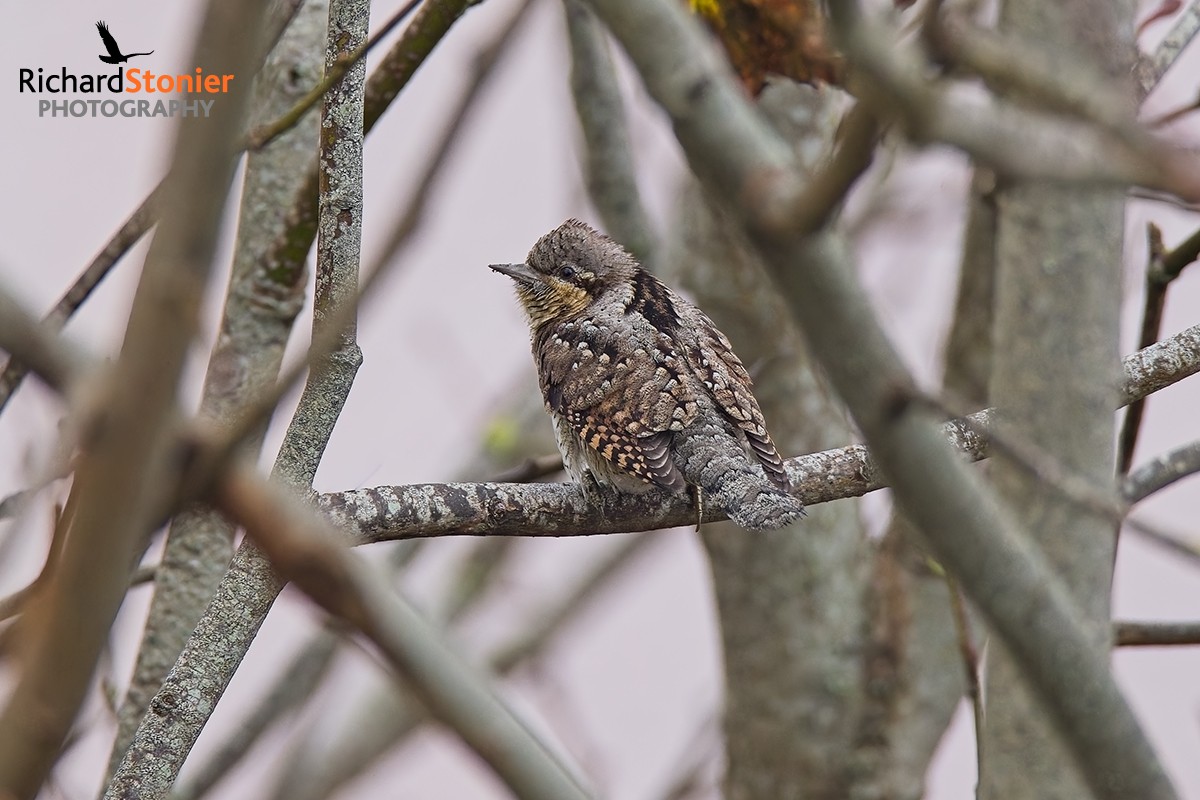
At this rate, we’re going to notch up a December Wryneck… this week birds were seen on Scilly on St Mary’s on 20th-22nd, and in Cornwall at Land’s End on 21st.
Shorelark remained scattered loosely down the English east coast, with a peak count of 22 birds in Norfolk at Scolt Head Island NNR on 21st. Elsewhere, Suffolk had one at Minsmere RSPB on 21st and 25th-26th, and two at Kessingland on 24th; a peak count of 11 birds were noted at Saltfleetby-Theddlethorpe Dunes NNR (Lincolnshire) on 23rd; one was present on Inner Farne (Northumberland) on 23rd; two at Beacon Ponds NR (East Yorkshire) on 25th; and, in Scotland, three were seen at Rattray Head (Aberdeenshire) on 22nd.
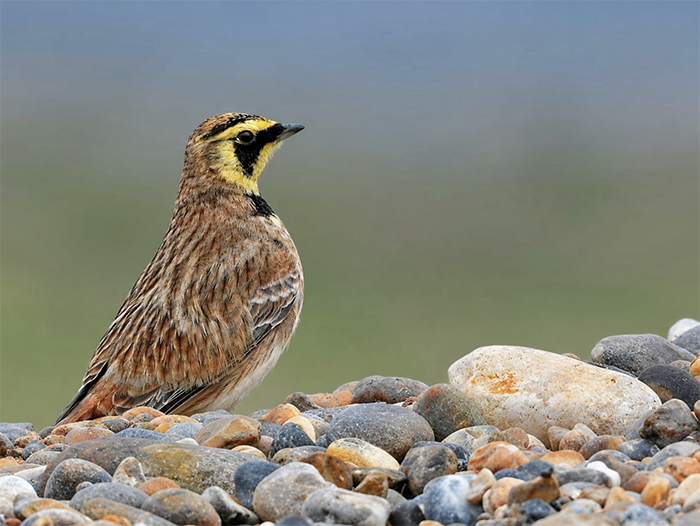
The recent Short-toed Lark remained on Shetland Mainland at Laxfirth on 20th-24th.
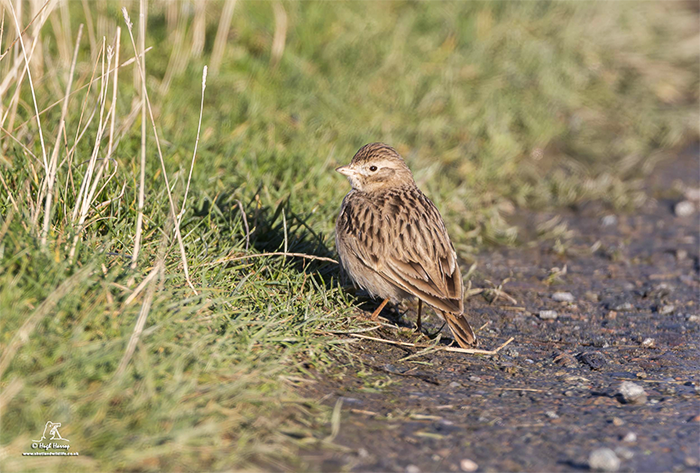
A Red-rumped Swallow was late at Weybourne (Norfolk) on 21st.
A probable Rose-coloured Starling was seen in Devon at Challacombe on 23rd.
The recent Olive-backed Pipit remained in Essex at Holland Haven CP on 20th-22nd.
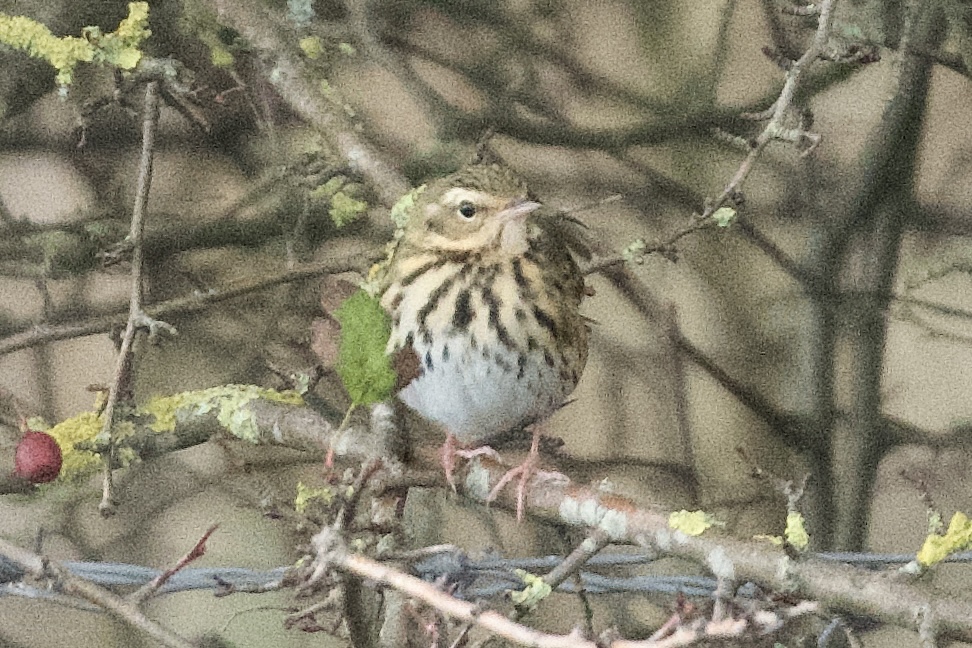
Just a few Richard’s Pipit were noted over recent days – one at Donna Nook (Lincolnshire) on 20th; and, on 21st, birds at Langdon Cliffs NT (Kent) and Galley Head (Co.Cork). Probables were seen on 25th at Dargate (Kent) and near Benacre Broad (Suffolk).
A Common Rosefinch was trapped and ringed at Durlston CP (Dorset) on 21st.
A few exilipes redpolls were hanging around this past week, a persistent reminder of their former species status. On Shetland, two were present on Mainland at Hillwell on 22nd; a probable was seen in Aberdeenshire in a St Cyrus garden on 22nd; while in Norfolk, a single bird was seen at Holkham Pines on 20th and 22nd, two at Roydon Common NWT on 22nd-25th, and two at Ranworth Broad NWT on 23rd.
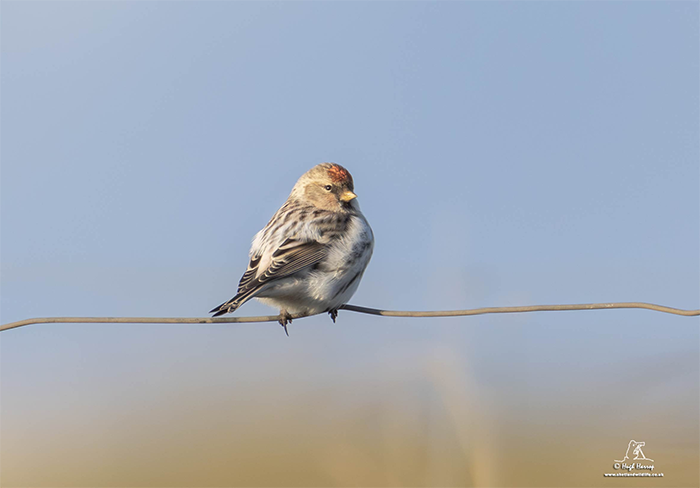
Lingering Little Bunting remained in Norfolk at Stiffkey on 21st, at Kilnsea (East Yorkshire) on 20th, and on Shetland Mainland at Quendale on 21st-23rd; additional birds were present at Orcombe Point (Devon) on 23rd-25th, and Galley Head (Co.Cork) on 20th-24th.
Finally, in ship-assisted corner, Lancashire & North Merseyside’s adult male Great-tailed Grackle remained at Garston Coastal Reserve on 20th-26th and, either hopped off a nearby vessel or simply out of an aviary, a male Northern Cardinal was in Lowestoft (Suffolk) on 22nd.
To France to open our overseas news this week, where an African Crake was taken into care in Saint-Raphaël in the preceding week, and released on 20th at Plage de la Base Nature. A Sociable Lapwing was present at Domaine de Mejanes on 20th also.
In Belgium the country’s first Green Heron remained present in Bruges on 20th-24th.
In the Netherlands a Falcated Duck remained at Meerpad on 24th.
A Least Sandpiper was found in Portugal at Ponta da Erva on 21st.
Up on Iceland the White-winged Scoter remained off Reykjavik on 26th.
Belated news from Kuwait concerned a Large-billed Leaf Warbler at Al-Abraq on 10th.
And finally, on the Azores an Allen’s Gallinule had made landfall on Terceira, being trapped and ringed there on 21st; and the Belted Kingfisher remained on Pico on 26th.
Last week’s prediction of a rare thrush was close, but no cigar, the hoped for Black-throated being supplanted by something rarer still from the east.
The dying days of November and opening salvoes of December tend towards the quiet side. Fireworks at this point of the year start to feel increasingly unlikely...
If there’s not another Desert Wheatear found in the coming week we’ll be very surprised, but could imminent westerlies deliver something a little out of the ordinary if not wholly outrageous? The coming week has some modest form for Laughing Gull and Lesser Scaup alike, and between them those two species offer some hope to any birder working a local patch on the coast, or inland with a body of freshwater. Predictions for the local birder, this week.
Jon Dunn
27 Nov 2026
Many thanks to all this week's contributors for your photos and videos.
Get Breaking Birdnews First
Get all the latest breaking bird news as it happens, download BirdAlertPRO for a 30-day free trial. No payment details required, and get exclusive first-time subscriber offers.
Share this round-up