RBA Round-up: 13 - 19 Nov
While autumn migration is all but over now, that’s not to say there aren’t still some birds on the move, and some rarities to be found. With both a national and a county first on the cards this past week, this was a timely reminder that we needn’t rest on the year’s laurels just yet.
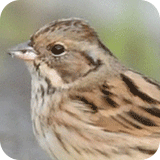
The remarkable surge in Black-faced Bunting records in the past couple of years, let alone the past fortnight, continued apace this week with still another bird found. This would have been notable enough in and of itself, but this bird was more significant still, for it was a national first, the very first of its kind for Ireland.
Found on Cape Clear (Co.Cork) on 15th the bird, a first-winter male, remained present there until 19th, allowing for a successful Irish twitch for those thus motivated. An Irish first, but one suspects not the last that will be found on there in the coming years.
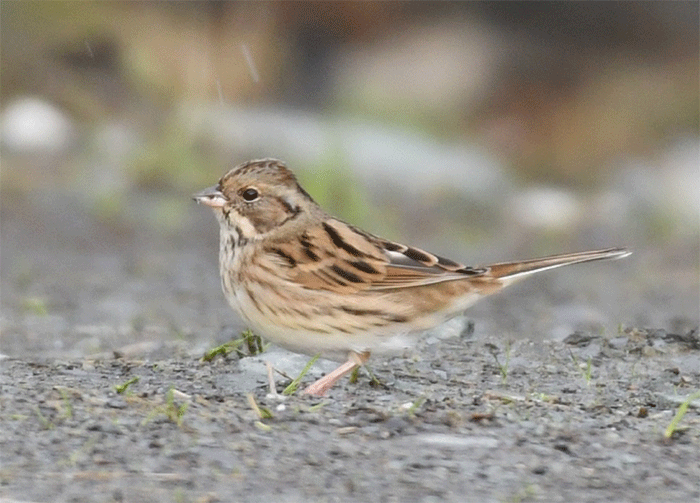
For context, Ireland’s last Yellow-breasted Bunting was back in October 2010, a bird on Dursey that represented the fifth Irish record of that species. Wanna bet that there’ll be more Black-faced Bunting on the Irish list than Yellow-breasted by the time the next one of that particular species is found?
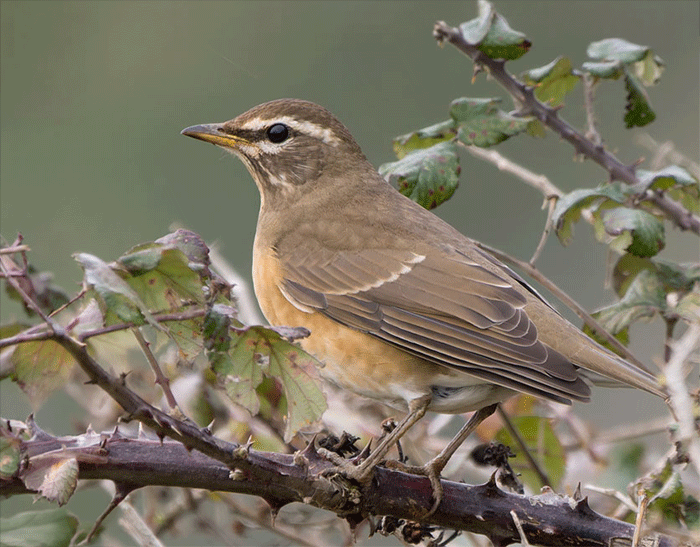
Belated news emerging on 17th of an Eyebrowed Thrush in Norfolk at Holkham on 15th had ample potential for heartache – stable doors closing after horses have bolted and all that, for this would have been a first record of the species for the county.
Mercifully, once news was out there, observer effort was duly rewarded with the bird, a particularly smart apricot-flushed individual, still present there on 18th, to the considerable delight of local birders. There were, alas, no confirmed sightings there on 19th.
Proving to be an obdurate bird, the recent Crag Martin was once more seen in Dundee (Angus) this past week, still present there on 13th-14th. With further birds still being reported on the near Continent one wouldn’t bet against another somewhere else down the English east coast, so whether or not the bird seen in North Yorkshire on 15th at Cayton Bay and, later on, at Hunmanby Gap was one and the same as the Angus individual, or another bird entirely, will remain moot. But at the very least, two counties enjoyed sightings of this charismatic vagrant this past week.
There was a definite sense of the curtains sweeping across the stage and the house lights going up where seabirds were concerned this week. Short of some outrageous encore, this might be it for the year’s show…
Starting with Pacific Diver, an adult was back in Cornwall and present off Penzance on 19th.
As for White-billed Diver, a little flurry of records came from 13th – one seen in Orkney from Papa Westray; another at Fife Ness (Fife); and a possible off Flamborough (East Yorkshire). As the week wore to a close on 19th, another was seen from Holy Island (Northumberland), and a probable at St Mary’s Island (Northumberland).
Numbers of Little Auk tumbled, just about scaping into double figures for the week, those birds seen apparently stragglers from the prior week’s small arrival in these parts.
A Leach’s Petrel was seen on 15th from Pendeen (Cornwall), another off Severn Beach (Gloucestershire) on 18th, and a final bird from Selsey Bill (West Sussex) on 19th.
Our only notable shearwater of the week was a Cory’s Shearwater - unusual enough that, at this late juncture in the year, but more striking still were the circumstances of its discovery – picked up from a roadside verge in Braunton (Gloucestershire) on 16th, and taken into care.
A handful of Pomarine Skua were on the move still – one seen from Isle of May (Fife) on 13th; singletons of Yell (Shetland) and Chanonry Point (Highland & Caithness) on 14th; on 15th in Northumberland, two seen from Tynemouth and one from Druridge Bay; on 18th, one seen from Sheringham (Norfolk); and on 19th, two in Northumberland off Church Point.
A Long-tailed Skua was seen on 19th in Norfolk at Sheringham.
Apart from your own correspondent feeling like the man who fell to Earth this week, sweetly amazed after an absence of 25 years from southwest England to find Cattle Egret seemingly absolutely everywhere inland in rural Dorset and Somerset, we’ve no notable long-legged beasties to report upon in recent days.
Plenty to go at once again among the honkers and quackers this week, and that’s only going to deepen with the passage of the winter that lies ahead of us…
Kicking off with The Goose Formerly Known As Canada, the four recent interior Todd’s Canada Goose remained at Ballygilgan NR (Co.Sligo) on 14th, while another was present at Rockcliffe Marsh (Cumbria) on 13th. Dumfries & Galloway gave us hutchinsii Richardson’s Cackling Goose at Bankend on 13th-15th and Glencaple on 16th.
Two Red-breasted Goose were seen at Loans (Ayrshire) on 13th and once more on 19th; and near Tarbolton again on 18th.
East Yorkshire gave us Black Brant during the week at Kilnsea on 13th, Beacon Ponds NR again on 15th and 18th, and at Easington Straight again on 16th.
Two Snow Goose were found on 19th at Slimbridge WWT (Gloucestershire).
A dozen American Wigeon were seen in Britain and Ireland as a whole during the week, Ireland increasing its share to two birds, one at Ballygilgan NR (Co.Sligo) on 14th, and another at Ashton’s Callows (Co.Tipperary) on 16th. Green-winged Teal meanwhile were seen at Blennerville (Co.Kerry) on 14th, and Achill Island (Co.Mayo) on 15th-19th; in England, at Martin Mere WWT (Lancashire & North Merseyside) on 16th-19th, and Colt Crag Reservoir (Northumberland) on 18th; and, in Scotland, on Barra (Western Isles) still on 18th, and on Mull (Argyll & Bute) on 18th.
Norfolk gave us a female Ferruginous Duck again on Filby Broad on 13th and a drake still on Rollesby Broad on 18th; while a female remained settled in Cambridgeshire at Ouse Fen RSPB on 13th-15th, joined there by a second bird on 16th. Two were reported from Ham Wall RSPB (Somerset) on 17th.
A possible female Lesser Scaup was seen in Somerset at Chew Valley Lake on 13th.
Numbers of Ring-necked Duck in Britain and Ireland and Ireland as whole held firm, with some 25 birds recorded during the course of the week. Peak count were five individuals present on Termon North Turlough (Co.Galway) on 13th-18th; two were present on the River Shannon at Clarisford (Co.Clare) on 16th; two were at Lochwinnoch RSPB (Clyde) on 18th-19th; and the settled pair remained at Boscathnoe Reservoir (Cornwall) still on 13th-15th.
Wales enjoyed something of a monopoly on Surf Scoter in the early part of this week, with Conwy enjoying a drake still off Old Colwyn on 13th, and two seen from Llandulas on 16th; and a drake seen near Aberporth (Ceredigion) on 14th-19th. Scotland stepped up on 18th, with birds seen at Gullane Point (Lothian) and Dornoch (Highland & Caithness) again.
A drake White-winged Scoter was again seen from Gullane Point (Lothian) on 14th.
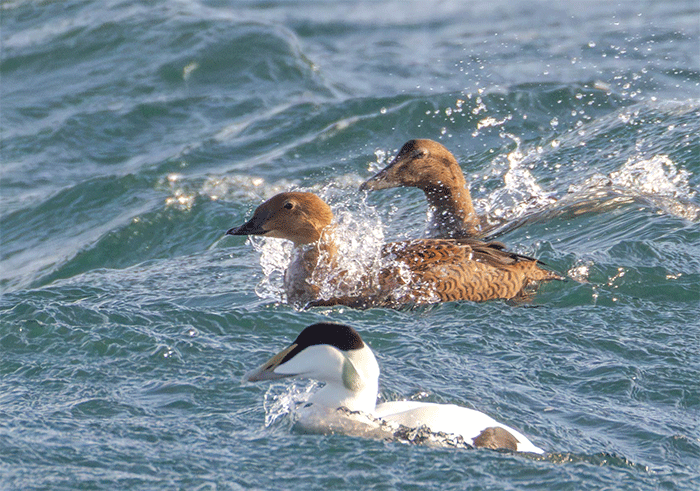
And lastly, the female King Eider remained off Lerwick (Shetland) on 19th.
A pleasant return among our weekly waders, the adult Pacific Golden Plover was once more to be found on the Isle of Wight on 16th on Western Yar Estuary.
An American Golden Plover was noted in flight over The Lizard (Cornwall) on 14th, and another found on 19th on Benbecula (Western Isles); while in Ireland, the recent bird at Lady’s Island Lake (Co.Wexford) on 13th-17th, and another was seen in Co.Mayo at Annagh Marsh on 17th.
Ireland was once again the locus for sightings of Lesser Yellowlegs - one still present on Rogerstown Estuary (Co.Dublin) on 15th, and the other of the week’s birds still to be found at Tacumshin (Co.Wexford) on 13th-16th – while a bird was reported again on 19th at Cahore Marsh (Co.Wexford).
In West Yorkshire the juvenile Spotted Sandpiper remained at Nostell Priory on 13th.
A White-rumped Sandpiper was still to be seen on North Ronaldsay (Orkney) on 15th and once more on 18th-19th.
The recent Pectoral Sandpiper remained in Dorset at Swineham on 13th.
Couched with caveats, a possible Upland Sandpiper was reported overhead, heard only, at Spurn YWT (East Yorkshire) on 13th.
And finally, Grey Phalarope enjoyed a late renaissance, with around 55 birds logged nationwide during the week, Cornwall doing a lot of the heavy lifting on 15th with 15 birds seen from Cape Cornwall and nine from Pendeen that day.
Still proving a potent draw in southern England this week, the Franklin’s Gull remained in Hampshire in the Winchester area on 13th-19th. Were that not enough, a first-winter individual was tracked along the Cornish coast on 17th, seen at St Ives, Pendeen, and Sennen Cove in the morning, ending up at Par Beach in St Austell in the afternoon.
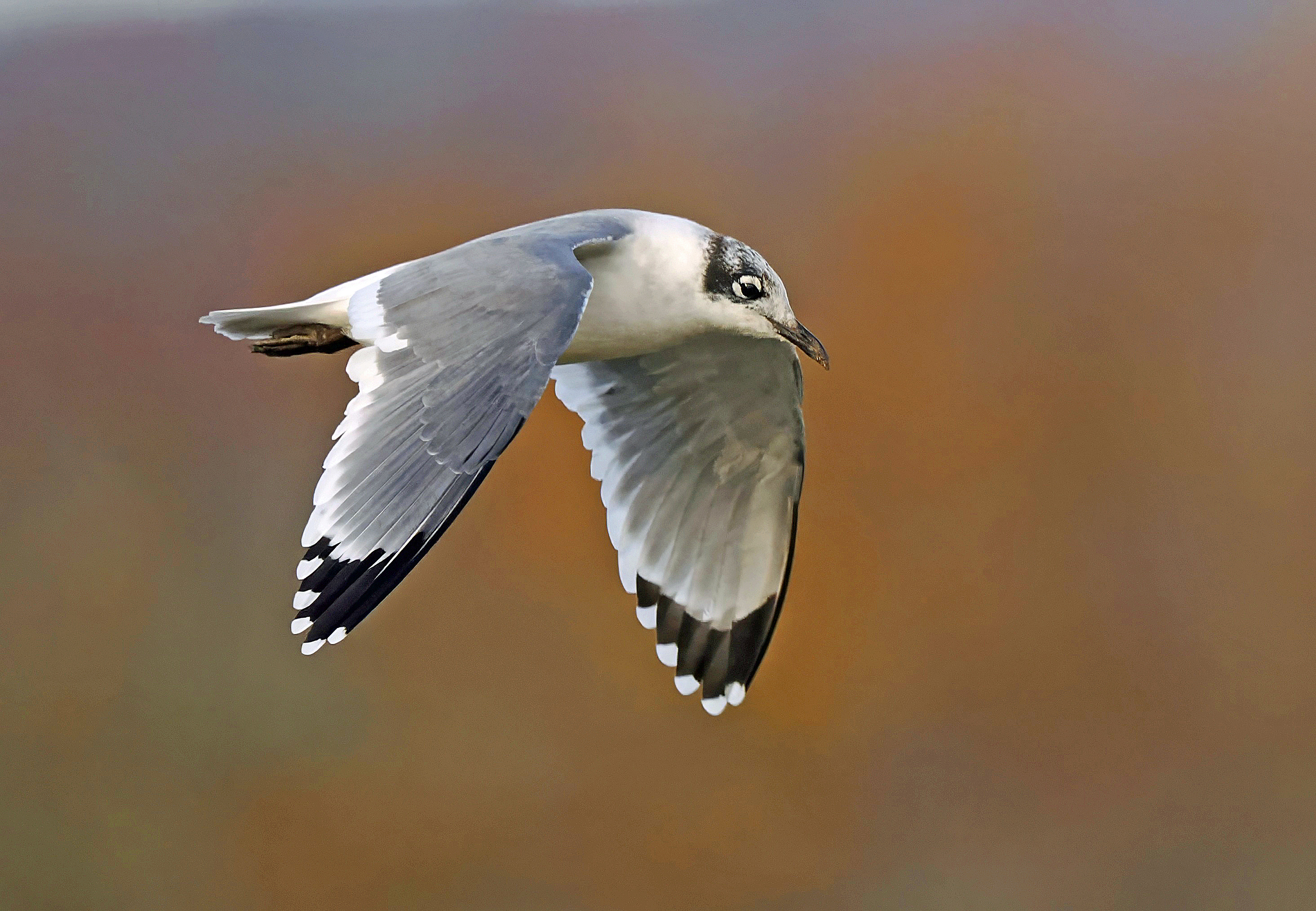
Our Bonaparte’s Gull this week were an adult at Kilshannig (Co.Kerry) on 13th, and a first-winter at Rosscarbery (Co.Cork) on 19th.
A Sabine’s Gull was seen in Wales at Rhossili Bay (Glamorgan) on 17th. On 19th, another was seen briefly inland at Thornton Reservoir (Leicestershire), and another from St Ives (Cornwall).
The regular adult Ring-billed Gull was again seen in Co.Louth at Blackrock on 15th. Co.Cork meanwhile gave us two second-winter birds at Owenahincha on 16th, a singleton at Rosscarbery still on 16th also, the latter increasing to two birds at Rosscarbery by 19th.
In Orkney the steadfast adult Glaucous Gull remained on Mainland at Stenness on 13th. Additional birds this week were seen at Loch of Spiggie (Shetland) on 13th, Holme Dunes (Norfolk) on 13th, Annagh Marsh (Co.Mayo) on 17th, on 18th at Newlyn (Cornwall) and, on 19th, at Pendeen (Cornwall).
North Ronaldsay (Orkney) had an Iceland Gull on 13th; English individuals were seen on 15th at Flamborough (East Yorkshire), and on 16th at Newton Point (Northumberland); and one was present at Rosscarbery (Co.Cork) on 16th.
Finally for our white-wingers, the second-winter Kumlien’s Gull was still present in Co.Louth at Port Oriel on 16th.
But we’re not done just yet, for Cornwall pulled a rabbit out of the hat with a first-winter Forster’s Tern off Penzance on 18th-19th, and adjacent Marazion and Newlyn also on 19th.
The week proved a busy one for rarer raptors, not least for harriers of various flavours. The juvenile Northern Harrier remained at Inch Island Lake (Co.Donegal) on 13th-19th; while a juvenile was also seen at Lissagriffin (Co.Cork) on 13th-14th.
Stalwart Pallid Harrier remained at Llanrhidian Marsh (Glamorgan) on 13th-15th and Wernffrwd (Glamorgan) again on 19th, Croston Moss (Lancashire & North Merseyside) on 13th-16th, and the recently found bird also at Lahinch Marsh (Co.Clare) on 13th-15th still. A juvenile reported from an undisclosed site on the Somerset Levels (Somerset) near Glastonbury on 13th was followed by sightings of a juvenile elsewhere in the county, at Steart WWT on 15th-19th and Huntspill on 17th. Back in Co.Clare, a juvenile was seen near Kilkee on 17th.
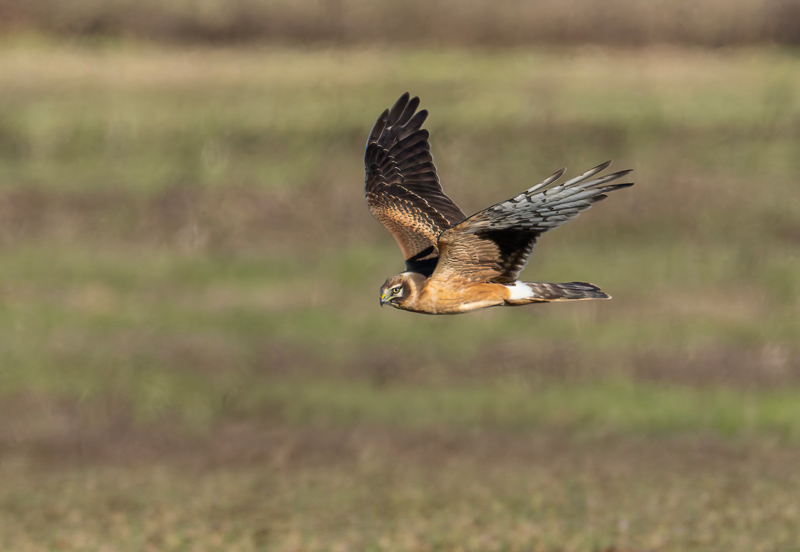
A probable juvenile Montagu’s Harrier was reported at Botallack Common (Cornwall) on 13th.
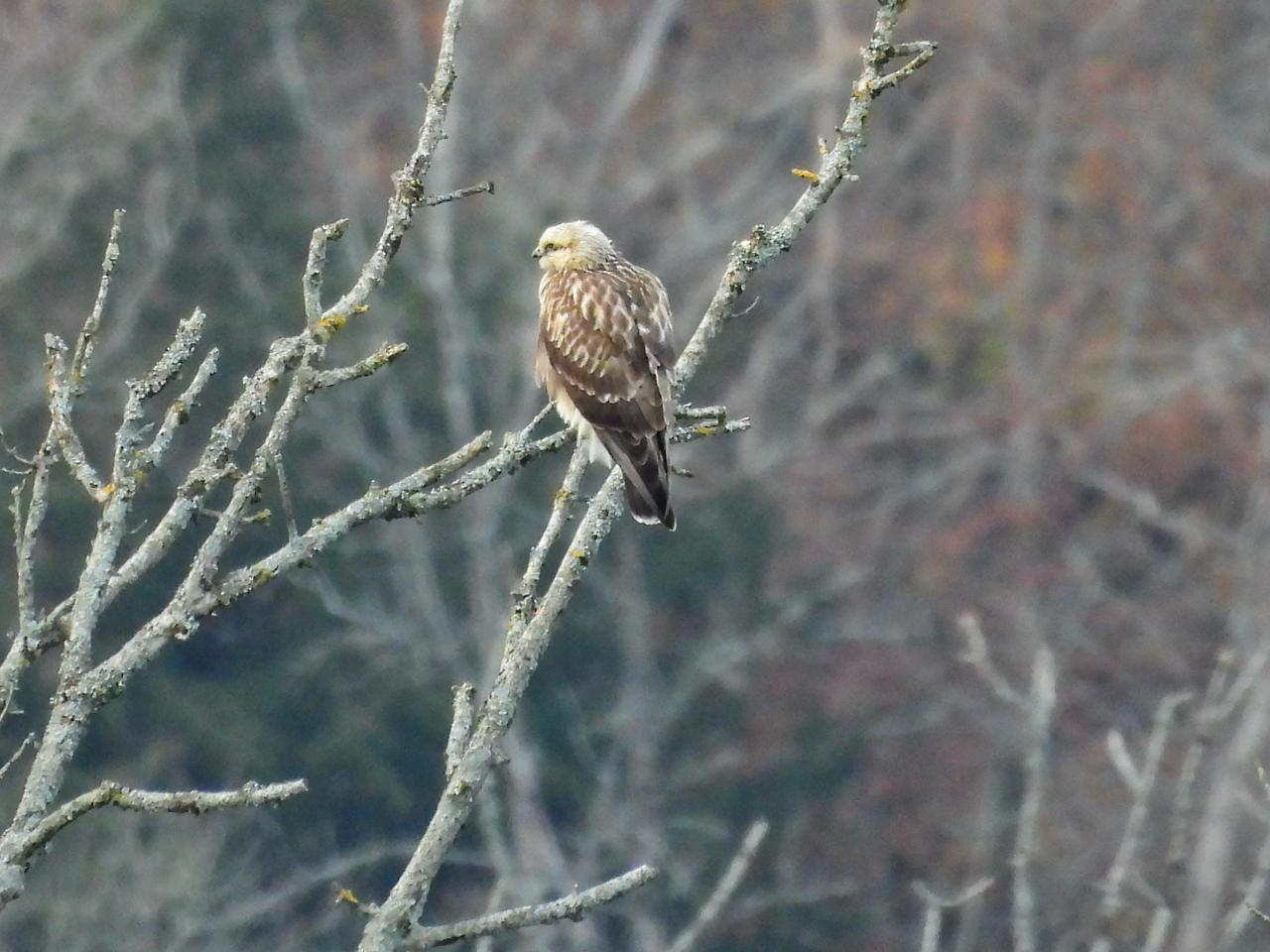
A juvenile Rough-legged Buzzard settled into the Upwaltham area of West Sussex on 14th-19th; Norfolk enjoyed sightings at several locations on 14th, including Holme, Holkham, and Burnham Norton – this mobile bird was followed by a juvenile seen at Choseley Drying Barns on 16th, a bird reported at Thornham on 17th, on 18th by further sightings at Holme and Thornam, and a final probable at Holme on 19th. In North Yorkshire a bird was reported at Appletreewick on 14th. On 19th, another was found to the north near Alford (Aberdeenshire).
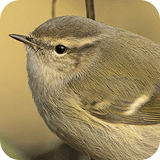
Deserving to kick off the passerines this week, the hangover of the recent Hume’s Warbler influx remained to be seen down the English east coast in recent days. In all, some 15 birds were noted during the week, with a couple of sites still boasting multiples – two present at Gibraltar Point NNR (Lincolnshire) on 13th, and three again at Holkham Pines (Norfolk) until 19th. Birds had pushed further west, with one making it to St Mary’s (Scilly) until 19th, and another found on 17th-19th in Conwy at Llanfairfechan.
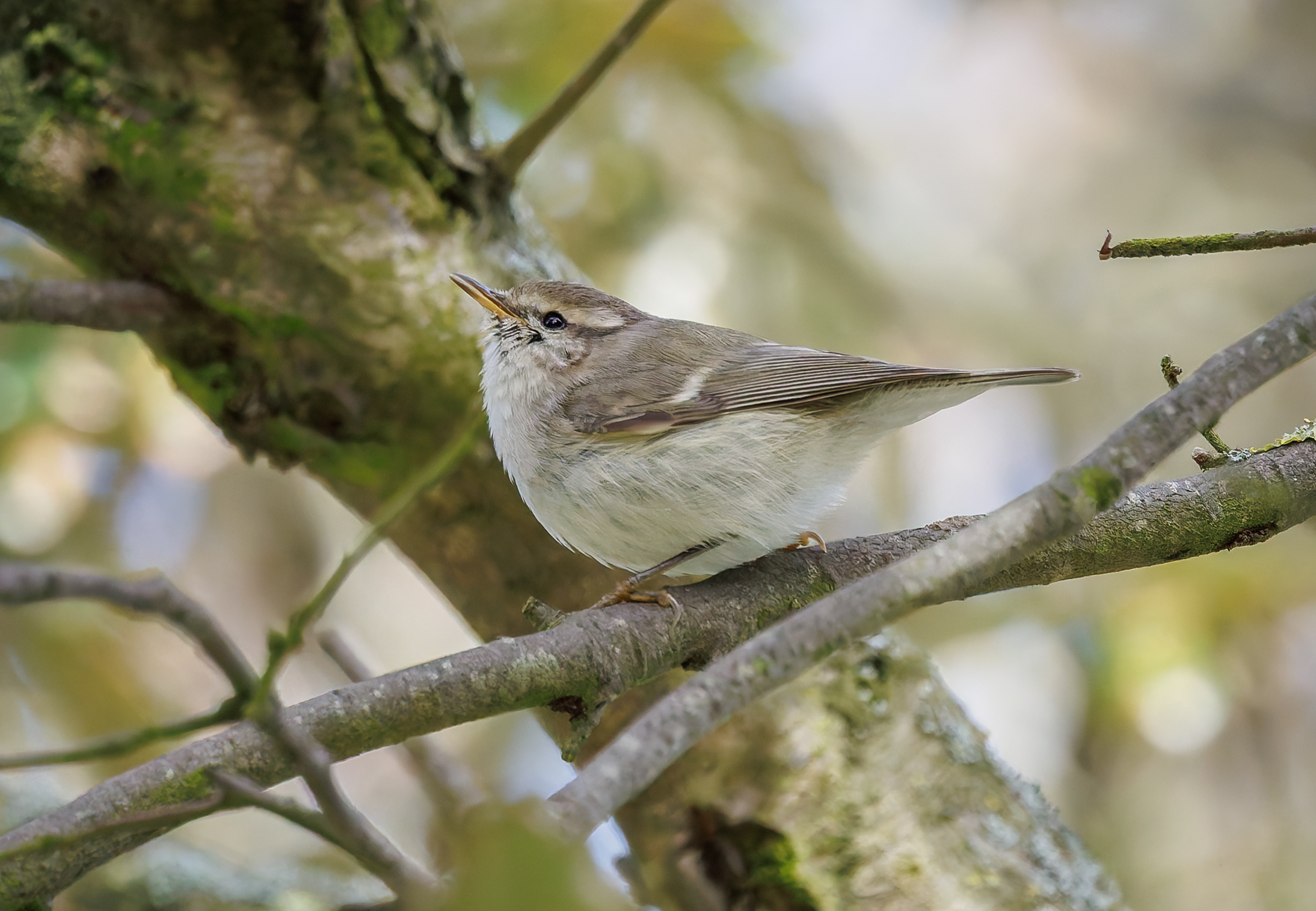
This meant the former species again supplanted Yellow-browed Warbler for our affections this week, with the latter species managing a mere dozen birds in recent days.
Down on Scilly, three Dusky Warbler remained on St Mary’s on 13th with at least one still present on 19th, while one was still present at SAFC Academy Pools (Co.Durham) on 14th, and an Irish example seen at Ardmore (Co.Waterford) on 18th. A further probable was heard on 17th in Leicestershire at Dishley Pool.
Just a couple of Pallas’s Warbler remained of the recent arrival of their kind – one was seen at Holkham Pines (Norfolk) on 14th, and another that day also in Kent at Dungeness.
A Barred Warbler was found this week in Essex, present at Shoeburyness on 14th.
Both recent Isabelline Wheatear were made of stern stuff, hanging on in Kent at Dungeness on 13th-19th and at The Cunnigar (Co.Waterford) on 13th-16th also.
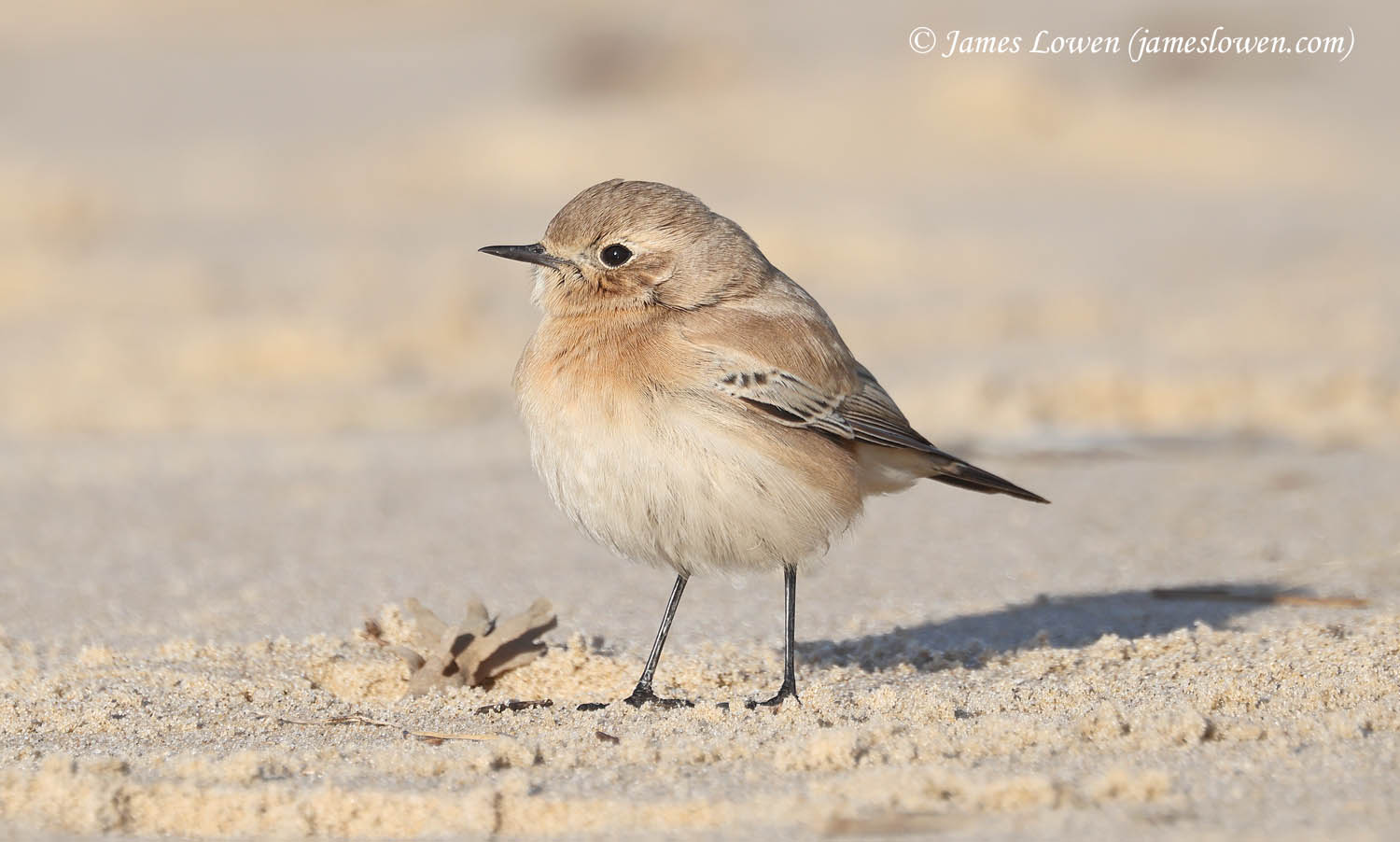
The recent female Desert Wheatear lingered near Eccles-on-Sea (Norfolk) on 13th-19th, while a fresh first-winter male was found in East Sussex at Eastbourne on 16th-19th.
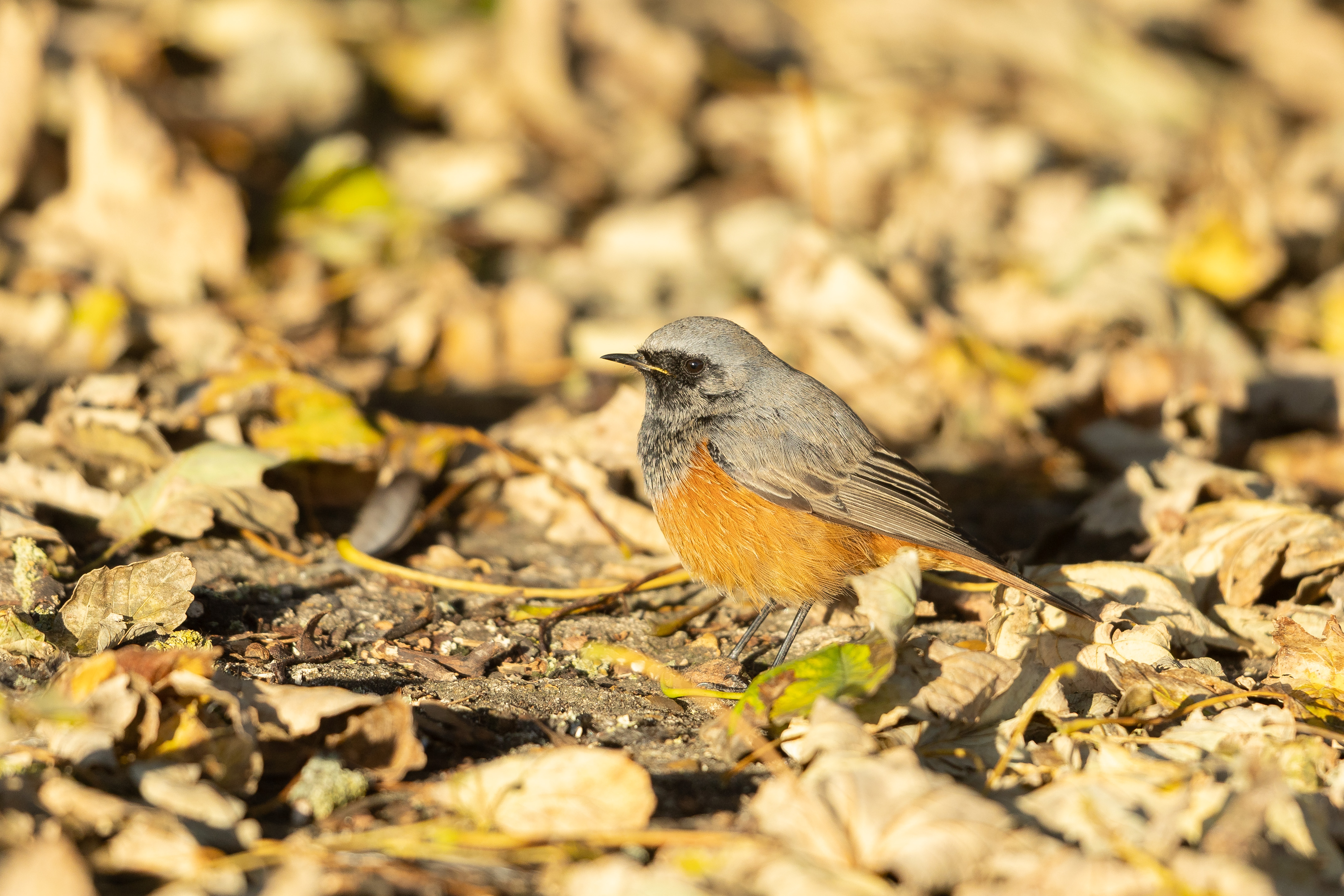
The Eastern Black Redstart remained in Lincolnshire at Saltfleetby St Clements on 13th-16th.
A late-running Red-breasted Flycatcher was found in Ireland on Tory Island (Co.Donegal) on 15th.
An Olive-backed Pipit was present, if somewhat elusive at times, in Essex at Holland Haven CP on 13th-19th.
Numbers of Richard’s Pipit took a significant tumble this week, more than halved on what had gone the week before. Birds lately were seen at Flamborough (East Yorkshire) still on 13th-15th; at Goswick (Northumberland) on 13th; at Middle Hope NR (Somerset) on 13th; on 14th in Cornwall at Porth Joke and Pendeen; and on 15th at Hobhole Drain (Lincolnshire).
A first-winter Isabelline Shrike sp remained present in Suffolk at Landguard on 13th.
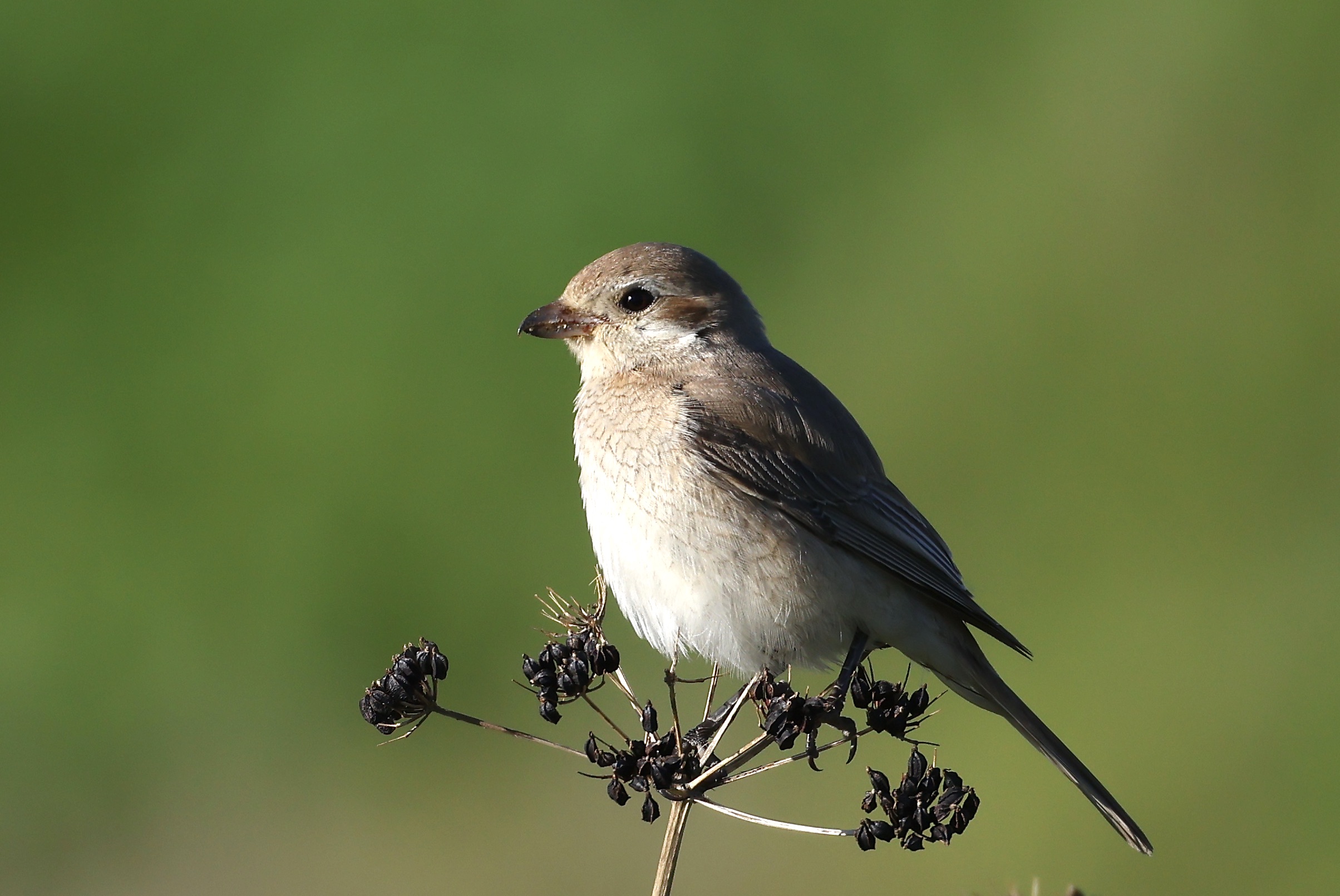
A scatter of Great Grey Shrike were logged during the week – one remained in Langdale Forest (North Yorkshire) on 13th-14th; and further birds were seen at Alkborough Flats NR (Lincolnshire) on 13th, reported in Milkham Inclosure (Hampshire) on 14th, at Sluggan Bridge (Highland & Caithness) on 14th-15th, at Formby Point (Lancashire & North Merseyside) on 15th-19th, at Middle Fen (Cambridgeshire) on 16th, and at Betws-y-Coed (Conwy) on 17th.
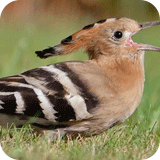
A Hoopoe was seen in a Dundon (Somerset) garden on 13th-14th, and another at Cashelgarran (Co.Sligo) on 19th.
A Wryneck was seen on St Mary’s (Scilly) on 19th.
On 19th, Short-toed Lark were noted on Holy Island (Northumberland) and on Shetland Mainland at Laxfirth.
Numbers of Shorelark on the Norfolk coast were fluid, as birds ranged hither and thither during the week. Peak counts came in the form of 15 birds at Cley NWT on 15th, and 14 birds at Salthouse on 17th. Further notable counts elsewhere were 10 birds near Kessingland (Suffolk) on 14th, seven at Easington Lagoons (East Yorkshire) on 15th, four at Saltfleetby-Theddlethorpe Dunes NNR (Lincolnshire) on 16th, and three at St Abb’s Head (Borders) on 16th.
In Norfolk, the juvenile Rose-coloured Starling was again reported at Happisburgh on 14th-15th.
Sure enough, Penduline Tit was found again in recent days – on this occasion a single bird at West Rise Marsh (East Sussex) on 14th-15th.
The recent Common Rosefinch remained in the Trevilley area of Cornwall on 13th, with a bird seen at Trevescan on 14th; and, at the opposite end of the country, another was present on Unst (Shetland) on 18th.
A Serin was again seen on St Mary’s (Scilly) on 14th, with another present on Portland (Dorset) on 14th also.
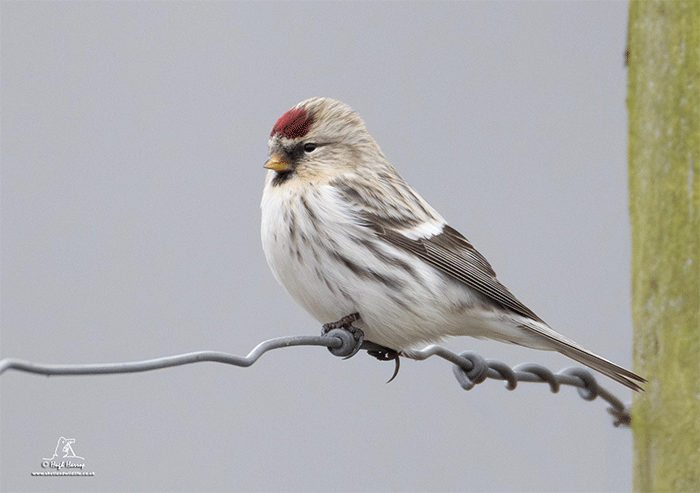
A handful of exilipes redpolls were again seen this past week. Norfolk had single birds at Roydon Common NWT on 14th, and Warham Green on 15th; pone was trapped and ringed in Lerwick (Shetland) on 17th, with another seen that day up on Unst; one was also present on 17th on North Ronaldsay (Orkney). Three were present at Sullom plantation on Shetland Mainland on 18th, and one on Westray (Orkney) on 19th.
Lingering Little Bunting remained at Kilnsea (East Yorkshire) on 13th-14th, and in Norfolk at Stiffkey on 13th-16th. Another was trapped and ringed in Suffolk at Landguard NR on 14th, and a bird found on 19th on Shetland Mainland at Quendale.
Finally, in Lancashire & North Merseyside the adult male Great-tailed Grackle remained at Garston Coastal Reserve on 13th-18th, again being heard in optimistic song there.
We’ll start the overseas news in a country that perhaps doesn’t get to open the overseas innings that often – this being Belgium. Notwithstanding the country’s first Green Heron, still present in Bruges at Dudzele on 13th-17th, there was more besides to be seen this past week... Two Crag Martin at Kruibeke on 14th-17th, a Greater Flamingo at Etang de Virelles on 14th, and a Pine Bunting in Zeebrugge on 14th-17th.
Sticking with Crag Martin, in the Netherlands birds were seen at Katwijk on 14th; two at Ijmuiden on 14th; at Noordwijk on 15th; and at Haarlem on 15th-17th, where two were to be found.
An American Bittern was found in France on 13th near Lorient.
Scandinavia next, where in Sweden an Asian Desert Warbler was present at Skvalpvik on 14th; and in Denmark, a Hawk Owl at Grenen on 14th.
Finally, on the Azores, Pico held its Belted Kingfisher on 16th still, with a Yellow-billed Cuckoo also present there on 17th.
We were plucking low-hanging fruit last week predicting another Penduline Tit would be unearthed somewhere, so maybe this week we need to set our sights a little higher…
Do the charts for the coming week support any wild optimism? Perhaps from Sunday onwards, when it looks like we might be about to be on the receiving end of some easterlies and southerlies. Those might just do the trick…
That said, the coming week isn’t historically a particularly auspicious one if we’re looking for precedents. It’s a bit samey, on the whole – Desert Wheatear, Hume’s Warbler, Dusky Warbler and, yes, more Penduline Tit. The standout rarity of recentish years is, without doubt, the storm-driven Black-bellied / White-bellied Storm Petrel seen off Severn Beach (Gloucestershire) on 25th November 2009. Which, while terrific, is no useful precedent whatsoever.
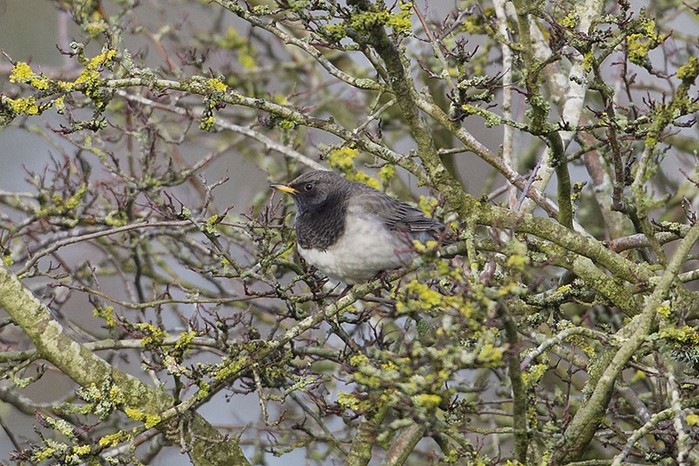
Might another Nutcracker be this way bound? Certainly another Crag Martin feels a distinct possibility. But with Redwing and Fieldfare now inbound into Britain, let’s try for something a little different – how’s about a nice Black-throated Thrush this coming week?
Jon Dunn
20 Nov 2026
Many thanks to all this week's contributors for your photos and videos.
Get Breaking Birdnews First
Get all the latest breaking bird news as it happens, download BirdAlertPRO for a 30-day free trial. No payment details required, and get exclusive first-time subscriber offers.
Share this round-up