RBA Round-up: 6 - 12 Nov
To say that we’re at the tail end of autumn now would be to understate just what a great week we’ve just enjoyed for late migrant action. An absolute deluge of Hume’s Warbler landed on the east coast, rare wheatears of various flavours continued to be found in Britain and Ireland, and some top drawer rarities were uncovered. The only fly in the ointment was a certain moggy in Cumbria…
We need to go back a smidgin over 20 years to 2005 to find Scotland’s last, and indeed one and only, record of Belted Kingfisher - this being, of course, the extremely popular bird that had been found in Staffordshire three days previously on the inauspicious date of 1st April at Tixall, had relocated on 2nd April to Eastrington Ponds (East Yorkshire), before settling onto the river at Peterculter (Aberdeenshire) on 4th-8th April.
(By way of an aside, this was one of precious few birds that moved your own correspondent to leave Shetland and twitch a mainland bird – while I’d vowed to hang up my national twitching hat upon moving north in the early 2000s, it turns out some birds just can’t be gainsaid…)
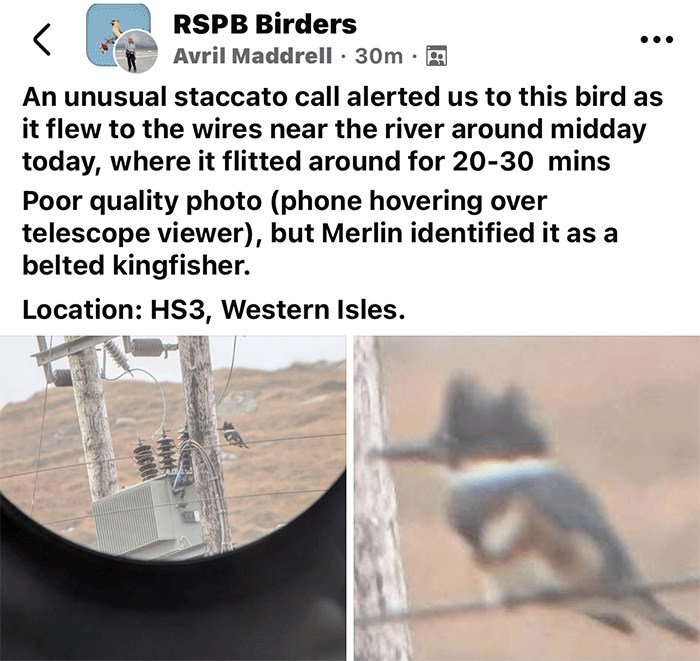
Will this week’s bird, Scotland’s second, and the first for the Western Isles, similarly move anyone to twitch it? That remains to be seen, and needs the bird to be pinned down. A female, she was photographed on telegraph wires at Bunavoneader on Lewis at midday on 10th, but hasn’t been reported again subsequently. As that 2005 bird goes to show, these mighty kingfishers are more than capable of covering ground in short order, so she may have moved on. Then again, as the long-staying, overwintering males in Co.Cork and Lancashire & North Merseyside in 2020 and 2021 respectively go to show, a Belted Kingfisher is more than capable of settling into an area it finds to its liking. One wouldn’t bet against this week’s bird still being present in the area… Time will tell.
“Their status has firmly changed in these parts [and] Black-faced Bunting is very much in the realms of reasonable fantasy for anyone working an eastern coastal beat in the autumn."
When we wrapped up the Fair Isle (Shetland) Black-faced Bunting headline last week, little did we know that still more of them were inbound. But they were, and the species’ ascent to anticipated autumn arrival continued afresh.
Dawn had barely broken on the new week before the first of the new birds was found – this in Norfolk, at Warham Greens on 6th, a bird that would stick around there until 10th, pleasingly for those Norfolk-bound at the weekend. To say that we’ve a little over a dozen accepted records on the British books to the end of 2024, and more to follow for 2025 and the present year too, the absence of any from Norfolk was striking – that august birding county was getting sorely overdue its first record, and here it was, bang on cue.
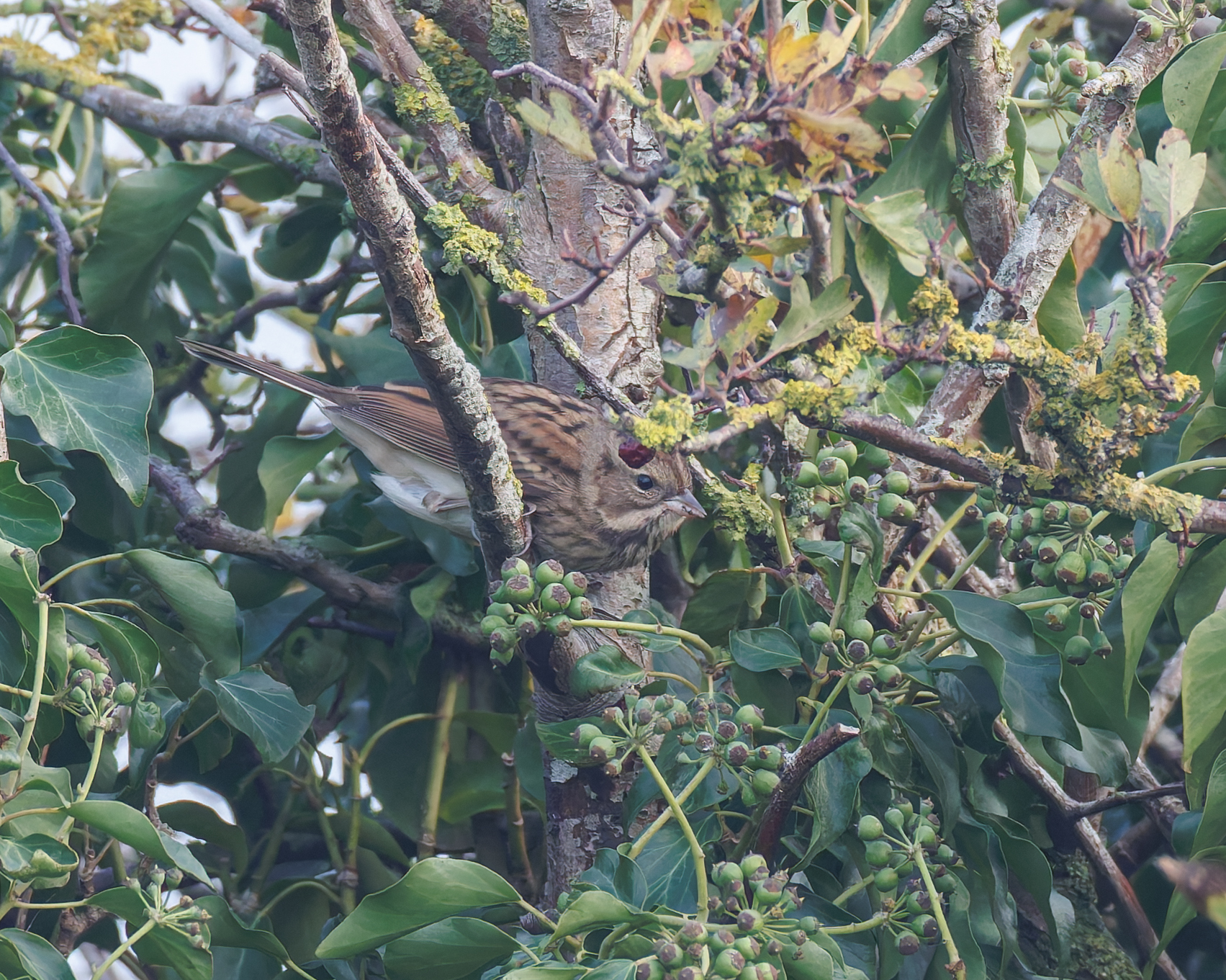
Even Glamorgan had enjoyed a bird hitherto, the one-day bird at Oxwich NNR on 26th October 2024 – this was the first record for Wales but, as this week was to prove, no flash in the pan - Black-faced Bunting making a strong case that it can and will turn up anywhere, even in the west, with a bird in recent days in Gwynedd too, present at Aber Dysynni on 7th-8th.
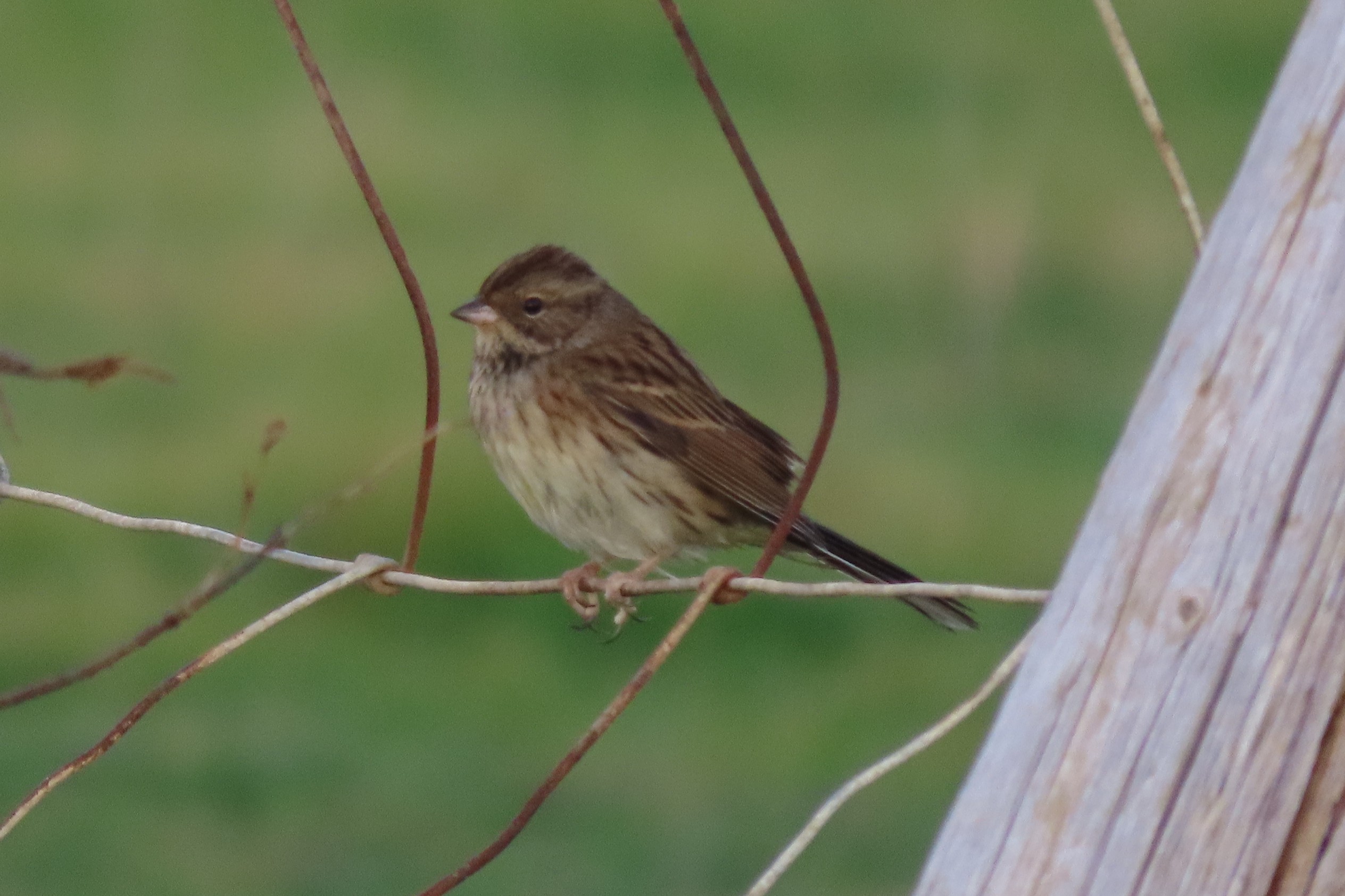
Meanwhile this week the prior week’s individual remained on Fair Isle on 6th-8th. All in all, a heck of a week for Black-faced Bunting, and one which leaves us wondering when Scilly is going to break its duck in that regard…
We’ve become well-accustomed to early November being a propitious time for a Pallid Swift or two in these parts – they’re something of a late-autumn classic, with some years particularly blessed. This week, Crag Martin assumed their mantle, with eyes to the skies rewarded with an unprecedented small influx.
The preceding week’s Scottish bird, found up in Dundee (Angus), remained into the new week around Cox’s Stack, still present there until 11th. Alas, subsequent birds were somewhat more fleeting and mobile – a bird noted heading east past Blakeney village (Norfolk) on 7th; individuals seen on 10th in Cornwall at Pendeen, and Gloucestershire at Severn Beach; and one in Kent on 12th at Worth Marshes RSPB. Those were further augmented by possibles in Suffolk at Corton on 7th and Lowestoft on 8th, and in Somerset at Chew Valley Lake on 9th.
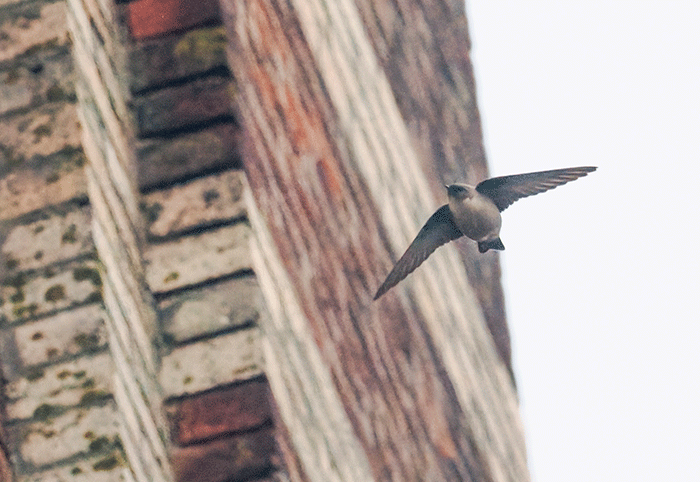
And let’s put this in context – we’ve a mere 15 accepted British records on the books to the end of 2024, so at least five birds this past week breaks the mould in some style, not to mention the county firsts these birds, once accepted, would represent.
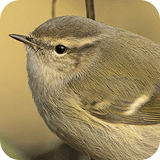
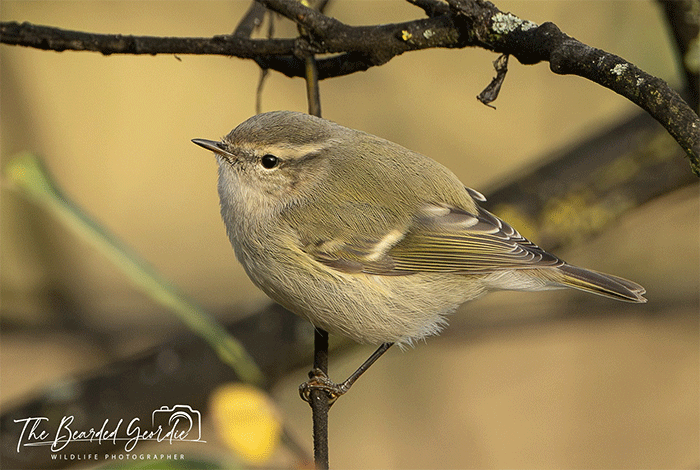
Not normally a species to feature in the headlines section, but this week's huge arrival meant a promotion for Hume’s Warbler. Just shy of 50 birds were logged across Britain, predominantly down the east coast, where some sites enjoyed multiple birds. This arrival the the best week, best autumn and best year for Hume's Warbler. Numbers at Gibraltar Point NNR (Lincolnshire) peaked with three present on 8th; three were also present on 8th at Hilston (East Yorkshire); while elsewhere duos were seen in Holkham Pines (Norfolk) on 6th-11th still, at Walberswick NNR (Suffolk) on 7th, at Waxham (Norfolk) on 10th, at Saltfleetby-Theddlethorpe Dunes NNR (Lincolnshire) on 9th, and Saltfleet Haven (Lincolnshire) on 10th. Surely just a conservative estimate this – there must have been overlooked birds in underwatched stretches of coast and dense patches of cover.
There’s always a lingering suspicion that Semipalmated Plover go overlooked on this side of the Atlantic, finding themselves a long way from home and, naturally, hanging out with their close cousins, Ringed Plover - subtly different, but readily overlooked, particularly when a flock of the latter is at some distance away on a beach or estuary.
So it’s always a cause for some particular respect due when somebody does find one round these parts. Fair play, and all that. A juvenile found on 7th-12th at The Cunnigar (Co.Waterford) was a terrific find, and a county first to boot.
What a day! The plan was to find rare wheatears, and that plan was duly nailed by @daniel_weldon when he found Waterford's 2nd Isabelline Wheatear on the Cunnigar! Having filled my boots with it, I jammed in on Waterford's 1st Semipalmated Plover shortly after!! @watbirds https://t.co/UoOwtNbnGl
— Watbirder1 (@Watbirder1) November 7, 2026
This came on the back of news that another had been sound-recorded in early October somewhere in eastern Co.Cork. Are there one or two more out there for the finding in Ireland or western Britain? Very possibly.
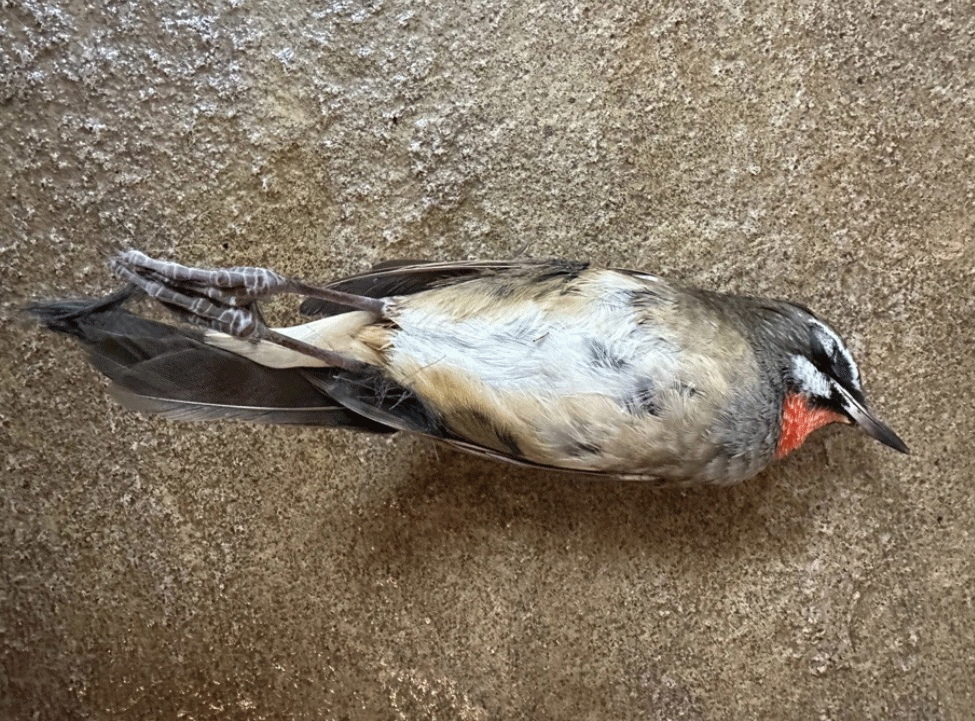
Maddeningly, a male Siberian Rubythroat found in Cumbria this week near Brampton on 8th was dead on arrival, brought in courtesy of a domestic cat.
A class act kicks off the seabirds this week, this being the recent adult Double-crested Cormorant seen once again in Co.Galway at Aughrusbeg Lough on 7th and 10th.
Apart from that, it was very much crumbs from the table on the seabird front in recent days. Principle species by a modest margin was Little Auk, with some 25 birds logged, of which four past Fife Ness (Fife) on 6th and four past Sumburgh (Shetland) on 12th were the largest tallies of their kind.
A Leach’s Petrel was seen from Cley (Norfolk) on 11th, and a bird on 12th from Sheringham also.
The scarce skuas were just that, scarce, with a mere handful of Pomarine Skua upon which to report. These were singletons seen on 6th from Kinghorn (Fife) and St Abb’s Head (Borders); on 7th at Kircaldy Dysart (Fife); on 8th at Eyemouth (Borders) and Southwold (Suffolk); on 10th at Cley NWT (Norfolk); and on 11th at Cromer (Norfolk). That changed a little on 12th, with 14 birds noted during the course of the day, including four south past Hartlepool Headland (Cleveland). Our sole Long-tailed Skua of the week was seen at Kennedy’s Pass (Ayrshire) on 11th.
Apart from a Night Heron reported in a field at Kirtlebridge (Dumfries & Galloway) on 11th, the absence of notable long-legged beasties this week carries us straight to the dumpy scuttlers – a late-running Corncrake seen on St Agnes (Scilly) on 8th and once again on 11th.
If the seabirds and long-legged beasties were on the quiet side, the same couldn’t be said for the honkers and quackers, where the changing seasons continued to be marked by a decent variety of their kind, and we start, as always, with The Goose Formerly Known As Canada. Four interior Todd’s Canada Goose were found on 7th at Ballygilgan NR (Co.Sligo); a Cackling Goose on Islay (Argyll & Bute) on 7th was followed by a reported hutchinsii Richardson’s Cackling Goose there on 8th; while two Ridgway’s Cackling Goose were present at Arundel WWT (West Sussex) on 7th.
The week began where the old one left off for Red-breasted Goose, with a bird still present in Argyll & Bute on Islay on 6th-8th, and two still present at Pettinain (Clyde) on 6th. Two birds appeared on 12th in Ayrshire, present at Tarbolton that afternoon.
Two Black Brant were again seen in East Yorkshire at Beacon Ponds NR on 7th and 10th, and at Easington Straight on 9th; and one was seen in Essex on 8th at Wakering Stairs. A final bird was reported from Cley NWT (Norfolk) again on 11th.
American Wigeon remained fairly ubiquitous, with 12 birds logged in Britain during the week, and one in Ireland at Ballygilgan NR (Co.Sligo) on 7th-8th. Green-winged Teal meanwhile were seen at Lough Beg (Co.Derry) on 6th, Chew Valley Lake (Somerset) on 9th-11th, and on Barra (Western Isles) again on 11th; while another was reported from Sowe Valley (Warwickshire) on 6th.
In Norfolk the recent drake Ferruginous Duck remained on Rollesby Broad on 6th-12th; and a female was seen in Cambridgeshire at Berry Fen on 6th.
The first-winter female Lesser Scaup was seen again in Glamorgan at Gnoll CP on 9th; and a drake on 11th at Doxey Marshes NR (Staffordshire).
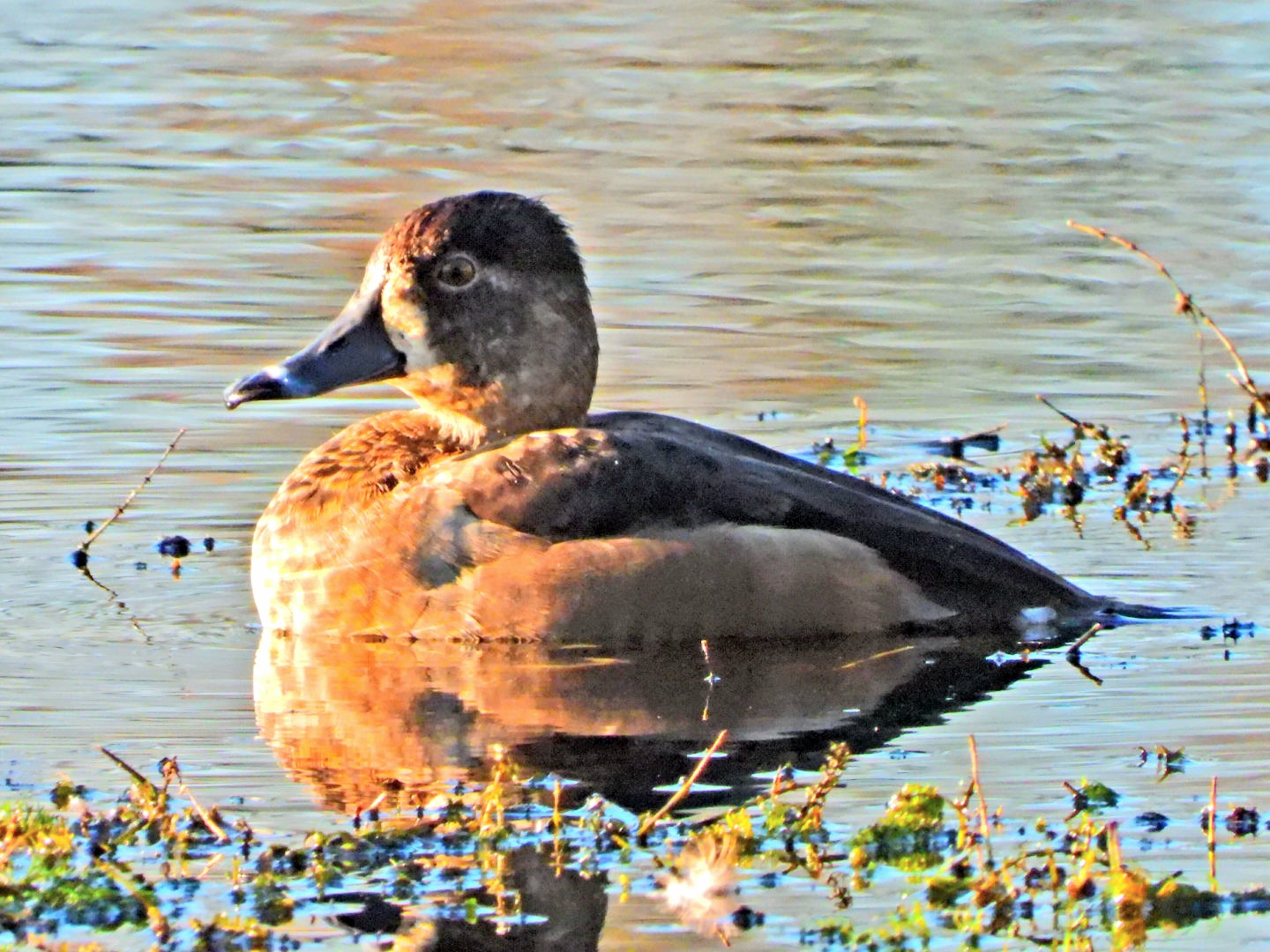
Numbers of Ring-necked Duck recorded in these parts picked up this week, with some 25 birds reported across Britain and Ireland. Several sites enjoyed multiple birds – two were still to be seen at Boscathnoe Reservoir (Cornwall) on 6th-10th; three were present at Termon North Turlough (Co.Galway) on 6th-11th, gaining a fourth companion on 12th; and four at Knockalough Lake (Co.Clare) on 7th.
A handful of Surf Scoter were seen during the course of the week – one still down in Scilly off St Mary’s on 6th; the drake still lingering off Old Colwyn (Conwy) on 9th; Scottish birds seen from Roseisle (Moray) on 8th-10th, Maidens (Ayrshire) on 9th, and Dornoch (Highland & Caithness) on 10th; and one still present off Kinvarra (Co.Galway) on 6th.
In Shetland the female King Eider remained in Lerwick harbour on 7th-12th.
And finally, into the headlines had it only been confirmed, a possible Steller’s Eider was seen heading north past Flamborough (East Yorkshire) on 8th.
Overall, there was a distinct contraction of notable birds in our weekly waders, events in Co.Waterford notwithstanding.
Starting with American Golden Plover, the recent largesse on Shetland dialled down to just one bird still present on Pool of Virkie on 6th-10th; one also remained at Cemlyn Bay (Anglesey) still on 6th-9th; a further bird was seen in Lancashire & North Merseyside at Banks Marsh NNR on 6th; and one in Ireland at Lady’s Island Lake (Co.Wexford) again on 11th-12th.
The recent Long-billed Dowitcher remained at Harper’s Island (Co.Cork) on 6th-9th, and another was seen this week on 7th on Orkney Mainland at Stenness.
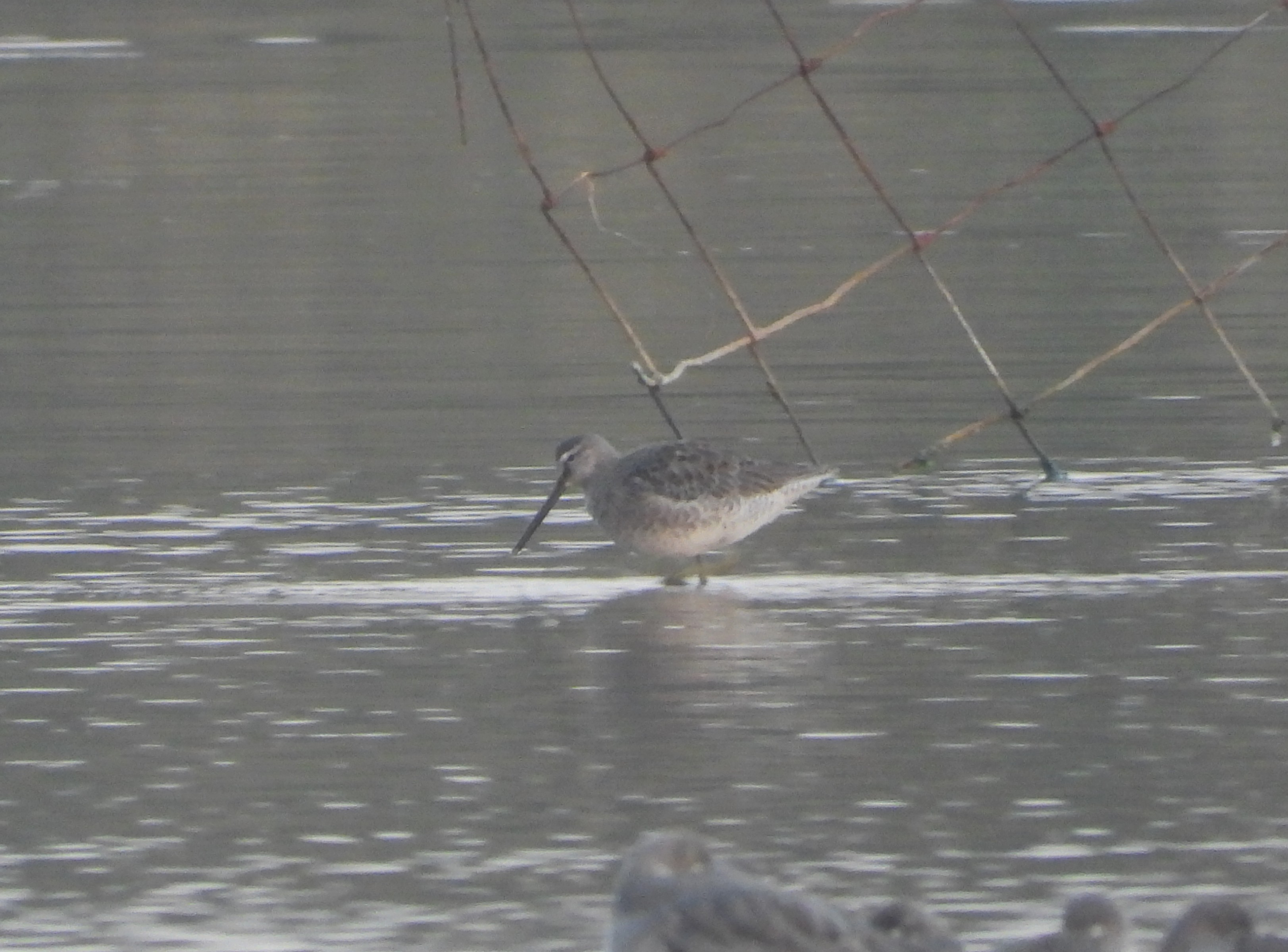
Ireland gave us two Lesser Yellowlegs - one still present on Broadmeadows Estuary (Co.Dublin) on 6th-7th, and the other still to be seen at Tacumshin (Co.Wexford) on 7th-12th.
In West Yorkshire the juvenile Spotted Sandpiper remained settled at Nostell Priory on 6th-12th.
Lingering White-rumped Sandpiper clung on at Myroe Levels (Co.Derry) on 8th, Tacumshin (Co.Wexford) on 9th, and North Ronaldsay (Orkney) on 10th-11th.
A Pectoral Sandpiper was seen this week in Dorset at Swineham on 6th-10th.
On 12th the Semipalmated Sandpiper was again seen in Co.Kerry at Blennerville.
And finally, the autumnal Grey Phalarope show was abruptly all but over, with just one bird seen for much of the week – a lingering individual at Seaforth LWT (Lancashire& North Merseyside) on 6th-9th still – before, on 12th, a small final hurrah, with two noted passing Pendeen (Cornwall), one seen from Auchmithie (Angus), and a probable on a pond at Soleburn (Dumfries & Galloway).
Significantly elevating the weekly gulls, an adult Franklin’s Gull was seen in Hampshire in the Winchester area on 10th-12th. Presumably one and the same as that last reported from Hampshire at Park Shore on 21st September, one wonders where it’s been hanging out unseen in the interim. When next it goes AWOL, birders in Hampshire and Dorset will be paying extra attention to their local aggregations of Black-headed Gull…
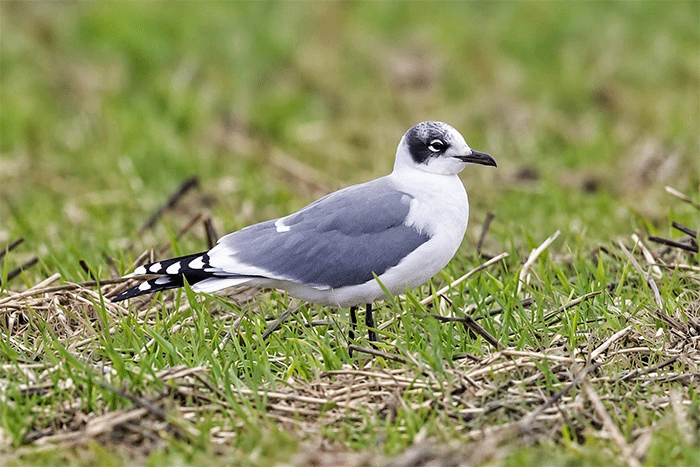
Northumberland accounted for sightings of an adult Bonaparte’s Gull again this week – at Ross Back Sands again on 7th, Bamburgh again on 9th, and Budle Bay also on 9th.
It took until week’s end on 12th for any Sabine’s Gull to crop up – sightings of a juvenile in Norfolk at Hunstanton and Titchwell RSPB.
Our only Ring-billed Gull of the week was a second-winter at Ardmore (Co.Galway) on 12th.
A Glaucous Gull was seen at Nybster (Highland & Caithness) on 6th, and another on Fetlar (Shetland) on 12th. Iceland Gull were noted in Shetland in Lerwick on 7th and off Out Skerries on 9th; on Lewis (Western Isles) on 8th; and on 11th on Westray (Orkney), at Spurn (East Yorkshire), and Sennen Cove (Cornwall). Meanwhile, the second-winter Kumlien’s Gull was again to be found in Co.Louth at Port Oriel on 7th-8th and Cruisetown Strand on 9th-10th, and a third-winter was found in Shetland Mainland at Ireland on 12th.
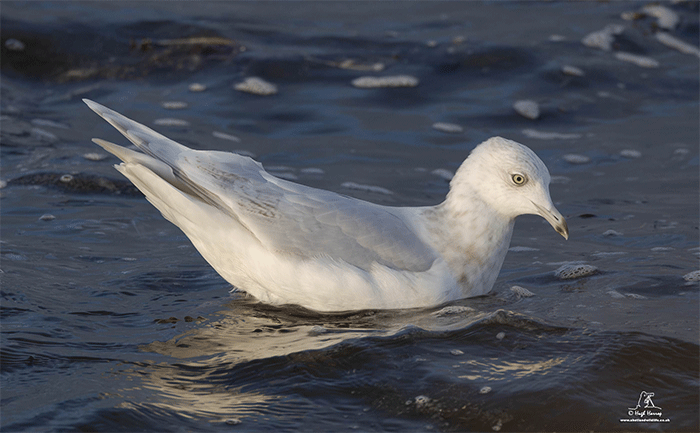
Lastly, a possible Ross’s Gull was seen at Lamb Holm (Orkney) on 12th.
The weekly raptors were headed by the discovery of a juvenile Northern Harrier at Inch Island Lake (Co.Donegal) on 8th-12th.
Now familiar Pallid Harrier remained at Llanrhidian Marsh (Glamorgan) on 6th-9th, and Mawdesley Moss (Lancashire & North Merseyside) on 6th-9th – the latter bird proved mobile on 11th-12th, seen again at Croston Moss. Additional birds were found in Kent at North Foreland on 6th, and at Lahinch Marsh (Co.Clare) on 9th-12th.
East Yorkshire enjoyed a Rough-legged Buzzard on 6th at Easington and Skeffling; and another was seen down in Kent at Dungeness on 9th.
Unbelievably Hume’s Warbler outnumbered Yellow-browed Warbler this week – the latter managing a shade over 30 birds across Britain and Ireland.
Dusky Warbler also enjoyed a bit of a moment, with around 20 birds logged in total – Scilly in particular was blessed, with numbers peaking with three on St Mary’s on 10th, and three on Tresco on 12th.
A Radde’s Warbler was seen at Boulby (Cleveland) on 9th.
Pallas’s Warbler clawed their way into double figures for the week – birds being seen at Easington (East Yorkshire) on 6th; Kilnsea (East Yorkshire) on 6th-9th; Donna Nook (Lincolnshire) on 6th; Gibraltar Point NNR (Lincolnshire) on 6th-7th; Holkham Pines (Norfolk) on 6th-9th; Lowestoft (Suffolk) on 7th; Spurn (East Yorkshire) on 7th-9th; Soar (Devon) on 8th; The Naze (Essex) on 9th; and trapped and ringed on St Mary’s (Scilly) on 11th.
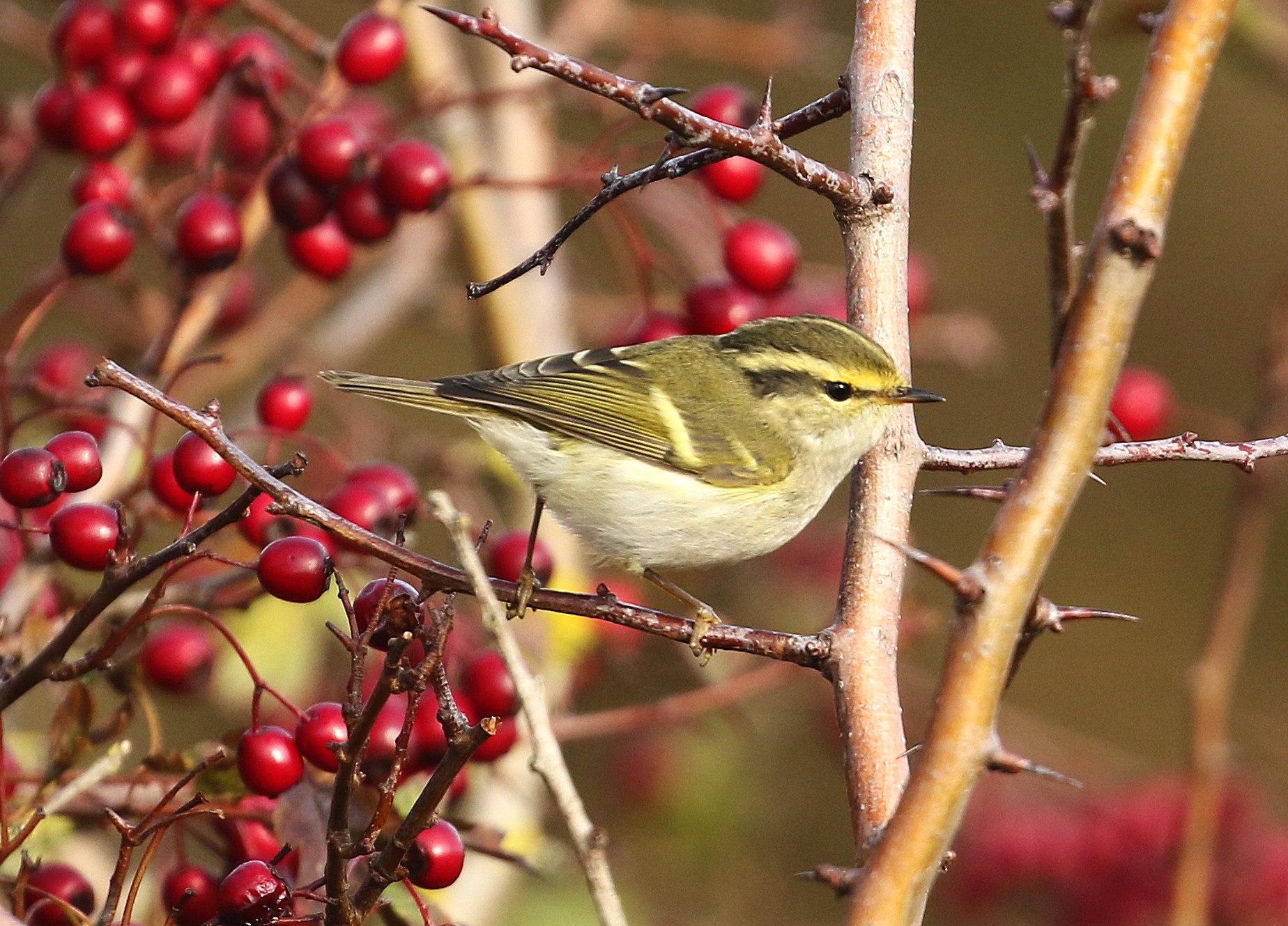
In East Yorkshire the prior week’s Bonelli’s Warbler sp began calling and advertising its true identity – a lovely cold-toned Eastern Bonelli’s Warbler, remaining into the current week at Easington on 6th-9th.
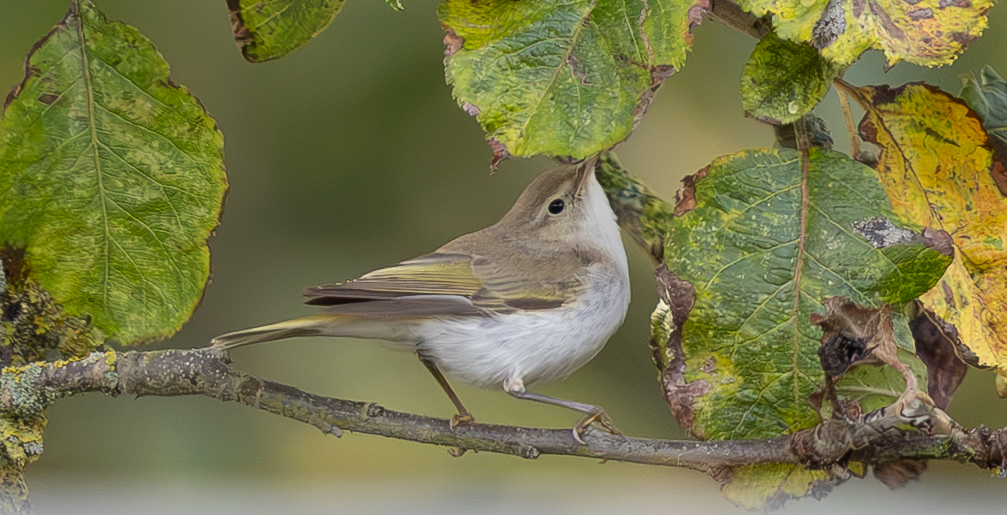
A Barred Warbler also clung on, this in Lerwick (Shetland) on 6th-8th still; while further birds were found on South Ronaldsay (Orkney) on 8th, and at Tarbat Ness (Highland & Caithness) also on 8th.
And now, let’s do wheatears. Starting in Kent, an Isabelline Wheatear was again at Dungeness on 7th-12th; and another was found at The Cunnigar (Co.Waterford) on 7th-12th.
The female Pied Wheatear remained in East Yorkshire at Sammy’s Point on 6th-7th, with another seen at Bempton Cliffs RSPB on 6th; and the female remained in North Yorkshire at Filey on 6th-8th.
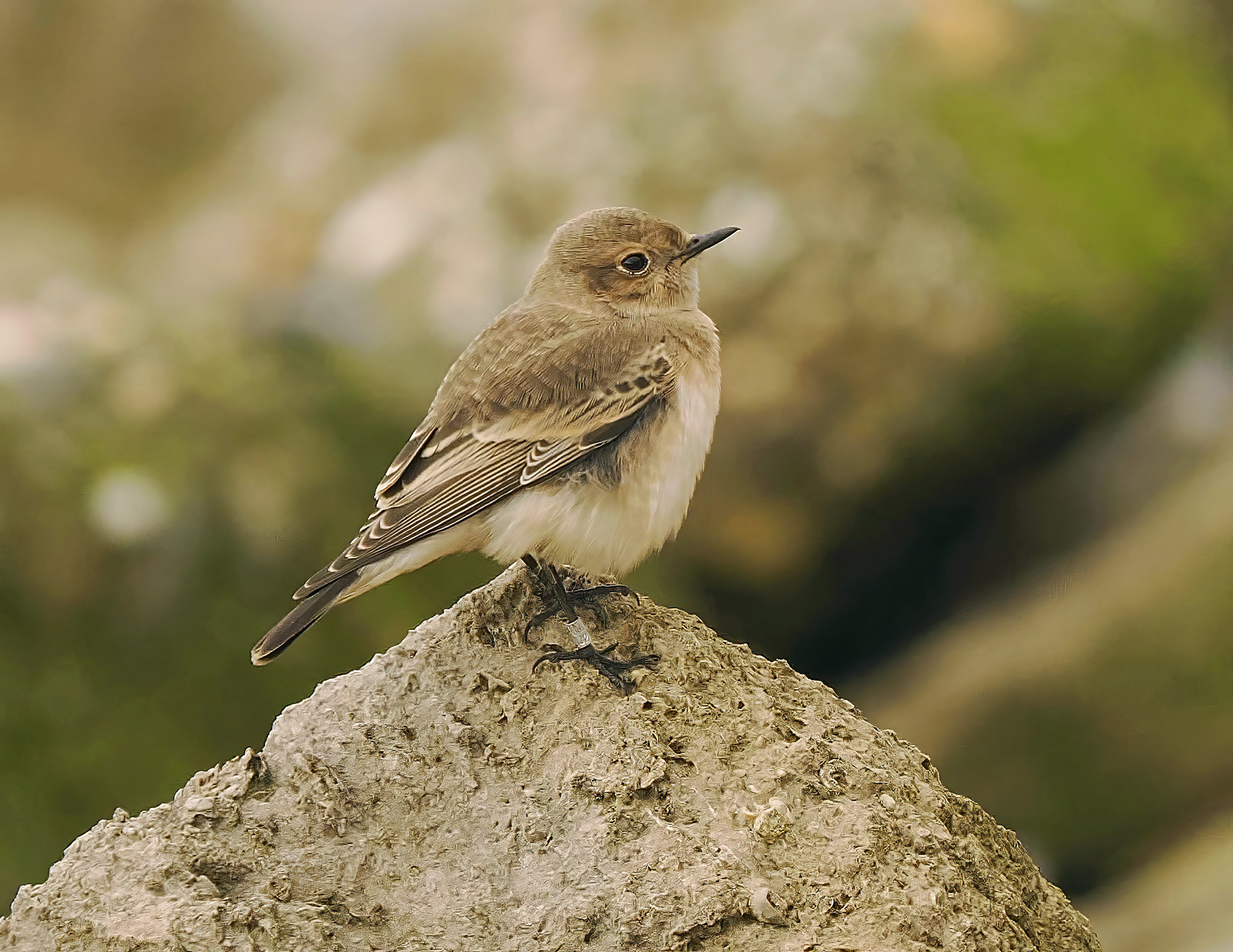
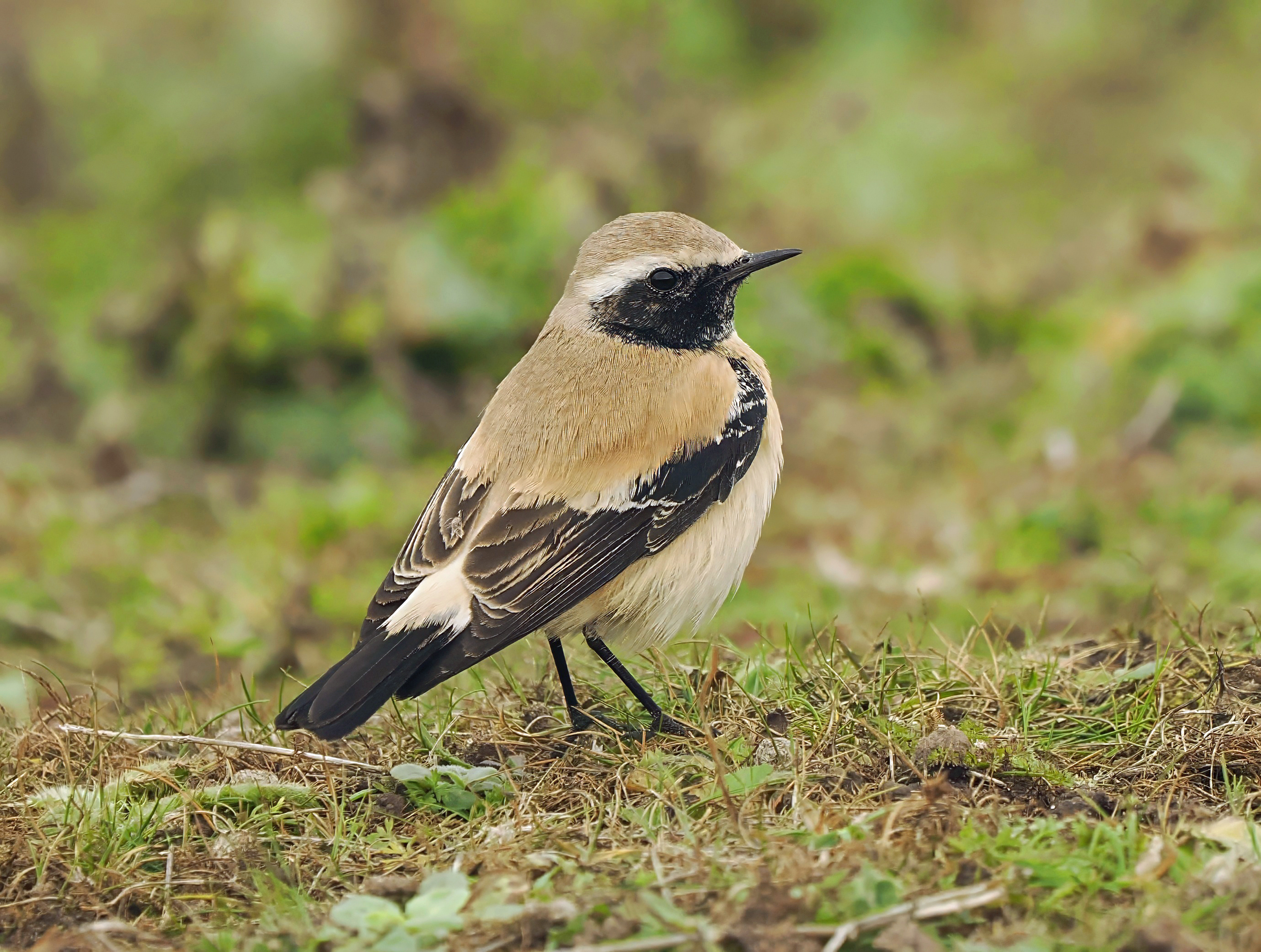
And Desert Wheatear? Lots of those, almost a dozen of them. One remained on Fair Isle (Shetland) on 7th-10th; additional birds for the week were found at Easington (East Yorkshire) on 6th; St Catherine’s Point (Isle of Wight) on 6th; Galley Head (Co.Cork) on 6th-7th; near Eccles-on-Sea (Norfolk) on 6th-7th; at Aber Dysynni (Gwynedd) on 6th-8th; at Spurn (East Yorkshire) on 6th-11th; at Rimac (Lincolnshire) on 7th; at Holland Haven CP (Essex) on 7th-8th; at Crimdon (Co.Durham) on 8th-9th; and at Alnmouth (Northumberland) on 9th.
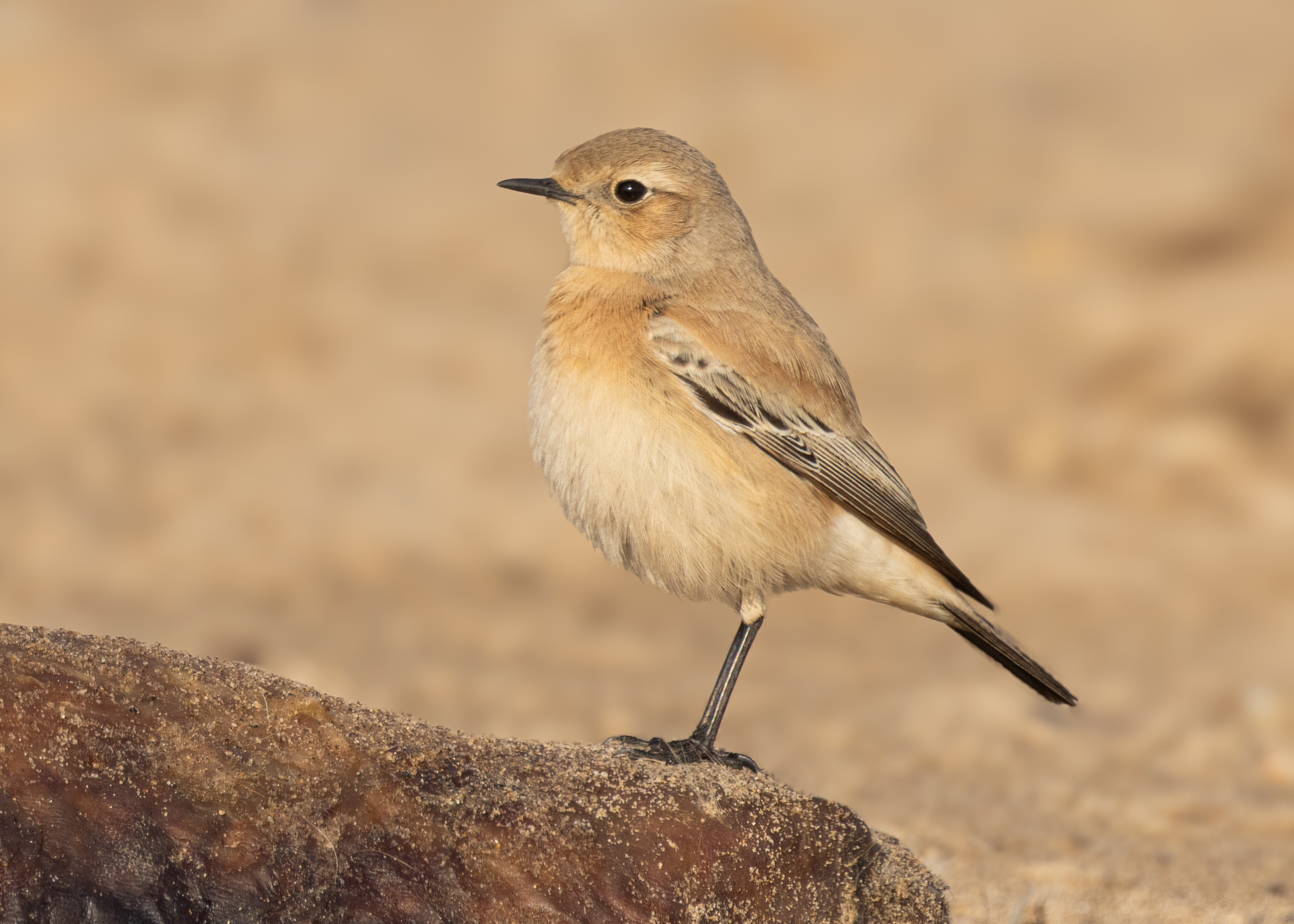
The Siberian Stonechat sp, thought to be probably Amur Stonechat, remained at Easington (East Yorkshire) on 6th-10th.
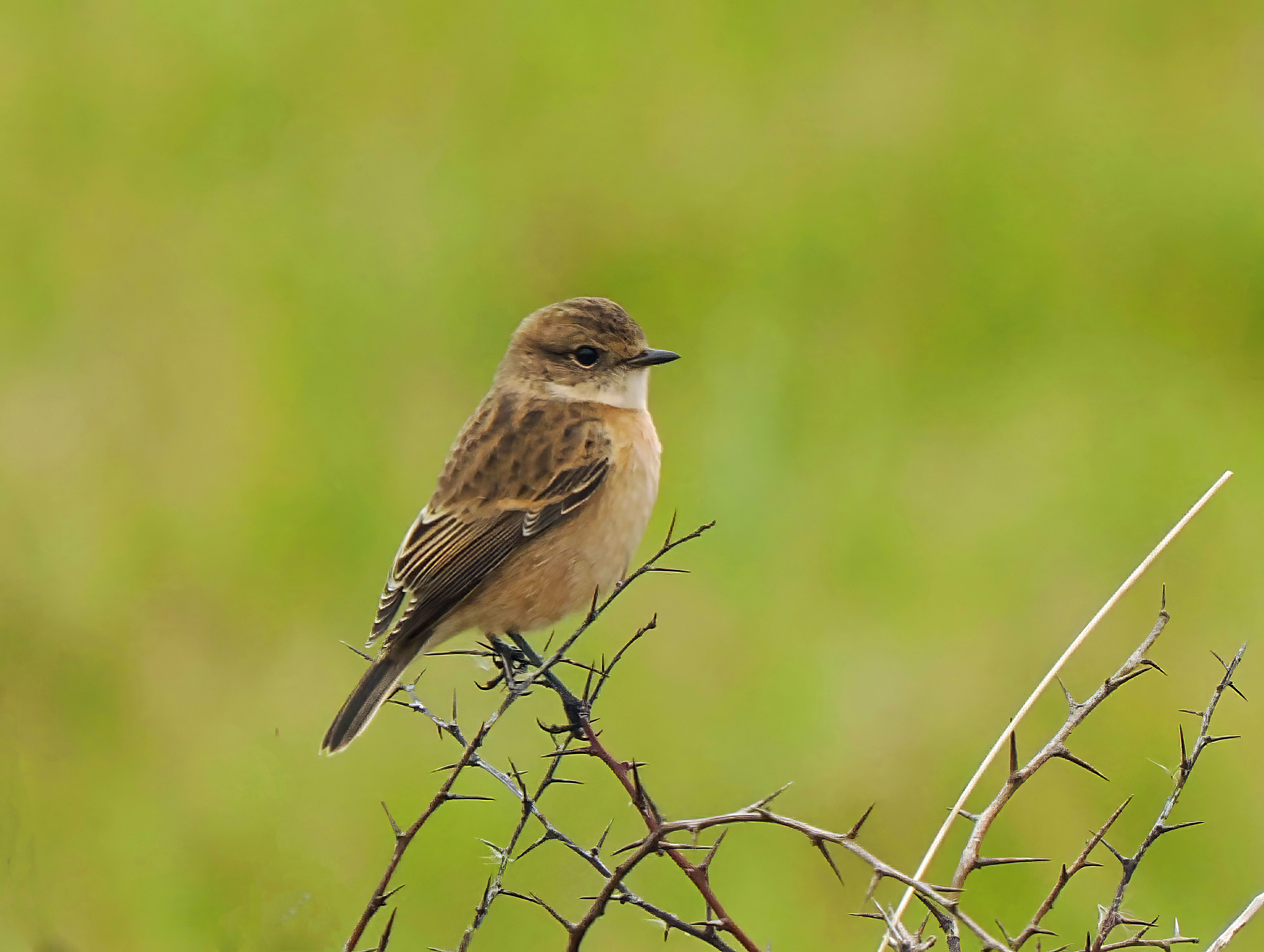
An Eastern Black Redstart was seen in Lincolnshire at Saltfleetby St Clements on 8th-12th.
A first-winter Red-flanked Bluetail was reported from a private garden in Norfolk at Aylsham on 12th.
The week began with an Olive-backed Pipit still present on Fair Isle (Shetland) on 6th-9th, while another was seen again in East Yorkshire at Kilnsea on 8th-11th. Additional birds were noted over Spurn (East Yorkshire) on 7th and Abbotsbury Swannery (Dorset) on 7th.
The week proved to be a busy one for Richard’s Pipit, with some 20 birds in all logged, including two at Flamborough (East Yorkshire) on 9th.
After double figures of Great Grey Shrike in the preceding week’s period, just five were seen during the week, these being at West Quantoxhead (Somerset) on 6th-7th, Woodbury Common (Devon) on 8th-9th, at Lyndhurst (Hampshire) on 12th, and in Langdale Forest (North Yorkshire) on 12th where two birds were to be seen; and a further pallidirostris ‘Steppe Grey Shrike’ was seen in Swindon (Wiltshire) on 7th.
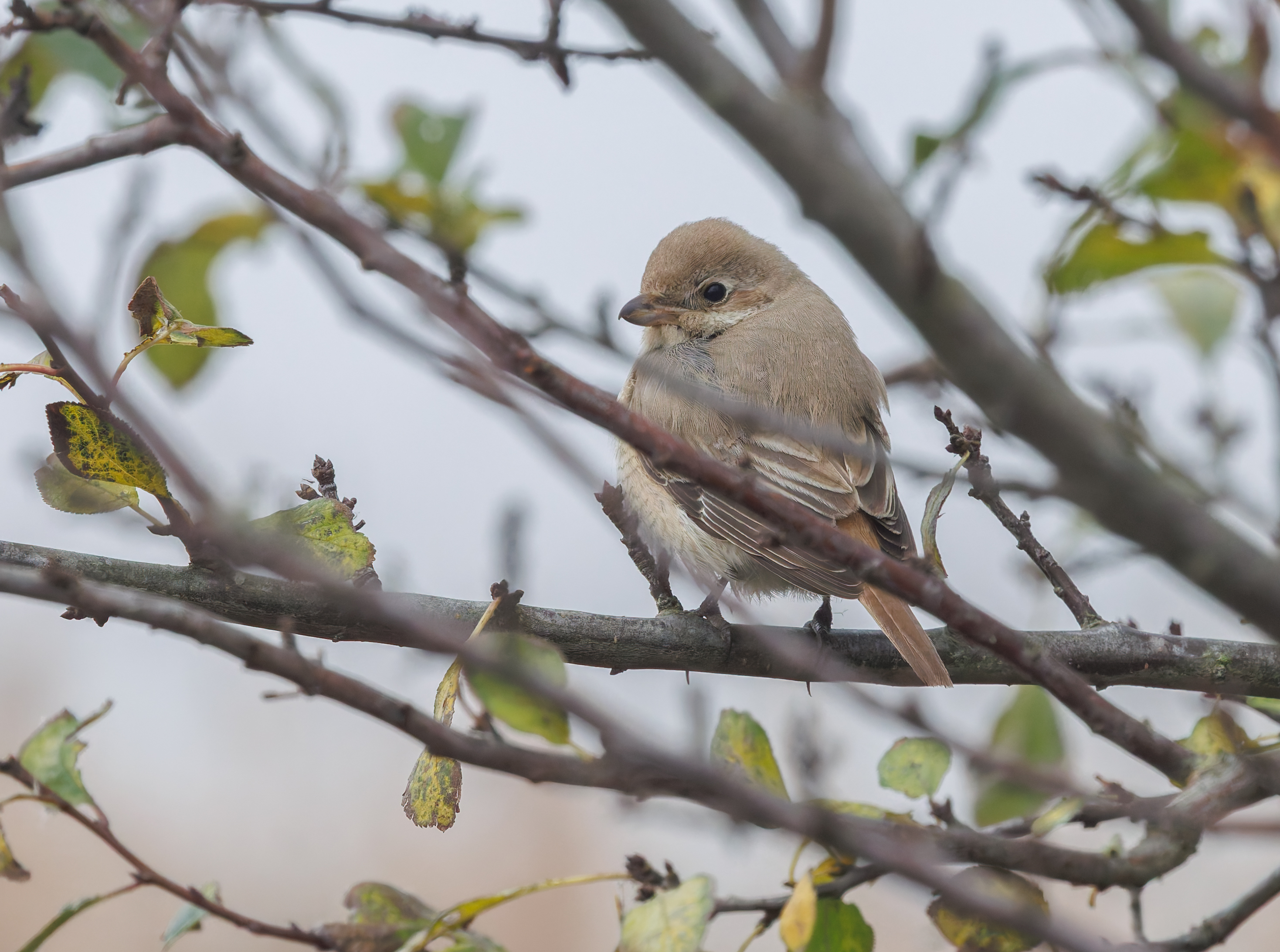
A first-winter Isabelline Shrike sp was present at Brancaster (Norfolk) on 9th-10th, considered a probable Daurian; and then, on 12th, a bird found in Suffolk at Landguard.
Very late Wryneck were seen on 8th just outside St Just (Cornwall), and on 11th at Loughor Bridge (Glamorgan).
A Pallid Swift was reported from Venford Reservoir (Devon) on 7th.
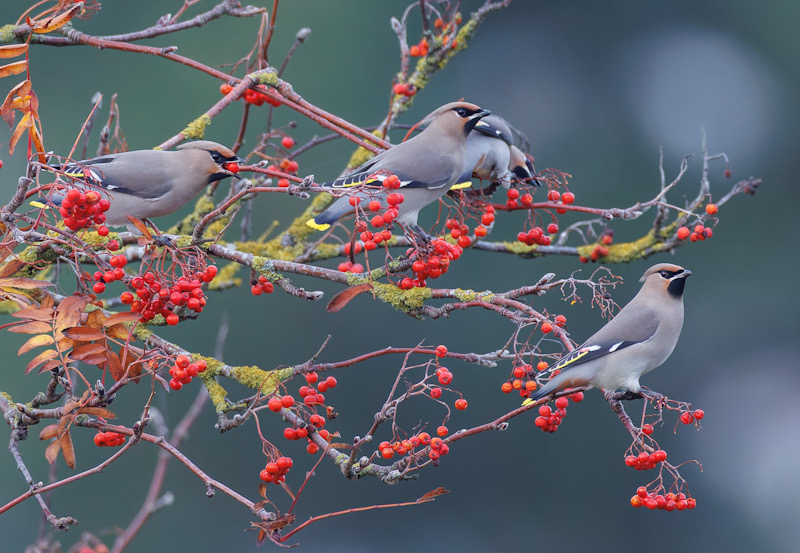
Numbers of Waxwing increased steadily as the week wore on, with a cumulative total of some 850 birds noted nationwide. Peak count of their kind was a chunky 150 or so in Alness (Highland & Caithness) on 10th.
In Norfolk, the juvenile Rose-coloured Starling remained in Norfolk at Happisburgh on 6th-7th, and another juvenile was seen on 6th at Haverfordwest (Pembrokeshire).
Two Penduline Tit were seen on 8th at Slimbridge WWT (Gloucestershire).
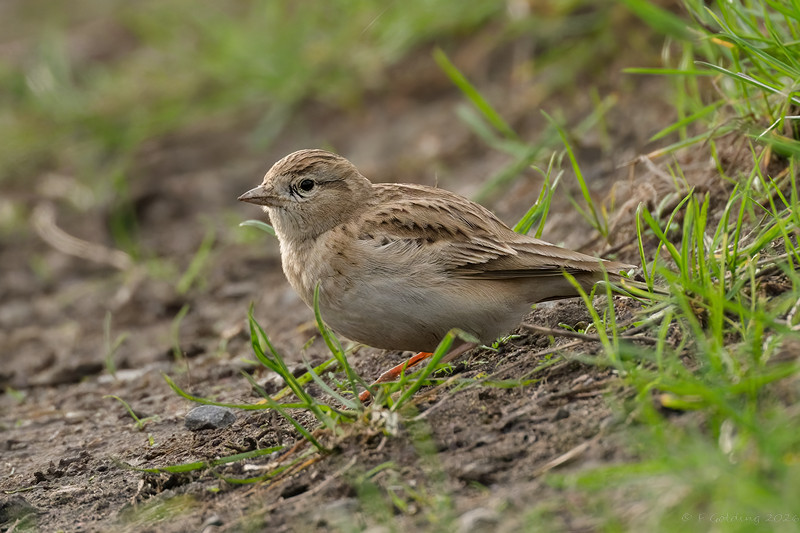
A Short-toed Lark was seen again at Spurn (East Yorkshire) on 8th-9th; and another this week in Co.Durham at Whitburn CP on 7th-11th. A possible was heard only at St Cyrus NR (Aberdeenshire) on 8th-9th.
On 6th-12th a Common Rosefinch was seen in the Trevilley area of Cornwall.
Cornwall also hosted a Serin, seen over St Buryan on 6th; while another was present on Portland (Dorset) briefly on 7th; and one was seen on St Mary’s (Scilly) on 11th.
Exilipes redpolls continued to be seen from Shetland in the north to Norfolk further south, with just shy of 10 birds in all logged. Always the bridesmaid to the ‘proper’ snowball hornemanni’s bride, in these post-Arctic Redpoll days there’s a distinct sense that exilipes are underwhelming yet further in some quarters.
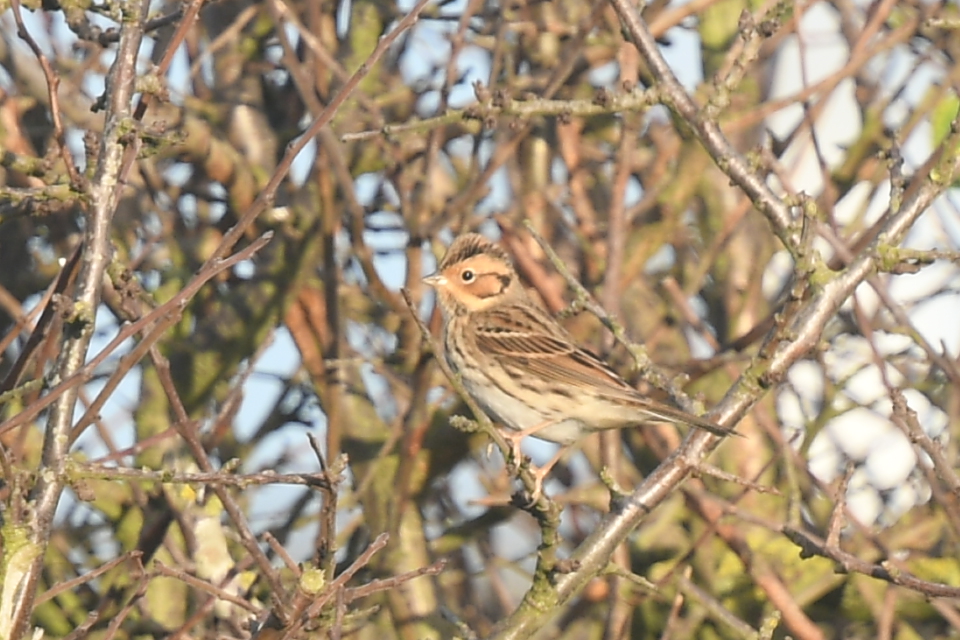
The week proved to be a good one for Little Bunting, with at least 10 birds seen, including two present on Bressay (Shetland) on 8th-11th. Additional birds were seen on Shetland Mainland at Loch of Spiggie on 8th-9th; at Kilnsea (East Yorkshire) on 7th-11th; at Flamborough (East Yorkshire) on 8th-10th; in Norfolk at Stiffkey on 6th-12th and North Point Pools on 8th; on The Lizard (Cornwall) on 7th; at The Cunnigar (Co.Waterford) on 7th; and reported from Gowy Meadows CWT (Cheshire & Wirral) on 7th.
Finally, in Lancashire & North Merseyside the adult male Great-tailed Grackle remained at Garston Coastal Reserve on 7th-11th.
Consistent with the pattern of arrival of several Crag Martin in Britain, plenty were seen in the Netherlands this past week – nine heading east past Terneuzen on 7th, and a singleton at Julianadorp on 10th.
Belgian birders meanwhile were enjoying the country’s first Green Heron, in Bruges and enjoying the alcoves of Dudzele on 10th-11th.
Big news from Sweden on 10th, where a Turkestan Short-toed Lark was present at Utlangan.
And down in Spain the long-staying Cape Gull remained at Laredo on 6th.
Out on Malta, a Siberian Rubythroat was seen on 11th.
And finally, belated news concerned a Pine Siskin on Corvo on 1st.
If accepted, exciting to chalk up another Western Palearctic first predicted in Vagrancy in Birds www.bloomsbury.com/uk/vagrancy-... @dunnjons.bsky.social
— Alexander Lees (@alexanderlees.bsky.social) 9 November 2026 at 09:59
[image or embed]
On we sail through November. Dare we say it, another year will be done and dusted before we know it? But let’s not wish our lives away that glibly. There’s the third week of November to deal with first…
While the coming week seems set to feature some periods of bone-chilling northerlies, there appear to be some windows when the wind will find a way to kiss us from the near continent. And that surely means a few more Desert Wheatear which, while we may be forgiven for feeling a little complacent about them as a whole on the basis of the past fortnight, are always going to significantly brighten the day of whomever finds one in the coming days.
It’s not too late for westerlies to deliver, with an array of past records of American thrushes to look to for inspiration. It’s also worth noting in passing that the coming week also features the Bald Eagle found in 1987 in Co.Kerry at Ballymacelligot on 17th November, a bird that remained in the area into December and, ultimately, was taken into care and repatriated to the USA. Just imagine the scenes if and when another’s found… Curiously, the coming week also gave us another notable historic eagle, albeit one from a lot longer ago – the Spotted Eagle shot near Brinsop Court (Herefordshire) on 15th November 1915. Unimaginable scenes…
Steering well away from the stuff of sheer fantasy, light winds from the continent may augur something more attainable. We’ve had a couple of records of Penduline Tit in the past fortnight, in Kent and Gloucestershire respectively, and more seem a distinct possibility.

Jon Dunn
13 Nov 2026
Many thanks to all this week's contributors for your photos and videos.
Get Breaking Birdnews First
Get all the latest breaking bird news as it happens, download BirdAlertPRO for a 30-day free trial. No payment details required, and get exclusive first-time subscriber offers.
Share this round-up