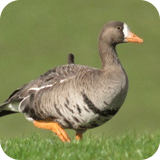
Scotland looks to quieter winter refuges for Greenland White-fronted Geese
A review of feeding areas on Islay and Kintyre is part of an effort to help geese leave Scotland in better condition for the journey north.
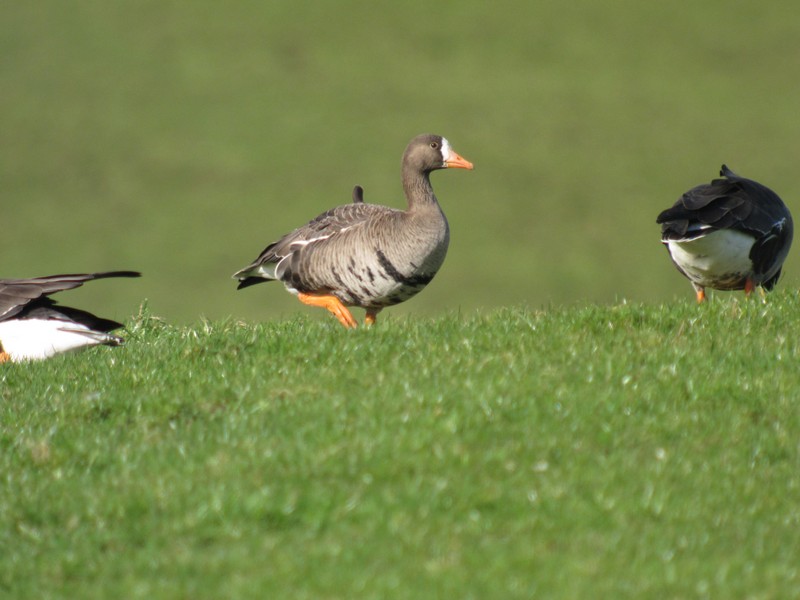
A field where geese can feed without being moved on is at the centre of Scotland's response to a decline playing out across four countries. NatureScot is reviewing the provision of quiet feeding grounds for Greenland White-fronted Geese, including whether existing schemes can offer more space to the birds where it is practical to do so.
The scale of the change is clearest in the spring counts. Some 36,000 geese were counted in 1999. By spring 2025 the count was down to 13,303, of which 8,217 were in Britain and 5,086 in Ireland. The following spring brought the total back to just under 15,000, according to NatureScot. It is this Greenland population, rather than the Greater White-fronted Goose throughout its range, that the agency describes as critically endangered.
The geese breed in western Greenland and stop in Iceland on both journeys between the breeding grounds and their winter quarters. Too few young have been produced over many years. NatureScot identifies changing conditions in Greenland and illegal hunting on passage in Iceland as likely pressures. Its Scottish proposals address a different part of the birds' year: whether adults survive the winter and can feed well enough to set off north in good condition.
While we can’t control many of the factors behind this decline, Scotland does play an important role in the conservation of these geese.
Rae McKenzie, NatureScot Goose Policy Manager
On Islay and Kintyre, schemes have supported undisturbed feeding since 2000. Under the national actions, these areas remain a priority as the schemes are reviewed. The agencies will also consider whether schemes elsewhere could accommodate the birds. Monitoring built into the arrangements is to continue. For small wintering flocks, an early step will be to revisit a 2011 assessment, rather than assume that every recommendation made then still suits the site.
A secure feeding field is only half the requirement. In the Hebrides and west of Scotland the geese also use peatland roosts. NatureScot intends to target restoration where it will benefit those roosts and to time the work so that the restoration itself does not disturb the birds. Agricultural support can address the grassland on which the same birds depend by day.
There is no legal hunting of these geese in Scotland. The agency nevertheless wants to reduce the risk of birds being shot by mistake and to encourage prompt reporting when that happens. It will also draw planning authorities' attention to the population's status, including in Kintyre, where it identifies pressure from wind farm development. The plan does not announce new protected areas or put a figure on how many extra geese these measures might support.
13 November 2026
Get Breaking Birdnews First
Get all the latest breaking bird news as it happens, download BirdAlertPRO for a 30-day free trial. No payment details required and get exclusive first-time subscriber offers.