Hoopoe and Glossy Ibis influxes feature in first-ever BTO BirdTrack report
Two waves of Hoopoes and an unprecedented autumn influx of Glossy Ibis are among the highlights of the BTO's first annual BirdTrack report, exploring bird migration and movements during 2025.
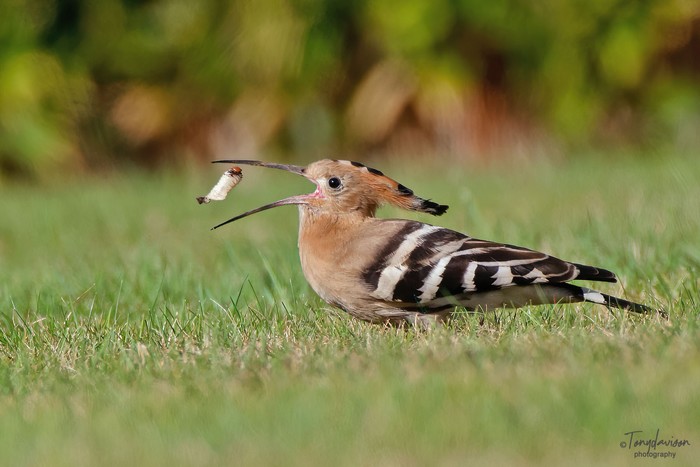
The British Trust for Ornithology has launched the report to show how sightings submitted by thousands of volunteer birders are helping researchers understand changing migration patterns across Britain and Ireland.
Hoopoes and Glossy Ibis lead the highlights
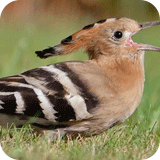
Nearly 80 Hoopoes were found during the first spring arrival wave in the third week of March. A second wave in early April brought record numbers to the south coast of Ireland. September then saw an unprecedented influx of Glossy Ibis, with high numbers remaining well into October.
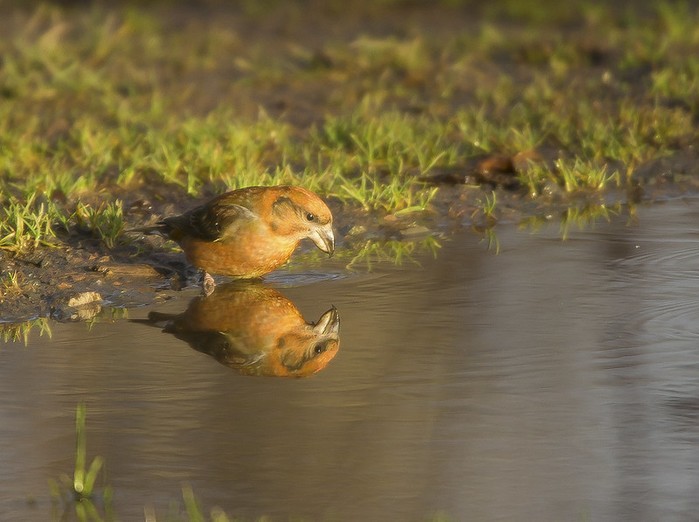
Other notable events included an excellent spring for Wood Sandpiper and Temminck's Stint, a summer influx of Crossbill and a bumper autumn for Curlew Sandpiper, especially in Scotland. The report examines year-to-year variations associated with weather, food availability and breeding success.
Changing winters and migration timing
BirdTrack data show a reduced frequency of reports of winter visitors such as Fieldfare and Great Grey Shrike. The report also considers the well-documented declines in wintering waterbirds such as Bewick's Swan, which are spending the winter farther east as temperatures become milder.
A new method models the start of the main arrival period for summer migrants. By assessing timing at population level, it offers a better measure than individual first and last dates and will help researchers understand how migratory species respond to climate change.

More than 10 million records in 2025
Since its launch in 2004, BirdTrack has received more than 150 million bird records from over 60,000 volunteer birders. BTO runs the project in partnership with the RSPB, BirdWatch Ireland, the Scottish Ornithologists' Club and the Welsh Ornithological Society.
Tom Jordan, BTO BirdTrack Organiser, said: “A record number of participants contributed more than 10 million bird records to BirdTrack in 2025 and these data are vital to our understanding of changes in bird migration and movements. We are very grateful for the continued support of thousands of volunteer birders who submit their sightings to BirdTrack to support science and conservation”.
Simon Wotton, Senior Conservation Scientist at the RSPB, said: “This new report shows the amazing power of citizen science to deliver vital data on the state of our bird populations at a time of quite unusual and unprecedented change. The shifting patterns we see are driven by many factors but principally by climate change that poses a considerable and growing risk to nature”.
Further articles in the report examine how bird clubs use BirdTrack data, alongside applications ranging from farm surveys to monitoring outbreaks of highly pathogenic avian influenza (HPAI). The report will be published annually.
Read the BirdTrack annual report on the BTO website
11 Nov 2026
Get Breaking Birdnews First
Get all the latest breaking bird news as it happens, download BirdAlertPRO for a 30-day free trial. No payment details required and get exclusive first-time subscriber offers.