Peruvian Diving Petrels rebound after island restoration
A 2024 census estimated almost 90,000 breeding pairs on Chile's Choros Island, up from 11,934 in 2013 after decades of protection and rabbit removal.
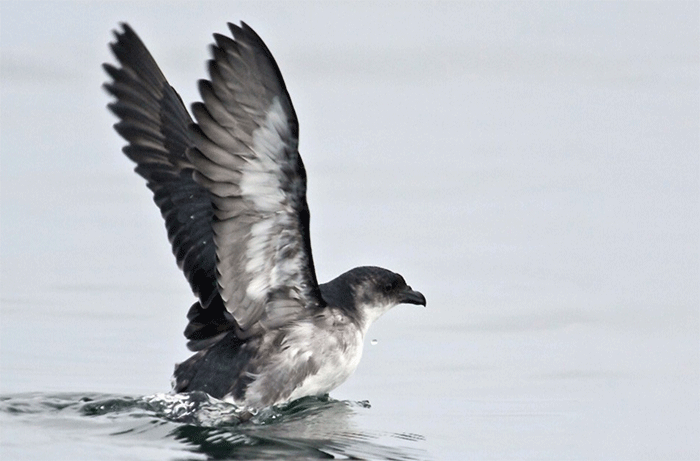
The breeding population of Peruvian Diving Petrels on Choros Island in northern Chile has risen to almost 90,000 pairs after decades of protection and the restoration of nesting habitat damaged by invasive rabbits.
A study in Marine Ornithology estimated 89,876 breeding pairs in November 2024, with a 95 per cent confidence interval of 80,952 to 98,800. The island held an estimated 11,934 pairs in 2013 and just 300 in 1980.
The latest estimate represents a 7.5-fold increase since 2013 and an approximately 300-fold increase across 44 years. Choros is now described as the species' primary breeding site and the most important colony in Chile.
European Rabbits had trampled and enlarged petrel burrows, removed vegetation and occupied part of the colony. Island Conservation and partners eradicated them in 2013, allowing vegetation and soil structure to recover and increasing the area suitable for burrowing seabirds.
The researchers report that the colony area nearly doubled between 2013 and 2024 and that previously separated nesting patches became more consolidated. Population growth accelerated after eradication, consistent with more burrows becoming available.
Co-author Nicolas Luna described the habitat change recorded after the operation.
Since the eradication in 2013, those degraded areas have recovered and the colony has expanded, nearly doubling in area.
Nicolas Luna, study co-author
The increase cannot be assigned to rabbit removal alone. The population had already begun recovering from its twentieth-century collapse during the 1990s, supported by protection from disturbance and the management of Choros within Chile's Humboldt Penguin National Reserve.
The historical scale of that collapse was severe: the paper describes an estimated 100,000 breeding pairs in the early twentieth century, falling to only about 300 by 1980 before the long recovery began.
The paper therefore treats the result as the outcome of sustained, multi-decade conservation, with invasive-species removal removing a major constraint. It does not claim that every additional pair was recruited locally; seabird colony estimates can also be influenced by redistribution and by the methods used to detect occupied burrows.
Peruvian Diving Petrel was moved from Endangered to Near Threatened on the IUCN Red List in 2020, reflecting improvements across its breeding range. The Choros result strengthens that positive picture, but the species remains concentrated at relatively few sites.
The authors warn that proposed mining and port development near the island could undermine the recovery. Coastal lighting, disturbance, pollution, fisheries interactions and the return or arrival of invasive mammals remain relevant risks for a nocturnal, burrow-nesting seabird.
The census demonstrates a large local increase supported by restored habitat, but maintaining it will require continued reserve management and biosecurity. The most defensible conclusion is a major recovery at Choros Island, not that the species is secure throughout the Humboldt Current.
4 Nov 2026
Get Breaking Birdnews First
Get all the latest breaking bird news as it happens, download BirdAlertPRO for a 30-day free trial. No payment details required and get exclusive first-time subscriber offers.