


Roseate Terns reach 50-year high on Coquet Island
A record 155 pairs nested on the Northumberland island in 2026, the highest total recorded there in more than half a century.
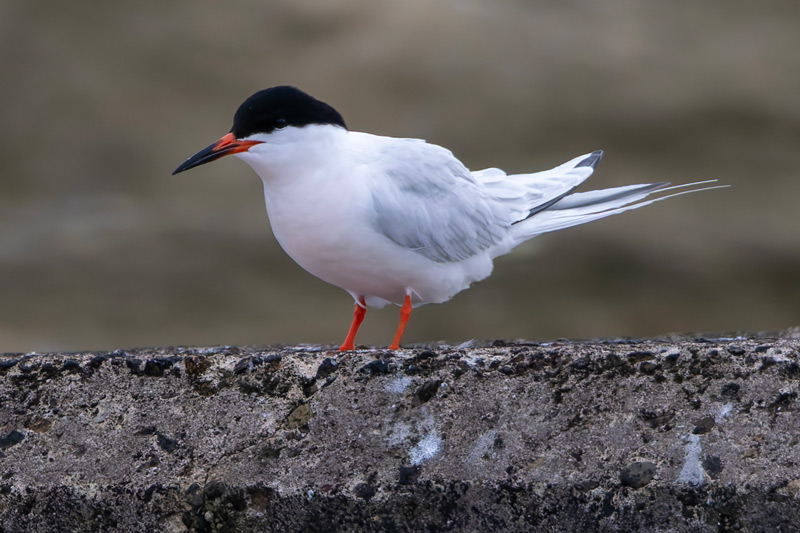
The number of Roseate Terns breeding on Coquet Island has reached its highest level in more than 50 years, providing another encouraging sign for the UK's rarest regularly nesting seabird.
The latest census recorded 155 pairs on the RSPB-managed island, situated about a mile off Amble on the Northumberland coast. The total is one pair higher than the previous record of 154 in 2022 and represents an increase from the 144 pairs counted in 2025.
Coquet Island supports the UK's only established breeding colony of Roseate Terns. The internationally important reserve is also home to tens of thousands of other seabirds, including Puffins, Common, Arctic and Sandwich Terns, Eiders, Razorbills, Fulmars and Kittiwakes.
The new record follows several difficult breeding seasons for the colony. Highly Pathogenic Avian Influenza caused heavy losses among Coquet's seabirds in 2022 and 2023, including the deaths of adult Roseate Terns and large numbers of chicks. Surveys subsequently recorded a substantial fall in the number of pairs returning to the island.
There were stronger signs of recovery in 2024, when 191 Roseate Tern chicks hatched and 175 fledged. Although only 126 pairs nested that year, the average number of young produced per pair was among the highest recorded at the colony.
The longer-term increase has been supported by intensive conservation work carried out by RSPB staff and volunteers. Roseate Terns readily use specially provided nestboxes, which shelter eggs and young from poor weather and reduce the risk of predation. Nesting terraces are also cleared and repaired before the birds return from their wintering grounds in West Africa.
Wardens monitor the colony throughout the breeding season, read individually marked leg rings and protect the island from disturbance. Public landing is not permitted, although the birds can be watched from boat trips operating from Amble.
Roseate Terns remain Red-listed in the UK and are specially protected under wildlife legislation. The species is long-lived, meaning a sustained recovery from avian influenza and other pressures is likely to depend on several consecutive seasons of strong adult survival and successful breeding.
The final number of chicks fledged from the 2026 breeding season has not yet been reported, but the record count of nesting pairs returns the Coquet colony to slightly above its pre-avian-flu peak.
31 Jul 2026
Get Breaking Birdnews First
Get all the latest breaking bird news as it happens,
download BirdAlertPRO
for a 30-day free trial. No payment details required and get exclusive first-time subscriber offers.
Share this story




