


Moonlight Shapes the Lives of Nightjars, From Feeding to Migration
New research shows nocturnal birds are closely tied to the lunar cycle, with knock-on effects for energy, breeding and migration
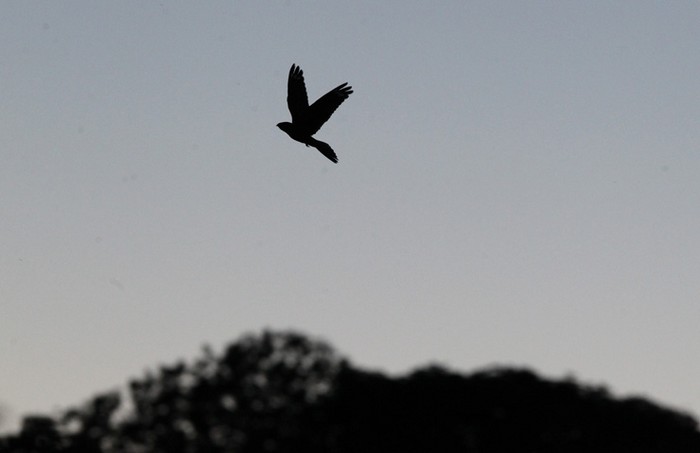
The rhythms of the moon play a far greater role in the lives of nocturnal birds than previously understood, according to new research on Red-necked Nightjars Caprimulgus ruficollis. The study shows that moonlight directly affects how much these birds can feed, how they manage their energy, and even when they migrate and breed.
Using long-term field data alongside tracking devices fitted to individual birds, researchers found that nightjars are far more active on bright, moonlit nights than during darker periods. Flight activity peaks around the full moon and drops sharply around the new moon, when birds largely stop foraging soon after dusk.
This difference in behaviour has clear consequences. With more light available, nightjars can continue hunting insects throughout the night, increasing both their activity levels and feeding success. During darker nights, feeding is restricted to short windows at dusk and dawn, creating regular shortfalls in energy intake.
The study shows that these recurring gaps in food intake are not trivial. During the breeding season, birds were estimated to gain substantially more energy on moonlit nights than on dark nights, with the difference becoming even greater during longer winter nights.
To cope with these fluctuations, nightjars rely on a combination of adaptations. They can store food in an enlarged gizzard and, when necessary, reduce their body temperature in a state similar to torpor to conserve energy. These energy-saving responses tend to occur during darker phases of the lunar cycle, when feeding opportunities are most limited.
Despite these adaptations, the effects of moonlight still ripple through the birds’ entire annual cycle. Energy gains and losses track the lunar cycle closely, creating predictable peaks and troughs in body condition over time.
These patterns appear to influence major life events. Migration timing is not random, with movements showing clear monthly peaks linked to the lunar cycle. Breeding also follows a similar pattern, with the timing of egg-laying appearing to align so that chicks hatch when feeding conditions are most favourable.
Not all aspects of the birds’ life cycle are tied to the moon. The study found no clear link between the lunar cycle and the timing of feather moult, suggesting that some processes are driven more by internal biological rhythms or other environmental factors.
Overall, the findings suggest that even in species well adapted to life in low light, the availability of moonlight remains a key environmental driver. Rather than simply influencing behaviour on a night-to-night basis, it shapes how energy is gained and spent over weeks and months.
The research highlights how a natural cycle as familiar as the phases of the moon continues to influence wildlife in fundamental ways, governing not just when birds are active, but how they survive and reproduce across the year.
May 2026
Get Breaking Birdnews First
Get all the latest breaking bird news as it happens, download BirdAlertPRO for a 30-day free trial. No payment details required and get exclusive first-time subscriber offers.
Share this story





