Japan's Oriental Stork population grows following reintroduction
Population recovery follows decades of conservation work after species vanished from the country in the 1970s

The reintroduction of Oriental Stork Ciconia boyciana in Japan is being described as a conservation success, with the species now re-established in the wild decades after it disappeared from the country.
According to reporting by Ornithomedia, the species became extinct in Japan in 1971, following a long period of decline linked to habitat loss, agricultural intensification and other human pressures.
Its return has been driven by a coordinated programme combining captive breeding, habitat restoration and carefully managed releases. The first birds were reintroduced into the wild in 2005, with breeding recorded shortly afterwards.
Since then, numbers have steadily increased, with the population expanding beyond its original release area and birds now breeding in multiple regions of the country.
A key part of the recovery has been large-scale habitat restoration, particularly in wetland and agricultural landscapes. Efforts have focused on improving the availability of prey and reducing the use of pesticides, allowing the species to recolonise former breeding areas.
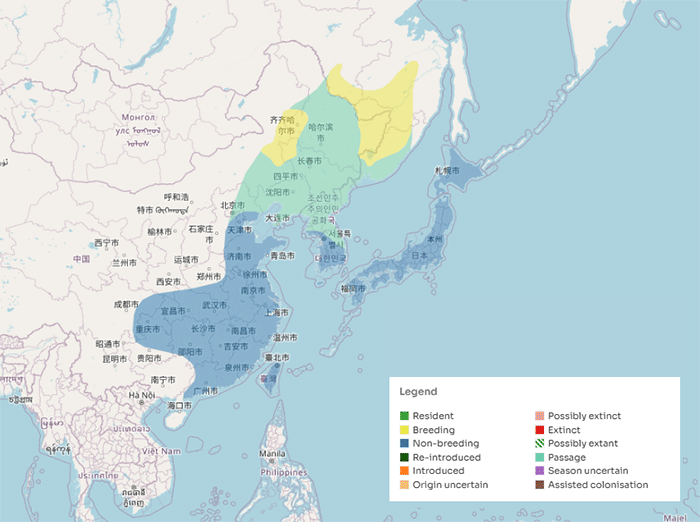
The Oriental Stork is a large wetland bird native to East Asia and is currently classified as Endangered, having suffered declines across its range due to habitat degradation and hunting.
The Japanese programme has also involved close cooperation with local communities, including changes to farming practices to create more wildlife-friendly environments. These measures have helped restore the ecological conditions needed for the species to survive and breed.
Although the recovery is ongoing and challenges remain, the project is widely seen as an example of how long-term conservation action can restore a species that had previously been lost from the wild in a country.
April 2026
Get Breaking Birdnews First
Get all the latest breaking bird news as it happens, download BirdAlertPRO for a 30-day free trial. No payment details required and get exclusive first-time subscriber offers.
Share this story