


Promiscuity in birds linked to changes in parenting behaviour
A new study finds males invest less in care when females mate with multiple partners
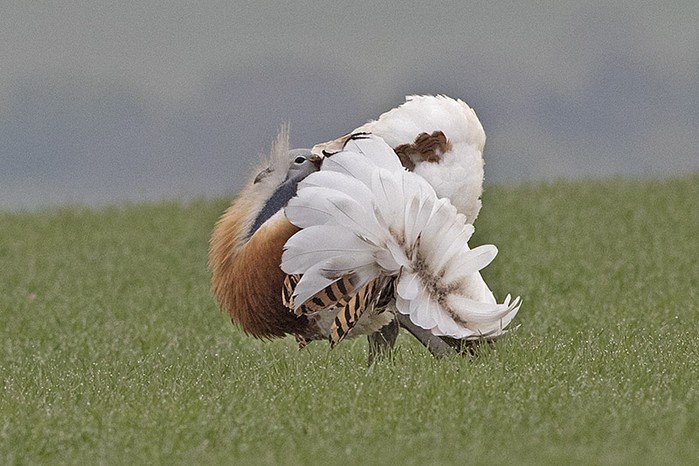
Bird species in which females mate with multiple males show clear differences in how parents care for their young, according to new research exploring the links between mating behaviour and parental investment.
The study found that higher levels of promiscuity - where offspring in a single brood may have different fathers - are associated with reduced care from males. In these situations, males appear less willing to invest time and energy in raising chicks when there is uncertainty over their paternity.
This pattern reflects a simple trade-off. Providing food and protection to chicks is costly, and if a male cannot be sure that the young are his, the evolutionary incentive to invest in them is reduced. Instead, effort may be redirected towards seeking additional mating opportunities.
By contrast, in species where females typically mate with a single partner, males are more likely to contribute consistently to feeding and defending the brood. Greater certainty of paternity appears to encourage higher levels of parental care.
The research highlights how mating systems can shape family life in birds, influencing not just reproduction but also the survival prospects of offspring. In species with lower male involvement, females may need to compensate by increasing their own investment in raising chicks.
However, the study suggests that these dynamics are not fixed. Environmental conditions, food availability and predation risk can all influence how much care each parent provides, meaning that behaviour can vary both between species and within populations.
Overall, the findings provide further evidence that reproductive strategies and parental behaviour are closely linked. Rather than acting independently, mating patterns and care strategies appear to evolve together, reflecting the balance between reproductive success and the costs of raising young.
The study offers a clearer picture of how complex and flexible breeding systems can be in birds, and how decisions made before eggs are even laid can shape what happens in the nest.
May 2026
Get Breaking Birdnews First
Get all the latest breaking bird news as it happens, download BirdAlertPRO for a 30-day free trial. No payment details required and get exclusive first-time subscriber offers.
Share this story





