Urban birds flee sooner from women than men, study finds
European research shows consistent difference in escape behaviour, with birds taking flight earlier when approached by female observers
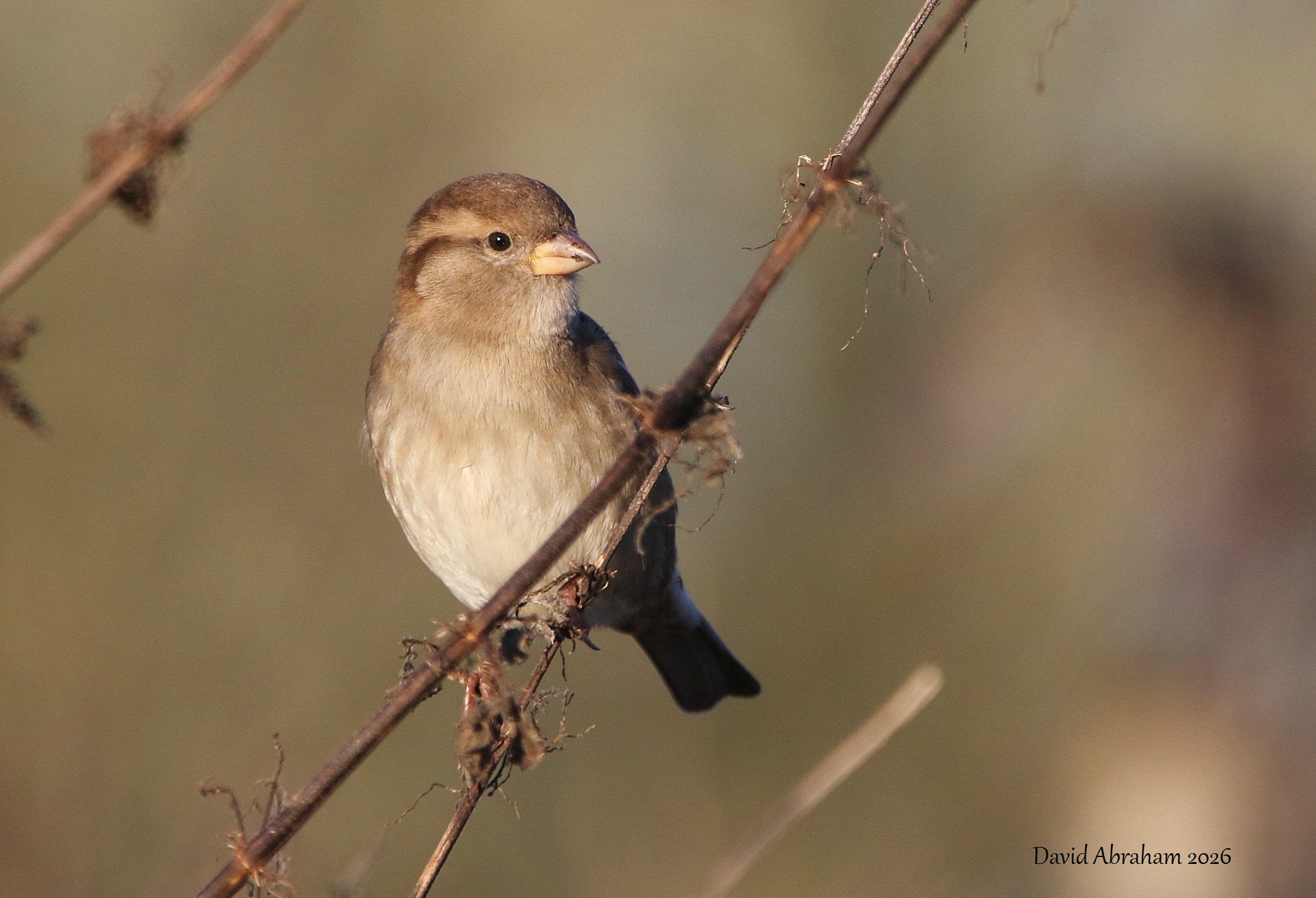
Urban birds across Europe flee sooner when approached by women than by men, according to new research analysing thousands of encounters across multiple countries.
The study, published in People and Nature, examined how birds respond to approaching humans by measuring “flight initiation distance” (FID) - the point at which a bird takes flight to avoid a perceived threat.
Researchers recorded more than 2,700 observations across seven cities in five European countries, focusing on common urban species such as Blackbird, Woodpigeon, Magpie, Great Tit and House Sparrow.
After accounting for factors such as habitat, flock size and starting distance, the results showed a clear and consistent pattern: birds escaped earlier when approached by women than by men. On average, the difference was around one metre, equivalent to roughly 11% of the typical escape distance.
This pattern was observed across all countries included in the study, suggesting it is not limited to a single population or location.
The findings were unexpected. Previous assumptions suggested birds might perceive men as a greater threat, given historical associations with hunting. However, the data showed the opposite pattern, with birds displaying lower tolerance to female observers.
The study also found differences between birds themselves. Male birds tended to be more tolerant of human approach than females, allowing people to get closer before taking flight.
As in earlier research, the distance at which an observer began approaching a bird was strongly linked to when the bird fled, with longer approaches resulting in earlier escape responses. Vegetation also played a role, with birds tending to flee sooner in areas with more tree cover and later where there was more shrub cover.
The reasons behind the difference in response to male and female observers remain unclear. The researchers ruled out obvious physical differences such as height and clothing, which were controlled during the study, but suggest that more subtle cues - such as movement, posture or even scent - could play a role.
Despite the uncertainty over the mechanism, the study highlights that birds are capable of detecting and responding to relatively subtle differences in human behaviour and appearance.
The authors conclude that the sex of human observers can influence bird behaviour and should be considered in future studies of human disturbance and wildlife responses.
April 2026
Get Breaking Birdnews First
Get all the latest breaking bird news as it happens, download BirdAlertPRO for a 30-day free trial. No payment details required and get exclusive first-time subscriber offers.
Share this story