Record count of Puffins on Skomer
The Wildlife Trust of South and West Wales says this year’s count has beaten the previous record set in 2025
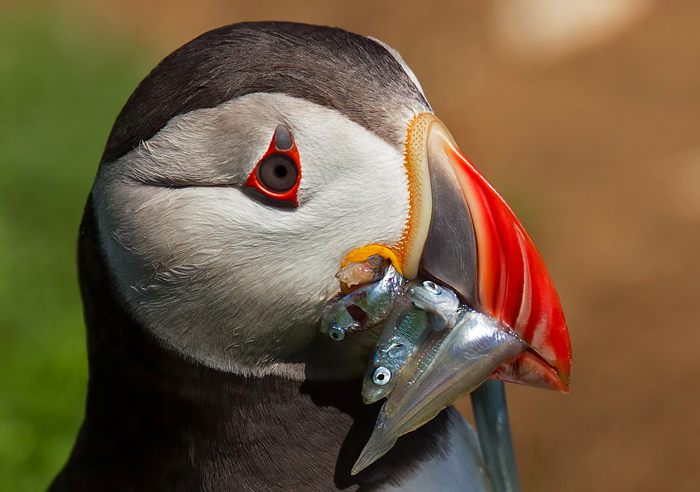
The Puffin population on Skomer Island has reached another record high, with 52,019 birds recorded in this year’s count.
The Wildlife Trust of South and West Wales said the 2026 total beats the previous record of 43,626 Puffins, set in 2025. The count is carried out each spring as part of long-term monitoring work on Skomer, an internationally important seabird island off the coast of Pembrokeshire.
“After the tragic number of seabirds washing up on beaches across southern Europe earlier this year, we weren’t expecting a count this high this season. It’s a very pleasant surprise to see the Puffin population thriving,” said Leighton Newman, Skomer Island Warden for WTSWW.
The annual count is more complicated than simply adding up birds on a cliff. The Skomer team counts Puffins on land, in the air and at sea, working across seven sections of the island on a calm, clear evening. Timing is important, as counting too early may miss birds that have not yet returned, while counting too late risks missing birds already settled underground on eggs.
The Trust said the same method has been used by wardens since the 1980s, allowing more than 40 years of Puffin population data to be compared. This long-term monitoring helps show how seabird populations are changing and can provide early warning when problems emerge.
Alongside Puffins, the Skomer team also monitors other wildlife. Each summer, boat-based surveys are used to record Guillemots, Razorbills, Kittiwakes and Fulmars breeding on the island’s cliffs, while volunteers and researchers help monitor Manx Shearwaters, reptiles, marine mammals and the endemic Skomer Vole.
Although Puffin numbers are declining at many sites around the UK, Skomer has continued to show a positive trend. The Trust said the increase is likely linked to food availability in the wider area, supporting chick survival and adult survival over winter. The absence of rats and other predators on the island has also contributed to the success of Skomer’s seabird populations.
“Puffin numbers are declining at many sites around the UK, but Skomer bucks the trend - and it’s thanks to long-term monitoring work that we know this. It’s special that Skomer is a refuge for so many seabirds and it’s a privilege to be able to work to protect them, but we want to see seabird populations thriving across the UK,” said Newman.
The annual counts are submitted to a national dataset used to inform seabird conservation strategies, both nationally and globally. The data is also made available to academics to support further research and protection.
The Trust is now seeking support for its Big Give appeal, which runs from 22 to 29 April, with the aim of raising £40,000 to help fund seabird monitoring work on Skomer.
May 2026
Get Breaking Birdnews First
Get all the latest breaking bird news as it happens, download BirdAlertPRO for a 30-day free trial. No payment details required and get exclusive first-time subscriber offers.
Share this story