EU Moves Forward with Proposal to Ban Lead in Fishing Weights
BirdLife says the step could help reduce poisoning risk for waterbirds across Europe
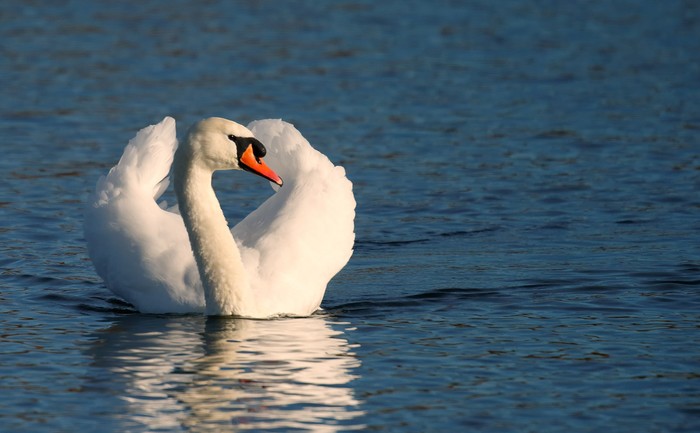
The European Union has taken a significant step towards restricting the use of lead in fishing weights, following a vote by Member States in support of new measures under the REACH chemicals regulation.
The proposal targets small lead weights commonly lost during recreational angling, which can be ingested by birds and lead to poisoning. Waterbirds such as swans, ducks and waders are particularly at risk, as they can mistake the weights for grit or food.
BirdLife International welcomed the development, describing it as an important move to address a well-documented conservation issue affecting bird populations across Europe.
“This is a major step forward for birds and for people,” said a BirdLife International spokesperson. “Lead poisoning is a completely avoidable threat, and this decision shows that the EU is serious about tackling it.”
According to BirdLife, thousands of birds die each year after ingesting lead fishing weights. Once swallowed, the metal can cause severe physiological damage, often leading to death. The organisation has long called for tighter restrictions, arguing that safer, non-toxic alternatives are already widely available.
The proposed measures would restrict the sale and use of small lead fishing weights, aiming to reduce the amount of lead entering freshwater and wetland environments. Larger weights and certain specialised uses are not currently included in the same way, reflecting ongoing discussions around feasibility and alternatives.
BirdLife said the move builds on previous action to phase out lead ammunition in wetlands, which has already been introduced in parts of Europe to reduce poisoning risks for birds.
“We know what the problem is and we know how to fix it,” the BirdLife spokesperson said. “Replacing lead with safer materials is straightforward, and it will save birds’ lives.”
The proposal still requires further steps before it becomes law, including scrutiny by the European Parliament and the Council. If adopted, it would apply across all EU Member States.
BirdLife said it would continue to push for comprehensive measures covering all significant sources of lead pollution affecting wildlife.
May 2026
Get Breaking Birdnews First
Get all the latest breaking bird news as it happens, download BirdAlertPRO for a 30-day free trial. No payment details required and get exclusive first-time subscriber offers.
Share this story