Wedge-tailed Shearwater colony devastated by feral cat attack
Conservationists report 168 adult birds killed at a breeding colony, highlighting ongoing threats to seabirds across the Hawaiian Islands
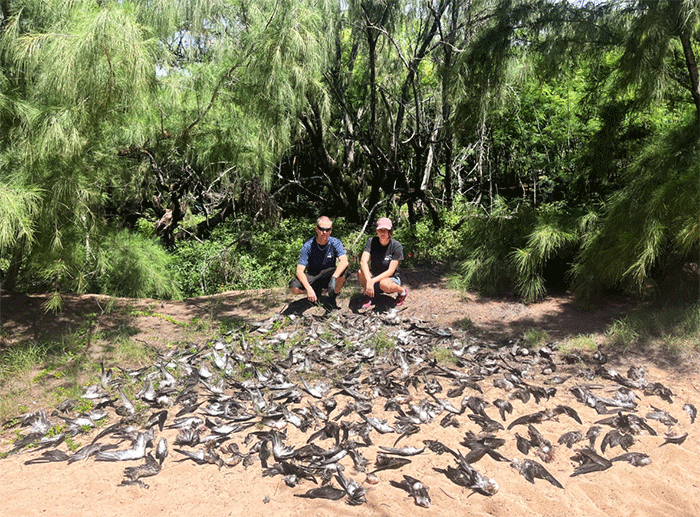
More than 160 Wedge-tailed Shearwaters have been found dead at a breeding colony on the Hawaiian island of Kaua‘i, in what conservationists believe to be a mass predation event by feral cats.
The discovery was reported by Archipelago Research & Conservation after a member of the public alerted them to dead birds near Shipwreck Beach. On visiting the site, researchers found 168 carcasses scattered across the colony - all adult birds that had recently returned to begin the breeding season.
The organisation said the cause of death was clear from the condition and positioning of the birds, with injuries consistent with cat predation. Many appeared to have been killed but not consumed, a pattern commonly associated with feral or free-roaming domestic cats.
Wedge-tailed Shearwaters, known locally as ‘ua‘u kani, nest in burrows and return to land each year to breed, making them particularly vulnerable to introduced predators. Adults gather at colonies at the start of the breeding season, often in large numbers, which can make such events especially devastating.
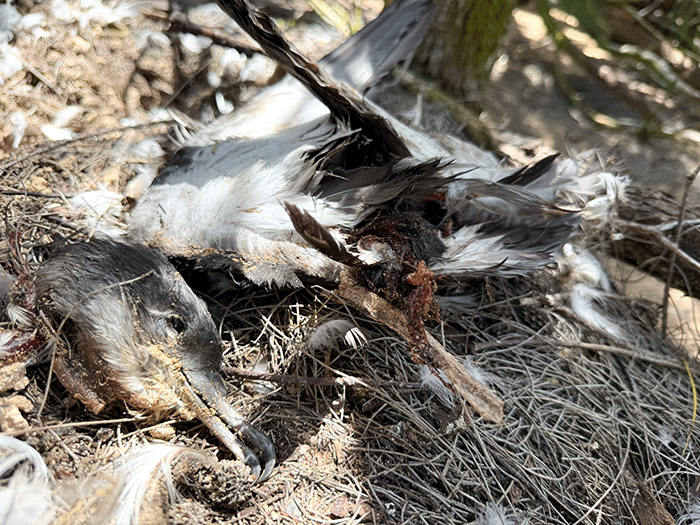
Archipelago Research & Conservation described the incident as “all too familiar”, noting that similar events occur regularly on Kaua‘i and across the wider Hawaiian Islands. Ground-nesting seabirds in the region evolved without mammalian predators, leaving them poorly adapted to threats from animals such as cats, rats and mongooses.
The group has reported the incident to local authorities and is calling for greater awareness of the impact of free-roaming cats on native wildlife. It stressed that keeping cats indoors is one of the most effective ways to reduce predation pressure, while also protecting the cats themselves.
Archipelago Research & Conservation is a Kaua‘i-based organisation focused on seabird monitoring, habitat restoration and predator control. Its work includes tracking breeding success, responding to mortality events and supporting long-term conservation planning for species that rely on the islands’ coastal and forest habitats.
Mass mortality events linked to introduced predators are a well-documented issue across Hawaii, where many seabird species are already under pressure from habitat loss, artificial lighting and climate-related changes at sea. Conservation programmes on several islands have shown that predator control and exclusion fencing can significantly improve breeding success, but such measures are not yet in place at all colonies.
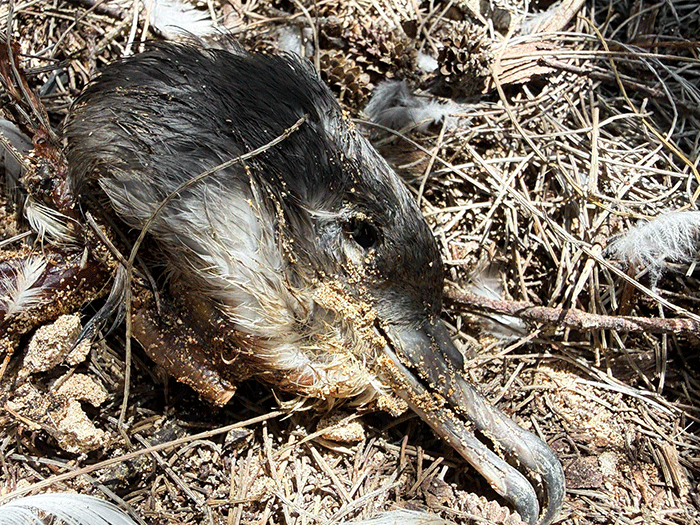
The timing of this latest incident, at the very start of the breeding season, raises particular concern, as the loss of so many adult birds could have a direct impact on reproductive output this year. With birds only just returning to their burrows, the event may represent a significant setback for the local population.
Archipelago Research & Conservation said it will continue to monitor the site and urged the public to report any further incidents. The organisation also reiterated its message that preventing cats from roaming freely remains a key step in protecting Hawaii’s vulnerable seabird populations.
April 2026
Get Breaking Birdnews First
Get all the latest breaking bird news as it happens, download BirdAlertPRO for a 30-day free trial. No payment details required and get exclusive first-time subscriber offers.
Share this story