Weekly birding round-up: 24 - 30 Apr
The spring continued to warm up, literally and metaphorically this past week, with Black-winged Stilt straying into the realms of influx status, more spicy warblers, and a raptor to reckon with. And it wasn’t even May yet…
Time was when Booted Eagle was the stuff of mere fantasy – rare raptors, after all, were famously unable to cross water bodies as forbidding as the English Channel. Maybe this said more about British island attitudes of exceptionalism than any logical or biological basis in fact, for over the years reports of eagles of various kinds kept appearing, though never substantiated with photos, while elsewhere in Europe raptors somehow continued to manage to migrate over water.
The era of digital photography was to move the goalposts on the burden of proof but, before that digital advent, we had the Booted Eagle that did the rounds in Britain and Ireland in 1999/2000 – a bird that was widely seen, but roundly dismissed as a probable escape by the birding adjudicators. A decision that didn’t rest at all well with a great many folk who saw it, needless to say.
Then along came digital photography, and the chance to put right the wrongs of the past – the old shooter’s adage of what’s hit’s history, what’s missed’s mystery was never more true, for now the chances were that a birder lucky enough to find a rare raptor might be able to fire off at the very least some recognisable record shots to substantiate their sighting.
And the birds began to fall - Short-toed Eagle and Booted Eagle alike in the past quarter century in Britain. Cornwall alone in 2024 enjoyed dark and pale morph examples of the latter, the straws that broke the camel’s back, with the revision of the species’ status in 2025 by BOURC to that of genuine vagrant. The uneasy ghost of 1999/2000 was laid to rest.
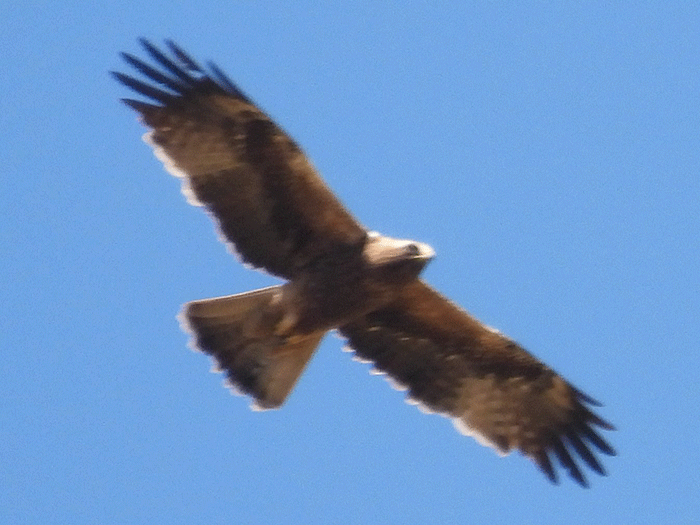
Still, thank goodness for the ubiquity of digital photography. Who to this day would fancy their chances of a single observer, description-only record of a Booted Eagle passing muster? No such problems this week, for the dark morph bird seen at Porthgwarra (Cornwall) on 27th was photographed. Another one that didn’t get away after all.
Having turned up in Co.Galway in the preceding week on Lob Island, the adult Elegant Tern was once more seen this past week in the Sandwich Tern colony there on 27th-29th. Does this mark the beginning of a prolonged affinity for the ternery there?
The weekly seabirds begin once more in Ireland, where the Double-crested Cormorant remained at Lough Gill (Co.Sligo) on 25th.
Also sitting tight in Ireland, the Pacific Diver was still present off Achill Island (Co.Mayo) on 25th-30th.
Numbers of White-billed Diver continued to be respectable for the time of year, with some 20 birds logged during the week, all of them in Scotland once more. Our peak count this week were six birds seen from Portknockie (Moray) on 26th.
Pomarine Skua passage blossomed a little in the first half of the week, with around 170 birds logged, mostly from vantage points overlooking the English Channel. The peak count came on 25th, when 22 birds were noted passing Dungeness (Kent).
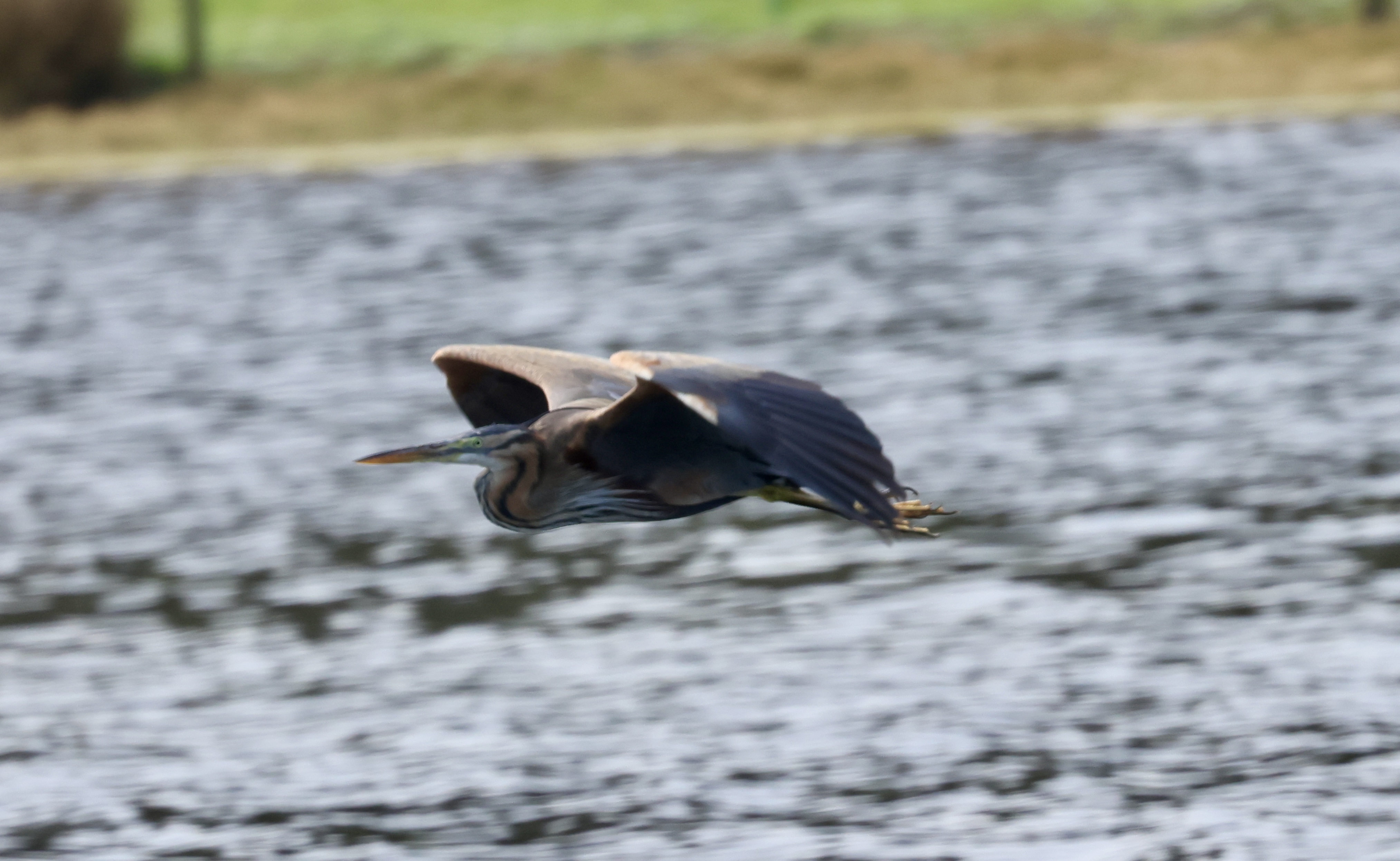
The long-legged beasties put in a better showing this week, with burgeoning sightings of Purple Heron in particular – on 24th at Paxton Pits (Cambridgeshire) and Villierstown (Co.Wexford), with a possible also that day at Neath (Glamorgan); on 26th at Heybridge Basin (Essex); on 28th-29th on Tresco (Scilly) and at Walmsley Sanctuary CBWPS (Cornwall) until 30th; on 29th at Rimac (Lincolnshire); and on 30th at Camber (East Sussex).
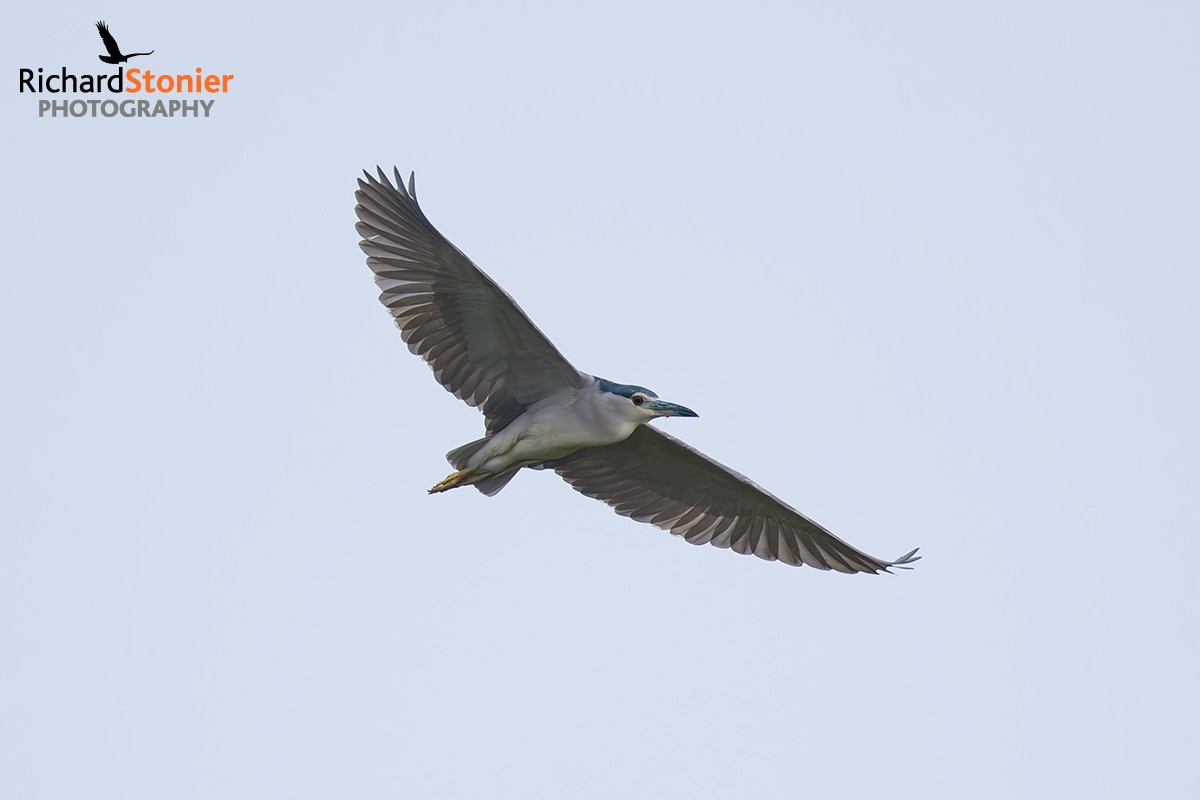
Night Heron meanwhile was again to be seen on Scilly, with a bird regularly noted on St Mary’s on 24th-28th, and it or another sound-recorded over St Martin’s on 25th.
A Squacco Heron was reported from Ballintrim (Co.Cork) on 24th.
Moving on to the honkers and quackers, the Great Disappearance was finally upon us, with many species of both ilks either absent entirely, or present in denuded numbers.
Our only Snow Goose was the bird still present at Marshside RSPB (Lancashire & North Merseyside) on 24th-28th.
A Black Brant meanwhile remained in the Kilnsea (East Yorkshire) area on 25th-29th.
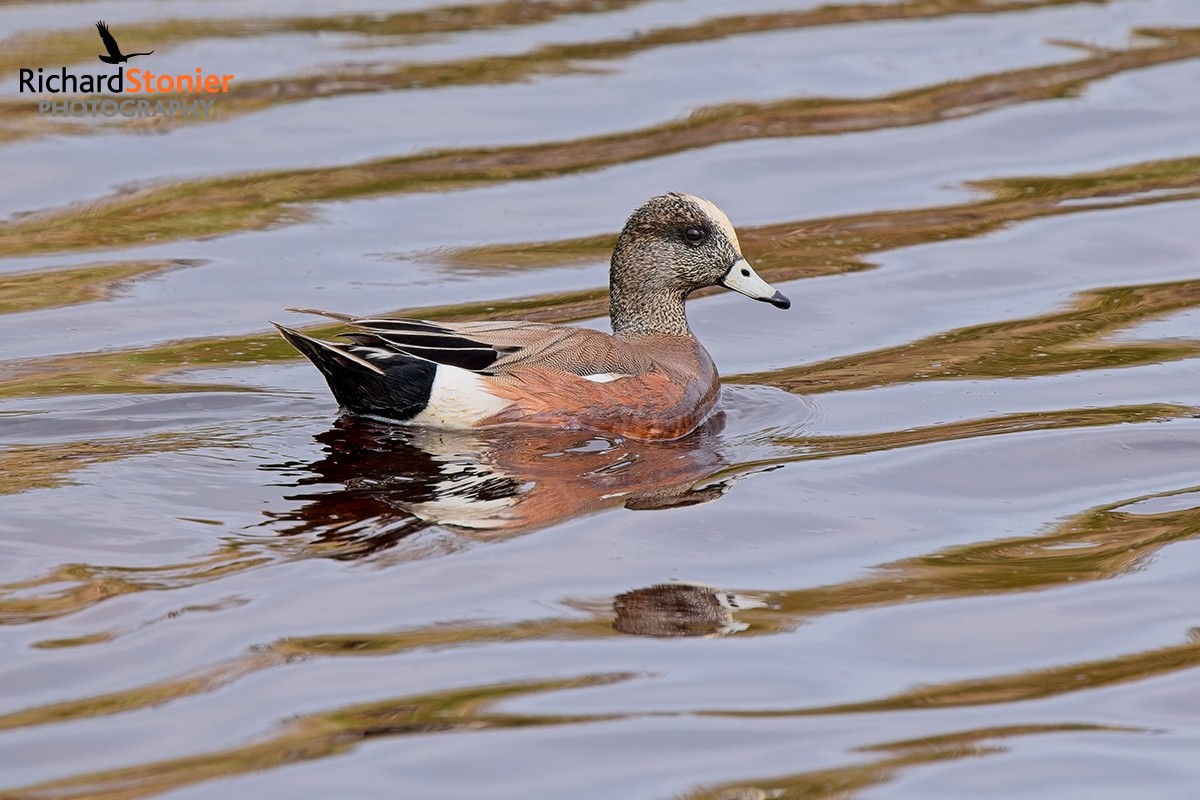
Just one of the recent flock of five American Wigeon remained in Glamorgan on the Ogmore Estuary on 24th; while one was seen in Carmarthenshire at National Wetlands Centre WWT on 26th-29th, and the recent individual was still on St Mary’s (Scilly) on 24th-26th.
Three Green-winged Teal were a fine tally at Wheldrake Ings YWT (North Yorkshire) on 24th. Single birds meanwhile were seen at St Aidan’s RSPB (West Yorkshire) still on 26th-27th; the Ythan Estuary (Aberdeenshire) still on 24th; and on the Eden Estuary (Fife) still on 24th-27th.
The two recent Blue-winged Teal remained in Co.Clare on at Ballycar on 24th-27th.
Ferruginous Duck were still to be seen at Ryton Pools CP (Warwickshire) on 25th-26th; again at Ouse Fen RSPB (Cambridgeshire) on 25th-29th; and once more at Paxton Pits NR (Cambridgeshire) on 30th.
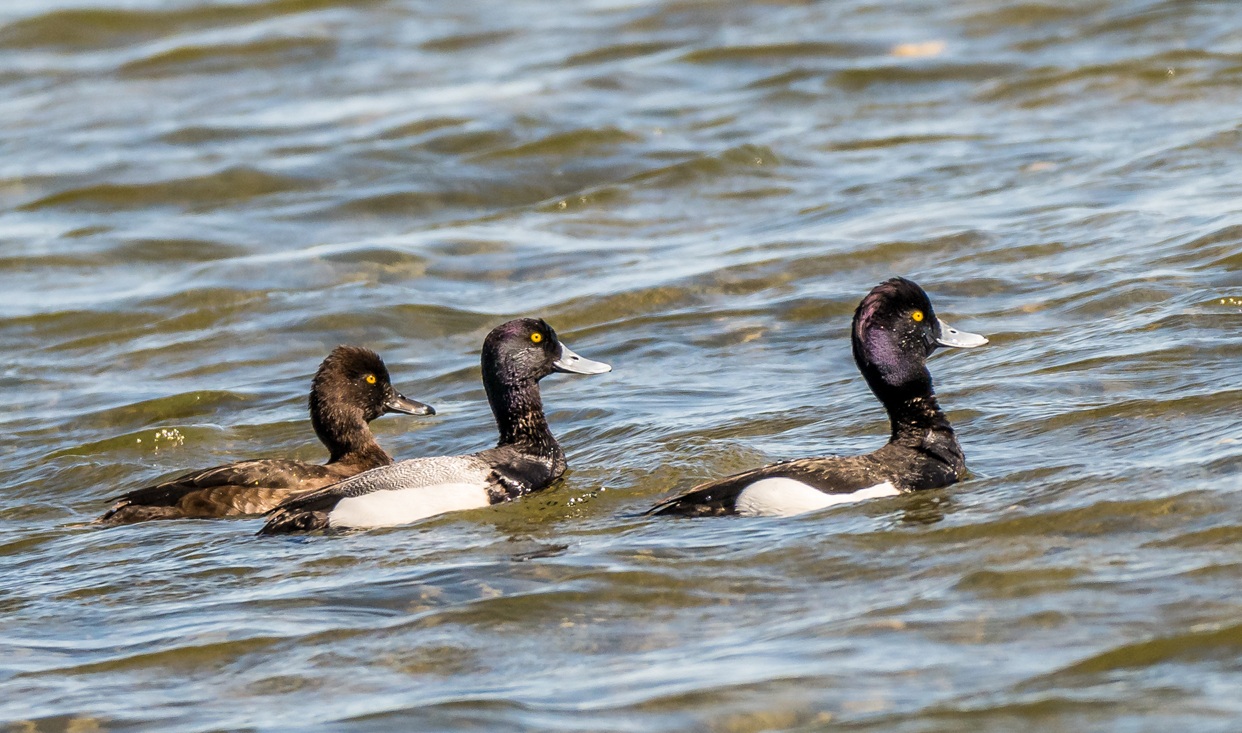
Sightings of Lesser Scaup this week were reduced to almost nothing, being seen at, respectively, Wilstone Reservoir (Hertfordshire) still on 24th-26th, at College Lake NR (Buckinghamshire) again on 28th, and Startop’s End Reservoir (Hertfordshire / Buckinghamshire) on 29th-30th again.
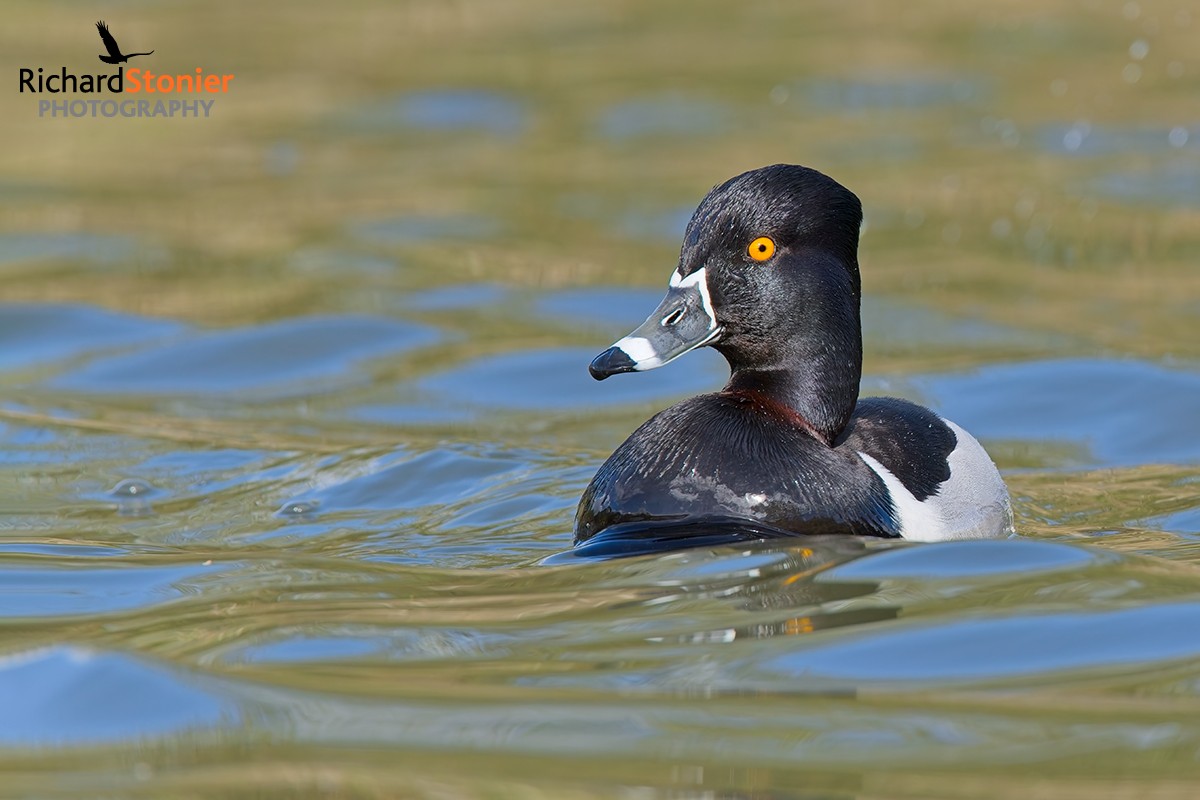
Numbers of Ring-necked Duck plummeted in Britain and Ireland this week – singletons being seen at Ham Wall RSPB (Somerset) on 25th-28th still; on Tresco (Scilly) on 25th; at Codnor Park (Derbyshire) on 28th-30th still; on Lewis (Western Isles) again on 26th-27th; on Shetland Mainland at Loch of Housetter on 26th-29th again, and at Loch of Asta on 30th; on Orkney Mainland at Loch of Bosquoy still on 29th; in Devon on 29th at Saltpill Duckpond; and at Lough Magherdrumman (Co.Donegal) on 30th.
Shetland also retained the recent female King Eider off Lerwick on 24th-29th, while the first-winter drake remained at Loch Fleet (Highland & Caithness) 28th.
Two drake White-winged Scoter were noted off Methil (Fife) on 24th, with a second-winter drake there on 25th-26th. The Black Scoter drake was also noted from Methil on 24th-26th still, with a drake also seen on 30th from Filey Brigg (North Yorkshire); and the second-winter Stejneger’s Scoter was still present in Fife at East Wemyss on 24th-30th.

On 26th a drake Surf Scoter was seen passing Portland (Dorset), and a female on the sea off Raghly (Co.Sligo); another drake was present off Brora (Highland & Caithness) on 29th.
Finally, in Warwickshire the female Hooded Merganser remained at Alvecote Pools NR on 24th-30th.
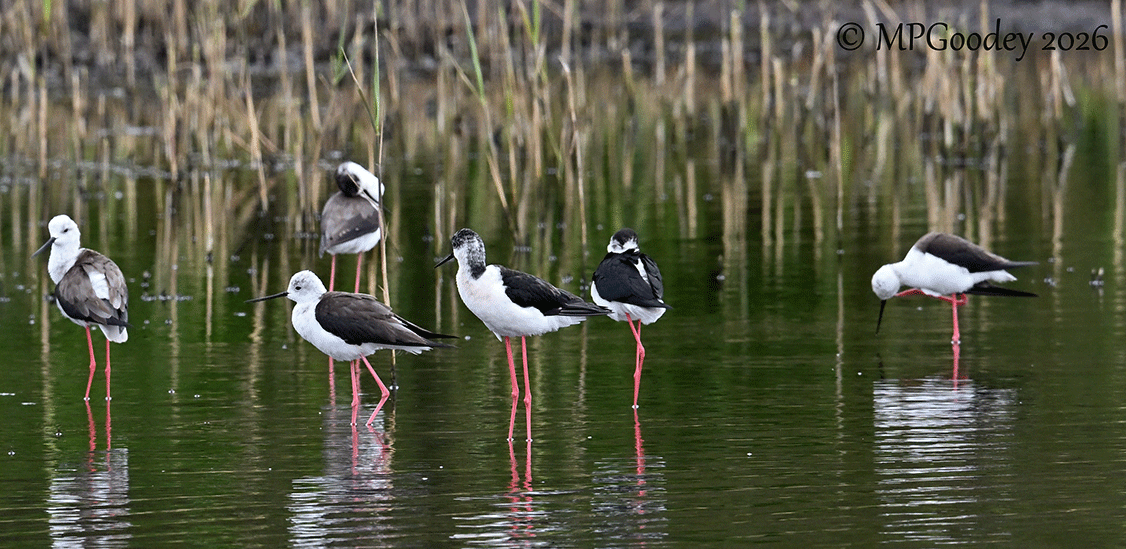
What a week this was for Black-winged Stilt, with well into double figures of their kind recorded in England, and almost double figures in Scilly alone where, on 26th, a flock of seven birds was a remarkable sight on St Agnes and St Mary’s. Elsewhere, multiples were logged at Walmsley Sanctuary CBWPS (Cornwall), where three were seen on 28th-30th; Rainham Marshes RSPB (London), where three were present on 26th-27th; Upton Warren NR (Worcestershire), where two were seen on 27th; in Cheshire & Wirral on 28th, where two were seen at Marbury CP and Ashton’s Flash; and in Lincolnshire where two were present at Newton Marsh on 30th. Singletons meanwhile were noted at Frampton Marsh RSPB (Lincolnshire) still on 24th; at Ken Hill Marshes (Norfolk) on 25th; at Denver Sluice (Norfolk) on 26th; at Welney WWT (Norfolk) on 27th-28th, rising to two on 29th and three by 30th; and at Otmoor RSPB (Oxfordshire) on 28th-30th.
An adult American Golden Plover was seen in Lincolnshire at Frampton Marsh RSPB on 26th-30th.
A male Kentish Plover was seen in Cornwall at Marazion on 24th.
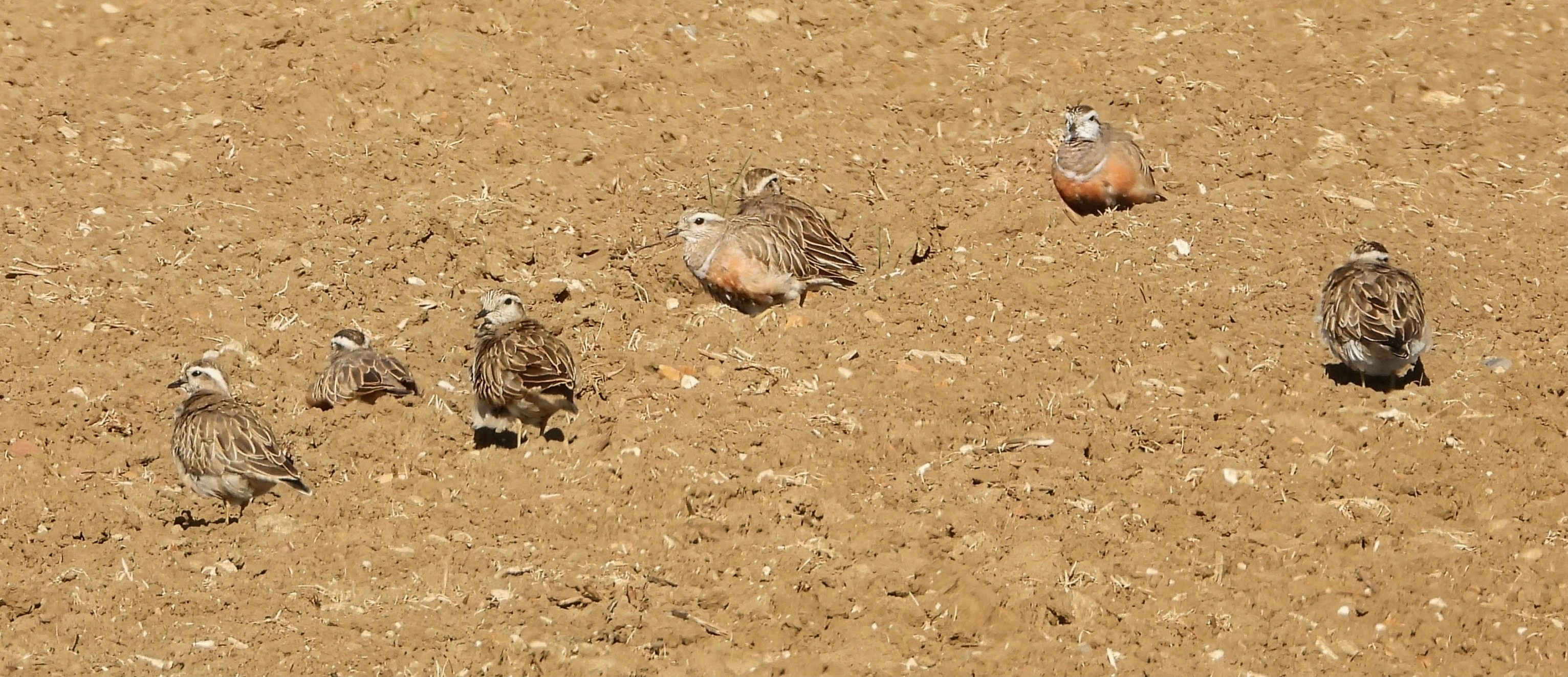
The week proved a good one for Dotterel, with almost 30 birds in all noted during the course of it. Peak count was a flock of birds that rose to number nine near Gamlingay (Cambridgeshire) by 28th-29th and, on 30th, 11 birds.
Pectoral Sandpiper featured once more in recent days, with single birds seen at Fen Drayton Lakes RSPB (Cambridgeshire) briefly on 25th, at Northam Burrows CP (Devon) on 26th, and at Tallymore Farm NR (Norfolk) on 27th.
A Temminck’s Stint was seen on 27th at Slimbridge WWT (Gloucestershire).
In Co.Wexford the Long-billed Dowitcher remained at Tacumshin (Co.Wexford) still on 25th-26th.
Perhaps one and the same as that last seen in Co.Durham in the preceding week at Boldon Flats NR on 29th, a Marsh Sandpiper pitched down on the Ythan Estuary (Aberdeenshire) on 27th-30th.
The wintering Lesser Yellowlegs remained on Rathlin Island (Co.Antrim) still on 24th-29th, while another was found in Suffolk on 26th-30th at Aldeburgh Town Marsh.
Bonaparte’s Gull continued to be a feature of the denuded notable gulls in recent days – one remained in Cornwall on the Hayle Estuary on 26th-30th; the Dorset bird at Chickerell still on 24th-30th, with another sighting at Ferrybridge on 26th briefly, and a bird present at Lodmoor RSPB on 29th-30th; two were seen in Devon at Seaton Marshes on 24th; one in Lincolnshire at Branston Island on 26th; and a bird reported from Pendeen (Cornwall) on 30th.
A Ring-billed Gull was seen off Noss NNR (Shetland) on 26th and again on 30th.
Precious few white-wingers were seen this week as a whole. Glaucous Gull were noted in Orkney from Westray on 24th, and Stenness on Mainland on 28th again; in Aberdeenshire at Girdle Ness on 25th, and Aberdeen on 25th and 28th; on Fair Isle (Shetland) on 29th; and on 30th on North Uist (Western Isles) and at Findhorn Bay (Moray). Iceland Gull meanwhile were seen at Dalmeny Estate (Lothian) on 24th; on St Kilda (Western Isles) on 27th; on North Uist (Western Isles) on 29th and 30th; reported from Trevose Head (Cornwall) on 29th also; and in Ireland at Womanagh Estuary (Co.Cork) on 25th, and Portmagee (Co.Kerry) on 27th.
Onto the terns and, joyfully, as anticipated last week an adult Whiskered Tern was found, at Walmsley Sanctuary CBWPS (Cornwall) on 29th.
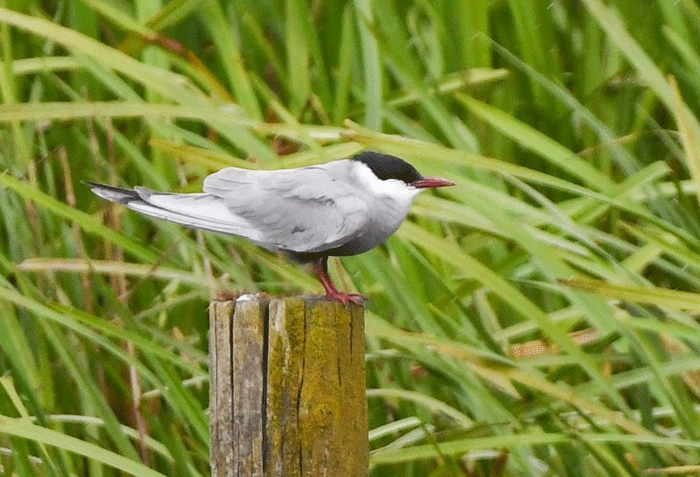
A Gull-billed Tern drifted past North Foreland (Kent) on 30th.
Finally, in Dorset the adult Forster’s Tern was seen again in Poole Harbour from a birding boat in Rockley Channel on 28th.
Onto the raptors, and a very mixed bag this week with a couple of notable near-misses to report upon. But first, a female Red-footed Falcon was seen in Kent at Reculver on 26th.
Black Kite were seen this week at Redditch (Worcestshire) on 25th, and Manby Flashes (Lincolnshire) on 28th before, on 29th, a flurry of records emerged – at Polgigga and Hayle Estuary RSPB (Cornwall); Lytchett Bay, Wareham and Upton Park (Dorset); Liston (Essex); and Glemsford and Hintlesham (Suffolk).
A possible Eastern Long-legged Buzzard over Alton (Hampshire) would have by some margin been our headline bird of the week had it only firmed into something more concrete on 27th.
Alas, a headless Tengmalm’s Owl on Shetland Mainland at Tresta on 25th appeared to be a Sparrowhawk kill – the latter now a Shetland resident, benefiting from the maturing tree cover on the islands as a whole.
Once again this past week, the warblers did their level best to delight, with a great variety of their kind upon which to report.
Foremost among them was a male Sardinian Warbler on Skellig Michael (Co.Kerry) on 27th. While the species is knocking on the door of 100 historic records in Britain, it remains startlingly rare in Ireland, with just four on the books to date, all of which were in Co.Cork, the latest being a bird on Knockadoon Head on 21st-23rd April 2021. This week’s bird was gone by the following day – academic, really, for Irish birders as the island wasn’t yet open to the public anyway.
The recent male Western Subalpine Warbler remained on Great Saltee Island (Co.Wexford) on 24th, while another settled at Toe Head (Co.Cork) on 25th-27th, and a further bird on North Ronaldsay (Orkney) on 30th. A further probable was seen on 30th on Tiree (Argyll & Bute).
An Eastern Subalpine Warbler was trapped and ringed on Lundy (Devon) on 26th.
A Great Reed Warbler was reported from Somerset at Ham Wall RSPB on 27th, while one was in song at Titchwell RSPB (Norfolk) on 30th.
The steadfast Hume’s Warbler remained at Lowestoft (Suffolk) on 24th, and near Lea Marston (Warwickshire) on 24th-26th.
The singing Pallas’s Warbler remained at St Ives (Cornwall) on 25th.
Settled Iberian Chiffchaff were still to be found in song at Hardwick Hall CP (Co.Durham) still on 24th-30th, and in Suffolk at Westleton Heath on 24th-30th. Another was a fine Scottish find on Barra (Western Isles) on 27th-28th.
Birding at Ardmhor this morning when a short almost Siskin-like call got my attention. A moment later the bird started singing and my heart rate went through the roof! My second Iberian Chiffchaff on Barra. #birdingscotland
— Bruce Taylor (@barrabirder.bsky.social) 27 April 2026 at 15:50
[image or embed]
In Cornwall, the Dusky Warbler remained at Boscathnoe Reservoir on 24th-27th.
A Melodious Warbler was found at St Abb’s Head (Borders) on 28th-30th.
Finally, Zitting Cisticola remained present at Walberswick (Suffolk) until 28th at least.
Numbers of Hoopoe held steady, with around 30 birds again noted in recent days across Britain and Ireland.

Providing more lysergic colour, six Bee-eater passed by Bridgend (Glamorgan) on 27th, while two were noted at Hempstead (Norfolk) on 27th also, and on 30th eight in Staffordshire at Dydon Wood and in Derbyshire at Offcote Grange.
Some half a dozen Wryneck marked a small increase in their numbers on the move, including a singing bird present at Walberswick NNR (Suffolk) on 25th. Additional birds were logged on 25th at The Naze (Essex), Ryhope Village Dene (Co.Durham), and Orphir (Orkney); on 27th at Middleton Lakes RSPB (Staffordshire); on 28th on Stronsay (Orkney); and on 29th on Foula (Shetland).
An Alpine Swift was seen at over St Mary’s (Scilly) on 24th.
A little over half a dozen Woodchat Shrike maintained the southern tempo – lingering birds remained at Mullion Cove (Cornwall) on 24th, and Fethard-on-Sea (Co.Wexford) on 24th-26th. Fresh birds were found on Tresco (Scilly) on 25th-29th; in Cornwall at Rinsey Head on 28th; in Co.Waterford at Ballymacart Cove on 25th and Helvick Head on 25th-26th; and at Newsham Park (Lancashire & North Merseyside on 29th.
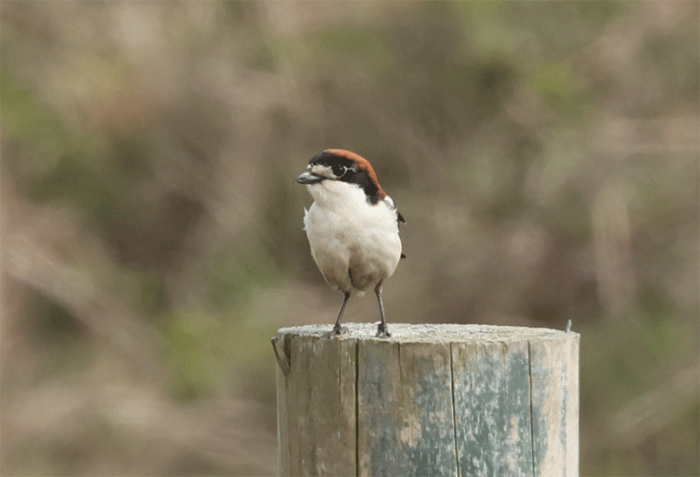
A Great Grey Shrike was present on Unst (Shetland) on 24th.
Golden Oriole made a beeline for Scilly this week, with sightings from St Agnes, St Martin’s, St Mary’s and Tresco between 24th-29th. Elsewhere, birds were found in Cornwall at St Anthony Head on 27th, where two were seen; and another was reported from Devon at Newton St Cyres on 27th.
In Co.Galway the Pied Crow was seen in Galway again on 25th.
A Short-toed Lark was again seen on St Mary’s (Scilly) on 25th-26th. Another was reported from Dungeness RSPB (Kent) on 28th, heard only.
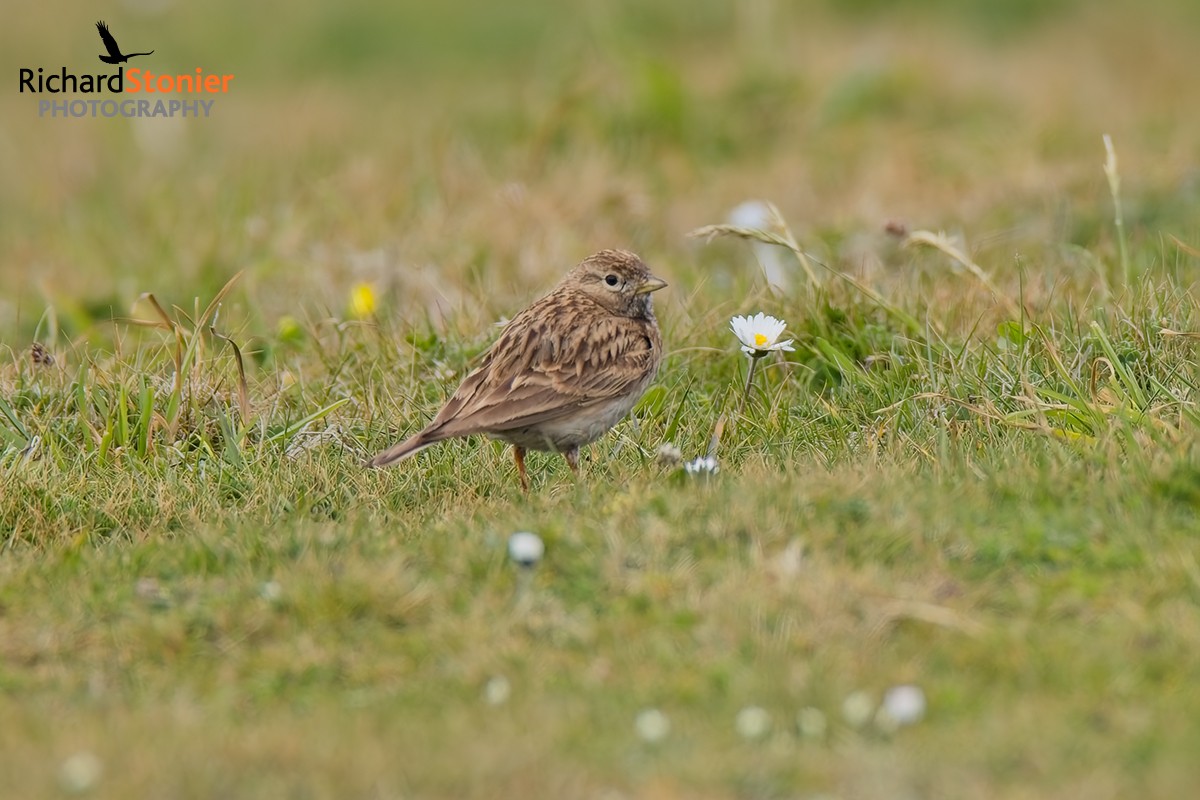
In East Yorkshire a Red-rumped Swallow was noted on 27th at Grimston and Spurn; another was seen in Essex on 30th at The Naze.
A male Red-breasted Flycatcher was reported from St Martin’s (Scilly) on 30th.
In Dorset the territorial male Bluethroat remained at Swineham GPs on 24th-28th.
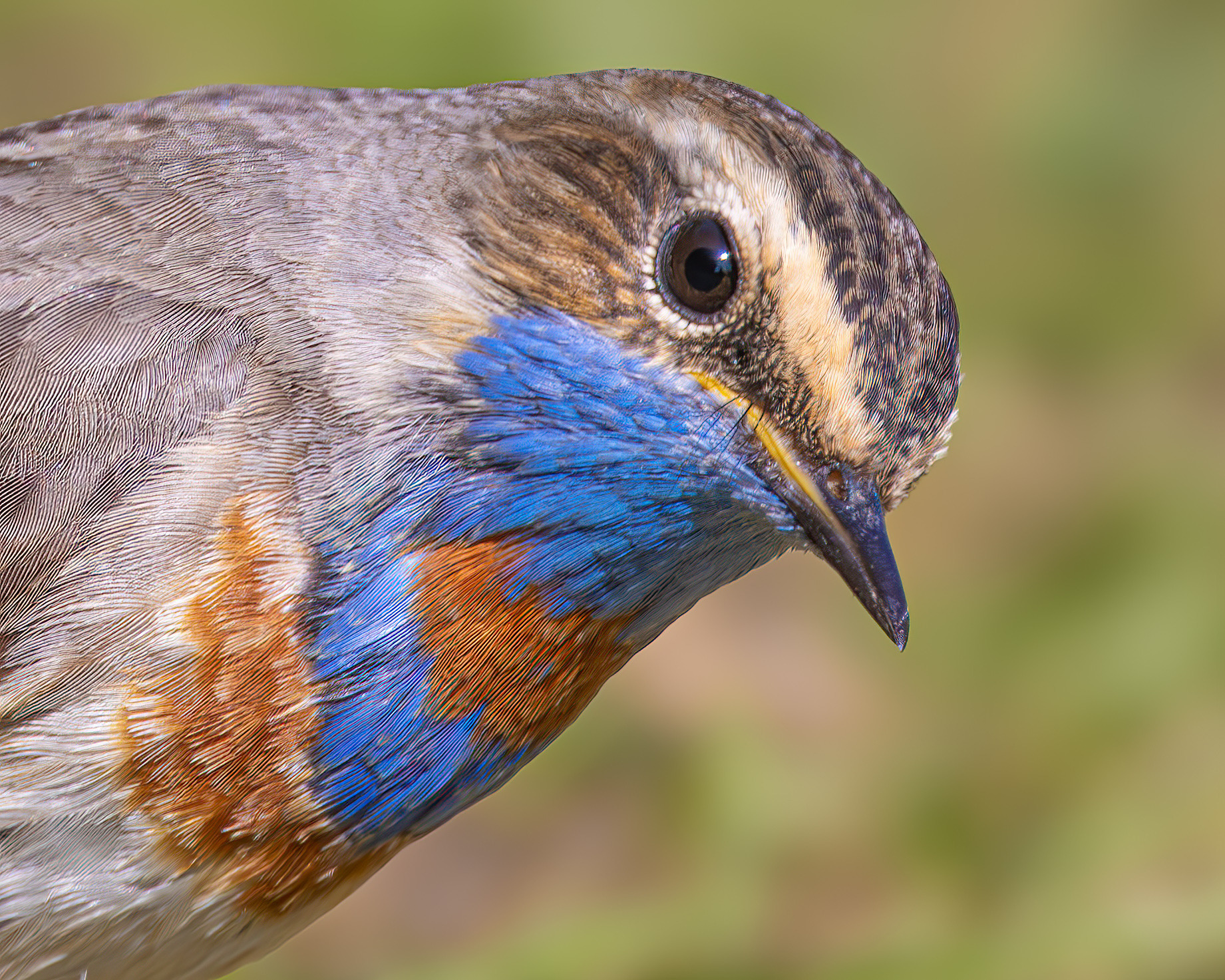
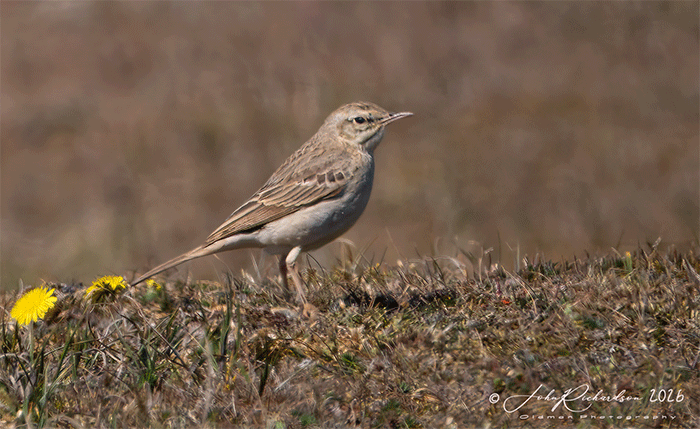
The week was notable for a couple of pipit species – perhaps more anticipated were the Tawny Pipit heard at Beddington Farmlands (London) on 25th, and seen at Landguard NR (Suffolk) on 29th-30th; while more surprising were the Olive-backed Pipit found on Great Saltee (Co.Wexford) on 24th and Fair Isle (Shetland) on 29th.
A Serin settled at Landguard NR (Suffolk) on 24th-25th.
Finally, in Lancashire & North Merseyside the male Great-tailed Grackle continued to sing at Speke Hall on 24th-30th.
Closeish to home this past week, the Bridled Tern was back again at Ile aux Moutons in France on 26th.
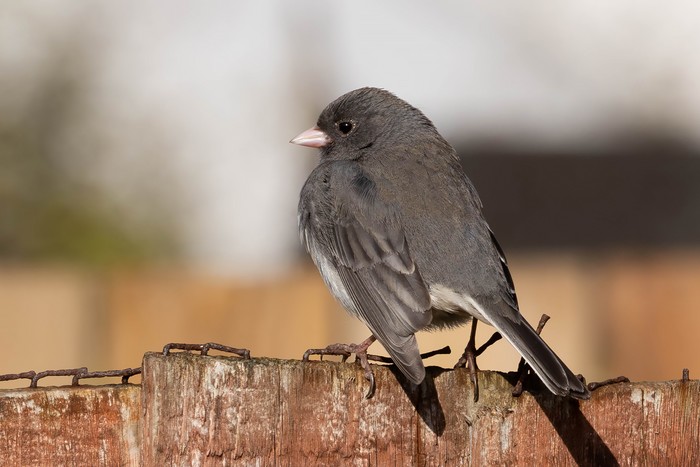
Also giving pause for thought for British birders, a Slate-coloured Junco was found in the Netherlands at Willem Hasekampstraat on 25th-28th. It’s the time of year for one… An Audouin’s Gull was seen on 30th at Slijkplaat.
A Brown-necked Raven was found in Spain at the port of Barbate on 27th-29th.
In Italy, the Pacific Swift was back again in Cornaiano on 28th-30th.
Out on Cape Verde the Black-headed Heron remained on Sao Vicente on 26th, with a Black Heron also present there on 26th; and a Black Heron was present on Sal on 26th also.
Finally, the stopped clock of rarity prediction told the right time last week, with the anticipated Whiskered Tern actually being found. Small fanfare. And move on…
And hello May! You’re looking damn fine, stretching out ahead of us all shimmery with promise and the compelling allure of rarities past. Let’s take a gander at those, and dare to dream.
All manner of downright silly rare birds have been found in the coming week, including the Lesser Short-toed Lark sp on Portland (Dorset) on 2nd May 1992, a long-ish staying Bimaculated Lark on Lundy (Devon) on 7th-11th May 1962 and, moving closer to the present day, the Northern Mockingbird at Newbiggin-by-the-Sea (Northumberland) on 5th-7th May 2021.
But let’s try to keep this real. The coming week boasts four previous Alpine Accentor, always a pleasure to see in these parts; and no fewer than eight previous Slate-coloured Junco - the latter, with one having been found this past week in the Netherlands, has a certain allure as a prediction. So let’s do that.
Jon Dunn
1 May 2026
Many thanks to all this week's contributors for your photos and videos and to everyone who contributed throughout the year.
Get Breaking Birdnews First
Get all the latest breaking bird news as it happens, download BirdAlertPRO for a 30-day free trial. No payment details required, and get exclusive first-time subscriber offers.
Share