Raptor expert warns risks remain for Golden Eagle reintroduction
Raptor Persecution UK warns underlying threats must be addressed before any return to England is considered
Concerns raised over timing of proposal
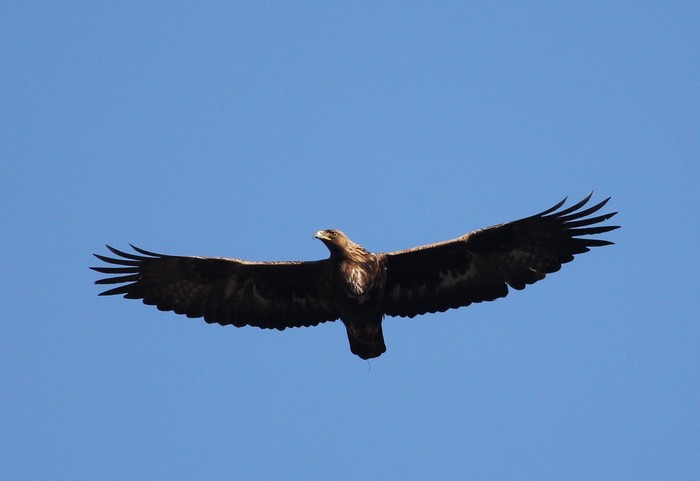
Plans to explore the re-establishment of Golden Eagles in England have drawn a cautious response from Dr Ruth Tingay of Raptor Persecution UK who has questioned whether the current environment is suitable for the species’ return.
Responding to the proposed feasibility work, she highlighted that the historical extinction of Golden Eagles in England was driven largely by human persecution, and suggested that these pressures have not been fully resolved.
“Address the root cause first”
Dr Tingay argued that any reintroduction effort must begin by tackling the issues that led to the species’ original decline. She stated that “there is little point in reintroducing a species into an environment where the original causes of its extinction have not been resolved.”
Her response emphasised that illegal killing of birds of prey remains a concern in parts of the UK, raising questions about whether newly released individuals would face similar risks.
Risk of repeating past failures
The warning centres on the possibility that, without meaningful change, a reintroduction could struggle to succeed. Dr Tingay suggested that unless there is clear evidence that persecution has been reduced to a level that would allow Golden Eagles to thrive, the project could encounter the same challenges seen historically.
She also pointed to the need for stronger enforcement and long-term commitment to protecting raptors, rather than focusing solely on reintroduction initiatives.
Call for evidence-led approach
While not dismissing the idea of Golden Eagles returning to England, the response stresses that any decision should be grounded in robust evidence about current conditions. This includes a clear understanding of risk factors and whether they have been sufficiently mitigated.
The feasibility work announced by government is expected to address some of these questions, but Dr Tingay’s comments underline the importance of ensuring that conservation efforts are matched by effective protection on the ground.
April 2026
Get Breaking Birdnews First
Get all the latest breaking bird news as it happens, download BirdAlertPRO for a 30-day free trial. No payment details required and get exclusive first-time subscriber offers.
Share this story