Hawaiian songbirds raid neighbouring nests following breeding losses
Research shows birds turn to nest-raiding after losing their own broods, revealing unexpected behavioural flexibility
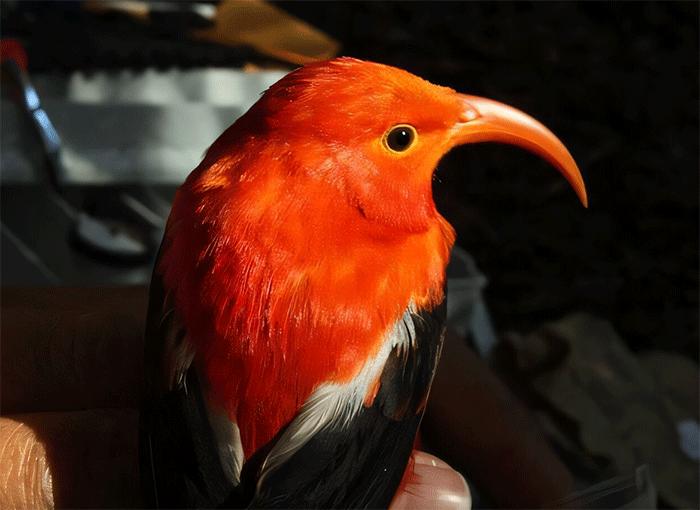
Nest losses trigger dramatic behaviour shift
Songbirds in Hawaii have been observed raiding the nests of neighbouring birds after losing their own broods, according to new research. The behaviour appears to be linked directly to breeding failure, with individuals changing tactics after their nests are lost.
The study found that birds which had experienced nest failure were significantly more likely to target nearby nests, suggesting a clear behavioural response to reproductive loss. This represents a notable shift from typical breeding strategies in these species.
From parents to opportunists
Researchers recorded individuals entering the nests of neighbouring birds and removing eggs or chicks. This behaviour, while known in some species, was not previously linked so directly to prior breeding failure.
The findings suggest that birds may switch from parental investment to opportunistic strategies when their own reproductive attempts fail, potentially as a way to recover lost breeding opportunities or gain nutritional benefits.
Flexible strategies in a changing environment
The study highlights the adaptability of songbirds when faced with setbacks during the breeding season. Rather than abandoning reproductive effort entirely, some individuals appear to adopt alternative strategies in response to changing circumstances.
This flexibility may be particularly important in environments where nest failure is common, allowing birds to respond dynamically to unpredictable conditions.
Wider implications for bird behaviour
The research provides new insight into how breeding success and failure can influence behaviour within bird populations. It suggests that social and environmental pressures can drive rapid changes in strategy, even within a single breeding season.
Understanding these responses may help researchers better interpret population dynamics and interactions between individuals, particularly in ecosystems where resources are limited or breeding success is variable.
April 2026
Get Breaking Birdnews First
Get all the latest breaking bird news as it happens, download BirdAlertPRO for a 30-day free trial. No payment details required and get exclusive first-time subscriber offers.
Share this story