RBA Round-up: 2 - 8 Oct
The weather during the past week suppressed full throttle autumn rarity arrivals on our shores, with eastern vagrants very much reduced on what we know might be possible, given we’re now in the heart of peak season, and given events of the preceding week long period. Still, it’s an ill wind that blows no good, and westerlies duly delivered something special to Scilly, where lightning struck twice this week…
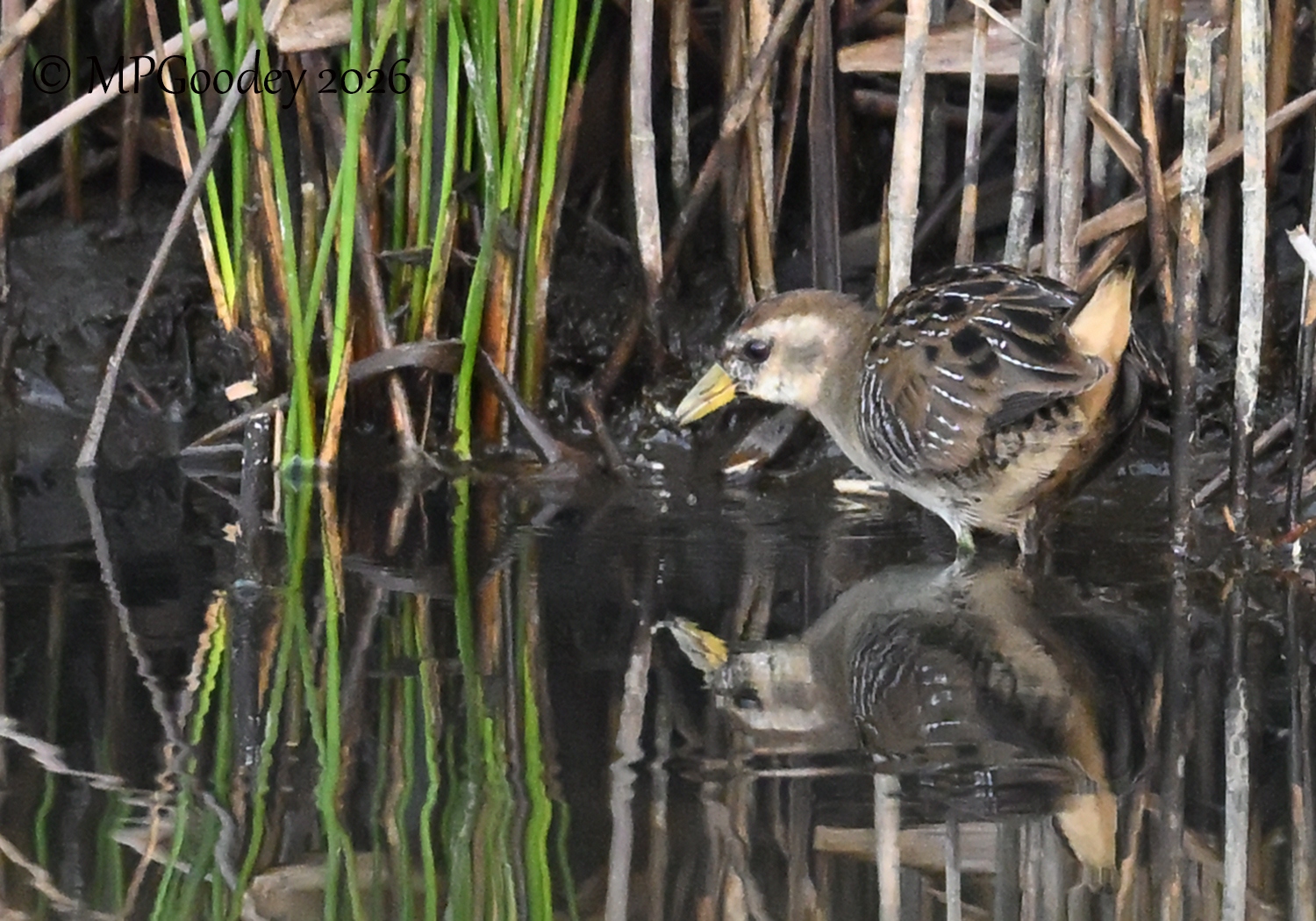
Those of us birding on Scilly way back in the mists of time in 1991 will remember fondly the Sora that settled at Porth Hellick Pool on 15th October – 1st November – it showed well and, being the first British bird since one in West Sussex in 1985, was popular with a new generation of birders. Those present in the fervid first week of its stay will also smile wryly at the ‘queueing system in operation’ reference that popped up this past week in the dailies, for a similar situation unfolded back in 1991, with human traffic management undertaken by a keen volunteer using a CB radio aerial as a barrier. All that was missing at the time was a hi-vis tabard to complete the tableau.
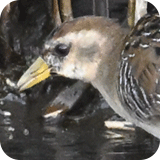
Which leads us to why a queueing system was in operation again this year on St Mary’s. Thirty five years after that popular Porth Hellick Pool Sora, another was back there this week, a juvenile found on 2nd and still present there on 8th. This alone would have been reason enough for birders present on the islands to celebrate, for the species remains numerically a rare beast, with just 21 past accepted birds on the books, five of which date back to pre-1950. This said, several of the latter-day birds have been terrifically obliging, hanging around for weeks at a time, so there’s probably not a great many of the current twitching scene who’ve not had the opportunity to enjoy at least one during their active birding careers.
However this week, Sora raised its game with the discovery of a second bird on Scilly, an adult found on Tresco’s Great Pool on 5th-6th – and you hardly need us to tell you that two birds almost within sight of one another is a remarkable occurrence. There’ve been two years in the past in which two records have cropped up – 2016, when a bird on Tresco on 2nd-11th October was followed by one found dead in Devon at Exminster Marshes RSPB on 17th October; and 1982, when a bird on St Mary’s on 27th September was followed on 30th October by one on Foula (Shetland) – the latter bird to this day the only modern-day Scottish record of the species.
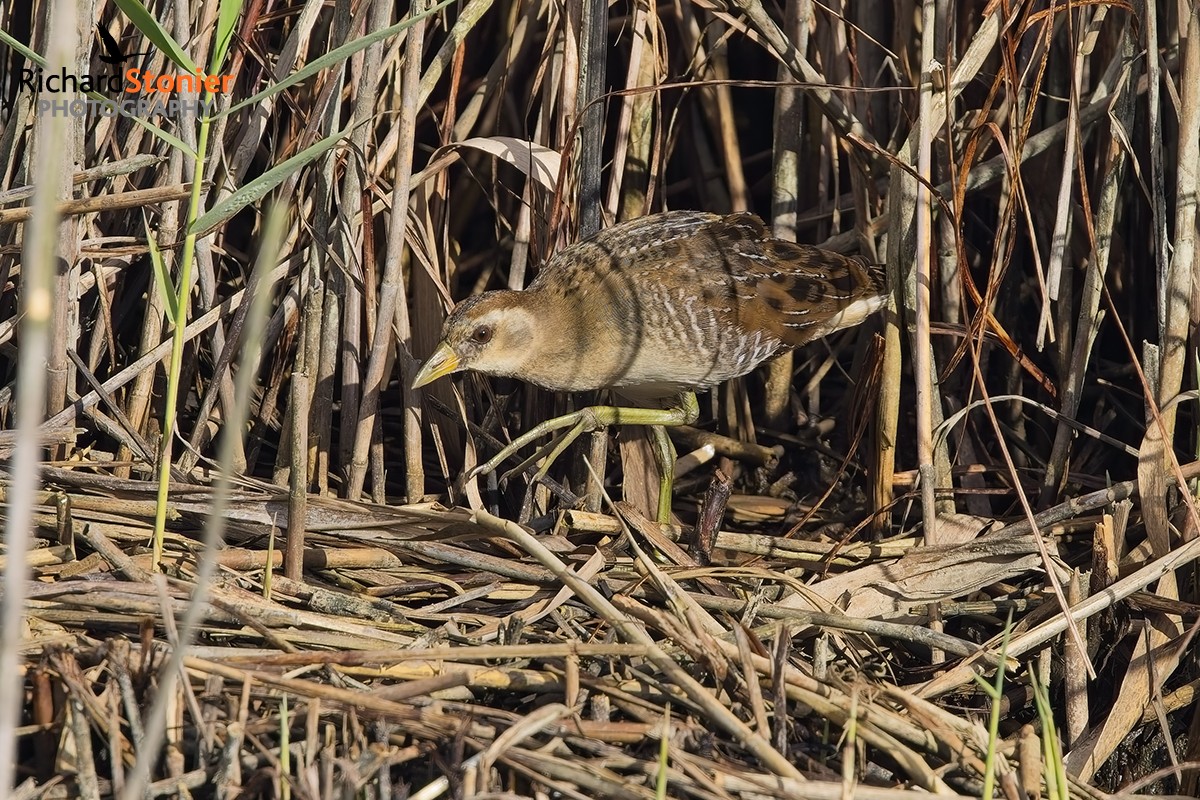
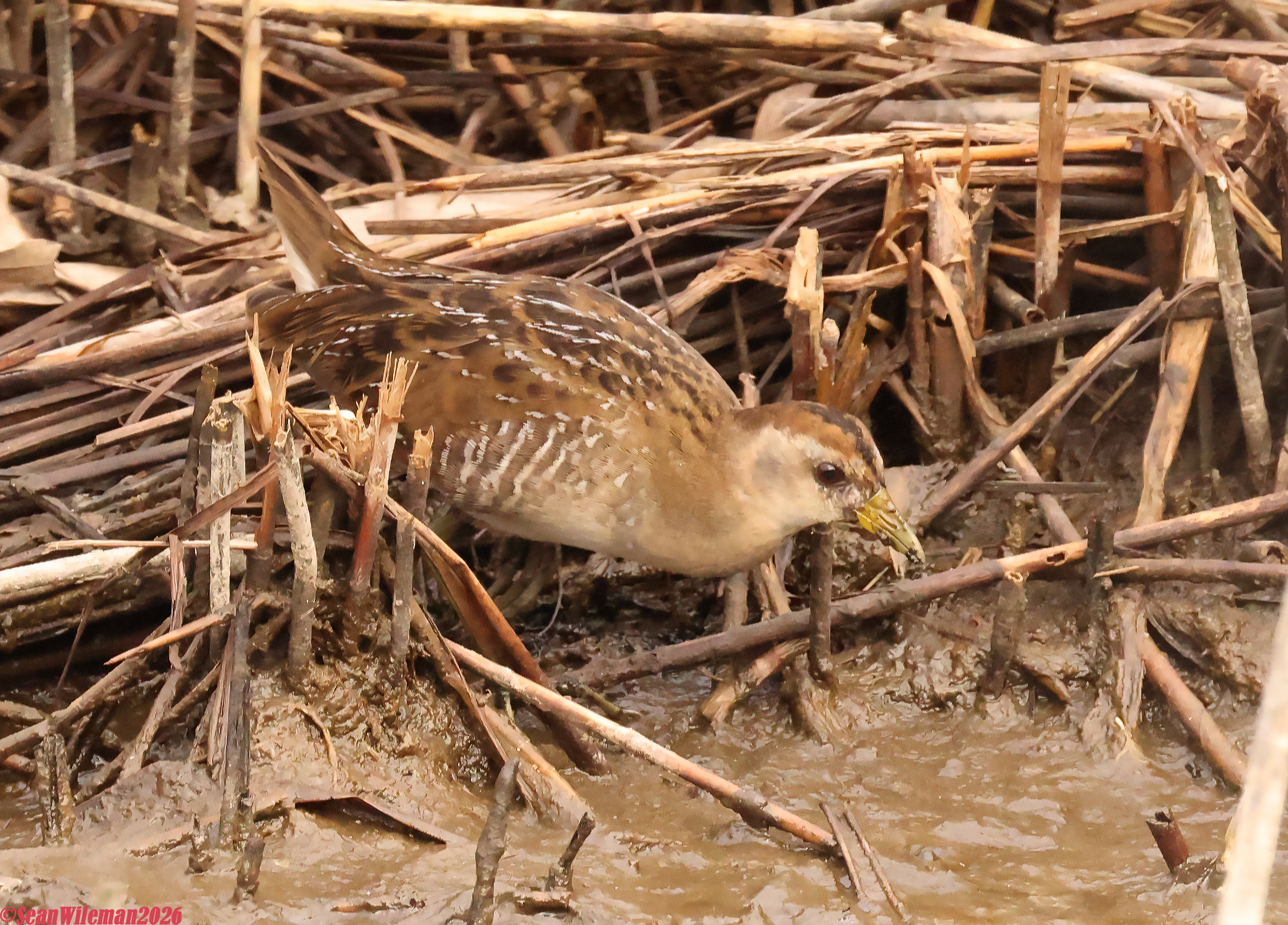
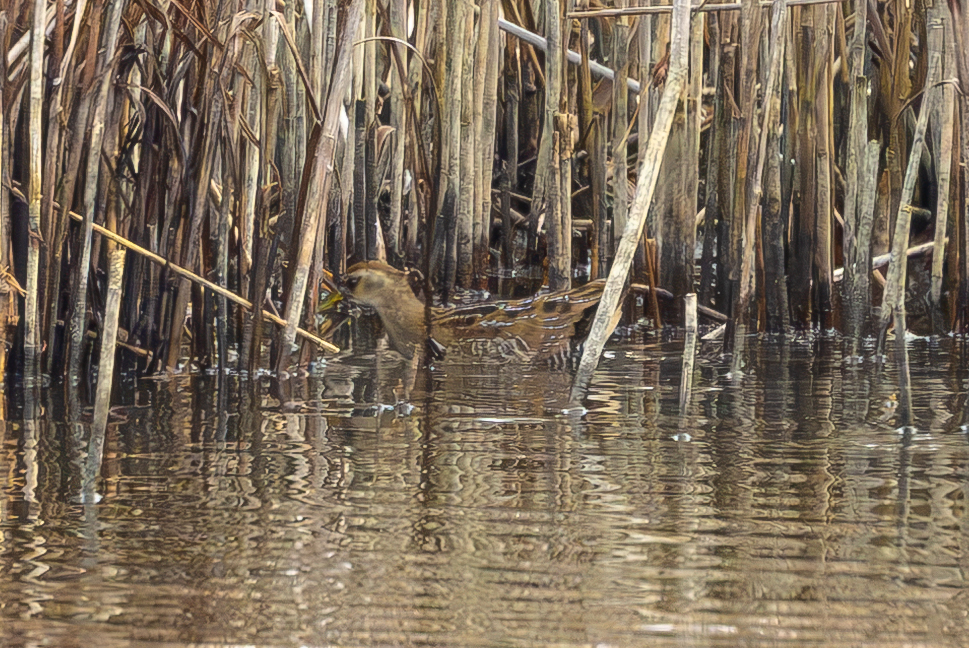
But two birds, present at the same time, within a few miles of one another? That’s a special moment in birding time. The St Mary’s individual was trapped and ringed on 8th – keep checking the legs of that bird now, for the moment a juvenile hoves into view without a bracelet. Is Scilly on for its hat-trick?
Having provided the early Scilly season visitors with a welcome treat on St Agnes during the preceding week until 27th, the Upland Sandpiper was no longer to be seen on the archipelago thereafter. A week had elapsed before, on 4th, a bird was found at Pendeen (Cornwall) which, when photos of it and the Scillonian individual were compared, indicated they were one and the same bird, sharing plumage damage on the same wing feathers.

While Scilly enjoys a redoubtable track record for Upland Sandpiper, its Cornish neighbour is a little less well-served by the species, with 10 accepted records to date. Between the two of them, Scilly and Cornwall make up half of all accepted British records, so it’s rather fitting that they should share this latest bird. Cornwall’s last bird was an obliging creature that hung around for three weeks in October 2023, a one-day appearance at Cot Valley on 9th being followed by a more settled period at Sennen on 23rd-29th. Alas this week’s bird at Pendeen wasn’t for lingering, and wasn’t seen again after 4th – but history tells us that it may yet be in the area and, if relocated, might stick around for a while.
Running hot on the heels of the individual that shared Shetland’s south mainland with a certain Siberian Blue Robin last week, a Two-barred Greenish Warbler was trapped and ringed on North Ronaldsay (Orkney) on 2nd, remaining present on the isle the following day too.
This came almost exactly a decade after Orkney’s first record of the species, another autumn bird, this one found on Papa Westray on 9th October 2016. Nonetheless, a welcome addition to North Ron’s steadily growing bird list.
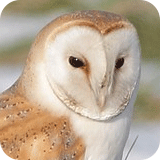
Nor was this Orkney done with us for the week, for in the dying embers of the week on 8th came news that there was a Scops Owl present on Mainland at Deerness.
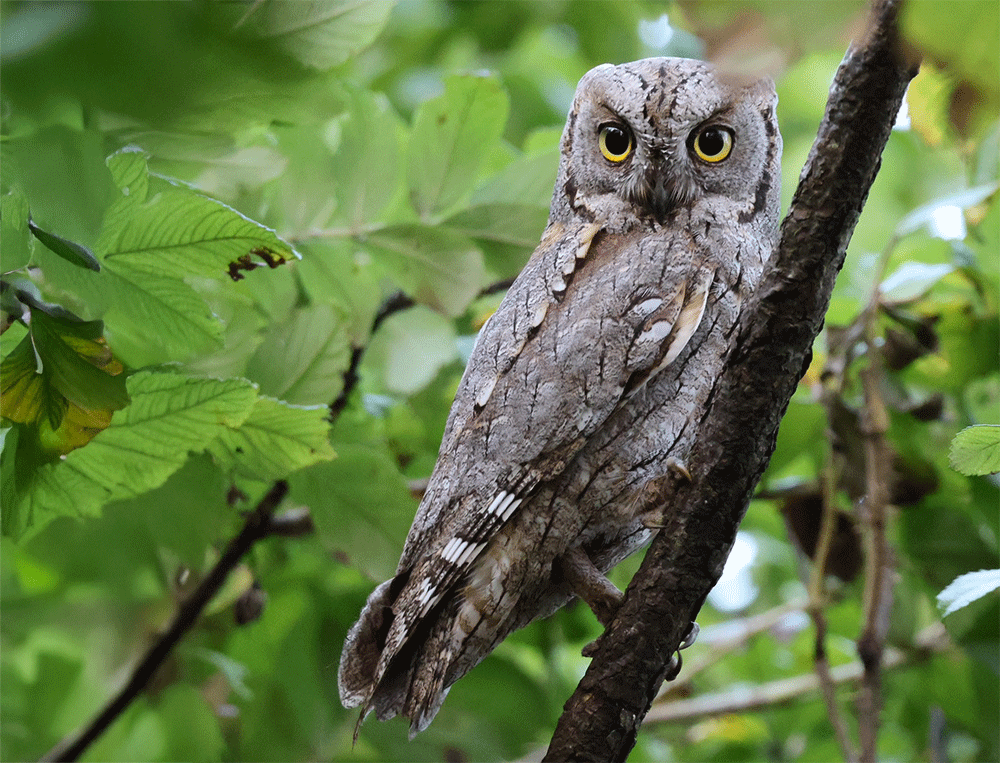
Locally startling news that, for Orkney’s only had one Scops Owl since the turn of the century, a two-day bird on North Ronaldsay on 15th-16th June 2014. And this week’s individual, while representing the ninth for the archipelago as a whole, is only the third to be found in autumn. Orkney birders could be forgiven for being highly motivated to catch up with this latest example.
Working some sites on Deerness this am, when pandemonium struck at ‘lighthouse quarry’. One of my Oriole Birding group, Fiona Wright, whispers to me “I’ve got an owl, I think it’s a LEO”….
I have never been so shocked lifting my bins in all my life! F*@k me it’s a Scop’s!!
Ashley Saunders, Oriole Birding
At the time of writing this headline, as night falls, the bird’s currently roosting in Rosa rugosa. We’ll see whether it’s still in the area as the new week dawns…
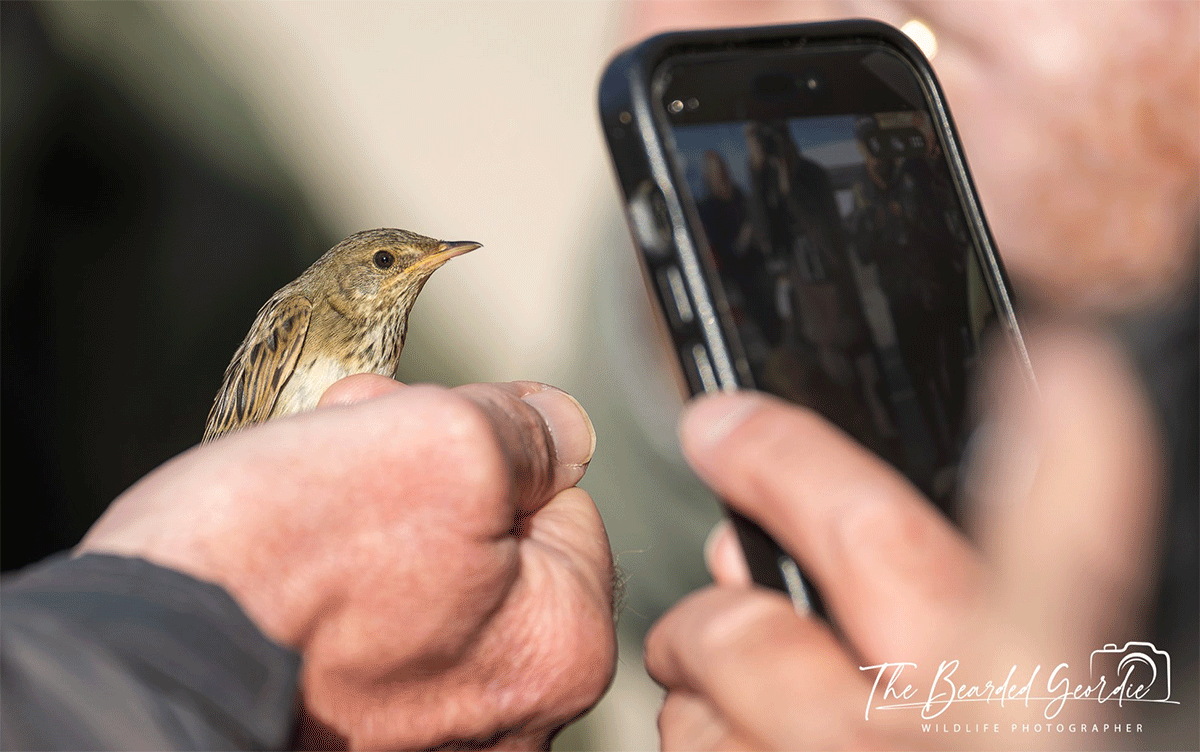
For all we’ve said that the week was generally on the quiet side for vagrants from an easterly vector, that’s not to say that they were wholly absent. And the writing in Shetland was very much on the wall as the week drew to a close, with both Pallas’s Grasshopper Warbler and Lanceolated Warbler found, on 7th and 8th respectively, in the archipelago.
Could something rarer still be in the offing? They say it’s the hope that kills, but isn’t that also the fuel that keeps us all going as birders in autumn, even late in the day when the energy and enthusiasm levels may be waning. You never say never, least of all somewhere like Shetland, and particularly in the extremities like the South Mainland where birds that may have arrived in previous days are filtering down before taking the plunge to migrate onwards once more.
With just a couple of hours of daylight left in the tank on 8th, the alerts chimed to announce the discovery of a really smart Black-faced Bunting at Quendale Mill. Yes, that’s the same Quendale Mill that already this autumn has enjoyed a Two-barred Greenish Warbler…
Of the 13 accepted British records to the end of 2024, since the first back in 1994 in Greater Manchester, Shetland’s been no stranger to Black-faced Bunting, having enjoyed no fewer than four of them, the first on Fair Isle in October 2001 followed in the intervening years with birds on Bressay, Unst, and Foula. Last year significantly augmented that, with additional birds found during the course of autumn 2025 on Mainland at Sandwick and Bridge of Fitch, and on Fair Isle. The transition from giga rarity to almost de rigeur has shades of Brown Shrike about it.
At long last, a quietish week on the seabird front, with relatively little traffic to report. We’ll start with Wilson’s Petrel, and a couple of birds noted on crossings of the Scillonian, on 3rd and 5th respectively.
Just over a dozen Leach’s Petrel were logged nationwide during the week, with a count of 5 birds passing Griminish Point on North Uist (Western Isles) on 5th the best of the bunch.
North Ronaldsay (Orkney) scored itself a Fea’s Petrel sp passing in the morning of 8th.
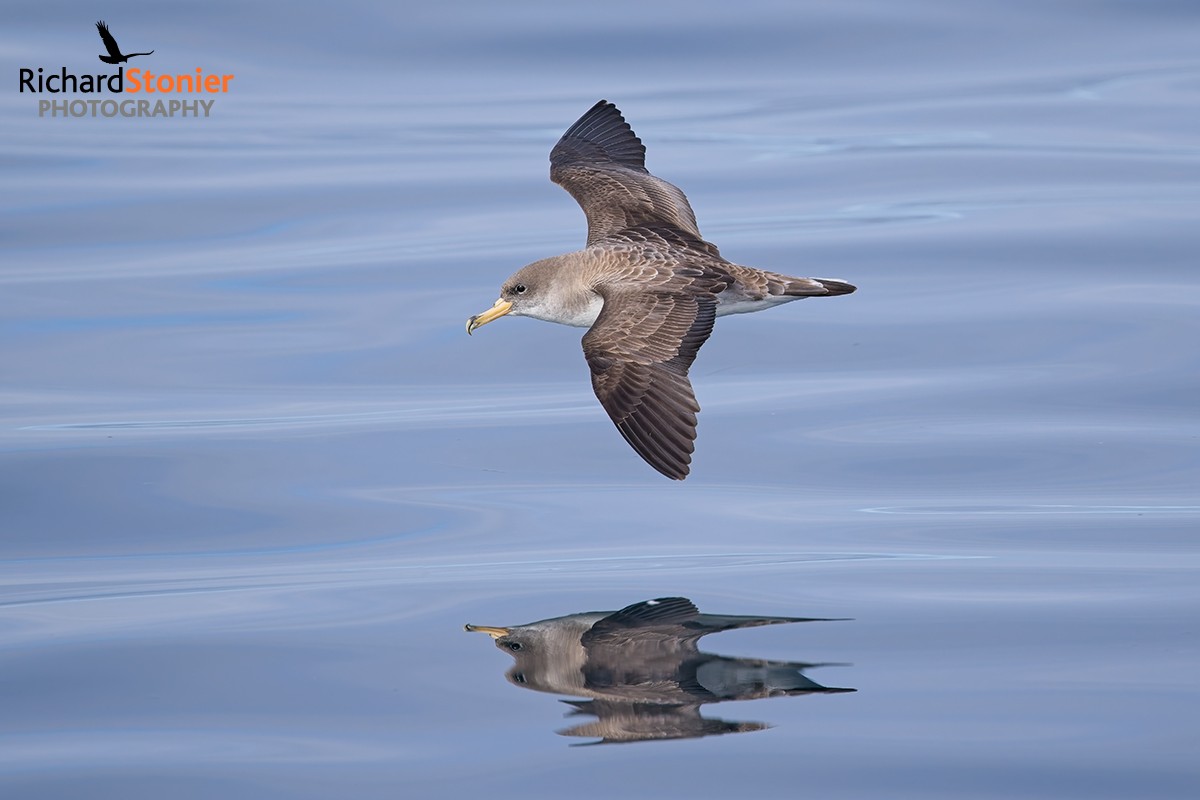
Were it not for a couple of Scilly pelagics we’d barely have a large shearwater to show for ourselves this past week – but, as it was, 600 Cory’s Shearwater were seen there on 5th, making up almost all of the week’s total of the species across the region. Great Shearwater meanwhile were considerably less numerous still, just about breaking into double figures for Britain and Ireland as a whole.
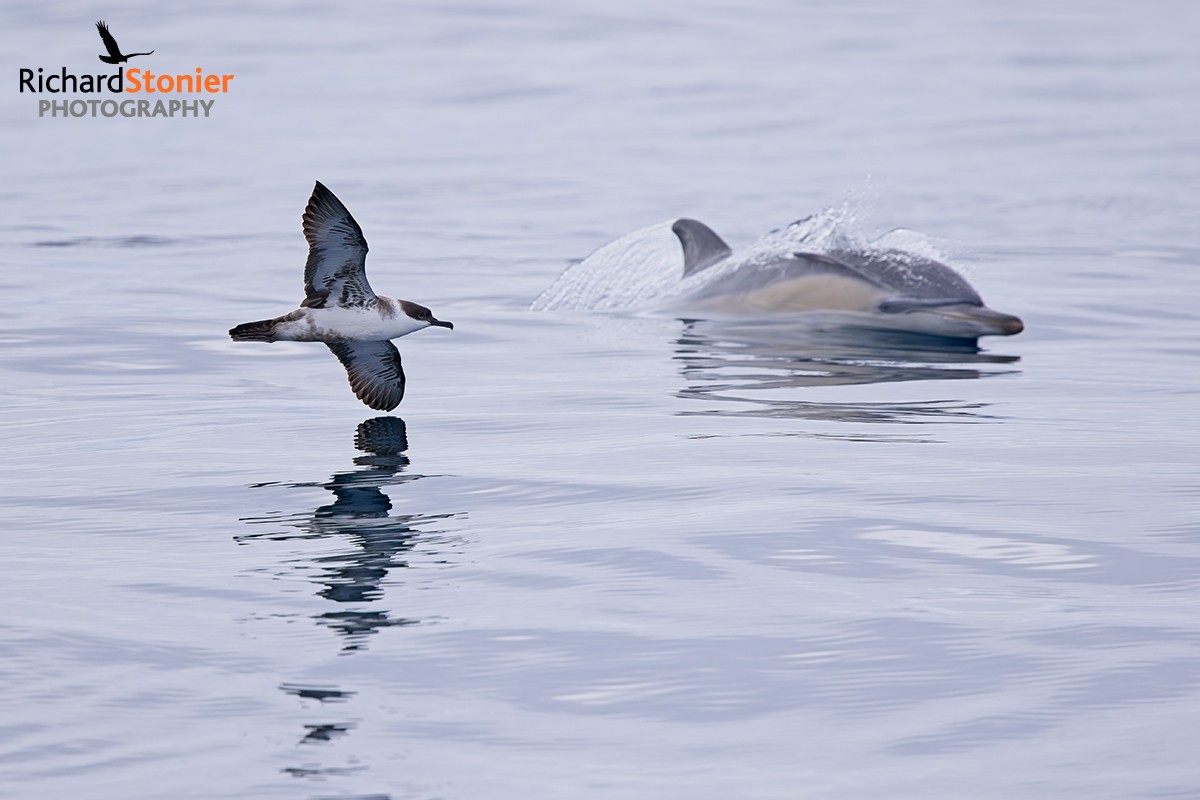
It was much the same story for Balearic Shearwater with barely two dozen birds recorded during the week, and a peak count of 13 of those coming from Dungeness (Kent) on 3rd.
A probable Barolo Shearwater was seen passing Hunstanton (Norfolk) in the mid afternoon of 7th.
And so to skuas, where both of the scarcer species were just about ticking over this past week – some 40 Pomarine Skua and 30 Long-tailed Skua respectively were recorded as a whole across the region during the week. The peak count of the former were four birds noted from Strathy Point (Highland & Caithness) on 5th, and four off Reculver (Kent) on 7th; and of the latter, three birds seen from Flamborough (East Yorkshire) on 2nd, three off Canvey Island (Essex) on 7th, and three from Sheringham (Norfolk) on 7th also.
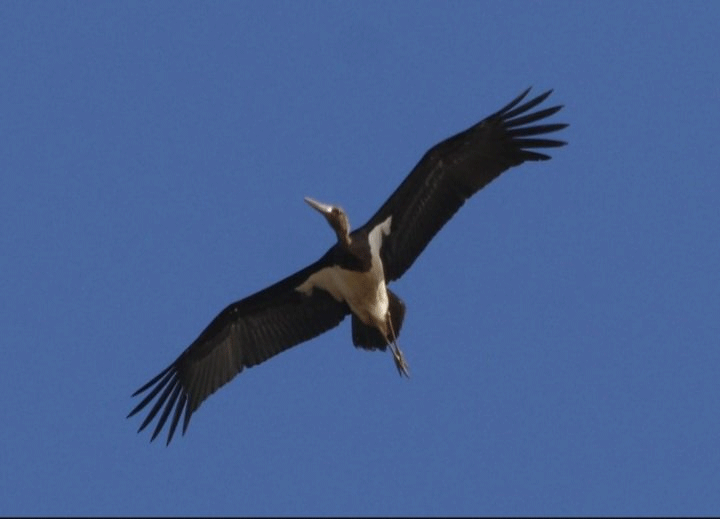
Suffolk wasn’t shaking off its recent Black Stork habit just yet, with still more sightings during the past week – at Iken and Snape on 2nd again, and once more at Snape on 4th; and at Landguard NR on 8th.
A couple of Purple Heron were found in recent days – one in Kent at Worth Marshes RSPB on 2nd, and another on 3rd on St Mary’s (Scilly).
The preceding week’s Spotted Crake remained at Lodmoor RSPB (Dorset) on 2nd-3rd. A Corncrake was seen at Farlington Marshes HWT (Hampshire) on 6th, with a probable on St Mary’s (Scilly) on 7th also and, most remarkable of all this week, a bird settled in a Bromley (London) garden for a couple of days on 4th-5th.
Onto the honkers and quackers, and we get to roll out for the first time this autumn The Goose Formerly Known As Canada, with a probable interior Todd’s Canada Goose at Budle Bay (Northumberland) on 3rd.
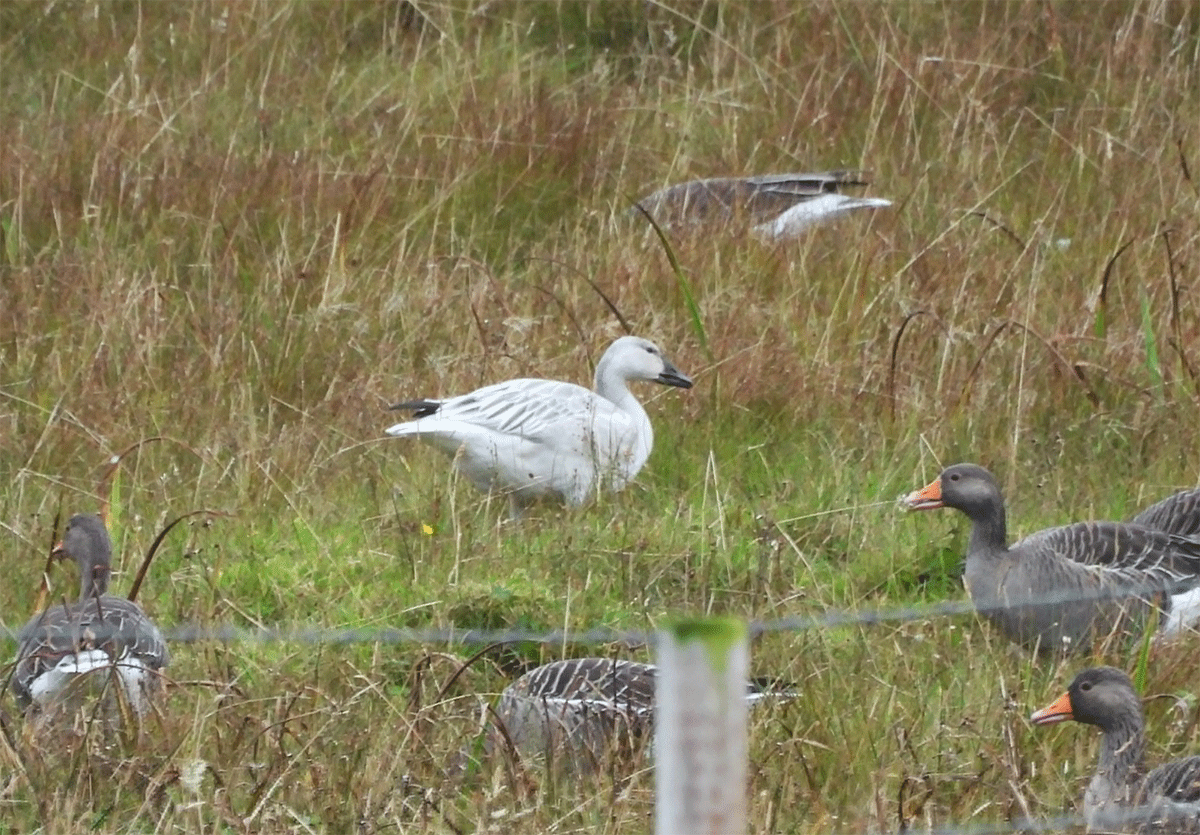
Westerlies blew in a Snow Goose to Vatersay (Western Isles) on 2nd-4th, while a Ross’s Goose was seen in Highland & Caithness at Udale Bay on 6th-8th.
Two American Wigeon remained on South Uist (Western Isles) on 4th, with at least one still present on the island on 5th. The recent female was still present at Old Moor RSPB (South Yorkshire) on 3rd-5th, and reported again there on 6th-7th. A drake was present at Loch of Spiggie (Shetland) on 7th-8th; an eclipse drake at East Chevington NWT (Northumberland) on 8th; and another eclipse drake on the Orkney Mainland on 8th at Loch of Ayre.
One of the recent Ferruginous Duck was still to be seen at Abberton Reservoir (Essex) on 3rd, while Wilstone Reservoir (Hertfordshire) again boasted a bird on 4th-6th, and a drake was on Rollesby Broad (Norfolk) again on 7th.
Two Ring-necked Duck were present on South Uist (Western Isles) on 3rd, with another Scottish individual still present on Tiree (Argyll & Bute) on 2nd-8th. English examples were to be seen at Clifton Pits (Worcestershire) still on 2nd-3rd, at Idle Washlands (Nottinghamshire) on 2nd, and at Martin Mere WWT (Lancashire & North Merseyside) on 8th.
The drake White-winged Scoter remained in Lunan Bay (Angus) on 2nd-8th, joined there by a second bird on 7th. Surf Scoter were seen in Rascarrel Bay (Dumfries & Galloway) on 3rd, at Ballinesker (Co.Wexford) on 4th, off Old Colwyn (Conwy) on 5th-8th, on 7th-8th off Inishbofin (Co.Galway), tracked along the northeast coast on 7th off Flamborough (East Yorkshire), and Low Hauxley (Northumberland), Beadnell Point and Holy Island, and on 8th at Eyemouth (Borders) and Pendeen (Cornwall).
We finish in Shetland where, off Lerwick, the lingering female King Eider was still present on 2nd-6th; and a female was seen on 7th further north off Gutcher at the southwestern end of Yell.

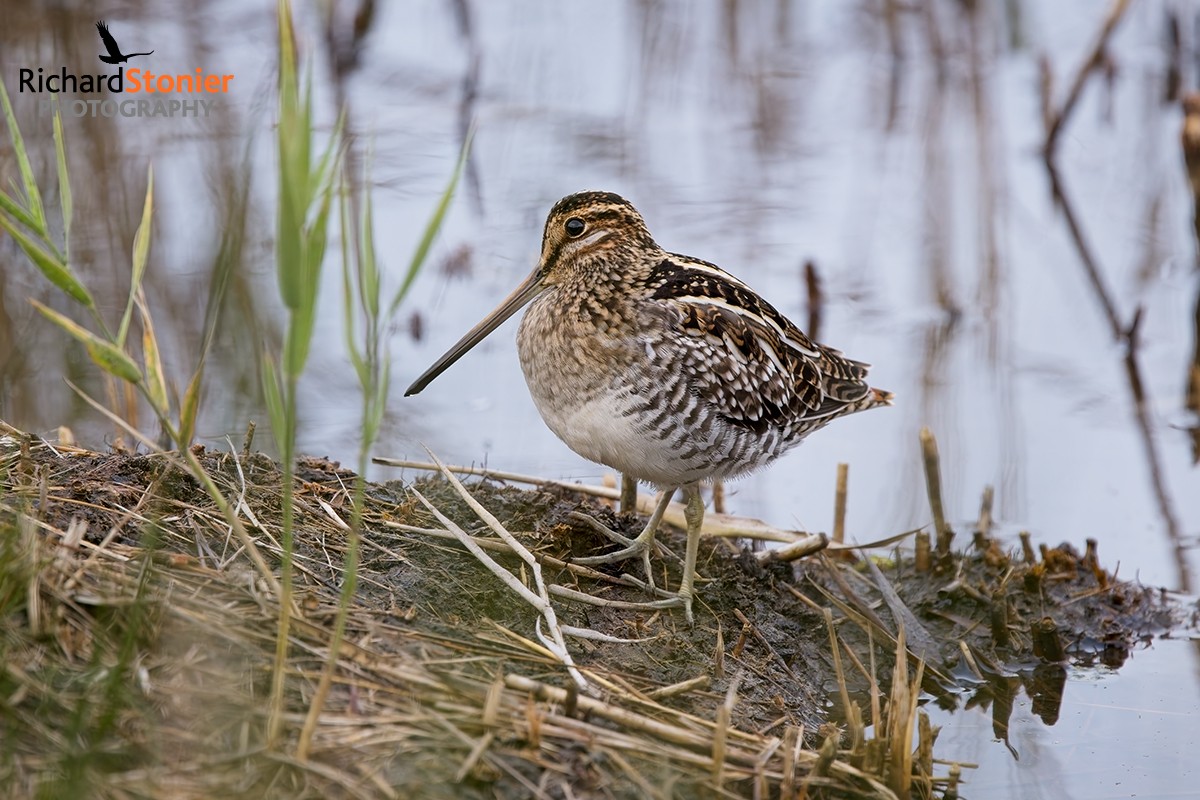
Scilly, ever-reliable these days for a Wilson’s Snipe at this time of year and in the wake of westerlies, duly delivered the goods on St Mary’s this week with a bird present on 3rd-8th. On 8th a probable Great Snipe was flushed at Biel Pond (Highland & Caithness).
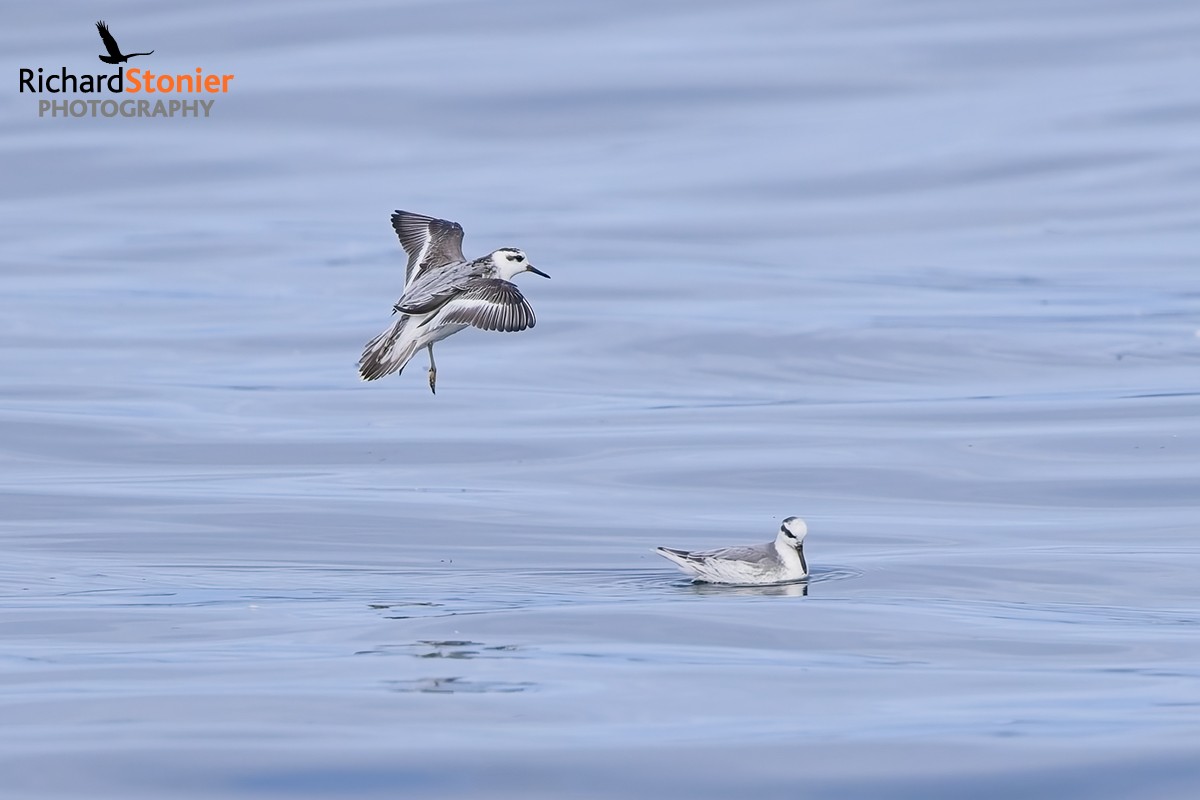
Before we move back to Nearctic waders, we should do a Scilly segue to Grey Phalarope for, of the week’s 400 or so birds logged around Britain and Ireland, it was Scilly that delivered a peak count of around 200 birds near Bishop Rock on 4th. An honourable mention should however go to Pendeen (Cornwall), where 54 birds were seen in the morning alone of 2nd.
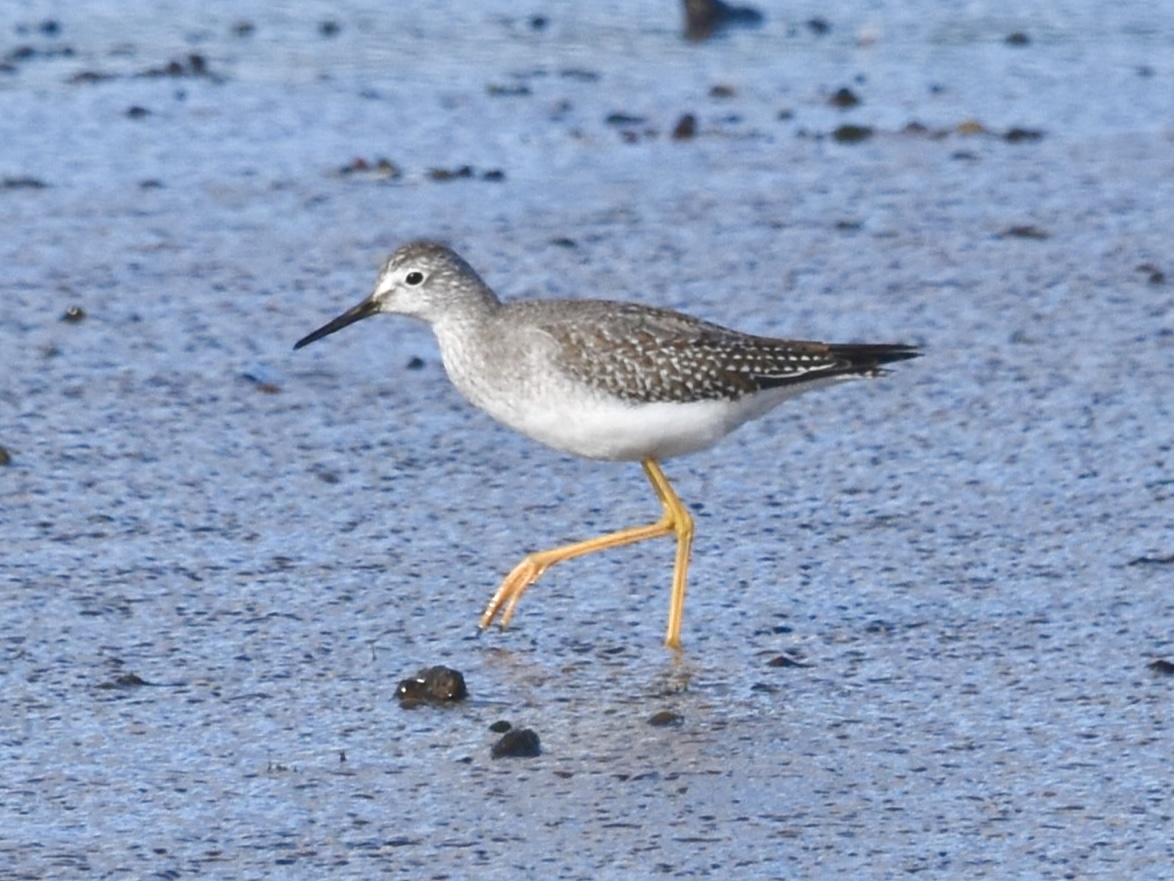
But back to wayward Nearctic waders. The week was outstanding for Lesser Yellowlegs, with a dozen birds recorded in Britain and Ireland as a whole. South Uist (Western Isles) again enjoyed two birds present there on 5th, while other lingering British individuals remained at Chew Valley Lake (Somerset) on 2nd-7th, Rutland Water (Leicestershire) on 2nd-7th, and on the Eden Estuary (Fife) on 3rd-8th; another bird this week was found at Beacon Ponds NR (East Yorkshire) on 3rd-8th. Ireland however was dominating sightings of lesserlegs this week… Birds remained at Shangarry (Co.Cork) on 4th and 6th, and Inch Island Lake (Co.Donegal) on 4th; while further birds were found at Lough Beg (Co.Derry) on 3rd, Brierfield Turlough (Co.Roscommon) on 4th, Timoleague (Co.Cork) on 5th-7th, and Termoncarragh Lough (Co.Mayo) on 6th.
Onto sandpipers, and starting with Spotted Sandpiper, the juvenile remained in Cornwall at Drift Reservoir on 2nd-8th.
Marking a change on recent weeks, and a distinct moment of arrival, White-rumped Sandpiper were found on 6th on Westray (Orkney), Lewis (Western Isles), at Dundee (Angus), and on Claggan Island (Co.Mayo); another Angus sighting came on 8th at Broughty Ferry, while further individuals were found that day on South Uist (Western Isles), and at Tacumshin (Co.Wexford).
Around half a dozen Baird’s Sandpiper were logged this week – in West Yorkshire, at St Aidan’s RSPB still on 2nd-3rd and Fairburn Ings RSPB on 2nd-6th; on North Ronaldsay (Orkney) on 2nd-7th; at Reculver (Kent) on 3rd; at Seafield (Co.Clare) on 2nd-3rd; at Carrahane Strand (Co.Kerry) on 4th; on the Ythan Estuary (Aberdeenshire) on 5th; and on North Uist (Western Isles) on 7th.
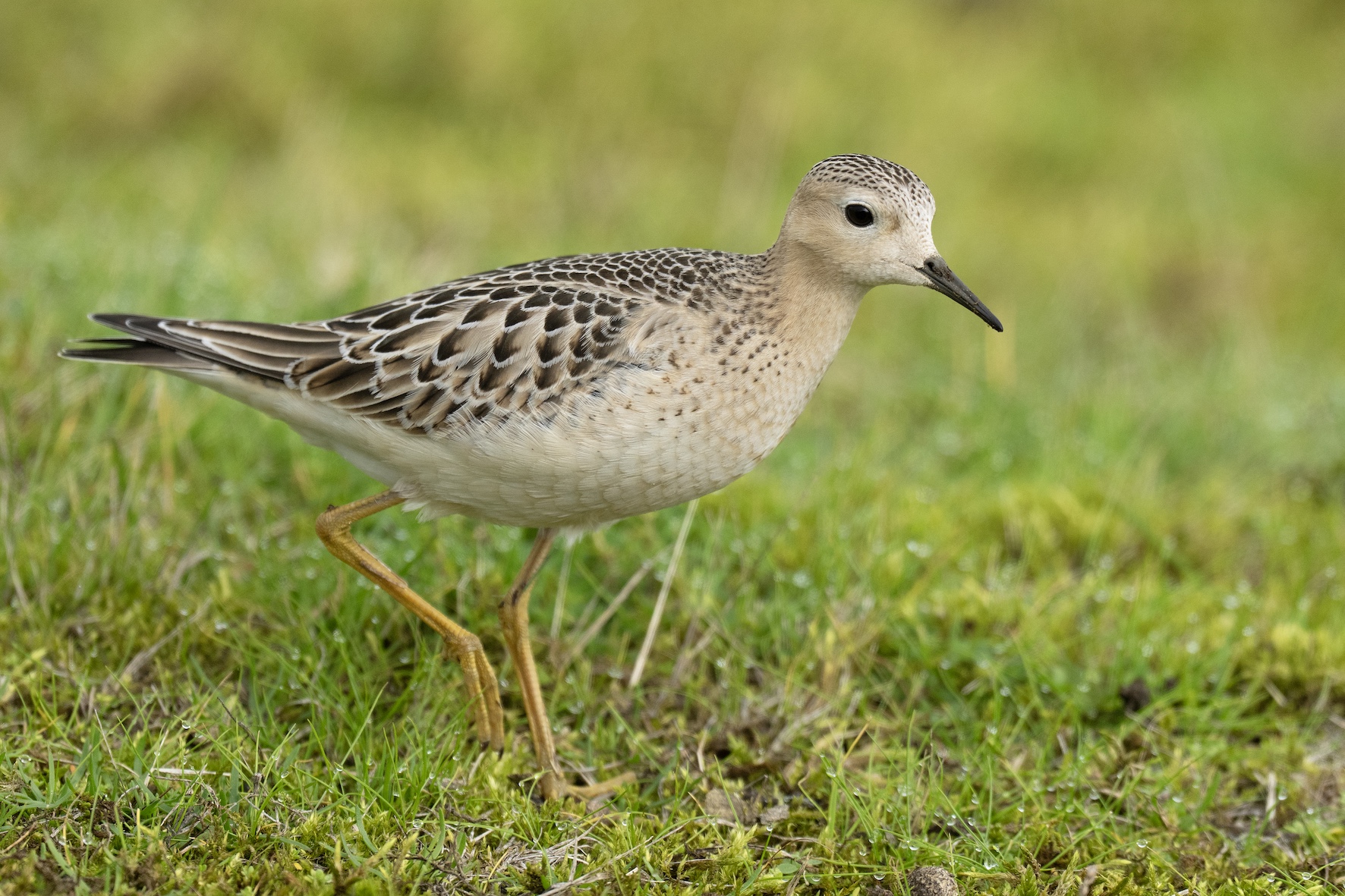
Just shy of 20 Buff-breasted Sandpiper were seen across Britain and Ireland during the week, a drop of almost half on the preceding period, but still a decent tally. Several sites held multiple birds, with peak counts of three on Shetland at Fleck on 5th, and two on Unst on 2nd; three on South Uist (Western Isles) on 2nd; and four at Davidstow Airfield (Cornwall) on 2nd-3rd.
Some 25 Pectoral Sandpiper were also a little down on the prior week’s total, but nonetheless still plenty of them out there, and new birds still being found. The peak count of their kind was once more at Tacumshin (Co.Wexford) where three birds were to be seen on 4th.
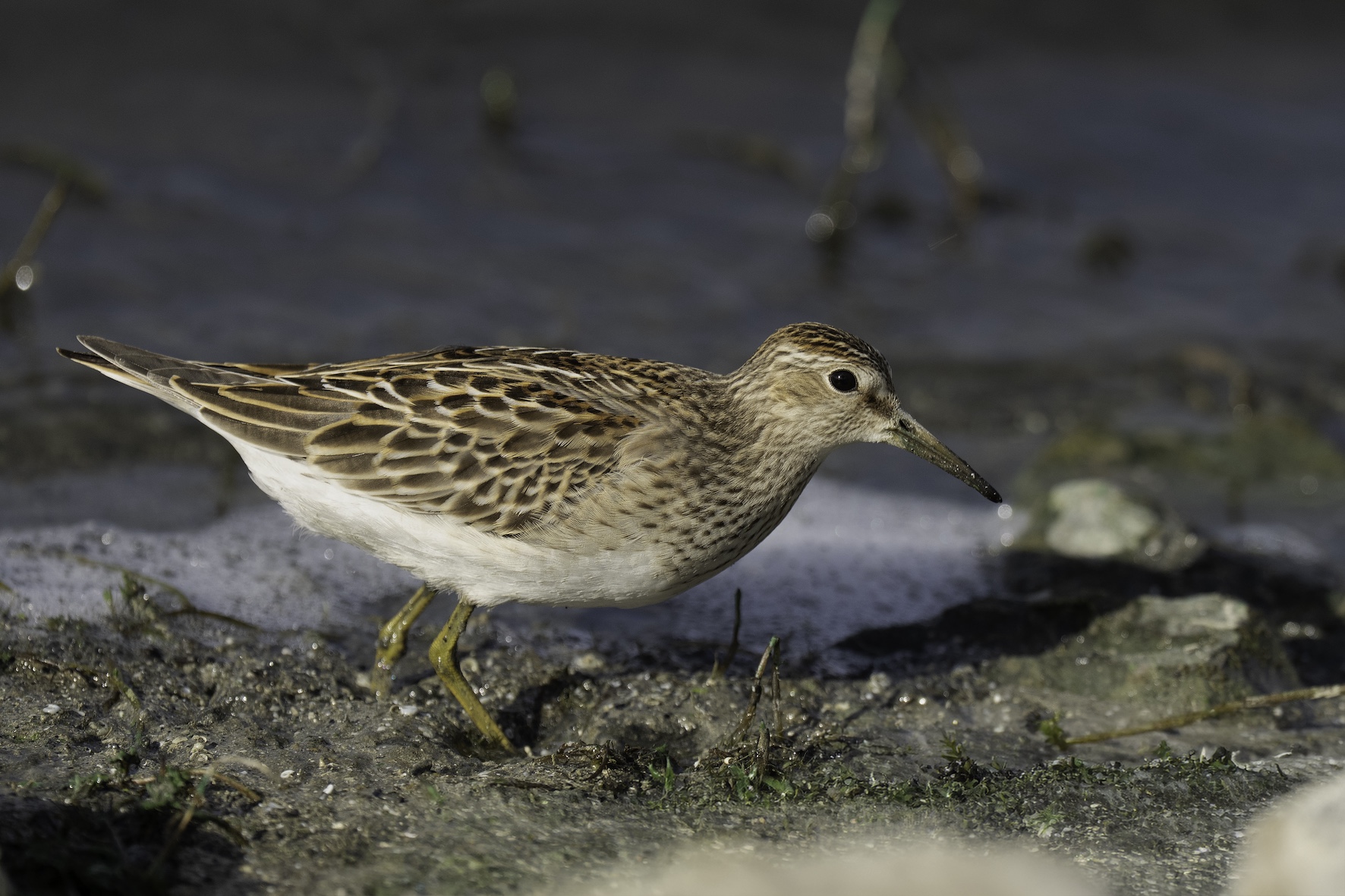
Prior Semipalmated Sandpiper remained in Hampshire at Keyhaven and Pennington Marshes on 2nd, and on South Uist (Western Isles) on 2nd-7th; and another probable was found in Gloucestershire at Saul Warth on 2nd.
On Orkney the Long-billed Dowitcher remained on North Ronaldsay on 3rd-7th.
At least a dozen American Golden Plover were logged during the week, with a couple more possibles also noted. The time is firmly now if you’re hoping to self-find one of these smart birds.
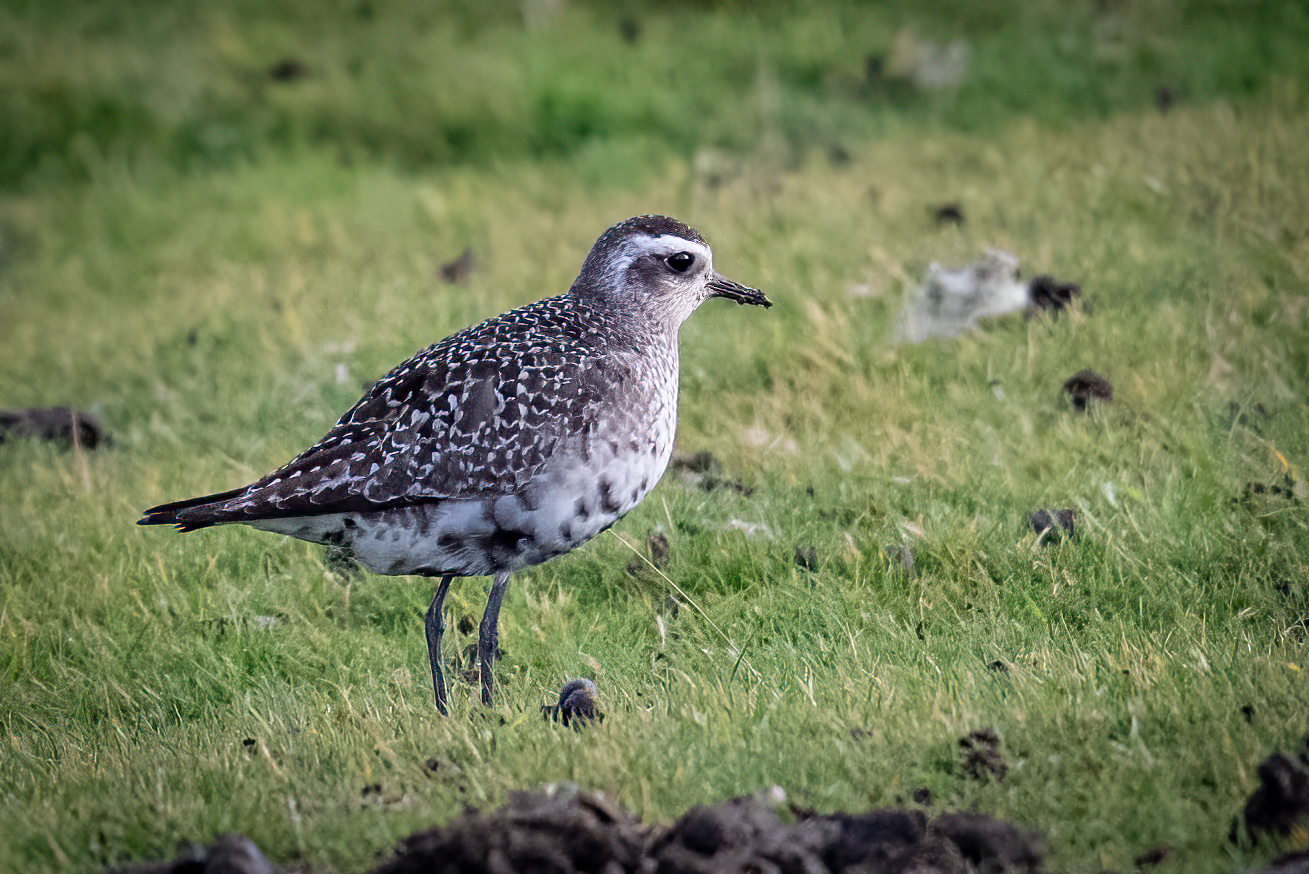
Finally, a few lone Dotterel were on the move this week – one was present on St Mary’s (Scilly) on 2nd still; another was seen on 2nd on The Lizard (Cornwall); a bird was found in Gwynedd at Moel Ysgafarnogod on 3rd; an individual in Dorset at Durlston CP on 6th; and on 7th birds at Adlingfleet (East Yorkshire / Lincolnshire), Blakeney Point (Norfolk), and again on The Lizard.
Once again this week, the best of the bin bag botherers were Bonaparte’s Gull, with an adult at Stag Rocks (Northumberland) on 2nd-7th, and the Ballyconneely (Co.Galway) individual again there on 3rd. A further bird was at Lunan Bay (Angus) on 7th, and a possible was seen at Flamborough (East Yorkshire) on 4th.
A second-winter Ring-billed Gull was seen at Rosscarbery (Co.Cork) on 4th; and the Doorly Park (Co.Sligo) bird remained there on 7th.
The regular Glaucous Gull was still to be seen on Orkney Mainland at Stenness on 6th; and another this week was seen on South Uist (Western Isles) on 5th. Cornwall was where it was at for Iceland Gull, with the second-winter still at Drift Reservoir on 4th-6th, and an adult at Penzance on 3rd and 5th; while a juvenile was found in Highland & Caithness at Scrabster on 8th.
Some 25 Sabine’s Gull were logged this week, with a peak count on 7th of three seen off Dun Na mBo (Co.Mayo).
Finally, in Co.Dublin the adult White-winged Black Tern was again seen this week, on 6th-8th at Dun Laoghaire.
The week just gone was, once more, a great one for erstwhile mega Pallid Harrier, with a good scatter of birds across the region and even an Irish bird, a juvenile seen in Co.Louth at Seabank on 3rd. Sightings settled down in Lancashire & North Merseyside after encounters on 2nd at Marshside RSPB still and on 3rd at Hesketh Out Marsh RSPB again, with the juvenile male seen regularly on 3rd-6th at Belmont Reservoir, with the bird again seen at Horwich Moors (Greater Manchester) on 8th; while up in Aberdeenshire a juvenile female was digging in to Loch of Strathbeg RSPB on 4th-6th. Elsewhere on the British mainland one was present at Loch Lomond RSPB (Clyde) on 2nd, and another at Littlehampton (West Sussex) on 3rd. In Shetland, on Mainland a possible at Kergord on 2nd was followed by one seen passing over the north of Lerwick on 8th; and a bird was present on Unst on 6th-8th again.
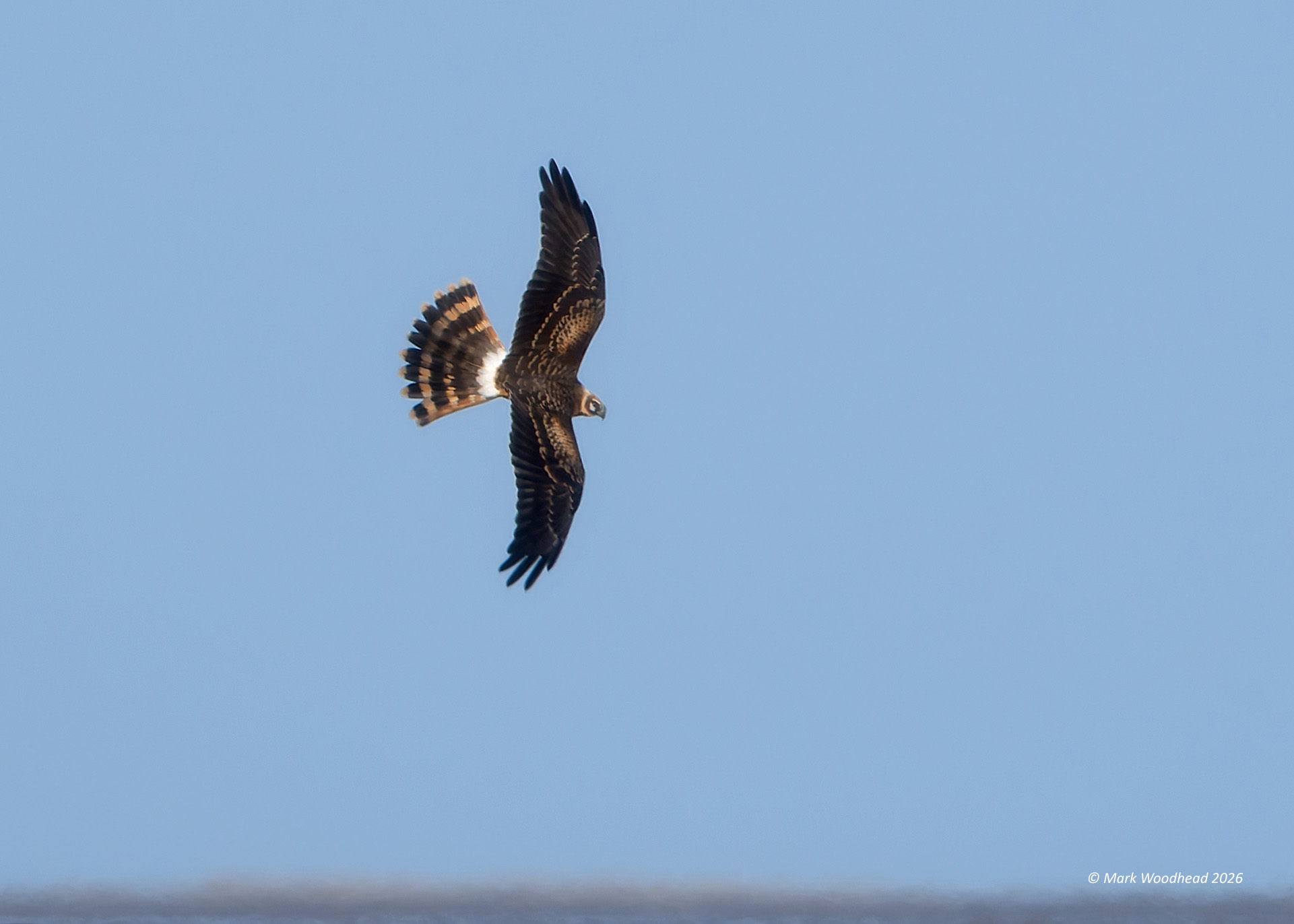
A Montagu’s / Pallid Harrier was seen on Cape Clear (Co.Cork) on 7th.
A Black Kite was reported in Cornwall at Camborne on 2nd; and a bird was seen in Kent passing over Littlestone-on-Sea towards Dungeness on 5th.
A possible Rough-legged Buzzard was seen in Norwich (Norfolk) on 4th, and a probable on 2nd at Torr Head (Co.Antrim).
Finally, in Norfolk the Black-winged Kite continued to be seen intermittently in the Sea Palling area throughout the week.
While Scilly was making the headlines this week, Shetland continued to go about its usual autumnal business with the rarities that are, frankly, coming to be bread-and-butter for the northern isles these days – still proper, top-drawer birds, but entirely anticipated. We start up on Unst, where a Pallas’s Grasshopper Warbler was found on 7th-8th.
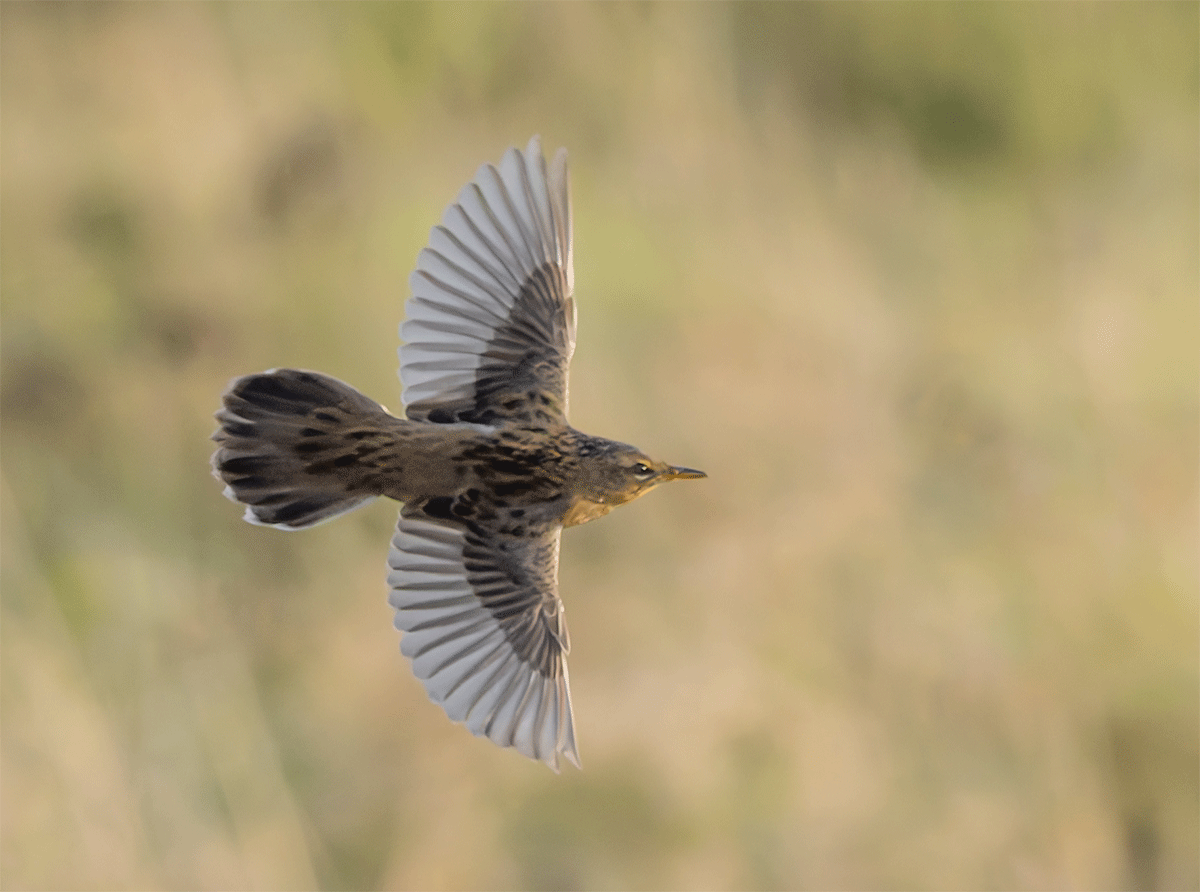
At almost the very opposite extremity of Shetland, a Lanceolated Warbler was trapped and ringed at Sumburgh on 8th.
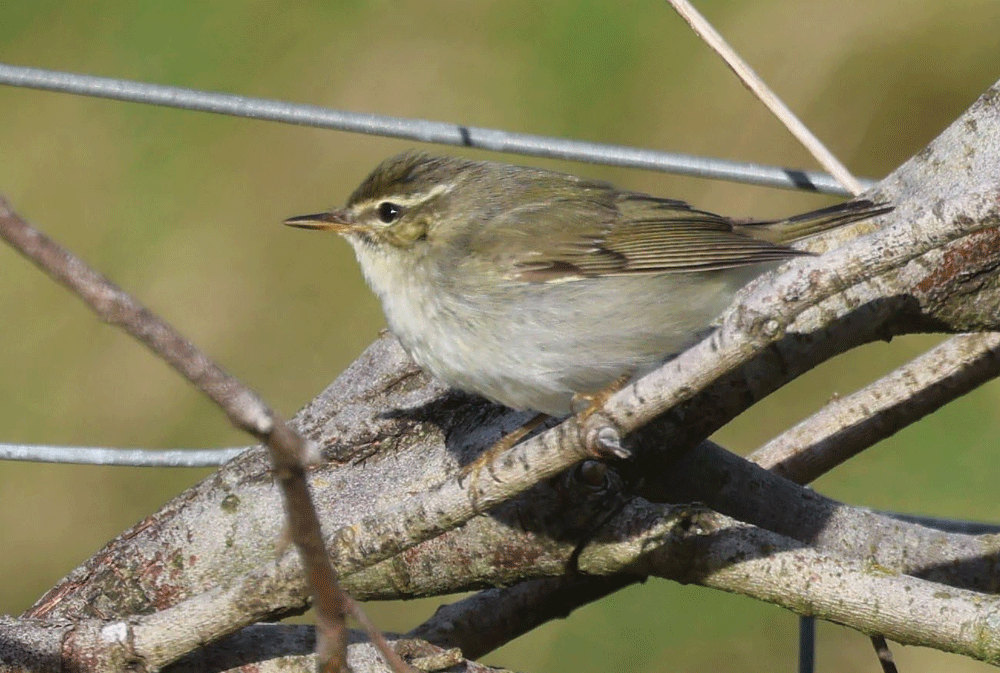
Other warblers of an easterly flavour were trickling through in Shetland, despite relatively inauspicious winds. An Arctic Warbler at Veensgarth on 5th was followed by a Greenish Warbler there on 6th; while Fladdabister landed one of the former on 6th-8th also, and Fair Isle a bird on 8th. A possible Greenish Warbler was at Waxham (Norfolk) on 6th.
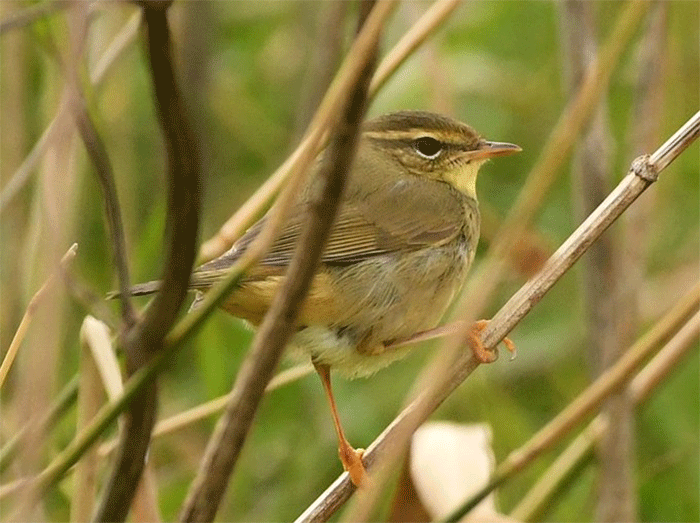
A Radde’s Warbler trapped and ringed at Thorpeness (Suffolk) on 6th was followed by a Shetland bird at Tangwick in North Mainland on 8th.
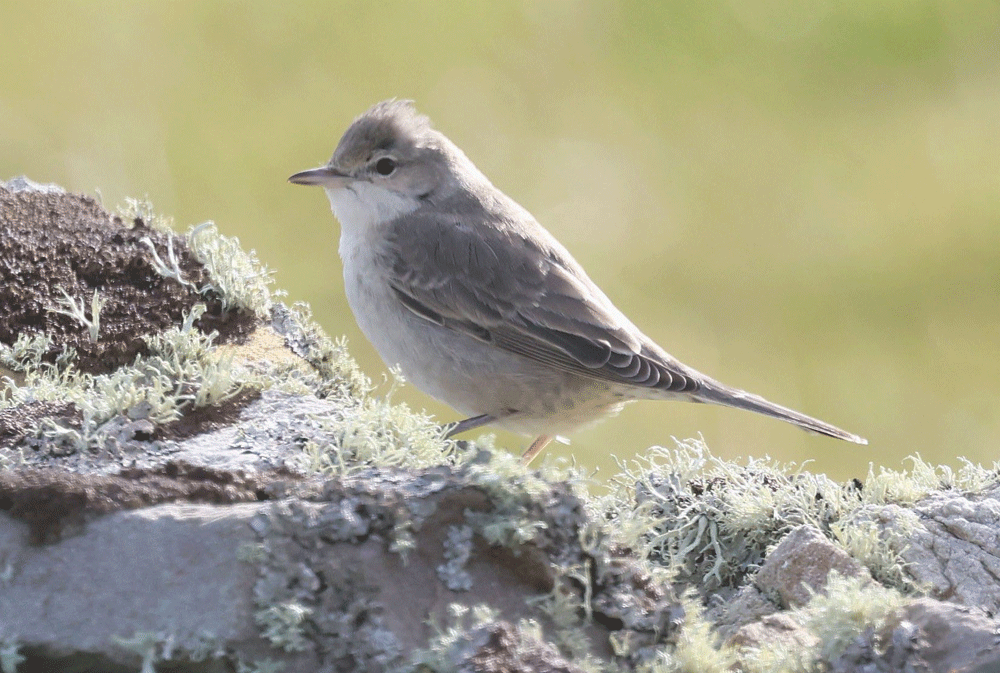
Shetland also scored a Pallas’s Warbler at Scousburgh on 2nd, followed by a bird on Westray (Orkney) on 3rd.
Yellow-browed Warbler continued to do a lot of the heavy lifting for birders down the east coast this week, with some 370 birds in total seen and heard across Britain and Ireland as a whole, and a predictably easterly bias to those.
Scilly enjoyed Western Bonelli’s Warbler on St Martin’s on 2nd-4th and St Agnes on 3rd-4th; Shetland landed a bird on Mainland near Boddam on 7th-8th.
Ireland enjoyed a monopoly on Melodious Warbler this week, with three birds found – on Inishbofin (Co.Galway) on 2nd-6th; at Garinish Point (Co.Cork) on 4th-5th; and at Mizen Head (Co.Cork) on 5th.
Some 25 Barred Warbler were seen during the course of recent days, mostly in Shetland, but with some notable outliers – in Leeds (West Yorkshire) on 5th, on St Mary’s (Scilly) on 2nd and Tresco on 7th, on Portland (Dorset) on 2nd, 5th and 8th, and at Portballintrae (Co.Antrim) on 3rd.
Back to Suffolk, where five Zitting Cisticola remained resident at Walberswick NNR on 4th.
A Great Grey Shrike was found in Shetland at Bixter on 3rd-5th, and another in Suffolk at Halesworth on 4th-6th.
Scilly retained its recent Red-backed Shrike on St Agnes on 3rd-8th, and on St Mary’s on 2nd-6th also. Shetland birds were found on Yell on 3rd, and Unst on 3rd-4th; and on Mainland at Catfirth on 7th and Scousburgh on 7th-8th. One was trapped and ringed on Portland (Dorset) on 8th.
An early Waxwing was reported from Orkney at Tankerness on 4th.
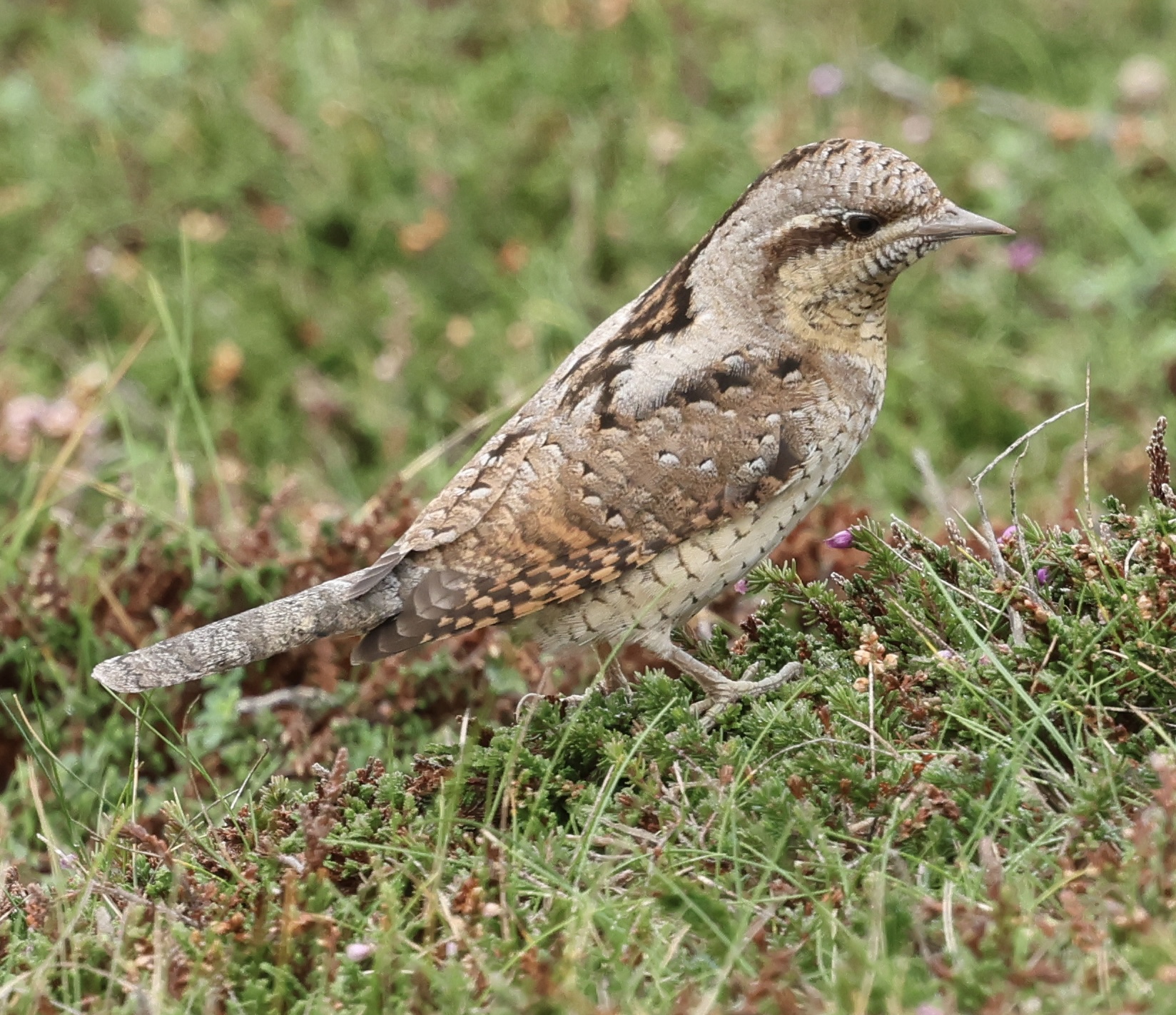
Numbers of Wryneck continued to dwindle, failing to break through the double-figure ceiling this week. South coast birds were found on 3rd in West Sussex at Southease and East Sussex at Rye Harbour NR; and on 4th at Powderham (Devon), The Lizard (Cornwall), and Land’s End, the latter bird still present on 5th; one was found on St Mary’s (Scilly) on 6th; one at Mousehole (Cornwall) on 7th; a bird on 8th at West Bexington (Dorset); and another was present on 6th at Lettermullen (Co.Galway).
Hoopoe were seen lately in Hatfield Forest (Essex) on 2nd, at Marshside (Kent) on 6th, on 7th at Wilton (Co.Cork), and on 8th at Sawbridgeworth (Hertfordshire).
The recent Short-toed Lark remained on St Mary’s (Scilly) on 2nd-4th, with a second individual there on 3rd; and the Fair Isle (Shetland) bird remained there on 2nd-8th.
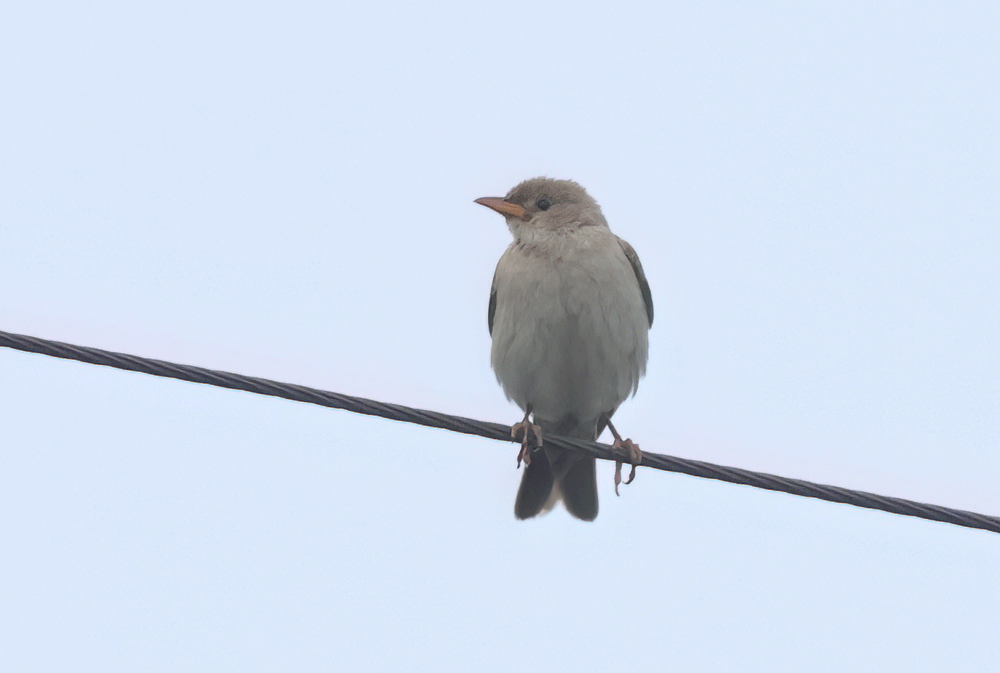
A juvenile Rose-coloured Starling was found on St Mary’s (Scilly) on 4th-8th, adding to the general 1991 vibe. We just need a Grey-cheeked Thrush now for the set… and never say never with that one and westerlies in Orctober.
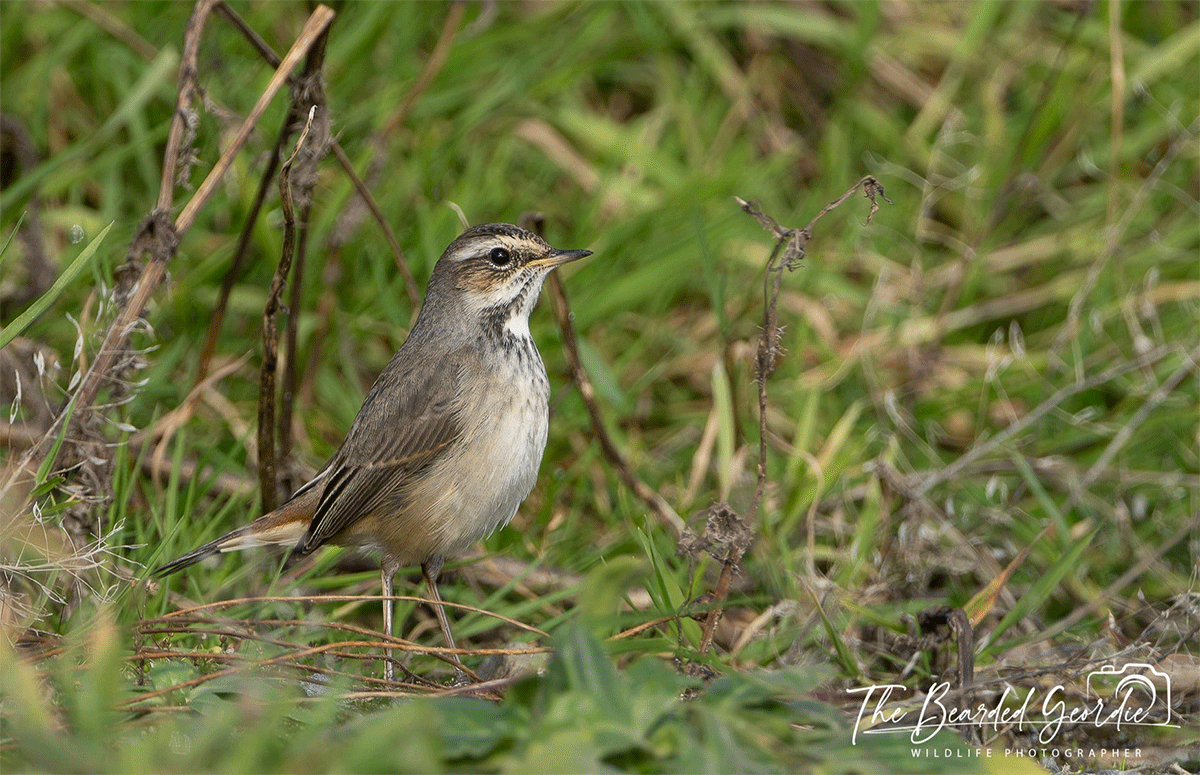
A quartet of Bluethroat were logged during the week – in Shetland at Scousburgh on 2nd, Fleck on 7th, and Boddam on 8th; and another trapped and ringed at Gunwalloe (Cornwall) on 4th.
A Red-flanked Bluetail settled on South Ronaldsay (Orkney) on 2nd-6th. Rewind a little over three decades ago and all hell would have been breaking loose for that…
On Orkney today ahead of the @OrioleBirding tour to North Ron. Popped into Olav’s Wood on South Ron before heading up to Kirkwall for the flight and found a Red-flanked Bluetail! No time to hang around for pics, but got this recording. Bird very vocal also doing the croaking call https://t.co/6fMqy829FI
— Ashley Saunders (@Oriole_Ashley) October 2, 2026
In Shetland the Siberian Stonechat remained at Levenwick on 2nd-8th.
Once more, around a dozen Red-breasted Flycatcher were logged during the week, with several adventurous birds making it further west than the east coast of Britain. One fell by the wayside, found dead in St Albans (Hertfordshire) on 3rd; one arrived on Bardsey (Gwynedd) on 8th; while Irish examples turned up on Dursey (Co.Cork) on 3rd, and in Co.Donegal at Malinbeg on 5th and Malin More on 6th.
A possible Eastern Yellow Wagtail was at Ullapool (Highland & Caithness) on 4th; another putative bird at Cley NWT (Norfolk) on 3rd appeared to be more likely a Yellow Wagtail on the basis of sonograms. A Citrine Wagtail was present out on St Kilda (Western Isles) on 5th-6th.
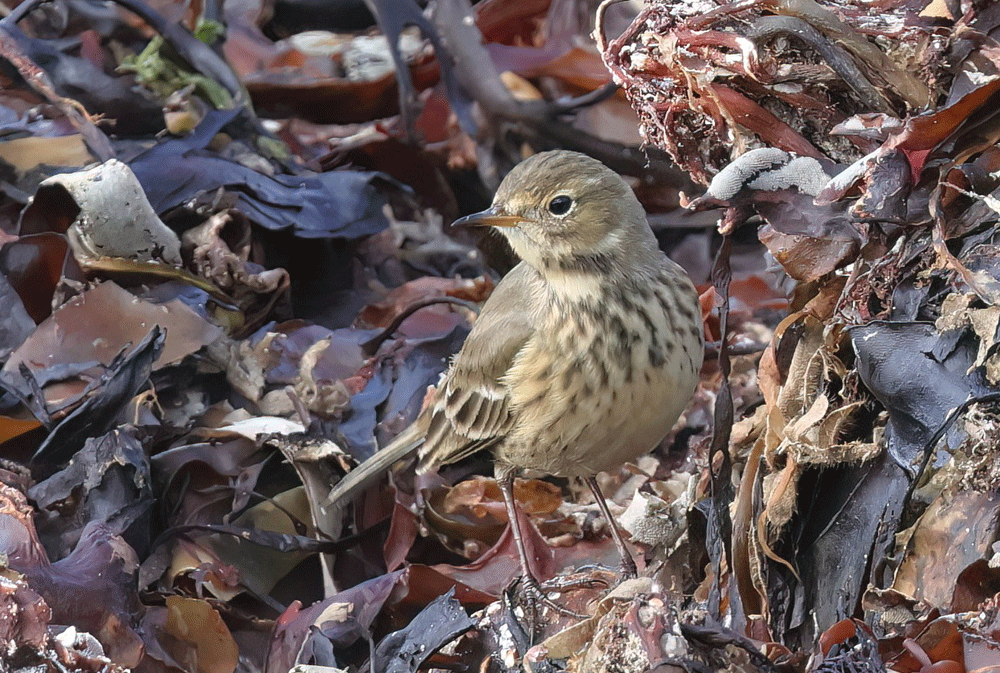
A probable American Pipit was seen on Fair Isle (Shetland) on 3rd, followed by confirmed birds on Inishturk (Co.Mayo) on 4th, and St Agnes (Scilly) on 6th-8th.
A handful of Olive-backed Pipit this week were well scattered around Britain – on Shetland at Maywick on 2nd-3rd; at South Shields (Co.Durham) on 2nd; on Fair Isle (Shetland) on 2nd-3rd and 5th-7th; on Portland (Dorset) on 3rd; on Shetland on 7th-8th on Mainland at Clickimin, and on Fetlar on 7th; and a probable on Shetland at Sand on 6th.

The Red-throated Pipit was again seen on St Mary’s (Scilly) on 2nd-3rd, with another sightings on the island on 8th; one was present on Fair Isle (Shetland) on 3rd; and one sound-recorded aty South Shields (Co.Durham) on 3rd.
Shetland gave us a couple of Richard’s Pipit - one on Fair Isle on 2nd, and another settled on Out Skerries on 2nd-8th; a mobile bird was spanging around Scilly on 8th, being noted over St Mary’s, St Agnes, and Gugh.
A Serin was found on St Mary’s (Scilly) on 8th.
Numbers of Common Rosefinch remained woeful for the time of year. Shetland examples were present on 2nd at Pool of Virkie, Hoswick, on Fair Isle, and on Fetlar, the latter island holding two birds; on 6th and 8th at Loch of Spiggie and 7th-8th at Scousburgh, the latter site holding two birds on 8th; and on 7th on Fair Isle. One was seen on St Agnes (Scilly) on 2nd, 4th and 8th, and neighbouring Gugh on 7th, with another sighting on St Mary’s on 8th; and another on Cape Clear (Co.Cork) on 6th.
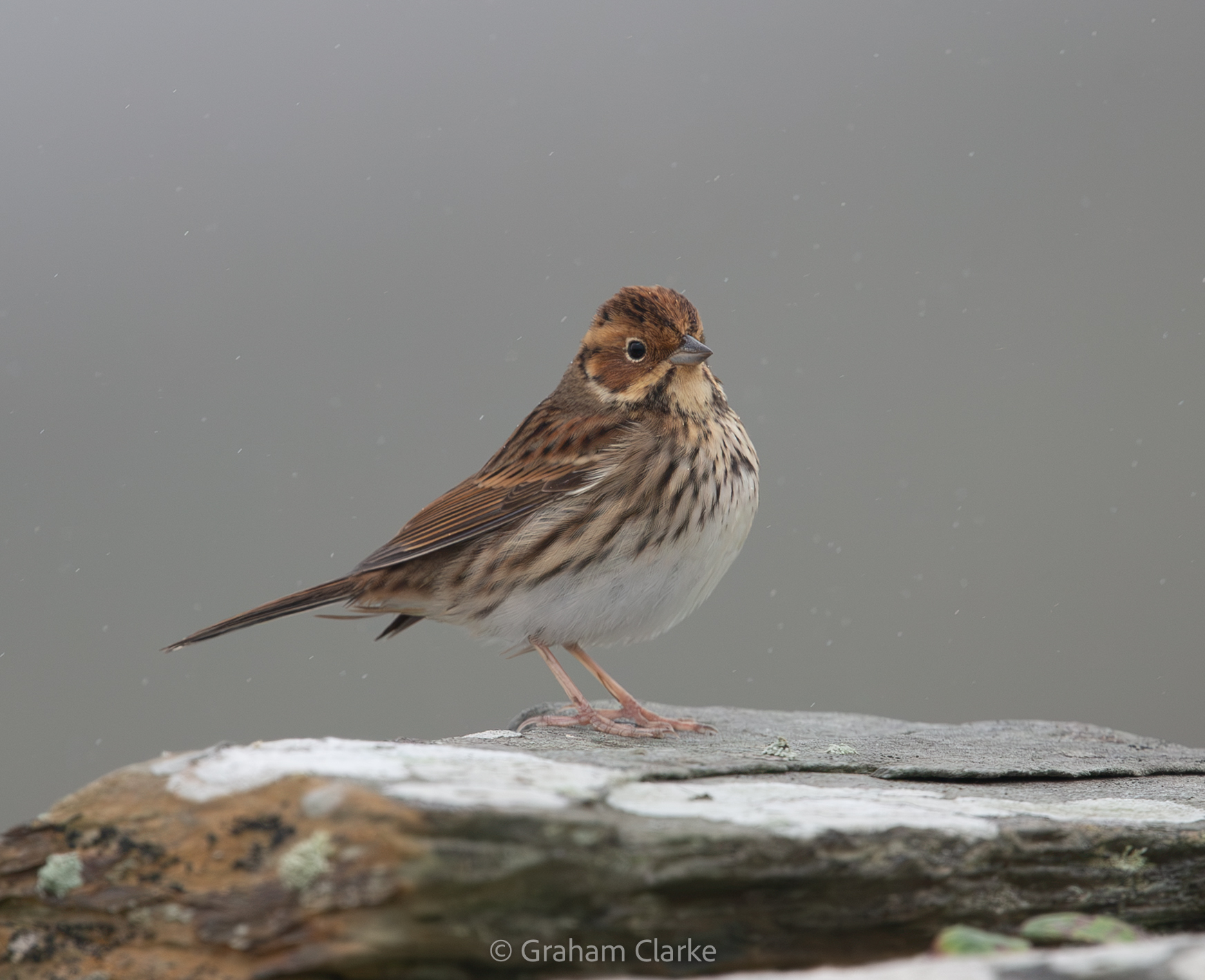
Little Bunting did little better, with just 10 birds logged during the week. Two on Fair Isle (Shetland) on 6th represented the only site to hold more than a singleton.
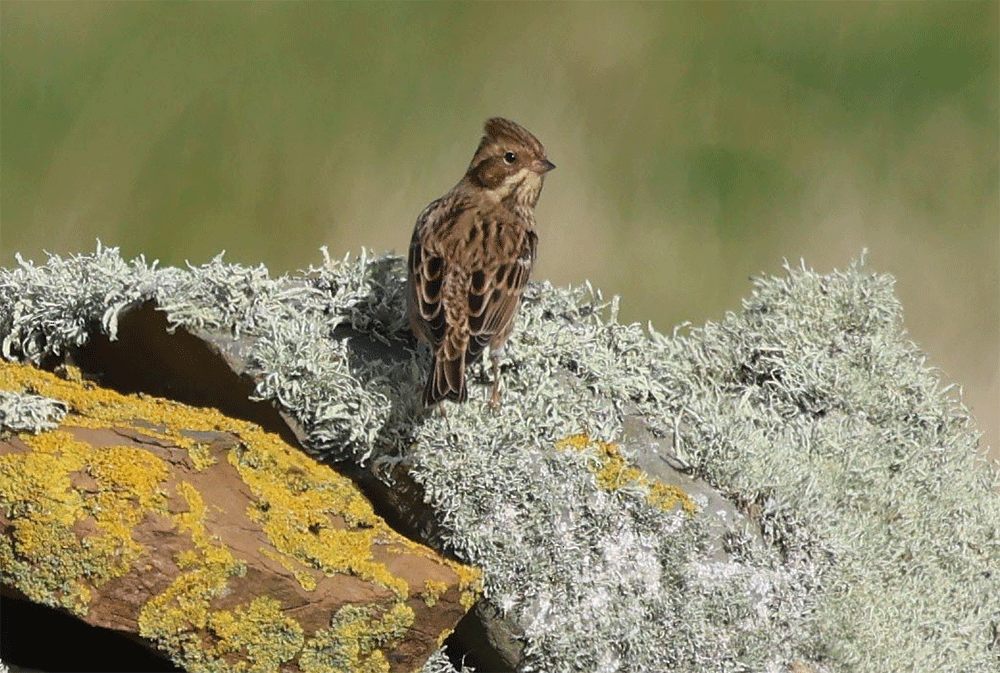
The recent Rustic Bunting remained on North Ronaldsay (Orkney) on 2nd, with another this week found on St Agnes (Scilly) on 6th, and a bird on Fair Isle (Shetland) on 8th.
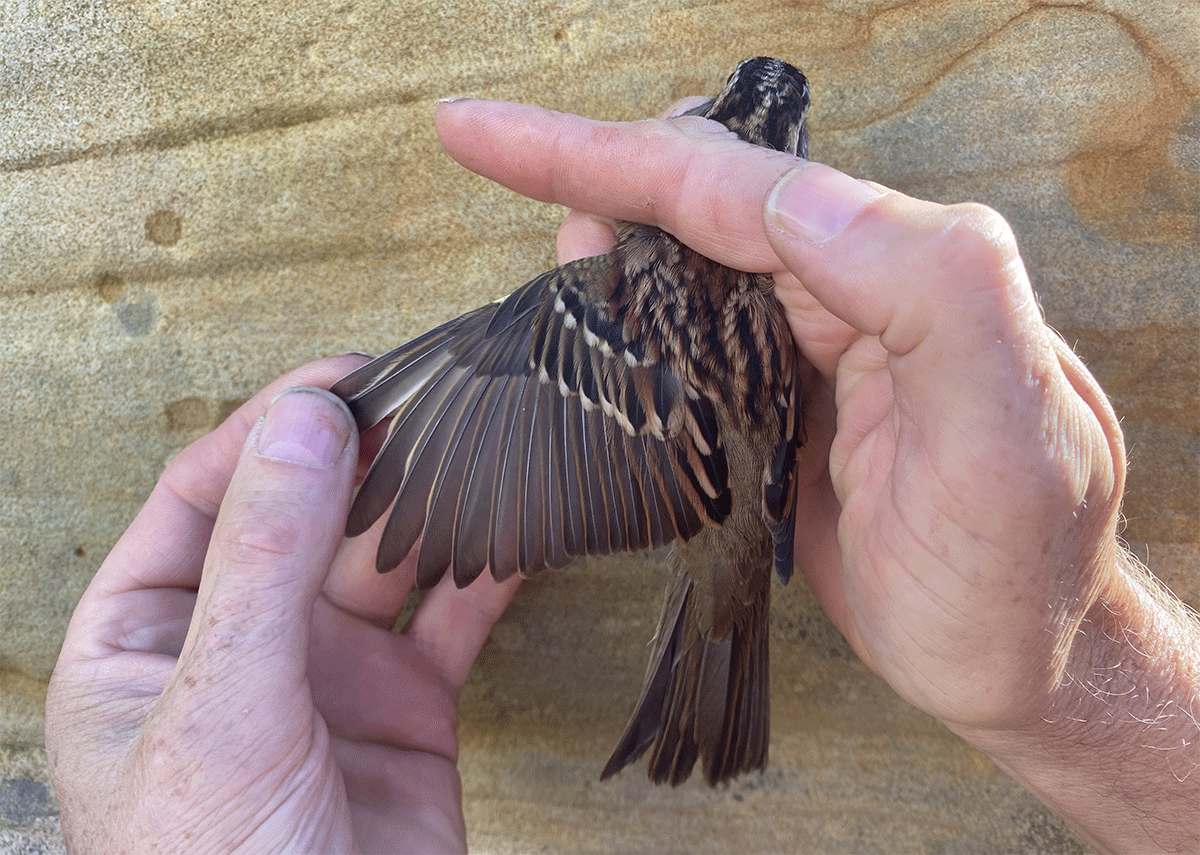
Getting silly now, the White-throated Sparrow was still to be seen on Isle of May (Fife) on 2nd-4th, now bringing its residency to two full months. It’s now completed its moult, so will it move on… or will the easy life (that is, caterpillars and elderberries) on the Isle of May continue to anchor it there? Watch this space…
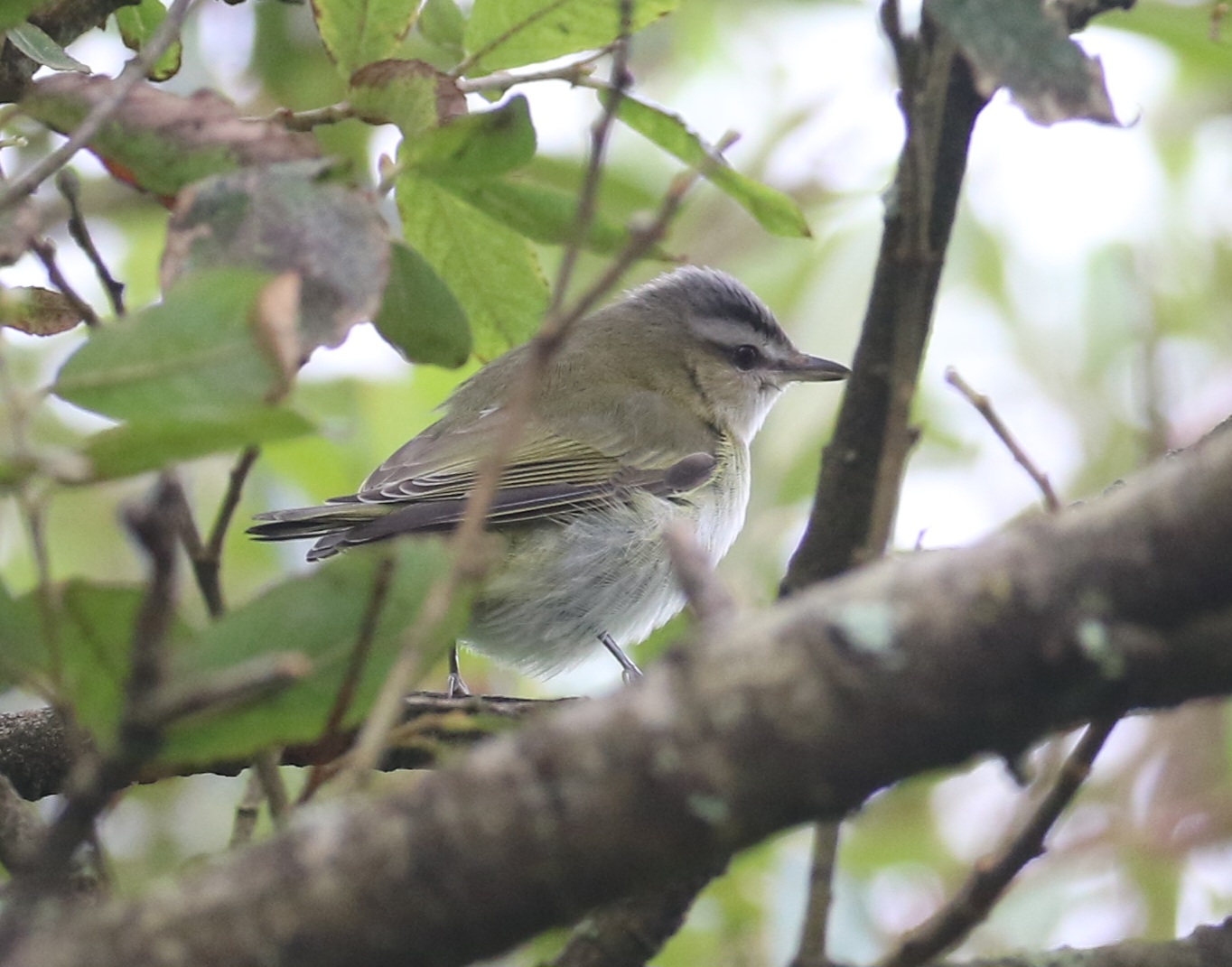
And finally, we finish once more with a Red-eyed Vireo - this week’s bird being one present on Inishbofin (Co.Galway) on 3rd-5th.
We’re spoiled for choice for where to begin the overseas news, with the ongoing Nutcracker irruption into the Netherlands exerting a powerful gravitation force upon our attention – birds were reported from 15 localities in the country during the past week, with one in Belgium on 4th also, making a bird in Kent, Suffolk or Norfolk feel more a matter of when now rather than if…
…but it’s also hard to ignore a bird of the calibre of the stonking Yellow-throated Vireo found on Iceland on 6th by visiting British birders at Irafoss. A national first for Iceland, and What. A. Bird.
https://www.facebook.com/photo/?fbid=1530497285787926&set=a.466567445514254&locale=en_GBBefore we take a look at the more abstract and distant highlights of the Azores, a quick glance at Sweden, where a Black-faced Bunting was found on 3rd at Havringe.
But yes, the Azores. Corvo retained its recent Northern Waterthrush on 5th-8th, adding Northern Parula, two Red-eyed Vireo, two American Golden Plover, a Pectoral Sandpiper and a Hoopoe to its account on 6th. Meanwhile, on Pico a Belted Kingfisher was seen on 8th. None of which holds a candle to that vireo in Iceland. Oof.
Events in Iceland this past week are enough to make a British birder weep into their cornflakes. Our one and only Yellow-throated Vireo feels like a lifetime ago in September 1990. And so, inevitably, it’s to the weather forecast for the coming week that our eyes are irresistibly drawn…
Ah, those charts. More westerlies, but are they useful ones? And a hint of wind coming our way of the near continent. Is it enough to waft a Nutcracker our way after all?
Surely something good has to happen in the coming week, whichever way the cookie crumbles. The coming week features some howlingly good past birds, the stuff of legend and dreams. Grey-tailed Tattler in 1981. White-rumped Swift in 2018. Red-breasted Nuthatch in 1989. Grey Catbird in 2018. Rufous-tailed Robin in 2011. Chestnut-eared Bunting in 2004. Blockers, one and all. And coming so soon after the Siberian Blue Robin that allowed those present in Shetland and quick enough off the mark to unblock that particular beast, can #unblocktober be a thing?
And let’s not forget and almost 20 historic Nutcracker for the coming week, including our last crowd-pleaser. We’ve already evoked birding events of 1991 in this week’s round up, but who could forget the Nutcracker that settled in Stoke-on-Trent (Staffordshire) on 14th October – 9th November 1991? A hugely popular bird at the time, unsurprisingly.
PLEASE INSERT ARCHIVE PIC OF THAT NUTCRACKER HERE IF WE CAN FIND ONE?!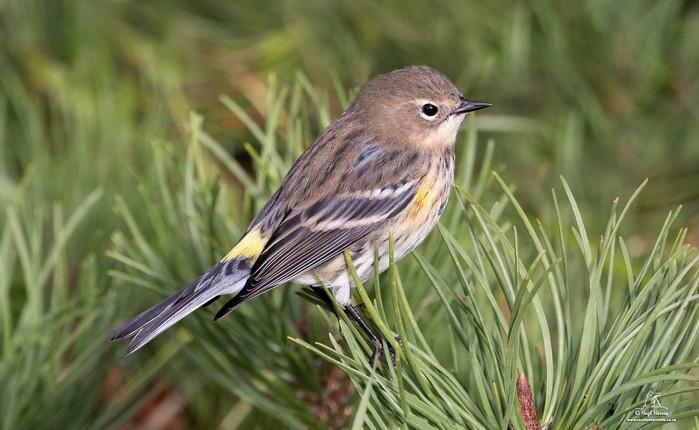
Jon Dunn
9 Oct 2026
Many thanks to all this week's contributors for your photos and videos.
Get Breaking Birdnews First
Get all the latest breaking bird news as it happens, download BirdAlertPRO for a 30-day free trial. No payment details required, and get exclusive first-time subscriber offers.
Share this round-up