Weekly birding round-up: 21 - 27 Aug
This was a cracking week for rare and scarce seabirds seen at sea, and from land-based vantage points. We’ll kick off with another Scopoli’s Shearwater, this time enjoyed from one of the irrepressible Scilly pelagics, on 24th.
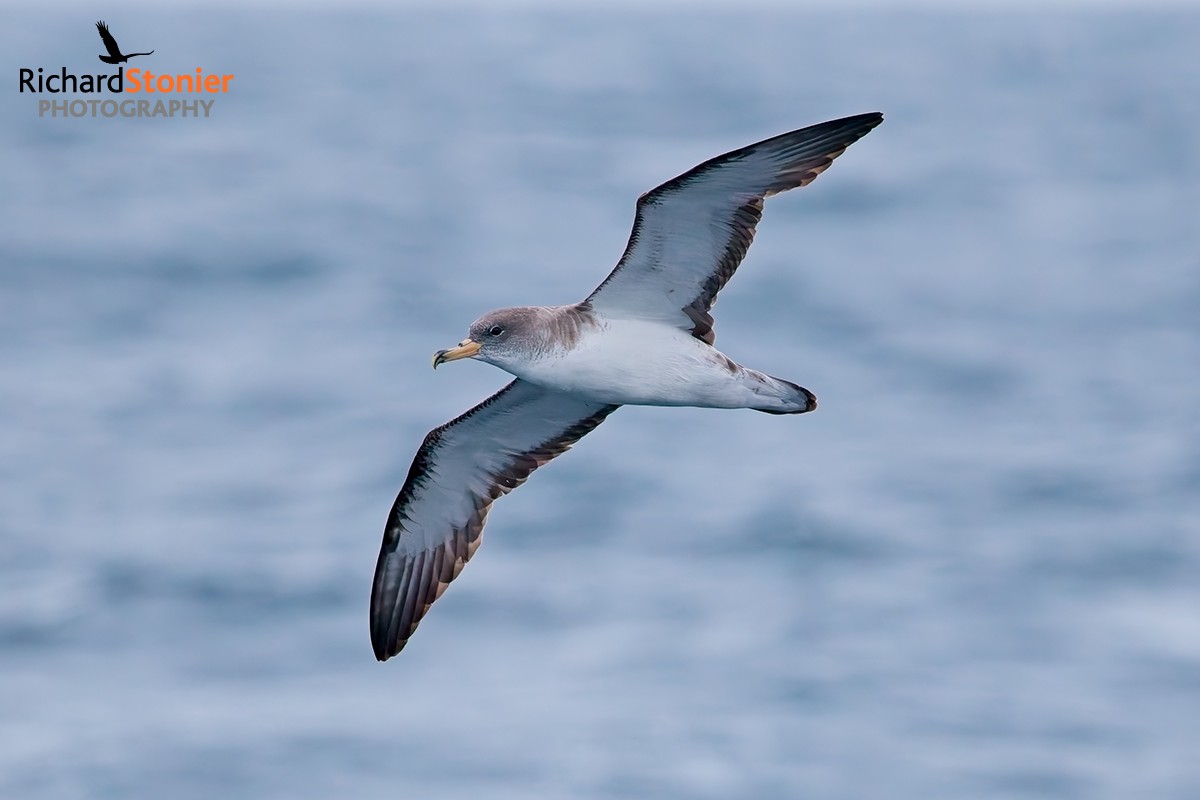
Those on dry land had their moment on 25th, with Barolo Shearwater seen in the morning at Bridges of Ross (Co.Clare), and in the evening passing Fife Ness (Fife).
Large shearwaters were again logged in some numbers, albeit far fewer Cory’s Shearwater than in the preceding period – this week a mere 830 or so were logged, peak count being 200 noted from the Scilly pelagic of 24th. Numbers of Great Shearwater remained subdued, with around 150 seen, a peak count being 20 birds logged on the Scilly pelagics of 24th and 25th.
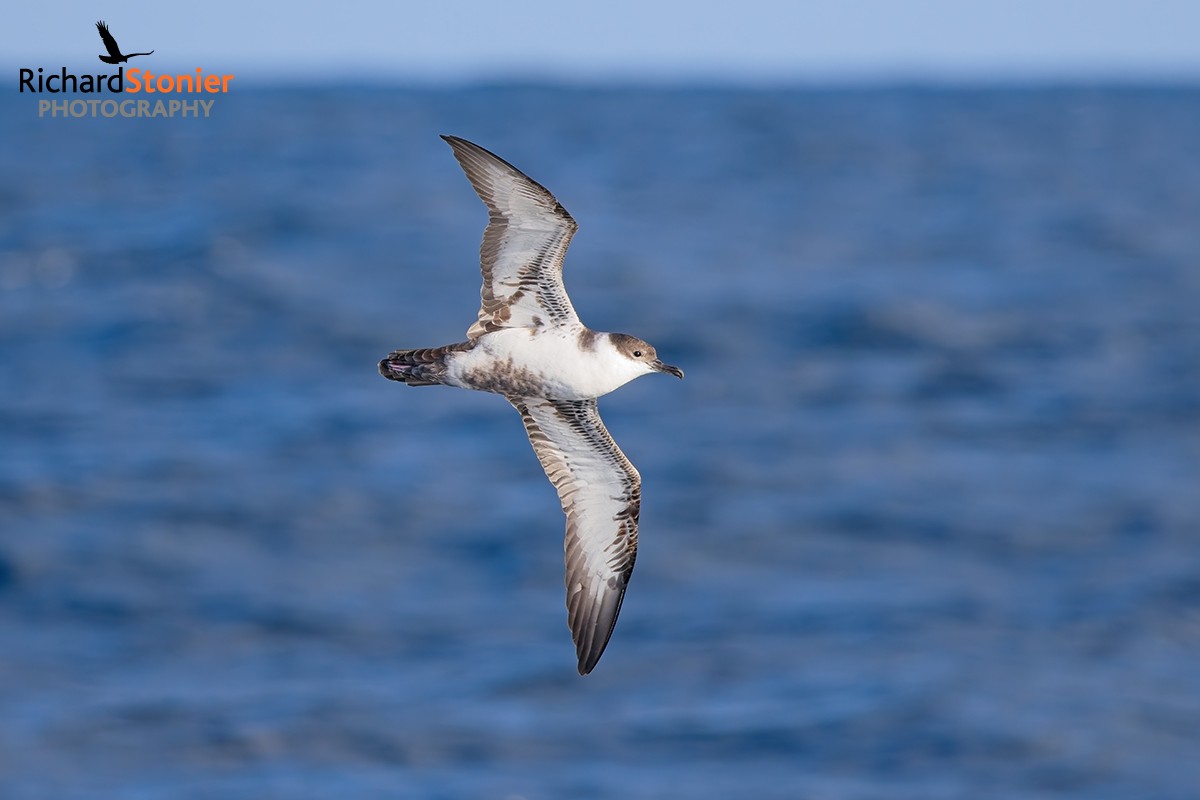
Balearic Shearwater continued to tick along, with around 300 birds noted around our coasts – best of them being 100 seen from Portland (Dorset) on 22nd.
Back to the rarities, Fea’s Petrel sp were seen in Cornwall passing Pendeen in the morning of 21st, and Spurn (East Yorkshire) on 23rd; another Cornish report came from Land’s End in the evening of 21st.
Just over 120 Wilson’s Petrel were logged during the course of the week – regular hauls from the Scilly pelagics peaked with 31 birds seen on 23rd.
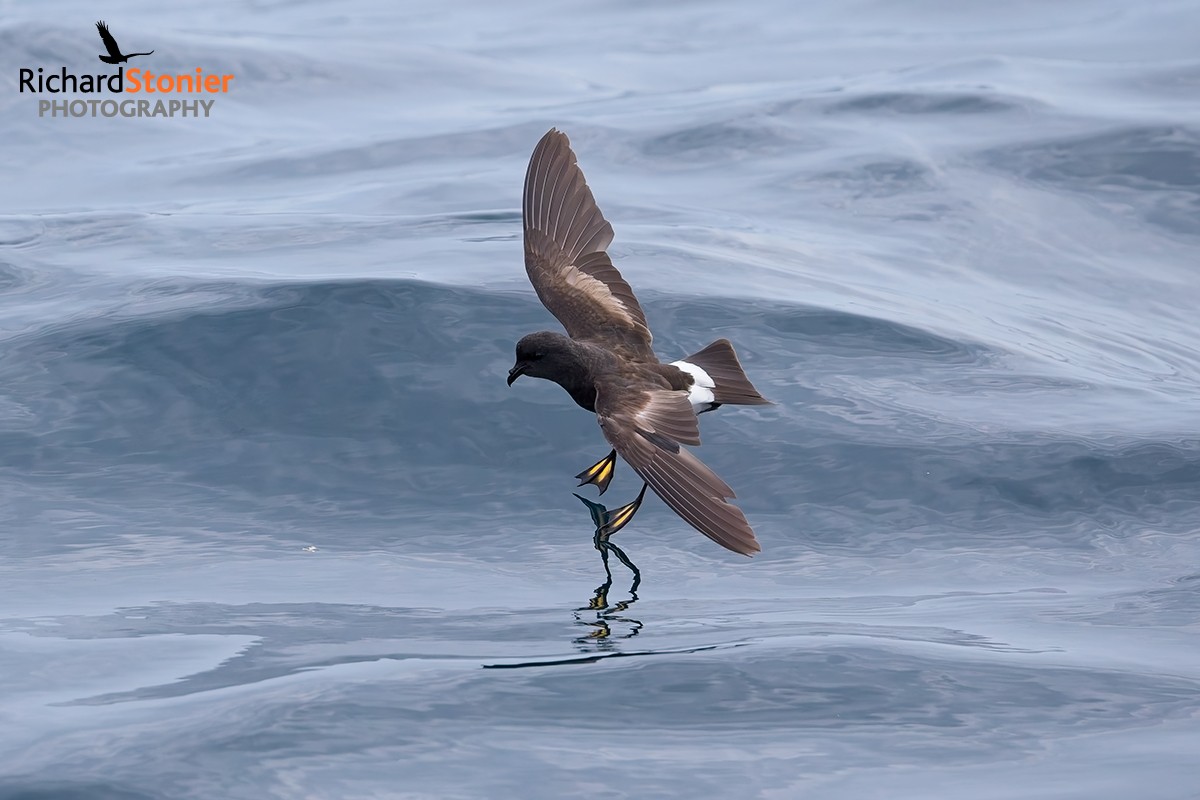
Two Leach’s Petrel were seen from the Ullapool / Stornoway ferry (Highland & Caithness / Western Isles) on 23rd; and a possible from the Scillonian on 26th.
Scarce skuas were on the move, with around 40 Pomarine Skua and 55 Long-tailed Skua respectively logged during recent days around Britain and Ireland.
While the lingering White-billed Diver off Burray (Orkney) on 21st-25th still was adding some local colour, there was rarer fare to the south – a Pacific Diver found in Highland & Caithness at Big Sand on 22nd-26th.
Suffolk continued to boast a juvenile Black Stork this week, a bird being seen again at Aldeburgh on 21st-23rd and 26th, and at Iken also on 23rd.
At least two of the recent half dozen Night Heron remained at Bolton-on-Swale Lake YWT (North Yorkshire) until 26th.
Juvenile Purple Heron remained in Somerset at Ham Wall RSPB on 23rd, and in Kent at Stodmarsh NNR on 21st-26th.
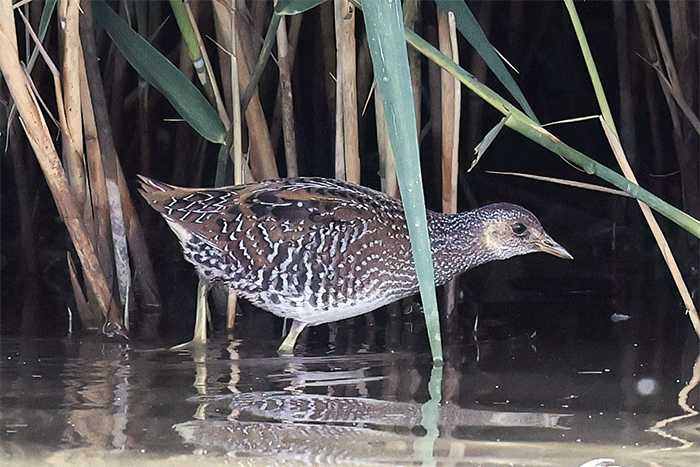
The recent Spotted Crake was seen again at Upton Warren NR (Worcestershire) on 24th, and another was found on 27th at Titchwell RSPB (Norfolk).
Once more starting the quackers with seaduck, two drake White-winged Scoter were again seen off Musselburgh (Lothian) on 22nd. Surf Scoter meanwhile were represented by one still at Musselburgh on 22nd-24th, and one at Inch (Co.Kerry) on 21st.
A female King Eider was found in Hascosay Sound (Shetland) on 26th.
In Essex the female Ring-necked Duck remained on Abberton Reservoir on 21st-26th, and in Shetland the drake at Loch of Clickimin still on 23rd-25th.
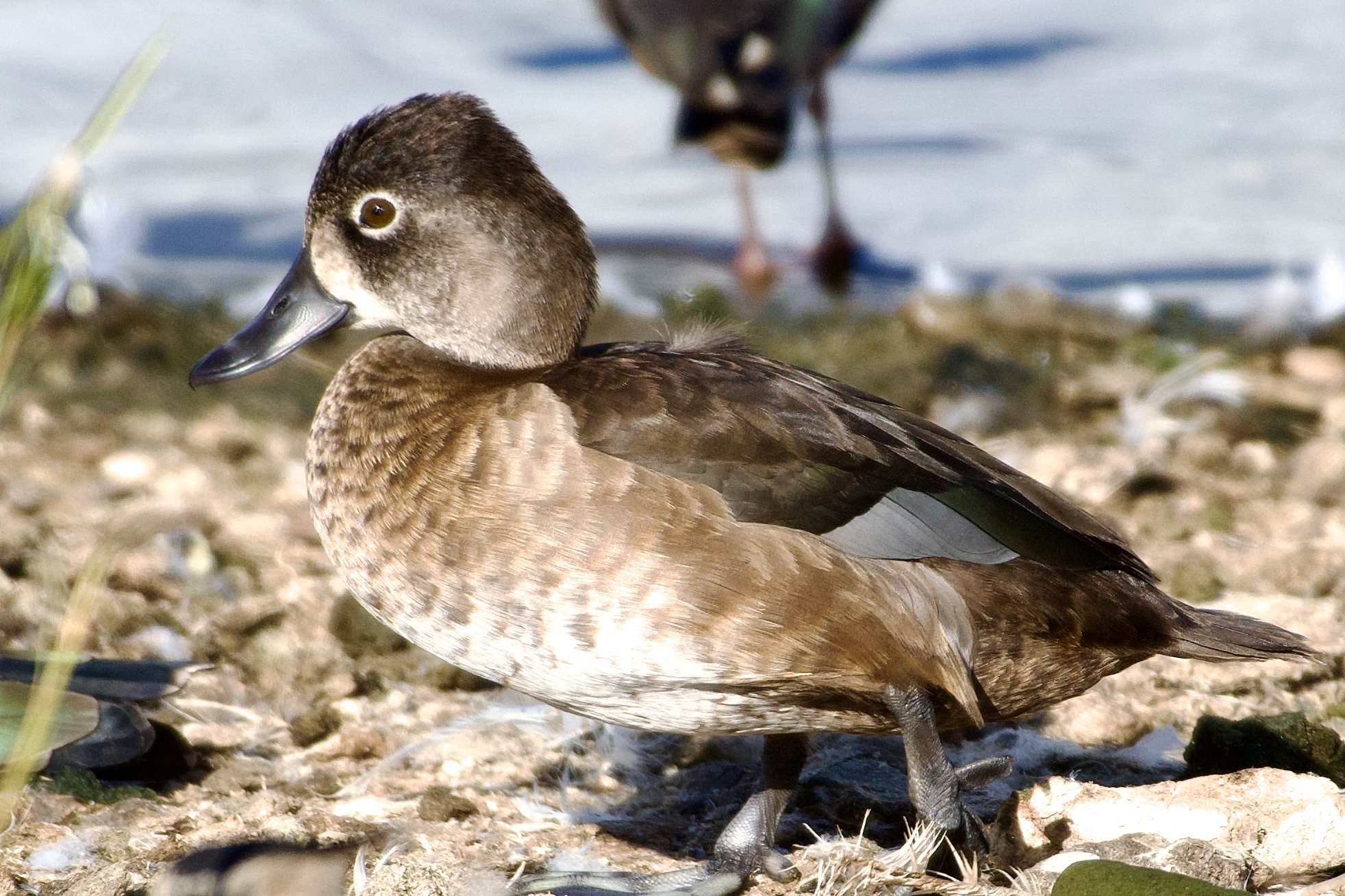
The female Ferruginous Duck was still present at Stanford Reservoir (Northamptonshire / Leicestershire) on 22nd-26th, and the drake in Oxfordshire at Dix Pit still on 21st-26th.
If the ducks were quiet lately, the same couldn’t be said for our weekly waders, with plenty to get our teeth into. We kick off, inevitably, in Suffolk where the adult male Hudsonian Godwit was still present at Cattawade on 21st-27th.
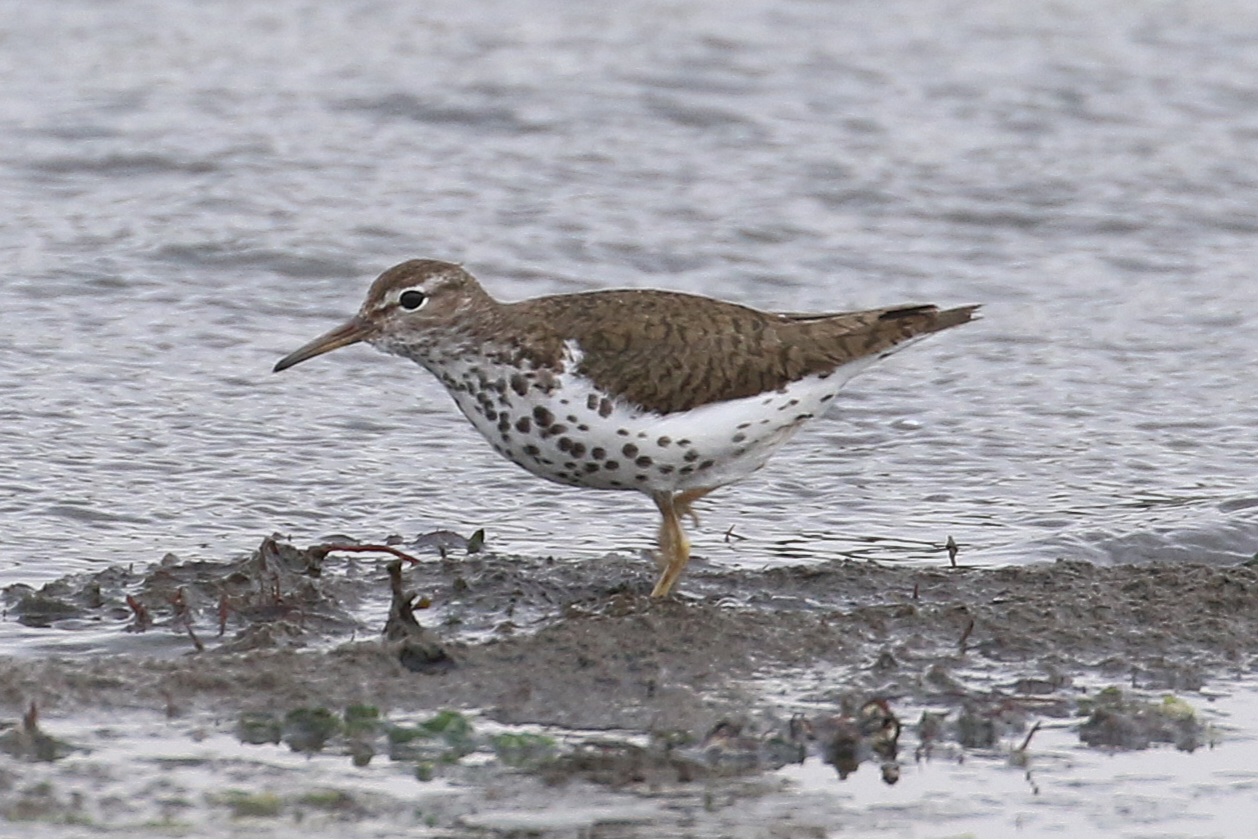
A Spotted Sandpiper was found on Broadmeadows Estuary (Co.Dublin) on 23rd-27th.
Irish sightings of White-rumped Sandpiper came from Co.Wexford at Tacumshin still on 21st, and Ring Marsh on 25th-27th. British birds were seen in East Yorkshire at Beacon Ponds NR still on 21st; at Benacre Broad (Suffolk) on 22nd-27th; and on Lewis (Western Isles) on 23rd, and South Uist on 27th.
The recent Baird’s Sandpiper was once more seen at Dale Airfield (Pembrokeshire) on 24th-27th; further birds were found in Ireland this week at Broad Lough (Co.Wicklow) on 21st, and Carrahane Strand (Co.Kerry) on 21st-22nd.
Two Buff-breasted Sandpiper remained at Tacumshin (Co.Wexford) on 21st, while singletons were seen at Annagh Beach (Co.Mayo) on 22nd, and Westray (Orkney) on 25th.
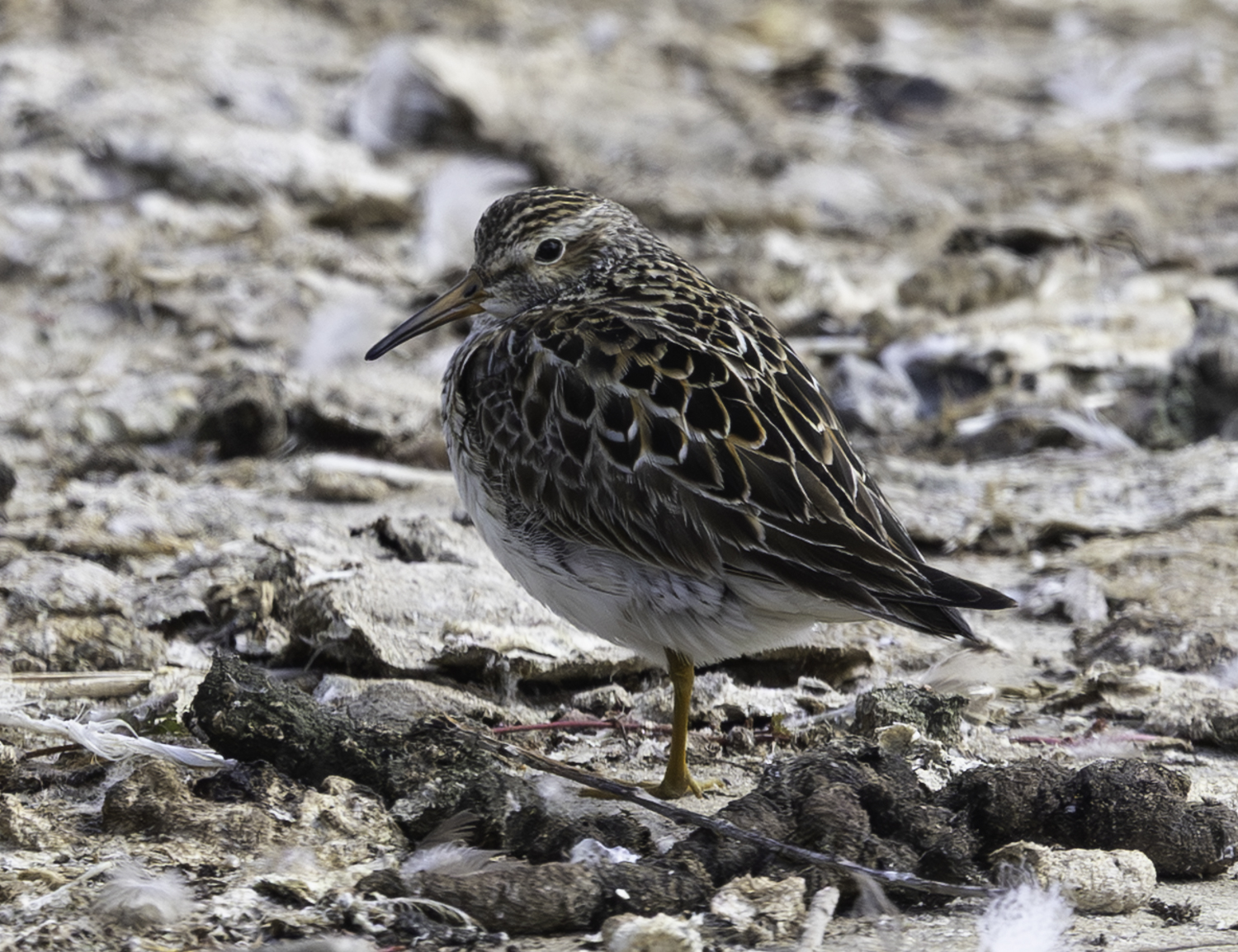
Lingering Pectoral Sandpiper remained at Daventry Reservoir CP (Northamptonshire) on 21st-27th, and on Abberton Reservoir (Essex) on 21st-27th; additional birds being found this week at Broad Lough (Co.Wicklow) on 21st, on Scilly on St Agnes on 23rd-25th and Tresco on 25th-27th, at Blennerville (Co.Kerry) on 26th, and in Essex at Abbotts Hall Farm NR on 26th.
A Semipalmated Sandpiper was found on 26th at North Bull Island (Co.Dublin).
Temminck’s Stint were seen in Essex on 21st at Abberton Reservoir and Holland Haven CP; and on 27th in Cornwall at Porth Reservoir, and Cambridgeshire at Dernford Farm Reservoir where two birds were found.
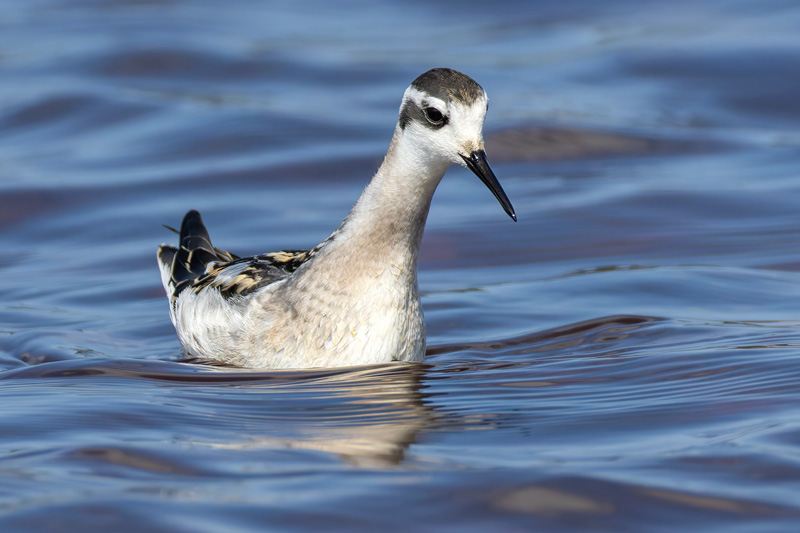
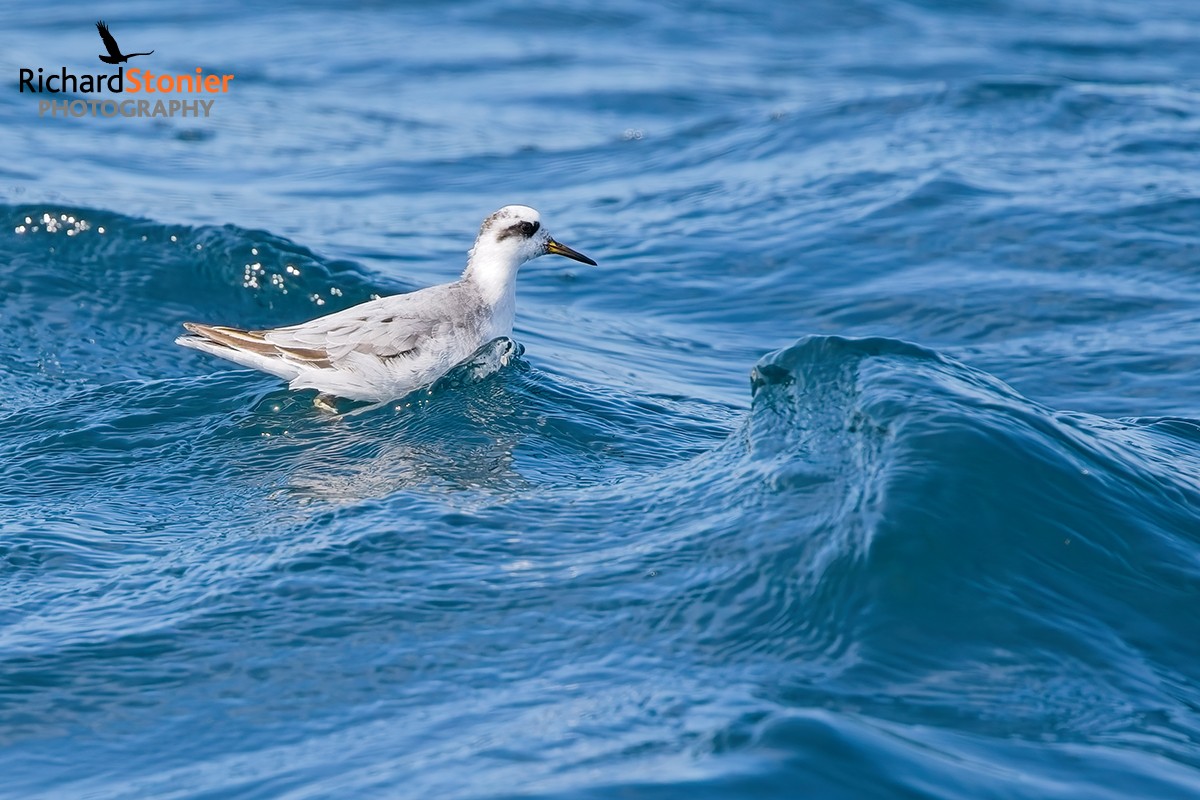
Phalaropes of both regular flavours enjoyed a busy week. Red-necked Phalarope numbers soared, with 11 birds noted across England from Scilly in the extreme southwest to Cumbria in the north, and one in Scotland on 26th at Barons Haugh RSPB (Clyde). Fair numbers of Grey Phalarope were also logged, with some 20 birds seen in Britain and Ireland as a whole, and a peak count of 11 seen from a Co.Kerry pelagic off Ventry on 23rd.
Adult American Golden Plover were on North Ronaldsay (Orkney) on 21st-27th, and at Rye Harbour NR (East Sussex) again on 23rd. Another passed over Woolacombe (Devon) on 24th.
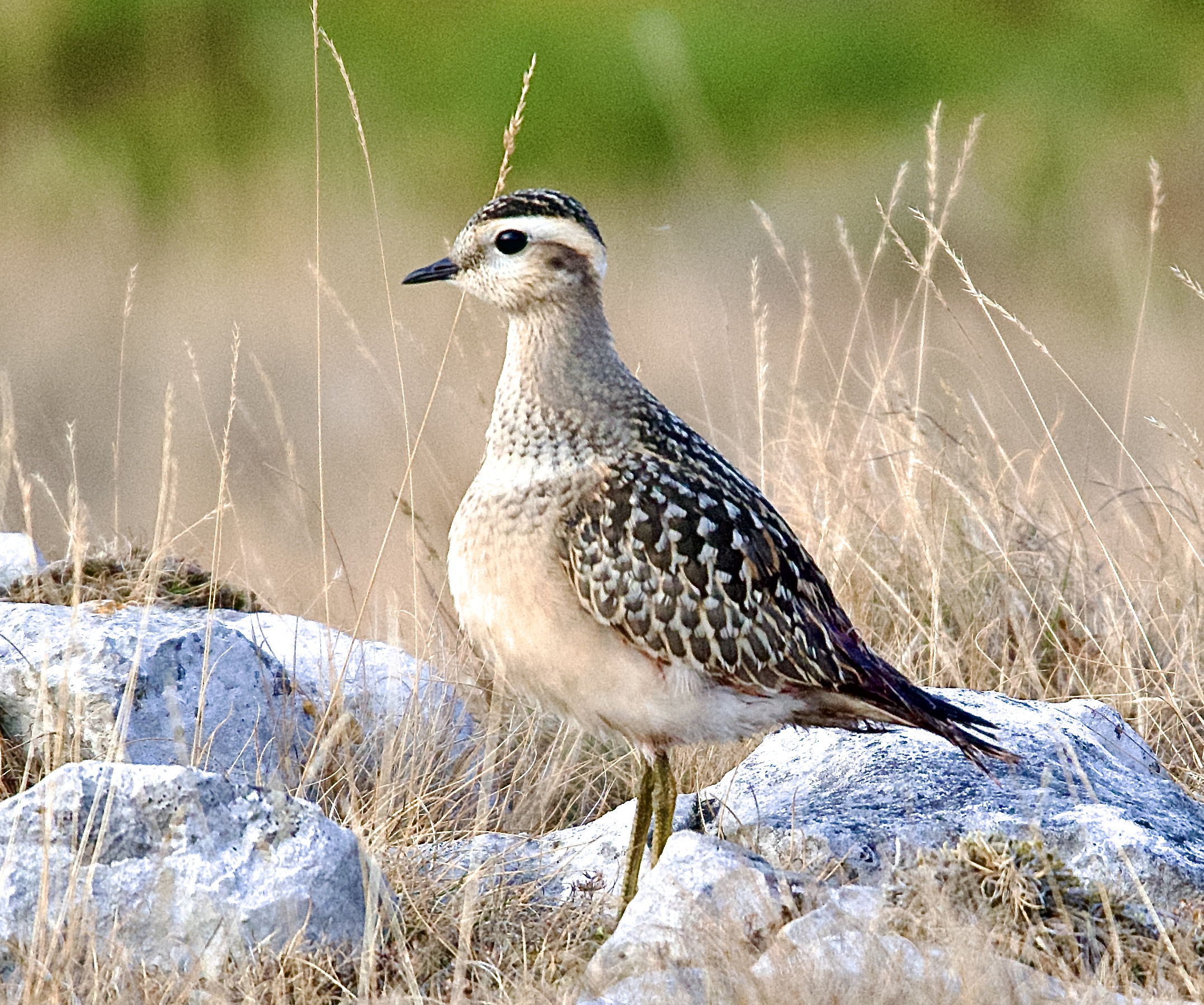
A sure sign of the changing seasons, a small arrival of Dotterel in the English southwest comprised three birds in Cornwall at Porthgwarra on 23rd and 25th (with two present there on 22nd, 24th, and 26th), and one over Land’s End on 25th; and four on Scilly on St Martin’s on 23rd-24th. On 26th attention shifted north, with one found on Shetland Mainland on Ronas Hill, and another on Great Ormes Head (Conwy), the latter remaining present on 27th; while in the English southwest two were present on Lundy (Devon) on 26th-27th.
Finally, a probable Lesser Yellowlegs was reported from Cumbria at South Walney NR on 24th, and a possible Great Snipe in Suffolk coming in off the sea at North Denes on 27th.
Numbers of Sabine’s Gull this week were modest, just about scaling the heights of double figures, and with a peak count of two seen from the Scilly pelagic of 24th.
In Kent the regular adult Bonaparte’s Gull was still present at Oare Marshes KWT on 22nd-23rd, and another was reported from North Bull Island (Co.Dublin) on 21st.
The adult Franklin’s Gull was still to be seen on Isle of Wight at Sandown on 21st-22nd; followed by an (the?) adult bird on 27th in Dorset at Stanpit Marsh.

Ring-billed Gull were again seen at Blackrock (Co.Louth) on 23rd, at Doorly Park (Co.Sligo) on 25th, and at Barnaderg Bay (Co.Galway) again on 27th.
A couple of Glaucous Gull added predictable heft, one remaining on Orkney Mainland at Stenness on 22nd, and one reported from Dun Laoghaire (Co.Dublin) on 23rd. More surprising was the second-summer Kumlien’s Gull at Cruisetown Strand (Co.Louth) on 25th.
Kent held onto its recent White-winged Black Tern, with the adult still present at Stodmarsh NNR on 21st, and the Dungeness juvenile lingering longer, remaining there until 27th. A further adult was found at Blakeney Pit (Norfolk) on 26th.
Little says incipient autumn like juvenile Pallid Harrier, and this week gave us a handful to play with – in Shetland, one on Foula on 21st, followed by sightings in the south of Mainland around Boddam, Brow Marsh and Fleck on 24th-27th; and one seen at Sammy’s Point (East Yorkshire) on 25th and Spurn on 26th.
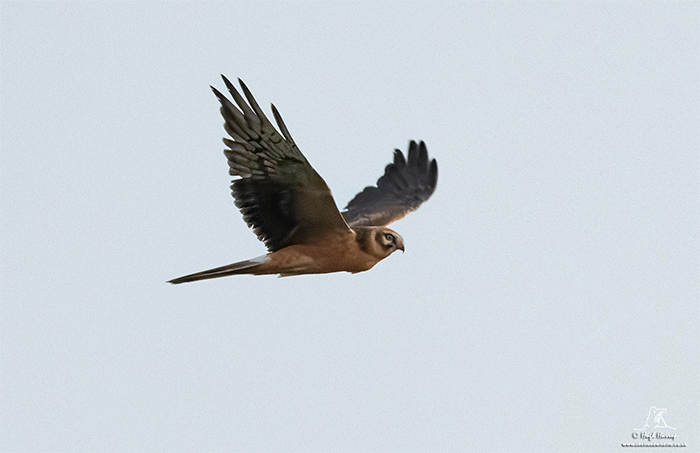
A Montagu’s Harrier was reported from Pulborough Brooks RSPB (West Sussex) on 21st; and another was seen on Skokholm (Pembrokeshire) on 26th-27th. One was again seen at Eastleach Downs (Gloucestershire / Oxfordshire) on 27th.
A possible Black Kite was seen at Garford (Oxfordshire) on 25th.
And finally, the Black-winged Kite remained steadfast in Norfolk this week at Sea Palling on 21st-26th.
Surely due to move on from Gloucestershire any day now, the stunning Long-tailed Shrike remained at Eastleach Downs on 21st-27th.

Up on Fair Isle (Shetland) the Woodchat Shrike was settled still on 21st-26th also, joined for the week by another bird found on Cape Clear (Co.Cork) on 27th.
A handful of Red-backed Shrike were seen in recent days – on 23rd on Fair Isle, at Felixstowe Ferry (Suffolk), and at Combe Valley CP (East Sussex); on 25th at West Runton (Norfolk); and on 27th in Northumberland at Low Newton-by-the-Sea and Newbiggin.
Some Bee-eater added colour to proceedings, seen at Dover (Kent) and Donna Nook (Lincolnshire) on 21st, Walmer (Kent) on 22nd, Gibraltar Point NNR (Lincolnshire) on 23rd, at Cregneash (Isle of Man) on 27th, and heard at Wolla Bank (Lincolnshire) on 26th and Galley Head (Co.Cork) on 27th.
A Hoopoe was seen in Kent on 26th at Samphire Hoe CP and Abbot’s Cliff; another was reported on 25th at Huttoft Bank (Lincolnshire).
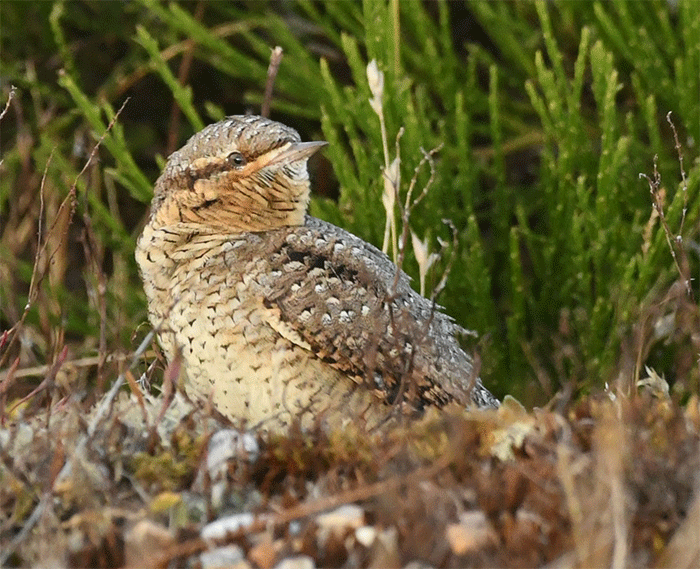
Numbers of Wryneck rose nicely this week, with almost 50 birds seen during the week, including two on Fair Isle (Shetland) on 27th. So far so good this autumn with no widely shared, distasteful videos of birds ‘performing’ in the hand… let’s keep it that way please, Instagram.
Little says autumn like a good showing of scarce and rare warblers, and this week duly obliged. Will we get through August without an early Yellow-browed? Over to the coming week for that, but this week just gone wasn’t short of interest.
First out of the blocks were Western Bonelli’s Warbler on Lundy (Devon) on 22nd, and Bryher (Scilly) on 25th.
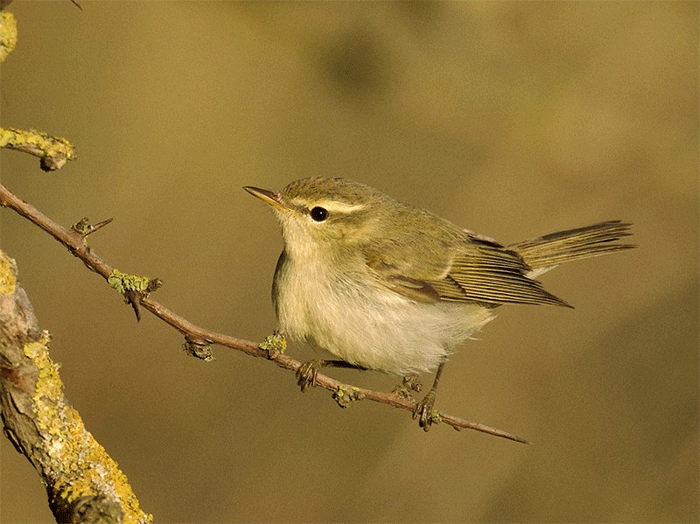
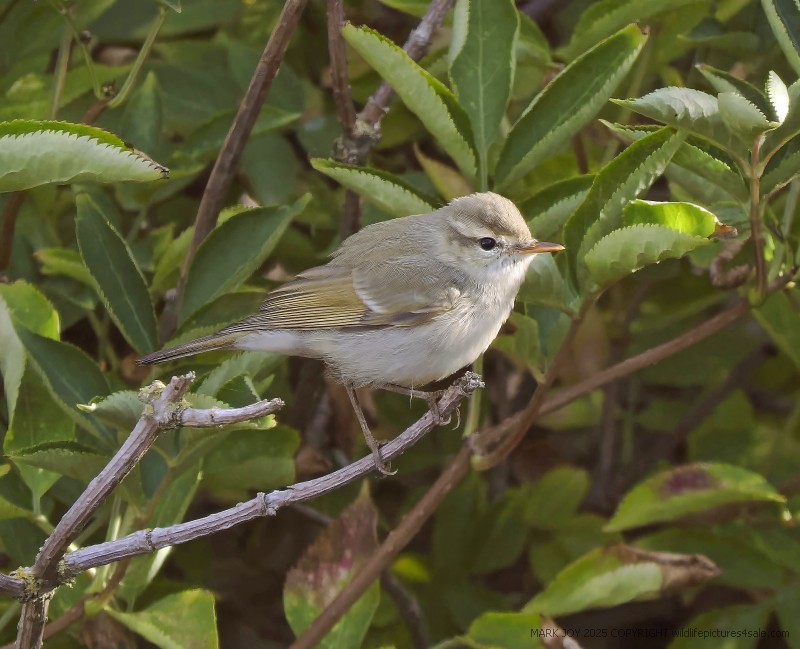
Spurn (East Yorkshire) scored a Greenish Warbler on 25th, while an Arctic Warbler was present on Foula (Shetland) on 25th also. Further Greenish Warbler were seen on 26th on Holy Island (Northumberland) and Easington (East Yorkshire); and on 27th at Buckton (East Yorkshire), and Hope’s Nose (Devon).
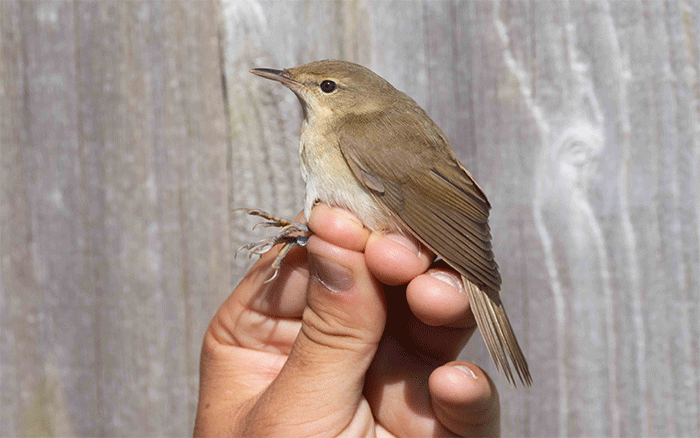
A Blyth’s Reed Warbler was trapped and ringed on Shetland Mainland at Rerwick on 22nd, and another on Fair Isle (Shetland) on 26th, with a further bird also on Foula on 26th, and one on Shetland Mainland at Channerwick on 27th; and a Marsh Warbler was trapped and ringed at Trimley Marshes SWT (Suffolk) on 23rd.
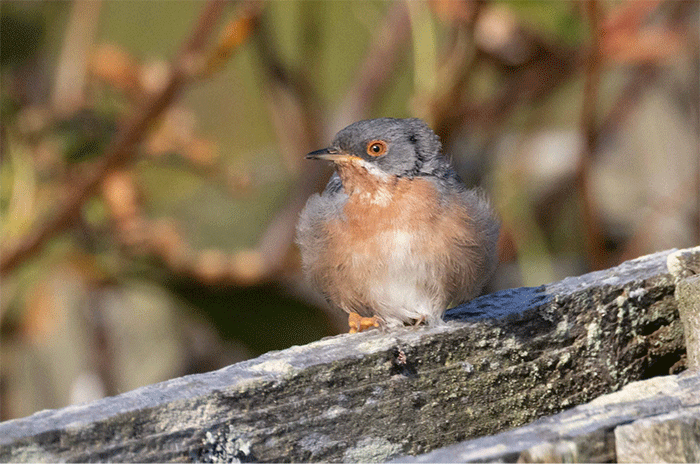
On Fair Isle (Shetland), the apparently resident male Western Subalpine Warbler remained present on 23rd-27th, while a female probable Subalpine Warbler sp was seen on St Mary’s (Scilly) on 21st, and another bird also made a brief appearance on Whalsay (Shetland) on 27th.
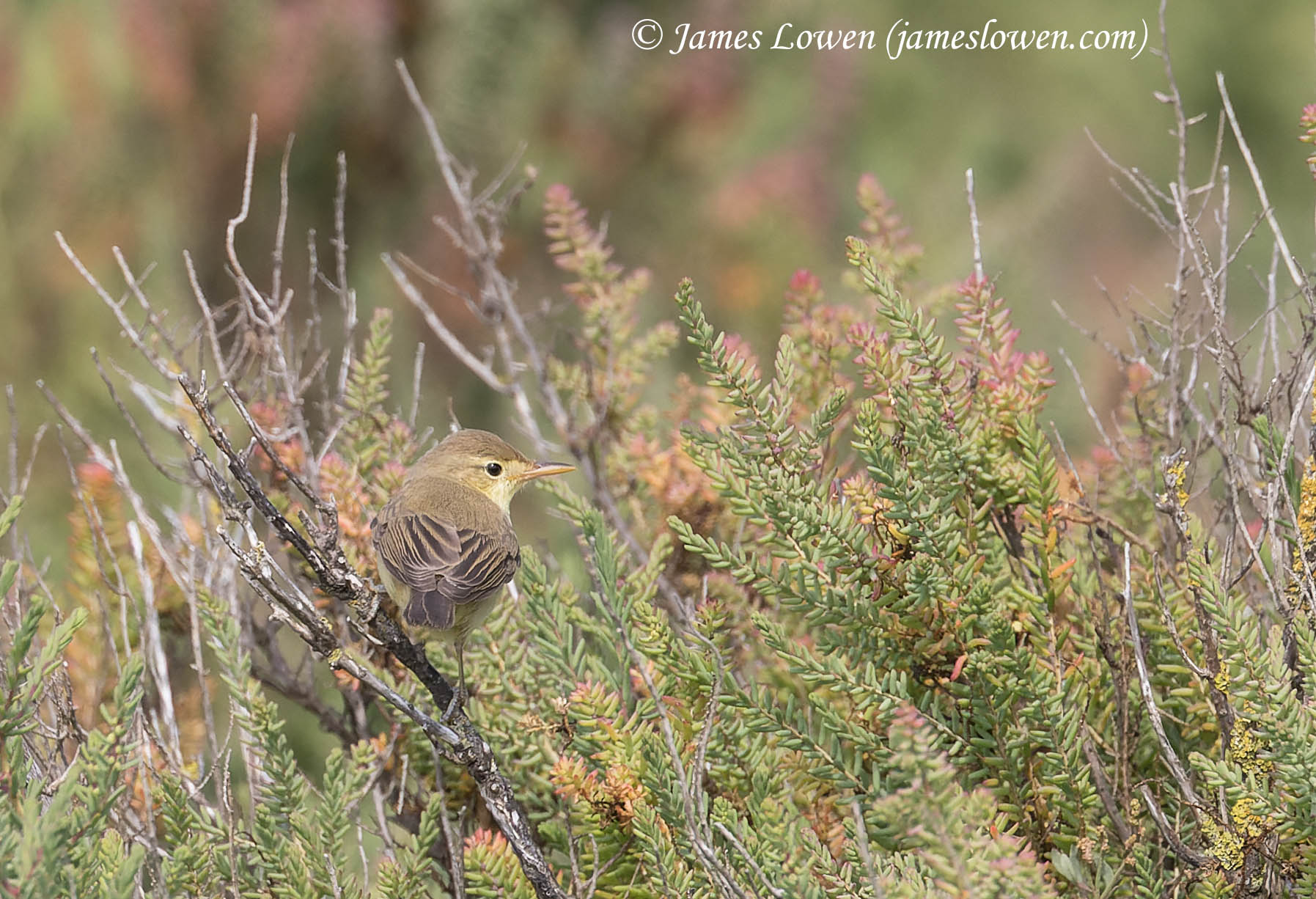
Scilly also gave us Melodious Warbler on St Agnes and St Mary’s on 25th, with additional birds seen on 26th on Skokholm (Pembrokeshire) and Blakeney Point (Norfolk), the former remaining the following day; while Icterine Warbler were seen on Portland (Dorset) on 22nd, at Kenidjack (Cornwall) on 24th, Blakeney Point (Norfolk) on 26th, and Isle of May (Fife) on 27th.
25 Barred Warbler this week marked the arrival of autumn, with three present on Fair Isle (Shetland) on 22nd-23rd and 25th rising to seven birds on 26th standing out from the crowds.
At least four Zitting Cisticola remained at Walberswick NNR (Suffolk) on 23rd.
On Orkney the adult Rosy Starling was once more seen at Harray on 22nd; another was present on Lundy (Devon) on 27th.
Shetland meanwhile landed a Bluethroat at Sumburgh on 25th.
A Red-breasted Flycatcher was found on 27th on Holy Island (Northumberland).
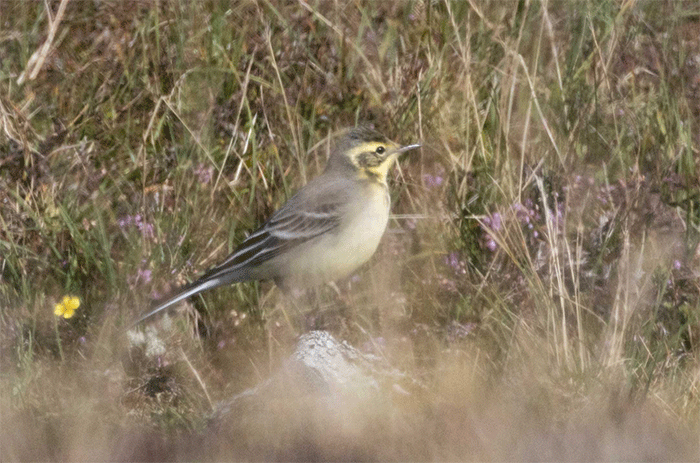
Fair Isle (Shetland) held onto its recent Citrine Wagtail on 21st-22nd, with it or another there again on 26th. On 27th further birds were found on St Agnes (Scilly) and Arranmore (Co.Donegal), and a possible on Bardsey (Gwynedd).
A Red-rumped Swallow arrived in Carlisle (Cumbria) over the River Calder on 27th.
Another firm sign of autumn was the arrival of multiple Common Rosefinch on Shetland – single birds on Mainland in the south at Hillwell on 23rd and Dalsetter on 25th; on Out Skerries on 23rd; Whalsay on 24th; and Unst and Fair Isle on 25th, with two on Fair Isle by 27th. One was also seen on North Ronaldsay (Orkney) on 25th-27th and, on 26th, a couple were found further south – at Kilnsea (East Yorkshire) and Kelling (Norfolk).
A Serin was at Spurn (East Yorkshire) on 27th.
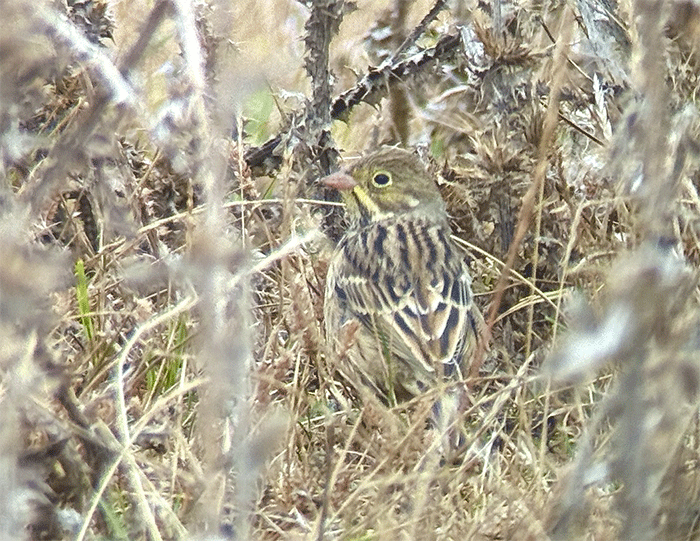
Mobile Ortolan Bunting were also on the move – birds noted over Pendeen (Cornwall), Lundy (Devon), and Lydstep (Pembrokeshire) on 23rd; over St Levan (Cornwall) on 25th; and on the deck briefly in East Yorkshire at Sammy’s Point on 25th, and over Spurn on 26th. On 27th one was present at Merthyr Tydfil (Glamorgan), one on Lundy, another on Bardsey (Gwynedd), and in Ireland on Skelling Michael (Co.Kerry), Cape Clear (Co.Cork), and at Brownstown Head (Co.Waterford).
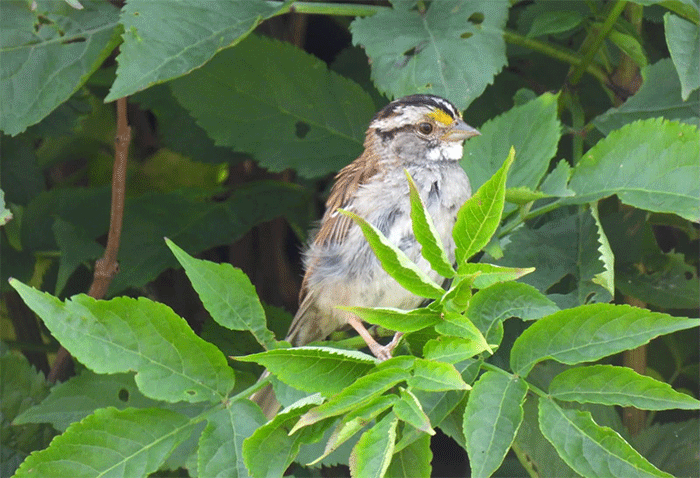
Finally, in Fife the White-throated Sparrow was again seen on Isle of May on 23rd-26th.
Our overseas news was a quiet affair this past week, though try telling that to birders in Kuwait, where a Variable Wheatear was found at Mutla’s Farm on 24th.
In Spain the resident Cape Gull was still present at Laredo on 22nd-27th.
The coming week sees us entering September and that, as we all know, is where the sharp, pointy bit of the year begins – autumn proper is almost upon us. The weeks to come brim with potential.
But what of the dog days of August? Traditionally good for a Citrine Wagtail or a Tawny Pipit, with a following wind we might do a little better… Our minds continue to turn to warblers, with rare and scarce options alike to be considered – sure, a Booted Warbler still feels like a good call, but what about a Sykes’s Warbler? The coming week boasts three historic records of the latter, after all.
Paddyfield and Blyth’s Reed Warbler also feature historically from the coming week, but more prominent are those early autumn classics, Arctic and Greenish Warbler. Both eminently self-findable in the coming week…
Jon Dunn
28 Aug 2026
Many thanks to all this week's contributors for your photos and videos and to everyone who contributed throughout the year.
Get Breaking Birdnews First
Get all the latest breaking bird news as it happens, download BirdAlertPRO for a 30-day free trial. No payment details required, and get exclusive first-time subscriber offers.
Share this round-up