Weekly birding round-up: 1 - 7 August 2025
The first appreciable storm of the gathering autumn broke upon us this week, with a bit of an upturn in seabirds on its coat-tails. But the main news was breaking down in East Anglia, where a first for Suffolk was in the offing.
The most northerly British Zitting Cisticola to date also happens to have been Britain’s first – the bird found initially at Cley (Norfolk) on 24th August 1976, and which was presumed to also account for that seen at Holme on 29th August – 5th September that same year.
That first was followed in quick succession by another in Dorset in June 1977, but then nothing until the memorable unblockers that dropped into Portland and Hengistbury Head (Dorset) in May 2000. And after that, they’ve begun to turn up a little more regularly, not least in Kent.
This year alone, we’ve had one in Kent at Foreness Point on 2nd-3rd July; and a report of another down in Cornwall at Marazion Marsh RSPB on 24th July. There’s a notable south coast bias to our records, first for Britain notwithstanding.
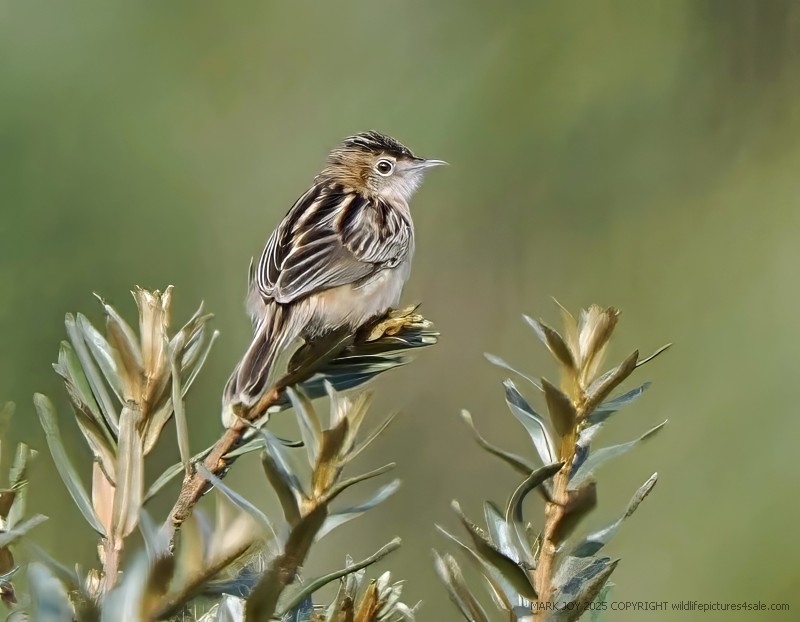
That changed this week with the discovery of our second (or maybe third) of the year, this time up in Suffolk at Walberswick on 3rd-7th – in song, no less. Needless to say, this was a first for Suffolk. The way things are going, in the next decade or two one suspects it’s not the county’s last record – the pace is quickening for this near-Continent mega on British soil.
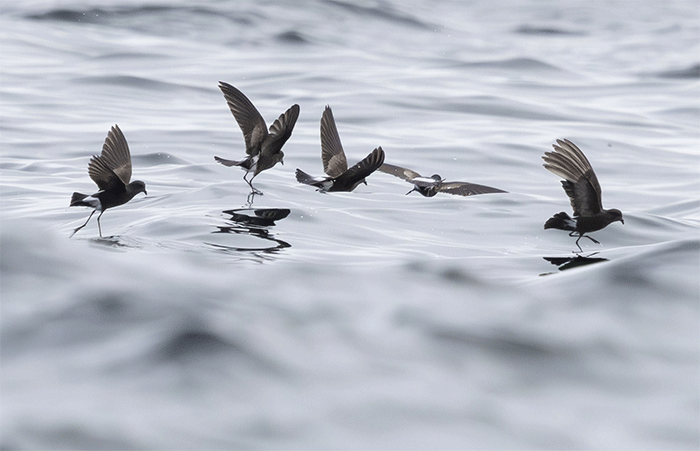
The week did the absolute business where Wilson’s Petrel were concerned, with over 300 birds logged in Britain and Ireland as a whole. There were, inevitably, some stand out tallies in and amongst that – 36 birds seen from the Scilly pelagic of 4th, and 33 on the pelagic of 7th; Cornish totals of 19 birds and 17 birds on 4th from Porthgwarra and Pendeen respectively, with 17 again tallied from the latter site on 6th; 15 seen from a pelagic off Penzance on 3rd; and some chunky Irish totals – 20 birds seen at sea off Seven Heads (Co.Cork) on 3rd; 31 birds noted from Bridges of Ross (Co.Clare) on 4th; and 20 seen feeding around a dead porpoise off Brandon Point (Co.Kerry) on 4th.
A probable Leach’s Petrel was seen from Ganavan (Argyll & Bute) on 5th.
A Fea’s Petrel sp was seen in Cornwall again this week off Pendeen in the early afternoon of 4th; while further sightings came on 5th from Annagh Head (Co.Mayo) and Bridges of Ross (Co.Clare).
A Barolo Shearwater was found on 6th off Galley Head (Co.Cork).
A Yelkouan Shearwater was found on 7th from Berry Head (Devon).
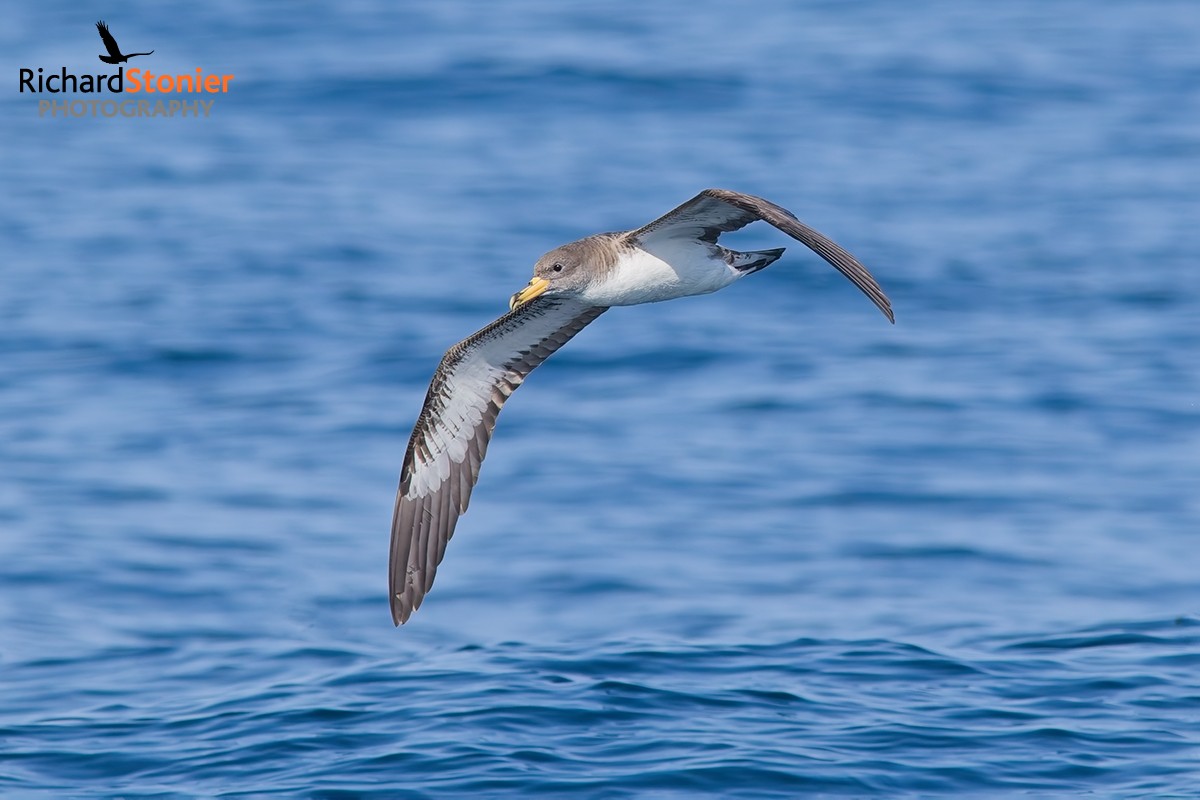
Numbers of large shearwaters began to rise, with a shade over 600 Cory’s Shearwater and 700 Great Shearwater respectively noted during the course of recent days.
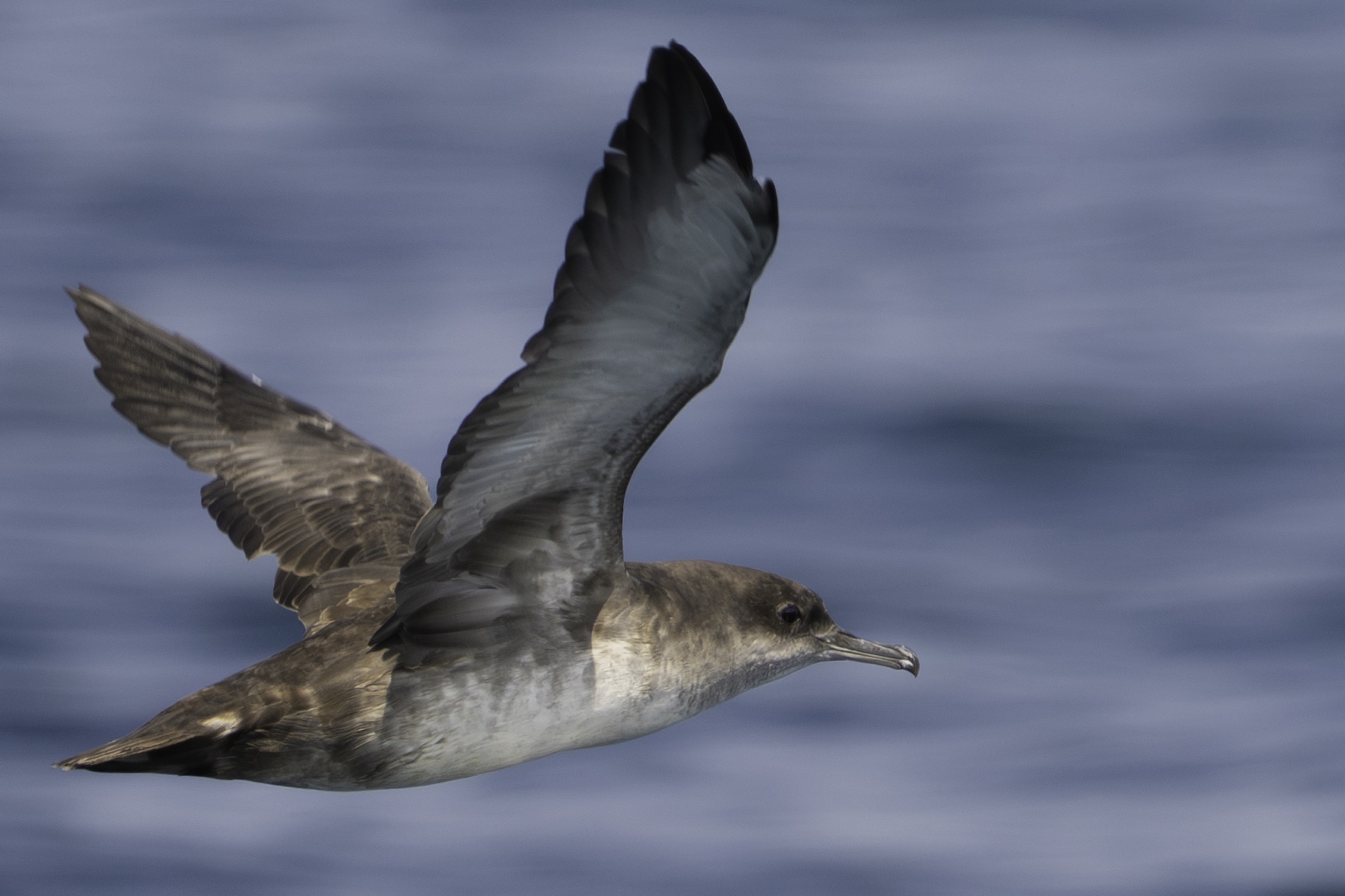
Appreciable numbers of Balearic Shearwater were also logged, not least off storm-lashed Orkney, where 1,300 were seen from Westray on 5th. Overall, at least 5,650 birds were noted in Britain and Ireland as a whole this week, two even making it up to Shetland where they were seen west of Foula on 5th.
And suddenly there were Pomarine Skua again, with daily sightings rising sharply this past week – overall, around 80 birds were reported, with counts of five birds on 5th coming at sea from the ferry between Lochmaddy and Uig (Western Isles), and off Bloody Foreland (Co.Donegal), both notable.
Single Long-tailed Skua were seen from the Scilly pelagic on 2nd; on 3rd from North Foreland (Kent); on 4th from St Ives (Cornwall) and Annagh Head (Co.Mayo); on 5th from Bridges of Ross (Co.Clare); on 6th off Papa Westray (Orkney), Galley Head (Co.Cork), and Toe Head (Co.Cork); and on 7th from Spurn (East Yorkshire).
Last but not least, a White-billed Diver was an unseasonal bird in Dunnet Bay (Highland & Caithness) on 6th.
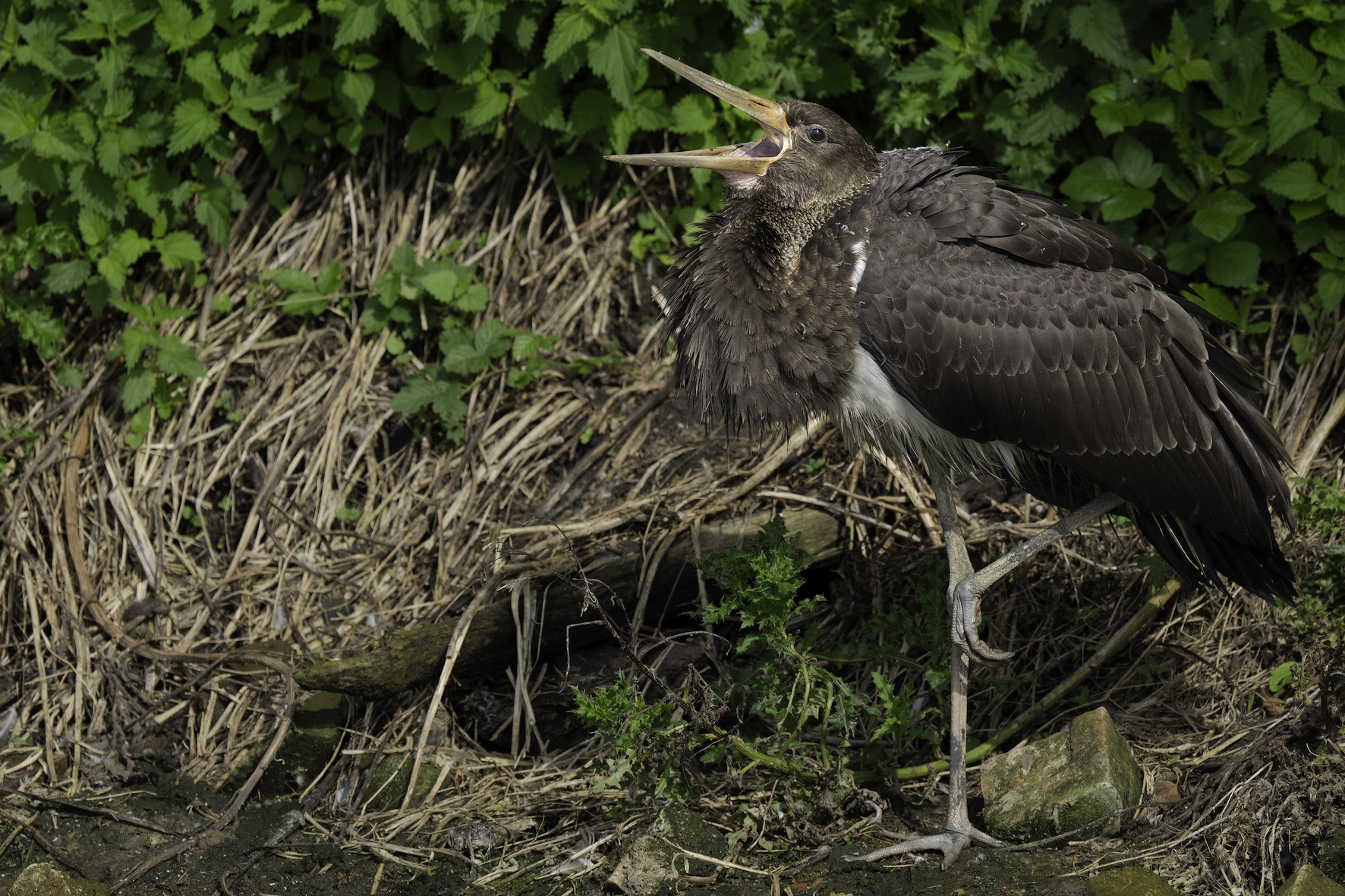
Continuing to command the long-legged beasties this week, the juvenile Black Stork remained settled in Suffolk, still to be seen in recent days around Boyton Marshes RSPB on 1st-7th.
The recent Night Heron remained at Marden Quarry (Northumberland) on 1st-2nd, and the Rye Meads RSPB (Hertfordshire) individual was again there on 4th; while a probable was noted over Dungeness RSPB (Kent) on 1st; and one was sound-recorded passing over Felixstowe (Suffolk) in the early hours of 7th.
A Purple Heron was tracked on the north Kent coast on 1st, seen initially off Reculver and latterly at Swalecliffe. In Cambridgeshire one was again noted at Kingfishers Bridge NR on 3rd, and March Farmers on 6th-7th; and one more was in Kent at Stodmarsh NNR on 6th.
For the first time in quite a while we threatened double figures for Glossy Ibis again this week – two were seen in Ireland over Dunarvan (Co.Waterford) on 5th; lingering birds remained at Deeping Lakes LWT (Lincolnshire) on 1st-4th, at Otmoor RSPB (Oxfordshire) on 1st-7th, at Misson (Nottinghamshire) on 1st-2nd, on Sanday (Orkney) again on 3rd and 6th, and in Cambridgeshire at Etton-Maxey Pits again on 5th; while single birds were seen in Lancashire & North Merseyside at Conder Green and Leighton Moss RSPB on 3rd, in Devon at Bowling Green Marsh RSPB on 4th-5th, on 6th over Thornwick Bay (East Yorkshire), and on 7th at Hornsea Mere and Spurn (East Yorkshire), and at Fremington Pill (Devon) again.
The weekly quackers continued to provide some limited late summer colour and variety, not least in the form of erstwhile mega Lesser Scaup - the two drakes remained at Belvide Reservoir (Staffordshire) on 1st-7th; and the drake at Audenshaw Reservoirs (Greater Manchester) still on 6th-7th.
The eclipse drake Ring-necked Duck also remained at Ogston Reservoir (Derbyshire) on 1st-6th, with a report of two birds present on 1st. A drake remained at Fen Drayton Lakes RSPB (Cambridgeshire) on 2nd-4th; and a drake at Cowcaddens (Clyde) on 3rd-4th.
In Warwickshire the drake Ferruginous Duck remained at Draycote Water on 1st-4th; Cambridgeshire sightings came on 3rd again at Colne GPs, on 3rd-6th at Fen Drayton Lakes RSPB, and again at Earith GPs on 6th.
Finally, to Scotland where the immature drake White-winged Scoter was still at Musselburgh Lagoons (Lothian) on 1st-6th, and the drake again at Kinnaber (Angus) on 2nd.
Also still present in the Musselburgh area, the drake Surf Scoter remained present on 1st-5th; and an immature drake was off Murcar (Aberdeenshire) on 5th.
We start the weekly waders in Shetland where, on 2nd, Brydon Thomason and Unst were at it again with yet another good Nearctic wader, this time an American Golden Plover. Another was still present on Rogerstown Estuary (Co.Dublin) on 2nd-7th.
Anglesey scored a Pacific Golden Plover on 2nd briefly on the Alaw Estuary.
Just the two White-rumped Sandpiper featured this week, still present (until flushed) at Oare Marshes KWT (Kent) on 1st, and again at Beacon Ponds NR (East Yorkshire) on 7th.
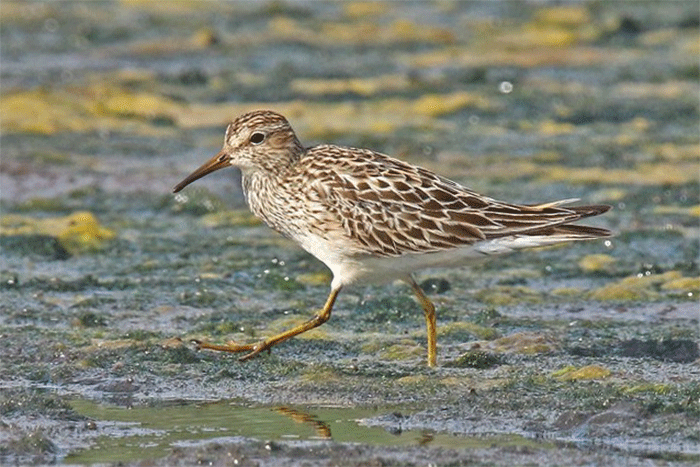
We did better for Pectoral Sandpiper - one remained in Kent at Dungeness on 1st-7th; another in Norfolk still at Snettisham RSPB on 1st-3rd; and one still at Lady’s Island Lake (Co.Wexford) on 1st. Additional birds were found on 1st-4th at Freiston Shore RSPB (Lincolnshire), on 5th on Sanday (Orkney), and on 7th at Margrove Ponds (Cleveland) and Worth Marsh RSPB (Kent).
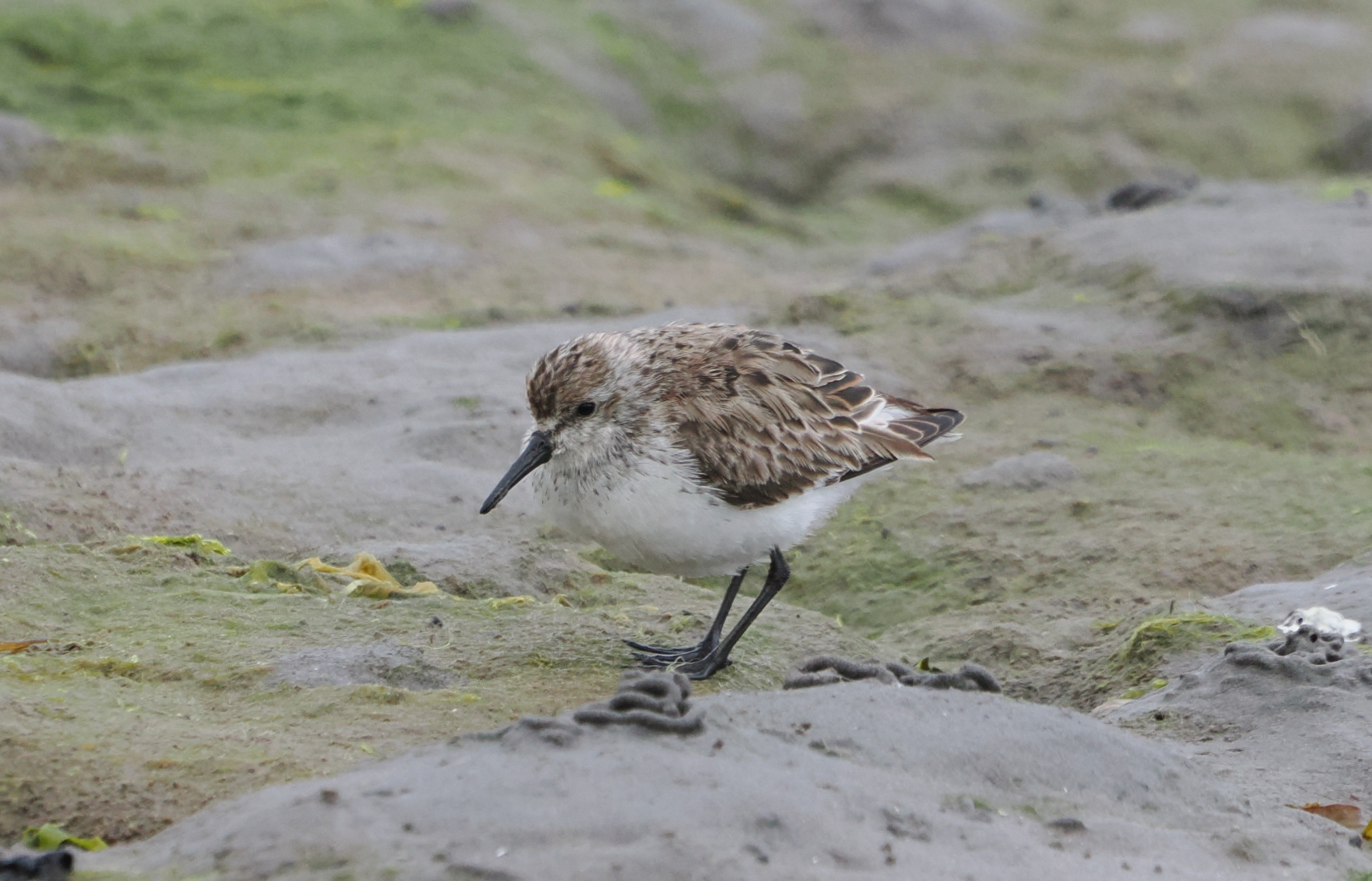
In Ayrshire, it seemed for a while as if the Western Sandpiper show had finally drawn to a close – but then there it was again at Maidens on 5th and 7th.
The Temminck’s Stint remained at Abberton Reservoir (Essex) on 1st-3rd.
The Long-billed Dowitcher remained at Tacumshin (Co.Wexford) on 1st-7th.
In Lancashire & North Merseyside the Lesser Yellowlegs was again seen at Leighton Moss RSPB on 2nd-5th, while the Normandy Marsh (Hampshire) bird was again reported on 4th.
Lastly, single Grey Phalarope were seen from the Scillonian on 4th, and Bridges of Ross (Co.Clare) on 5th; and a Red-necked Phalarope at Blanket Nook (Co.Donegal) on 6th.
Best of the gulls this week was the first-summer Laughing Gull seen again at Trabeg (Co.Kerry) on 1st.
Meanwhile in Kent the adult Bonaparte’s Gull was still settled at Oare Marshes KWT on 1st-7th; and a probable first-summer was seen heading west past Cley (Norfolk) on 6th.
A shade over 20 Sabine’s Gull marked the blossoming seawatching season, with some sites enjoying multiple birds. Four were seen from Bridges of Ross (Co.Clare) on 5th, following three from here the prior day; three were noted from Strumble Head (Pembrokeshire) on 5th; two off Islay (Argyll & Bute) on 4th; and two from Bloody Foreland (Co.Donegal) on 5th.
A Ring-billed Gull was seen on 6th at Clahane (Co.Clare).
Pick of the terns was the Elegant Tern logged passing Annagh Head (Co.Mayo) on 3rd.
Graveney Marshes (Kent) generated a report of a Gull-billed Tern on 3rd.
Nottinghamshire meanwhile gave us Caspian Tern on 1st at Kilvington, and on 2nd at Holme Pierrepont; another report came from Rutland Water (Leicestershire) on 4th; and one was seen in Cornwall at Helford on 2nd.
Finally, the female American Black Tern was again seen at Tyninghame Bay (Lothian) on 1st and 6th.
Couched with some vagueness at this stage, an adult male Northern Harrier was reported from an undisclosed site in Co.Clare on 5th.
Apart from this, our only notable raptor this past week was a Black Kite seen initially on 3rd over Blandford Forum (Dorset) and, latterly, at Winterbourne Dauntsey (Wiltshire).
A Hoopoe was reported from Bookham Common (Surrey) on 4th, but wasn’t seen there subsequently.
At least three Red-backed Shrike (the two adults, and one of their young) remained in Shetland at Aith Meadows SSSI on 3rd.
Also in Shetland, on Fair Isle the settled male Eastern Subalpine Warbler made it into another month, remaining there on 2nd.
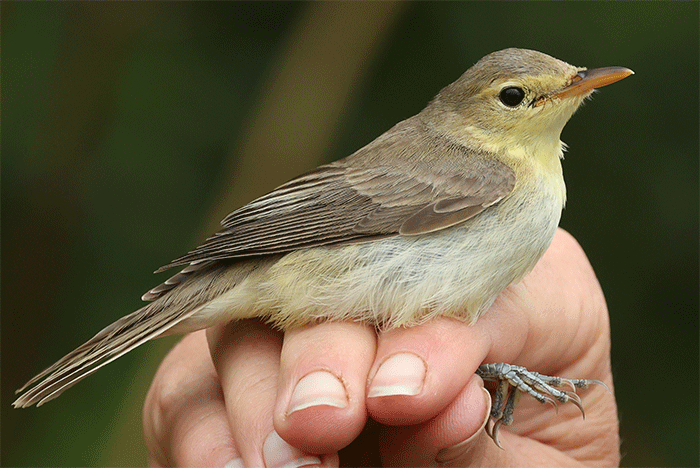
The first of the autumn’s Melodious Warbler was trapped and ringed on Portland (Dorset) on 5th; another was present on St Mary’s (Scilly) on 6th; and a final bird for the week was trapped and ringed on Skokholm (Pembrokeshire) on 7th.
Finally, an Ortolan Bunting was noted heading over Spurn (East Yorkshire) on 7th.
In the Netherlands this week the Pygmy Cormorant remained at Natuurpark Lelystad on 2nd-4th.
In Spain, the resident Cape Gull remained at Laredo on 5th still.
While it’s tempting to continue to bang on about waders and seabirds this coming week – and surely we’re due a Brown Booby some day soon? – alternative opportunities are now very much available for the keen local patchworker.
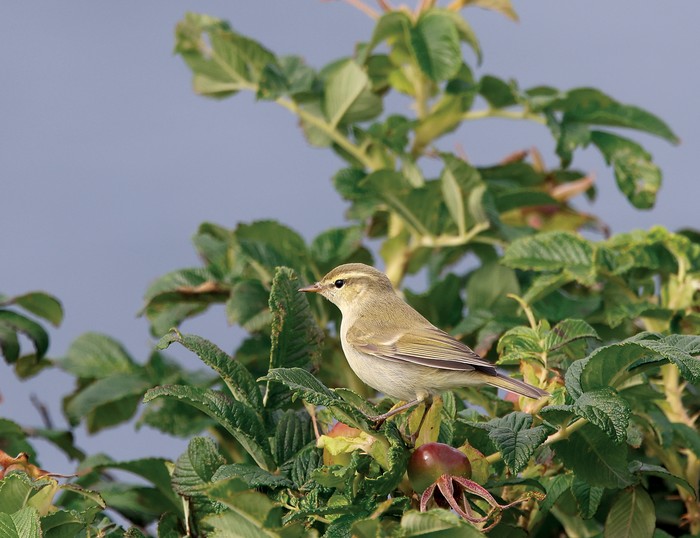
The second week of August sees us getting firmly into Greenish Warbler territory for those of a coastal birding persuasion while, even for those anchored inland, it’s a great time for a wayward White-winged Black Tern. Neither is going to set the national mega alert chiming – but, at a local level, both represent quality finds.
Jon Dunn
8 August 2025
Many thanks to all this week's contributors for your photos and videos
Share