



Weekly birding round-up: 16 - 22 Jan 2026
Fair to say the past week featured some truly foul wet weather for much of Britain and Ireland, but our birding spirits were scarcely dampened by the lingering presence of Norfolk’s headline raptor, and the discovery of a stripy plover in Hampshire. If only a certain gull in Co.Galway had been clinched, we’d have had a January week for the ages.
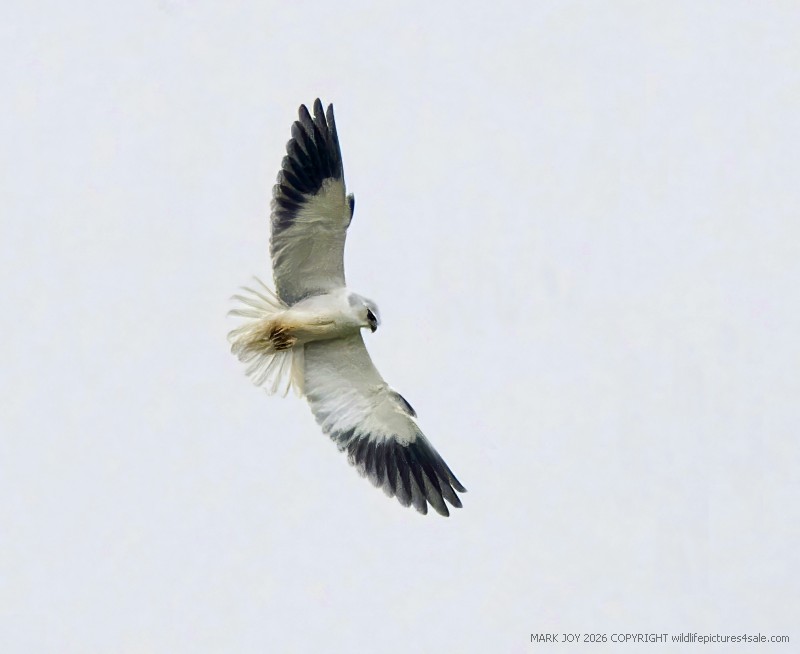
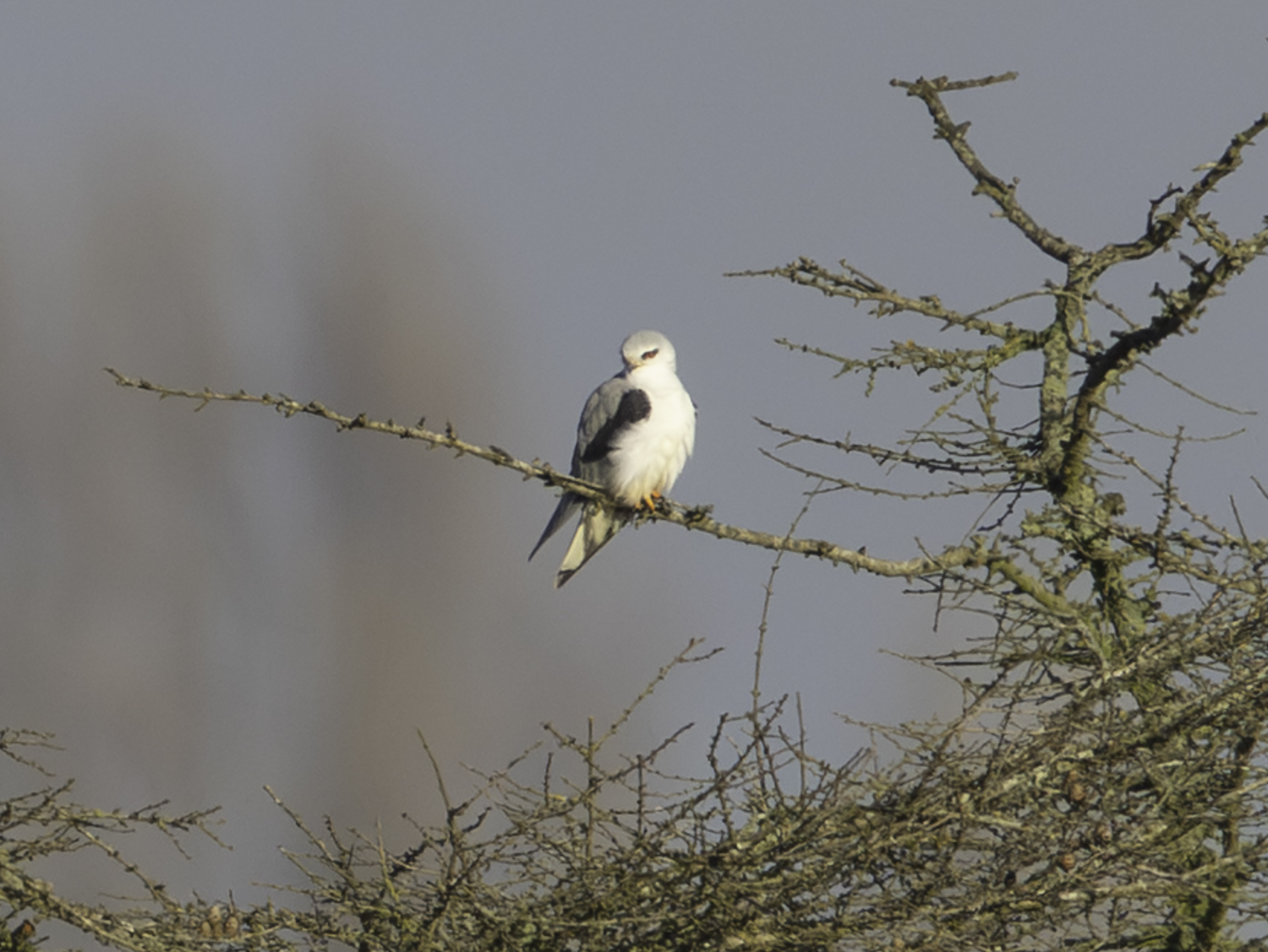
Comfortably the rarest bird in Britain for another week, the Black-winged Kite continued to haunt the Hickling Broad NWT area of Norfolk throughout the week until 22nd, understandably still proving to be a potent draw for birders from near and far.
Hampshire’s only Killdeer on the books to date isn’t from far enough back in the mists of time that it’ll be absent from every extant Hampshire birders’ lists… Nonetheless, a record from 28th-29th September 1980 is sufficiently long ago that breaking news this week of a bird at Ripley Farm Reservoir in the morning of 21st will have galvanised many local birders to drop everything and go for it during the day – the bird pleasingly stayed put there into the afternoon.
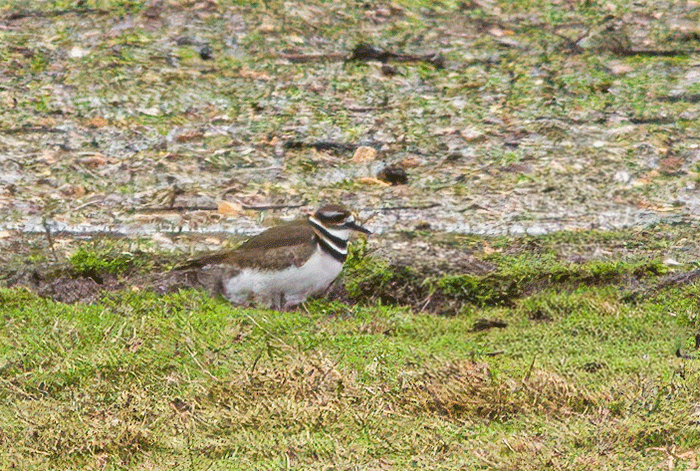
Better yet for those who needed a winter sick bug to develop overnight that would keep them off work on Thursday, it was still present there on 22nd. Should it linger into the weekend it’s likely to prove a popular bird.
Pick of the seabirds once again this week was the Double-crested Cormorant still to be seen on Doon Lough (Co.Leitrim) on 20th.
Both of the recent Pacific Diver remained in Cornwall, single individuals seen from Mousehole still on 16th, and off Penzance again on 20th, followed by both again off Roskilly on 22nd.
Shetland accounted for White-billed Diver in Bluemull Sound on 16th, and from the Whalsay ferry near Vidlin on 20th.
A Balearic Shearwater was seen from Porthleven (Cornwall) on 18th.
Last but not least, a Little Auk was seen from Brora (Highland & Caithness) on 22nd.
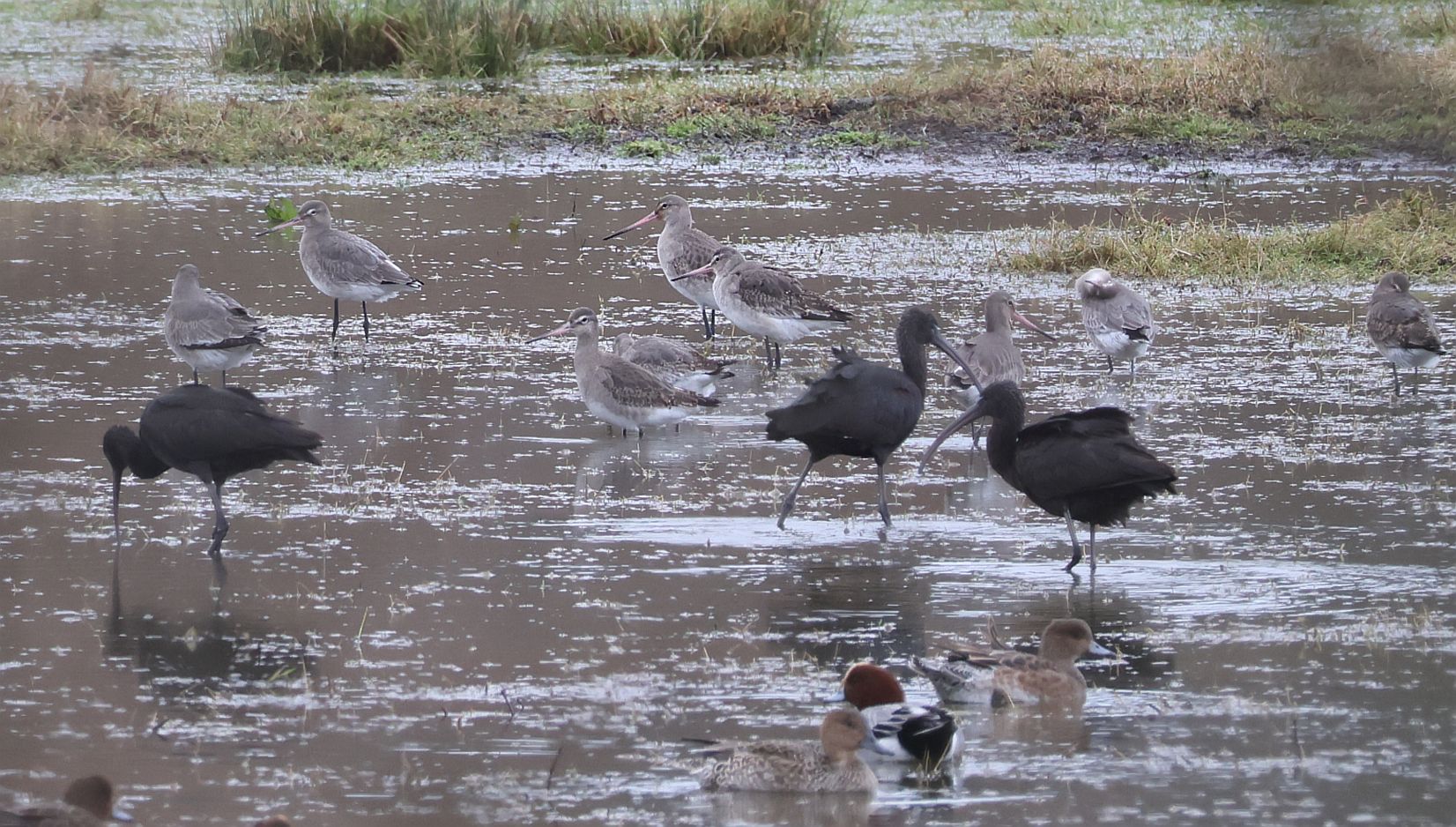
Still plenty of Glossy Ibis out there. And that is all.
Onto the honkers and quackers, where there was no shortage of birds going round. Starting with The Goose Formerly Known As Canada, an interior Todd’s Canada Goose was found in Norfolk at Burnham Overy Marshes on 19th-20th; hutchinsii Richardson’s Cackling Goose were seen at Caerlaverock WWT (Dumfries & Galloway) on 16th, Drimvore (Argyll & Bute) on 17th, at Dunfanaghy New Lake (Co.Donegal), where two remained on 16th-17th and, on 22nd, in Cumbria at Kirkbride.
The Ross’s Goose remained in Argyll & Bute at Drumlemble on 17th, while further regular sightings of a bird this week came on 17th-21st in Cumbria near Lessonhall.
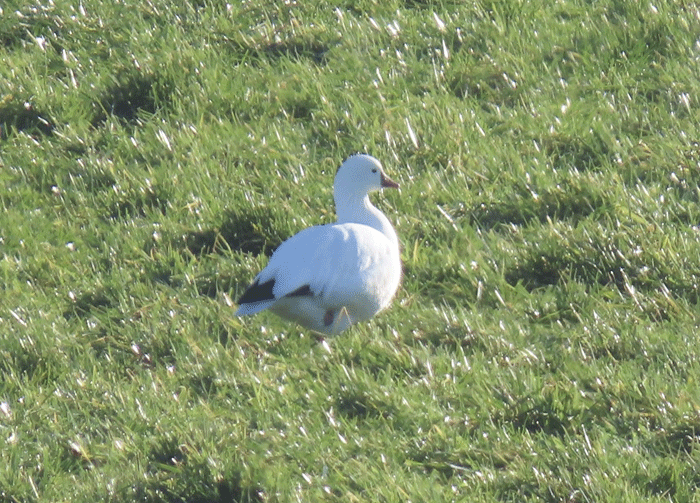
The settled Snow Goose remained in Lincolnshire around Deeping Lakes LWT on 16th-22nd; while one was again seen in Lancashire & North Merseyside at Southport again on 16th; the Insh Marshes RSPB (Highland & Caithness) individual remained there on 18th; and a bird was found on 21st near Locharbriggs (Dumfries & Galloway).
Essex was again dominant in sightings this week of Black Brant - birds were seen at Fleet Head still on 16th, at Southey Creek on 19th, and at Clements Marsh on 20th. Suffolk meanwhile supplied sightings at Aldeburgh Town Marshes on 16th, and Sudbourne Marshes on 19th-20th. A bird was seen again in Hampshire at Hayling Island on 17th-20th.
The recent Red-breasted Goose in Essex continued to be seen sporadically as the week wore on, at Wallasea Island RSPB on 16th and 21st again; at Fleet Head on 17th; and at Clements Marsh on 20th.
Moving on to the ducks, the first-winter drake Baikal Teal was again seen on the River Loughor around Waungron (Glamorgan / Carmarthenshire) on 17th-22nd.
Numbers of American Wigeon logged in Britain and Ireland dropped a little, with seven birds noted during the week – in Shetland still at Loch of Brow on 17th and Loch of Spiggie on 18th; at Newshot Island (Clyde) still on 16th-22nd; at Big Waters NR (Northumberland) on 16th-19th still; at Preston (Lancashire & North Merseyside) still on 16th-21st; in Somerset at Shapwick Heath NNR still on 17th-22nd; on Orkney at Sanday on 18th; and in Co.Clare at Ballyvaughan still on 19th.
Green-winged Teal meanwhile held their own, with a little over a dozen birds seen across the region during the week.
In Norfolk the recent drake Ferruginous Duck remained on Filby Broad on 16th, and adjacent Ormesby Little Broad on 17th. A drake was seen in Cambridgeshire at Colne Fen GPs on 18th.
Lesser Scaup continued to be a regular winter fixture in Britain and Ireland alike. In England, two were still to be seen in Cornwall at Helston on 16th-19th; the female remained in Leicestershire on Swithland Reservoir on 17th-22nd; the drake in Essex on Abberton Reservoir on 16th-17th; one on Staines Reservoir (Surrey) on 16th-20th; and the female at Ellesmere (Shropshire) on 16th-21st. Irish sightings came from Tacumshin (Co.Wexford) still on 17th-22nd; on Lough Clubir (Co.Cork) still on 17th-20th; on Lough Ennell (Co.Westmeath) still on 17th; at Newtownards (Co.Down) on 16th; and at Lough Neagh (Co.Armagh) on 17th, rising to two birds there on 21st.
Just shy of 40 Ring-necked Duck were logged during the week, with one site alone accounting for fully a quarter of them – 10 birds were present on Lough Yganavan (Co.Kerry) on 18th.

The drake Bufflehead remained on Kilbrean Lake (Co.Kerry) on 17th-21st.
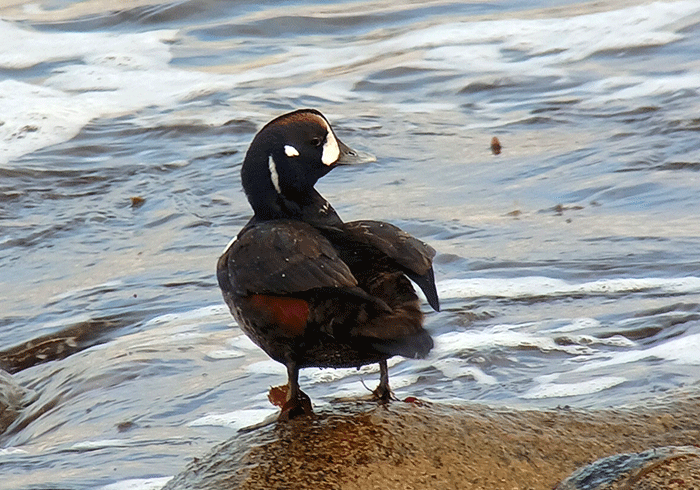
Also brightening Ireland this week, the first-winter drake Harlequin Duck remained at Curransport (Co.Donegal) on 16th-22nd.
In Highland & Caithness the first-winter drake King Eider remained at Dornoch Bay on 16th-19th, while in Shetland the first-winter female was still in Quendale Bay on 16th-18th.
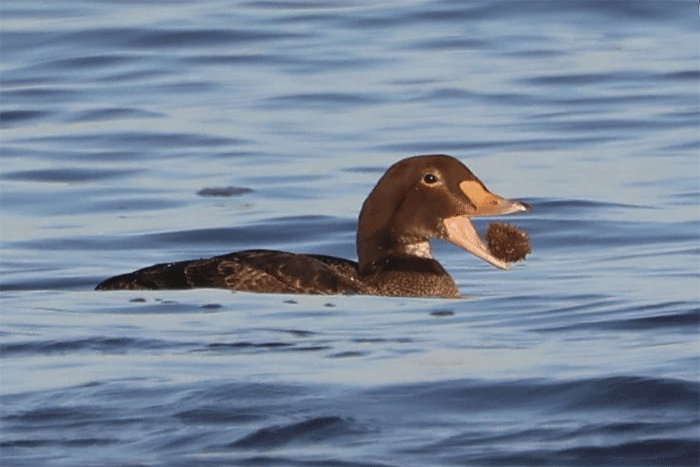
The drake Black Scoter was still present at Dornoch (Highland & Caithness) on 16th-19th, while the drake in Northumberland was again seen off Bamburgh on 18th-21st. A drake White-winged Scoter was again seen in Fife from Leven on 19th.
Two Surf Scoter remained off Dornoch (Highland & Caithness) on 16th-19th; one still off Gilman Point (Carmarthenshire) on 17th was joined there by a second individual on 18th; and two off Old Colwyn (Conwy) on 16th-19th dropped to at least one present still on 20th-22nd.
Two of our stalwart wintering waders in England remained all present and correct during the week – the female Kentish Plover remained off Burnham-on-Sea (Somerset) on 16th-20th, and the Temminck’s Stint still in Suffolk at Minsmere RSPB on 16th.
In Ireland, the Semipalmated Sandpiper remained at Seafield (Co.Clare) on 17th-19th.
In Angus the Long-billed Dowitcher was still present at Montrose Basin on 16th-18th.
A Grey Phalarope was seen in Co.Cork at Ballycotton on 17th.
Finally, Lesser Yellowlegs remained at Truro (Cornwall) on 16th-20th, and in Wales at Rhyl (Denbighshire) on 16th-20th also.
Gatecrashing the headlines if only it had been clinched, a probable adult Vega Gull was seen fleetingly at Nimmo’s Pier (Co.Galway) on 18th.
Inevitably drawing more attention to large gulls in the area, a first-winter American Herring Gull was subsequently found in Co.Galway on 19th-22nd at Waterside.
Co.Cork was bursting at the seams with Ring-billed Gull, with Cork Lough enjoying a first-winter and a second-winter on 18th, and an adult on 19th-20th; and a second-winter seen at Mardyke on 18th still. A first-winter and a third-winter were seen in Co.Wicklow at Arklow on 16th. Co.Kerry enjoyed an adult at Tralee Bay Wetlands on 22nd. In Britain the adult remained at Hayle Estuary RSPB (Cornwall) on 16th-22nd, and the adult was back again at Strathclyde Loch (Clyde) on 19th.
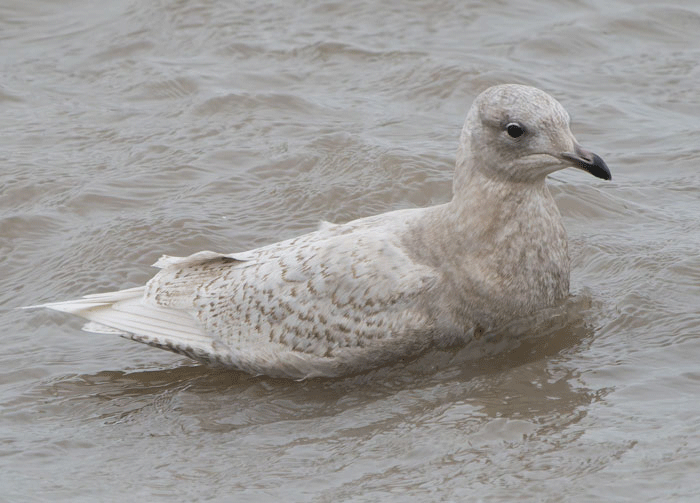
Just over 20 Glaucous Gull were logged in recent days, with two birds apiece seen in Highland & Caithness at Dunnet Bay on 17th, and Castletown on 18th. Similar numbers of Iceland Gull were also recorded during the week – variety came in the form of two Kumlien’s Gull at Loch Oire (Moray) on 16th-19th, one of which (a second-winter) lingered until 21st.
Finally, Scotland also gave us an adult Bonaparte’s Gull, seen again at Gairloch (Highland & Caithness) on 18th; and a first-winter was seen at Westfields Wetlands (Co.Limerick) on 22nd.
The weekly raptors commence once more in Co.Wexford, where the adult male Northern Harrier was still present at Tacumshin on 19th.
In Wales the female Pallid Harrier was again seen at Dalton’s Point (Glamorgan) on 17th, National Wetlands Centre WWT (Carmarthenshire) on 18th, and Llanrhidian Marsh (Glamorgan) on 18th-22nd.
A Rough-legged Buzzard was found in Co.Durham at Selset Reservoir on 20th; and another on 21st in Essex at Great Holland.
Winter passerines start with the classic of their kind, Great Grey Shrike, with Hampshire setting the pace – sightings this week came from Beaulieu Road Station still on 16th, Markway Inclosure on 18th, and Ocknell Plain on 20th-22nd. In Lincolnshire the recent bird remained outside Ingham on 16th-22nd.
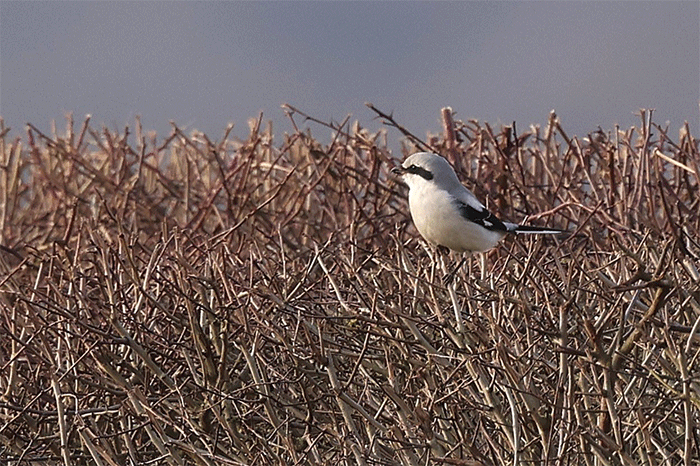
A mere handful of Waxwing were seen this week in the absence of any sizeable flocks. It’s not shaping up yet to be a classic waxwing winter by any means.
In Gloucestershire the three recent Penduline Tit remained at Aust Wetlands on 16th-18th; while Somerset gave us three more birds, present at Shapwick Heath NNR on 17th-19th, at least two of which remained there on 22nd.
A handful of Yellow-browed Warbler continued to be seen this week – one remained at Hurley (Warwickshire) on 16th-18th; a bird was seen in Cornwall at Roskilly on 17th; on 18th birds were seen in Kent at Faversham Creek, and in Somerset at Hartcliffe still; and on 19th one remained in Hampshire at Mill Field LNR.
Kent was the gift that just kept on giving this winter with the discovery of a Pallas’s Warbler present at Faversham Creek on 19th-22nd.
Positive news from Suffolk this week, where four Zitting Cisticola remained at Walberswick on 17th, and at least three still present there on 19th.
Nice to see today that at least four of the Walberswick Fan-tailed Warblers have survived the recent freeze up. Fingers crossed for the remainder of the Winter. pic.twitter.com/MrykymfhYj
— Andrew Easton (@Leostoff) January 17, 2026
Back in Kent, the Red-flanked Bluetail remained settled at Crockham Hill Common on 16th-20th.
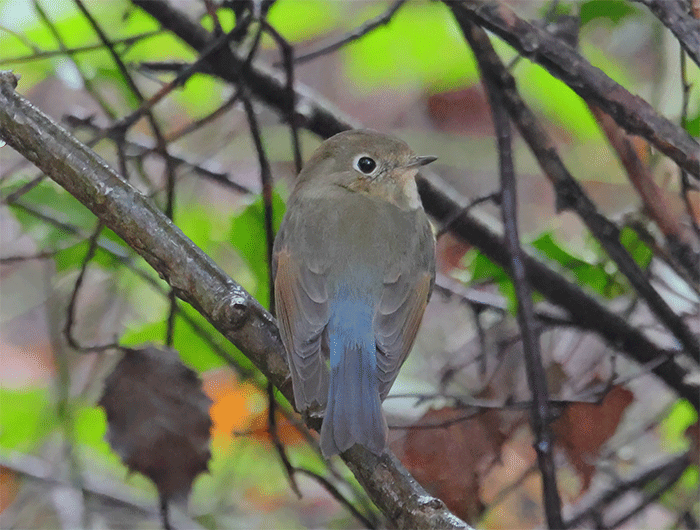
Norfolk’s first-winter male Eastern Black Redstart was staying put at Sheringham on 16th-22nd.

Also in Norfolk, the Black-bellied Dipper was again seen at Bintree Mill on 17th-18th.
The Pied Crow remained in Co.Galway at Doughiska on 20th.
And finally, the Great-tailed Grackle was still singing in Holbury (Hampshire) on 21st-22nd; and a probable was present in the Magpie roost at Garston Coastal Reserve (Lancashire & North Merseyside) in the evening of 22nd.
Not an enormous amount of change overseas this past week, with many of the usual suspects still not a million miles away from us. Starting off in France the Belted Kingfisher was still on the Canal de Nantes a Brest on 16th-21st; and an Eastern Imperial Eagle was again seen at Lac du Der on 17th.
In the Netherlands the strong>Black-faced Bunting remained on Texel on 16th-22nd, and the Pygmy Cormorant was still present at Natuurpark Lelystad on 17th-21st.
p>In Denmark the Dusky Thrush remained at Refshaleoen on 16th-21st.Up on Iceland the Baltimore Oriole remained in Reykjavik on 16th-17th.
In Spain the long-staying Cape Gull remained at Laredo on 17th-22nd, with two birds reported there on 18th.
Lastly, out on Cape Verde, Western Willet remained on Sal on 18th-22nd.
The past week surely stands testament to the potential of this time of year for striking gold in the swirling masses of large gulls that haunt our coastal margins and tips at this time of year. A candidate Vega Gull and an American Herring Gull are an auspicious reminder that sifting through gulls in January is time well spent.
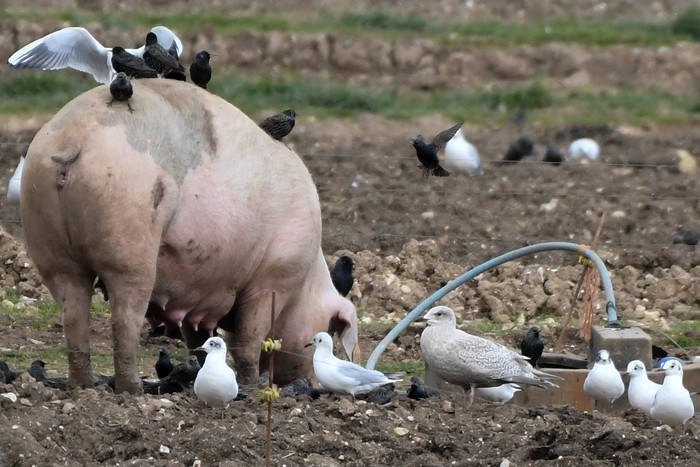
If the majesty of a first-winter American Herring Gull doesn’t float your aesthetic boat – and the last week of January is traditionally a good one for them, with four historic records – then there’s always the rarer beauty still that’s a Thayer’s Gull to aim for. Who can forget the glorious bird that settled into the pig fields of Hampshire on 28th January – 8th March 2018?
Jon Dunn
23 January 2026
Many thanks to all this week's contributors for your photos and videos and to everyone who contributed throughout the year.
Get Breaking Birdnews First
Get all the latest breaking bird news as it happens, download BirdAlertPRO for a 30-day free trial. No payment details required, and get exclusive first-time subscriber offers.
Share





