Spanish Little Swift numbers continue to rise
Once a rarity in Europe, the population of Little Swifts in the Andalusian port of Chipiona is continuing to grow, highlighting the remarkable expansion of this African species into southern Spain.
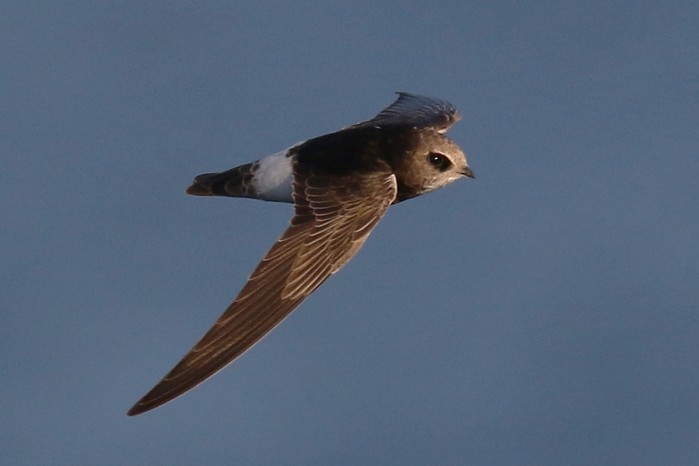
A growing colony on the Andalusian coast
According to a report published by Ornithomedia, the colony of Little Swifts Apus affinis breeding in the port town of Chipiona, in Andalusia, has continued to expand and may now exceed 250 individuals.
The species, which is widespread across Africa and parts of Asia, was once considered a great rarity in Europe. However, the Chipiona colony has become one of the most important footholds for the species on the continent and continues to show steady growth.
The birds nest on buildings and harbour structures around the port, where suitable ledges and cavities provide ideal nesting sites.
A relatively recent arrival in Europe
The Little Swift is a small, fast-flying swift distinguished by its square tail and prominent white rump patch. Unlike the Common Swift Apus apus, it often nests in colonies on buildings, bridges and cliff faces.
The species first established itself in southern Spain in the late twentieth century, with Chipiona becoming one of the key breeding locations. Since then, numbers have gradually increased as the birds have returned to the same nesting structures each year.
The continued growth of the colony suggests that the species is now firmly established in the area.
Conditions that favour the species
Urban environments such as ports and coastal towns can provide ideal nesting conditions for Little Swifts. Buildings often offer the small cavities and sheltered ledges required for nesting, while nearby open areas provide good feeding opportunities.
Insect-rich coastal airspace and favourable Mediterranean climate conditions may also contribute to the success of the species in this region.
Observers have noted that the Chipiona birds frequently nest in tight groups on harbour structures, forming a conspicuous colony during the breeding season.
Could the species expand further?
The success of the Chipiona colony raises the possibility that the Little Swift could continue to expand its European range.
Although still very localised, the growing population suggests that the species may gradually colonise other suitable coastal towns in southern Spain or elsewhere around the Mediterranean.
For birders visiting the area, the colony has become an increasingly reliable site to observe this distinctive swift, offering a glimpse of how bird distributions can change over time as species adapt to new environments.
March 2026
Get Breaking Birdnews First
Get all the latest breaking bird news as it happens, download BirdAlertPRO for a 30-day free trial. No payment details required and get exclusive first-time subscriber offers.
Share this story