£4.6m Norfolk Wildlife Trust project will create 336-acre nature reserve
Major habitat restoration project will transform farmland into wetlands and grassland for wildlife.
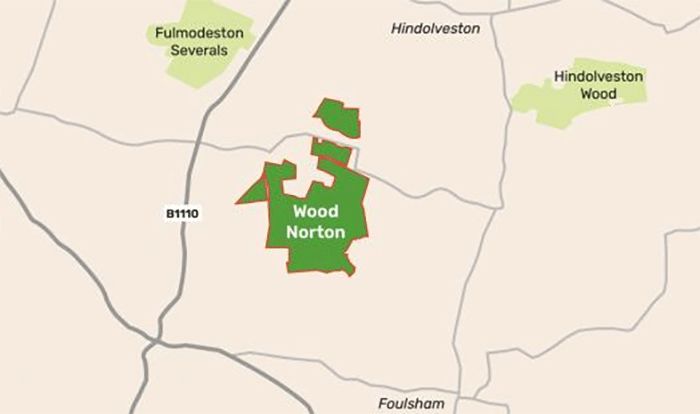
A new reserve in the making
Norfolk Wildlife Trust has announced plans to create a major new nature reserve at Wood Norton, in north Norfolk. The ambitious project aims to transform a large area of former arable farmland into a diverse landscape of wetlands, grassland and scrub, creating new habitat for birds and other wildlife.
The site lies close to several existing wildlife-rich areas in the county and has the potential to become an important new nature reserve in its own right. By restoring natural processes and reintroducing wetter conditions to the landscape, conservationists hope to encourage a wide range of species to return.
The project forms part of wider efforts across Norfolk to expand and connect habitats, helping wildlife move more freely through the countryside.
From farmland to wildlife habitat
For decades, much of the Wood Norton area has been intensively farmed, limiting the variety of habitats available to wildlife. Norfolk Wildlife Trust now plans to reverse that trend by restoring natural hydrology and creating a patchwork of different environments.
These changes are expected to include seasonal pools, wetter grassland and developing scrub habitats. Over time, such conditions could attract breeding waders, wildfowl and other wetland birds that depend on shallow water and insect-rich grassland.
Restoring wetland habitats is also expected to benefit a wide range of other species, including amphibians, insects and mammals, helping the area develop into a complex and dynamic ecosystem.
Part of a wider recovery for nature
The Wood Norton project is also intended to contribute to Norfolk’s wider nature recovery ambitions. By creating a substantial new reserve, Norfolk Wildlife Trust hopes to strengthen ecological networks across the county.
Large areas of connected habitat are increasingly recognised as essential for wildlife conservation, allowing species to expand their ranges, adapt to environmental change and maintain healthy populations.
Projects such as Wood Norton aim to demonstrate how farmland landscapes can be reshaped to deliver benefits for both nature and people.
A long-term vision
Habitat restoration on this scale takes time. Wetlands, grassland and scrub communities often develop gradually over many years as soils, water levels and vegetation change.
However, conservationists are optimistic that the site could quickly begin attracting birds and other wildlife as conditions improve. With careful management and monitoring, the Wood Norton reserve could become an important new destination for wildlife and nature enthusiasts in Norfolk.
If successful, the project will add another significant piece to Norfolk’s growing network of nature reserves, helping secure space for wildlife in one of Britain’s most important counties for birds.
March 2026
Get Breaking Birdnews First
Get all the latest breaking bird news as it happens, download BirdAlertPRO for a 30-day free trial. No payment details required and get exclusive first-time subscriber offers.
Share this story