Weekly birding round-up: 27 Feb - 5 Mar
A decent week, the one just gone, for all we’re still very much in the final throes of winter. Migrant passerines are coming, but they’re generally not here just yet. Nonetheless, hardier birds are very much on the move, and with both an albatross and a rare tern logged this past week, we can be forgiven for thinking the game’s afoot again at last.
March isn’t a month in which we have high expectations on the sea-watching front, let alone specifically for bumping into a Black-browed Albatross, but the month does enjoy historic form where the species is concerned. Specifically, for birds returning to their summer quarters…
Between 1975 and 1994 March was a regular time in which the original Albert, the returning and site faithful Black-browed Albatross in Shetland, would be seen for the first time that year on the Saito Outcrop on Hermaness NNR on Unst. More recently, in 2022 the Bempton Cliffs RSPB (East Yorkshire) individual turned up on site in late March 2022.
We’ve a fair inkling that recent years have seen at least two, possibly three Black-browed Albatross present during the summer period around the North Sea, so it’s perhaps not an unreasonable supposition that the adult bird, seen this week in the morning of 3rd off Pendeen (Cornwall), may be one of those birds coming in off the open Atlantic and heading towards its summer quarters. Here’s hoping we are blessed once more with a bird stationed somewhere convenient for the spring and summer ahead.
Cornwall’s delightful first-winter Ross’s Gull remained in the Newlyn area this week until 2nd before moving on – leaving in its wake happy memories of this confiding Arctic waif. In every sense a crowd-pleaser, that one.
First seen as a first-winter in the county back in 2023, Dorset’s regular returning Forster’s Tern checked in with us for another spring this week, being found initially in Poole Harbour on 28th at Baiter Park, and seen intermittently thereafter until 5th, by which time it was wandering freely, heading out daily to Brownsea Island NT on 4th and 5th for good measure.
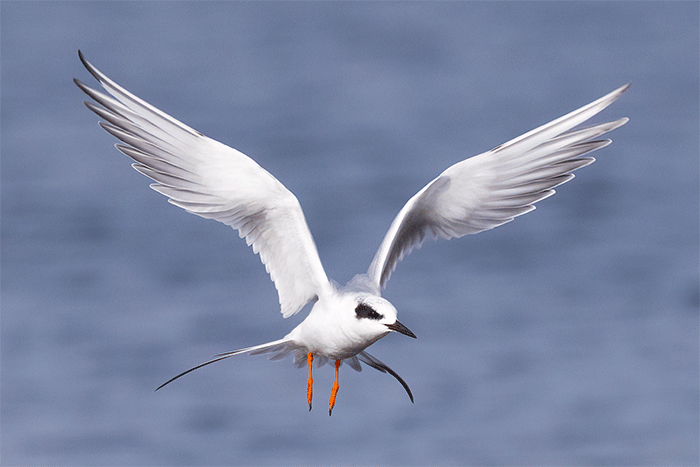
Its fidelity, returning to Dorset annually, is a wonderful thing, but with the enormity of Poole Harbour there will, no doubt, be times when the bird is still present in the area, but simply lost from sight.
Rounding off the headlines for another week, the smart female Redhead remained in Co.Kerry on Lough Ygnanvan until 4th. The initial flush of attention may have abated now, but this bird remains a top drawer rarity that may go a decade or two as a blocker before our next.
Events in Cornwall notwithstanding, the rarest of the week’s seabirds was the adult Double-crested Cormorant, still present in Ireland on Lough Gill (Co.Sligo) on 1st.
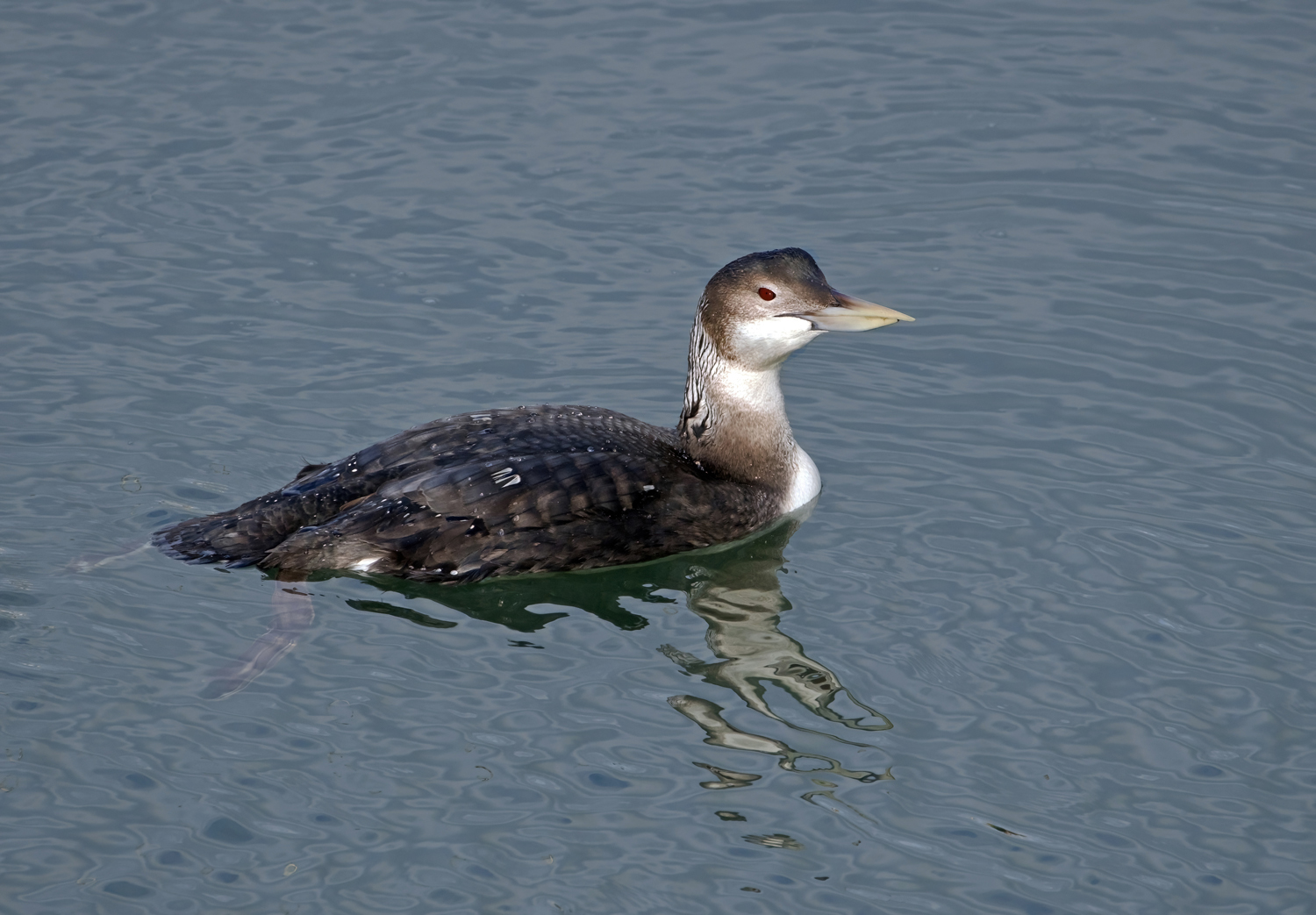
Ireland also retained its Pacific Diver at Curransport (Co.Donegal) on 28th-4th, while in Cornwall one was seen again off Mousehole on 27th-28th and 4th, and Penzance on 1st-2nd, and an adult off St Ives Island on 5th. A possible was seen on 1st in Aberdeenshire off Buchanhaven.

White-billed Diver remained a fixture in Scottish waters, particularly still down the east coast; around 20 birds were again logged during the course of the week. Inverkeithing (Fife) again scored three birds on 3rd and 5th; duos were seen at Dalgety Bay (Fife) on 27th-28th, at Blyth (Northumberland) again on 27th, and Gills Bay (Highland & Caithness) on 2nd-4th.
A Little Auk was seen from Carrickabraghy Castle (Co.Donegal) on 3rd.
Still no southern herons to liven up the long-legged beasties, though it’s just a matter of time now before something comes along. In the meantime, Glossy Ibis, still present and correct.
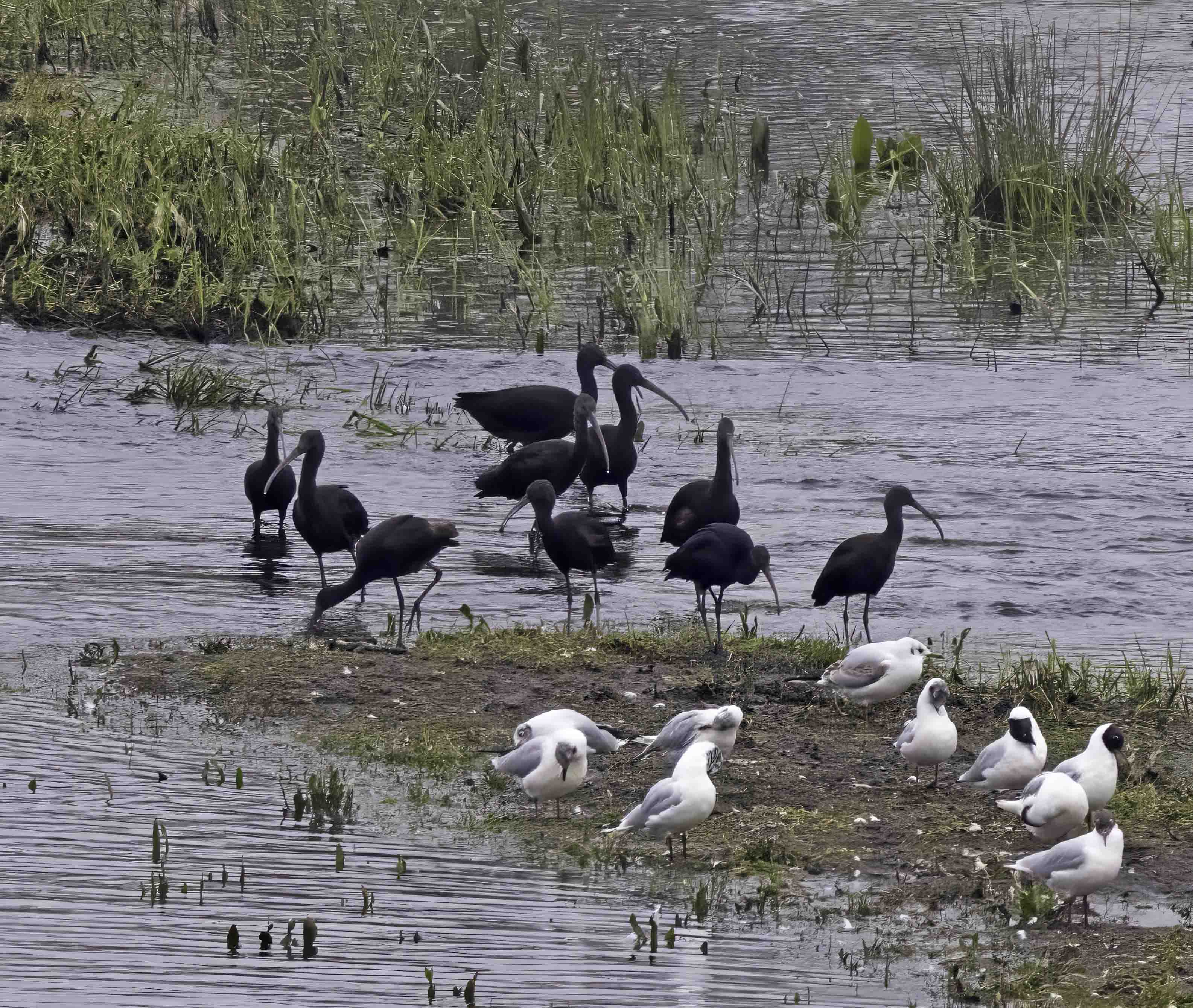
Ample variety of honkers and quackers remained to be had in recent days, and we’ll start our paddle on the rarity duckpond with The Goose Formerly Known As Canada - an interior Todd’s Canada Goose was present at Banks Marsh NNR (Lancashire & North Merseyside) on 28th; and hutchinsii Richardson’s Cackling Goose again in Worcestershire at Clifton Pits on 1st-3rd, still at Drimvore (Argyll & Bute) on 4th, at Ballintemple (Co.Sligo) again on 5th, and at Dunfanaghy New Lake (Co.Donegal) still on 5th where two remained.
A Ross’s Goose remained at Laggan (Argyll & Bute) on 4th.
Another flurry of Snow Goose this week comprised birds still present at Insh Marshes RSPB (Highland & Caithness) on 1st, and in Lancashire & North Merseyside again at Southport on 27th-28th and nearby Marshside RSPB on 1st and 4th; over Askham (Cumbria) on 27th with Whooper Swan, and on Lewis (Western Isles) on 28th-4th; and in Co.Cork at Toonsbridge on 4th-5th, where two were to be seen.
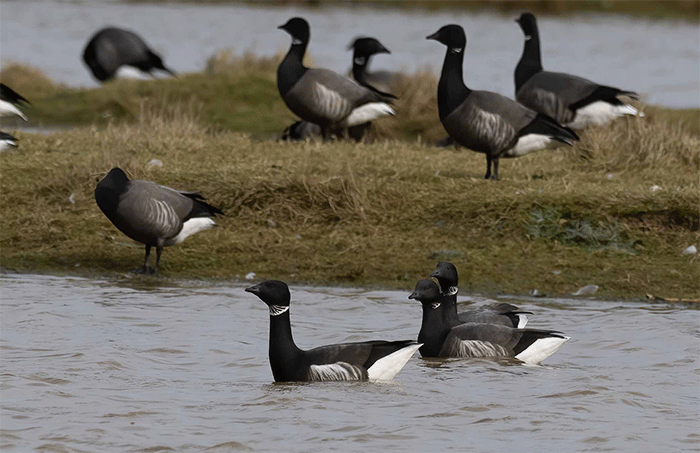
A Black Brant was in East Yorkshire at Easington Straight on 27th, followed by two at Kilnsea Wetlands NR (East Yorkshire) on 28th and again on 4th.
The Baikal Teal was once more seen at Waungron (Glamorgan / Carmarthenshire) on 28th-5th.
American Wigeon again broke into double figures during recent days. One remained on Shetland in the Spiggie area on 2nd; one was seen again on South Uist (Western Isles) on 3rd-4th; at Whitefield Loch (Dumfries & Galloway) again on 2nd; and completing the Scottish representation, one remained at Newshot Island (Clyde) on 27th-1st. English sightings came from Blagdon Hall (Northumberland) still on 27th-4th; Bolton-on-Swale Lake YWT (North Yorkshire) still on 28th-4th; Myerscough Quarry (Lancashire & North Merseyside) again on 28th-1st; at Eyebrook Reservoir (Leicestershire) on 27th-1st still; a female in Cornwall at Maer Lake CBWPS on 4th; and in East Sussex at Scotney GPs again on 5th. One remained on the Teifi Estuary at St Dogmaels (Pembrokeshire / Ceredigion) on 27th-5th.
Still a scarcer commodity, some a half dozen Green-winged Teal were noted lately – on South Uist (Western Isles) on 2nd-5th, and Benbecula on 4th-5th; at Alturlie Point (Highland & Caithness) on 1st-5th still; at Parkgate Marsh (Cheshire & Wirral) on 28th-5th still; at Broom GPs (Bedfordshire) still on 28th-5th; on 1st at Marshside RSPB (Lancashire & North Merseyside), and Branston Island (Lincolnshire); again on 4th at Morfa Madryn LNR (Conwy); and on 5th on Achill Island (Co.Mayo).
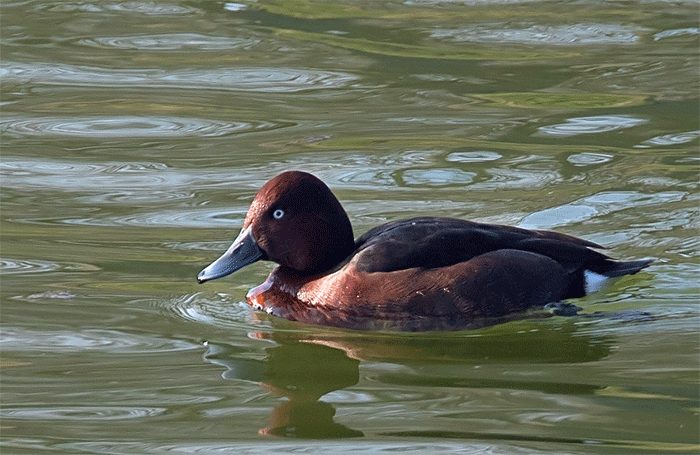
Drake Ferruginous Duck remained at Holkham Hall (Norfolk) on 3rd-5th, and in Co.Tyrone at Ballysaggart Lough still on 27th-1st; while another was present in Warwickshire at Bubbenhall on 3rd-5th.
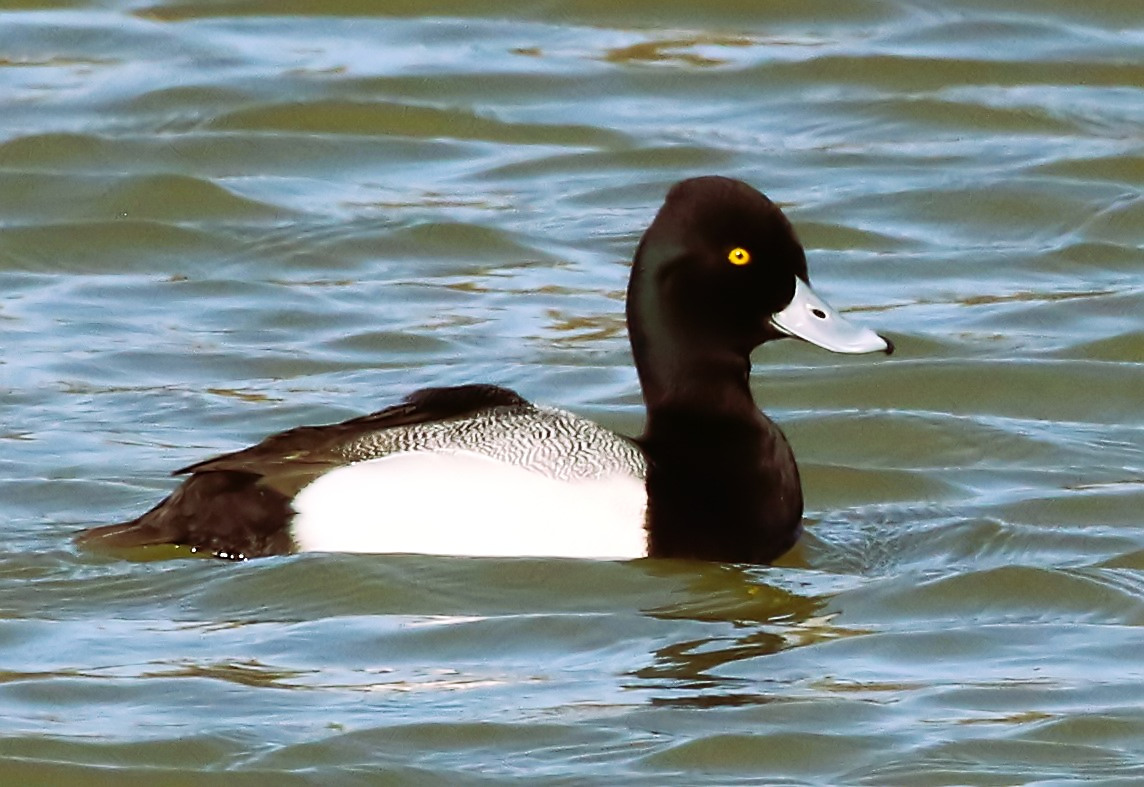
Two Lesser Scaup brightened up Clifton Pits (Worcestershire) on 28th-4th; lingering birds remained at Abberton Reservoir (Essex) on 27th-3rd, Clifford Hill GPs (Northamptonshire) on 27th-5th, and at Tacumshin (Co.Wexford) on 27th-4th.
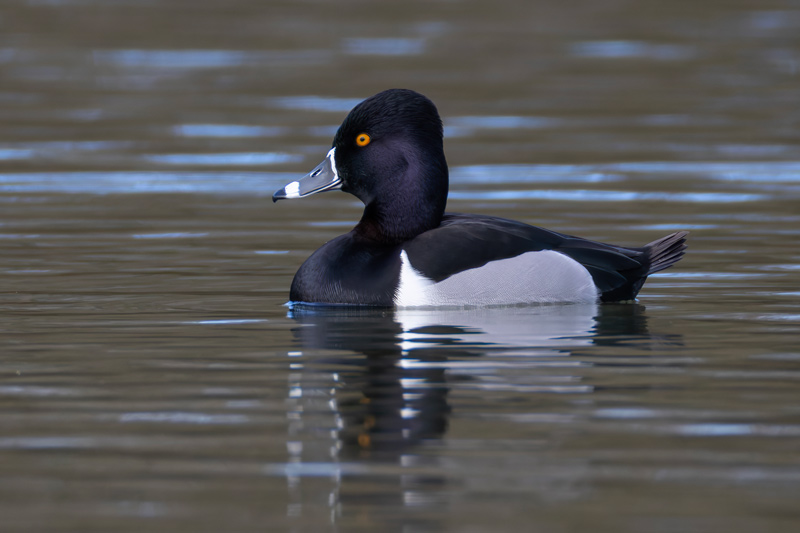
Approaching 60 Ring-necked Duck were noted across Britain and Ireland this week, with the best of them eight still present on Co.Kerry’s Lough Yganavan on 4th. Elsewhere, Ireland in particular still held onto plenty of birds, with four present on Upper Lough Erne (Co.Fermanagh) on 28th and four on Knockaderry Reservoir (Co.Waterford) on 4th still the next largest aggregations.
In Co.Donegal the first-winter drake Harlequin Duck remained off Curransport on 27th-5th.
A successful couple of days in County Donegal at weekend, the first winter drake Harlequin Duck gave fantastic views close to the shore at Curransport #birding pic.twitter.com/6iL5MUwGdp
— Paul Slade (@sladeypg) February 25, 2026
Shetland’s first-winter female King Eider remained in Quendale Bay on 1st-2nd, while the first-winter drake was again seen from Dornoch (Highland & Caithness) on 1st.
Two Surf Scoter remained off Arran (Ayrshire) on 28th-3rd; one was still present off Vatersay (Western Isles) on 27th-2nd; and a bird was seen again from Gullane Point (Lothian) on 3rd. In Wales, one was seen again from Old Colwyn (Conwy) on 28th-3rd.
The drake Black Scoter remained at Rossbeigh (Co.Kerry) on 28th-4th.
The drake White-winged Scoter was also still present at Port Seton (Lothian) on 27th-4th.
Finally, the putative second-winter Stejneger’s Scoter was still present in Fife around Buckhaven on 27th-4th.
Ireland gave us our best of the weekly waders again lately, with the Semipalmated Sandpiper still present at Seafield (Co.Clare) on 28th-3rd.
Also in Ireland, the Spotted Sandpiper was still settled at Ballynagaul (Co.Waterford) on 28th.
The Long-billed Dowitcher was still present at Montrose Basin (Angus) on 27th-4th, with another again on North Ronaldsay (Orkney) on 1st-4th.
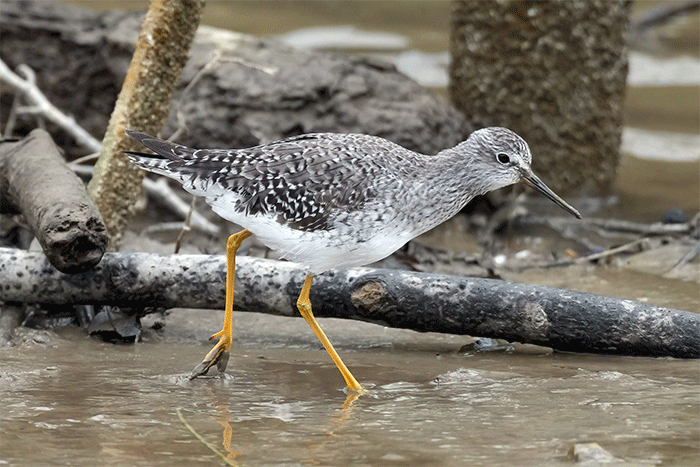
Finally, Lesser Yellowlegs were still present in Cornwall at Truro on 28th-4th, in Denbighshire at Rhyl still on 27th-5th, and again on Rathlin Island (Co.Antrim) on 1st.
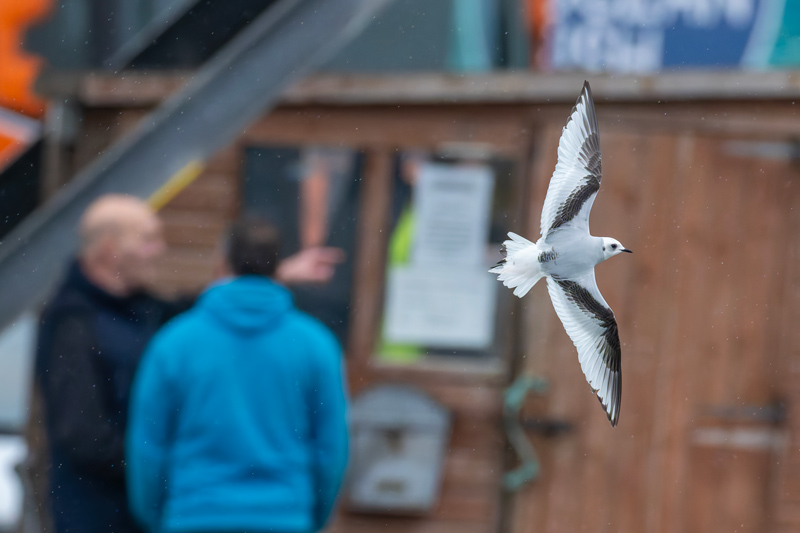
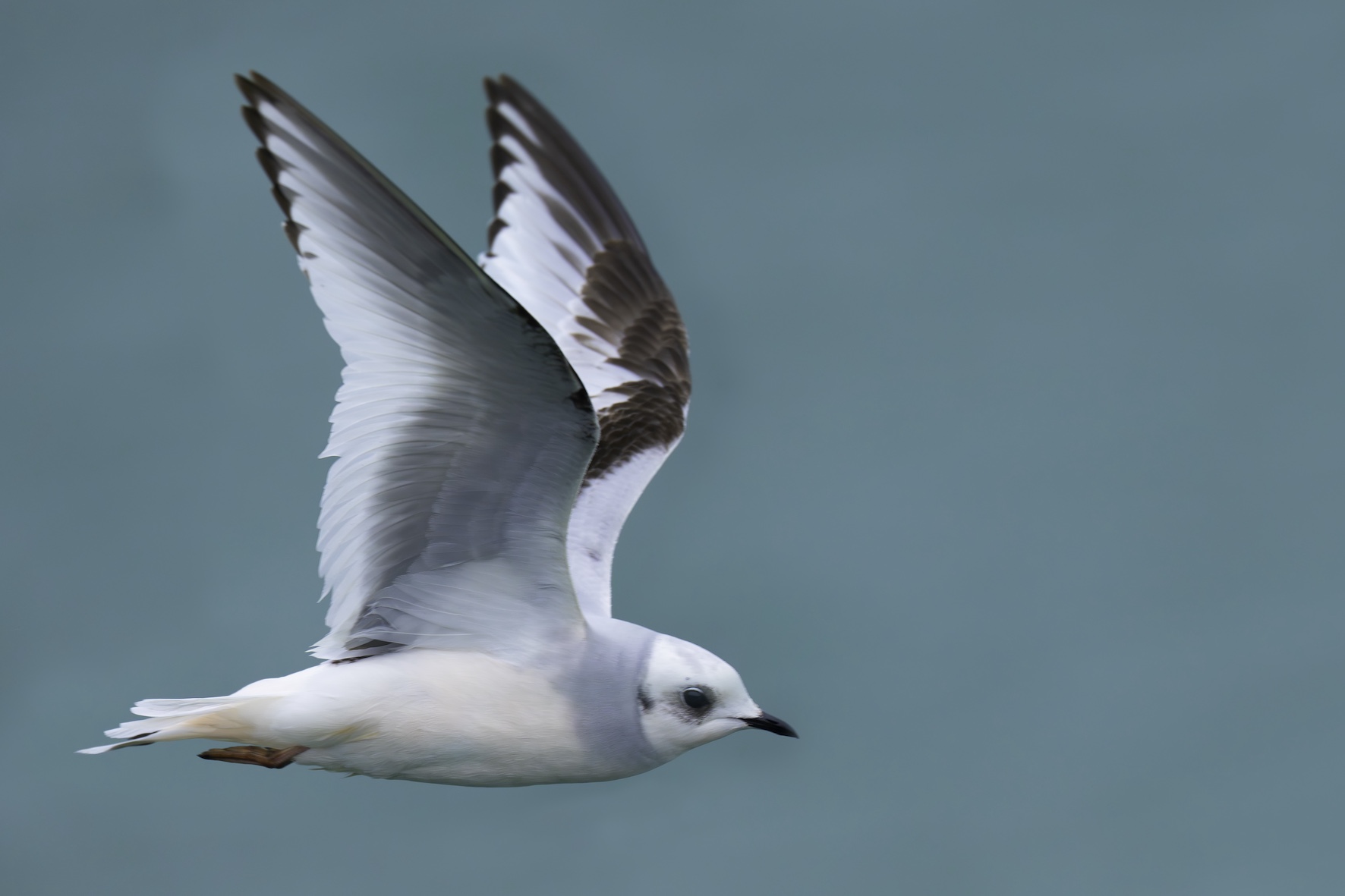
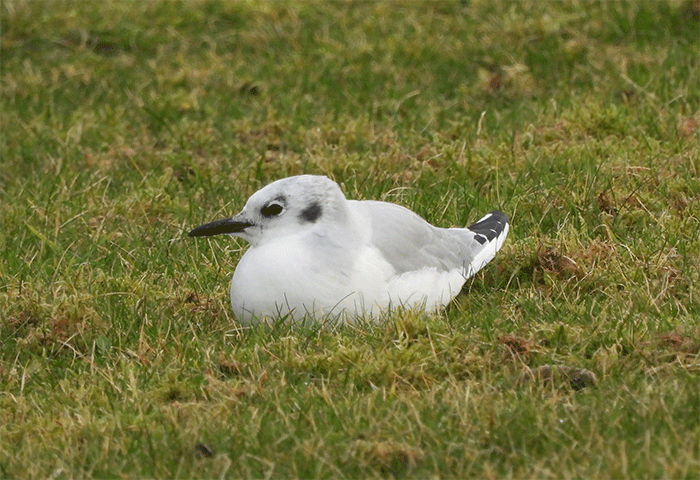
Five Bonaparte’s Gull were seen during the week – one remained on St Mary’s (Scilly) on 27th-2nd; an adult was present in Cornwall at Hayle on 27th-4th, with a first-winter on 5th at Mawgan Porth; a cracking adult was found on Barra (Western Isles) on 28th-3rd; and the recent Shetland individual remained on Unst on 28th-3rd.
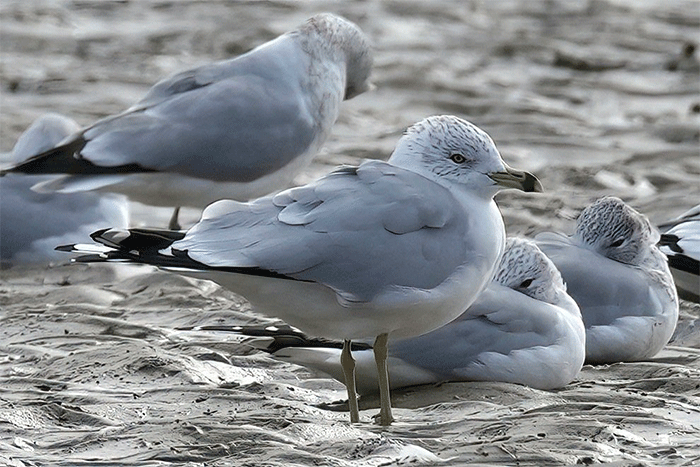
Sharing Hayle Estuary with the Bonaparte’s Gull was the settled adult Ring-billed Gull still on 27th-4th, and a first-winter on 27th; further regulars remained in Ireland at Sligo (Co.Sligo) on 1st, at Blackrock (Co.Louth) on 27th-3rd, at Cork Lough (Co.Cork) on 1st-3rd, and Tralee Bay Wetlands (Co.Kerry) on 4th-5th; while additional birds were seen at Bray (Co.Wicklow) on 28th, and Barnaderg Bay (Co.Galway) on 3rd-4th.
It was quieter than of late for Kumlien’s Gull, with the juvenile again in Cornwall at Helston on 3rd, the adult at Helmsdale (Highland & Caithness) still on 5th, and the adult again at Blennerville (Co.Kerry) on 27th-28th; and the third-winter bird still up on Unst (Shetland) on 1st.

Some 25 Iceland Gull were seen during the week, with three at Killybegs (Co.Donegal) on 1st the peak count of their kind; while around a dozen Glaucous Gull were also seen, with two reported from Balvonie (Highland & Caithness) on 28th, and two at Killybegs on 1st.
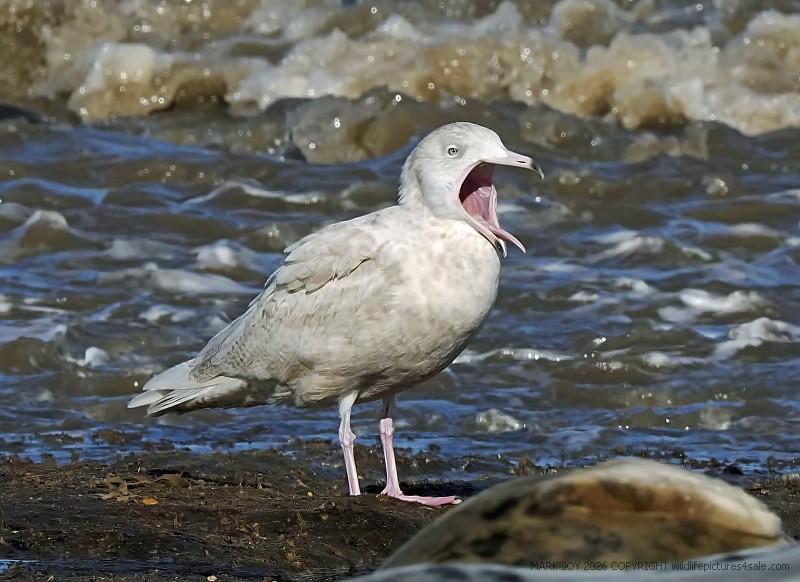
In Ireland, the juvenile Northern Harrier was again seen at Cahore Marsh (Co.Wexford) on 2nd.
Meanwhile, in Wales the wintering female Pallid Harrier was again seen at National Wetlands Centre WWT (Carmarthenshire) on 28th, and sporadically at Llanrhidian Marsh (Glamorgan) on 27th-3rd.
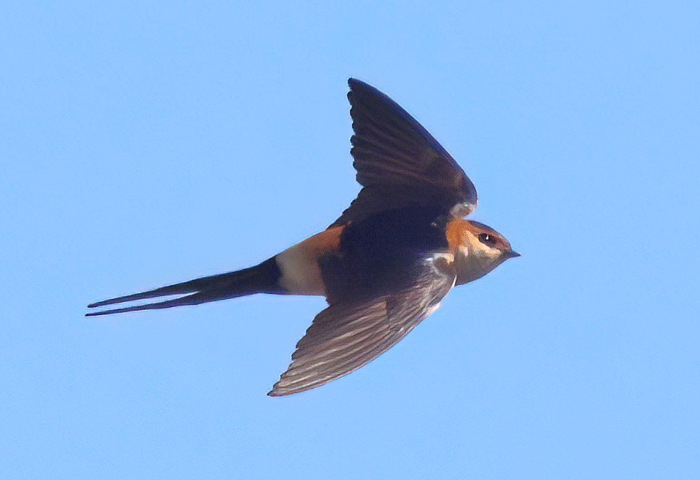
We anticipated that a Red-rumped Swallow might be in the offing at the end of last week, with the prospect of southerlies ushering one our way, and so it proved – birds were found on 28th at Minsmere RSPB (Suffolk) and Radipole Lake RSPB (Dorset), the latter bird lingering until 3rd.
News emerged on 27th of an Alpine Swift at Youghal (Co.Cork), the bird having been present there since 25th.
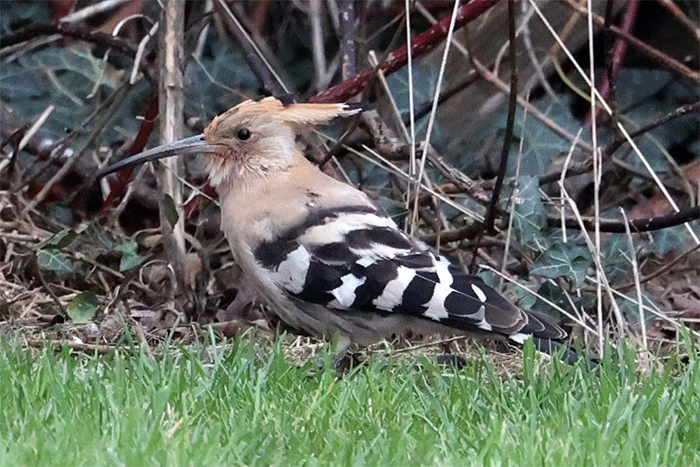
The Hoopoe remained this week in Shropshire at Isombridge on 1st-3rd, and another was found on 4th at Dungarvan (Co.Waterford).
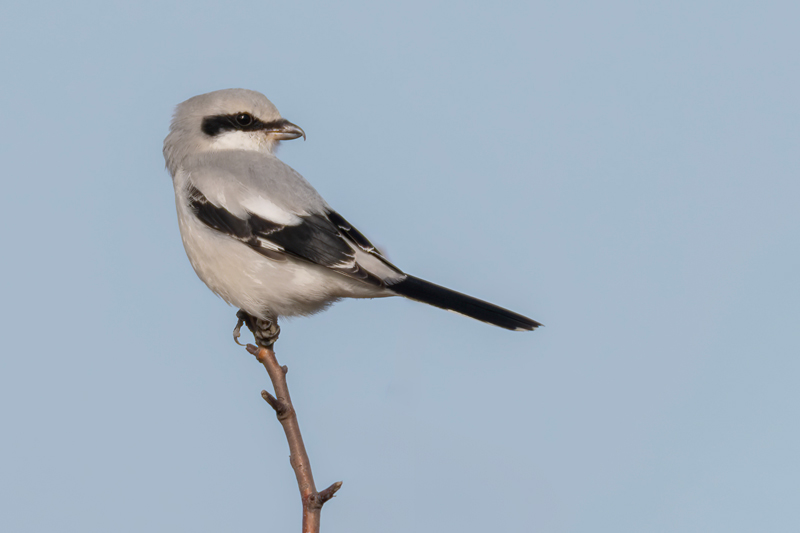
Great Grey Shrike continued to hang around the Beaulieu Road Station area of Hampshire on 28th-5th, and in Lincolnshire outside Ingham still on 27th-5th; and the Ceredigion bird was again seen at Llyn Brianne Reservoir on 28th-4th.
A Waxwing clung on at Nosterfield (North Yorkshire) on 27th-1st.
Both recent Hume’s Warbler remained in Lowestoft (Suffolk) on 27th-5th, and at Lea Marston (Warwickshire) on 28th-5th.
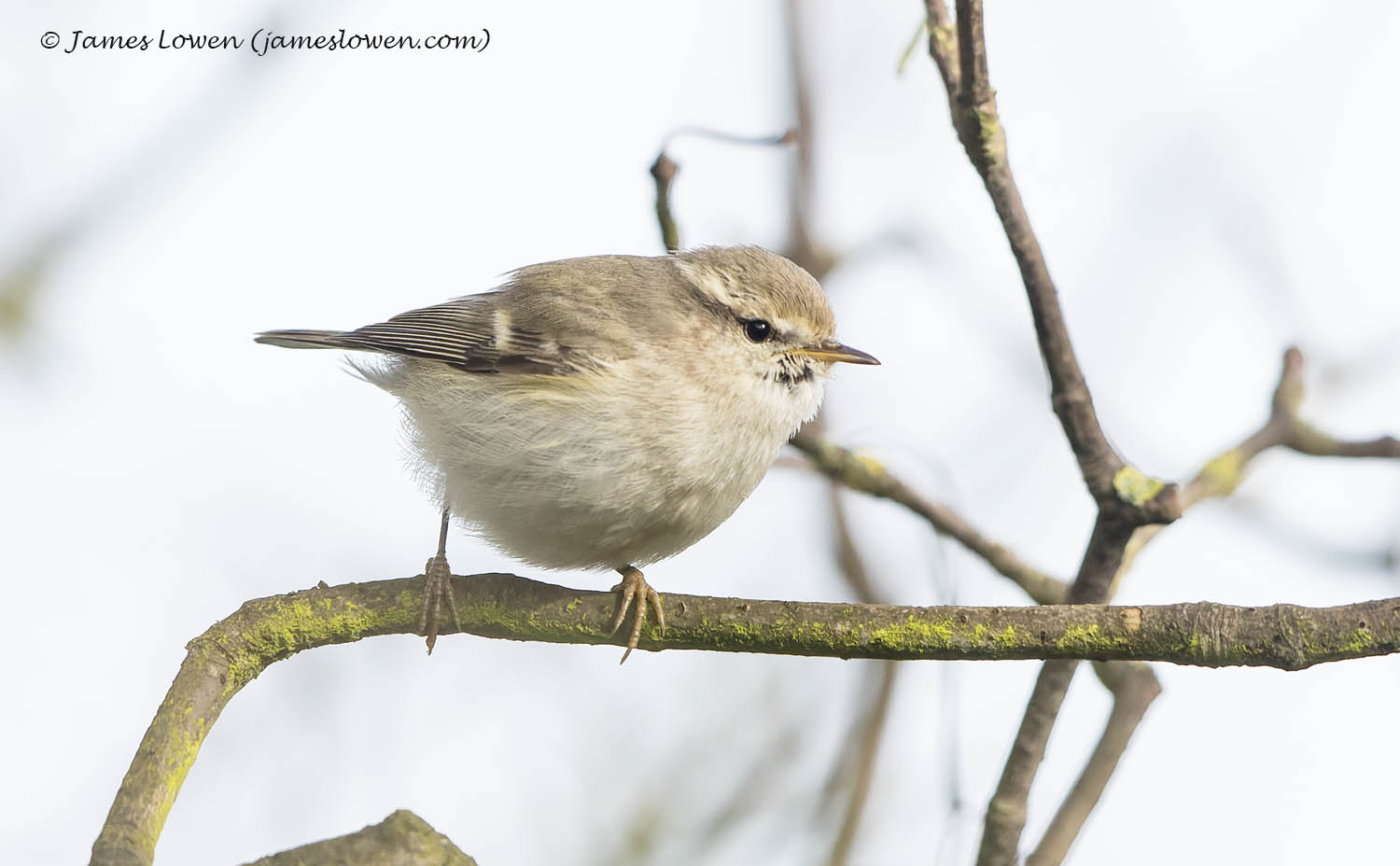
In Kent the Pallas’s Warbler remained at Faversham Creek on 27th-4th.
In Cornwall the Dusky Warbler remained present at Boscathnoe Reservoir on 28th-5th.
Suffolk’s Fan-tailed Warbler continued their residency at Walberswick on 3rd, with two birds noted there; at least one remained on 5th.
In Kent, the Red-flanked Bluetail remained at Crockham Hill Common on 2nd-5th.
Norfolk’s first-winter male Eastern Black Redstart was last seen at Sheringham on 2nd.
Eastern Black Redstart. Sheringham, Norfolk. 28/02/2026. Lovely bird with an appreciative audience. @UKRedstarts pic.twitter.com/c7w0tjmxhR
— Mark Callaghan (@MarkCWych) March 1, 2026
Marking a change in the seasons, a Serin provided another touch of southern glamour to the week in Kent at Pegwell Bay on 3rd.
Finally, the Great-tailed Grackle was getting mobile in Hampshire, seen in Botley on 3rd and North Baddesley on 5th, while the probable remained in Lancashire & North Merseyside at Speke Hall on 27th-5th, now prompted by the warming days to indulge in a bit of song.
The week’s overseas news starts up on Faroe, where there Short-billed Gull was still to be found at Vagar on 1st.
Still settled in the Netherlands for another week, the Black-faced Bunting remained on Texel on 27th-5th, while the resident Pygmy Cormorant was still at Natuurpark Lelystad on 28th.
In France the Belted Kingfisher remained on the Canal de Nantes a Brest on 27th-3rd; and the Northern Harrier was again seen at Marais de Peychaud on 27th.
The Cape Gull remained in Spain at Laredo on 28th-4th.
In Portugal the male Summer Tanager remained at Porto on 27th-4th.
Italy meanwhile had big news this week, with the discovery of a Black-throated Accentor at Sequals on 2nd-4th.
Out on the Azores, the Snowy Egret remained on Terceira on 27th, but was eclipsed by a Swallow-tailed Kite on Pico on 28th-4th. Two Masked Booby were on Ilha Brava on 5th, with a Black-headed Heron also present there.
Finally, in Cape Verde, Sao Vicente retained both Black-headed Heron and Black Heron on 1st; and a Black-capped Petrel was seen passing Santo Antao on 28th.
It looks like the coming week could be fairly settled, with light southerlies at times and, at the time of writing, some excitable media coverage of Saharan dust coming our way, auguring blood-red sunsets.
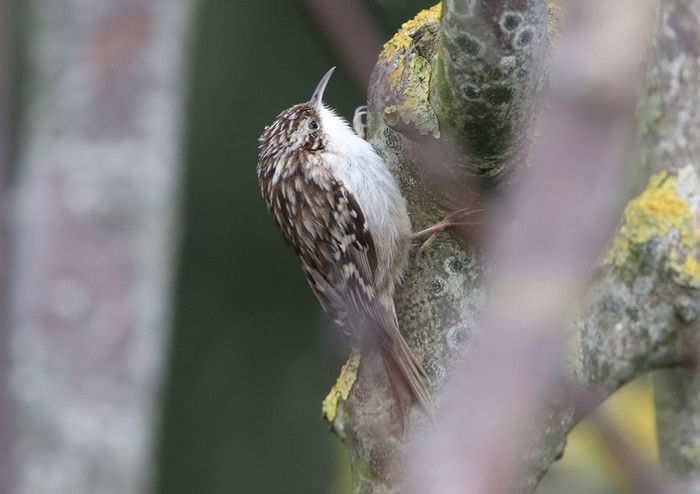
Be that as it may, apart from Sand Martin and Wheatear, what might it mean for us on the bird front? There’s not a great deal of historic precedent from which to discern any sort of pattern for the coming week, but with half an eye cast across the English Channel, maybe we’re on for a Short-toed Treecreeper - the coming week featured one in 2012, on 10th March at Samphire Hoe in Kent, and that’s good enough for us.
Jon Dunn
6 Mar 2026
Many thanks to all this week's contributors for your photos and videos and to everyone who contributed throughout the year.
Get Breaking Birdnews First
Get all the latest breaking bird news as it happens, download BirdAlertPRO for a 30-day free trial. No payment details required, and get exclusive first-time subscriber offers.
Share