Conservationists build barriers to protect vultures from elephant damage
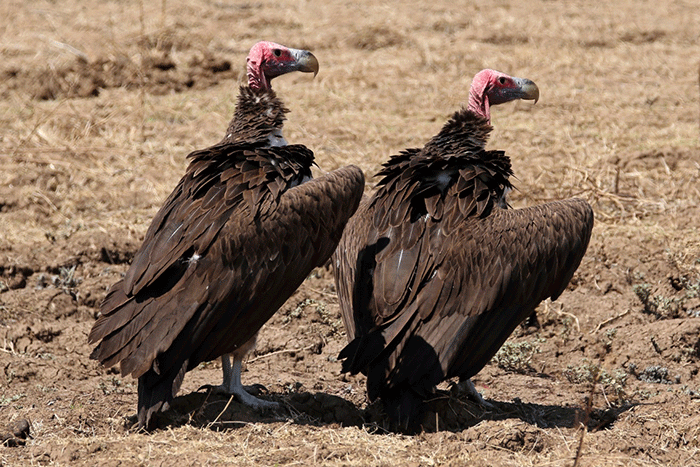
Hawk Conservancy Trust launches project to safeguard scarce nesting trees used by Lappet-faced Vultures in Kruger National Park after discovering elephants are destroying vital breeding sites.
The Hawk Conservancy Trust has raised £20,000 to help protect one of Africa’s largest and most threatened vultures after discovering that elephants are destroying many of the birds’ remaining nesting trees in South Africa’s Kruger National Park.
The funding was secured during the Big Give Organisation’s Earth Raise Week initiative, with donations from supporters match-funded to help the charity begin work protecting nesting sites used by Endangered Lappet-faced Vultures.
Known affectionately as “Lappets”, the species already faces a range of pressures across Africa, including poisoning, habitat loss and use in traditional medicine. But researchers working with the Hawk Conservancy Trust say elephants have emerged as the most immediate local threat to the vultures in Kruger.
Scientists studying the species in Kruger National Park found that elephants were repeatedly toppling flat-topped trees such as Acacias - the preferred nesting trees of Lappet-faced Vultures.
Although the elephants are not harming the vultures directly, the destruction of these mature trees is having serious consequences for the birds’ breeding opportunities.
Researchers identified only 30 suitable nesting trees within the park, leaving the vultures with very limited options for reproduction. The problem is compounded by the species’ naturally slow breeding cycle, with pairs typically raising just a single chick each year.
Jamie McKaughan, Conservation & Research Co-ordinator for the Hawk Conservancy Trust, said the species was struggling to recover from the combined pressures it faces.
“The Lappets are simply losing numbers through all the threats they face far faster than they can recover through the breeding cycle,” he said.
“When we discovered the link with elephant behaviour, our initial instinct was to try to better understand and circumvent that in some way but with Lappets right on the verge of going Critically Endangered there’s no time to do anything but tackle the issue head-on without harming the elephants.”
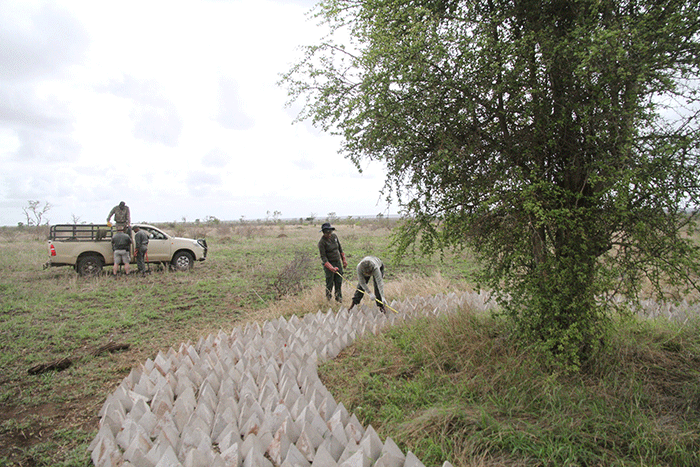
To help protect the remaining nesting trees, the Trust has developed a system using pyramid-shaped concrete blocks placed in rings around the base of each tree.
The barriers are designed to prevent elephants from standing against or stepping close to the trunks while still allowing smaller animals, birds and insects unrestricted access.
Conservationists say the method is relatively simple to install and maintain, and crucially does not interfere with elephant feeding behaviour because the animals do not eat the trees themselves.
However, the project comes with significant costs. Around 2,000 concrete blocks are needed to protect a single tree, with production, transport and local labour bringing the cost to approximately £2,500 per nesting site.
The £20,000 raised so far will allow the Trust to protect eight trees, but a further £60,000 is still needed to safeguard the remaining 22 known nesting trees in the park.
The Hawk Conservancy Trust hopes the early success of the fundraising campaign will help generate further support for the project and raise awareness of the plight of the species.
“Thanks to our wonderful supporters and the Big Give Organisation’s match-funding, we’re off to an incredible start,” said Jamie McKaughan.
“This is eight more potential sites that Lappets can use for nesting so the odds are definitely better than they were a week ago.
“We’ll be using that renewed optimism to work as hard and fast as we can to roll-out the solution and to keep up momentum to raise awareness and funding so we can protect more trees and solve this truly elephant-sized issue!”
May 2026
Get Breaking Birdnews First
Get all the latest breaking bird news as it happens, download BirdAlertPRO for a 30-day free trial. No payment details required and get exclusive first-time subscriber offers.
Share this story