Little Egret population considerably higher than previously thought
Birdwatchers across the UK have been charting the rise and rise of the very distinctive Little Egret for decades, but scientists have been unable to accurately calculate the breeding population of this relative newcomer.
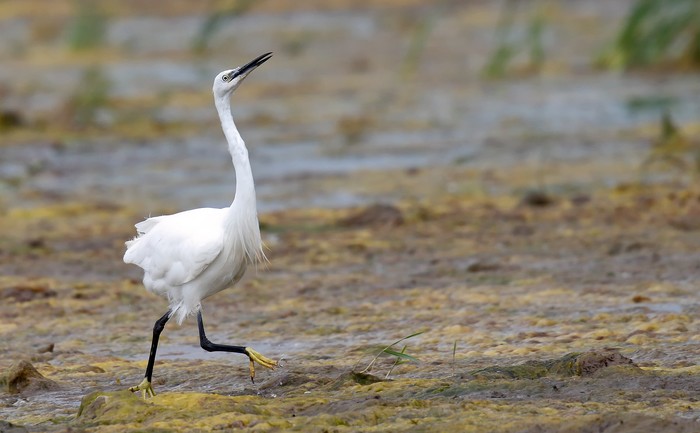
Now, research by the British Trust for Ornithology (BTO), published in the journal British Birds, sheds new light on both the numbers, and geographical spread of this small and elegant all-white heron.
Until the 1980s Little Egrets were a rare sight in the UK, occurring only as occasional vagrants to our shores from continental Europe. Following an influx in the late summer of 1989, when over 100 of the birds were recorded here, the species rapidly changed status to become an uncommon but increasing winter visitor.
The egret swiftly colonised and the first nesting took place in Dorset in 1996; within five years the UK breeding population exceeded 100 pairs. By 2015, this figure had risen to over 1,000 nesting pairs in England, Wales and Northern Ireland. The first Scottish breeding took place in 2020, putting Little Egret firmly on the map as a UK-wide breeding bird.
Before the arrival of the egrets, Grey Heron was the only species of colonial-nesting heron in the UK. The ability of Little Egrets to breed at just one year old, and the absence of competition from other egrets following colonisation, probably helped them spread across the country. This expansion was likely influenced, in part, by climate change, allowing a higher survival rate of birds during increasingly mild winters.
As numbers have grown, population estimates have proven tricky to assess due to a number of factors. Initially, the novelty of the newly colonising birds ensured that most nests were located and monitored through submissions to the Rare Breeding Birds Panel. As the egret colonies grew, and the birds expanded their range, it became much more difficult to undertake comprehensive counts. Birdwatchers contribute egret nest counts via the long-running BTO Heronries Census, and hundreds of records are submitted to the Rare Breeding Birds Panel, which enable annual counts to be reported. However, there are known gaps in coverage each year and it is highly likely that some new and emerging colonies will have gone unrecorded and therefore be missing from estimates.
Using mathematical techniques that account for data gaps, BTO researchers have concluded that the Little Egret population is considerably higher than the totals reported by either the Heronries Census or Rare Breeding Birds Panel and is likely to exceed 2,000 pairs. Furthermore, there are valid reasons to suspect that the total is higher than the maximum estimate of 2,236 (2,100–2,484) nests in 2022, as nests can sometimes be surprisingly difficult to locate and count even at known colonies.
The scientists behind this study hope they will now be able to apply these new and improved methods for estimating population size to similar colonising species, such as Great White Egret, Cattle Egret and Spoonbill. By better understanding the increases and spread of these wetland species, conservationists may be able to provide increased habitat and protection as they become a familiar component of the UK’s birdlife in an ever-changing environment.
Ian Woodward, BTO Senior Research Ecologist and lead author of the paper said,
“Having accurate species’ populations helps researchers and conservationists understand the relative importance of UK populations internationally, and the national importance of individual UK sites, which helps inform sites designations. It is great that we will now be able to update population estimates annually using Heronries Census and Rare Breeding Birds Panel data.”
Mark Eaton, Secretary of the Rare Breeding Birds Panel said,
“These new analyses show a way forward for addressing gaps in monitoring coverage not just for Little Egrets but other species too. However, the more data we receive, the more robust estimates will be, so we encourage all birders to submit records of egrets and other rare breeding birds to their local county recorders, and submit colony counts to the BTO’s Heronries Census.”
The distinctive all-white birds, with slender black legs and dazzling yellow feet, can be seen in a variety of wetland habitats throughout much of the UK. Little egrets, and other egret species across the globe, were prized in Victorian times for their extravagant breeding plumes which were used to decorate hats and other fashion items. Almost hunted to near extinction, the birds’ plight was instrumental in the emergence of the conservation movement.
January 2026
Get Breaking Birdnews First
Get all the latest breaking bird news as it happens, download BirdAlertPRO for a 30-day free trial. No payment details required and get exclusive first-time subscriber offers.
Share this story