Poison strikes again as seven vultures are found dead in Bulgaria
The deaths of six Cinereous Vultures and one Griffon Vulture underline the continued threat of illegal poisoning to Europe’s rarest scavengers.
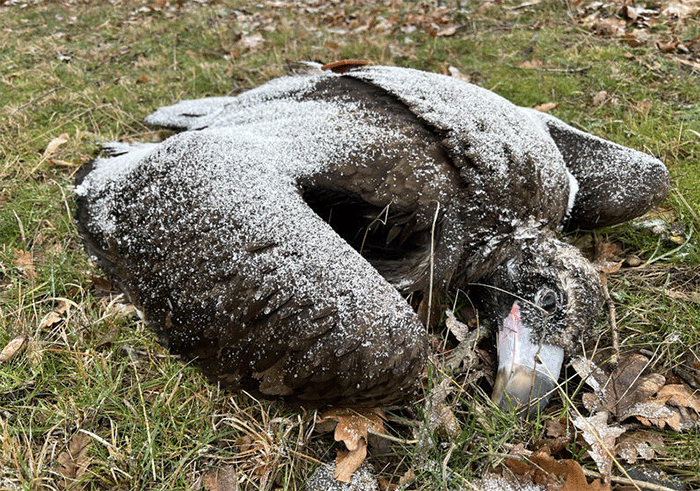
A familiar tragedy in a key vulture stronghold
Seven vultures have been found dead in Bulgaria in what conservationists have confirmed as another illegal poisoning incident, dealing a serious blow to efforts to restore some of Europe’s most threatened birds of prey.
The birds included six Cinereous Vultures and one Griffon Vulture, discovered in an area known to be vital for vulture conservation and reintroduction. Poisoned baits are believed to be responsible, a method that continues to kill wildlife indiscriminately across parts of southern and eastern Europe.
One of Europe’s rarest breeding populations hit
Cinereous Vultures remain extremely scarce in the Balkans, with Bulgaria hosting a small but slowly recovering population following years of intensive conservation work. The loss of six individuals at a single site represents a major setback, particularly given the species’ slow breeding rate and long lifespan.
Griffon Vultures, while more numerous, are also highly vulnerable to poisoning incidents, which can wipe out multiple birds in a single event.
“A devastating blow”
The Vulture Conservation Foundation described the incident as yet another example of how illegal poisoning continues to undermine decades of conservation effort.
“This is a devastating blow for vulture conservation in Bulgaria and the wider region,” the organisation said. “Cinereous Vultures are among Europe’s rarest birds of prey, and losing six individuals in a single poisoning event is catastrophic for a population that has taken years of hard work to rebuild.”
A silent killer that spares nothing
Poisoned baits are typically laid out to target predators such as wolves or feral dogs, but scavenging birds are often the first to find them. Vultures’ highly social feeding behaviour means that one poisoned carcass can kill multiple birds in a matter of hours.
Conservationists warn that the true scale of poisoning is likely underestimated, as many incidents occur in remote areas and go undetected.
Long-term consequences for recovery efforts
The deaths come at a time when vulture populations in the Balkans were beginning to show cautious signs of recovery. Cinereous Vultures have been reintroduced to parts of Bulgaria after being extinct as breeders for decades, while Griffon Vultures have been slowly recolonising former strongholds.
Such poisoning events do not just kill individual birds - they undermine public investment, international cooperation and years of careful planning aimed at restoring healthy, self-sustaining populations.
Calls for action and enforcement
The Vulture Conservation Foundation has renewed its call for stronger enforcement of wildlife protection laws, improved detection of poisoned baits and greater public awareness of the damage caused by illegal poisoning.
Without decisive action, conservationists warn that Europe risks repeating the losses of the past, with poisoned baits continuing to exact a hidden toll on some of the continent’s most iconic and ecologically important birds.
January 2026
Get Breaking Birdnews First
Get all the latest breaking bird news as it happens, download BirdAlertPRO for a 30-day free trial. No payment details required and get exclusive first-time subscriber offers.
Share this story