Weekly birding round-up: 23 - 29 Jan 2026
January finished with still more truly foul weather in Britain and Ireland at large and, from a birding perspective, still more quality rarities found. 2026 is shaping up already to be yet another memorable year…
Britain and Ireland, taken as a whole, enjoyed a small flurry of Redhead records at the end of the last century and the beginning of the present one – one apiece, in fact, starting in Britain with a returning drake in Nottinghamshire at Bleasby GPs on 8th-27th March 1996, and Rutland Water (Leicestershire) on 4th-27th February 1997; and moving on to Ireland with a summer bird on Cape Clear (Co.Cork) on 12th-15th July 2003.
Since then, nothing further has made the grade, though there’ve been a couple of close calls and claims that ultimately came to naught.
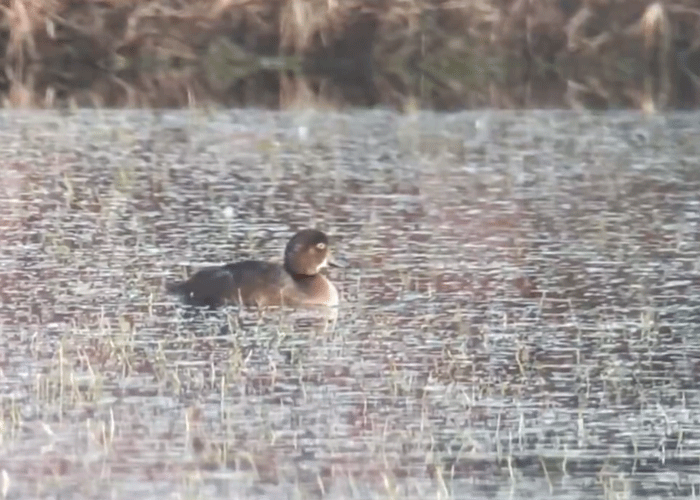
A confirmed bird, in either Britain or Ireland, would therefore be a big deal given the passage of time. Step forward this week Co.Kerry, where a female Redhead was discovered on Lough Ygnanvan on 24th, and happily stayed put until 29th – a bird with potential to draw admirers from further afield than Ireland alone.
Great to see the female Redhead at Lough Yganavan, Co. Kerry today. The second Irish record after a male was on Cape Clear, Co. Cork in 2003. pic.twitter.com/C1nj2cgefG
— Aidan G. Kelly (@agk10k) January 25, 2026
In the not so distant past, a Tengmalm’s Owl had the potential to do just that too – many made the pilgrimage north to Shetland for the long-staying bird on Mainland in early 2019; and with a further reprise in early 2020, we were collectively spoiled for choice. So, on the one hand, news this week that a Tengmalm’s Owl had been photographed at an undisclosed location in the west of Mainland was not destined to sting – we’d had plenty of opportunity to scratch the itch not so very long ago. As the week drew to a close, news emerged that the bird was still present on 27th.
Perhaps the most pertinent part of the story is that the landowner in question this past week had requested that the location not be shared with birders. Nobody will want to hear this, but there’s a sentiment held now by some Shetland residents that they don’t want any part of the crowds that gather at a rarity. There’ve been enough small incidents of damage, disruption, and boorish or thoughtless birder behaviour in recent years reported locally to colour perception of twitchers and visiting birders generally. Word on the street locally has it that this was also why news of the Great Crested Flycatcher last autumn was slow in emerging, coming to light after the event.
That may make for uncomfortable reading, but there it is. We’ve collectively reaped what some of us have sown. A timely reminder, then, that wherever we’re birding, in Shetland or anywhere else for that matter, we need to be on our best behaviour, and challenge any of our tribe letting the side down. Failing that, we’re going to miss birds, firsts for Britain in their number.
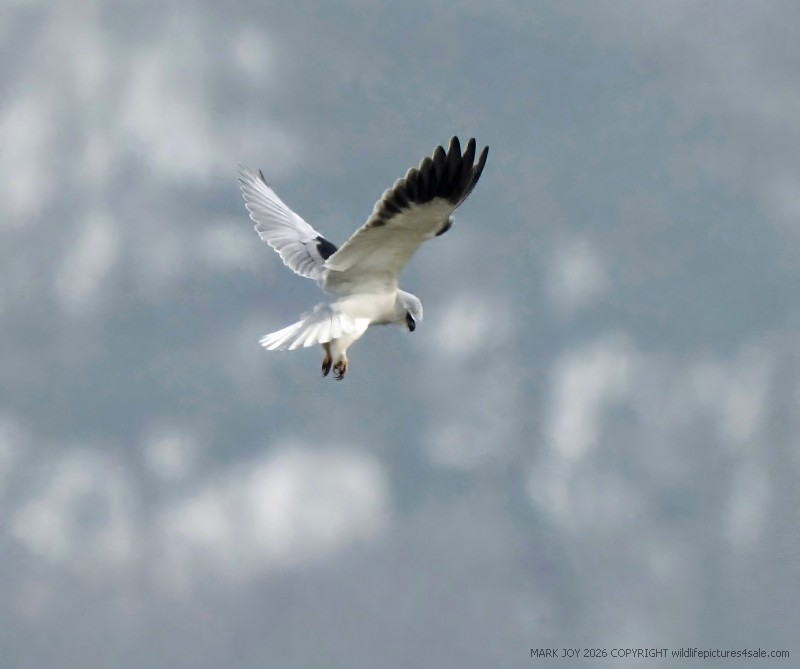
Still present with us for another week, the Black-winged Kite continued to hang around the Hickling Broad NWT area of Norfolk until 29th. That one’s going to be a potent draw until such time as it moves on…
Also continuing to draw a small crowd, the Hampshire Killdeer remained at Ripley Farm Reservoir this past week, showing well at times there, and still present there until 27th.
The week saw an upturn in sightings of Little Auk, with around 170 birds noted during the course of it. Peak count came from Whitburn CP (Co.Durham), where 18 birds were logged on 24th.
At least one of the two recent Pacific Diver remained in Cornwall off Mousehole until 28th, with both birds reported again there on 24th.
In Shetland a White-billed Diver was seen in Hascosay Sound on 26th.
A Pomarine Skua was seen off Mousehole (Cornwall) on 23rd; while Cornwall also supplied sightings of a Leach’s Petrel on 26th, seen heading east past Eastern Green Beach and Newlyn that day.
Glossy Ibis? Yes, still here.
To the honkers and quackers next, the meat in the weekly sandwich at this time of year. Starting with The Goose Formerly Known As Canada, the hutchinsii Richardson’s Cackling Goose remained at Drimvore (Argyll & Bute) on 27th; another was seen at Clifton Pits (Worcestershire) on 25th; and the Co.Sligo individual remained at Ballygilgan NR on 25th.
Recent settled Snow Geese remained in Lincolnshire around Deeping Lakes LWT on 23rd-29th; in Lancashire & North Merseyside at Southport on 23rd-24th; and at Insh Marshes RSPB (Highland & Caithness) on 24th and 28th. A further Scottish sighting came from Kingussie (Highland & Caithness) on 25th and 27th-28th.
Essex gave us Black Brant at Wallasea Island RSPB on 24th again, and Paglesham Eastend on 25th. One was seen in Suffolk at Sudbourne Marshes on 24th-28th; another was seen on 24th up at Kilnsea Wetlands NR (East Yorkshire); while a Lincolnshire sighting came from Rimac on 23rd. A possible Grey-bellied Brant was seen at Kilbogget Park (Co.Dublin) on 27th.
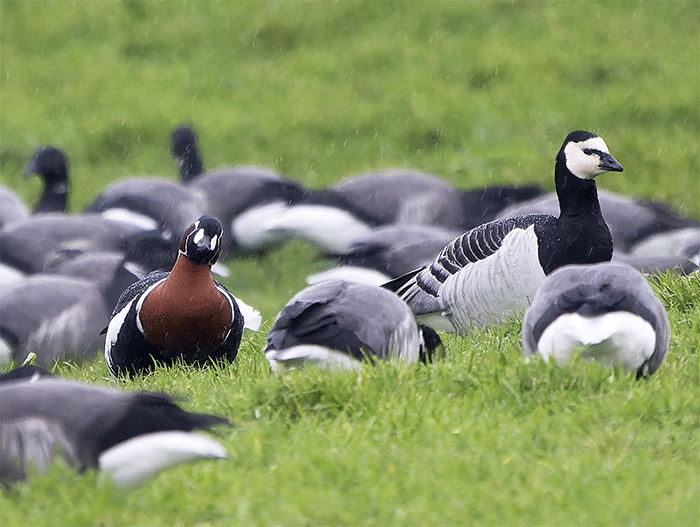
Essex also held Red-breasted Goose at Clements Marsh on 23rd, Wallasea Island RSPB on 23rd-24th, and Paglesham Eastend on 24th-28th. Norfolk got in on the act with a bird present at Morston on 27th.
Moving on to the ducks, the first-winter drake Baikal Teal was still present on the River Loughor around Waungron (Glamorgan / Carmarthenshire) on 23rd-29th.
Half a dozen American Wigeon were logged in Britain and Ireland this week – in Shetland still in the Loch of Spiggie and Loch of Hillwell general area on 23rd-29th; at Newshot Island (Clyde) still on 23rd-29th; at Preston (Lancashire & North Merseyside) still on 23rd-28th; in Somerset at Shapwick Heath NNR still on 23rd-25th; at Ferry Meadows CP(Cambridgeshire) on 24th-27th; and at Rathreagh (Co.Kilkenny) on 25th-29th.
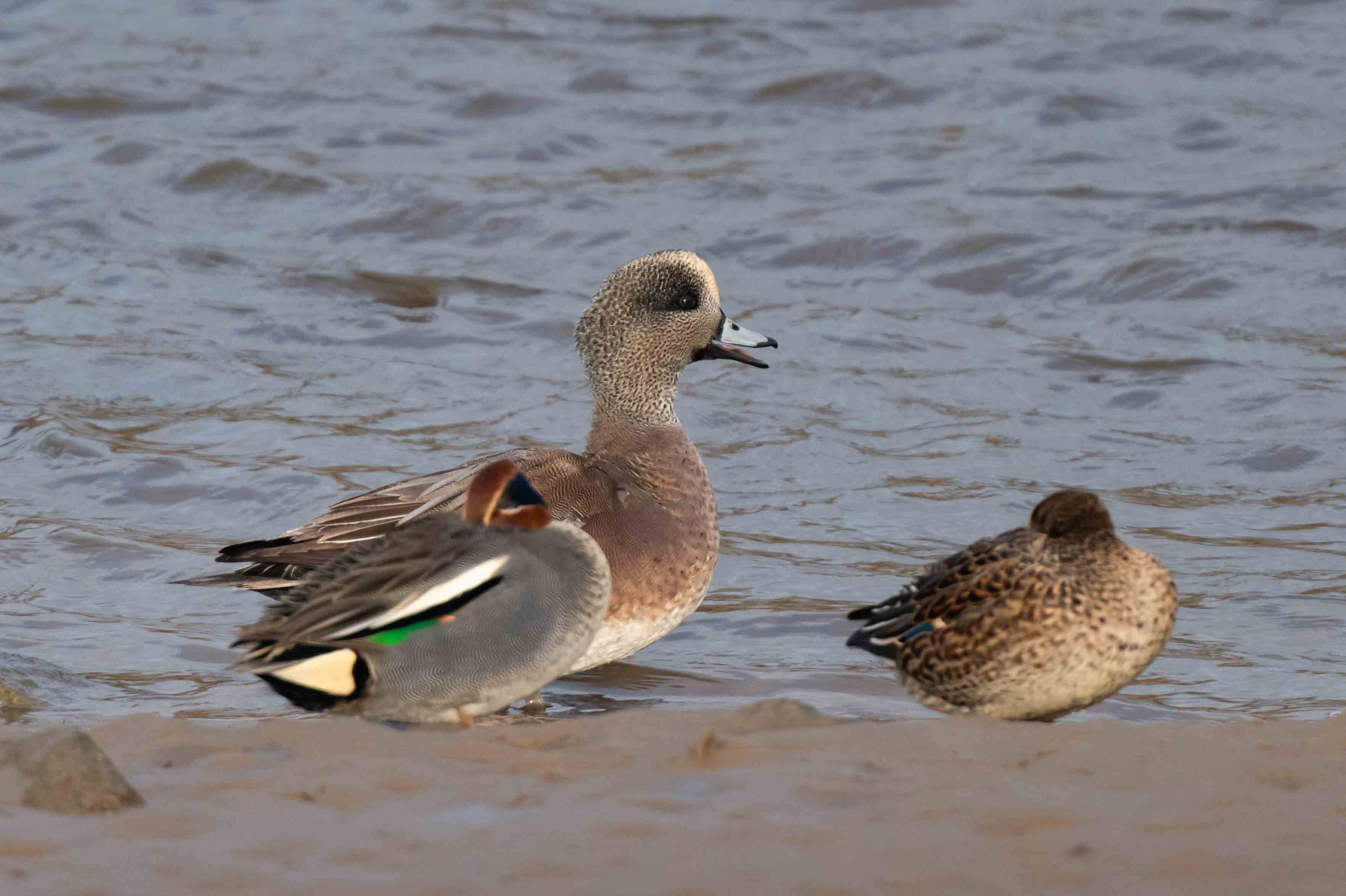
Numbers of Green-winged Teal held firm, with around a dozen birds seen across the region during the week.
Cambridgeshire supplied a drake Ferruginous Duck on 24th, with sightings coming from Ouse Washes RSPB that day. Another was found on 28th in Co.Tyrone at Ballysaggart Lough.
Lingering Lesser Scaup remained in Leicestershire on Swithland Reservoir on 23rd-29th; in Essex on Abberton Reservoir on 24th-26th; on Staines Reservoir (Surrey) on 26th-29th; at Tacumshin (Co.Wexford) still on 25th; at Helston (Cornwall) where two remained on 28th-29th; and on Lough Neagh (Co.Armagh), where two birds remained on 24th. A further bird was present in Devon at Brixham on 23rd; and a possible at Chew Valley Lake (Somerset) on 27th.
There were still plenty of Ring-necked Duck out there for the seeing, with a little under 50 birds again logged during the week. Lough Yganavan (Co.Kerry) enjoyed the lion’s share, with a peak count there of 11 birds on 25th. Further Irish largesse came in the form of quartets this week on Knockaderry Reservoir (Co.Waterford) on 25th-28th still, and Upper Lough Erne (Co.Fermanagh) on 24th still; and six seen on 28th at Lough Fern (Co.Donegal).
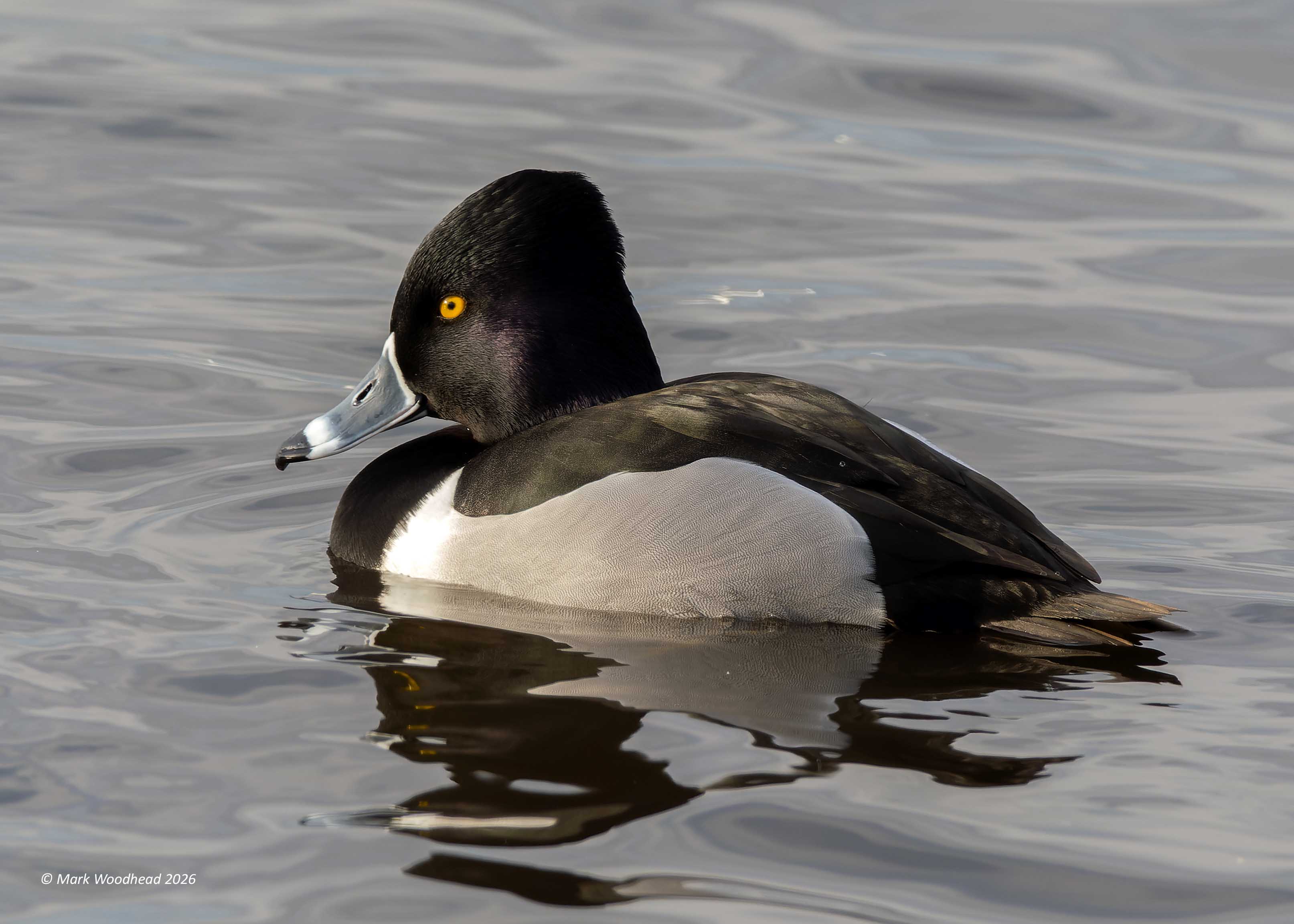
The drake Bufflehead was seen again at Foryd Bay (Gwynedd) on 24th-25th and again on 29th.
The colourful first-winter drake Harlequin Duck remained at Curransport (Co.Donegal) on 23rd-25th.
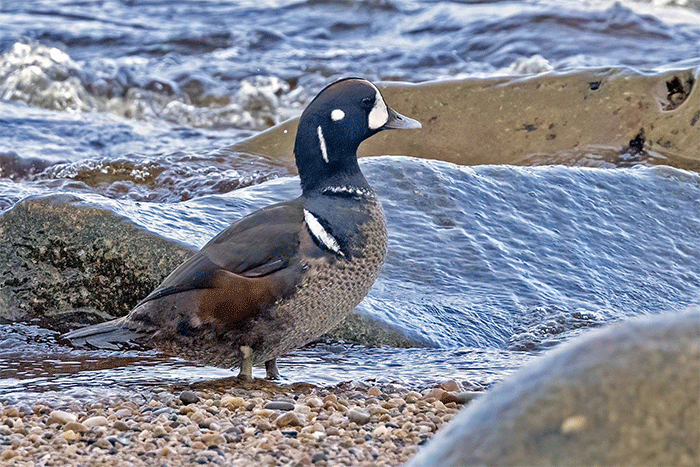
Shetland’s first-winter female King Eider continued to endure in Quendale Bay on 23rd-28th.
The drake Black Scoter remained at Dornoch (Highland & Caithness) on 28th-29th.
Surf Scoter remained in Colwyn Bay (Conwy) this week, with a peak count of three birds there on 25th. Further singletons were seen off Dornoch (Highland & Caithness) on 23rd; Vatersay (Western Isles) on 24th; and Barra (Western Isles) on 26th-29th still; the Dornoch bird being joined there once more by a second bird on 29th.
Grim, wet and stormy weather this past week seemed to be doing our wintering waders of interest little good. A few familiar faces dropped out of the news… but some clung on. Starting in Somerset, the Kentish Plover popped out of the woodwork again on 28th at Burnham-on-Sea.
Out in Ireland, the Spotted Sandpiper remained present at Ballynagaul (Co.Waterford) on 23rd-28th.
Up in Angus the Long-billed Dowitcher was still present at Montrose Basin on 23rd-24th.
Finally, all three of our recent Lesser Yellowlegs proved to be made of stern stuff – one on Rathlin Island (Co.Antrim) on 25th still; one in Cornwall at Truro on 25th-29th; and the bird in Wales at Rhyl (Denbighshire) still on 23rd-29th.
The gulls kick off this week in Co.Galway, where the recent first-winter American Herring Gull remained at Waterside on 24th-27th.
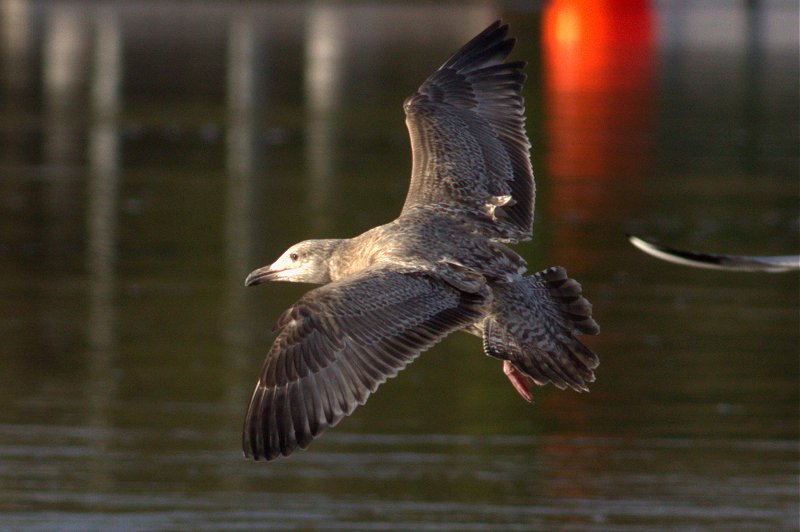
Irish Ring-billed Gull remained in Cork (Co.Cork), where two were still present on 25th; at Tralee Bay Wetlands (Co.Kerry) on 26th-29th still; at Blackrock (Co.Louth) on 24th still; and at Enniskillen (Co.Fermanagh) still on 24th. In Cornwall, the bird remained at Hayle Estuary RSPB on 24th-28th.
Numbers of white-wingers remained fairly static, with some 20 apiece of Glaucous Gull and Iceland Gull logged across the region during the course of the week. The probable Kumlien’s Gull returned for another winter to Unst on 25th-29th.
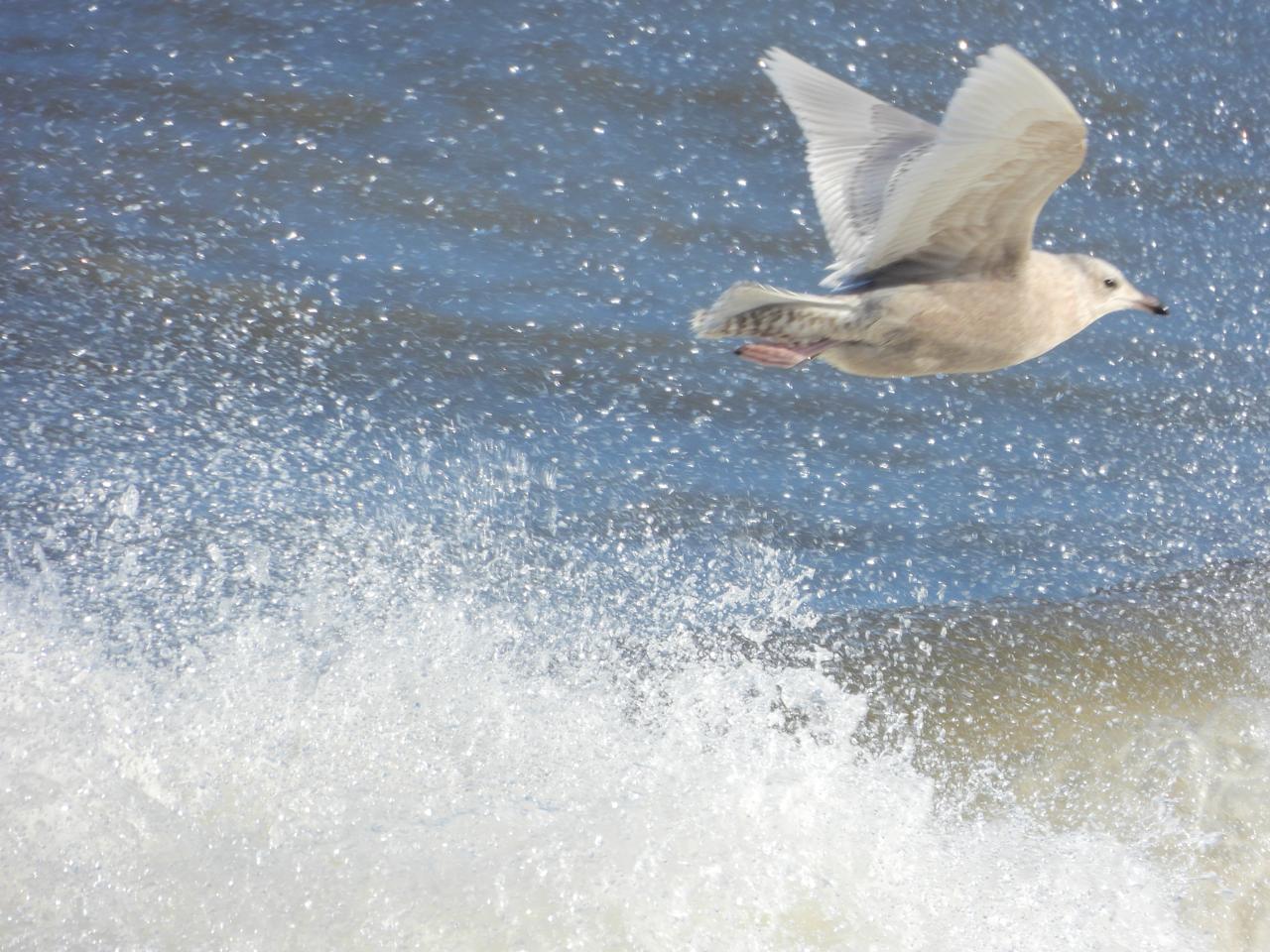
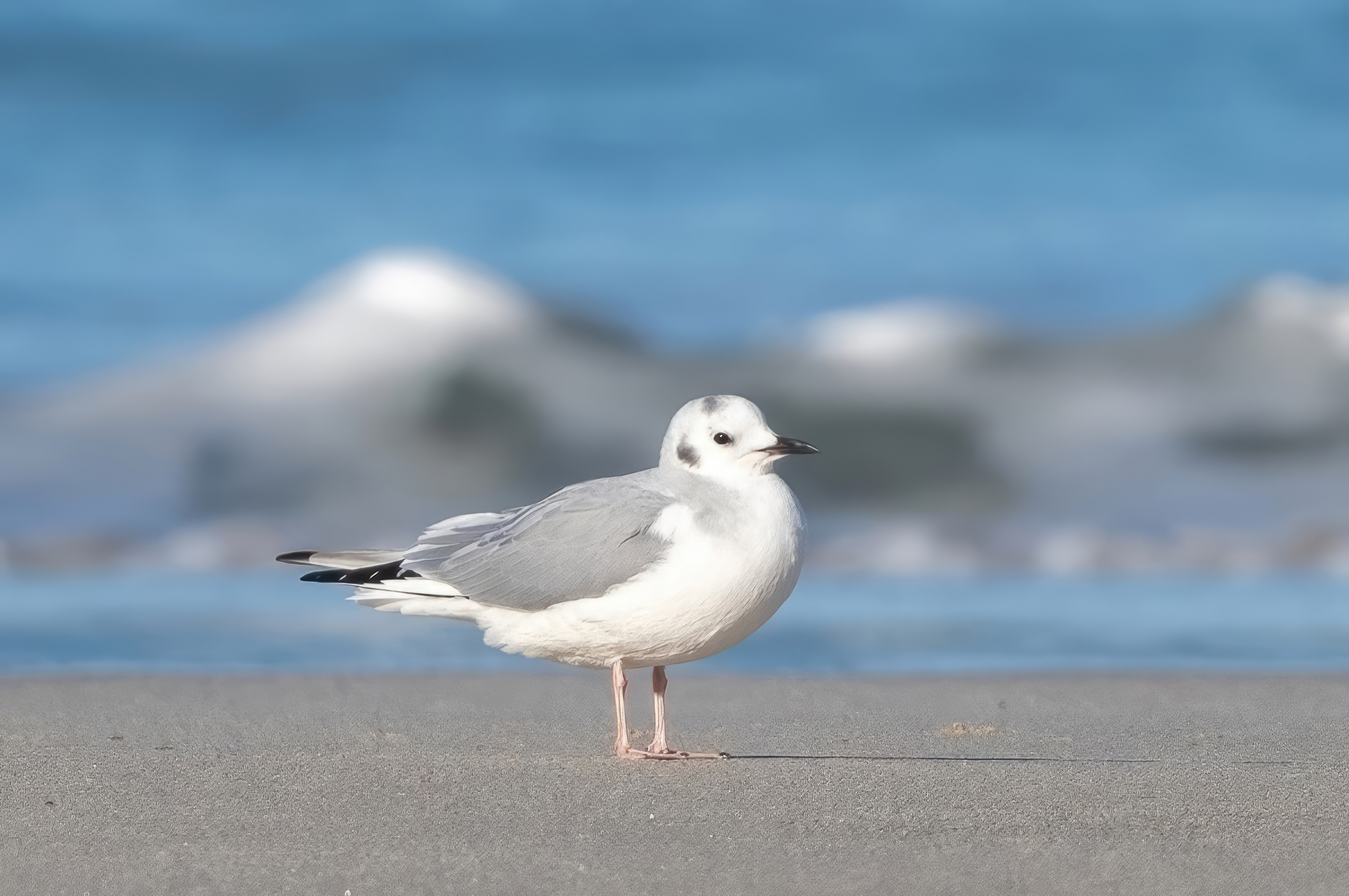
Scotland held on to its adult Bonaparte’s Gull at Gairloch (Highland & Caithness) on 24th-27th; and a first-winter was seen at Newlyn (Cornwall) on 25th-29th.
Lastly, a probable Franklin’s Gull flew past Portland Bill (Dorset) on 29th.
The weekly raptors commence, outside Norfolk, with news of a male Northern Harrier in Co.Clare at Moyasta on 25th.
In Wales the second-winter female Pallid Harrier was again seen at Gower (Glamorgan) on 23rd-24th, and Llanrhidian Marsh (Glamorgan) on 23rd-26th.
A Rough-legged Buzzard was seen at Stanton (Suffolk) on 25th.
Winter passerines start this week with a Hoopoe sighting again in Lincolnshire at Beltoft on 25th; and another seen on 29th on the Isle of Wight at Godshill.
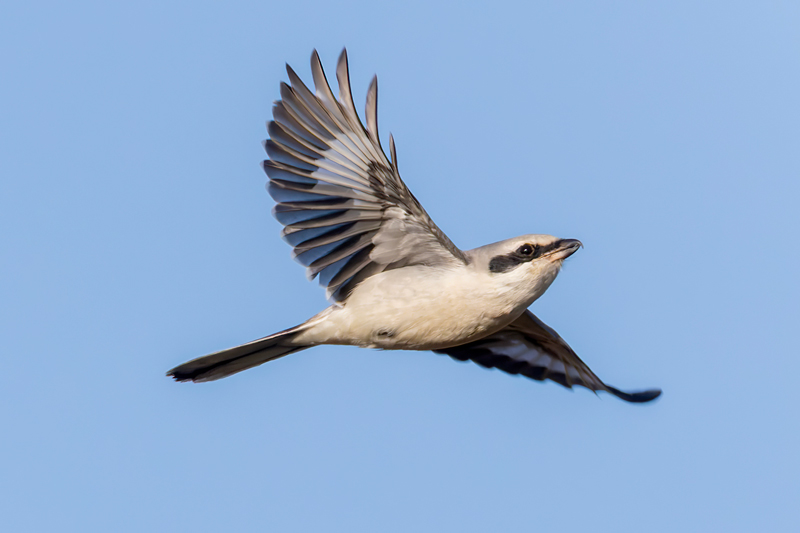
Great Grey Shrike meanwhile remained in Hampshire at Beaulieu Road Station still on 23rd-24th, and Ocknell Plain on 23rd; and in Lincolnshire outside Ingham on 23rd-29th.
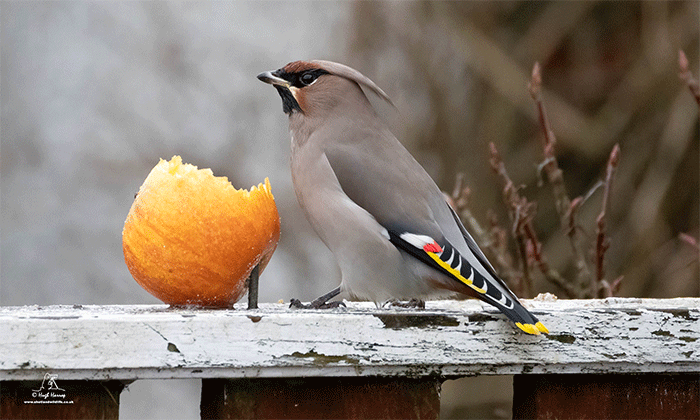
Waxwing just about scraped into double figures for Britain as a whole this week, with a paltry peak count of two birds apiece for Washington (Co.Durham) on 24th, and Elgin (Moray) on 26th.
Quite the fixture in recent weeks, sightings of Penduline Tit dried up in the past week, with one still seen sparingly at Shapwick Heath NNR (Somerset) on 24th-25th; and two at Slimbridge WWT (Gloucestershire) on 28th.
A couple of Yellow-browed Warbler endured the rain in the southwest lately – one still present at Torpoint (Cornwall) on 25th, and another in Devon at Efford Marsh NR on 26th. A further stalwart remained at Llanfairfechan (Conwy) on 24th-29th, and one was reported from Hook-with-Warsash LNR (Hampshire) on 29th.
In Kent the recent Pallas’s Warbler remained at Faversham Creek on 23rd-26th.
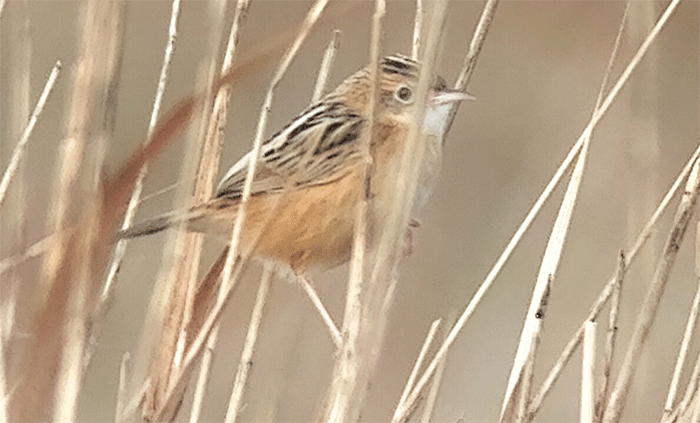
At least one Zitting Cisticola lingered at Walberswick (Suffolk) on 23rd-28th, with two confirmed there again on 29th.
Back in Kent, the wintering Red-flanked Bluetail remained settled at Crockham Hill Common on 24th-29th.
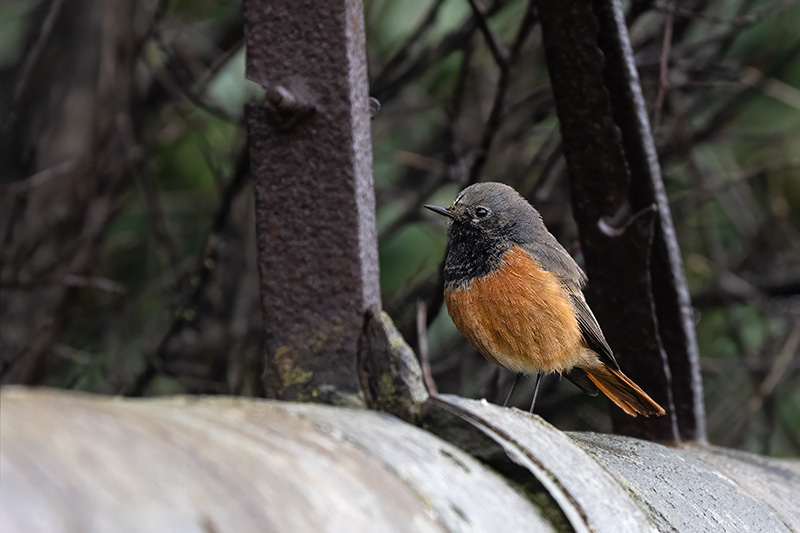
Norfolk’s first-winter male Eastern Black Redstart was still to be seen at Sheringham on 23rd-29th.
Also in Norfolk, the Black-bellied Dipper was still settled at Bintree Mill on 25th-28th.
The Pied Crow remained in Co.Galway at Doughiska on 24th-29th.
Finally, the Great-tailed Grackle was still present in Holbury (Hampshire) on 23rd-28th; and the newly-found probable remained in Lancashire & North Merseyside at Speke Hall on 23rd-29th.

Our overseas news starts once more in the Netherlands, with another notable duck – a drake Falcated Duck present on 18th-24th at Benthuizerplas. The Black-faced Bunting remained on Texel on 23rd-28th.
In France the Belted Kingfisher was still on the Canal de Nantes a Brest on 26th.
Denmark’s Dusky Thrush remained at Refshaleoen on 26th-28th.
On Faroe, the Short-billed Gull was still present at Vagar on 25th.
Up on Iceland, the Baltimore Oriole remained in Reykjavik on 26th.
Out on the Azores, Terceira held Snowy Egret, American Great White Egret, and Black Duck on 29th.
In Cape Verde, Sao Vicente was the place to be this week, with Black Heron on 25th-26th, and Black-headed Heron present on 25th-27th, and Yellow-billed Egret on 25th. The Western Willet remained on Sal on 28th.
The year charges on apace, and the coming week sees us heading into February already. Looking back at the past month, we can scarcely complain – it’s already shaping up to be an excellent year for rarities.
Looking further back, into years past, for clues as to what the first week of the new month might be all about, reveals fairly slim pickings. It may not be the quietest week of the year, but it’s there or thereabouts on past form.
Gulls continue to offer the most realistic prospect of something good on one’s local patch, with several of the more exciting large gulls like Slaty-backed, Thayer’s, and American Herring all featuring in recent years in Britain and Ireland as a whole. Numerically, we’re more likely to bump into a Bonaparte’s Gull - the coming week features double-figures of past records, inspiring some modest confidence that there’s a fair chance of one being found somewhere in the region in coming days.
Jon Dunn
29 January 2026
Many thanks to all this week's contributors for your photos and videos and to everyone who contributed throughout the year.
Get Breaking Birdnews First
Get all the latest breaking bird news as it happens, download BirdAlertPRO for a 30-day free trial. No payment details required, and get exclusive first-time subscriber offers.
Share