


RBA Round-up: 16 - 22 Oct
Finally, easterlies broke the general monopoly of westerly winds thus far through October and, sure enough, the moment the door cracked open the rarities came flooding through. Alas, no Nutcracker just yet, but one hitherto blocker this week in East Yorkshire was delighting the twitchers way more than a spotty crow would have done. And that wasn’t all. Buckle yourselves in – the Sibes were coming.
Black-capped Petrel at Pendeen Watch 16th October 2026 at 3:18pm. Third for Britain but the first “live” record. Just one observer saw it and photographed it. This Pterodroma must surely be one of the most desirable to find. There’s hope… Pictures courtesy Nigel Rogers.
— Steve Rogers ???? (@runnelstone.bsky.social) 20 October 2026 at 11:53
[image or embed]
To say that Black-capped Petrel has a rather chequered history in Britain would be something of an understatement. The first known record claimed to be British resides, to this day, in Norwich Castle Museum – said to have been found by a boy, tangled in gorse bushes on a heath near Swaffham in March or April 1850, the bird had sufficient vital spark remaining in it to bite him when he captured it – an act of self-defence that was rewarded by the boy promptly killing the bird. As luck would have it, and as related in The Zoologist in 1852:
“Mr Newcombe, of Hockwold Hall, fortunately happened at the time to be hawking in the neighbourhood of Swaffham, and his falconer, John Madden, observing the boy with the dead bird, procured it from him and brought it to his master, by whom it was skinned and mounted.”
It’s interesting to observe how many of these 19th century records turn up in the unlikeliest of circumstances and, but for the happy coincidence of a member of the local gentry happening across the corpse and retaining it for their collections, would have gone unrecorded by history… And let’s face it, strange things do happen with seabirds – we might be equally cynical about the White Tern picked up miles inland from the sea at Llanberis (Gwynedd) in February last year had that been 150 years ago. It seems pretty unlikely on the face of it… but that really happened, so maybe the Norfolk petrel isn’t as fishy as it sounds after all.
Then again, we certainly can infer that there were other Black-capped Petrel specimens being brought back to northern Europe at the time, as the great contemporary bird author / collector / and general profiteer from the booming trade in bird specimens at the time, John Gould, commented at the time, ‘I have little doubt but that it breeds and finds a home in the West Indies, as I have seen specimens in France stated to have been brought from thence’.
What’s more certain is that there has, in living memory, been a Black-capped Petrel found in Britain, albeit long-dead – a tideline corpse found at Barmston (East Yorkshire) on 16th December 1984. And much more recently still, a living bird was seen on the other side of the North Sea, the individual seen heading north past Lista Fyr in Norway on 19th September this year.
All of which brings us to this week, and a bird initially called as a Great Shearwater as it passed Pendeen (Cornwall) mid-afternoon on 16th. It was only when images of the bird were reviewed that evening that the identity upgraded, significantly. An exciting record, certainly, but the wait for a multiple-observed and grippingly photographed individual goes on for now. One perhaps for the intrepid Challenger expeditions or the Scilly pelagics to lay to rest in the fullness of time.
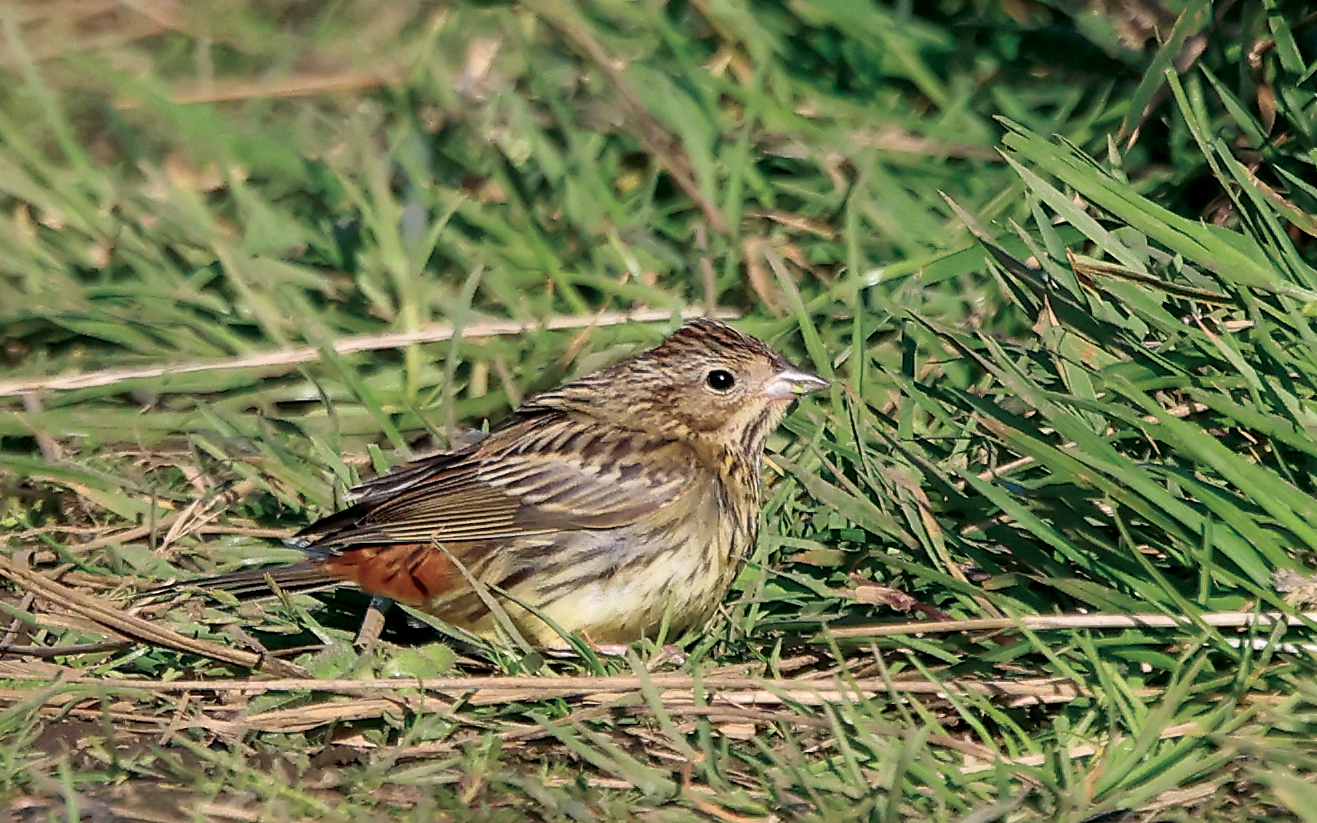
What a week this was for mega Sibes, and top of the class in terms of sheer rarity was a bird found at the very top of Britain, on Unst (Shetland) on 18th, a first-winter female Chestnut Bunting that proceeded to do the decent thing and stick around there at Buness until 22nd, showing well at times if somewhat elusive initially. All of a sudden, that Siberian Blue Robin wasn’t the rarest Sibe to be found on Shetland after all this autumn – which, when one considers that statement, is really saying something.
This was a county first, or at least, one that feels like it’s got immaculate provenance and will surely be duly added to the official record in the fullness of BBRC time. Prior Shetland records hadn’t made the grade, all residing in the disappointing gutter of the British list that’s Category E – those species that have been recorded as introductions, human-assisted transportees or escapees from captivity. Summer birds on Foula in July 1974 and Fair Isle in June 1986 felt like birds occurring out of time, while autumn birds on Out Skerries in September 1994 and Fair Isle in September 2002 may have had autumn on their side, but in all cases the spectre of the captive bird trade, with Chestnut Bunting a common import from the east, hung over them like a miasma and couldn’t in all conscience be ignored.
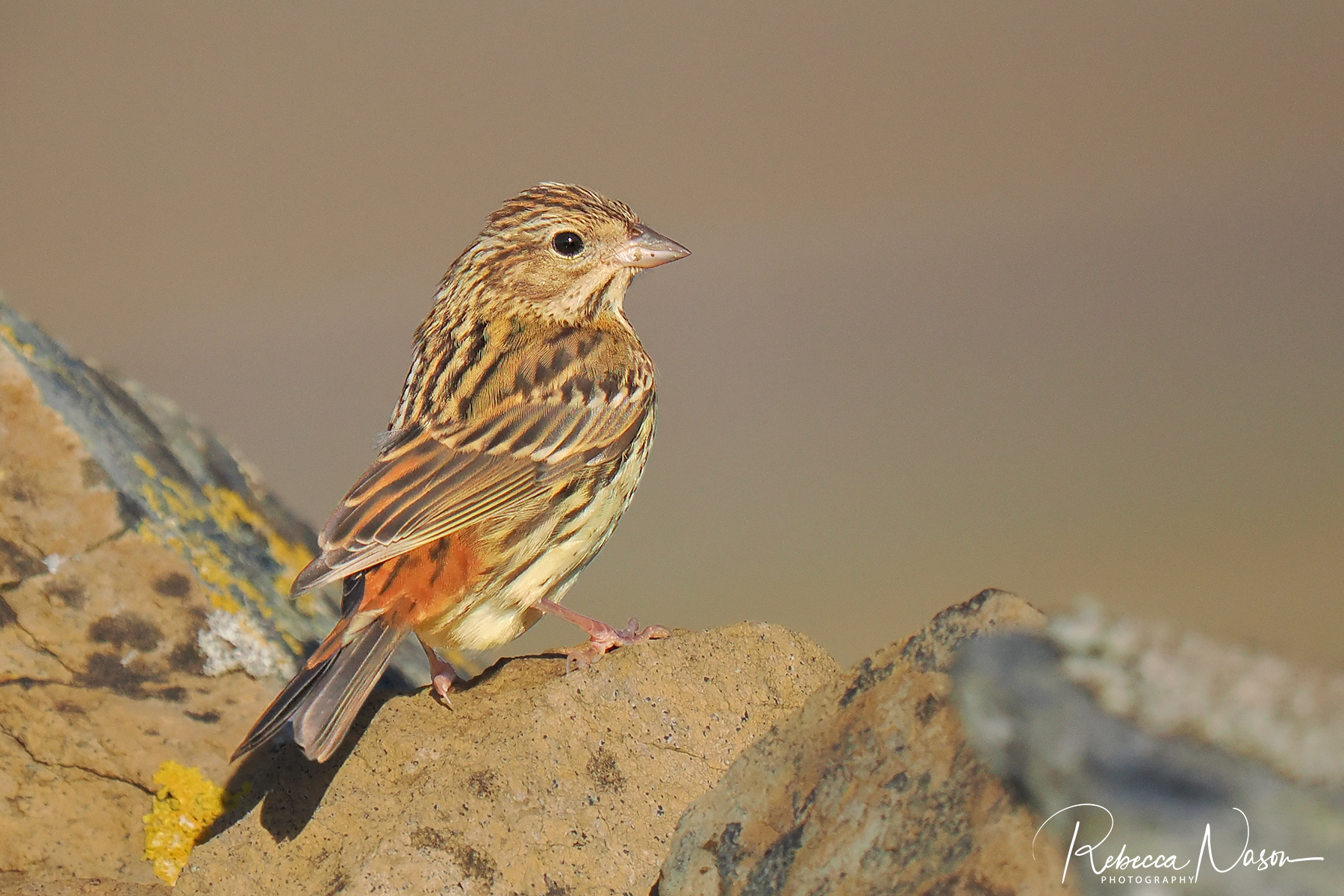
That filthy industry was regulated by the European Union with bans placed upon imports from Far East in 2005-2007, setting the scene nicely for the first-winter male found on Papa Westray (Orkney) on 19th-29th October 2015 – and this was duly accepted by BOURC as the first authentic British record, elevating Chestnut Bunting onto Category A of the British list after what BOU tactfully described as a ‘difficult history on route’.
This week’s bird on Shetland did the decent thing, sticking around on Unst and allowing those twitchers who’d not been able to get to Orkney a little over a decade ago the chance to head north to scratch the itch. And, for a number of them, their timing was propitious, for there would soon be mega Sibes on the British mainland to further distract them…
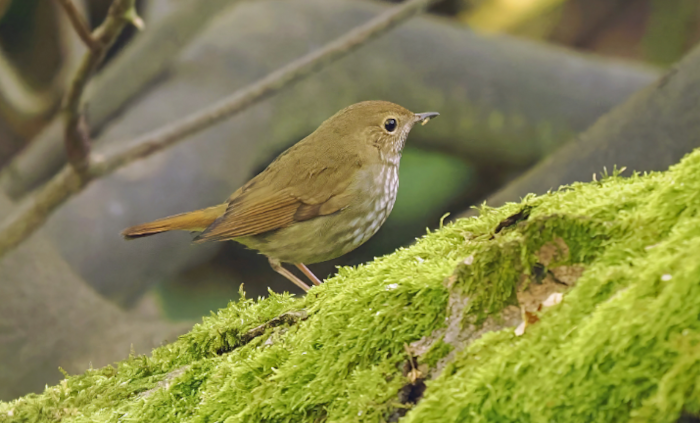
On the subject of erstwhile blockers, very few presently on the British list can hold a candle to Rufous-tailed Robin. Britain’s first, on Shetland’s irrepressible Fair Isle on 23rd October 2004, was famously being twitched on the Good Shepherd by those Shetland birders who fancied seeing a Hermit Thrush when the bird’s true identity was realised, but was gone the following day, seen only by the intrepid seaborne few and those already present on the island.
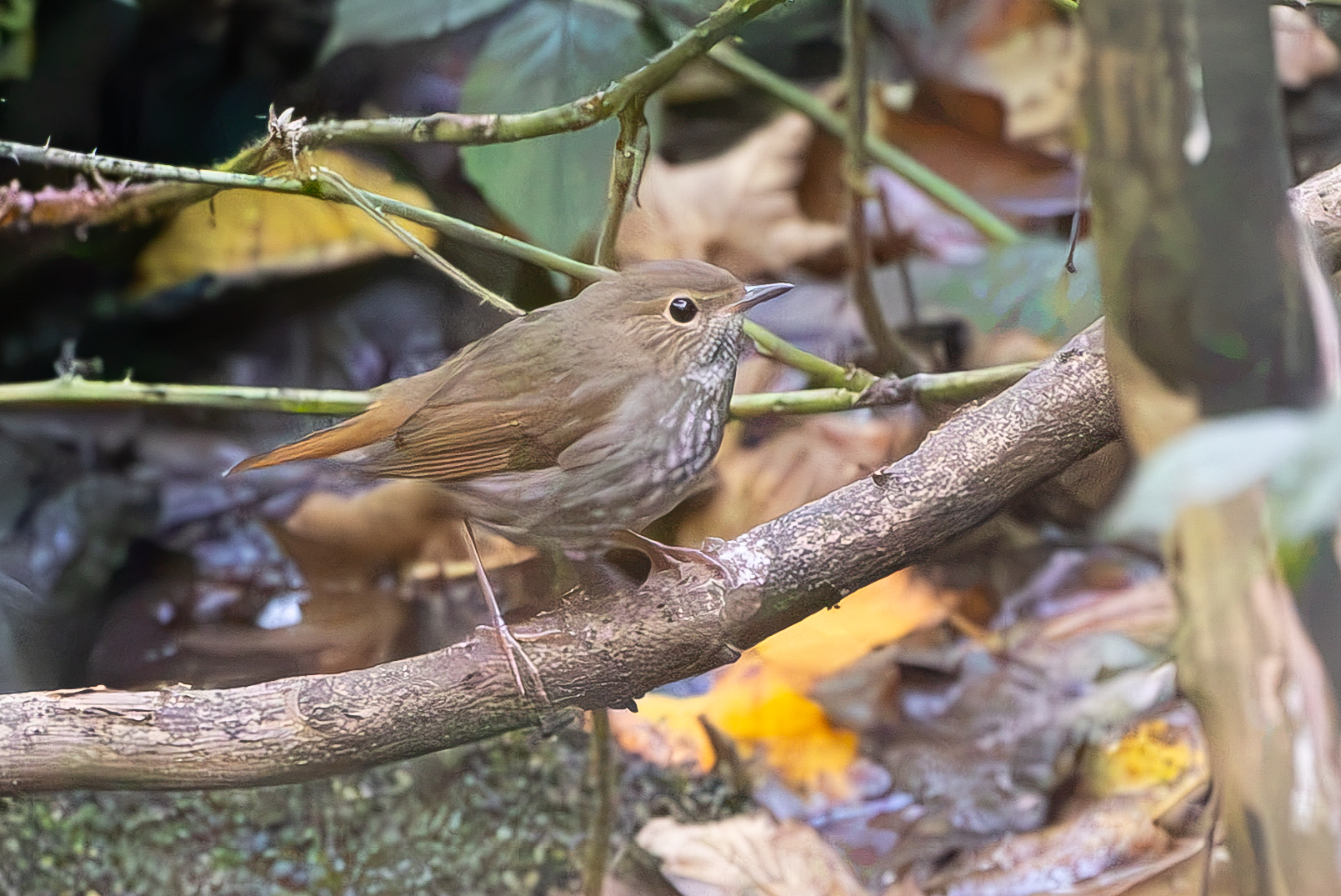
Four more birds have followed – all one-day birds too, and all various shades of untwitchable. One dead on North Ronaldsay (Orkney) on 2nd October 2010; one in Norfolk at Warham Greens on 14th October 2011; and a particularly elusive and fleeting individual on Fetlar (Shetland) on 6th October 2019. To say one had seen a British Rufous-tailed Robin meant, until this week at least, that one was in a very exclusive club indeed.
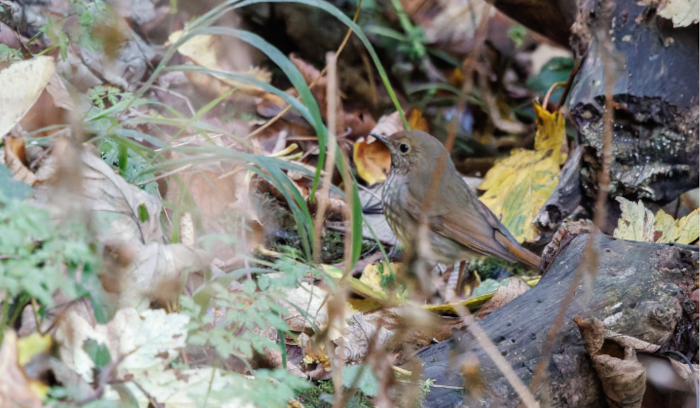
That was all set to change after the discovery in recent days, on 20th, of a Rufous-tailed Robin in the lush depths of South Landing on Flamborough (East Yorkshire). Precious few people managed to gain satisfactory views in what remained of the day but, happily, the bird didn’t do a bunk or keel over – it was still present there the following day and, while viewing conditions were inevitably somewhat constrained, with patience and luck those who’d headed to Flamborough were able to connect. More remarkably still, given the species’ precedent as a one-day wonder on British soil, the bird stuck around for yet another day, still present at South Landing as the week drew to a close on 22nd.
Sibe blockers were falling like flies this week by the time yet another putative crowd-pleaser was found on the British mainland in the morning of 22nd, in the utterly beguiling form of a sparkling male Siberian Rubythroat that flashed all too quickly through Spurn (East Yorkshire).
Those who’ve been regulars on Shetland in the past 20 years will be no strangers to this delightful species – years elapsed after Britain’s first was found on Fair Isle way back on 9th-11th October 1975 before Dorset, of all places, allowed those quick off the mark on 19th October 1997 to race to Osmington Mills before dusk for a chance at another male bird. After that, the floodgates opened somewhat, if you happened to be on Shetland in autumn since the turn of the century – there’ve been 16 subsequent accepted British records to the end of 2024, only two of which weren’t on Shetland.
One of those was a near-miss – a bird that settled for North Ronaldsay (Orkney) on 6th-7th November 2019 – and the balance of those accepted-to-date records was another on the British mainland, a first-winter female at Fulwell (Co.Durham) on 26th-28th October 2006.
Needless to say another, and in particular a male, would be a popular bird on the British mainland if it were to give itself up to its admirers. Alas, that’s not quite what happened this week, for the male found at Spurn’s Wire Dump in the morning of 22nd was there all-too-briefly before flying north, never to be seen again.
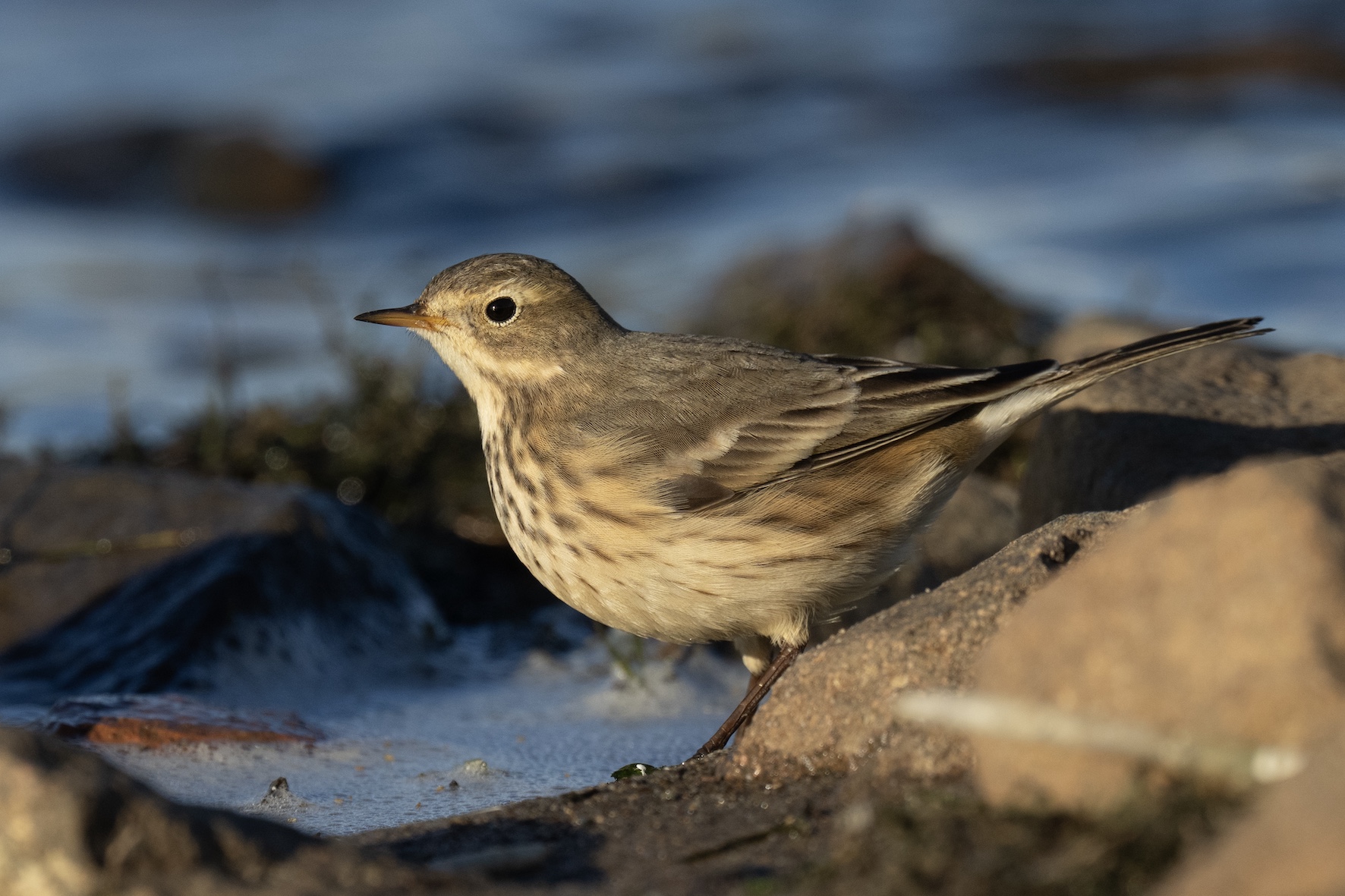
Sure, we’ve had plenty of American Pipit already this autumn, and with the species becoming an annual fixture these days anyway, they’re not normally the stuff of headlines anymore. But then again, they’re not normally found inland away from the coastal counties, and when one’s a first Nearctic passerine of any description for Northamptonshire, it’s an event worth highlighting.
Found at Clifford Hill GPs on 19th-22nd, this was a major event for county birders, and one that showed deliciously well too, fully living up to its brief as a genuine inland mega.
Additional birds this week were meanwhile still present on Rathlin Island (Co.antrim) on 16th-17th, and found on St Agnes (Scilly) on 20th.
On the subject of county firsts, a Greater Yellowlegs would be notable enough anywhere in Britain and Ireland, given the relative paucity of records we have of this elegant American shorebird, but one this week at Mullaghmore was a county first for Co.Sligo, making it all the more meaningful at a local level. This is only the fifth bird for Ireland since the turn of the century, so whenever and wherever one’s found, it’s a bird to savour.
As we’ve seen in the headlines, once again it fell to Cornwall this week to disrupt an otherwise fairly peaceful week on the seabird front. Eyes cast to sea elsewhere weren’t entirely unrewarded, however…
It was a good week for divers, starting in Co.Cork where the regular Pacific Diver was back at Crookhaven on 16th-20th.
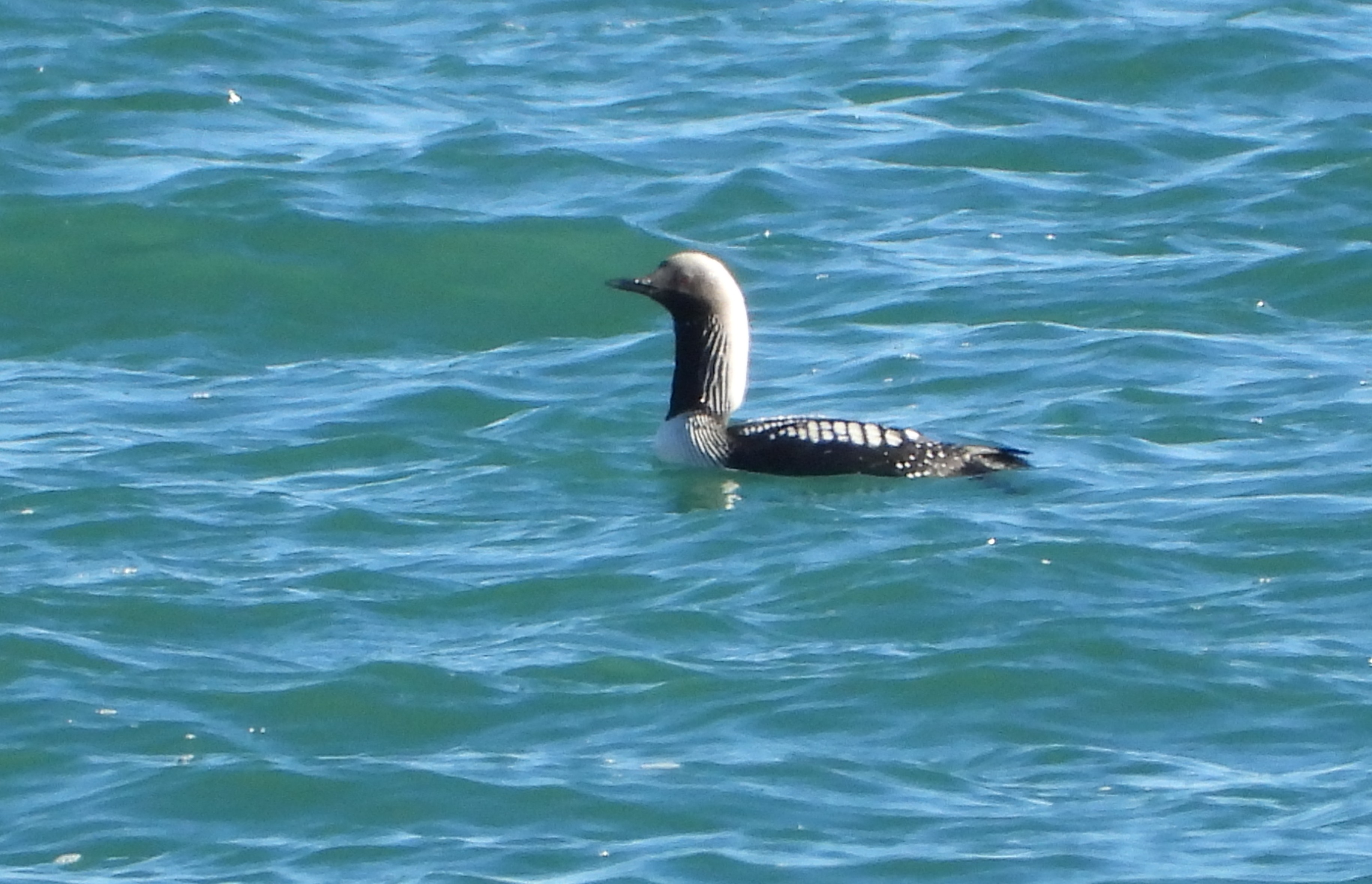
Seawatching on the English northeast coast was to prove productive for White-billed Diver, with four seen passing Flamborough (East Yorkshire) in the course of 19th alone, these probably accounting for sightings of single birds that day in Co.Durham at Whitburn CP, and Northumberland off Seaton Sluice and St Mary’s Island. Further singletons were seen on 18th at various sites from North Yorkshire to Northumberland, culminating in a bird seen in the latter county in the afternoon at Boulmer; on 20th a probable, again in Northumberland, at Newbiggin Point; and a possible on 22nd at Hartlepool Headland (Cleveland).
A possible Brunnich’s Guillemot was also seen off the Northumberland coast on 19th, noted heading north past Church Point in the late morning.
Some 20 Little Auk were seen during the course of the week across Britain and Ireland.
Numbers of interesting shearwaters took a marked nosedive, with even Balearic Shearwater only just scraping into double figures with a dozen birds in total logged over the week. Just one Great Shearwater was recorded, seen from Cape Clear (Co.Cork) on 20th; and Cory’s Shearwater fared little better, with single birds seen in Suffolk from Minsmere RSPB on 17th, 18th and 20th, and Dunwich and Kessingland on 20th; from Reculver (Kent) on 16th; and Buckton (East Yorkshire) on 20th.
Around 60 Leach’s Petrel were logged nationwide during the week.
Finally, skuas, which remained reliable, with some 65 Pomarine Skua and 145 Long-tailed Skua noted in Britain and Ireland as a whole during the week.
Moving into the long-legged beasties, a Night Heron was seen in flight over Orpington (London) on 17th.
Down on Scilly, the juvenile Sora remained settled on St Mary’s on 16th-22nd.

A Spotted Crake proved reliable at St Aidan’s RSPB (West Yorkshire) on 19th-20th.
Finally, a possible Corncrake was seen in Northumberland at Tynemouth on 20th.
Honkers and quackers next, and we’re settling into our regular winter stride here. We’ll kick off our paddle on the rarity duckpond with The Goose Formerly Known As Canada. Three probable interior Todd’s Canada Goose were present at Lissadell (Co.Sligo) on 19th, two of which remained there the following day; and one on 21st at Cardurnock (Cumbria). A hutchinsii Richardson’s Cackling Goose was present on Islay (Argyll & Bute) at Loch Gruinart RSPB on 18th-20th, with two reported present there on 22nd.
Islay also held a Snow Goose present on the island on 18th-19th.
The prior week’s Ross’s Goose remained in Highland & Caithness in recent days, on the Conon Estuary on 16th, and in Dingwall Bay still on 17th-22nd. Another bird was found this week further south, in Lancashire & North Merseyside, where it was seen in the Sandylands area on 18th, and Pilling Lane Ends on 21st.
A Black Brant was again seen in north Kent this week, from Seasalter on 16th, while one was seen on the other side of the Thames Estuary at Shoebury (Essex) on 21st.
Eclipse Drake Baikal Teal still 5.30pm at Barleycroft Lake, associating with Wigeon mainly. Also fem Ferruginous Duck and 50 Cattle egrets. Just the 2nd (or 3rd) county record of Baikal Teal @cambsbirdclub.bsky.social @birdguides.bsky.social @rarebirder.bsky.social #ukbirding #ukrarebirds
— Mark Hawkes (@grafhamwbirder.bsky.social) 22 October 2026 at 19:51
[image or embed]
Foremost among the ducks this week was the drake Baikal Teal found on 22nd in Cambridgeshire at Needingworth GPs.
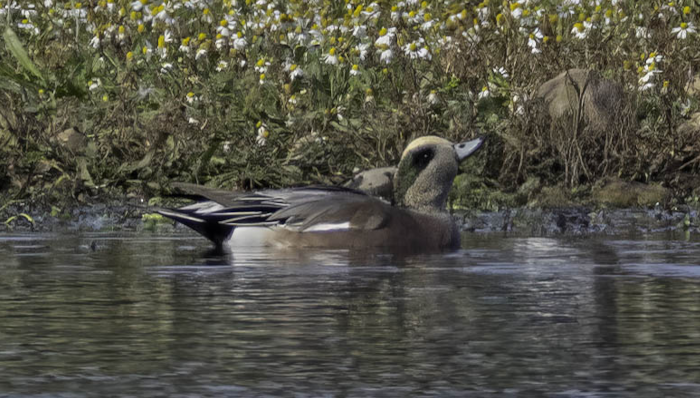
Once again the week was packed with American Wigeon, again threatening to move into double figures in total. Scottish examples were seen in Shetland still at Loch of Spiggie on 17th; on North Ronaldsay (Orkney) on 17th; at Loch Eye (Highland & Caithness) still on 18th-20th; and at Newshot Island (Clyde) again on 16th. English birds were present in North Yorkshire at Staveley YWT on 16th-21st still; at Old Moor RSPB (South Yorkshire) still on 17th-21st; at Bishop Middleham (Co.Durham) on 21st; and at Budle Bay (Northumberland) on 18th and 21st. In Wales a bird was present at Inland Sea (Anglesey) on 19th-22nd; and in Ireland, a bird at Youghal (Co.Cork) on 18th.
In Norfolk a drake Ferruginous Duck was present on Rollesby Broad on 20th-22nd; a possible female again on Dix Pit (Oxfordshire) on 18th; and on 22nd, a female / first-winter drake at Needingworth GPs (Cambridgeshire).
Lesser Scaup were found on 22nd at Alton Water (Suffolk) and Little Loch Shin (Highland & Caithness).
In total 12 Ring-necked Duck were logged this past week, with duos again at Boscathnoe Reservoir (Cornwall) on 16th-17th, and on Tiree (Argyll & Bute) on 20th-22nd; and single birds noted at Brigg (Lincolnshire) on 16th, Blair Drummond GPs (Forth) on 16th-22nd, at Martin Mere WWT (Lancashire & North Merseyside) still on 16th-22nd, at Titchmarsh LNR (Northamptonshire) on 17th-22nd, at North Slob WWR (Co.Wexford) on 19th, on Lough Gill (Co.Kerry) on 20th, on Bosherston Lily Ponds (Pembrokeshire) on 20th and at Stackpole on 22nd, and on Rollesby Broad (Norfolk) on 21st-22nd.
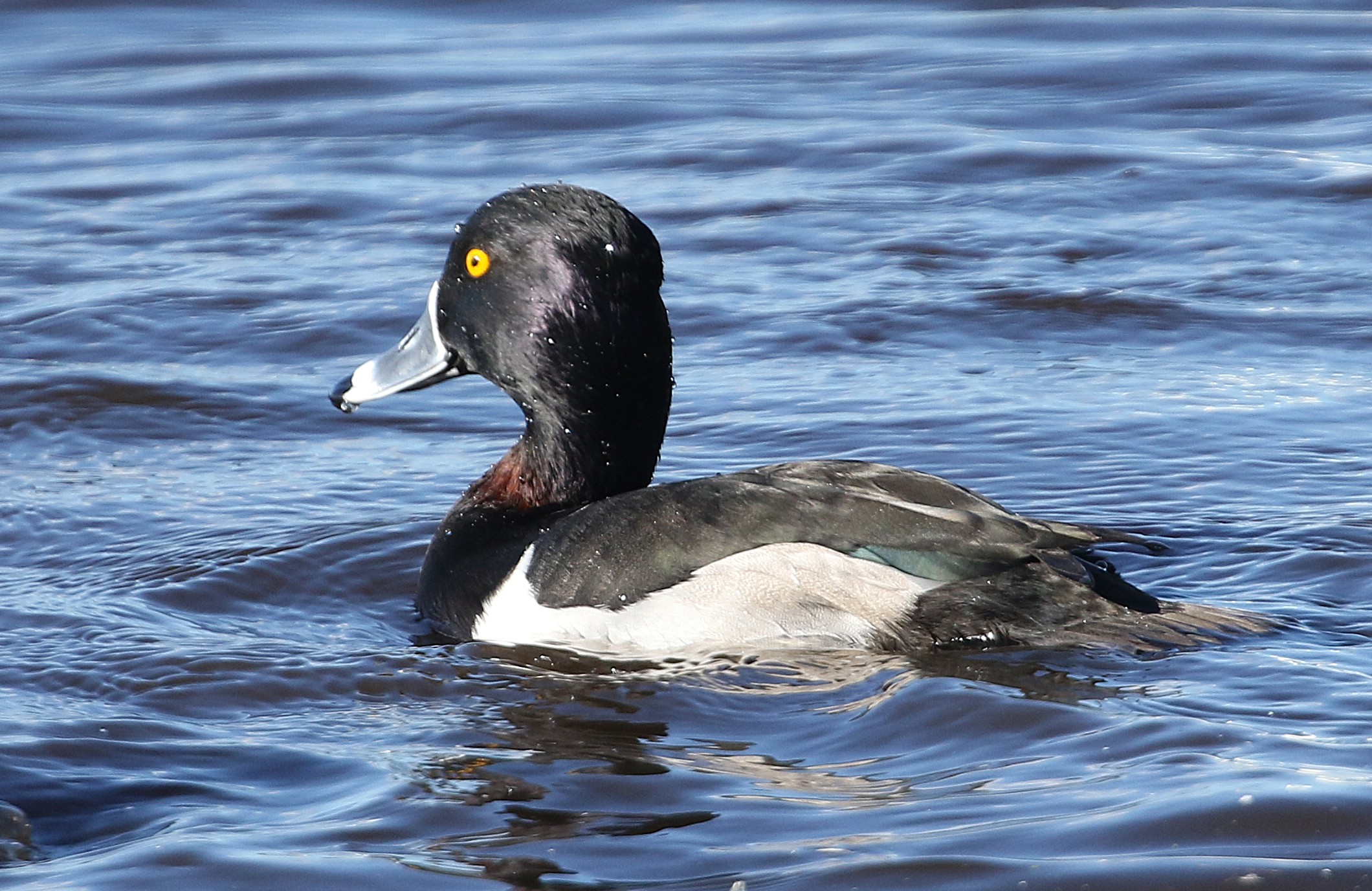
The recent drake White-winged Scoter remained in Lunan Bay (Angus) on 17th-19th.
The recent juvenile Surf Scoter continued to haunt the Tresco channel (Scilly) on 16th-20th; one remained off Old Colwyn (Conwy) on 19th; two were still present off Ballinesker (Co.Wexford) on 16th, at least one of them still there the following day; and one was seen at Burghead (Moray) on 18th.
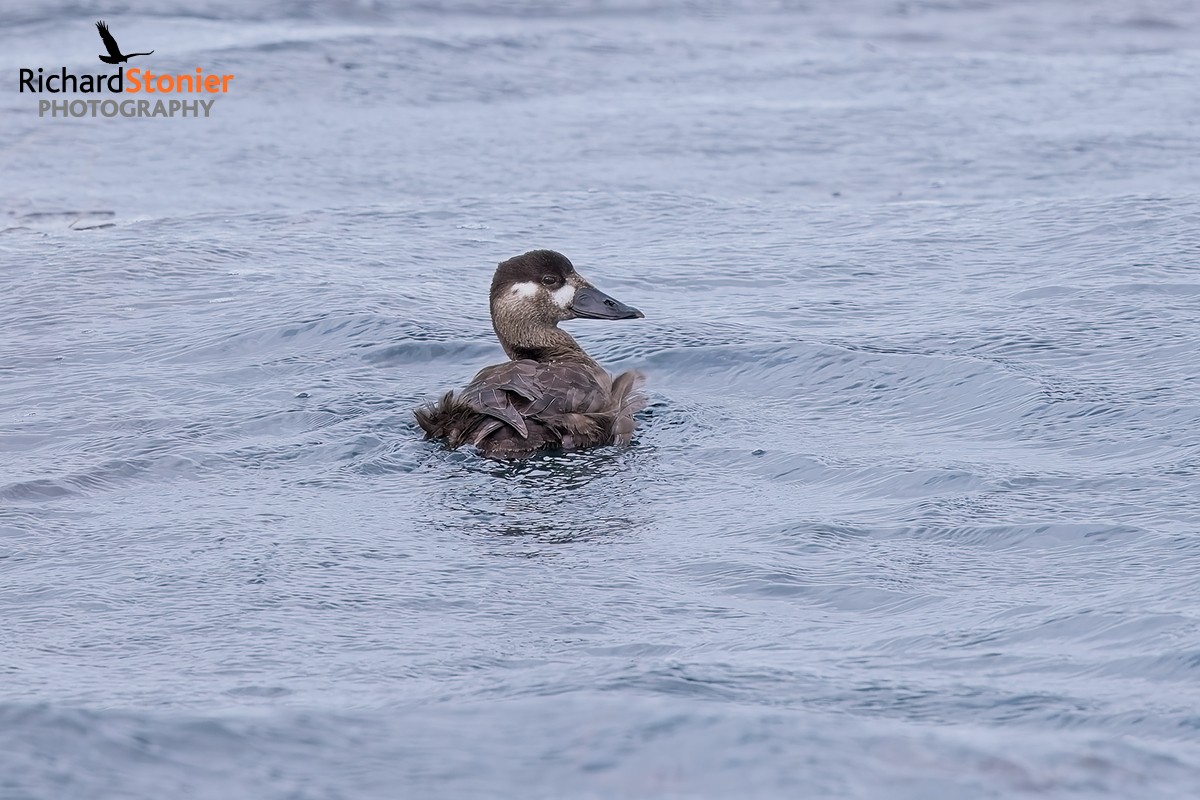
Lastly, up in Shetland the lingering female King Eider remained in the sheltered waters off Lerwick on 17th-19th.
We’ll start the weekly waders once more on St Mary’s (Scilly), where confirmed Wilson’s Snipe remained on 16th at Lower Moors and Porth Hellick Pool, the former site holding its bird on 17th also. From 17th-19th a probable lurked at Lower Moors.
A little over half a dozen Lesser Yellowlegs were seen nationwide during the course of the week. Lingering birds remained at Woodhall Spa Airfield LWT (Lincolnshire) on 17th-18th, and on the Eden Estuary (Fife) on 16th still; additional birds were found in Cornwall at Gorrangorras Creek (Cornwall) on 17th-19th and College Reservoir on 20th-22nd, with a probable over Swanpool on 18th; at Lough Beg (Co.Derry) on 18th; on Broadmeadows Estuary (Co.Dublin) on 19th-20th, and on 22nd at Holland Haven CP (Essex) and Easington (East Yorkshire).
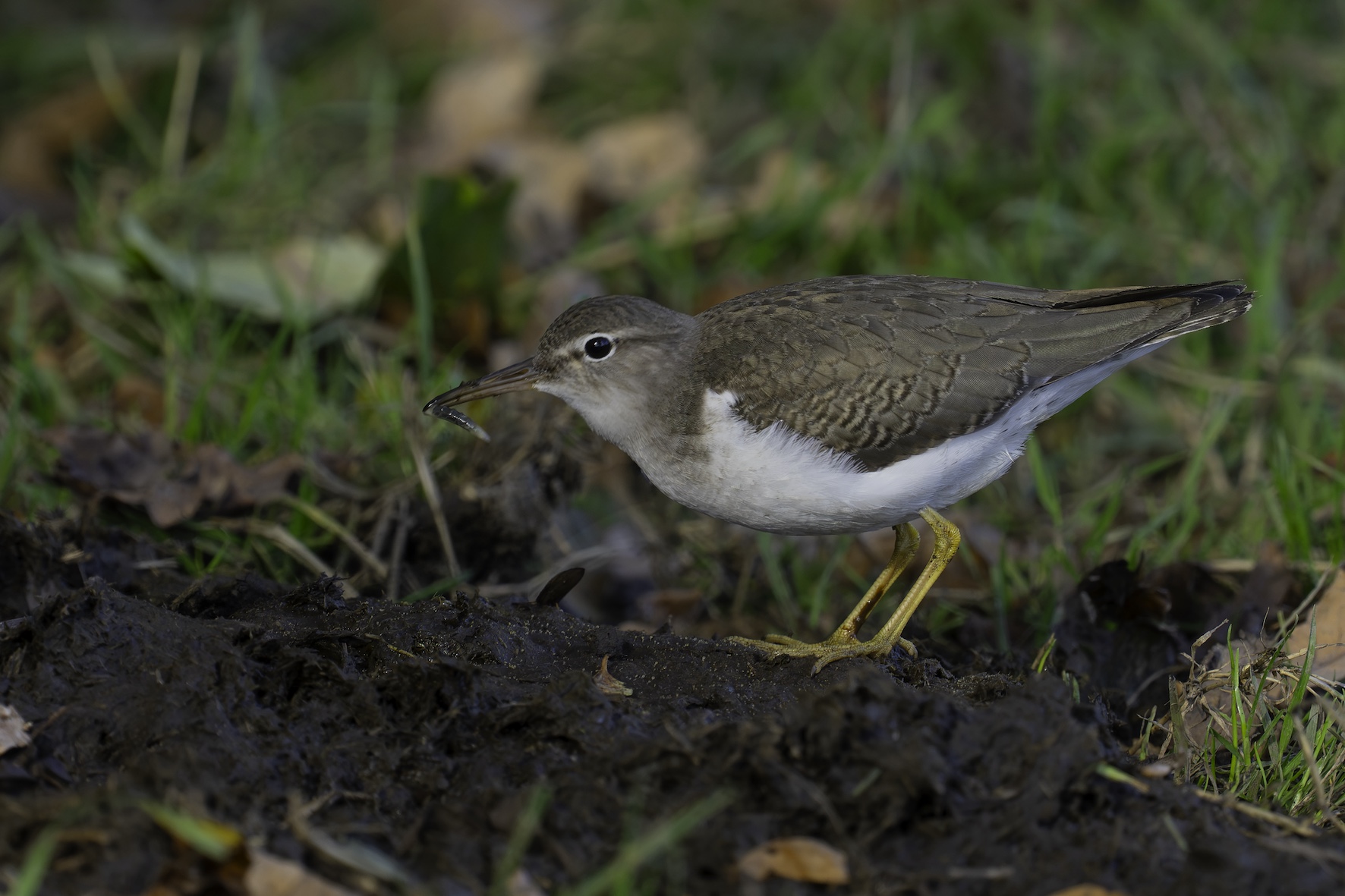
A juvenile Spotted Sandpiper was a good find in West Yorkshire at Nostell Priory on 20th-22nd.
Britain and Ireland continued to creak under the weight of White-rumped Sandpiper in recent days, with 25 birds logged over the course of the week. Several sites were blessed with multiple birds – trios were present on South Uist (Western Isles) on 19th-22nd, and Claggan Island (Co.Mayo) on 19th; while two were present at Inland Sea (Anglesey) on 20th.
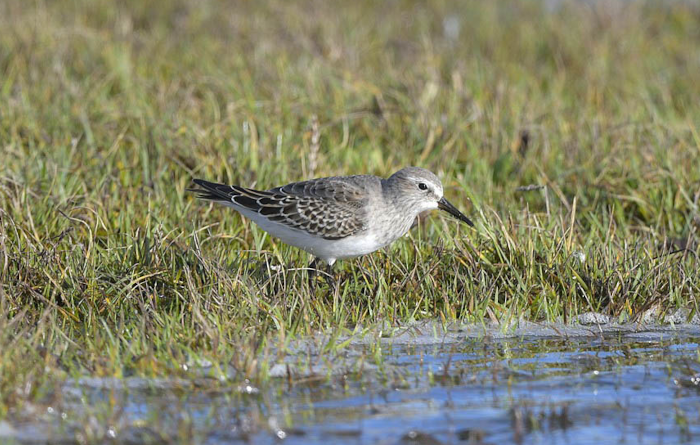
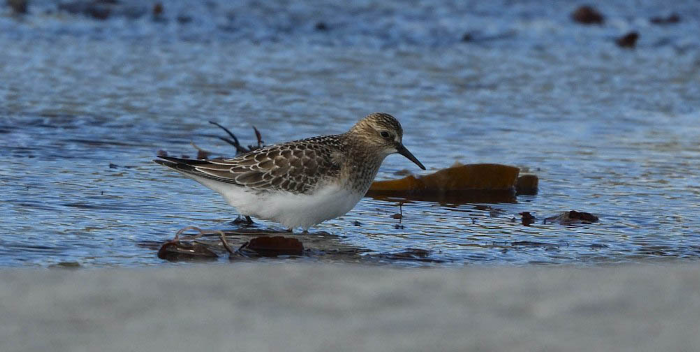
Baird’s Sandpiper on the other hand were a much scarcer commodity – four were seen this week, with one still present at Rough Point (Co.Kerry) on 20th, and further birds seen on 16th-17th still on North Uist (Western Isles), at Myroe Levels (Co.Derry) on 17th-19th, and at Leam Lough (Co.Mayo) on 19th.
Semipalmated Sandpiper made a fair showing of peeps, present at Blennerville (Co.Kerry) on 16th-18th, and in Co.Cork at Ring Strand on 18th and Clonakilty on 20th.
Half a dozen Buff-breasted Sandpiper were seen in Britain and Ireland lately – at Longhoughton Steel (Northumberland) still on 16th-17th, Myroe Levels (Co.Derry) still on 16th, and Siblyback Reservoir (Cornwall) still on 20th; and at Adwick Washlands RSPB (South Yorkshire) on 16th, over Belvide Reservoir (Staffordshire) on 17th, and on Tiree (Argyll & Bute) on 19th.
Lingering Pectoral Sandpiper started the week at North Cave Wetlands YWT (East Yorkshire) on 16th-22nd still, at Rainham Marshes RSPB (London) on 16th-21st still, at Tacumshin (Co.Wexford) still on 16th, and again at Siblyback Reservoir (Cornwall) on 20th. Additional birds were seen in Shetland at Loch of Tingwall on 16th and Loch of Spiggie on 17th; at Crowdy Reservoir (Cornwall) on 17th; and on South Uist (Western Isles) on 20th.
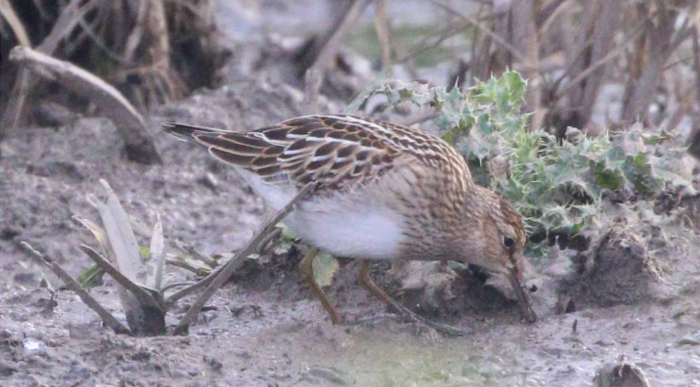
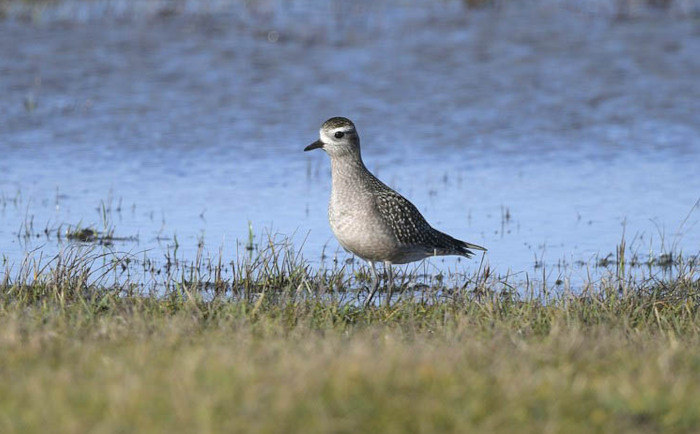
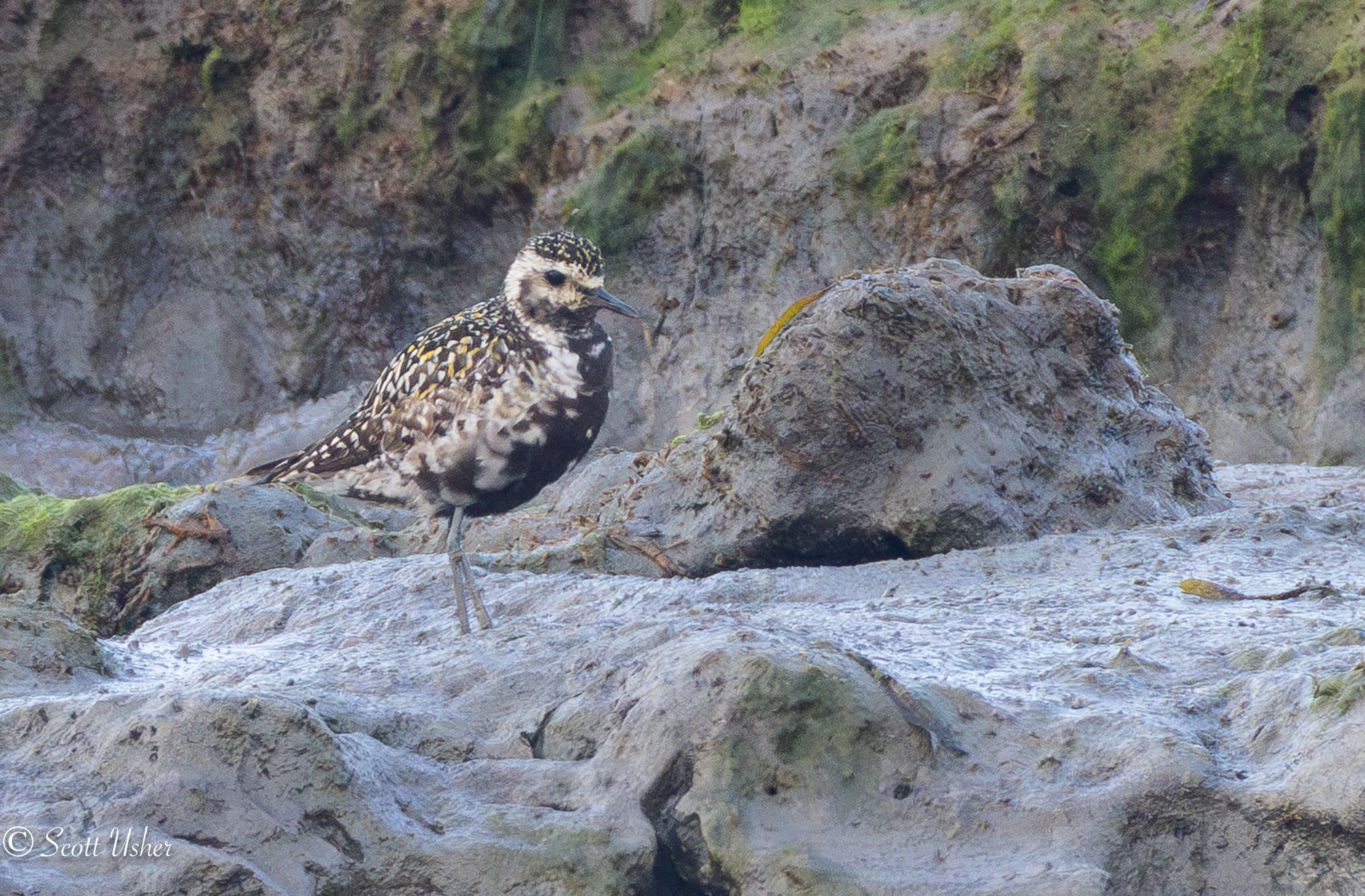
Around a dozen American Golden Plover were seen during the course of the week, with two birds noted passing over Kynance Cove on The Lizard (Cornwall) on 16th notable. On the Isle of Wight the adult Pacific Golden Plover present on Western Yar Estuary on 17th-22nd still.
A couple of flyover Dotterel were noted during the week – one over Carnedd y Filliast (Gwynedd) on 18th, and another over Reculver (Kent) on 20th.
To finish once more with something of a flourish, we turn again to Grey Phalarope, which were seen in their high hundreds during recent days – some 650 birds were logged in the week, with a peak count of 350 birds from the Scilly pelagic of 18th.
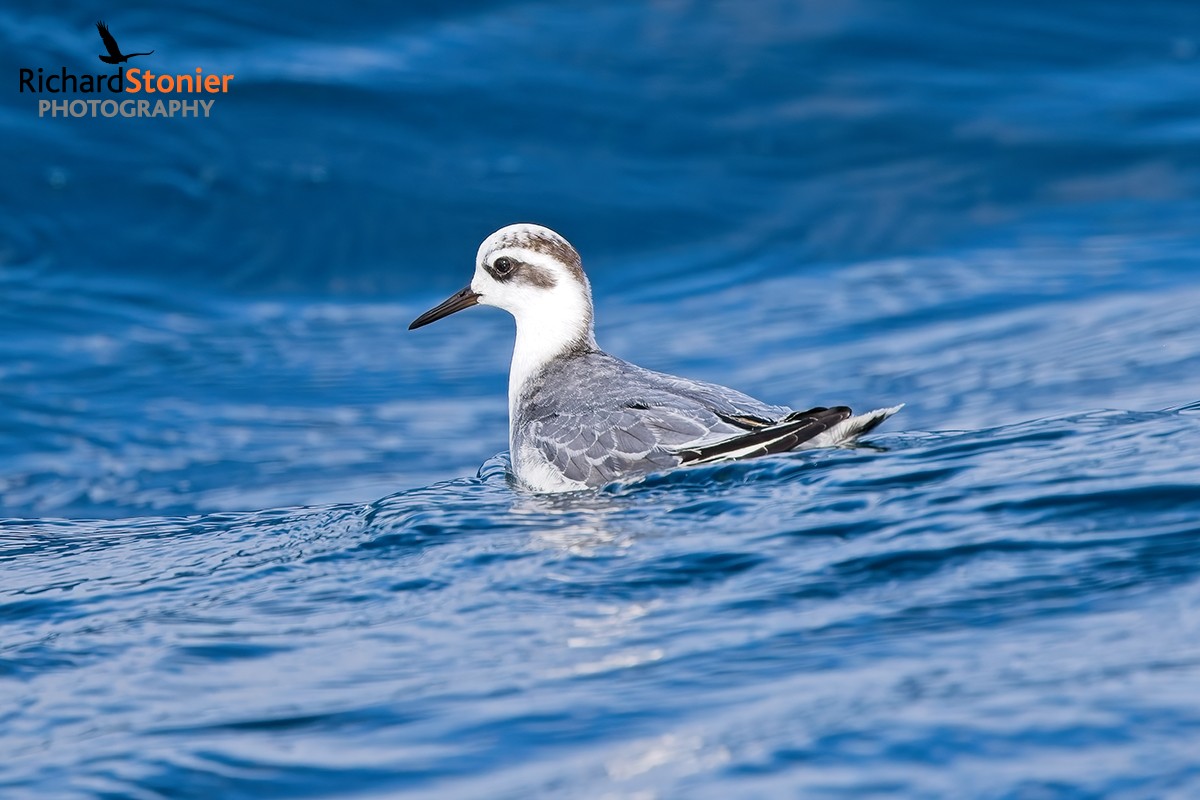
Decent numbers of Grey Phalarope invariably go hand in glove with fair numbers of Sabine’s Gull in a week, and so it proved in the week just gone – around 90 birds were reported from coastal stations around Britain and Ireland.
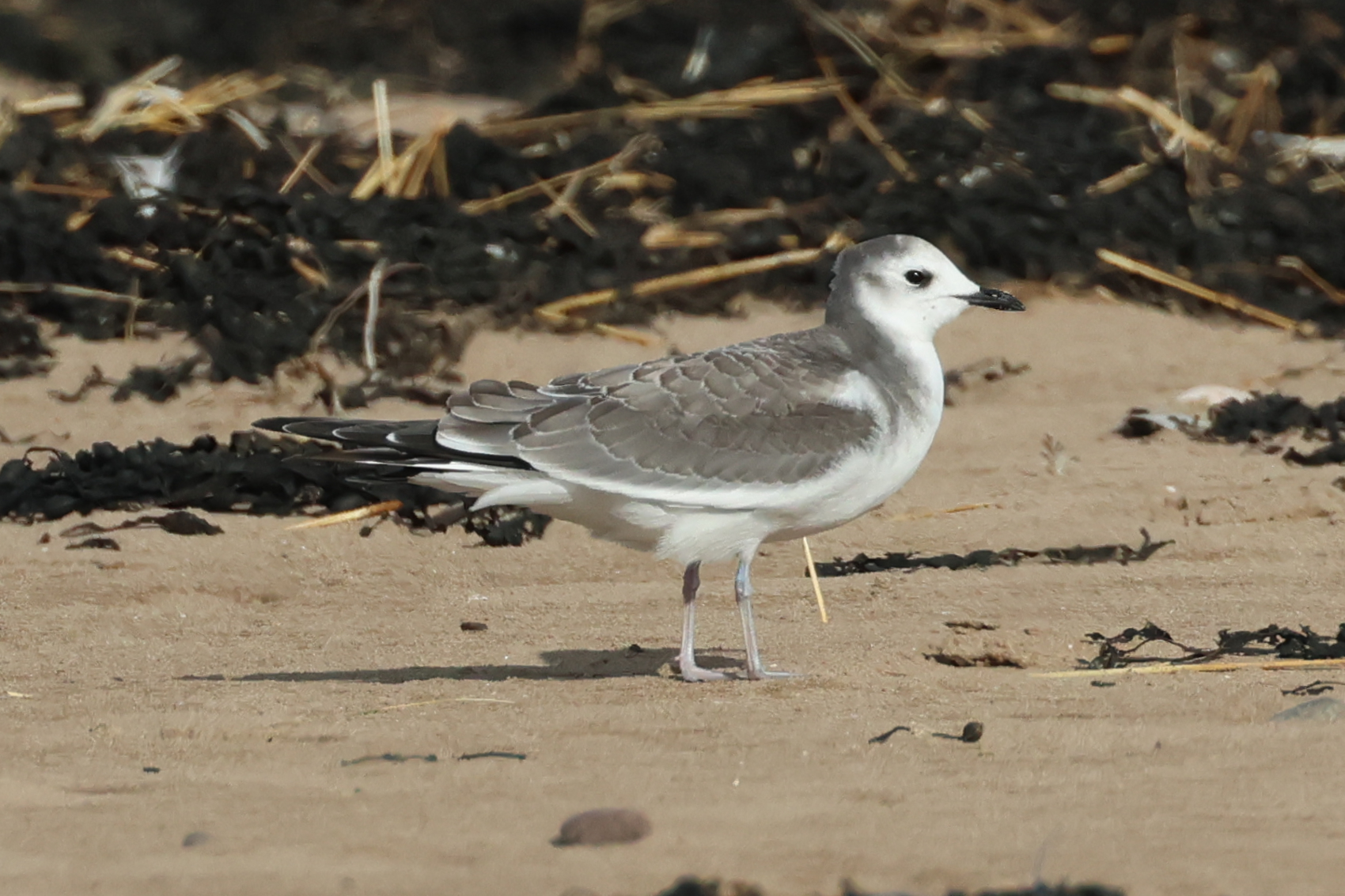
Scarcer altogether, Bonaparte’s Gull were still present at Stag Rocks (Northumberland) on 16th-22nd, at Groomsport (Co.Down) on 18th, and at Ballyconneely (Co.Galway) again on 21st; and seen on 18th also at Howe Strand (Co.Cork), and on Islay (Argyll & Bute).
Second-winter Ring-billed Gull were seen in Ireland at Doorly Park (Co.Sligo) still on 19th, and on 19th also at Omey Strand (Co.Galway); and an adult in Co.Fermanagh at Enniskillen on 22nd.
In Orkney the regular Glaucous Gull was still to be seen on Mainland at Stenness on 18th, with further Orcadian sightings coming from Bay of Carness on 16th, and Marwick Bay on 17th; one was present on Fair Isle (Shetland) on 18th, and a possible that day also at Kittle (Glamorgan).
An Iceland Gull was seen at Cromer (Norfolk) on 18th.
Finally, in Ireland the adult White-winged Black Tern was again seen on 16th-17th at Dun Laoghaire (Co.Dublin) and Blackrock (Co.Louth) on 18th-19th; while the recent juvenile surinamensis American Black Tern was again to be seen at Dun Laoghaire (Co.Dublin) on 17th and Seapoint Beach on 22nd.
In Wales this week the returning female Pallid Harrier was back for another spell at Llanrhidian Marsh (Glamorgan) on 19th-22nd. Another was found in Kent on 22nd at South Foreland, and a Pallid / Montagu’s Harrier on 22nd in Aberdeenshire at Meikle Loch. A Montagu’s Harrier was reportd on 20th at Havergate Island RSPB (Suffolk) still.
Our only other raptor news this week concerned a Black Kite seen in East Yorkshire near Sammy’s Point on 20th, and another on 20th in Cornwall near Camborne.
Arguably deserving their own place in the headlines this week, but nudged out of there by the sheer volume of other, rarer fare, we’ll start the passerines this week with rare wheatears – of all kinds, at that.
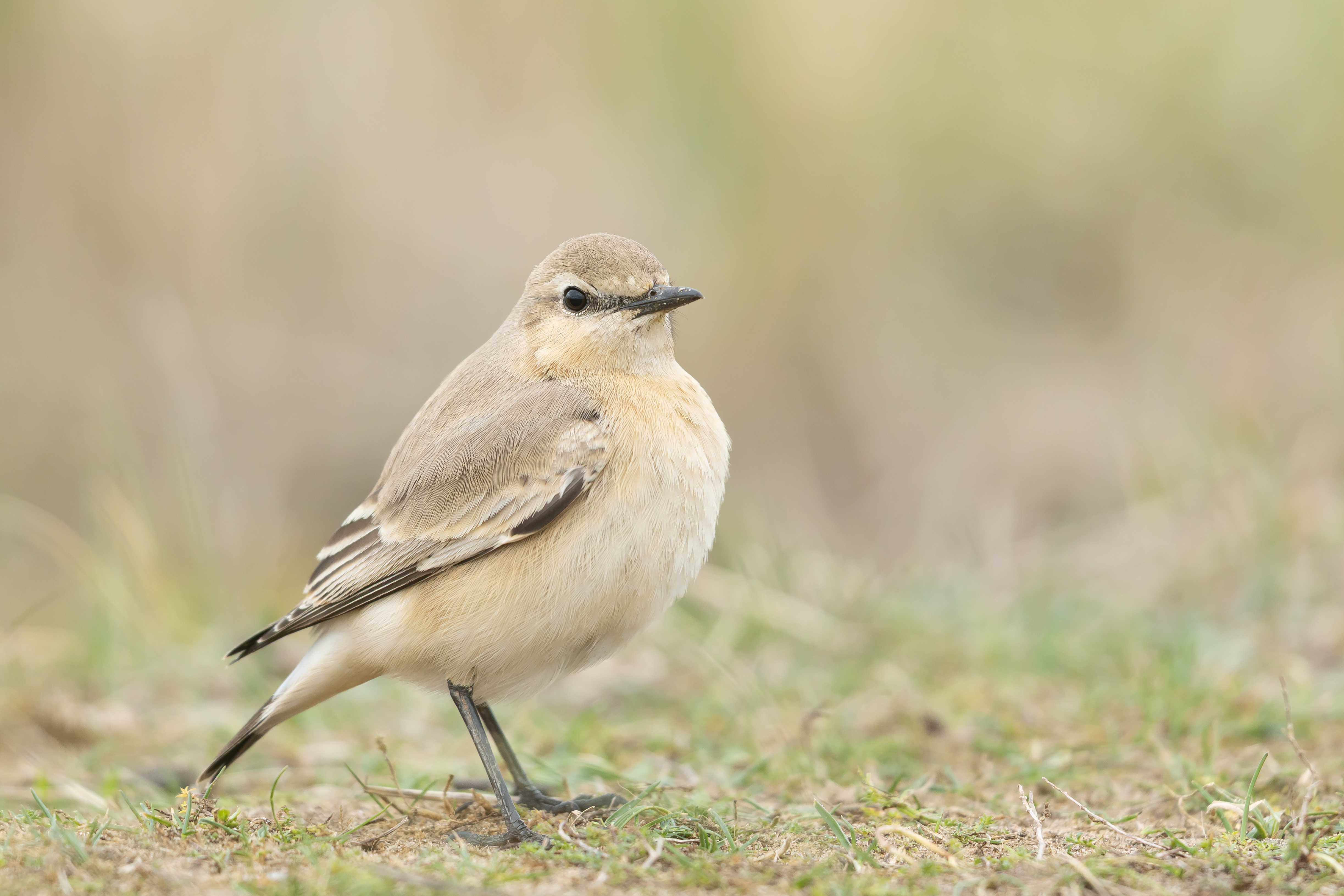
First out of the blocks must be erstwhile mega Isabelline Wheatear, which staged quite the arrival into northern Europe this week, with Britain enjoying several to call its own – two were present at Sammy’s Point (East Yorkshire) on 19th-20th, while single birds were found on 18th at Arbroath (Angus); on 19th-22nd at Donna Nook (Lincolnshire); on 19th-21st at Winterton Dunes NNR (Norfolk); and on 20th-21st at Saltend (East Yorkshire). A further probable was on Dursey Island (Co.Cork) on 18th.
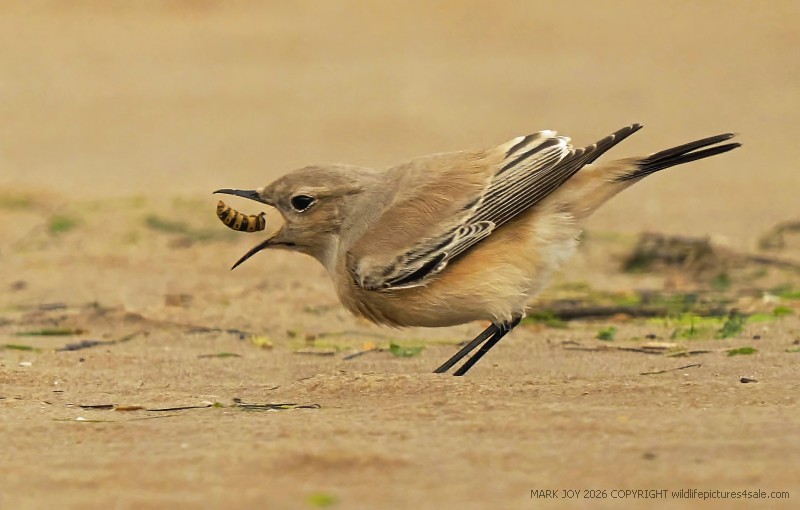
Next are Desert Wheatear, with Norfolk particularly blessed, with a female at Wells-next-the-Sea on 18th-20th, and a male at Cley on 19th; and a further female bird in the north in Co.Durham at Whitburn on 20th-22nd.
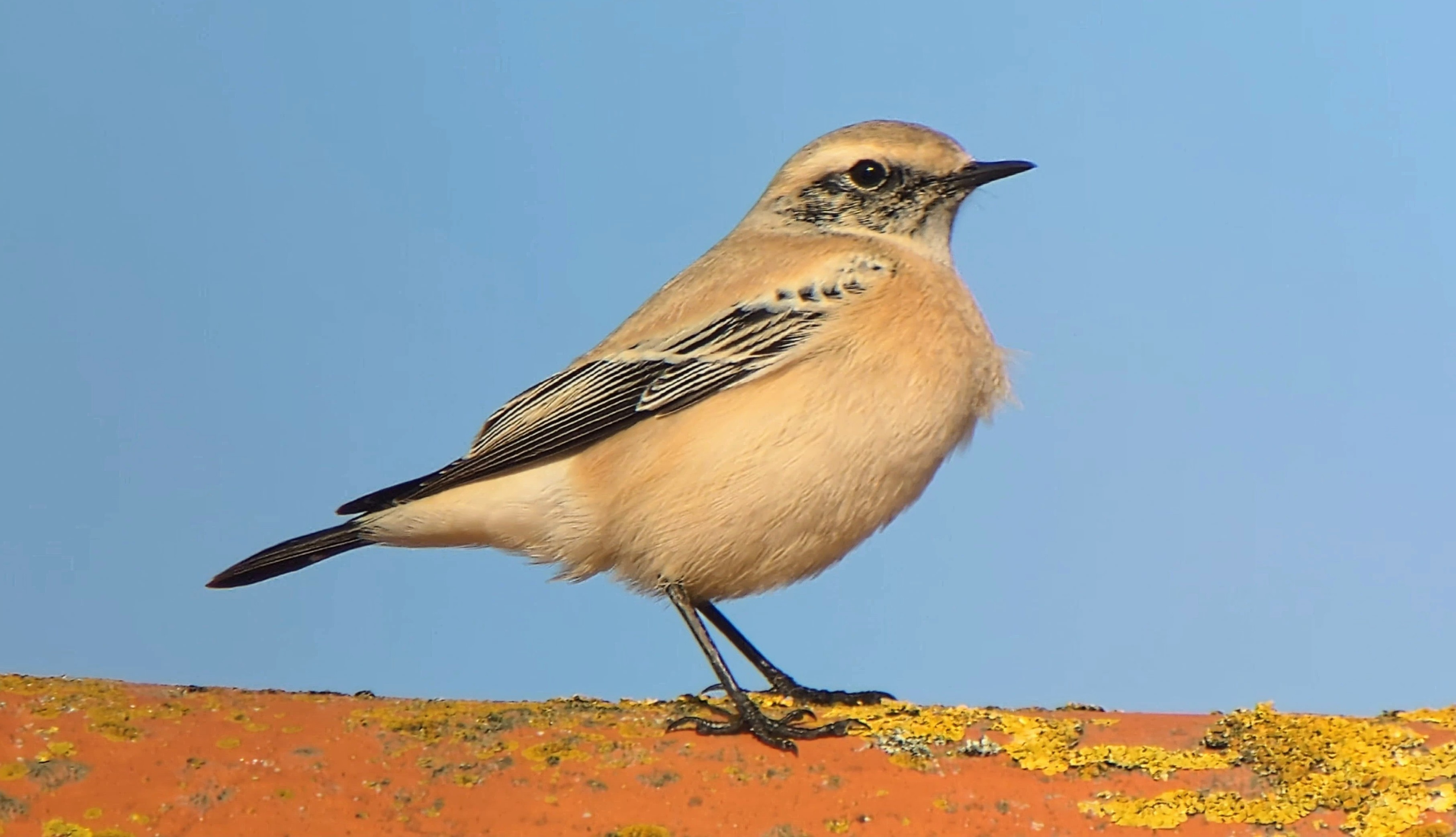
Kent meanwhile enjoyed a brief Pied Wheatear at Seasalter on 18th.
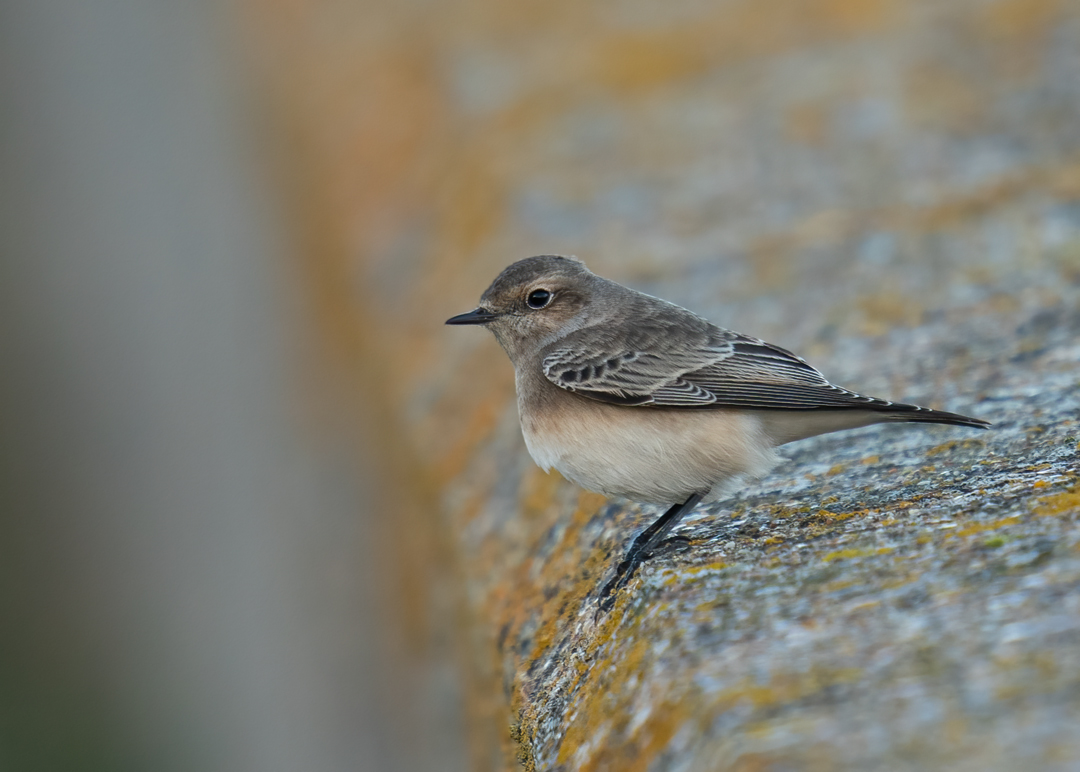
While rarer chats were available this week, we can’t ignore the sheer joy that’s a Red-flanked Bluetail - birds in recent days were seen on Unst (Shetland) on 16th-21st; at Easington (East Yorkshire) on 19th; and trapped and ringed at Swining (Shetland) on 20th.
A Siberian Stonechat sp, thought probably to be a form maurus, was on St Abb’s Head (Borders) on 19th-22nd.
The week was a good one for Bluethroat, with birds pushing into double figures overall. Sightings came from Shetland on Unst on 16th-17th, Fair Isle and Fetlar on 18th, and Whalsay on 21st; North Ronaldsay (Orkney) on 18th; Lossiemouth (Moray) on 18th; Kelling Water Meadows (Norfolk) on 19th; Kilnsea (East Yorkshire) on 19th-20th; Filey Brigg (North Yorkshire) on 20th; reported from Fife Ness (Fife) on 20th; then, on 21st, in East Yorkshire at Spurn, Kilnsea and Buckton.
A Red-breasted Flycatcher remained on Cape Clear (Co.Cork) on 16th, with a further report there on 20th firming into two birds there on 21st; additional birds this week were seen on Dursey Island (Co.Cork) on 18th; on Shetland at Quendale on 18th-20th and nearby Hillwell on 21st; and at Flamborough (East Yorkshire) where two were present on 20th.
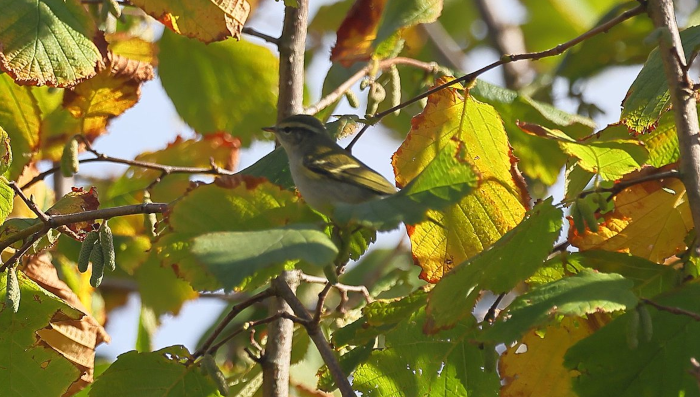
Warblers next. While numbers of Yellow-browed Warbler remained, on the whole, rather subdued with some 130 birds in total reported over the week, the first appreciable numbers of Hume’s Warbler were discerned in their midst – a possible at Walsey Hills NOA (Norfolk) on 18th followed by birds on 19th between Old Hunstanton and Holme (Norfolk) and at Saltburn-by-the-Sea (Cleveland); on 20th-22nd at Kilnsea (East Yorkshire), and on 20th at Whitestone Point (North Yorkshire); on 20th-22nd at Caister (Norfolk); on 21st on Isle of May (Fife), Corton (Suffolk), and a possible at Tarbat Ness (Highland & Caithness); and on 22nd
Onto striper things - Pallas’s Warbler were found in East Yorkshire at Easington on 19th, and Bempton Cliffs RSPB on 19th-22n; in North Yorkshire at Scarborough on 20th-22nd; in Kent at Reculver on 21st; and at Balcomie (Fife) on 22nd.
Further classic late autumn phylloscs were on the move. Good numbers of Radde’s Warbler included three at Flamborough (East Yorkshire) on 19th, and singletons on St Agnes (Scilly) on 18th; trapped and ringed at Alderton (Suffolk) on 18th; present in Devon at Soar on 18th-20th; at Gibraltar Point NNR (Lincolnshire) on 19th; at Easington (East Yorkshire) on 20th; on Mizen Head (Co.Cork) on 21st; and on 22nd at Flamborough still, and on Galley Head (Co.Cork).
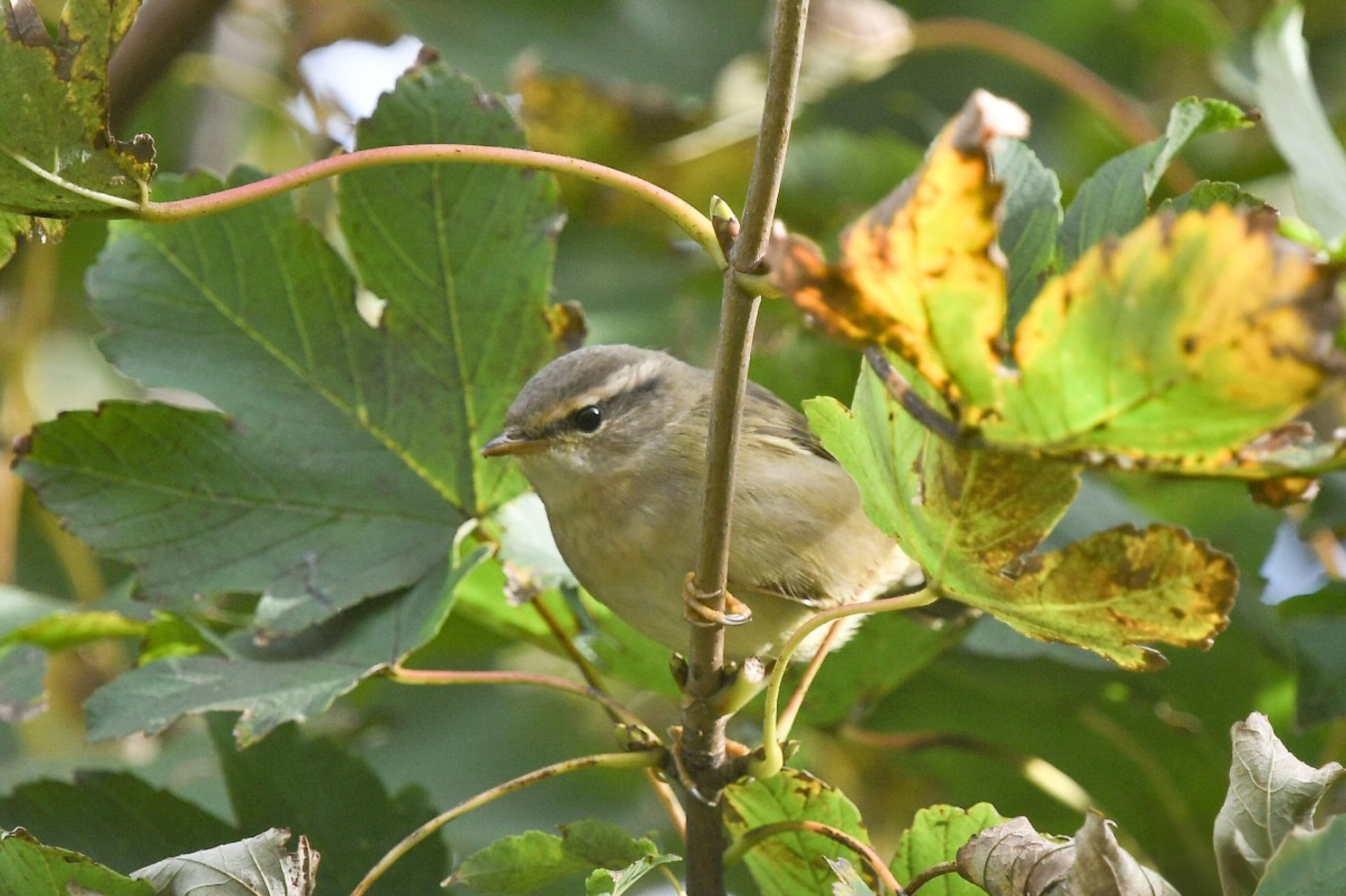
Dusky Warbler were also making their move – numbers on Blakeney Point (Norfolk) peaked with three present on 20th; single birds were found elsewhere at Brotton (Cleveland) on 18th-19th; at Flamborough (East Yorkshire) on 19th; trapped and ringed at Kilnsea (East Yorkshire) on 20th; on St Agnes (Scilly) on 20th; in Norfolk on 20th-22nd at Holkham Pines and on 20th at Walsey Hills NOA; on 21st-22nd at Kilnsea; on 21st on Isle of May (Fife) and one heard at Low Newton (Northumberland); and on 22nd at Vaults Wood (Lothian).
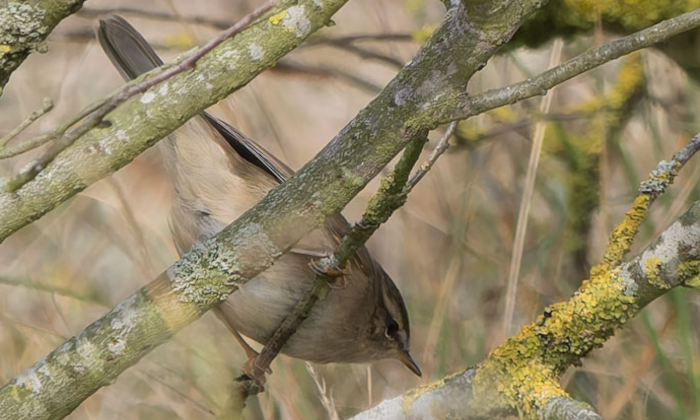
A Western Bonelli’s Warbler was found on Cape Clear (Co.Cork) on 20th-21st.
A Subalpine Warbler sp was seen briefly at Flamborough (East Yorkshire) on 18th.
A Paddyfield Warbler was a good find on 21st at Whitburn CP (Co.Durham), and was seen again there the following day.
Barred Warbler meanwhile kept their side of the autumn compact with a dozen birds in total seen, widely scattered over Britain and Ireland.
A Zitting Cisticola was again seen at Walberswick (Suffolk) on 22nd.
Down on Scilly the recent Isabelline Shrike sp, thought probably to be Daurian, remained on St Mary’s on 16th-17th. Further birds this week were found in Suffolk at Kessingland on 19th-22nd, and on 21st-22nd at Holmpton (East Yorkshire).
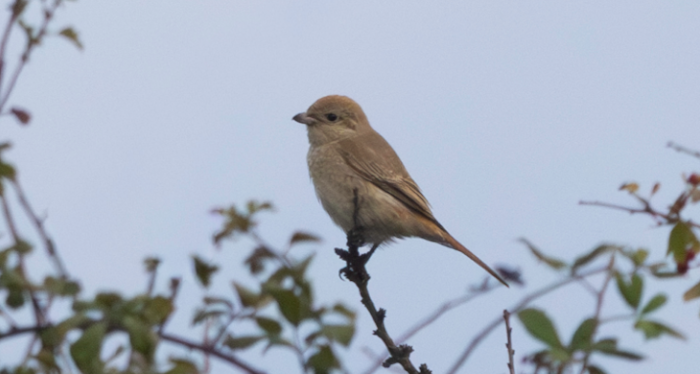
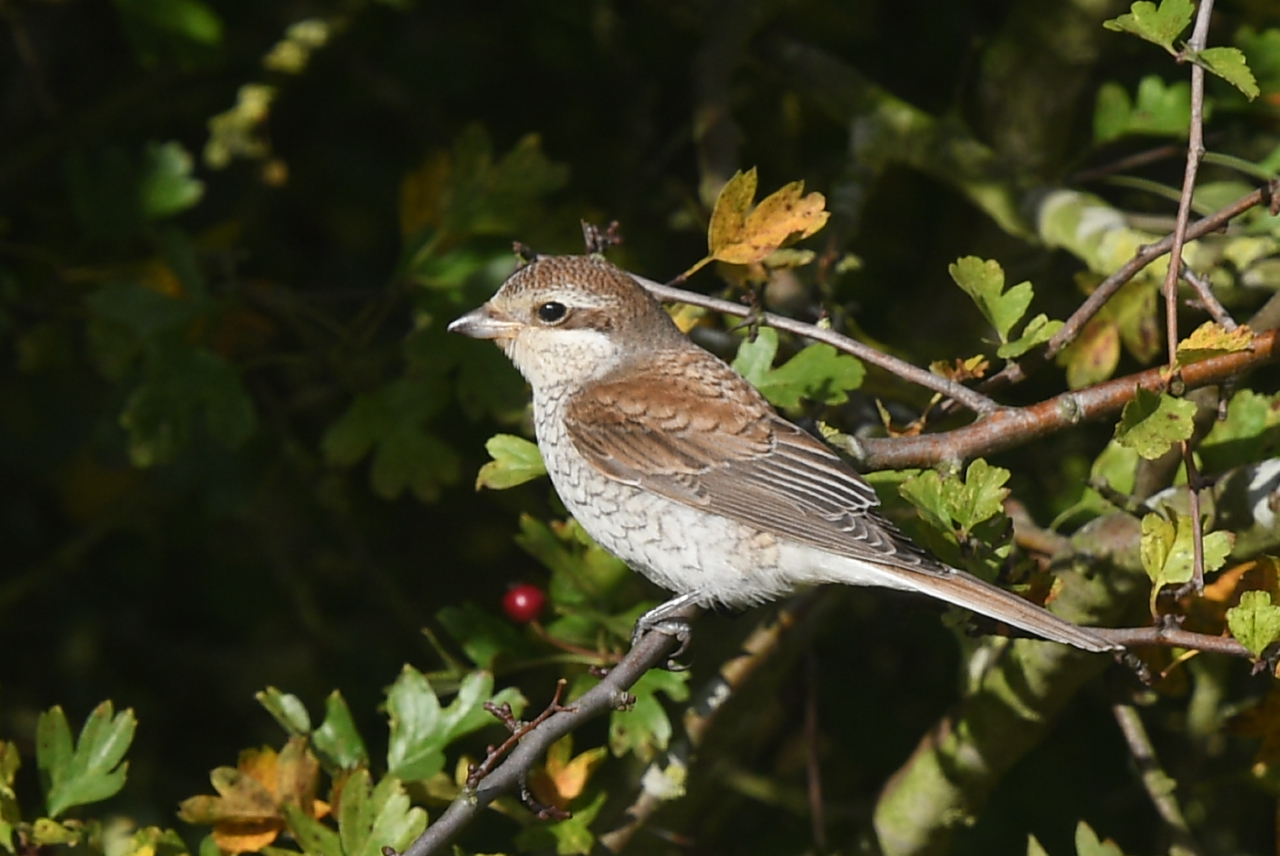
Scilly also retained a Red-backed Shrike this week on St Agnes still on 16th-20th; another remained on Portland (Dorset) on 16th, as did one on Shetland at Scousburgh on 16th also; while one landed at Flamborough (East Yorkshire) on 18th-19th.
Eighteen Great Grey Shrike were a decent fall of their kind this week, ushered in with those propitious easterlies, and included in their number two birds at Pymoor (Cambridgeshire) on 20th.
A Wryneck was again seen on St Mary’s (Scilly) on 18th-19th.
A Hoopoe was reported at Hastings CP (East Sussex) on 16th; and additional birds seen on 19th at Sunderland (Co.Durham) and Flamborough (East Yorkshire), on 21st at Happisburgh (Norfolk), and on 22nd at Birchington (Kent), and reported on the latter date also in a Sheffield (South Yorkshire) garden.
Two Waxwing on Fair Isle (Shetland) on 18th were followed by three seen at Hardwick Hall CP (Co.Durham) on 19th. Then, on 21st, 30 birds at Whitburn (Co.Durham), and at least two at Colt Crag Reservoir (Northumberland).
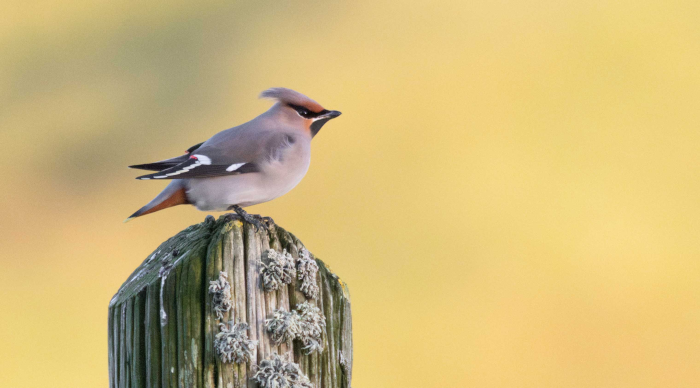
A Golden Oriole dropped in to Tresta on Shetland Mainland on 13th-15th.
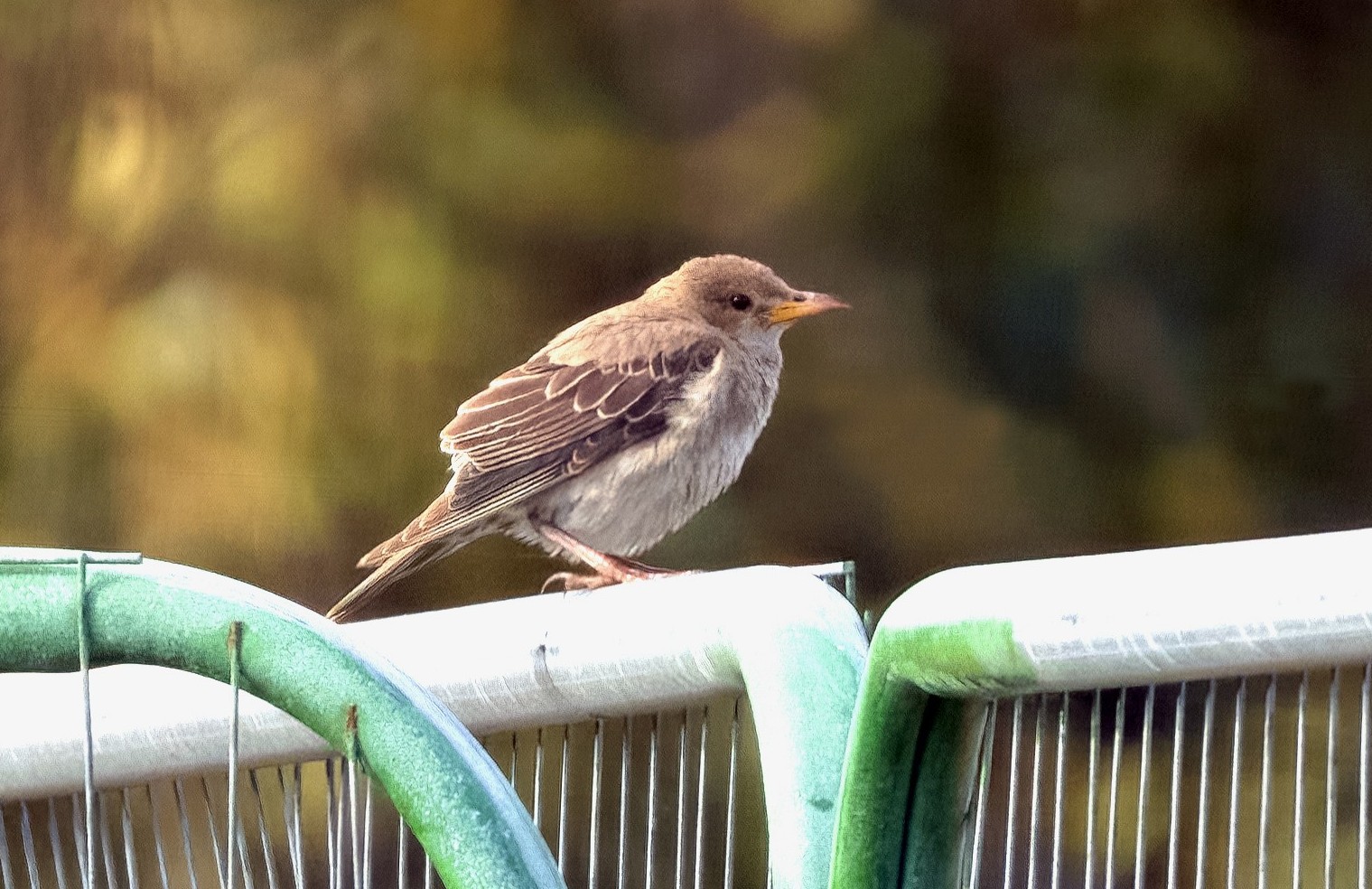
A juvenile Rose-coloured Starling was seen in Norfolk at Happisburgh on 19th-22nd.
Olive-backed Pipit were thinner on the ground this week – birds were seen on St Mary’s (Scilly) on 16th, Bressay (Shetland) again on 16th, and on Holy Island (Northumberland) on 17th-18th, while a probable was noted over Dawlish Warren NNR (Devon) on 16th.
Scilly gave us a possible Red-throated Pipit over Bryher on 17th, and a confirmed bird again on St Mary’s on 18th-20th.
A Richard’s Pipit remained on Out Skerries (Shetland) on 16th; another was found on 16th at Nanquidno (Cornwall); on 19th a mobile bird was in Norfolk around Holme, while another was seen in Cambridgeshire at Grantchester Meadows; on 20th a bird in Norfolk at Happisburgh; on 21st one also in Norfolk at Great Yarmouth; and on 22nd one at Flamborough (East Yorkshire).
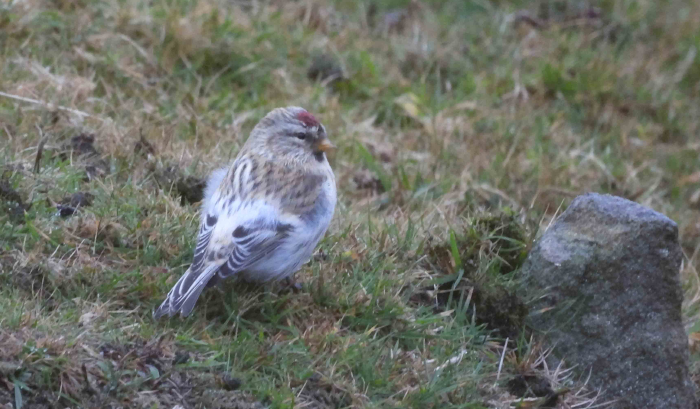
Shetland held onto its recent hornemanni redpoll on the outskirts of Lerwick on 16th-17th; and exilipes birds were seen in Norfolk at Wells Woods on 18th-20th, and on Fair Isle (Shetland) on 21st.
Numbers of Common Rosefinch remained a shadow of past autumns’ largesse – duos were recorded this week in Co.Cork on 18th on Dursey and Cape Clear, the latter retaining a bird on 21st; a singleton was trapped and ringed on Fair Isle (Shetland) on 16th; one was present on Unst (Shetland) on 20th; another on Shetland Mainland at Levenwick on 22nd; and a possible at Kilnsea (East Yorkshire) on 18th.
As litmus papers go for relative rarity, Black-faced Bunting is a good indicator of evolving status – still an immense find, but turning up with increasing frequency in western Europe with every passing year, and in Britain with no exception to that rule – this week one was reported in an area with no public access in Cornwall near Nanjizal on 17th, and another was found on 19th at Spurn (East Yorkshire).
Scarce stuff this week were Little Bunting - just four seen, on 17th at Pendeen (Cornwall), on 21st on North Ronaldsay (Orkney), and on 22nd on Out Skerries (Shetland) and Torness Point (Lothian).
A Rustic Bunting was seen on 18th on Dursey Island (Co.Cork).
Staying in Ireland a moment, the recent first-winter female Rose-breasted Grosbeak remained on Inishbofin (Co.Galway) on 16th-18th.
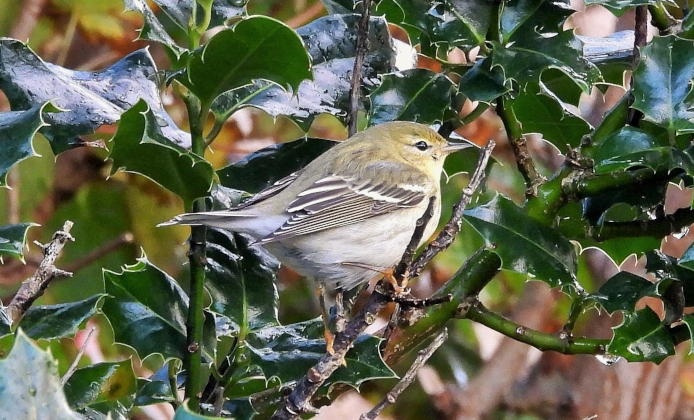
A Blackpoll Warbler was found at Blacksod (Co.Mayo) on 17th-20th, while the recent bird remained on Barra (Western Isles) on 16th still.
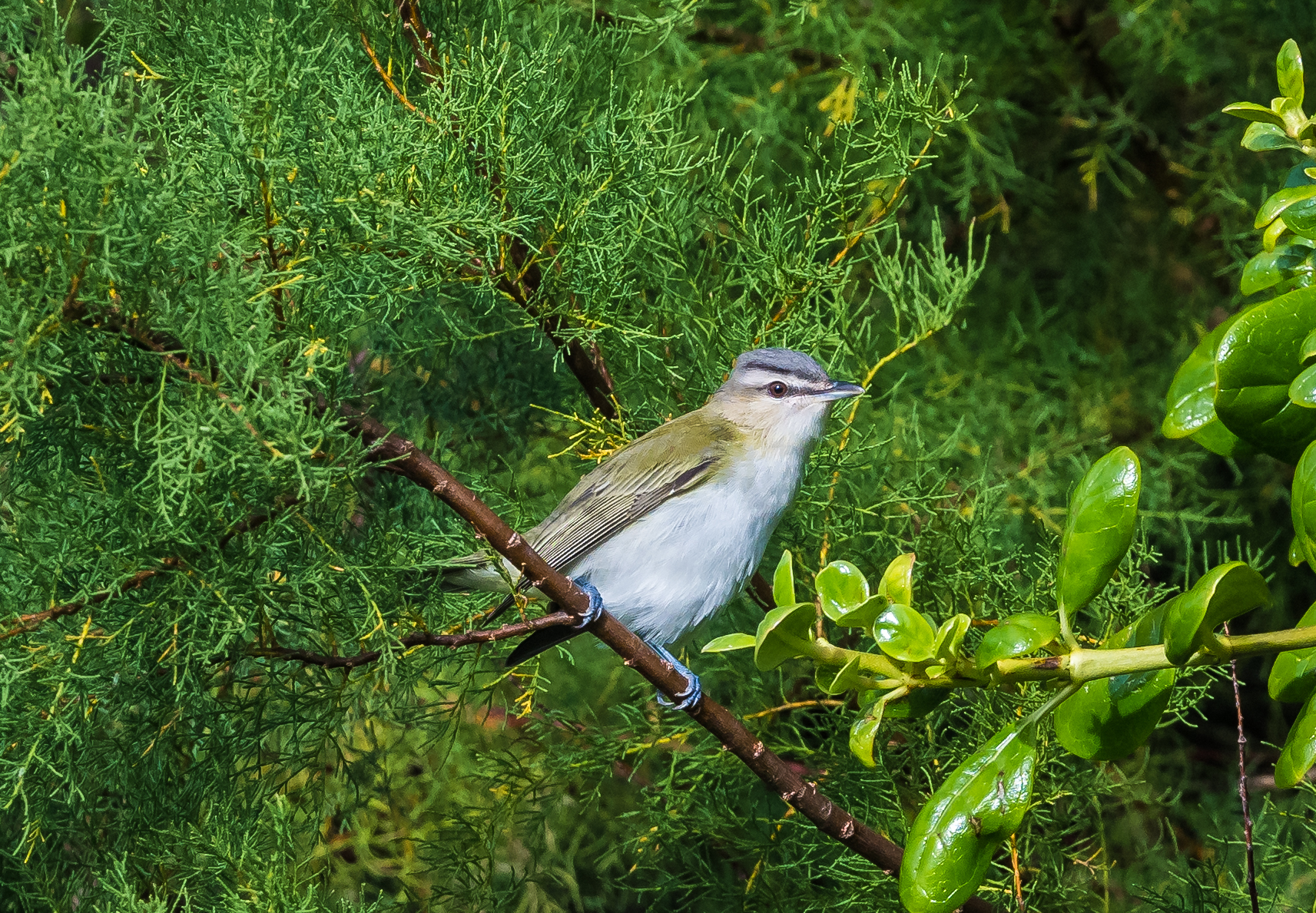
On St Agnes (Scilly) the Red-eyed Vireo was still to be seen on 18th-22nd.
And finally, the Great-tailed Grackle (remember him?) was again seen on 22nd at Garston Coastal Reserve (Lancashire & North Merseyside).
If we ignore the ongoing Nutcracker irruption – which was making Dutch and, latterly, Belgian birders this past week very happy indeed – then most of the news filtering our way seemed to be an endless litany of Azorean sightings. Which may or may not be terribly relatable for many of us. But more of them shortly…
This Spotted Nutcracker was a treat in Beverwijk, #Netherlands yesterday, we even saw it struggle with a nut for several minutes! Nice to experience the influx #birding #photography #nature #wildlife
— Lucas B Nature (@lucasnature.bsky.social) 19 October 2026 at 16:19
[image or embed]
Starting non-Nutcracker news in the Netherlands, a Pygmy Cormorant was found at Natuurgebied Willeskop on 18th-19th. One of those has, eventually, to make it to Suffolk or Kent, surely.
In Finland a Black-throated Accentor remained at Marjaniemi on 18th; and an Azure Tit at Kolari on 19th.
Heading further afield, in Kuwait an Asian Green Bee-eater was present at Al-Abraq on 17th, herald for the discovery there on 19th of a Sulphur-bellied Warbler.
And so to the Azores. Deep breath. Here we go.
Terceira landed a Snowy Egret on 17th followed, on 18th by the discovery on Graciosa of a Great Blue Heron. On Flores on 16th-18th there was a Common Nighthawk to be seen; on 17th the island boasted Scarlet Tanager and Northern Harrier; and on 18th-19th Chimney Swift and Red-eyed Vireo.
Ah yes, vireos. Plenty of those on Corvo, among other things, this week. Numbers of Red-eyed Vireo peaked with half a dozen on 18th, but were eclipsed by Philadelphia Vireo on 16th-18th, and White-eyed Vireo on 17th-19th. As for Corvo warblers, the week started with Hooded Warbler still present on 16th, followed by Northern Waterthrush on 18th, Northern Parula on 18th-19th, and Blackpoll Warbler on 18th-19th with a second bird on the latter date. Further passerines included Yellow-billed Cuckoo on 16th, two Rose-breasted Grosbeak on 16th-19th, Scarlet Tanager on 18th-19th with two birds on the latter date, Bobolink on 18th-19th again with two birds present on the latter date, and American Pipit on 19th. A little variety came with a Semipalmated Plover on 16th-19th. It all sounds great fun if you were there.
Well, we got the Siberian Rubythroat right last week, but the sodding Nutcracker refused to be manifested or summoned. Stupid spotty crow.
There’s one coming still. At least one. It might even be here already, just waiting for somebody to notice it. If not, whether the coming week’s weather is the forecast to usher one or way is decidedly moot…
Storm Austen will, by the time this Round Up lands in your inbox, be preparing to make landfall off the Atlantic. And it’s a swirly, snorty storm at that. And while this last week of October has incredible form for eastern vagrants*, it’s hard to ignore a westerly blow like this.
*it’s a week that boasts 15 past Red-flanked Bluetail, five Siberian Rubythroat, two Siberian Blue Robin, and one Rufous-tailed Robin. But y’know, 2026… we’ve done all that already…
So if we ignore obvious distractions from the east, what does history tell us comes this way at this point in the year given a good westerly? Grey-cheeked Thrush, certainly – the coming week boasts 22 past records – but something we’ve not seen yet this year? What else might come our way?
Hermit Thrush must be an outside possibility, with three past records for encouragement. Ditto American Robin, with four past records for the coming week. But there are two species with a magnificent seven records apiece for the coming week, and both feel possible, with a following wind.
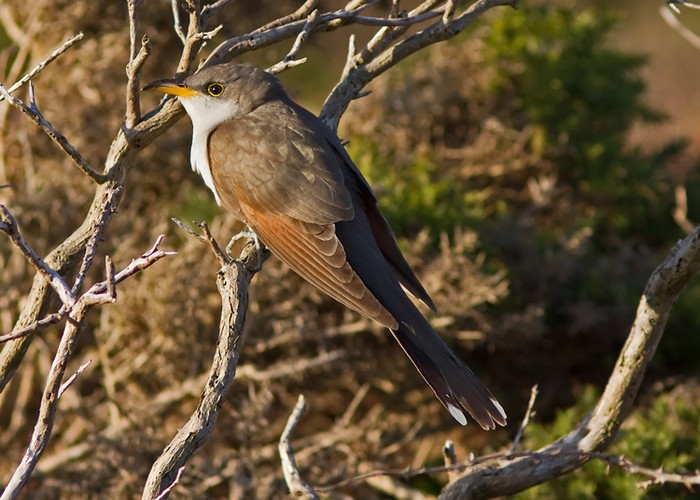
Either Common Nighthawk or Yellow-billed Cuckoo would be well-received, particularly by those stalwarts on Scilly who’ve stuck the month out and resisted the temptation to twitch off the isles…
Jon Dunn
23 Oct 2026
Many thanks to all this week's contributors for your photos and videos.
Get Breaking Birdnews First
Get all the latest breaking bird news as it happens, download BirdAlertPRO for a 30-day free trial. No payment details required, and get exclusive first-time subscriber offers.
Share this round-up





