Cyprus operation removes 1,000 limesticks and 79 nets
Anti-poaching teams report more than 100 live birds rescued and 35 suspected trappers caught during the continuing autumn migration operation.
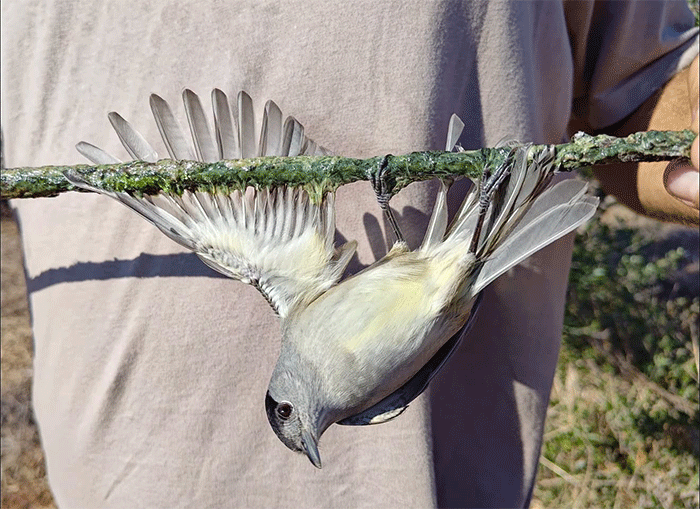
Anti-poaching teams in Cyprus have removed the 1,000th limestick of their autumn operation, while reporting 79 mist nets dismantled, more than 100 live birds rescued and 35 suspected trappers caught.
The Committee Against Bird Slaughter published the figures on 5 November, two months into its campaign with the Cyprus Game and Fauna Service and police. The operation is scheduled to continue until 22 November across the peak migration period.
"Every glue trap removed means countless other birds are not caught and can continue their journey."
Committee Against Bird Slaughter
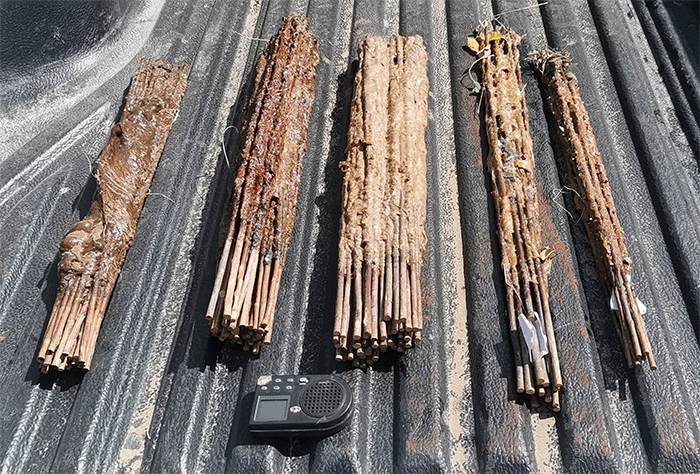
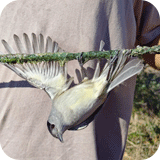
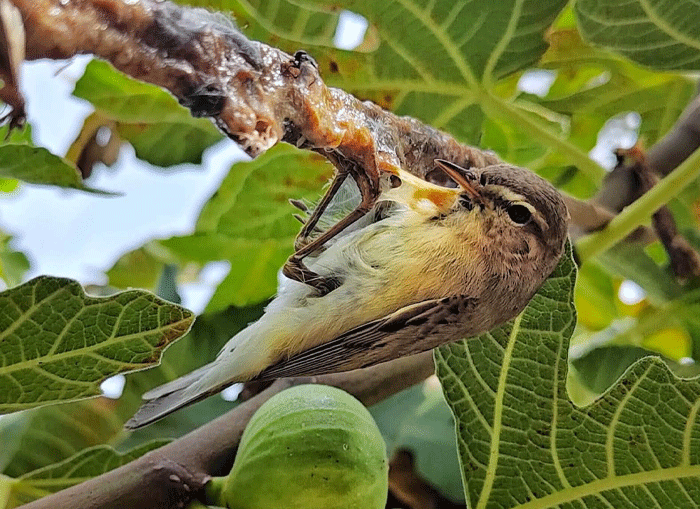
Limesticks are branches coated with a sticky preparation and placed as apparent perches. A bird that lands becomes attached by its feet and can entangle its wings, tail and bill while struggling. Fine-mesh nets are similarly indiscriminate, catching target songbirds alongside flycatchers, redstarts, shrikes, owls and other migrants.
Earlier CABS figures give context to the running total. On 14 October, the organisation reported that 29 people had been caught and convicted, with 906 limesticks, 68 nets and 51 electronic calling devices confiscated. It said 629 birds had been released alive by that midpoint.
The new homepage update uses a different measure, saying more than 100 birds were rescued from traps while celebrating the 1,000th limestick. It does not explain whether that refers to a later interval, a narrower subset of encounters or a revised total. The two figures should not be added together, and the final operation report will be needed to reconcile them.
CABS also describes 35 poachers as having been arrested during the operation. The published update does not list individual cases, charges or court outcomes. Arrest or interception is not the same as conviction, so the people concerned should be treated as suspected offenders unless an adjudicated result is documented.
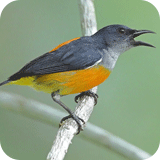
Cyprus sits on the eastern Mediterranean flyway. Illegal trapping supplies the trade in ambelopoulia, small wild birds served as an expensive dish, while the use of electronic callers can draw migrants towards trapping sites at night. More than 100 bird species can be affected, according to CABS.
The 2026 totals indicate sustained enforcement effort but do not by themselves measure the island-wide scale of trapping or a trend. Patrol intensity, weather, migration volume and the willingness of authorities to accompany field teams can all change the number of traps and suspects detected.
CABS is a participant in the operation and the source of the current figures. A matching case-by-case release from the Cyprus authorities was not located for this scan, so the totals should be attributed to the organisation until an official final report is available.
Removing a trap prevents further captures at that location, but durable reduction also depends on prosecutions, penalties, control of electronic calling devices and continued checks at sites where equipment can be replaced after a patrol.
7 Nov 2026
Get Breaking Birdnews First
Get all the latest breaking bird news as it happens, download BirdAlertPRO for a 30-day free trial. No payment details required and get exclusive first-time subscriber offers.