Weekly birding round-up: 28 Nov - 4 Dec
As ever these days, we need only tweak the year’s tail and suggest it might be winding down for a quiet spell of winter doldrums, and the birding gods come roaring back at us with some top notch rarities. Last week’s tempting of fate was amply served in the week just gone, with a long-overdue return (sorry) of a blocker tern, a Siberian mega in the north, and a lingering humbug wader in Ireland. What a week we just had as November handed over to December – the last month of the year isn’t taking its responsibilities to us lightly, it seems.
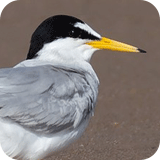
Back in the day, Lesser Crested Tern was so easy. One simply rocked up at Seahouses, caught the little boat out to the Farne Islands, and all being well there was Elsie’s bright carrot beak shining like a beacon in the ternery. Short of blood being drawn by an infuriated Arctic Tern, it was straightforward enough, and a rite of passage for pretty much every birder of the day during her summer sojourns between 1984 and 1997.
And then, from 1998 onwards, she was gone. And suddenly seeing Lesser Crested Tern in a British context got a lot more difficult.
A one-day bird at Rye (East Sussex) on 4th May 1998 was followed, in 2005, by a bird that flirted with Norfolk and Suffolk over the period of 16th-22nd July. And after that? Reports came of putative birds over the next two decades, but nothing that stuck or found favour. Lesser Crested Tern’s transformation from year-list-formality to incipient blocker was complete.
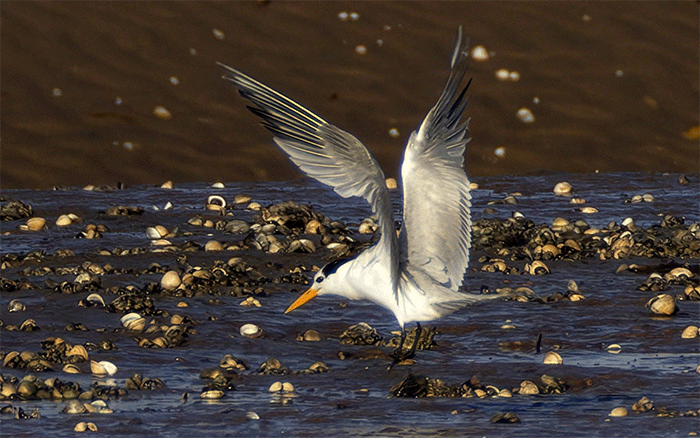
Hence the mega alert chiming this week on 3rd to report that a tern at Dawlish Warren NNR (Devon), initially mooted as either Royal or West African Crested Tern, had now firmed up into an adult Lesser Crested Tern. Oof.
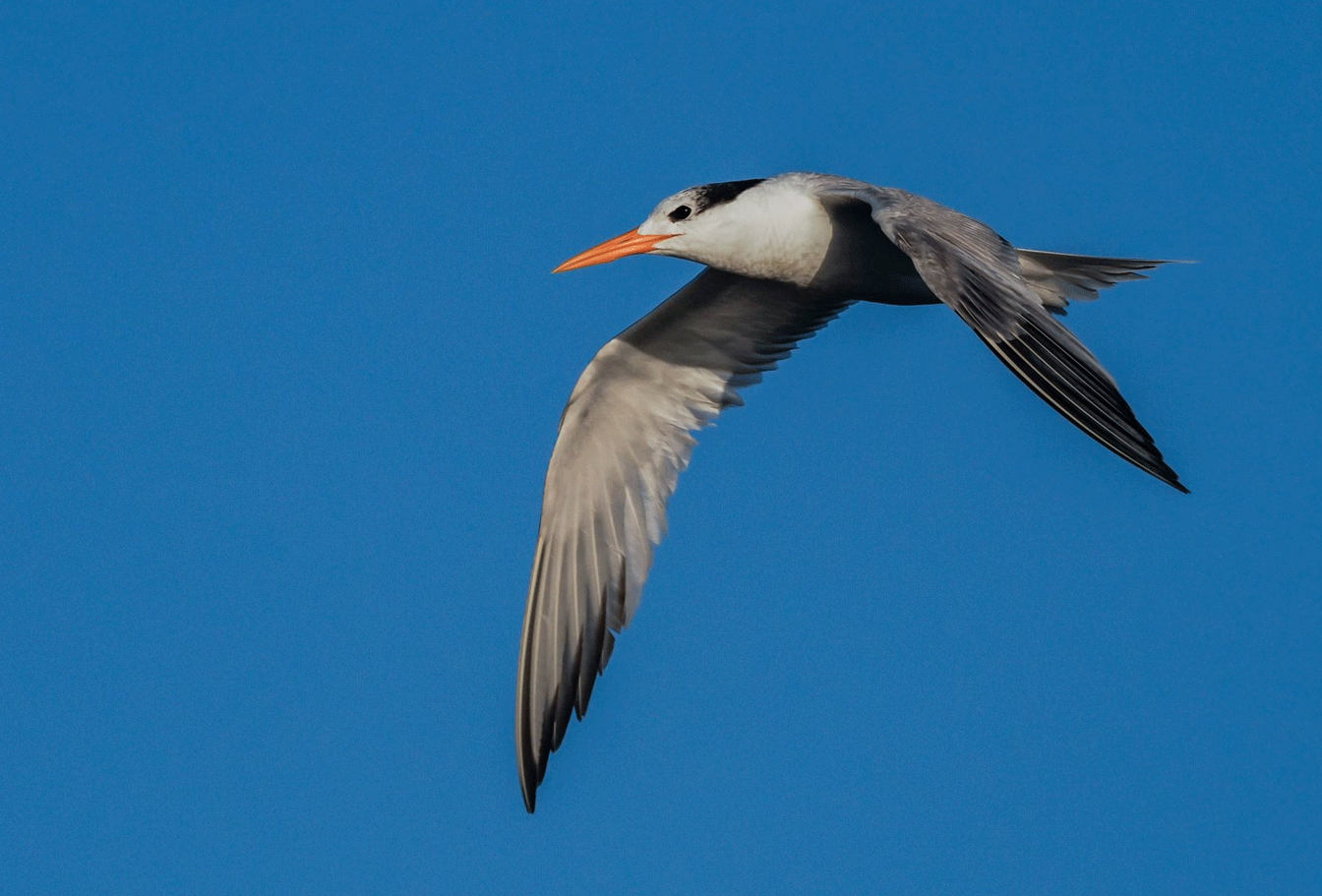
Present until dusk on 3rd, day broke on 4th with the bird still present on the Exe Estuary, and there it remained throughout the day. It transpired the bird had initially been seen on 1st at Black Hole Marsh (Devon), so there’s a fillip of hope there that it’s feeling settled in the area and will make it to the weekend, when those trapped by work can head southwest for an early Christmas present. After all, it might be another couple of decades before anyone gets another bite at the cherry.
It just goes to show that you can never write Shetland off even this late in the day, or year, when a bird of the calibre of a Siberian Rubythroat can be picked out of a ringer’s net in early December. And so it proved this week, with a female bird trapped and ringed in a crop at Scousburgh on Mainland on 1st.
How long she’d been in the area is a good question – lacking a tail, she’s a bit rudderless and presumably not going anywhere soon – and, indeed, she remained in the safety of the crop on 2nd-3rd, albeit proving elusive, as probably befits a bird that’s feeling somewhat vulnerable at present. Given Shetland’s enjoyed a good few twitchable examples down the past couple of decades, she’ll doubtless be afforded plenty of breathing space in the coming weeks if she’s attempting to winter and grow a new rudder.
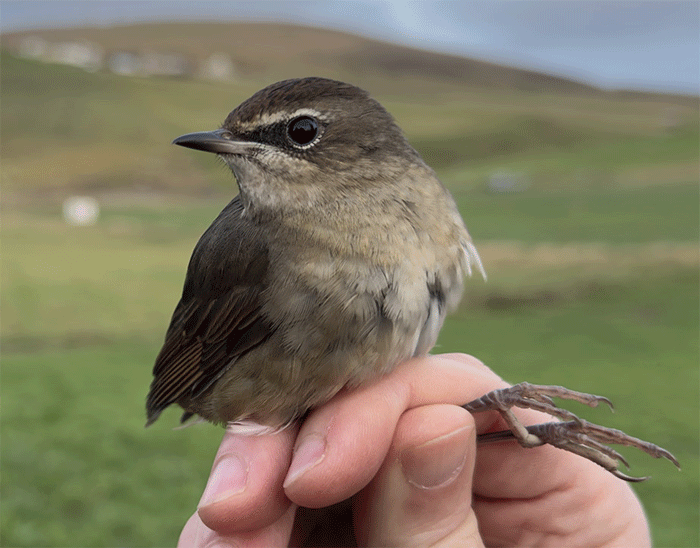
We’ll never know if she’s one and the same individual as that found by David Cooper up on Unst back on 7th and 9th November, but one thing’s for sure – she’s the latest Siberian Rubythroat to be found in Britain to date. Will she make it into the New Year? Watch this space.
Ensuring Ireland continued to hold its own in the weekly headlines, the recently found Killdeer remained in Co.Wexford this week at South Slob on 28th-30th, and then again on 2nd. By any standards, that’s a top drawer bird, and one that did the decent thing by hanging around a while. British birders can only look on with envy – our last briefly settled mainland bird was almost 20 years ago on Blakeney Fresh Marshes (Norfolk), on 7th-9th April 2006.

A little liveliness was injected into the weekly seabirds again in recent days with the appearance of a Black-browed Albatross off St Ives in the morning of 28th.
Cornwall also bagged itself a returning Pacific Diver off Mousehole on 1st-2nd; while the recent juvenile in Co.Mayo remained in Elly Bay on 1st still.
Completing Cornwall’s good run this week, a White-billed Diver was seen from Pendeen on 30th.
Back to Ireland, the Double-crested Cormorant was still to be found at Doon Lough (Co.Leitrim) on 29th-1st.
Shetland dominated sightings of Little Auk again this week, with the vast majority of the week’s 950 or so birds logged from Sumburgh alone on 28th, with a mighty 744 recorded there that day.
A Long-tailed Skua was seen from Kinnghorn (Fife) on 29th.
Finally, five Great Shearwater were noted on 28th at Dún na mBó (Co.Mayo), and a singleton on 4th at Bridges of Ross (Co.Clare).
Quiet times on the long-legged beastie front, Glossy Ibis aside. And yes, they’re still out there. Short of a sustained cold snap to change their minds, they look set to continue their path to ubiquity now.

Quiet, but not entirely without incident. There was some good news as the week drew to a close on 4th – the Little Bittern, taken into care recently in Northumberland, had been released into the wild once more.
Starting the honkers and quackers with The Goose Formerly Known As Canada - an interior Todd’s Canada Goose remained at Ballygilgan NR (Co.Sligo) on 29th, with a hutchinsii Richardson’s Cackling Goose also present there that day. Further sightings of hutchinsii came this week from Co.Donegal, where two were seen at Falcarragh Beach on 29th, and New Lake again on 1st and 4th. A Cackling Goose was seen in Co.Mayo at Termoncarragh Lough on 1st.
The Red-breasted Goose was again present at Wallasea Island RSPB (Essex) on 30th and 4th, and again at Burnham-on-Crouch on 3rd.
Essex also contributed a Black Brant still at The Naze on 28th; while one remained in East Yorkshire in the Kilnsea area on 28th-30th.
Sightings of Snow Goose this week came from Highland & Caithness, near Kirkhill again on 29th, and near Ardersier on 1st-4th. Another was seen heading northwest over Ripon (North Yorkshire) on 3rd.
In Dorset the recent drake Baikal Teal remained at Abbotsbury Swannery on 30th and 3rd-4th.
A long-absent friend put in an appearance once more in Co.Mayo at Cross Lough on 1st, where the drake Black Duck was again to be seen.
Green-winged Teal again knocked on the door of double figures across Britain and Ireland as a whole. Birds were logged this week on 28th at Hornsea Mere (East Yorkshire); on 28th-30th in Langstone Harbour (Hampshire); on 28th-1st at Lackford Lakes SWT (Suffolk) still; on 29th at Sandbach Flashes (Cheshire & Wirral) still; on 30th at Loch Fleet (Highland & Caithness), and Akeragh Lough (Co.Kerry) again; on 30th-2nd at Chew Valley Lake (Somerset) still; on 30th-2nd at Baron’s Haugh RSPB (Clyde); on 3rd at Alturlie Point (Highland & Caithness) again; and on 4th at Dunfanaghy New Lake (Co.Donegal).
The week was similarly fairly busy for American Wigeon - birds remained at Loch of Spiggie RSPB (Shetland) on 30th, Newshot Island (Clyde) on 29th-2nd, Bishop Middleham (Co.Durham) on 30th-2nd, Big Waters NR (Northumberland) on 30th, at Eyebrook Reservoir (Leicestershire) on 28th-29th, and at Ballygilgan NR (Co.Sligo) still on 29th; while further sightings came from Achill Island (Co.Mayo) on 29th-2nd, Thorganby Ings (North Yorkshire) on 30th, and North Uist (Western Isles) on 1st.
A shade over 25 Ring-necked Duck were noted in Britain and Ireland this week, with no single sites breaching double figures. Pick of the bunch were duos at Shapwick Heath NNR (Somerset) still on 28th and 3rd, and on Lough Fern (Co.Donegal) on 29th; and four on Loch Watten (Highland & Caithness) on 4th.
Two Lesser Scaup remained at Helston (Cornwall) until 30th, and latterly there again on 4th; two were seen at College Reservoir (Cornwall) on 2nd-3rd; the female was still on Swithland Reservoir (Leicestershire) on 29th-2nd; the drake in Surrey at Staines Reservoirs still on 28th-3rd; one on Abberton Reservoir (Essex) on 30th-3rd still; one still on South Uist (Western Isles) on 3rd; and Irish birds seen at Tacumshin (Co.Wexford) on 30th still, and at Portmore Lough RSPB (Co.Antrim) still on 30th-2nd.
A drake Black ScoterWhite-winged Scoter off St Andrews (Fife) on 3rd.
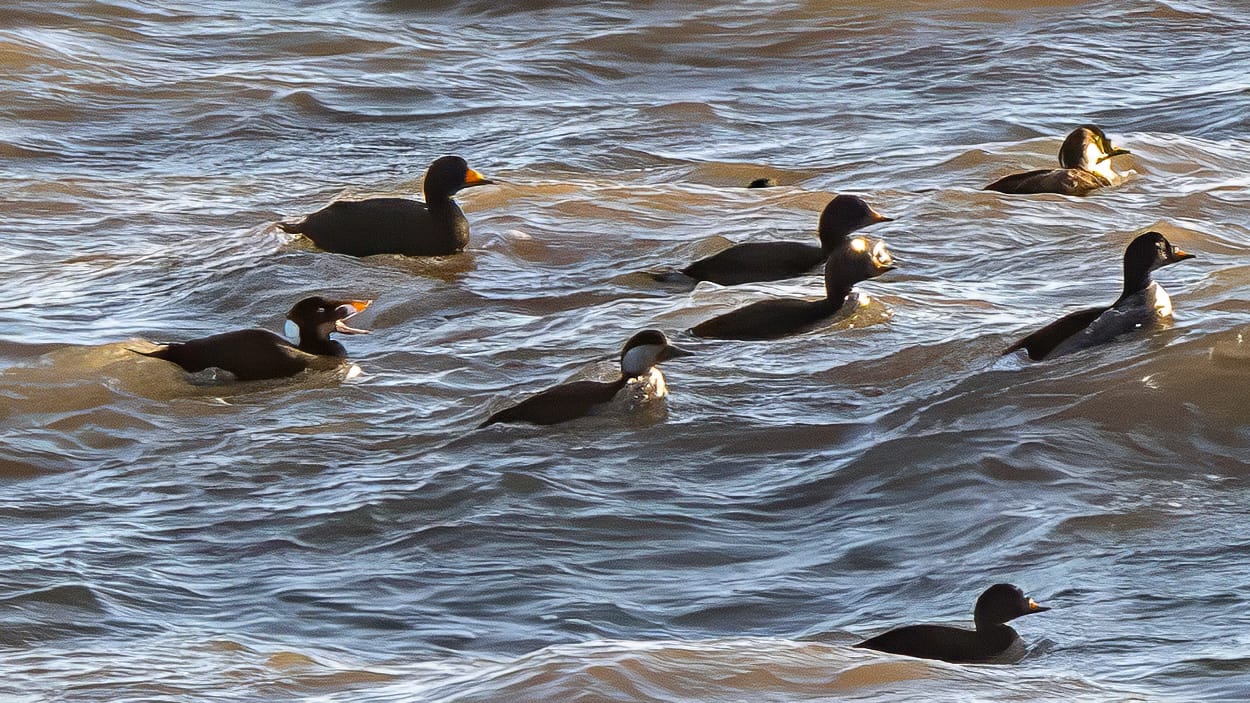
Rascarrel also accounted for two Surf Scoter on 30th-4th, with a single bird seen in Dumfries & Galloway at Balcary Point again on 30th also; and one remained off Barra (Western Isles) on 29th-4th. In Wales one was seen from the traditional quarters of Llandulas (Conwy) on 30th-3rd, with a second bird there on 3rd; and Irish birds at Owenahincha (Co.Cork) on 29th, and Ballyheigue (Co.Kerry) on 29th also.
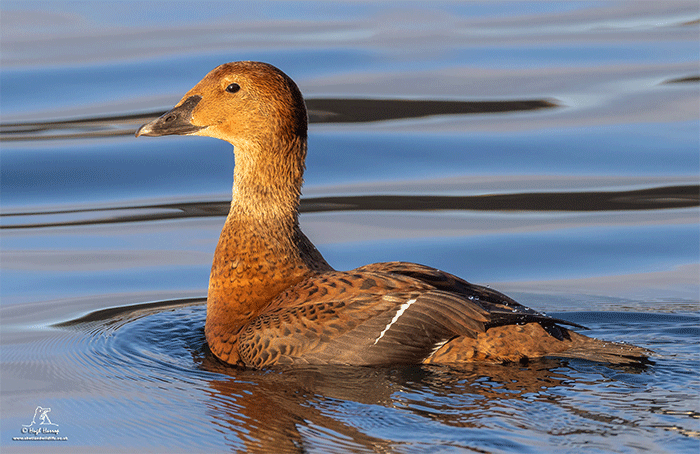
The female King Eider remained off Scalloway (Shetland) on 28th-4th, showing exceptionally well there.
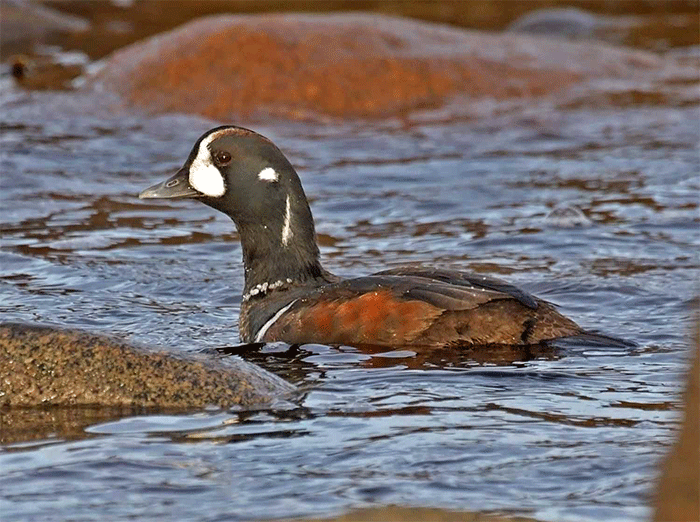
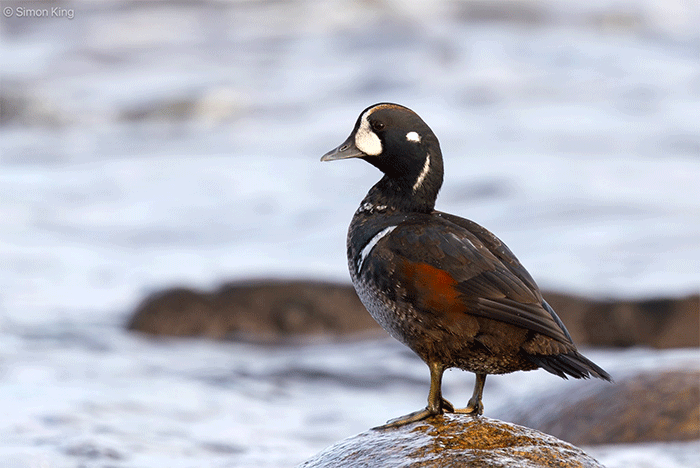
Finally, in Ireland a Harlequin Duck was seen again in Co.Donegal off Curransport on 30th-4th.
Sharing Co.Wexford’s South Slob this week with the popular Killdeer, a White-rumped Sandpiper was present there on 28th-30th; another was found on 30th at Titchwell RSPB (Norfolk).
The recent Semipalmated Sandpiper remained at Seafield (Co.Clare) on 28th-3rd.
In Suffolk the lingering Temminck’s Stint was still present at Minsmere RSPB on 28th-4th.
The Spotted Sandpiper was again seen this week at Ballynagaul (Co.Waterford) on 2nd-4th.
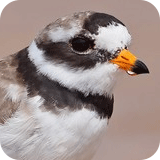
Somerset’s steadfast female Kentish Plover remained at Burnham-on-Sea on 29th-4th.
Back in Norfolk, at Titchwell RSPB the American Golden Plover was again to be seen on 28th, and was reported there too the following day.
In Cornwall the Lesser Yellowlegs remained at Truro on 28th-4th, while the Rathlin Island (Co.Antrim) individual was once more seen on there on 29th-1st.
The lingering Grey Phalarope remained on King George V Reservoir (London) on 28th-30th; further birds this week were found at Port Arthur Beach (Co.Donegal) on 29th, Ross Back Sands (Northumberland) on 30th, and at Rascarrel (Dumfries & Galloway) on 2nd.
Three Ring-billed Gull were the height of excitement on the gull front this week – the adult still present at Blackrock (Co.Louth) on 30th-2nd; the first-winter still at Doorly Park (Co.Sligo) on 28th-3rd; and an adult in Cornwall at Hayle Estuary on 2nd-4th.
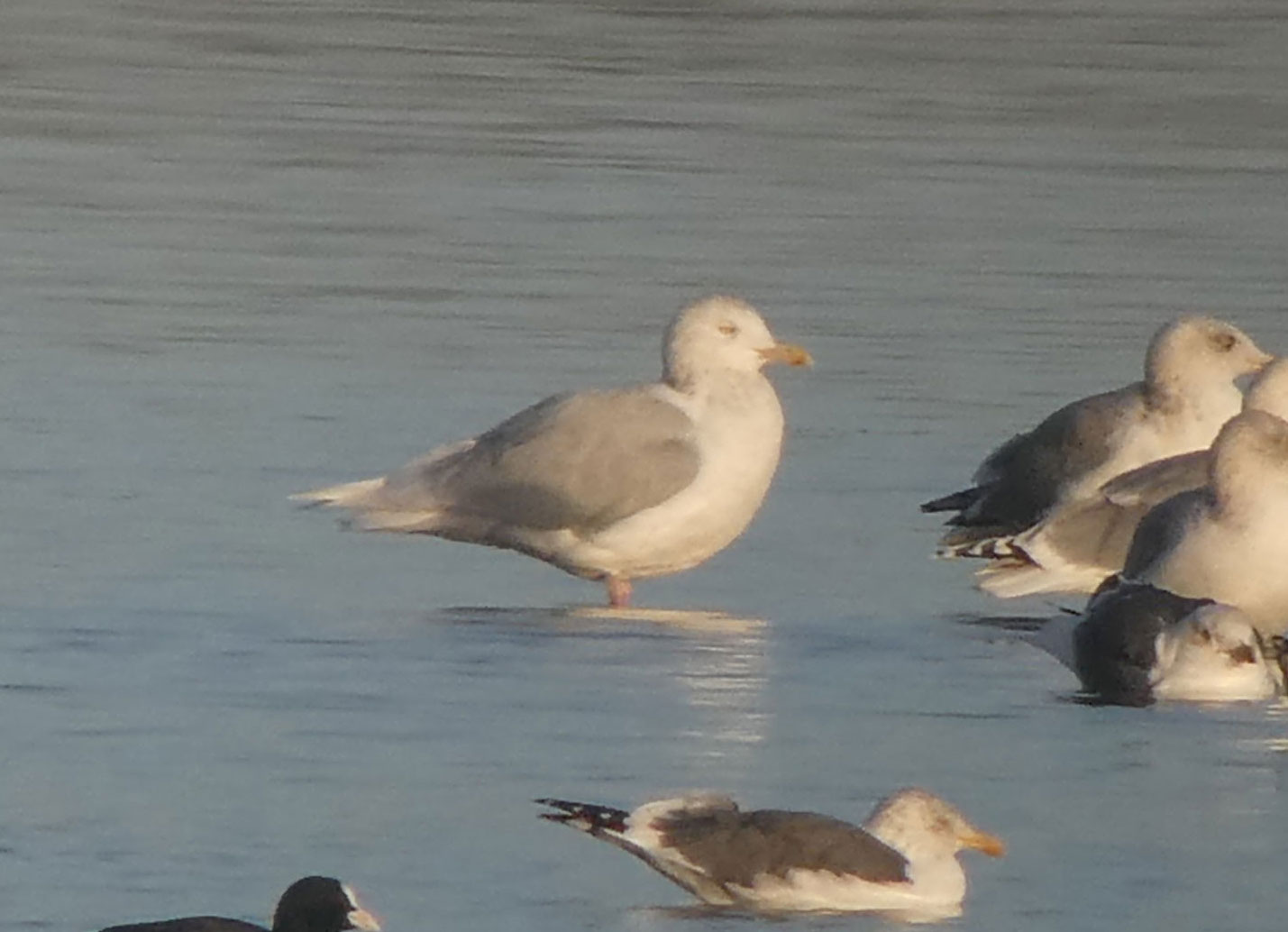
Glaucous Gull scraped into double figures this week, with 14 birds noted nationwide, including two at Killybegs (Co.Donegal) on 2nd. Iceland Gull remained a scarcer commodity, with only birds at Peterhead (Aberdeenshire) on 29th-30th, Dún na mBó (Co.Mayo) on 28th, North Uist (Western Isles) on 2nd, and at Killybegs (Co.Donegal) on 2nd and 4th to report.
Both recent male and juvenile Northern Harrier remained this week at Tacumshin (Co.Wexford) until 3rd; the juvenile was again at Cahore Marsh on 4th.
The adult female Pallid Harrier again seen this week at Llanrhidian Marsh (Glamorgan) on 28th-29th.
Numbers of Hume’s Warbler contracted sharply, with lingering birds however still to be found here and there – most notably in Norfolk, where two remained at Holkham Pines on 28th-2nd, and a single bird at Wells Woods on 28th-30th; and another was hanging on at Sandwich Bay (Kent) on 28th-3rd.
A similar story with Yellow-browed Warbler, whose numbers were also down on the preceding week – around 20 were logged lately.
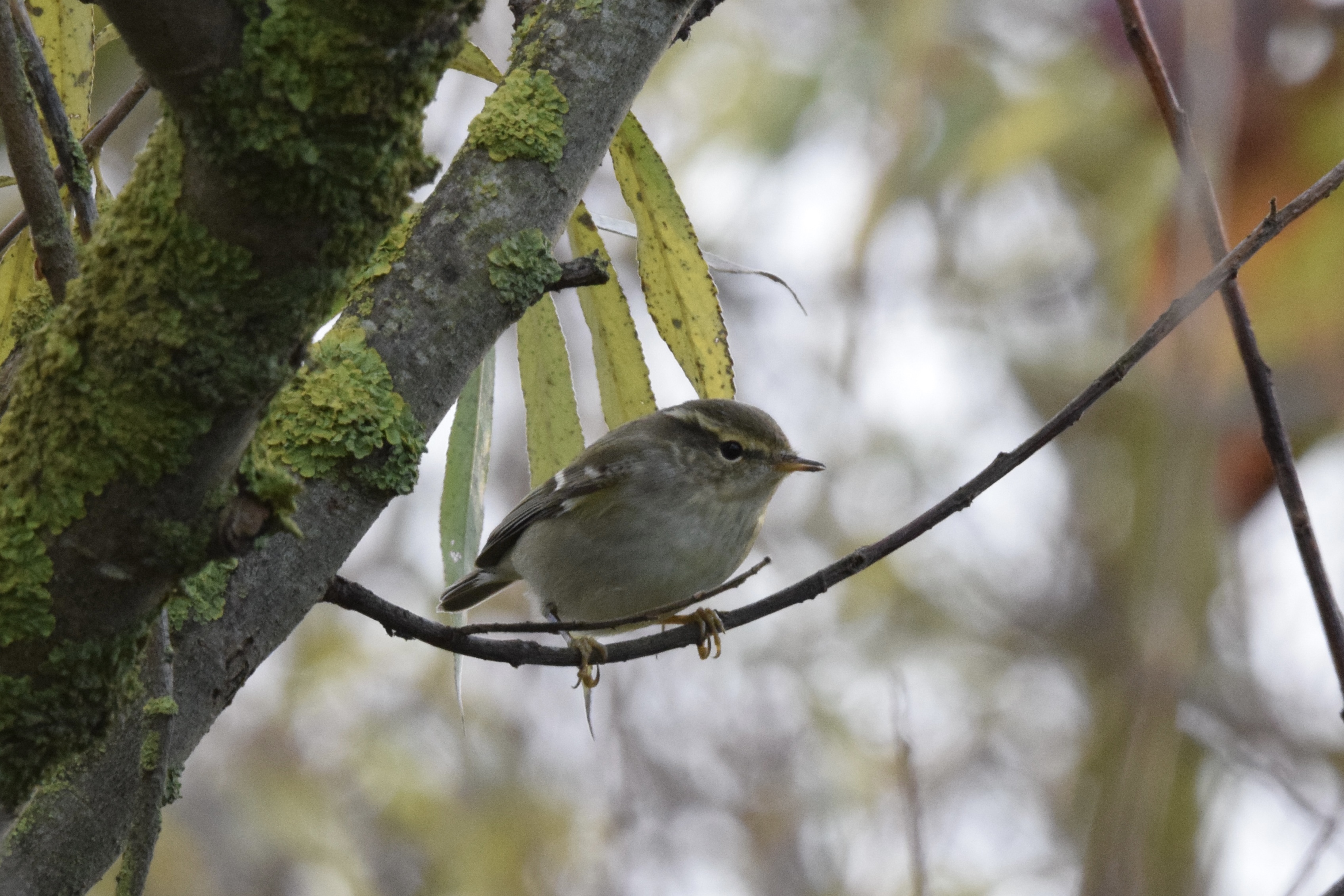
A Pallas’s Warbler was seen on 30th at Felixstowe Ferry (Suffolk).
A handful of Dusky Warbler were on offer this week – lingering birds at Swanpool (Cornwall) still on 28th-29th, on St Mary’s (Scilly) still on 29th, at Brancaster (Norfolk) still on 28th, and at Sandwich Bay (Kent) still on 28th-30th; and new birds in Kent at Seaton GPs on 30th, at Walrow GPs (Somerset) on 4th, and at Dunhill (Co.Waterford) on 4th.
A late Barred Warbler was a turn up for the books in a Redruth (Cornwall) garden on 2nd-4th.
In Suffolk, at least one Zitting Cisticola was still present at Walberswick on 28th.
Two Hoopoe were reported from Drongan (Ayrshire) on 30th.
A Great Grey Shrike remained in Hampshire at Beaulieu Road Station on 30th-4th still.
At least 26 Waxwing remained in Aberdeen (Aberdeenshire) still this week on 29th, with some 15 birds logged elsewhere during recent days – this notwithstanding a further report of 50 birds at Kirkdale (North Yorkshire) on 28th.
In Dorset the recent female Desert Wheatear remained at Wyke Regis on 28th-4th; another was reported from Devon on 4th at Bolberry Down.
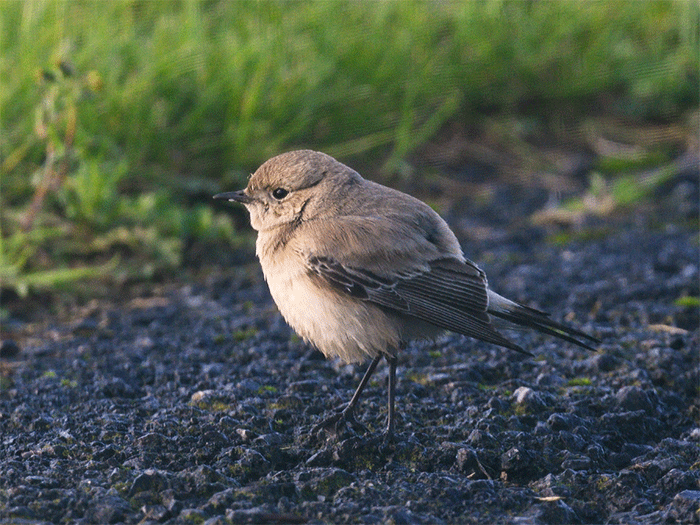
The male murinus / phoenicuroides / rufiventris Eastern Black Redstart remained in North Yorkshire on 28th at Scarborough.
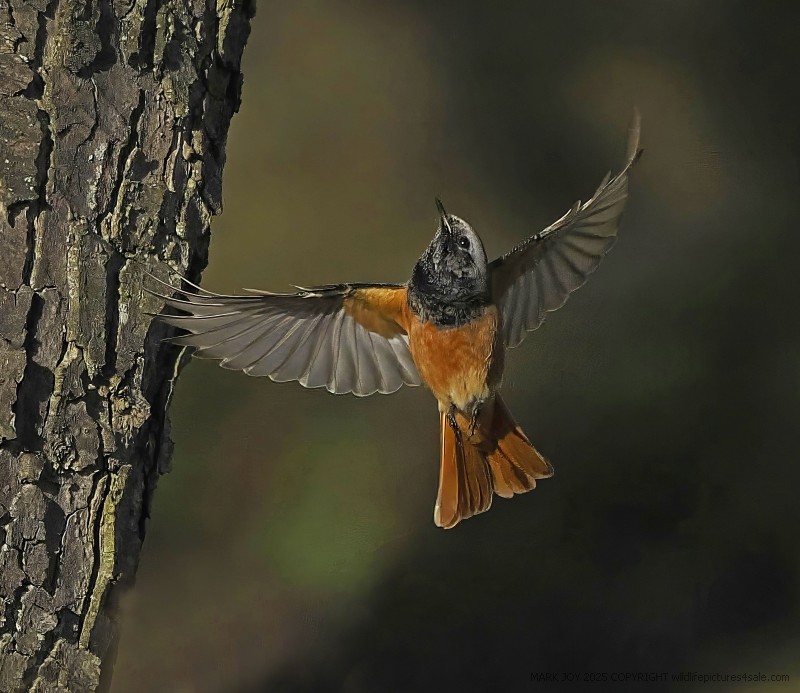
A Richard’s Pipit was still to be seen at Brotton (Cleveland) on 3rd.
An Arctic Redpoll was reported at Nybster (Highland & Caithness) on 29th.
In Shetland the Black-faced Bunting remained on Fair Isle on 28th, which taken in the round with the Siberian Rubythroat this week on South Mainland made for quite the double.
A possible Little Bunting was seen in Cornwall on 3rd at Boscathnoe Reservoir.
Finally, the settled male Boat-tailed Grackle remained in Hampshire in the gardens at Holbury on 29th-4th.
The overseas news this week starts relatively close to home in the Netherlands, where a Rock Bunting was found on 1st at Natuurpark Stuw Bosscherveld on 1st. Throw in the drake Spectacled Eider still present off Texel on 28th-4th, the Pygmy Cormorant at Natuurpark Lelystad on 2nd-4th still, and the Western Swamphen still at Zevenhuizen on 3rd-4th, and you’ve got a quartet of birds many British birders would sell a minor organ for a chance to see close to home.
Not so much the Black-faced Bunting in Norway at Snig on 29th-4th – this year’s been exceptionally kind to both us and our continental birding cousins on that particular front.
In France a Sociable Lapwing was seen at Etang de Saint-Quentin-en-Yvelines on 29th-4th; and an Eastern Imperial Eagle on 29th at Lac du Der again.
Spain retained the Cape Gull at Laredo on 28th, and a Sociable Lapwing in Coto Donana on 4th, while a Green Heron was found in Portugal on the Mondego Estuary on 28th.
On Cape Verde, a Black-headed Heron remained on Sao Vicente for its thirteenth day on 3rd, and was still going strong there on 4th; and a Diederik Cuckoo was on Santo Antao on 4th.
Out on the Azores a Yellow-crowned Night Heron remained on Sao Miguel for its eighth day on 1st, and a Wood Duck was present on Pico on 3rd.
Finally, way to the east, Streak-throated Swallow were found on 28th at Sinai (Egypt) and Khafji (Saudi Arabia); and on 3rd in Kuwait at Jahra Pools.
Sure enough during the past week, a couple more Dusky and Yellow-browed Warbler emerged from the woodwork – and for the coming month, the same exhortation remains to give your local gravel pit, reservoir, lakes and sewage farm margins a damn good going over – there will, surely, be more of them to be found.
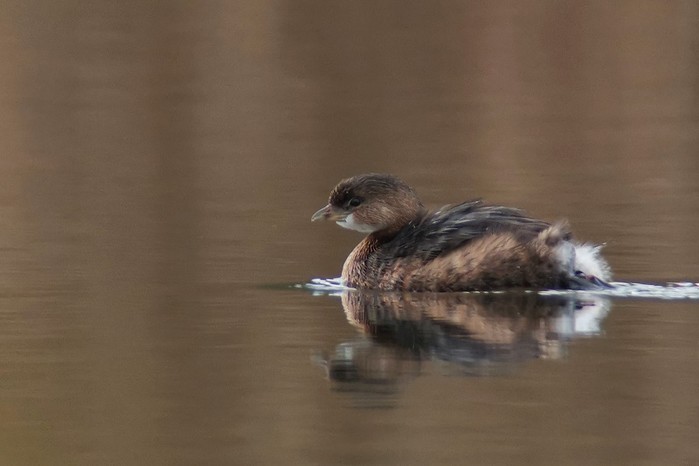
But if we dare to dare to dream a little bigger, what could a week in early December also yield by way of rarities? History tells us that those watery places you’re checking for scarce warblers could also sport something much rarer skulking at the water’s edge – the coming week boasts three past records of Pied-billed Grebe. Granted, it’s a long-shot, but they’re surely easily overlooked when they’re being furtive in the distance on a claggy grey December day. One to bear in mind, surely.
Jon Dunn
5 December2025
Many thanks to all this week's contributors for your photos and videos
Get Breaking Birdnews First
Get all the latest breaking bird news as it happens, download BirdAlertPRO for a 30-day free trial. No payment details required, and get exclusive first-time subscriber offers.
Share