Bearded Vulture 'Centenario' found dead in Picos de Europa
Loss of a reintroduced bird highlights the continued risks facing Europe's rarest vultures
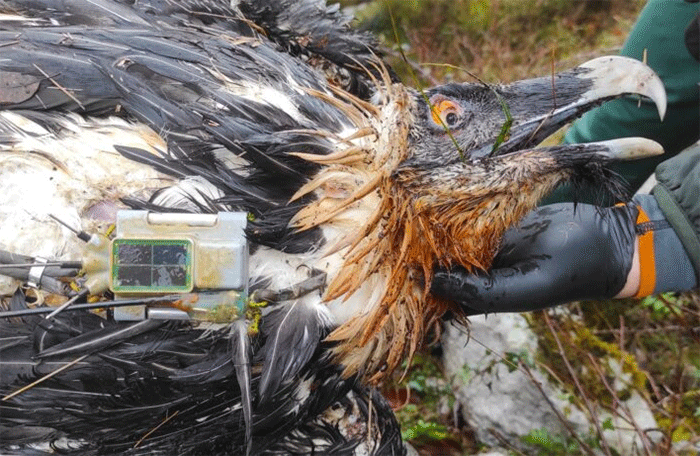
A significant loss for vulture conservation
A Bearded Vulture known as ‘Centenario’ has been found dead in the Picos de Europa mountains in northern Spain, dealing a fresh blow to ongoing efforts to restore the species to parts of its former range. The discovery was reported by the Vulture Conservation Foundation, which has been closely involved in the long-term reintroduction programme in the region.
Centenario was part of a carefully managed conservation initiative aimed at re-establishing Bearded Vultures in the Cantabrian Mountains, where the species had been absent for decades. Each individual released plays a crucial role in rebuilding a self-sustaining population, making the loss of any bird particularly significant.
An emblematic species still under pressure
The Bearded Vulture is one of Europe’s most iconic birds of prey, renowned for its bone-eating diet and vast mountain territories. Once widespread across southern Europe, it suffered catastrophic declines due to persecution, poisoning and habitat pressures, surviving only in a handful of strongholds by the late 20th century.
Although reintroduction and protection measures have allowed the species to return to several mountain ranges, its recovery remains fragile. Birds range widely, mature slowly and rely on safe, undisturbed landscapes, leaving them highly vulnerable to human-related threats.
Ongoing investigation and unanswered questions
According to the Vulture Conservation Foundation, the circumstances surrounding Centenario’s death are under investigation. Determining the cause is essential, as illegal poisoning, collisions and other human-related factors continue to pose serious risks to vultures across Europe.
Past incidents have shown that even isolated events can have disproportionate impacts on small reintroduced populations, slowing progress and undermining years of conservation work.
A reminder of the challenges ahead
The death of Centenario serves as a stark reminder that reintroducing a species is only part of the battle. Long-term success depends on continued vigilance, effective enforcement against wildlife crime, and strong cooperation between conservationists, authorities and local communities.
While the Picos de Europa project has achieved notable successes, VCF has emphasised that sustained commitment is essential if Bearded Vultures are to regain a secure foothold in the Cantabrian Mountains and beyond.
February 2026
Get Breaking Birdnews First
Get all the latest breaking bird news as it happens, download BirdAlertPRO for a 30-day free trial. No payment details required and get exclusive first-time subscriber offers.
Share this story