RSPB in race against time to halt 'rapid' erosion at Titchwell Marsh
Charity launches £10,000 appeal after flooding delays vital work protecting salt marsh habitat on the north Norfolk coast
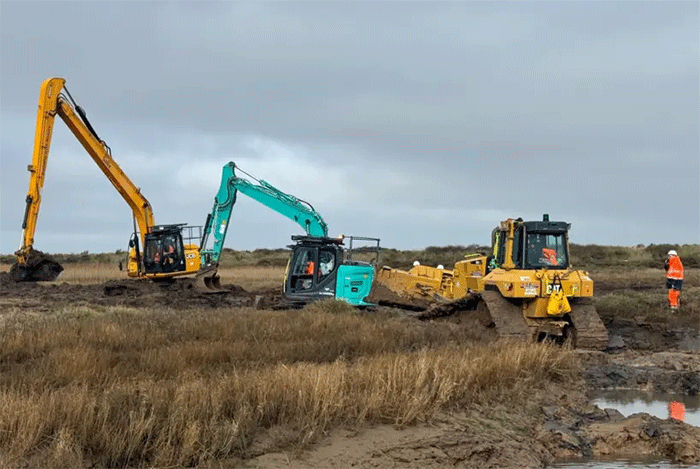
Urgent work under pressure
The RSPB says it is in a “race against time” to complete urgent repairs at Titchwell Marsh in north Norfolk, after heavy rain and flooding delayed work to tackle rapidly eroding salt marsh banks.
The conservation charity began a £100,000 project in the autumn to stabilise Volunteer Marsh, an intertidal salt marsh within the reserve. However, unexpected setbacks have pushed up costs, and the organisation now needs to raise an additional £10,000 to finish the job before spring.
Nature reserve manager Hayley Roan said the delays had “very nearly exhausted contingency funds”, leaving the project under significant financial pressure.
A natural barrier under threat
Volunteer Marsh acts as a natural buffer between the North Sea and Titchwell’s freshwater habitats. Each winter it attracts flocks of wildfowl, and in spring it becomes a vital nesting area for protected birds including Avocets, Bearded Tits and Bitterns.
The RSPB says the salt marsh banks are “rapidly eroding”, raising concerns about how well the site will withstand further spring tides if work is not completed soon.
“Despite careful planning, heavy rain and flooding have caused major delays, forcing us to rebuild access to Volunteer Marsh and restart parts of the work,” Roan said. “We’re racing against the clock to complete the work before spring – a crucial time when protected birds arrive and start nesting on the marsh.”
What the funding will support
Money raised through the appeal will be used to carry out several practical measures designed to stabilise the marsh and improve water flow.
- Partly filling in a man-made breach in a sea wall
- Installing pipes to help control the flow of tidal seawater into the marsh
- Strengthening part of a bank and creating a lowered section to allow water to flow over it rather than build up
The aim is to gradually create a more stable salt lagoon, allowing water to move more freely across the site while reducing the risk of further erosion.
Protecting wildlife and freshwater habitats
Volunteer Marsh was originally created to act as a buffer between the sea and the reserve’s freshwater lagoons. Those freshwater areas are internationally important for breeding and wintering birds, and protecting them from saltwater intrusion is a key part of the reserve’s management.
With spring approaching and breeding season fast approaching, the RSPB says completing the work in time is critical. Without it, the combination of erosion and high tides could put both habitats and nesting birds at greater risk.
The appeal now seeks to secure the final £10,000 needed to ensure the project can be completed, helping to safeguard one of the UK’s best-known coastal reserves for the seasons ahead.
February 2026
Get Breaking Birdnews First
Get all the latest breaking bird news as it happens, download BirdAlertPRO for a 30-day free trial. No payment details required and get exclusive first-time subscriber offers.
Share this story