


Walrus found in East Scotland in January
BDMLR reveals Arctic visitor was present earlier in the year, with details released after initial monitoring
A delayed disclosure
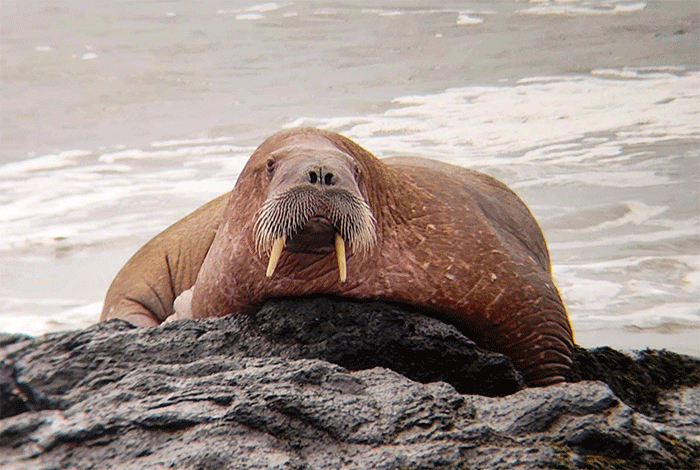
British Divers Marine Life Rescue (BDMLR) has confirmed that a Walrus was seen near Elie, in January - but news of the sighting was not released at the time.
The charity says the decision to withhold details initially was linked to welfare considerations, allowing the animal to rest and move on without attracting disturbance.
An Arctic visitor in Scottish waters
Walruses are Arctic marine mammals and only rarely appear around the UK. In recent years, individual animals - often young dispersing males - have turned up in Britain after travelling long distances from their usual range.
When such visitors haul out to rest, they can quickly draw public attention. However, disturbance from crowds, drones or loose dogs can cause significant stress and force animals back into the water prematurely.
Why hold back the news?
BDMLR explained that delaying public announcements can sometimes be necessary to protect vulnerable wildlife. In cases involving rare marine mammals, limiting immediate publicity reduces the risk of people attempting to approach the animal.
Once it was clear the Walrus had moved on and was no longer at risk of disturbance in the area, the charity was able to confirm the January sighting publicly.
A remarkable but sensitive encounter
Walrus records in Scottish waters remain exceptional. The species is far more commonly associated with Arctic pack ice than with North Sea coastlines.
The charity’s message remains consistent - enjoy rare wildlife from a distance and prioritise animal welfare. In this case, keeping the news quiet for a time may have helped ensure that an unexpected Arctic visitor was able to continue its journey undisturbed.
February 2026
Get Breaking Birdnews First
Get all the latest breaking bird news as it happens, download BirdAlertPRO for a 30-day free trial. No payment details required and get exclusive first-time subscriber offers.
Share this story





