WWII pillboxes converted into nesting sites for seabirds
Concrete coastal defences are being transformed into unexpected nesting sites for some of Scotland’s rarest breeding seabirds
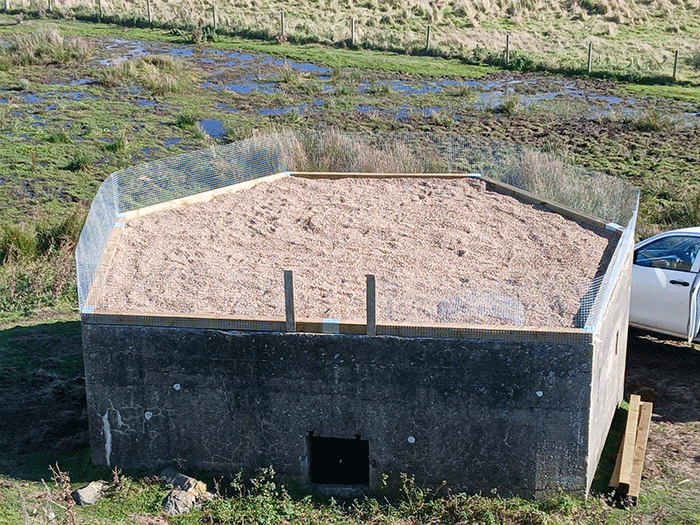
From wartime structures to wildlife refuges
Second World War pillboxes scattered along Scotland’s coastline are being repurposed as safe nesting sites for endangered seabirds, offering an innovative response to the growing pressures facing coastal wildlife. The work, highlighted by NatureScot, shows how historic military structures can be adapted to support modern conservation needs.
Originally built as part of Britain’s coastal defences, many pillboxes now sit abandoned on cliffs, headlands and shorelines. Their robust construction and elevated positions have made them ideal candidates for conversion into artificial nesting spaces, particularly in areas where natural breeding habitat has been lost or degraded.
Addressing a shortage of safe nesting sites
Seabirds across Scotland are facing an increasingly hostile environment, with climate change, rising sea levels, disturbance and introduced predators all contributing to population declines. For burrow-nesting species in particular, the loss of secure breeding sites has become a critical limiting factor.
By adapting pillboxes to mimic natural crevices and burrows, conservationists have been able to create predator-resistant nesting areas that remain dry and stable even during severe weather. These artificial refuges are designed to provide long-term protection in locations where traditional nesting habitat is no longer reliable.
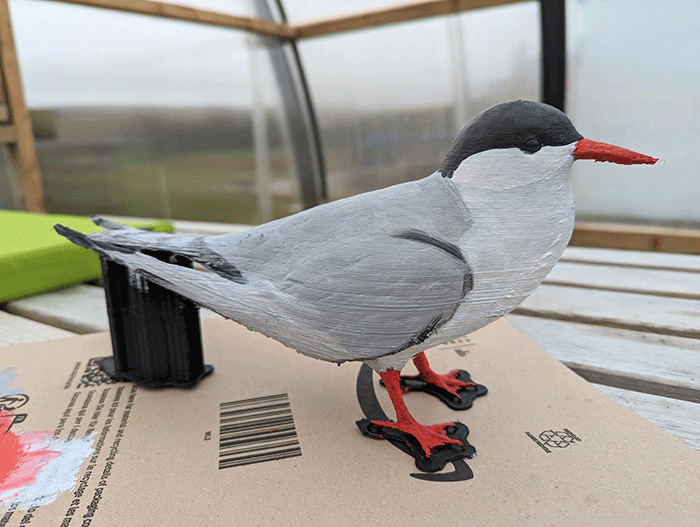
Early signs of success
NatureScot reports encouraging early results, with seabirds beginning to investigate and occupy modified pillboxes during the breeding season. While numbers remain small, the willingness of birds to use these structures suggests that such interventions could play an important role in supporting vulnerable populations.
The approach is particularly valuable in areas where conservation options are limited by geography or land use, offering a practical solution that works with existing features rather than requiring major new construction.
Blending heritage and conservation
The project also demonstrates how historic structures can be retained and repurposed in ways that add ecological value. Rather than removing or ignoring these remnants of wartime history, conservationists are finding ways to integrate them into wider landscape-scale recovery efforts.
As pressures on seabirds continue to intensify, NatureScot sees initiatives like this as part of a broader toolkit needed to safeguard breeding success. The transformation of pillboxes from instruments of conflict into havens for wildlife offers a striking example of how the past can be reshaped to support the future of Scotland’s natural heritage.
February 2026
Get Breaking Birdnews First
Get all the latest breaking bird news as it happens, download BirdAlertPRO for a 30-day free trial. No payment details required and get exclusive first-time subscriber offers.
Share this story