Weekly birding round-up: 30th Jan – 5th Feb 2026
What a grey and largely miserable spell it’s been lately – the lingering rain and murky skies are getting very old, very quickly. That’s not completely dampening our spirits though, for good birds continue to linger here and there in our midst.
Pick of the week’s headline rarities was by some margin the recently found female Redhead in Ireland, still pleasingly present in Co.Kerry on Lough Ygnanvan throughout the present week up to and including 5th.
Coming back out of the woodwork again this week, January’s American Coot was once more to be seen at Tacumshin (Co.Wexford) on 31st-5th. While it’s not got the sheer allure of the Redhead, that’s still a top drawer waterbird right there.

The headline birds weren’t entirely an Irish clean sweep, for the popular wintering Black-winged Kite continued its residency in the Hickling Broad NWT area of Norfolk until 3rd.
Quiet times generally for seabirds this past week, with the two Pacific Diver still present in Cornwall off Mousehole on 30th again comfortably the best of them, with at least one still present there until 1st.
Numbers of Little Auk settled down again to a steady trickle, with around 20 birds in all noted off our coast. Peak count were five logged from Fife Ness (Fife) on 30th, run a close second by four seen from Seaton Sluice (Northumberland) on 2nd.
A Pomarine Skua was seen off St Ives (Cornwall) on 1st.
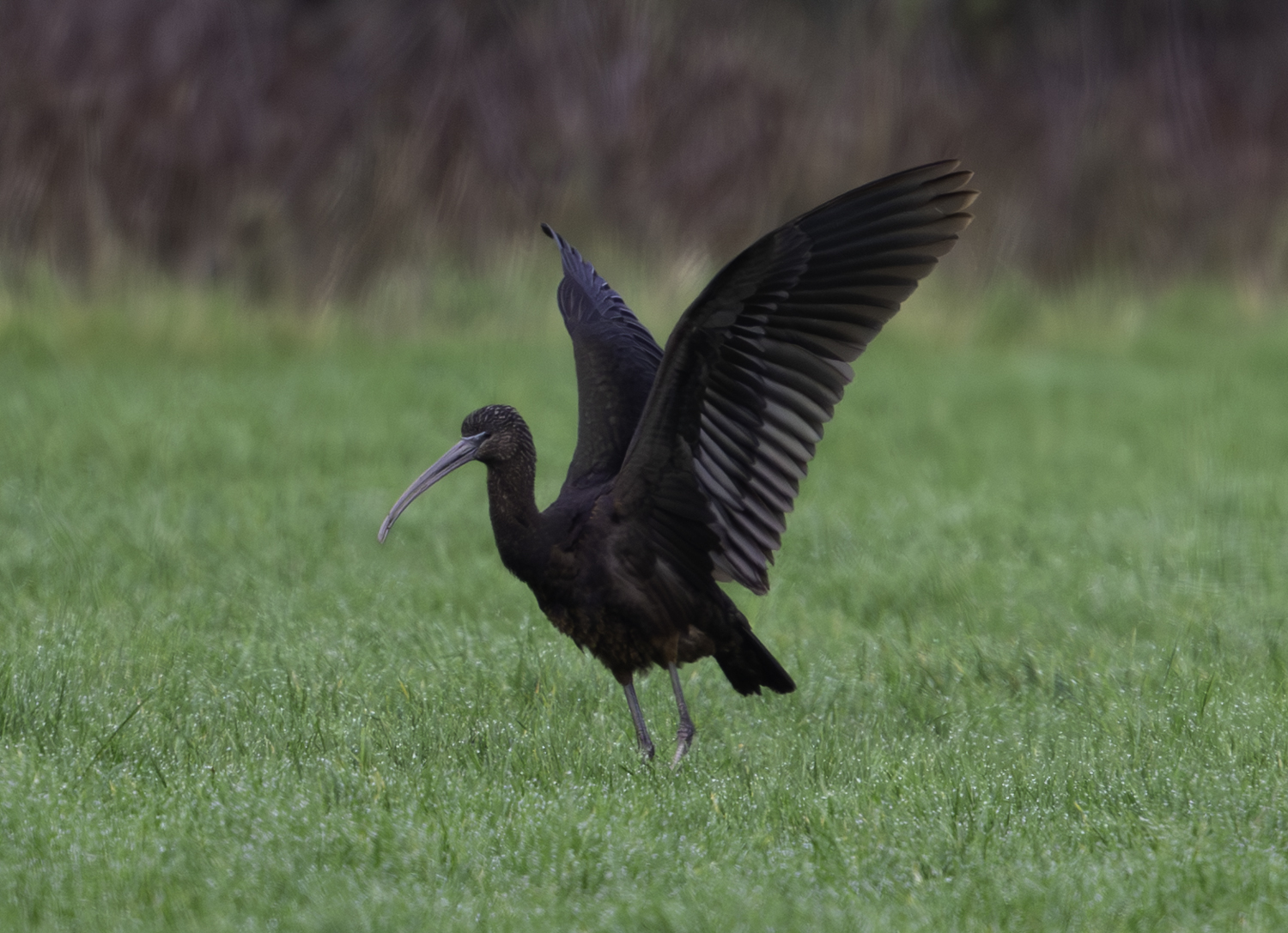
Glossy Ibis continued their newfound British residency for another week. Our noting their lingering presence is pretty much a holding pattern now until the first scarcer long-legged beasties start showing up as the spring, not so very far away now, begins to unfold. Then, one feels, will be the time to honourably retire them from these parts, following in the venerable footsteps of such former dignitaries as Great White Egret, White Stork, and Common Crane, all of whom have seen their status change, one way or another (on the stork front, thanks for nothing, Knepp), in recent years.
Still busy times for honkers and quackers in these parts and, as is our wont, we start with The Goose Formerly Known As Canada… an interior Todd’s Canada Goose was present on Tiree (Argyll & Bute) on 2nd; and two hutchinsii Richardson’s Cackling Goose were seen again in Co.Sligo at Ballygilgan NR on 31st, with one present on The Mullet (Co.Mayo) on 31st, and one still at Drimvore (Argyll & Bute) on 5th.
A Ross’s Goose was seen at Stormont Loch (Perth & Kinross) on 31st, but wasn’t set to linger there.
The Snow Goose remained in Scotland at Insh Marshes RSPB (Highland & Caithness) on 30th-2nd; while further birds hung on in Lincolnshire around Deeping Lakes LWT on 30th-1st, and in Lancashire & North Merseyside at Southport again on 1st-4th.
Black Brant this week were seen in Essex at Fleet Head again on 31st, and Mersea Island on 4th where two birds were seen; in East Yorkshire at Outstrays NR on 31st-1st; and in Hampshire again at Hayling Island on 31st and 4th-5th.
Rounding off the geese for another week, a Red-breasted Goose was seen in Essex on 2nd at Holliwell Point.
Onto the ducks, and starting with the recent first-winter drake Baikal Teal, still present on the River Loughor around Waungron (Glamorgan / Carmarthenshire) on 30th-4th.
The Blue-winged Teal drake remained at Loch Loy (Moray) on 4th.
American Wigeon maintained their side of the winter compact, with eight logged in Britain and Ireland this week – in Shetland still in the Loch of Spiggie and Loch of Brow general area on 31st-3rd; at Newshot Island (Clyde) still on 30th-5th; at Bishop Middleham (Co.Durham) on 2nd; at Preston (Lancashire & North Merseyside) still on 30th-1st; in Somerset at Shapwick Heath NNR still on 1st; at Eldernell (Cambridgeshire) on 31st; on 4th on South Uist (Western Isles); and at Ballygilgan NR (Co.Sligo) on 31st still.
Numbers of Green-winged Teal held firm, with a little over a dozen birds again seen across the region during the course of the week.
Three Ferruginous Duck were logged during the week – one in Cambridgeshire at Earith on 1st; one in Co.Tyrone at Ballysaggart Lough on 31st and 4th-5th again; and one again in Hampshire at Brownwich Pond on 30th.
The week proved to be a good one again for Lesser Scaup, not least in Ireland where fresh sightings, in addition to the lingering birds still present at Lough Neagh (Co.Armagh) on 30th, Lough Clubir (Co.Cork) on 2nd, and Tacumshin (Co.Wexford) on 2nd, came from Lough Yganavan (Co.Kerry) on 31st-4th, Rosslare Backstrand (Co.Wexford) on 2nd, and Lough Cullaunyheeda (Co.Clare) on 2nd-3rd. British birds remained in Leicestershire on Swithland Reservoir on 30th-4th, on Abberton Reservoir (Essex) on 1st-4th, on Staines Reservoir (Surrey) on 31st-2nd, and in Cornwall at Helston where two remained on 30th-5th.
Ring-necked Duck remained ubiquitous for another week, with around 45 birds in all seen across Britain and Ireland – the latter still enjoying the lion’s share of their number, with a flock of nine still present on Lough Yganavan (Co.Kerry) on 30th the peak single site count of the week.
Co.Wexford again gave us a female / first-winter drake Bufflehead this week, on this occasion found at Rosslare Backstrand on 2nd.
Also still present in Ireland, the first-winter drake Harlequin Duck remained at Tra na gCloch (Co.Donegal) on 30th-5th.
Shetland’s first-winter female King Eider continued her tenure in Quendale Bay on 1st-2nd.
The drake Black Scoter remained at Dornoch (Highland & Caithness) on 30th.
Two Surf Scoter continued to be seen in Colwyn Bay (Conwy) on 30th-1st, with at least one still present on 3rd-4th; while one remained off Barra (Western Isles) on 30th-31st; and two were off Gullane Point (Lothian) on 5th.
The weekly waders began to consolidate their much denuded showing, with just a handful of stalwarts to show for themselves again in recent days. Starting in Somerset, the Kentish Plover remained on at Burnham-on-Sea on 31st.
Out in Ireland, the Semipalmated Sandpiper was again seen at Seafield (Co.Clare) on 1st-5th. The Spotted Sandpiper remained at Ballynagaul (Co.Waterford) on 4th.
Co.Wexford meanwhile once again boasted a Long-billed Dowitcher at Tacumshin on 2nd.
Finally, the Lesser Yellowlegs remained present on Rathlin Island (Co.Antrim) on 1st; while British birds remained in Cornwall at Truro on 30th-3rd, and in Denbighshire at Rhyl on 30th-3rd.
The gulls kick off this week once more in Co.Galway, where the recent first-winter American Herring Gull remained at Waterside on 30th-2nd.
In Shetland the returning third-winter Kumlien’s / Thayer’s Gull continued to divide opinion, with cases to be made for it either way. An immature Kumlien’s Gull was reported from Minnis Bay (Kent) on 4th.
More pics of the Kumlien’s/Thayer’s gull on Unst yesterday. Hopefully get some better ones when the snow blizzard’s stop. pic.twitter.com/ymLDSrPDrB
— Adrian Kettle (@birderkettle) February 4, 2026
Numbers of less problematic white-wingers remained fairly static, with around 20 apiece of Glaucous Gull and Iceland Gull again logged across the region during the course of the week. Most were singletons, but duos of Glaucous Gull were noted in the Western Isles on North Uist on 1st, and South Uist on 2nd; and two Iceland Gull were on a sandbank off Wells (Norfolk) on 4th.
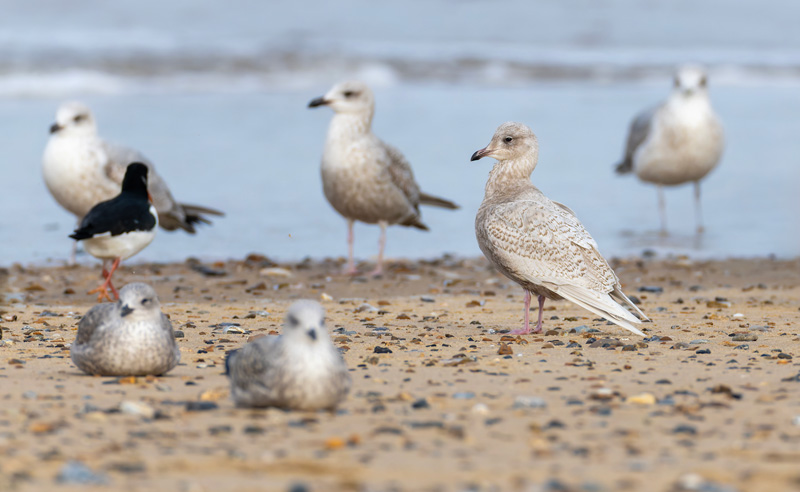
Five Ring-billed Gull were logged this week, three of them settled birds we’re already familiar with – one at Tralee Bay Wetlands (Co.Kerry) still on 30th-2nd; another at Enniskillen (Co.Fermanagh) still on 1st-5th; and one still present in Cornwall at Hayle Estuary RSPB on 31st-5th. One more was found in Co.Clare at Doonbeg on 4th, and a second bird present at Enniskillen on 5th.
January ended with a small flourish of Bonaparte’s Gull on 30th, one apiece for Otter Ferry (Argyll & Bute) and Reenard Point (Co.Kerry); while known birds remained at Gairloch (Highland & Caithness) on 2nd, and around Newlyn (Cornwall) on 30th-2nd still; and one was present at Dornoch (Highland & Caithness) on 4th.
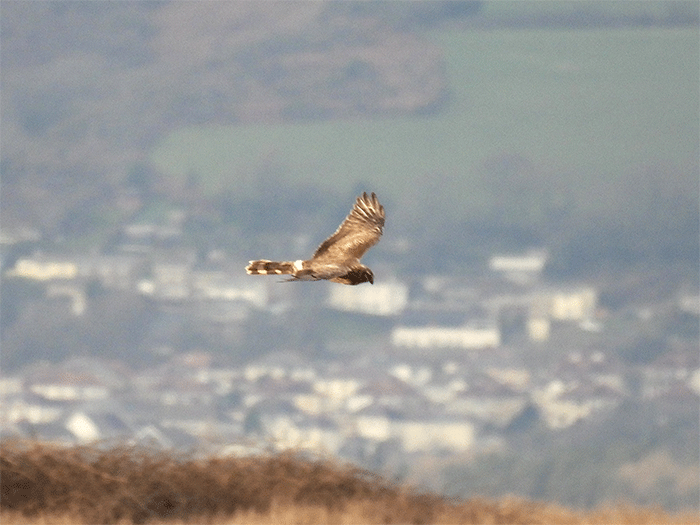
In Wales the second-winter female Pallid Harrier was still to be seen this past week, with sightings coming again from National Wetlands Centre WWT (Carmarthenshire) on 31st-2nd; at Llanrhidian Marsh (Glamorgan) on 1st-3rd; and at Crofty (Glamorgan) on 31st again.
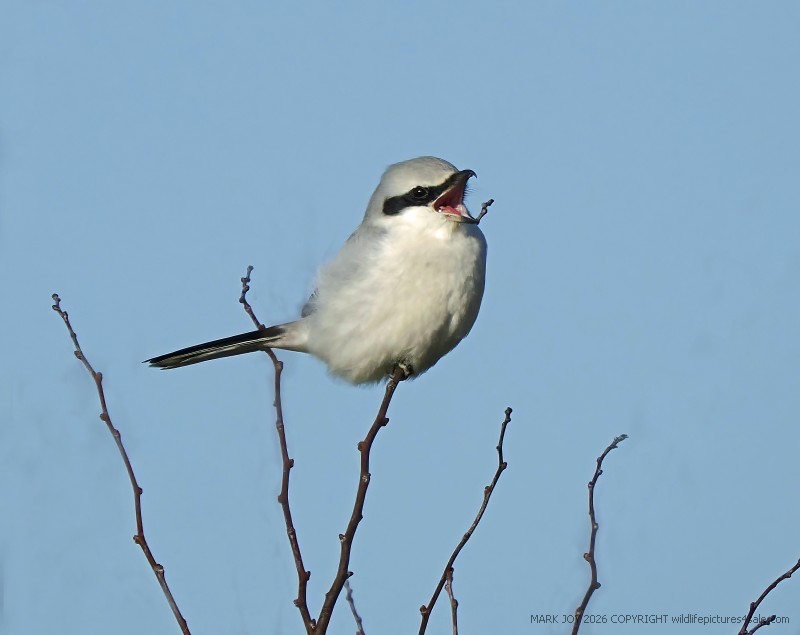
The weekly passerines begin again with Great Grey Shrike, with regular sightings in recent days in Hampshire at Stoney Cross Plain on 30th-5th, and in Lincolnshire outside Ingham still on 30th-5th, the latter bird even finding occasion to sing at times.
Waxwing remained rather woeful, with a mere handful seen lately – single birds just outside Voe (Shetland) still on 31st-5th, at Erewash Meadows NR (Derbyshire) on 31st, in Kirkwall (Orkney) on 1st and 4th, and on 5th on Holy Island (Northumberland); and two seen on 31st at Gateshead (Co.Durham).
A Hume’s Warbler was found in Lowestoft (Suffolk) on 4th-5th.
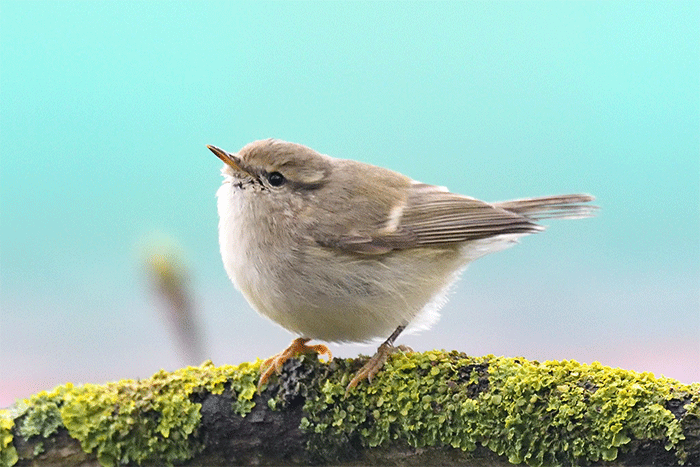
Five Yellow-browed Warbler were logged during the week – birds remaining in Devon at Efford Marsh NR on 30th-4th, and at Llanfairfechan (Conwy) on 30th-4th; and further sightings coming from Crosby (Lancashire & North Merseyside) on 2nd, Paignton (Devon) on 3rd-4th, and briefly in a Primrose Hill (London) garden on 3rd.
In Cornwall a Dusky Warbler was once again reported from Boscathnoe Reservoir on 30th.
Three Zitting Cisticola were again noted at Walberswick (Suffolk) on 31st, and two still present there on 4th.
In Kent, the wintering Red-flanked Bluetail remained tucked into Crockham Hill Common on 31st-4th.
Norfolk’s first-winter male Eastern Black Redstart remained at Sheringham on 30th-5th.
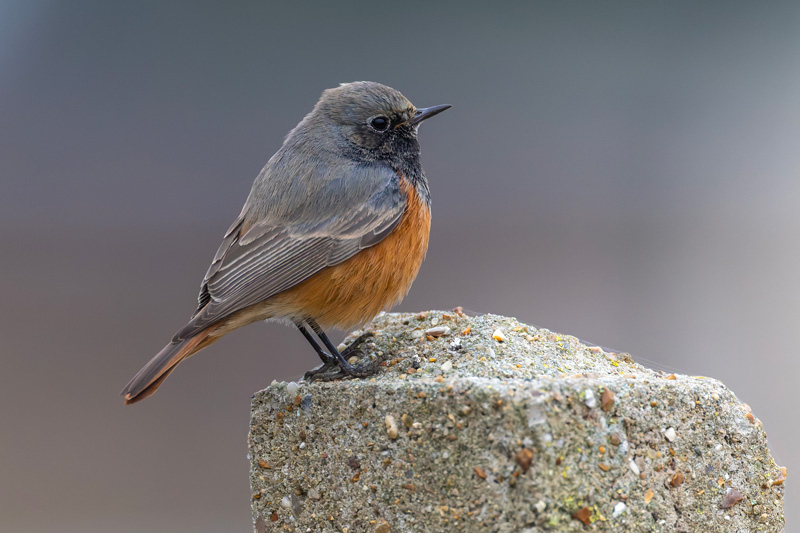
The Black-bellied Dipper was again seen in Norfolk at Bintree on 4th-5th.
Back to Cornwall and Boscathnoe Reservoir, a Little Bunting was present there on 1st.
The Pied Crow remained in Co.Galway at Doughiska 2nd.
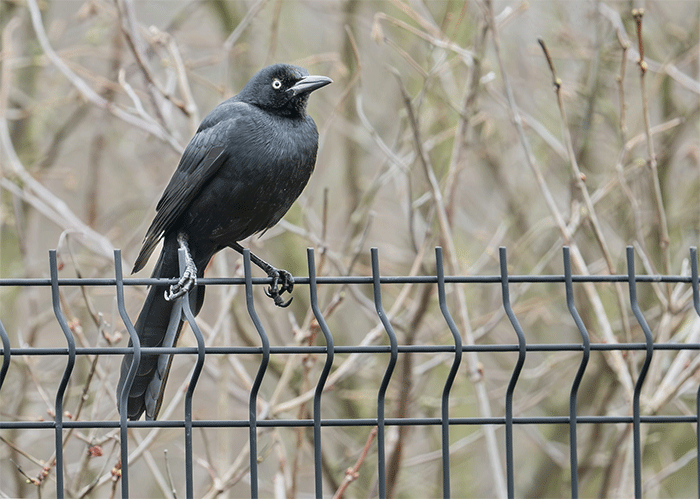
Finally, the Great-tailed Grackle was still present in Holbury (Hampshire) on 1st-4th, and probable remained in Lancashire & North Merseyside at Speke Hall on 30th-5th.
Our overseas news starts in the Netherlands, where the Black-faced Bunting remained on Texel on 30th-5th. Perhaps the only surprise, given the numbers seen in Western Europe over the autumn, is that a wintering bird hasn’t been unearthed somewhere in Britain this winter. The Pygmy Cormorant meanwhile remained at Natuurpark Lelystad on 5th.
In France the Belted Kingfisher was still on the Canal de Nantes a Brest on 31st; and the Eastern Imperial Eagle at Lac du Der on 5th.
Denmark’s Dusky Thrush remained at Refshaleoen on 30th-4th.
On Iceland, the Baltimore Oriole remained in Reykjavik on 4th, and the White-winged Scoter off Orfirisey on 5th still.
The Cape Gull remained in Spain at Laredo on 1st.
On the Azores, Terceira retained its recent Snowy Egret on 31st.
Finally, in Cape Verde, the Western Willet remained on Boa Vista on 1st-5th, the Black-headed Heron on Sao Vicente on 5th still, and a White-tailed Tropicbird was seen on Ilheu de Cima on 31st again.
We’re set fair for February now though, alas, that’s merely a figure of speech. The weather forecast for the coming week looks like more of the same we’ve ‘enjoyed’ lately – namely more cold, wet, grey days stuck in the meat-grinder between south-easterlies from Scandinavia and south-westerlies off the Atlantic.
If that’s not a terribly inspiring forecast, nor is a gaze into the murky depths of the predictions crystal ball, attempting to find some comfort in historic rarity records. With the notable exception of the Portland (Dorset) moribund Allen’s Gallinule of 10th February 2002 (which obviously isn’t going to see a repeat any time soon in these parts given their gross rarity and delicate constitution this far north), there’s precious little succour to be found. Early February simply isn’t a busy time for rarities.
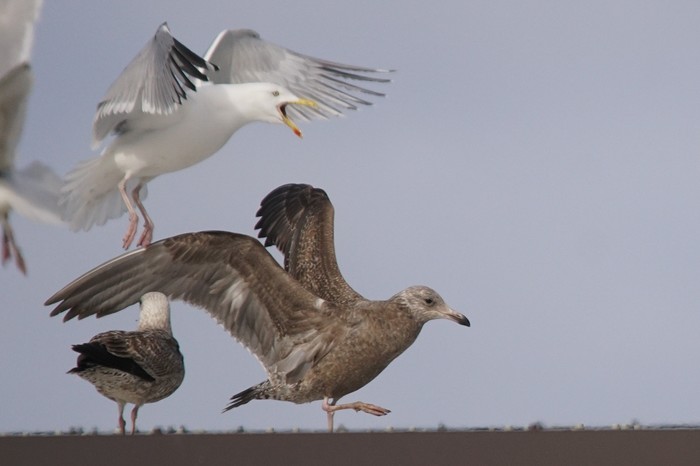
Gulls probably represent our best chance of some action, under the circumstances, and American Herring Gull remains a prize worth looking for. Ireland’s got one presently – why not another in Britain someplace?
Jon Dunn
06 February 2026
Many thanks to all this week's contributors for your photos and videos and to everyone who contributed throughout the year.
Get Breaking Birdnews First
Get all the latest breaking bird news as it happens, download BirdAlertPRO for a 30-day free trial. No payment details required, and get exclusive first-time subscriber offers.
Share