Weekly birding round-up: 14 - 20 Aug
In every regard, the past week was something of a late summer / early autumn classic of its kind. Fairly quiet on land, but things were hotting up at sea, and it was Ireland’s turn to roar…
A seawatch for the ages took place in Co.Kerry this week, with some chunky numbers of Cory’s Shearwater noted passing Brandon Point on 18th merely the filler for the accompanying thrillers. Yes, that’s thrillers plural…
For even if the Scopoli’s Shearwater discerned in their midst had been the only seabird rarity of the day, it would have been a Good Day. But there was more…
Early in the morning a South Polar Skua was seen passing by. While sightings of them in British and Irish waters have incrementally increased in recent years, one of these mythical skuas is always going to be a big event for those fortunate to be in the right place at the right time. A huge bird, literally and metaphorically.
It’s not every day that you see a South Polar Skua, Scopoli’s Shearwater, 2100 Cory’s, 45 Great, 1 Balearic, 4 LTSkua, 2 Wilson’s Petrels, adult Sabines Gulls etc on a seawatch in Ireland! Today was that day. With Michael O’Clery on Brandon Pt, Co. Kerry. ?? pic.twitter.com/dezNtWaOZA
— Birds Ireland (@EricTheBirdman) August 18, 2026
This was merely a teaser for what followed on 19th during a seawatch for the ages, with two more South Polar Skua logged during the course of almost 14 hours sustained effort at Bridges of Ross (Co.Clare). TWO. Incredible stuff.
It’s a fair point to ask whether they’re genuinely becoming more commonplace here in the northern hemisphere, or whether the relative paucity of Great Skua in the past few years in the wake of the devastation wrought upon them by Highly Pathogenic Avian Influenza (HPAI) has left a legacy of fewer large brown skuas for seawatchers to sift through and examine closely… or, indeed, whether observers are getting more confident about what to look for in a putative South Polar Skua… or a bit of all of the above. One thing’s for sure, this was a heck of a week for Irish seawatching.
As we’ve seen in the headlines, there was plenty of hot seawatching action on offer this week and, skuas apart, we’ve already touched upon the Scopoli’s Shearwater seen from Brandon Point (Co.Kerry) on 18th; this followed another sighting on 17th at Bridges of Ross (Co.Clare).
But there was more, so much more, going on. Not least where Wilson’s Petrel were concerned. The days of that being a Scillonian pelagic special are long behind us – thankfully, given the associated motion of the ocean some of us recall so queasily – and it’s now de rigeur for birders to enjoy not only pelagic encounters but also land-based sightings. Both accounted for the 145 birds logged in Britain and Ireland during the past week, with the Scilly pelagics again scoring heavily, with a peak count of 55 birds noted on 18th.
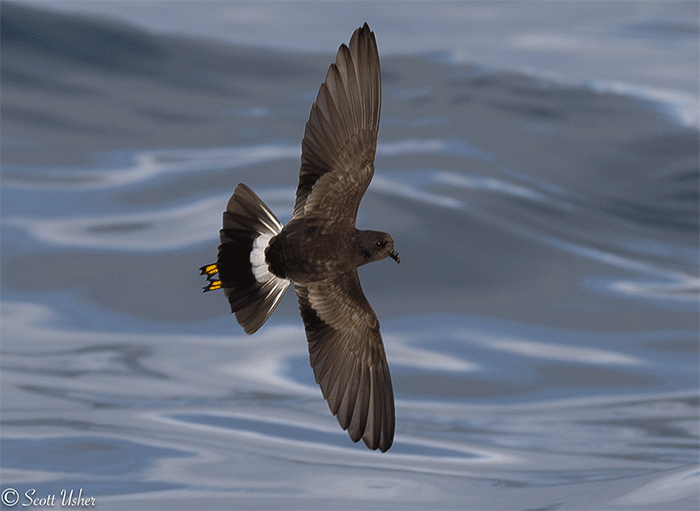
Two Leach’s Petrel were seen off Uisead Point (Argyll & Bute) on 16th; and one on 20th at Peterhead (Aberdeenshire).
And then there were the Fea’s Petrel sp. - no immense week of seawatching at this time of year would have been complete without one. And this week, there were several… and surprising nobody, given the supporting cast, they were found off Ireland. 19th was the day of reckoning, with two individuals logged at Melmore Head (Co.Donegal) in the morning; two more seen at Bridges of Ross (Co.Clare) in the mid-afternoon; and one passing Kilcummin Head (Co.Mayo) in the early evening.
Returning to the shearwaters, good numbers of Cory’s Shearwater were logged this week, with around 17,000 birds logged, and a single site peak count of 5,000 seen from Bridges of Ross (Co.Clare) on 19th. Great Shearwater remained less numerous altogether, with some 250 birds recorded across the region, and a peak count of 58 noted from Bridges of Ross on 14th.
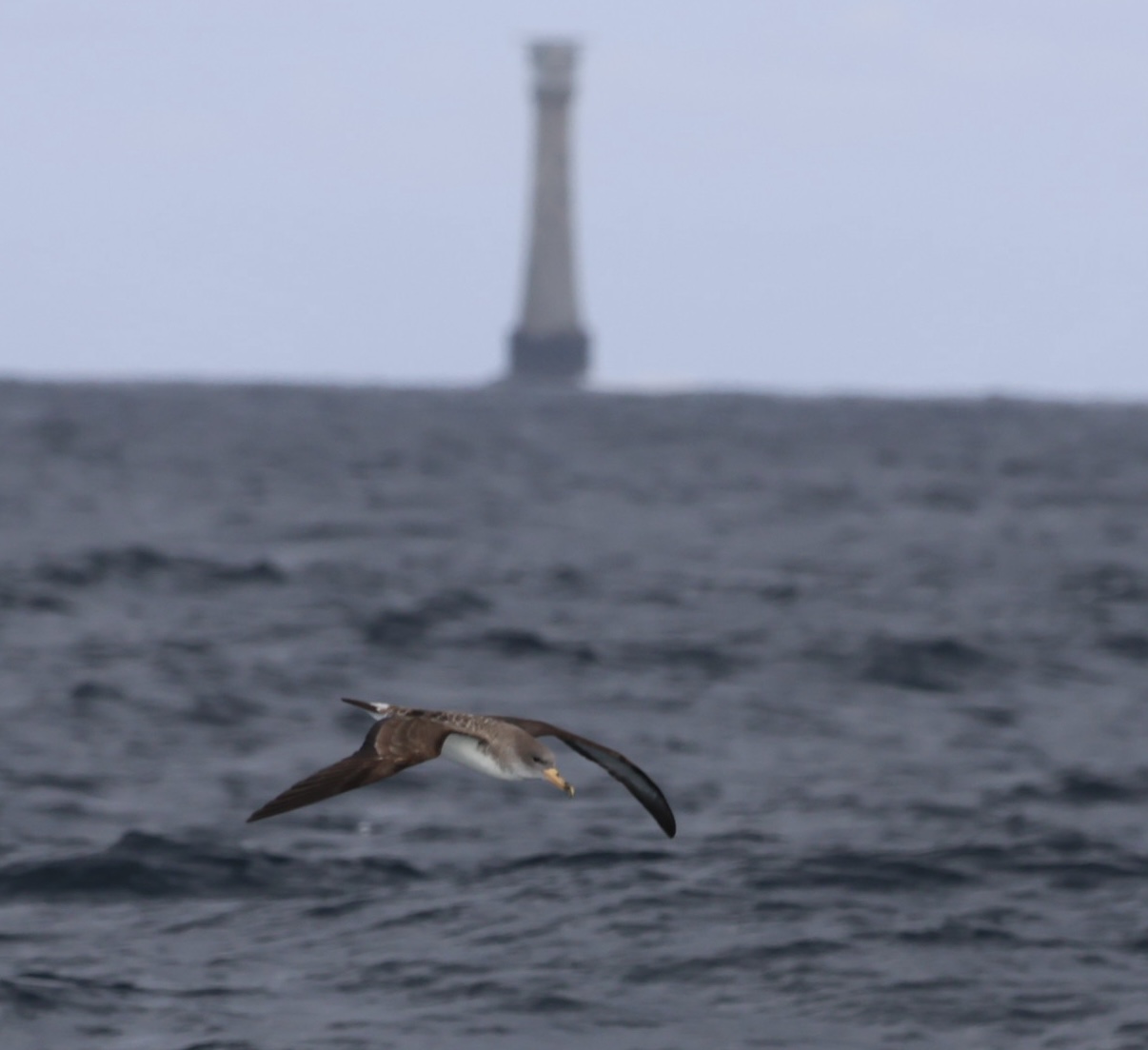
Numbers of Balearic Shearwater remained on the low side, albeit picking up a little on recent weeks, with a shade over 370 birds recorded across the week – the peak count again coming from Devon, where 116 birds were seen from Hope’s Nose on 18th.
But there was more, so much more, going on. Not least where Wilson’s Petrel were concerned. The days of that being a Scillonian pelagic special are long behind us – thankfully, given the associated motion of the ocean some of us recall so queasily – and it’s now de rigeur for birders to enjoy not only pelagic encounters but also land-based sightings. Both accounted for the 145 birds logged in Britain and Ireland during the past week, with the Scilly pelagics again scoring heavily, with a peak count of 55 birds noted on 18th.
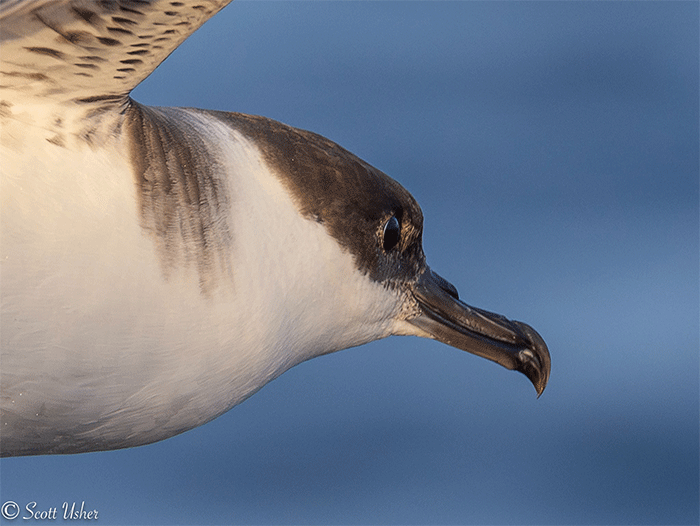
While seawatchers sought rarer skuas, the scarcer species continued to be seen in small numbers – in Ireland Pomarine Skua were seen from Bridges of Ross (Co.Clare) on 15th, and Brandon Point (Co.Kerry) on 18th, while a bird was noted in Kent off Tankerton on 17th. Kent also accounted for Long-tailed Skua at Tankerton on 17th, while two probables were seen across the Thames Estuary at East Tilbury that day also; further birds were reported this week from Brora (Highland & Caithness) on 17th, and Brandon Point where four were seen on 18th and one more on 19th. On 20th the pace for both species quickened, with a peak count of six Long-tailed Skua and three Poms at Chanonry Point (Highland & Caithness).
August continued to deliver unseasonal White-billed Diver this past week, with recent individuals again seen from Barra (Western Isles) on 16th and 19th, and off Burray (Orkney) on 14th-15th and again on 19th-20th; while another Orcadian sighting came off Mainland at St Mary’s on 15th.
The week’s long-legged beasties kick off with a Black Stork again seen in Suffolk at Orford Ness on 15th.
Six Night Heron remained at Bolton-on-Swale Lake YWT (North Yorkshire) until 18th at least.
Juvenile Purple Heron were again seen in Somerset at Ham Wall RSPB on 14th-20th, and one in Kent at Stodmarsh NNR on 15th-19th. A bird was reported from Minsmere RSPB (Suffolk) on 18th also.
A Spotted Crake was present at Upton Warren NR (Worcestershire) on 17th – surely more of these early autumn classics to come in the next week or two.

Starting the quackers with seaduck, two drake White-winged Scoter were again seen off Musselburgh (Lothian) on 14th. Numbers of Surf Scoter there varied, but peaked with three drakes still on 14th-16th and once more on 19th.
The drake Lesser Scaup was still on Loch Gelly (Fife) on 17th.
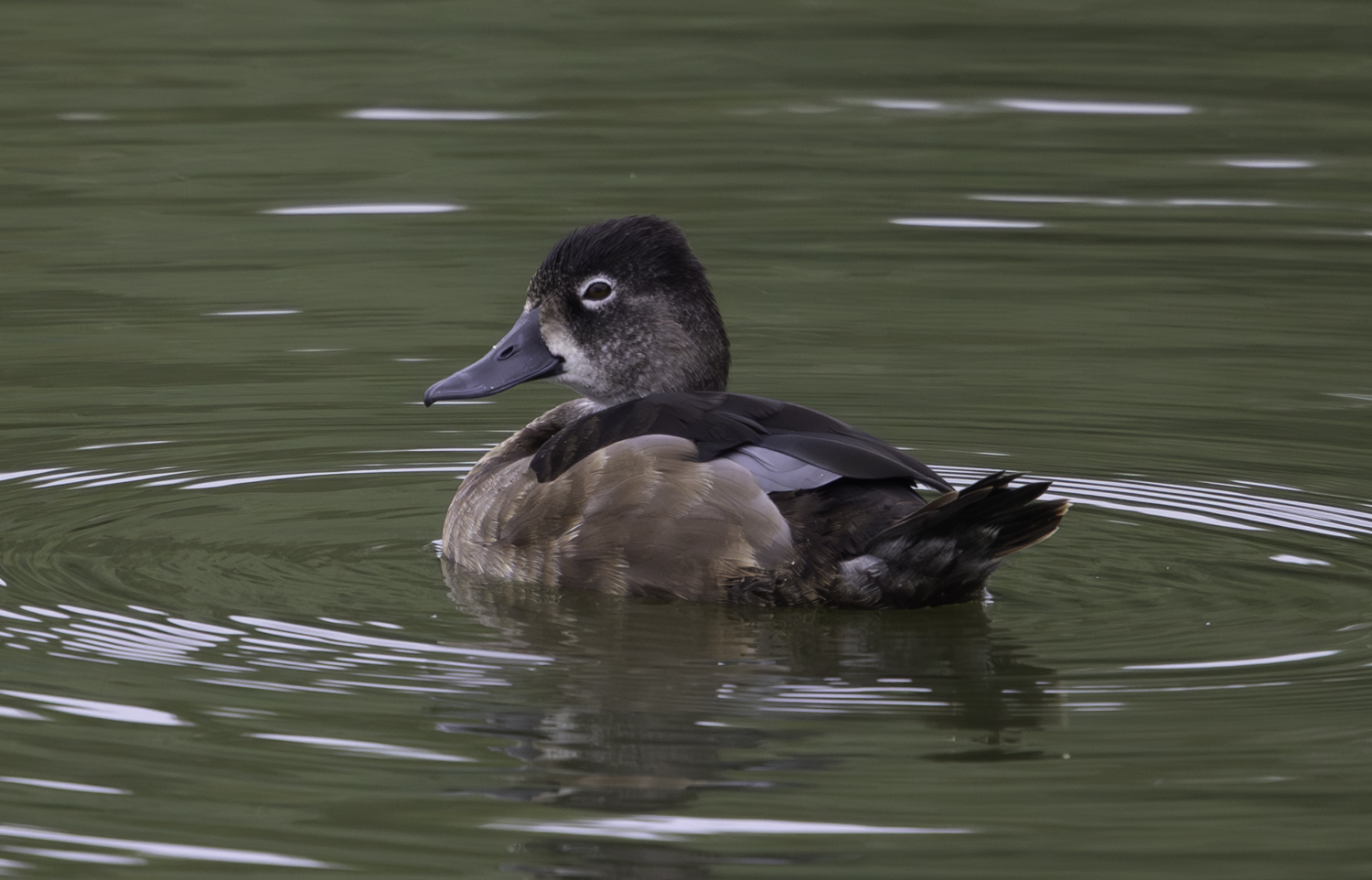
In Essex the female Ring-necked Duck remained on Abberton Reservoir on 16th-19th; the Shetland bird remained at Loch of Clickimin on 19th; while another was seen this week in Nottinghamshire at Holme Pierrepont on 14th-15th.
The female Ferruginous Duck was still present at Stanford Reservoir (Northamptonshire / Leicestershire) on 14th-20th; a female was noted in Oxfordshire at Rushy Common on 14th-18th; and a drake in Oxfordshire at Dix Pit until 20th also.
Two possible, elusive American Wigeon were seen on 20th at Potter Heigham Marshes (Norfolk).
Remaining steadfast in Suffolk this past week, the adult male Hudsonian Godwit was still present at Cattawade on 14th-20th.
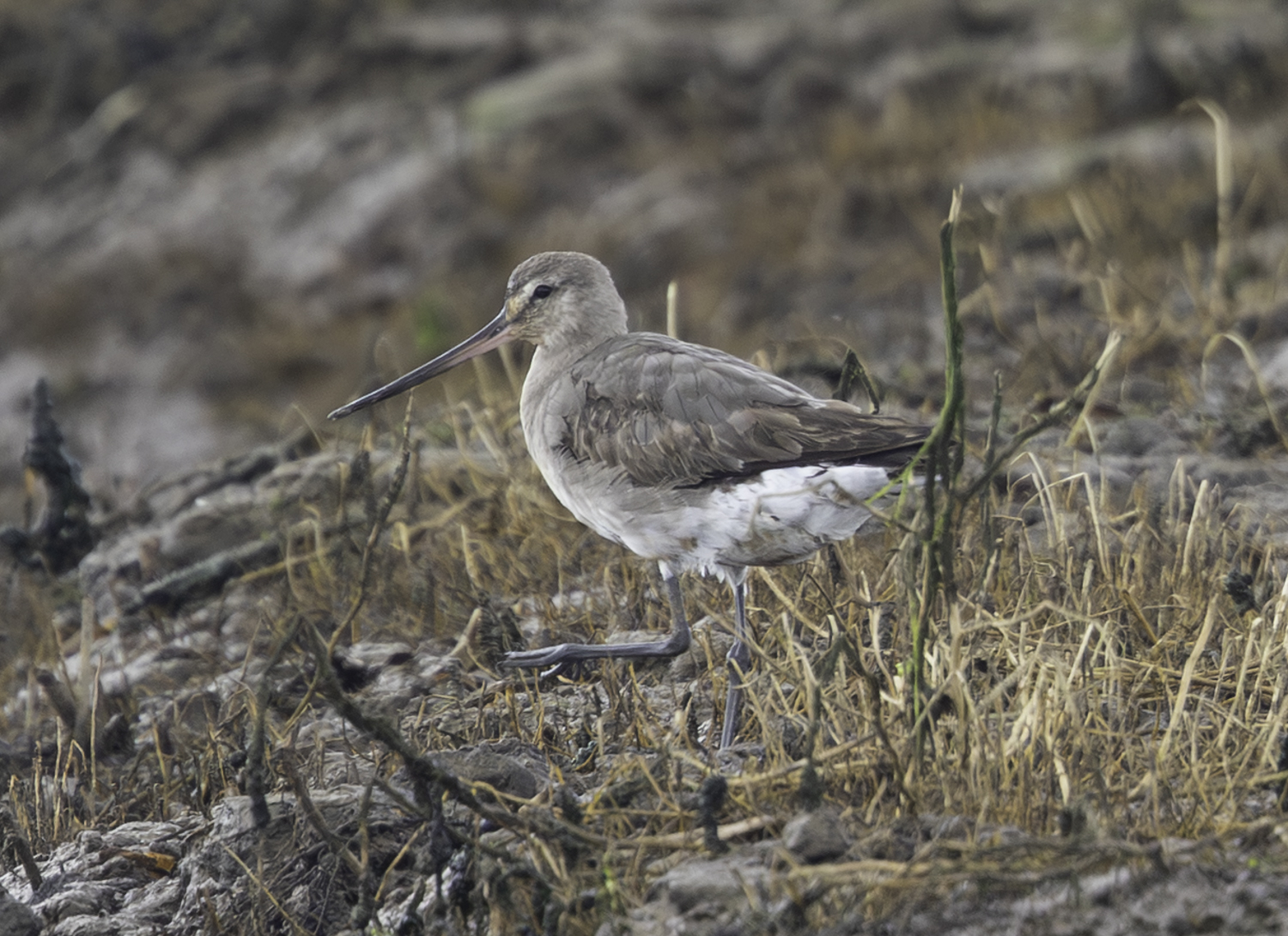
Once again, three White-rumped Sandpiper were noted in recent days – long-stayers still in East Yorkshire at Beacon Ponds NR on 14th-20th and in Co.Wexford at Tacumshin still on 14th-19th; and one in Dorset at Lodmoor RSPB on 15th.
A Baird’s Sandpiper was found at Dale Airfield (Pembrokeshire) on 17th.
On Orkney, the settled Semipalmated Sandpiper remained on North Ronaldsay on 15th.
Two Buff-breasted Sandpiper lingered at Tacumshin (Co.Wexford) on 14th-20th, while the recent bird in Cleveland was still to be seen at Scaling Dam on 14th-15th. Further birds were found in the northern isles on 17th, on Orkney at Brodgar Pools, and on Shetland at Exnaboe.

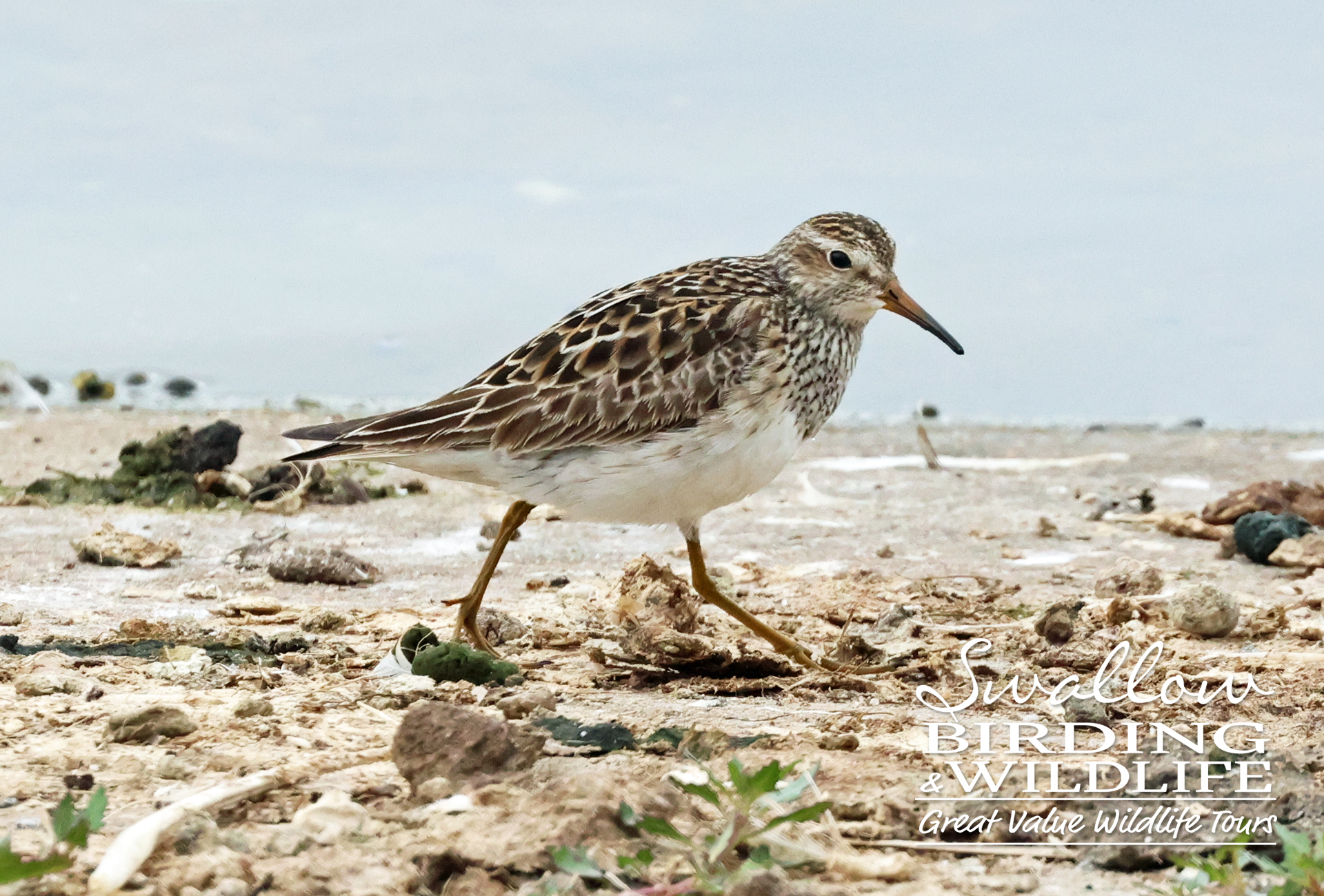
Numbers of Pectoral Sandpiper remained more or less unaltered, with some half a dozen birds logged again this past week. In Staffordshire one was seen at Croxall Lakes on 15th-19th, with a bird reported from Middleton Lakes RSPB (Staffordshire / Warwickshire) on 16th; one was seen at Daventry Reservoir CP (Northamptonshire) on 17th-20th; one lingered in Kent at Cliffe Pools RSPB on 17th; a bird was present in Aberdeenshire at Cairnbulg on 16th-19th; one was found on 19th-20th at Abberton Reservoir (Essex); and one at Tacumshin (Co.Wexford) on 16th.
A Red-necked Phalarope was seen in East Sussex at Jury’s Gap on 16th.
In the English southwest, Grey Phalarope were seen from the Scillonian on 14th, and Pendeen (Cornwall) on 16th; four were noted passing Bridges of Ross (Co.Clare) on 19th.
American Golden Plover were seen this week at Pendeen (Cornwall) on 18th, and on 19th on Tiree (Argyll & Bute).
Finally, a Lesser Yellowlegs was reported from Low Newton-by-the-Sea (Northumberland) on 16th.
Attention paid to passing sea traffic yielded more Sabine’s Gull this week, particularly off the Irish coast – here singletons were seen from Fanad Head (Co.Donegal) on 15th, Brandon Point (Co.Kerry) on 18th, and Bridges of Ross (Co.Clare) on 18th; two more were seen from the latter site on 19th; while in England an adult made a surprise appearance at Chew Valley Lake (Somerset) on 17th, and on 20th three were noted passing Hartlepool Headland (Cleveland), and a singleton at Wembury Point (Devon); in Scotland on 20th one was seen at Gullane Point (Lothian); and a Welsh sighting came at Strumble Head (Pembrokeshire), where two birds were seen.
In Kent the regular adult Bonaparte’s Gull was still present at Oare Marshes KWT on 15th-17th; and another probable was seen at Blennerville (Co.Kerry) on 16th.
An adult Franklin’s Gull was found on Isle of Wight at Sandown on 19th.
The Ring-billed Gull remained at Barnaderg Bay (Co.Galway) still on 17th.
After a week with no white-wingers, they were back again this week - Glaucous Gull on Orkney Mainland at Stenness on 15th and 17th again, and at Killybegs (Co.Donegal) on 15th; and Iceland Gull in Cornwall on 14th and 18th at Drift Reservoir.
In Northumberland the female surinamensis American Black Tern was again seen on Coquet Island RSPB on 14th.
The week was again a good one for White-winged Black Tern, not least in Kent where an adult was seen at Stodmarsh NNR on 15th-20th, and a juvenile at Dungeness on 16th-20th. Elsewhere birds were logged at Summer Leys NR (Northamptonshire) on 14th; Farmoor Reservoir (Oxfordshire) on 15th; and Snettisham RSPB (Norfolk) on 15th.
Norfolk also accounted for a Caspian Tern at Breydon Water on 14th; while another was seen at The Naze (Essex) on 16th.
Last but not least, a Gull-billed Tern was seen in Devon at Slapton Ley on 14th.
The Black-winged Kite remained in Norfolk this week, mostly seen at Sea Palling until 20th, and at Hempstead Marshes on 15th.
Alas the probable pale morph Eleonora’s Falcon seen hawking dragonflies halfway up the immense cliffs at Samphire Hoe CP (Kent) in the mid-afternoon of 17th wasn’t hanging around for further perusal. Given this may relate to the same bird seen coming in off the sea at North Foreland on 24th July, that one may yet come out of the woodwork in coming days, if we’re lucky.
Juvenile Montagu’s Harrier were seen this week at Stert Point (Somerset) on 15th, and Rimac and Donna Nook (Lincolnshire) on 18th. A further possible was seen at Sandbach Flashes (Cheshire & Wirral) on 16th.
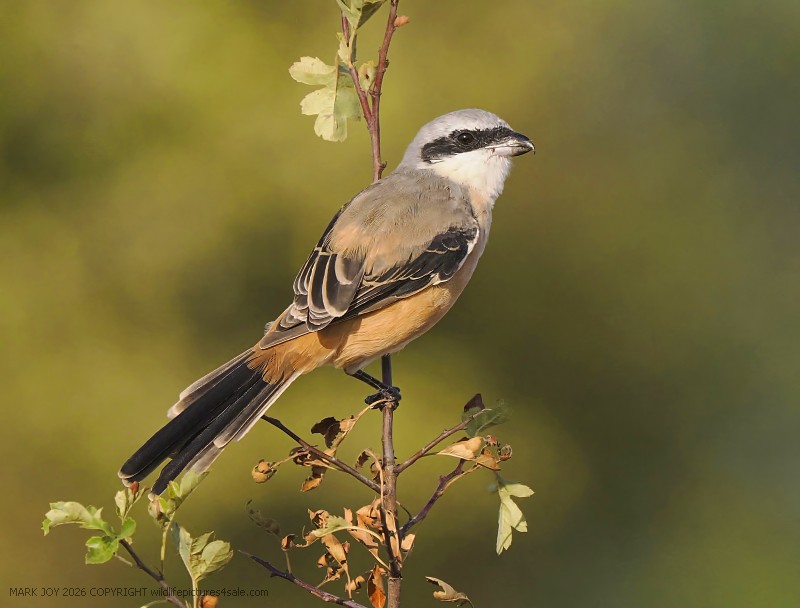
Still hanging on in Gloucestershire, shoo-in for bird of the year, the Long-tailed Shrike remained at Eastleach Downs on 14th-20th looking ever more resplendent by the day.
Albeit of lesser rarity calibre, it wasn’t the only shrike on offer this week – a Woodchat Shrike appeared on Fair Isle (Shetland) on 14th-20th...
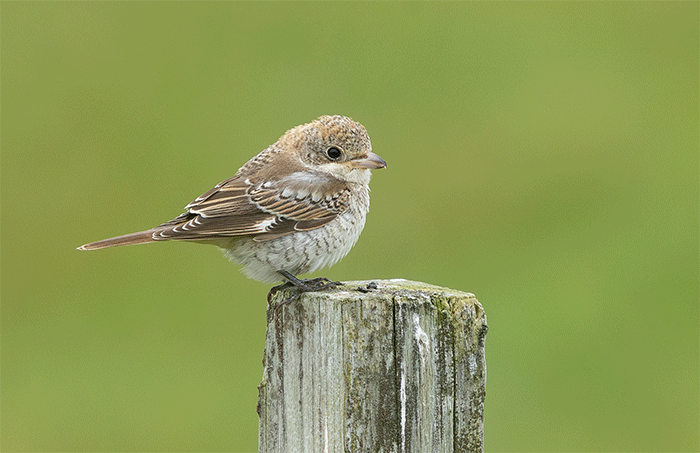
…and Red-backed Shrike were found at Sea Palling (Norfolk) on 15th, Worth Marshes RSPB (Kent) on 17th-18th, and Fair Isle (Shetland) on 19th-20th. Local patch gold, these days.
Further glimmers of incipient autumn came in the form of a handful of Wryneck - one trapped and ringed in Wareham (Dorset) on 16th, followed by birds seen at Martin Down NNR (Hampshire) on 17th, Priddy (Somerset) on 18th, and Fair Isle (Shetland) on 19th.
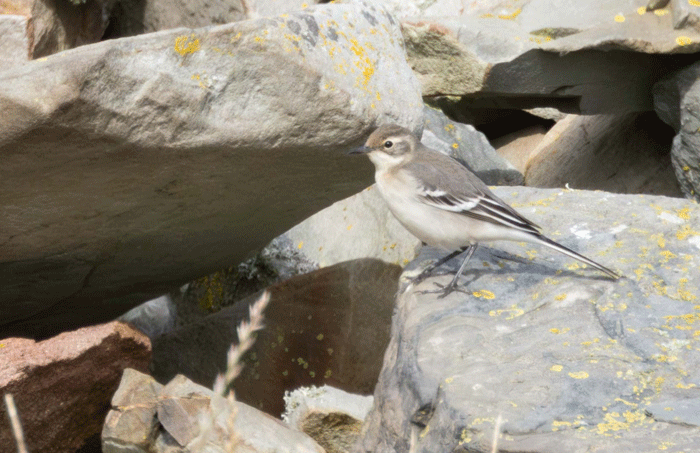
Similarly telling, a probable Citrine Wagtail at Cley NWT (Norfolk) on 18th was followed, on 19th-20th, by a confirmed bird on Fair Isle (Shetland).
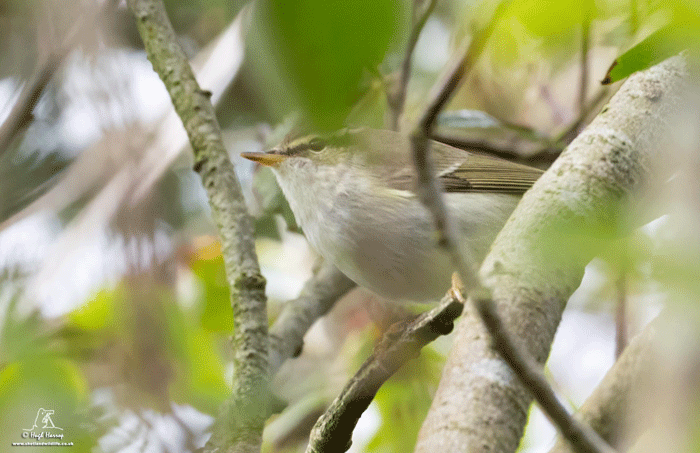
It was warblers, however, that really gave the game away that autumn is knocking on our door firmly now – not least the arrival of Arctic Warbler in Shetland on Mainland at Boddam on 19th.
Further warbler goodies came in the form of Icterine Warbler at Cadover Bridge (Devon) on 14th, and Fair Isle (Shetland) on 18th where two birds were seen, followed by one on the isle the following day.
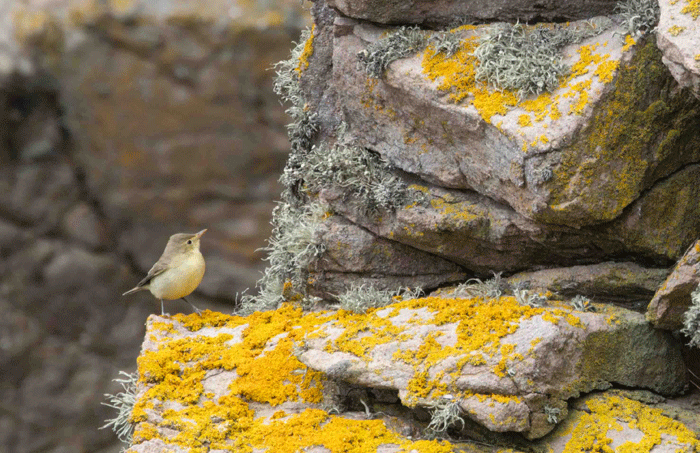
Fair Isle also retained its Melodious Warbler on 14th, Western Subalpine Warbler on 16th-19th, and Barred Warbler on 14th-18th, with three of the latter species present on 19th. Additional Barred Warbler this week were seen at Spurn (East Yorkshire) on 15th, Unst (Shetland) on 16th, Sumburgh (Shetland) on 19th-20th, and North Ronaldsay (Orkney) on 20th.
A Marsh Warbler was lurking in the immensity of the Quendale (Shetland) iris beds on 20th.
Zitting Cisticola remained a reliable presence in Suffolk at Walberswick, with a peak count this week of seven birds present there on 14th.
A mobile Bee-eater did the rounds in Lincolnshire on 19th, seen at Anderby Creek, Gibraltar Point NNR, Saltfleetby-Theddlethorpe Dunes NNR, and Wolla Bank.
A couple of Ortolan Bunting were logged during the week – one at Lavernock Point (Glamorgan) on 16th, and the other in the striking circumstances of the Aust Services (Gloucestershire) on 18th.
Lastly, a Common Rosefinch was present on Bressay (Shetland) on 19th.
Scandinavia made much of the running for overseas rarity news this week, not least in Finland where a Masked Shrike found on 14th was causing a major national twitch at Virolahti.
This little fella is visiting Finland; valko-otsalepinkäinen -The masked shrike (Lanius nubicus). Historic sighting done by Klaus Laine in Virolahti, Bongariliitto is reporting. Last sighting was 1982. It's one of those birds what Finnish birdlovers have been waiting and hoping for a long time.
— Risto ???? (@ristox.bsky.social) 14 August 2026 at 09:53
[image or embed]
Meanwhile in Norway the Tibetan Sand Plover remained at Naerlandsstranda on 14th-16th.
Sweden held onto a Rock Thrush at Vannes on 14th-19th still.
A little closer to home, the Netherlands continued its rich vein of wader form with a Red-necked Stint at Terschelling on 19th-20th.
And so to Spain, where a White-backed Vulture was seen at A Coruna on 16th, and echoing events in Ireland, a South Polar Skua was seen at Cabo de Burela on 14th.
As we drift towards the end of a hot, sultry August, rare seabirds inexorably remain on our minds. Another South Polar Skua or a Fea’s Petrel sp. seems far from an outside possibility. Will it be Scilly’s turn to shine in the coming week?
Which isn’t to say, after a couple of weeks lately in which some early migrant warblers and shrikes have made landfall, we should forget that for some birds at least autumn migration is now underway. There’s precedent to give us hope for a mega – the Rufous-tailed Scrub Robin that settled at Black Point (Cornwall) on 22nd-23rd August 2021, for example, and no fewer than five Yellow Warbler in the coming week over the years. While the former feels like one of those unpredictable flashes in the pan, the latter has some pattern in its past form – given some encouraging westerlies, one wouldn’t bet against another.
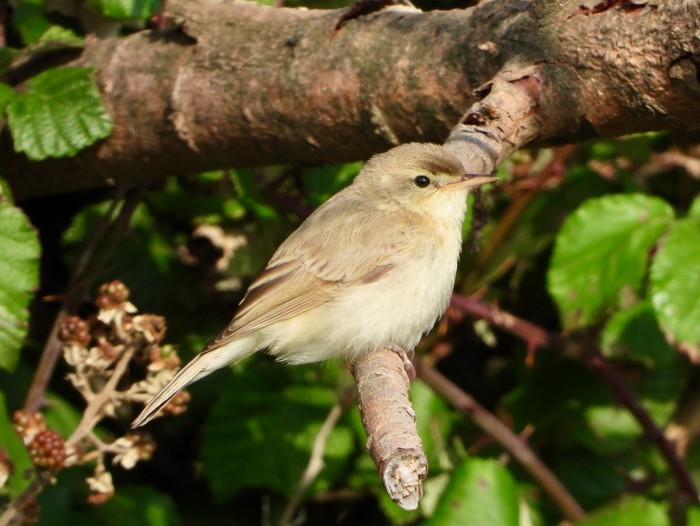
But to shorten the odds still further, we need to opt for something a little less rarified. The week just gone alerted us to the possibility of Citrine Wagtail at this time of year, while the coming week is a stone-cold classic one for Booted Warbler, boasting 25 records in the past 50 years. Averaging one every other year, that’s a distinct possibility, on the east coast in particular.
Jon Dunn
21 Aug 2026
Many thanks to all this week's contributors for your photos and videos and to everyone who contributed throughout the year.
Get Breaking Birdnews First
Get all the latest breaking bird news as it happens, download BirdAlertPRO for a 30-day free trial. No payment details required, and get exclusive first-time subscriber offers.
Share this round-up