Weekly birding round-up: 31 Jul – 6 Aug
2026 continued to be the year that just keeps on giving, with a surprise Nearctic sparrow and a frankly extraordinary rare tern double in Northumberland. Throw in a couple of high-grade, lingering passerines, not to mention a mega raptor still in Norfolk, and this was a week to be reckoned with.
While there are knocking on the door of 60 past records of White-throated Sparrow for Britain, birds found at this time of year are rare fare indeed – we’ve just the one past August record, this being the individual that turned up on Old Winchester Hill (Hampshire) on 7th August 2010, settling in for a stay there that extended to 17th July 2011.
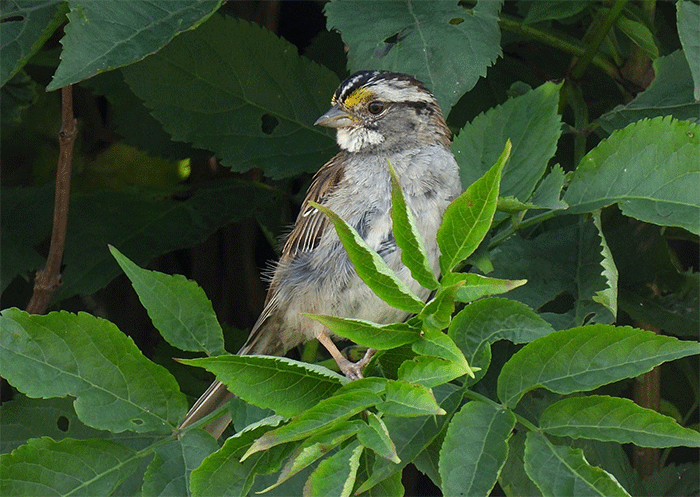
One being found this week was, therefore, a notable event. First uncovered on Isle of May (Fife) on 5th, it remained there as the week drew to a close on 6th. Unlikely to stick around as long as that erstwhile Hampshire individual, but a significant record nonetheless.
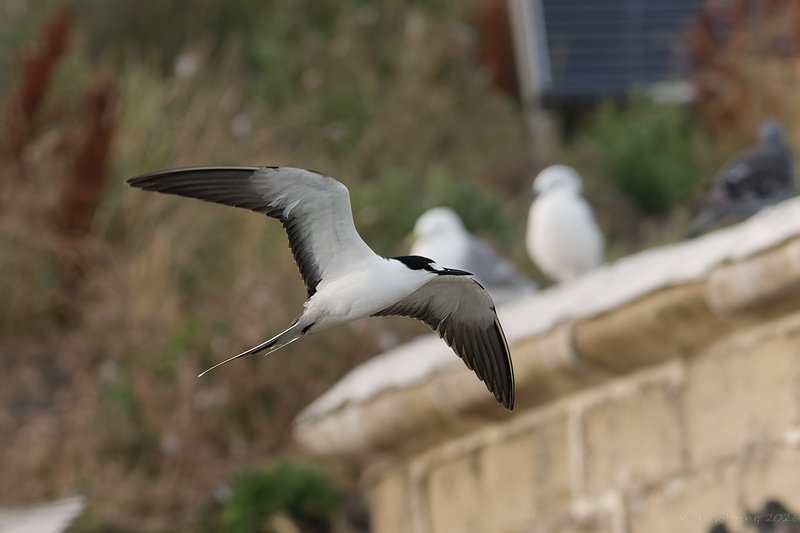
Overshadowing all else, however, this past week were events on another island entirely. Step forward Coquet Island (Northumberland) where, on 3rd, things took a turn for the surreal. First up was news of a Bridled Tern present there in the early afternoon, where it stayed put into the late afternoon. So far, so good…
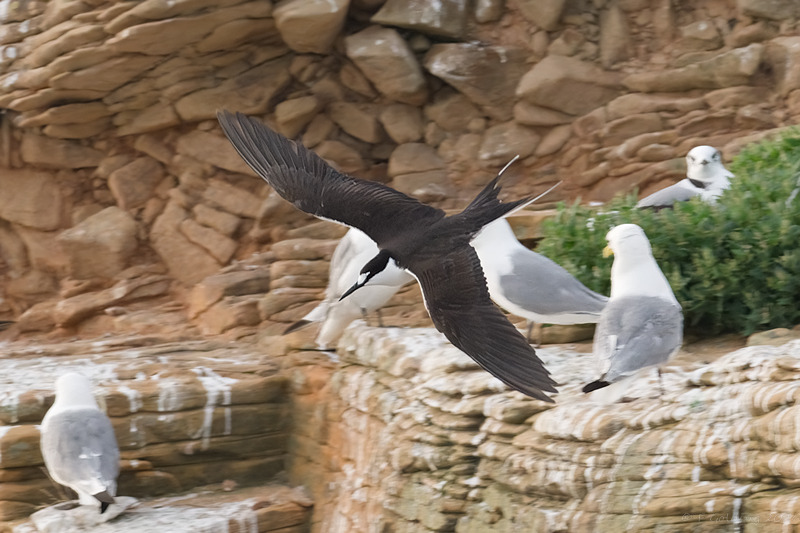
News became somewhat complicated with the announcement in the late afternoon that there was a Sooty Tern present on the island. Some mistake, surely? There was either a Bridled or a Sooty Tern on the island, but not both? But no. Still present on the island as the evening drew on, the latter species was confirmed too. Both Bridled Tern and Sooty Tern on one island in Northumberland, writing a new, bizarre chapter in British rarity history.

Annoyingly for all concerned, both were absent the following day and thereafter. We’d presumably used up all of our luck where either was concerned.
It was aways getting to the time of year when a Fea’s-type Petrel was becoming a distinct possibility somewhere in Britain or Ireland and so it proved in recent days with the fabulous appearance of one such around a vessel off the Co.Cork coast south of Seven Heads on 2nd. Cue some understandable scenes. Another was seen passing Pendeen (Cornwall) on 5th.
What a day out at sea yesterday. I left my camera bag at home and told my companions that we would see something good no doubt! My prediction came true! Casually filming the Storm-petrel activity on my phone when this beauty came in to view! Please excuse the language ?? pic.twitter.com/Nm8DS2C6ss
— Paul Connaughton (@shearwatertours) August 3, 2026
Wilson’s Petrel were also on the march, with over 150 birds logged during the week – peak count being some 40 seen from the same pelagic off Co.Cork on 2nd, and a particular highlight given the latitude being three birds seen from a pelagic northwest of Shetland on 4th.
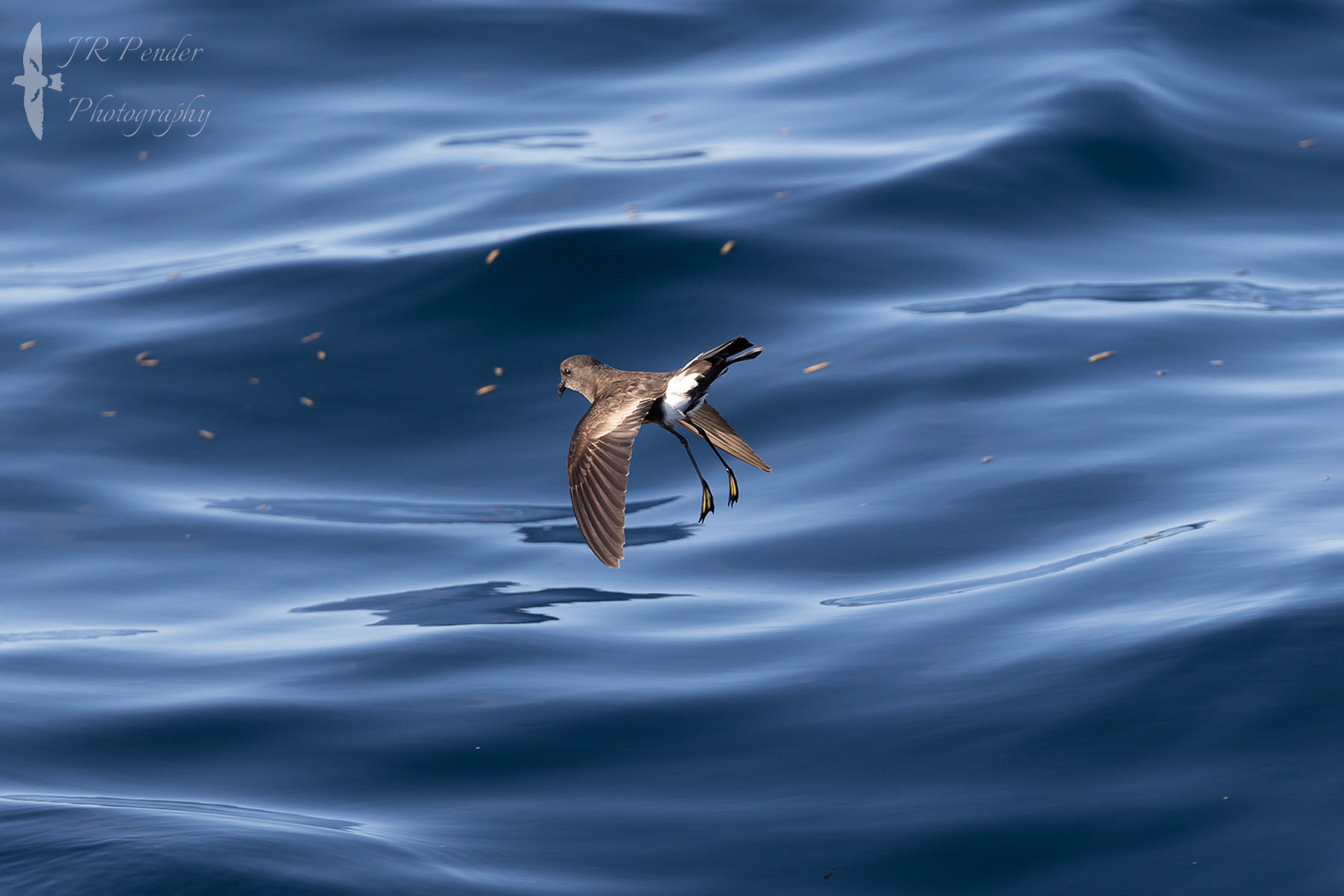
Five Leach’s Petrel were seen from Lewis (Western Isles) on 2nd, with one off there the following day; one flirted with the mistnets at night on Fair Isle (Shetland) on 3rd; and one was seen from that Shetland pelagic on 4th.
A shade over 9,150 Cory’s Shearwater were logged this week, the bulk of these being 8,350 noted from Annagh Head (Co.Mayo) on 1st. Great Shearwater remained something of an afterthought, for now at least, with around 150 birds seen across the region, the best count being 115 passing Pendeen (Cornwall) on 5th.
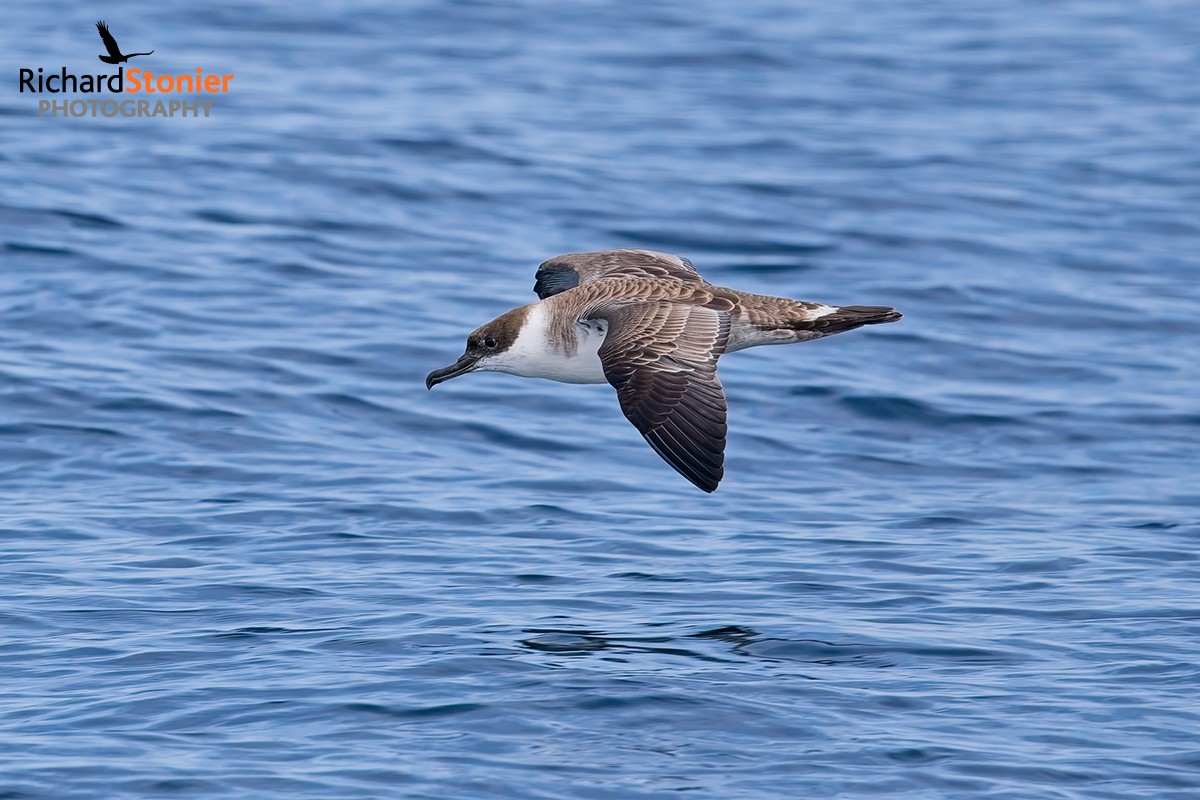
Numbers of Balearic Shearwater were also low, with a mere 55 birds recorded, 32 of these being counted off Portland (Dorset) on 31st.
Scarcer skuas continued to trickle through this week. Long-tailed Skua were seen off Bloody Foreland (Co.Donegal) on 1st, where four birds were logged; and on 3rd a singleton off Whitburn CP (Co.Durham) and Cresswell Beach (Northumberland). Bloody Foreland also accounted for three Pomarine Skua on 1st; three passed Portmahomack (Highland & Caithness) on 5th; and additional singletons were noted on 3rd from Lewis (Western Isles), from the ferry between Ullapool and Stornoway (Highland & Caithness / Western Isles), on 4th from Brora (Highland & Caithness), and on 6th from Kinnarid Head (Aberdeenshire).
An already excellent week for rarities would have been rendered immense had the possible Snowy Egret reported near Blennerville (Co.Kerry) on 4th only been confirmed. Alas, the wait for another goes on.
Numbers of Night Heron at Bolton-on-Swale Lake YWT (North Yorkshire) rose to six present there on 3rd, with at least five still to be seen on 4th. The singleton remained at Porth Reservoir (Cornwall) on 1st-5th, one was reported from The Gearagh (Co.Cork) on 1st, and one seen again at North Cave Wetlands YWT (East Yorkshire) on 5th-6th.
A Purple Heron was noted over Thrybergh CP (South Yorkshire) on 1st; and one was seen in Somerset at Ham Wall RSPB on 6th.
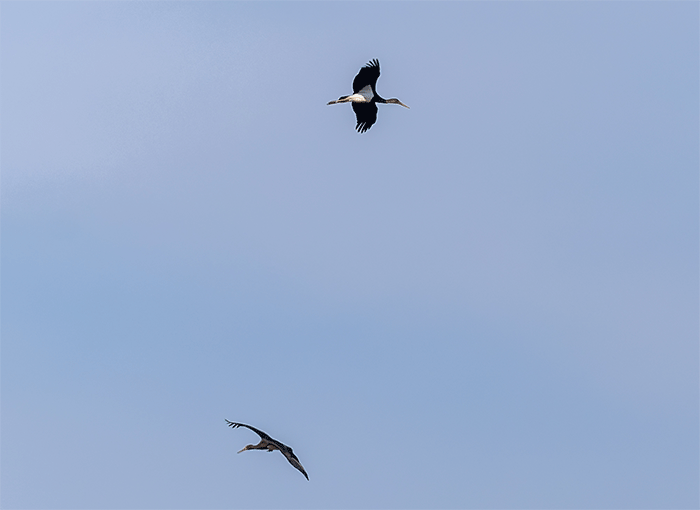
The immensely mobile recent pair of Black Stork continued their wandering ways this week – seen initially around Parkgate Marsh and Heswall (Cheshire & Wirral) on 31st-1st; then around Gibraltar Point NNR (Lincolnshire) on 1st-2nd; at various locales in Suffolk on 2nd-4th; before apparently splitting up, with one bird noted in Norfolk around the Acle area on 4th, around Horsey Mere on 5th, and Winterton on 6th, with one also present on 5th in Suffolk at Carlton Marshes SWT.
Albeit caveated with all the usual ifs and buts, the weekly dabble on the rarity duckpond was given a fresh breath of life in the form of a female / first-winter drake Hooded Merganser in Suffolk at Alton Water on 4th.
Seaduck were rather less potentially contentious. Two of the recent drake White-winged Scoter remained off Musselburgh (Lothian) on 31st-4th, with one still present on 6th; while three drake Surf Scoter also remained off there on 31st-6th.
The drake Lesser Scaup was again to be seen on Loch Gelly (Fife) on 31st-1st.
Recent Ring-necked Duck were again noted on Loch of Clickimin (Shetland) still on 1st-4th; on Abberton Reservoir (Essex) on 1st-6th; and on Netherfield Lagoons (Nottinghamshire) still on 3rd-6th.
Finally, the female Ferruginous Duck was again seen at Stanford Reservoir (Northamptonshire / Leicestershire) on 2nd-5th.
Inevitably still heading up the weekly waders was the adult Hudsonian Godwit, present at Cattawade (Suffolk) on 31st-6th.
As we expected, White-rumped Sandpiper duly put in an excellent showing again this week, with 15 birds logged across Britain and Ireland as a whole.
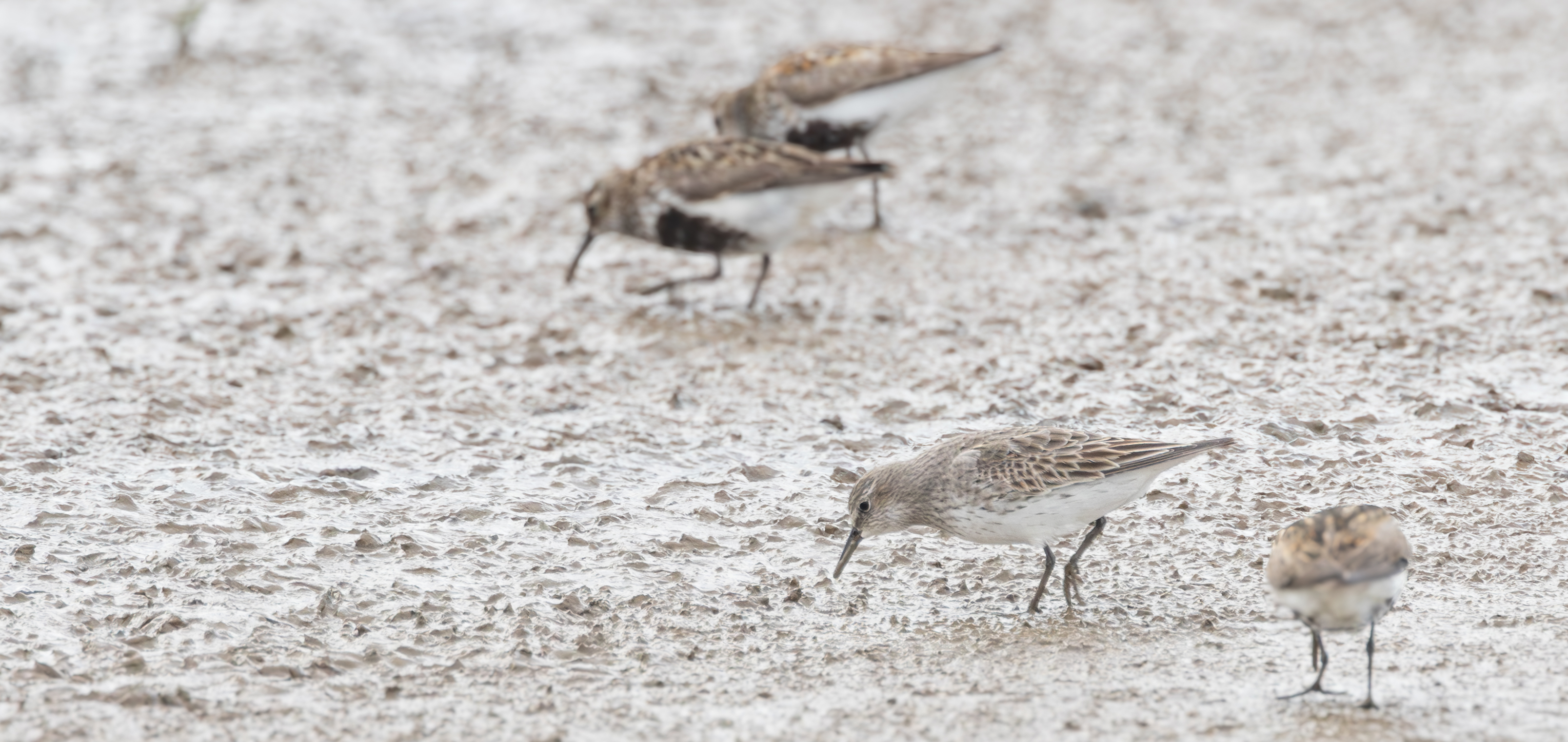
Up on Orkney, the recent Semipalmated Sandpiper remained on North Ronaldsay on 31st-5th. Another was to be seen in Co.Wexford at Lady’s Island Lake on 31st.
A Buff-breasted Sandpiper dropped in to Drift Reservoir (Cornwall) on 2nd-3rd.
Modest numbers of Pectoral Sandpiper were seen in recent days – individual birds at Hesketh Out Marsh RSPB (Lancashire & North Merseyside) still on 31st, and Breydon Water (Norfolk) still on 1st-3rd; at Ballycotton (Co.Cork) on 1st-4th; on the Ribble Estuary (Lancashire & North Merseyside) on 2nd; at Scaling Dam (Cleveland) on 2nd; on Lough Beg (Co.Derry) on 2nd-6th; at Conwy RSPB (Conwy) on 3rd-6th; and at Cliffe Pools RSPB (Kent) on 5th-6th.
A Marsh Sandpiper was present at Breydon Water (Norfolk), off and on, on 31st-3rd. Another possible was present at Hayle Estuary RSPB (Cornwall) in the evening of 5th.
A Temminck’s Stint arrived at Burton Mere Wetlands RSPB (Cheshire & Wirral) on 5th-6th.
The American Golden Plover was again seen on Westray (Orkney) on 6th.
Two Black-winged Stilt remained at Frampton Marsh RSPB (Lincolnshire) on 31st-6th.
On Orkney the Red-necked Phalarope remained on North Ronaldsay on 1st.
In Kent the regular adult Bonaparte’s Gull remained at Oare Marshes KWT on 31st-5th; and a first-summer was again seen in Gloucestershire on 3rd at Pilning Wetland, and on 5th at Northwick Warth. An adult was seen at Criccieth (Gwynedd) on 6th.
Sabine’s Gull were seen this week in Scotland at sea off the Ullapool / Stornoway ferry (Highland & Caithness / Western Isles) on 31st, and in Cornwall where two were seen from Cape Cornwall on 4th.
Lingering Glaucous Gull were seen again on Orkney Mainland at Stenness on 3rd and 6th, and at Seaforth LWT (Lancashire & North Merseyside) on 4th-5th.
The second-summer Ring-billed Gull remained at Doorly Park (Co.Sligo) on 4th; a first-summer was seen on 5th again at Barnaderg Bay (Co.Galway).
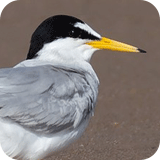
Onto the terns and, while not of the calibre of our headlining duo this week, nobody was complaining about the Caspian Tern at Minsmere RSPB (Suffolk) on 3rd, or on Otter Estuary NR (Devon) on 4th.
In Northumberland the female surinamensis American Black Tern was merely an amuse bouche for greater events on Coquet Island RSPB on 3rd again.
In Co.Wexford the adult White-winged Black Tern was again seen at Crossfintan Point on 2nd.
The Black-winged Kite continued its summer residency in Norfolk this week at Sea Palling on 1st-6th still.
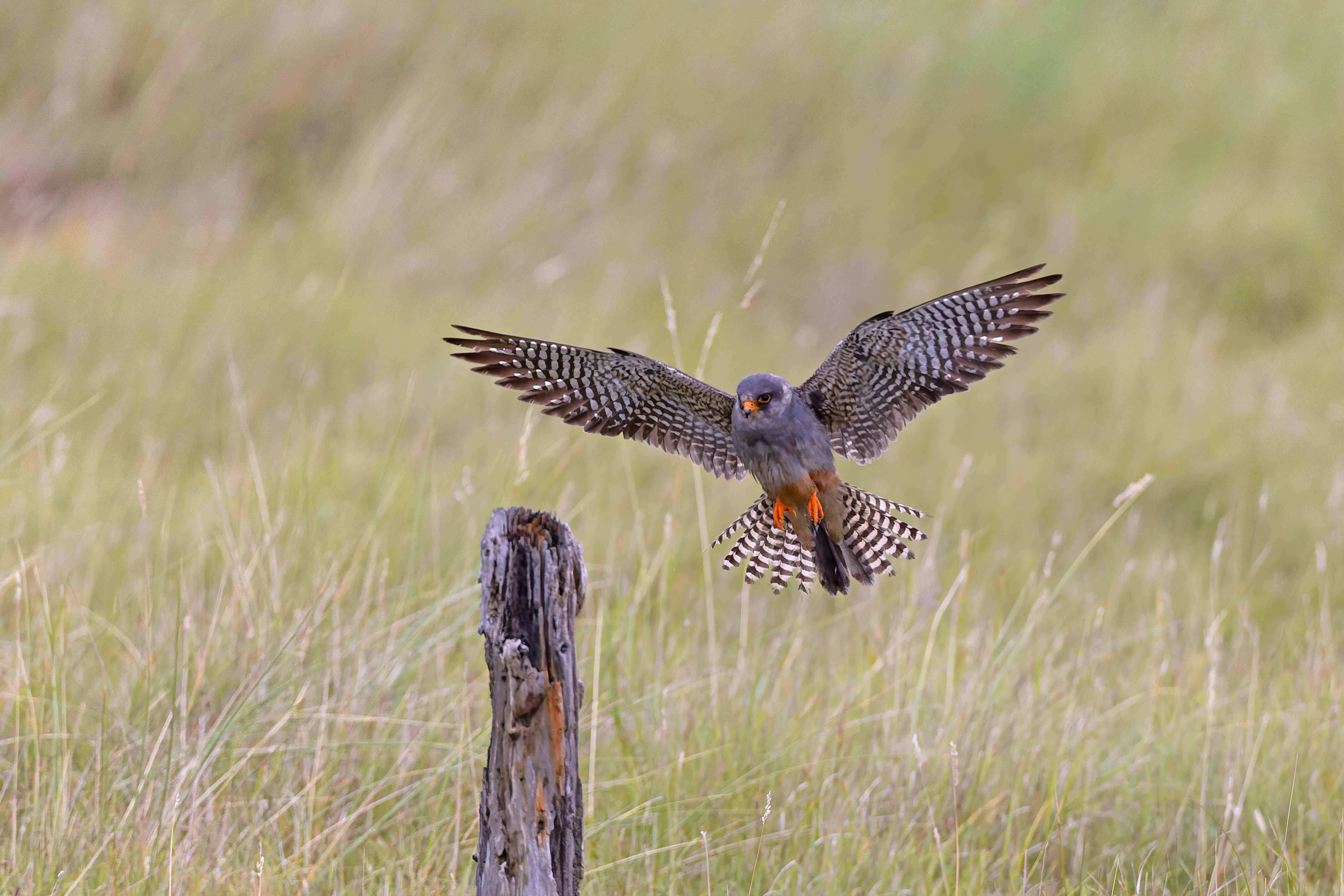
A first-summer male Red-footed Falcon was seen at Aberlady Bay (Lothian) on 3rd-6th.
A Black Kite was seen at Sandwich Bay (Kent) on 5th.
Wrapping up the raptors, a first-summer male Montagu’s Harrier graced Gloucestershire at Slimbridge WWT and Splatt Bridge on 4th.
Needless to say, our opening salvo of the passerines should be two recent headline-making birds – the Long-tailed Shrike still in Gloucestershire at Eastleach Downs on 31st-6th, and the gorgeous Blue-cheeked Bee-eater still in Orkney, relocating a little further north to North Ronaldsay on 2nd-6th.
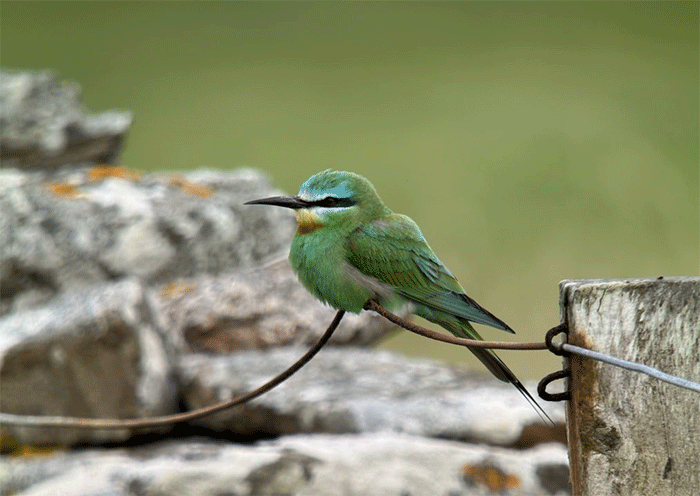
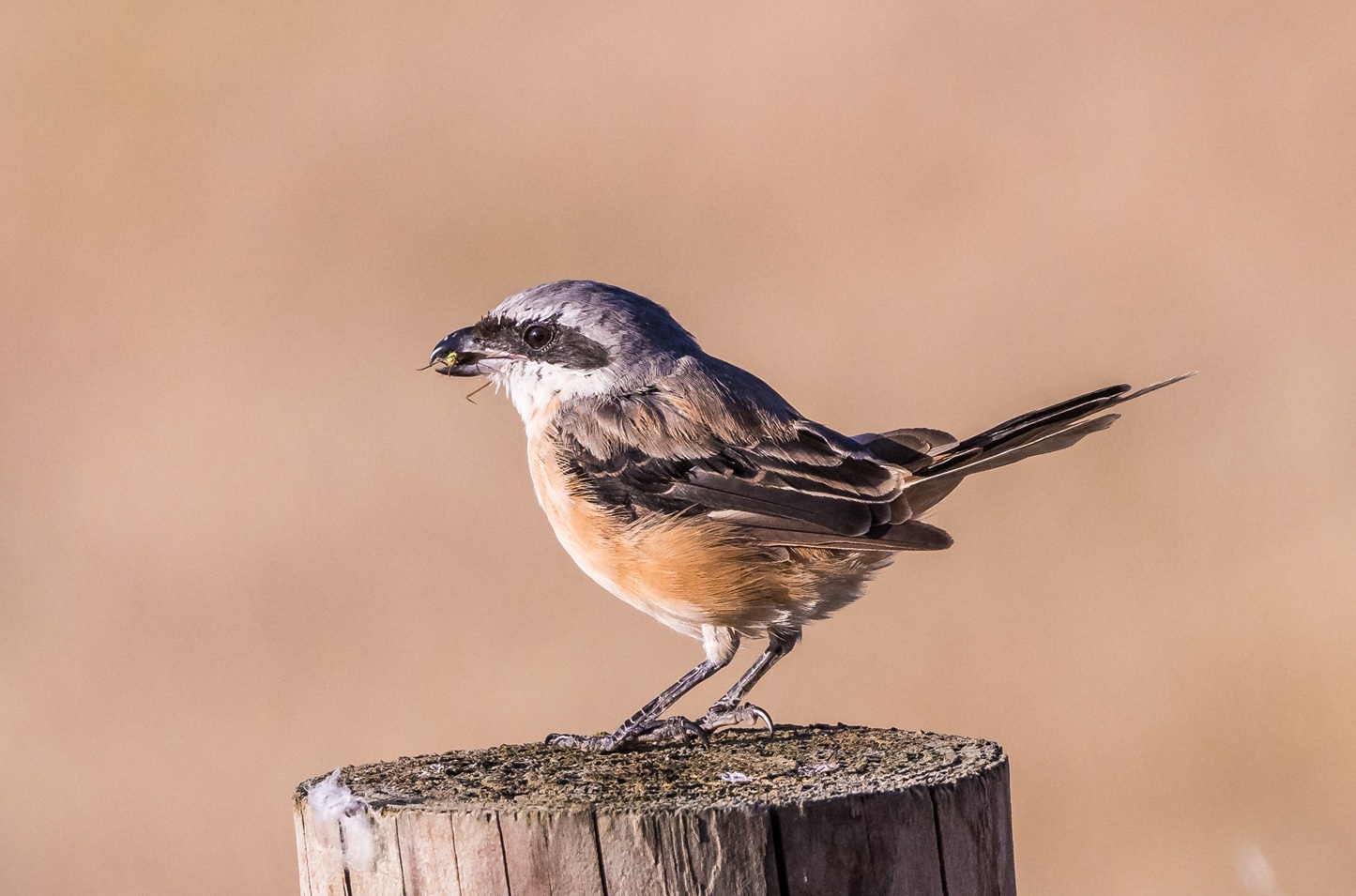
A Red-backed Shrike was seen in Lincolnshire at Rimac on 4th; and Bee-eater over Witcham (Cambridgeshire) on 1st, and Geldeston (Norfolk) on 2nd.
The Hoopoe remained in Worcestershire at Grimley on 1st; and another was seen near Sennen (Cornwall) on 2nd.
A Red-rumped Swallow passed through Sandwich Bay (Kent) on 5th.
In Shetland the male Western Subalpine Warbler remained on Fair Isle (Shetland) on 2nd.
It was mostly Shetland that gave some early glimmers of the autumn that lies ahead this week, with Barred Warbler on Fair Isle on 4th-6th, and a Greenish Warbler at Sumburgh on 4th-6th.
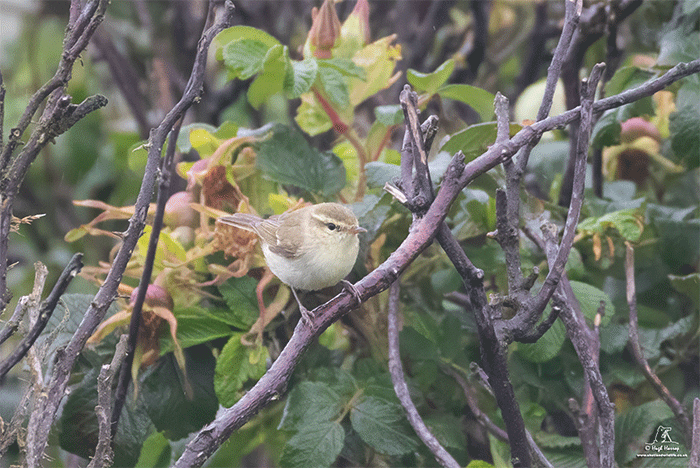
An Icterine Warbler was trapped and ringed in Norfolk at Holme NOA on 4th; and a Melodious Warbler was found in Cornwall at Porthgwarra on 6th.
A Bluethroat also graced Shetland Mainland, at Sumburgh on 5th.
A hint of autumn reached Cornwall too, with a Red-throated Pipit noted flying over Whipsiderry Bay on 6th.
A Serin was seen again on Portland (Dorset) on 3rd-6th.
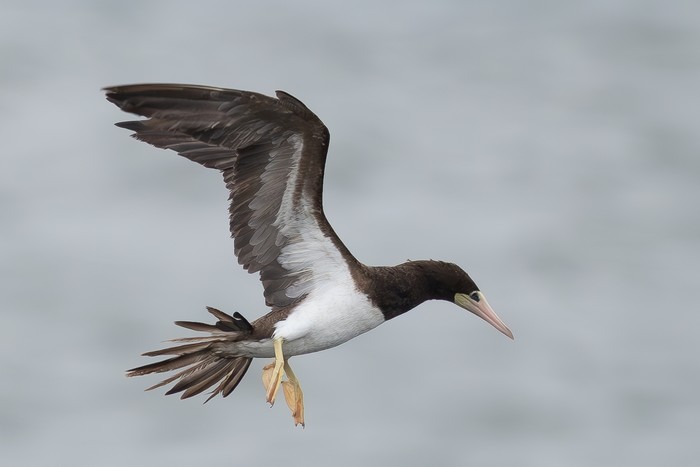
Offering some food for thought for gathering seawatchers and pelagic-goers in Britain and Ireland, an adult Brown Booby was seen heading north between Ouessant and Molene off the French coast on 4th.
Similarly thought-provoking, an Oriental Pratincole was seen in Norway at Vaeroy on 30th-1st.
In Spain, an Elegant Tern was still present at Salinas de Pinet on 4th, and Laguna del Coterillo on 6th.
Finally, in Lithuania an Indian Pond Heron was seen near Kaunas on 5th.
As we forecast last week, Fea's-type Petrel were in the post, and that prediction really doesn’t change in the coming month. More, surely, are set to follow.
And if we may be permitted to dream a little bigger still, surely we’re due a booby someday soon? The coming week featured one of the first Brown Booby that heralded their arrival on the scene – this being the juvenile that spent two days on a fishing vessel off Co.Kerry on 13th-14th August 2016 – and also the extremely popular Red-footed Booby that arrived in Scilly on 7th August 2023. With one of the former seen steaming north into the English Channel last week, a booby is surely on the cards soon…
Jon Dunn
07 Aug 2026
Many thanks to all this week's contributors for your photos and videos and to everyone who contributed throughout the year.
Get Breaking Birdnews First
Get all the latest breaking bird news as it happens, download BirdAlertPRO for a 30-day free trial. No payment details required, and get exclusive first-time subscriber offers.
Share this round-up