Weekly birding round-up: 12 - 18 Jun
It’s not fair to call a week with a lingering first for Britain on our hands a quiet week, but truth be told it was a little on the peaceful side on the whole. We’re sailing out of the roaring forties of spring and into the potential doldrums of mid-summer. Let’s not get ahead of ourselves though – the latter half of June can still spring a surprise or two. And there were still some birds of note to be seen out there this past week…
The new week began where the old week had left off, with Britain’s first Western Reef Heron, a deliciously attractive dark morph bird, still hanging around the Foryd Bay (Gwynedd) area on 12th-13th. It had proved a little flighty and mobile at times during the past week, and perhaps we shouldn’t have been wholly surprised when it fled the limelight, with no sign of it there on 14th, and merely a report of it again on 15th.
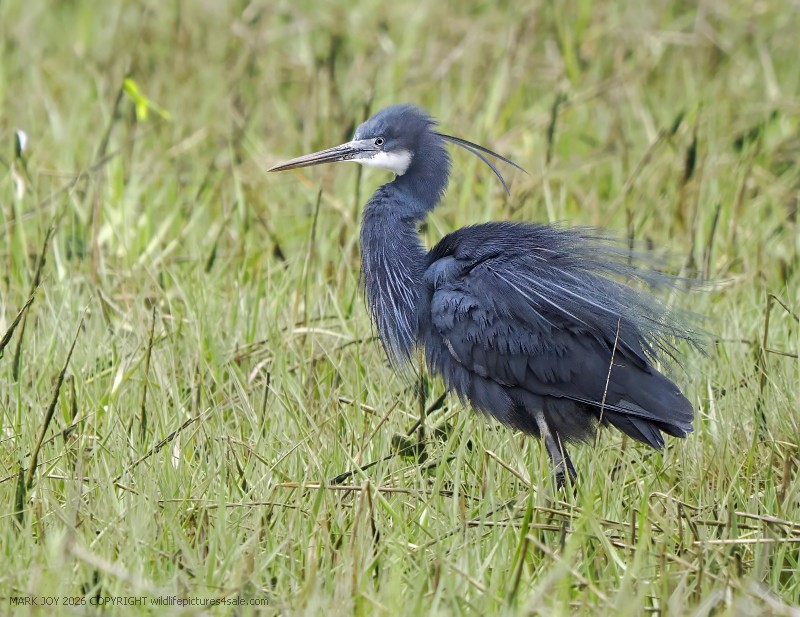
Surely though it wouldn’t have wholly done a bunk. And, sure enough, the welcome news came on 17th that it had been definitively relocated, now to been seen in Conwy at Llandudno and, latterly, Conwy RSPB, where it lingered into 18th, albeit still proving mobile and prone to wander, also appearing at Deganwy Morfa. One suspects this won’t be its last port of call in the days and weeks to come. A few more local patches may be in for a tremendous surprise…
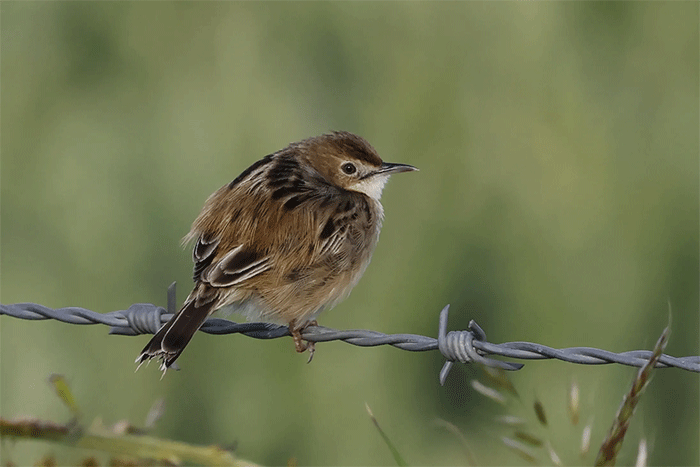
Fast becoming anything but a surprise, another Zitting Cisticola in Kent came out of the woodwork this week – seen (and heard in song) near Foreness Point on 12th. Was it like this in the early days when Cetti’s Warbler began to tentatively prospect in southern Britain? How many years do we give it before they’re approaching ubiquity in these parts?
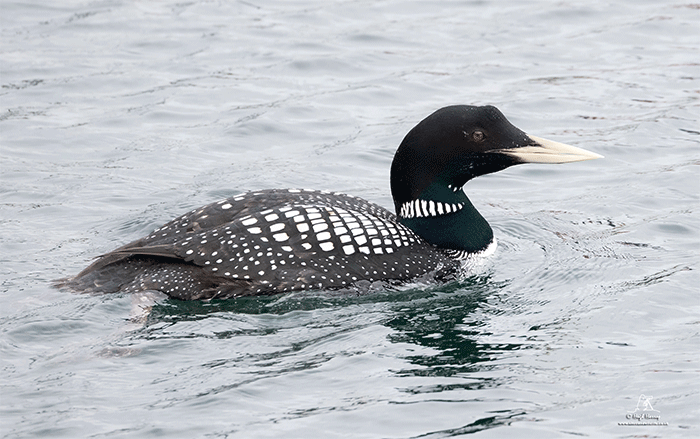
Topping the seabirds this week not for rarity, but for sheer drop-dead gorgeous looks, an adult White-billed Diver lingering off West Burrafirth (Shetland) on 12th-15th was local hot property. Another first-summer individual was seen in Orkney off Houton on 15th-18th.
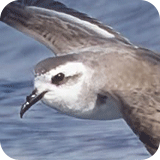
Wilson’s Petrel continued to feature in small numbers off the Cornish coast – sightings came from Porthgwarra on 12th and 16th, and Pendeen on 12th. Another was reported in the evening of 18th off St Levan, while one was seen from the Scilly pelagic of that evening too.
A Leach’s Petrel was seen on 12th from Severn Beach (Gloucestershire).
Sightings of Balearic Shearwater were largely dominated by Portland (Dorset), where the peak count in recent days was 50 seen there on 14th.
The English southwest dominated sightings of Great Shearwater this week, with birds noted at Pendeen (Cornwall) on 12th and 13th; in Somerset on 12th at Burnham-on-Sea, Sand Point and Weston-super-Mare; in Gloucestershire on 12th from Severn Beach; at Porthgwarra (Cornwall) on 12th, where four birds were seen, and a single bird again on 17th; one was reported from Porthcurno (Cornwall) on 18th; and a little further north, in Glamorgan on 12th where a singleton was seen from Lavernock Point.
Cory’s Shearwater enjoyed a more easterly distribution, with sightings logged at North Foreland (Kent) on 12th; at Spurn (East Yorkshire) on 13thm, with probables seen that day in Lincolnshire at Gibraltar Point NNR and Wolla Bank; and at Anstruther (Fife) on 15th.
Finally, notable skuas. Long-tailed Skua were seen at North Queensferry (Fife) on 12th; on 14th at Flamborough (East Yorkshire) and Seaton Sluice (Northumberland); and on 15th at Low Hauxley (Northumberland). A Pomarine Skua was seen passing Pendeen (Cornwall) on 17th.
Pick of the weekly choice long-legged beasties operating in the significant shadow of the Western Reef Heron was the Squacco Heron found in Kent at Dungeness RSPB on 16th. Given Kent’s relative proximity to the Continent one might be forgiven for thinking the species should occur there with more regularity than it actually does – this was the first county record for almost a decade, the last bird being one that settled at Dunge on 11th-13th June 2017.
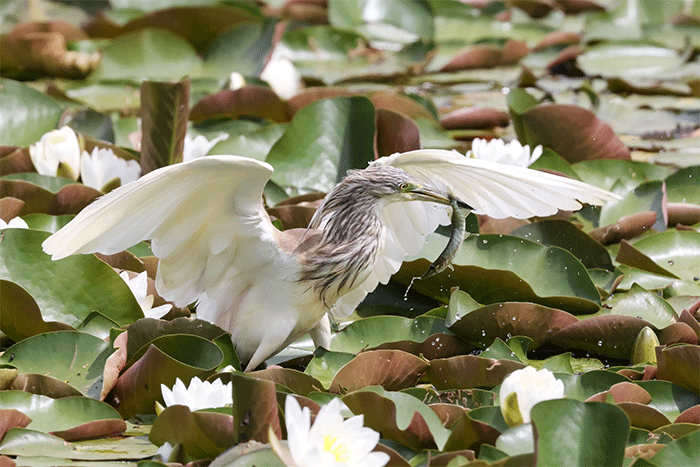
Kent also enjoyed a Night Heron this week, seen at WQestbere on 13th; further examples were seen at Hickling Broad NWT (Norfolk), also on 13th, and at Tacumshin (Co.Wexford) on 12th.
In Cambridgeshire a first-summer Purple Heron appeared at Earith on 12th; and another was noted over Silsden (West Yorkshire) on 14th.
Ever more peaceful on the rarity duckpond this week, we’re onto the scraps of the winter period’s table now. Foremost among those was the lingering presence of a drake White-winged Scoter off Kirkcaldy (Fife) still on 12th-16th.
Erstwhile mega in living memory, the drake Lesser Scaup remained on College Lake (Buckinghamshire) on 13th-18th, while a drake was also seen at Oxford Island NR (Co.Armagh) on 14th.
The drake Ring-necked Duck remained on Loch of Tingwall (Shetland) on 14th-16th, and adjacent Loch of Asta on 18th; while another was seen on Loch of Wester (Highland & Caithness) on 14th.
The drake Ferruginous Duck remained on Draycote Water (Warwickshire) on 12th-18th; the female was again seen in Cambridgeshire at Ouse Fen RSPB on 18th.
Last of all, a Green-winged Teal was reported from Mull (Argyll & Bute) on 13th.
Cream of the crop of the weekly waders lately has to be the Broad-billed Sandpiper seen fleetingly at the mouth of the Laxo burn (Shetland) on 16th.
A couple of Pectoral Sandpiper were seen in recent days, at Hesketh Out Marsh RSPB (Lancashire & North Merseyside) on 15th, and at Lochwinnoch RSPB (Highland & Caithness) on 15th-16th.
Temminck’s Stint continued to modestly feature in the dailies – birds seen at Boldon Flats NR (Co.Durham) on 13th, Hollesley Marshes RSPB (Suffolk) on 14th, and at Hickling Broad NWT (Norfolk) on 16th.

An American Golden Plover lingered at Old Hall Marshes RSPB (Essex) on 12th-16th.
A Red-necked Phalarope was again seen at Misson (Nottinghamshire) on 15th, while another appeared at Low Newton-by-the-Sea (Northumberland) on 16th.
Best of the gulls this week was a Sabine’s Gull seen offshore from Coverack (Cornwall) on 12th.
A first-summer Ring-billed Gull was present in Sligo (Co.Sligo) on 12th.
White-wingers remained generally hard to come by. Glaucous Gull were seen at Seaforth LWT (Lancashire & North Merseyside) on 13th, on South Uist (Western Isles) on 14th, and on Westray (Orkney) again on 15th; another was reported from Peterhead (Aberdeenshire) on 17th. Iceland Gull meanwhile were noted at Bangor (Gwynedd) on 15th, on Benbecula (Western Isles) on 16th and 18th, and at Montrose Basin (Angus) on 17th.
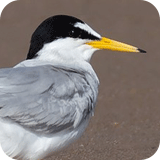
Terns however were keeping us busy. Starting in Ireland, the Least Tern was again seen at Portrane (Co.Dublin) on 14th-15th.
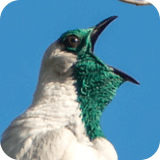
Stark contrast in terms of mass, the Caspian Tern remained at Blithfield Reservoir (Staffordshire) on 15th; followed by sightings in Norfolk at Breydon Water on 13th and Hickling Broad NWT on 14th-18th; and in Suffolk at Hollesley Marshes RSPB on 14th.
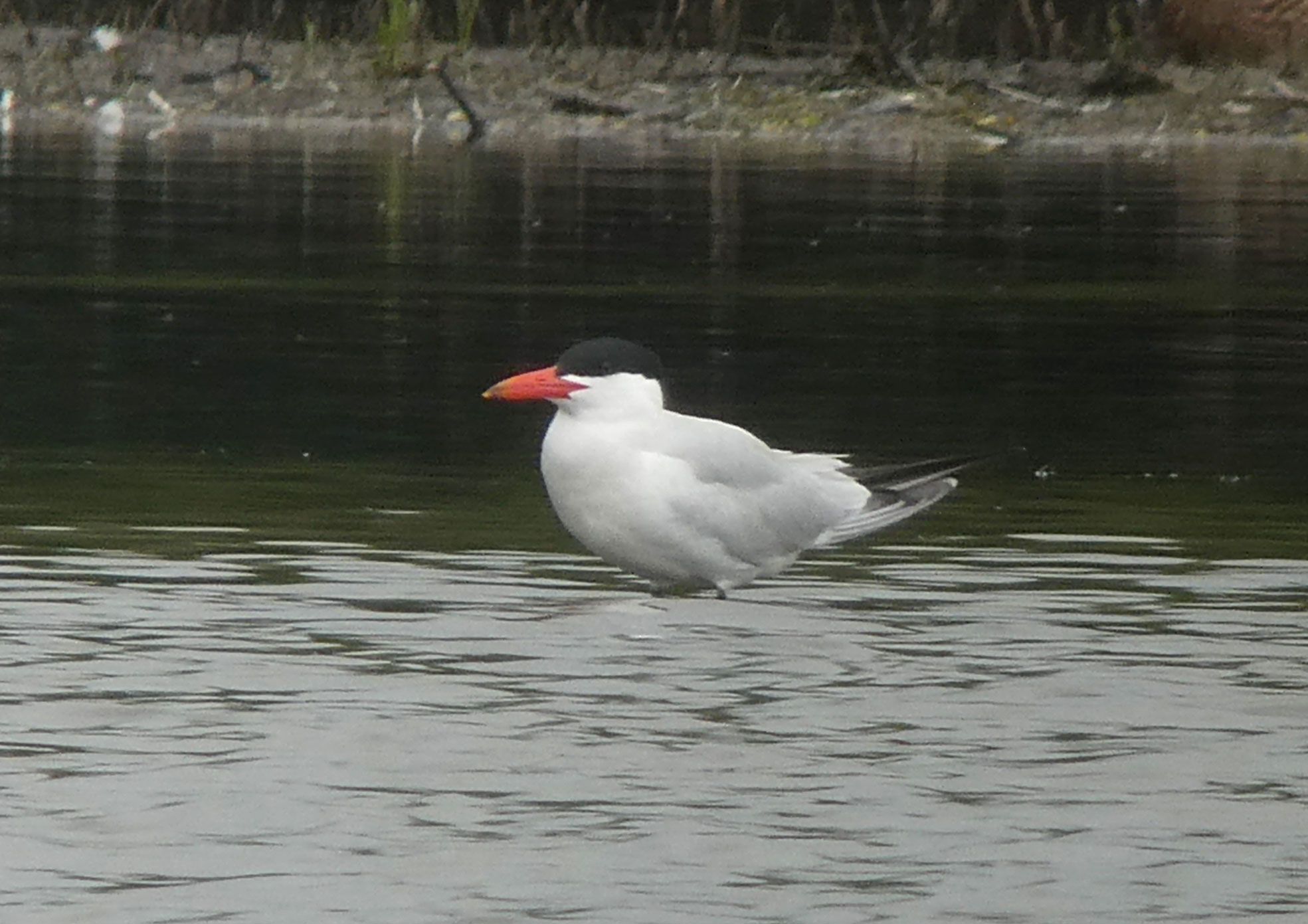
Suffolk and Norfolk also shared the honours for Gull-billed Tern - Suffolk contributed sightings on 13th at Hollesley Marshes RSPB, Orford Ness, and Minsmere RSPB, and on 16th at Sizewell; and Norfolk a bird seen on 14th at Burnham Overy.
In Northumberland the female surinamensis American Black Tern remained present at Long Nanny on 13th-17th.p>
Finally, the recent adult White-winged Black Tern was still present at Tacumshin (Co.Wexford) on 12th-17th.

Marking a minor readjustment, the Black-winged Kite remained present at Hempstead Marshes in Norfolk until 13th, being seen thereafter at Sea Palling on 13th-18th.
Mixing things up in the raptors this week, an adult male Northern Harrier was seen on 17th at Tullaher Lough and Bog (Co.Clare).
A Montagu’s Harrier was seen on 16th at Gibraltar Point NNR (Lincolnshire); and a male seen at Anglers CP (West Yorkshire) on 17th was followed by a male reported at Huddersfield later that day.
A ringtail Montagu’s / Pallid Harrier was seen in Hertfordshire at Wallington on 13th.
Red-footed Falcon remained a feature of the week, with several settled birds present to be enjoyed. Suffolk sightings came from Walberswick NNR still on 12th and 16th, and Westleton Heath on 12th-16th; the male remained in Norfolk at Strumpshaw Fen RSPB on 12th; a bird was found on 13th near Uttoxeter (Staffordshire); another one was found on 15th in East Sussex at Castle Hill NNR; and on 17th-18th a bird appeared in East Yorkshire at Flamborough and, on 18th, Bempton Cliffs RSPB; another was seen in Norfolk at Holt on 17th; while in Ireland, the Cooley Point (Co.Louth) bird remained on 12th-14th, and another was seen in Co.Clare at Kilbaha on 12th.

Not a huge amount to report on the passerines front, with a few late-running birds of note found, and some settled birds continuing their tenure – really, this was a fairly typical week in June.
Starting with the colourful stuff, Hoopoe were seen at Shoulton (Worcestershire) on 12th, on 13th in Devon at Warren House, and on 17th at Faversham (Kent). Bee-eater were slightly more numerous, three seen near Eastbridge (Suffolk) on 16th, and single birds at Ouse Fen RSPB (Cambridgeshire) on 14th, on Fair Isle (Shetland) on 13th-17th, and on 15th at Start Point (Devon); and reported from Bucknell Wood (Northamptonshire) on 14th, and Everdon Stubbs (Northamptonshire) on 18th.
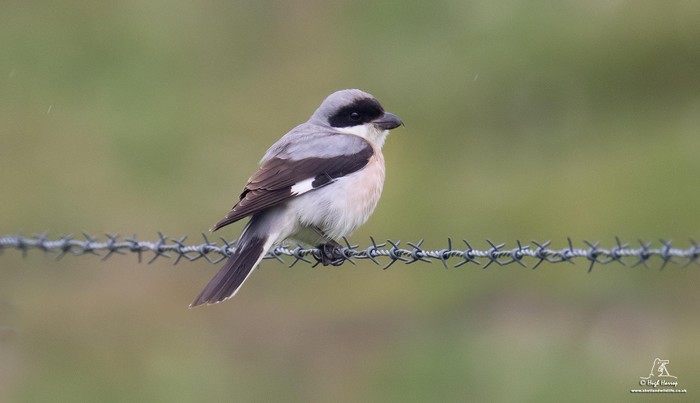
A Lesser Grey Shrike seen in Shetland on 12th at Stromfirth didn’t linger.
North Uist (Western Isles) meanwhile had a fleeting Woodchat Shrike on 15th.
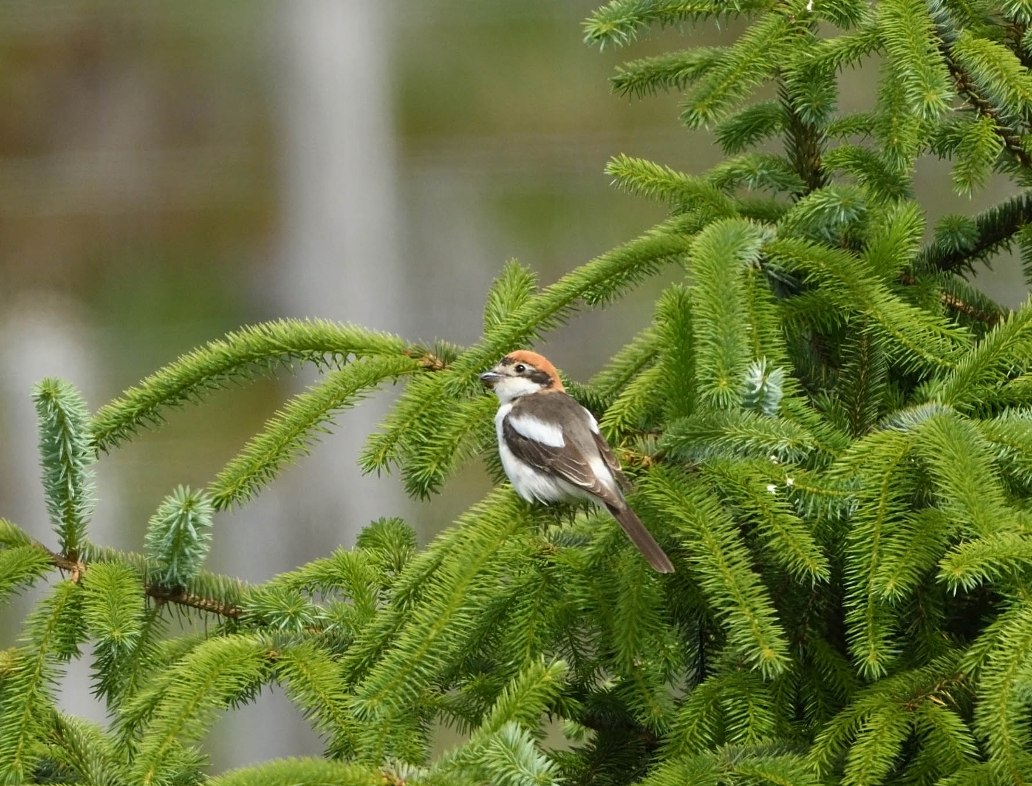
Red-backed Shrike on the other hand had a more southerly distribution, being seen at Otmoor RSPB (Oxfordshire) on 13th, Dunwich Heath (Suffolk) on 14th, Westleton Heath NT (Suffolk) on 14th-15th, Cheswick Sands (Northumberland) on 15th, Winterton North Dunes (Norfolk) on 16th, and Walberswick NNR (Suffolk) on 17th.

Two Golden Oriole were present on Lundy (Devon) on 13th; another was reported in song in Highland & Caithness on 16th near Camusnagaul.
A Red-rumped Swallow was found in Highland & Caithness at Thurso on 13th.
Settled Iberian Chiffchaff remained at Hardwick Hall CP (Co.Durham) on 12th-13th, and in Broxa Forest (North Yorkshire) on 12th-18th.
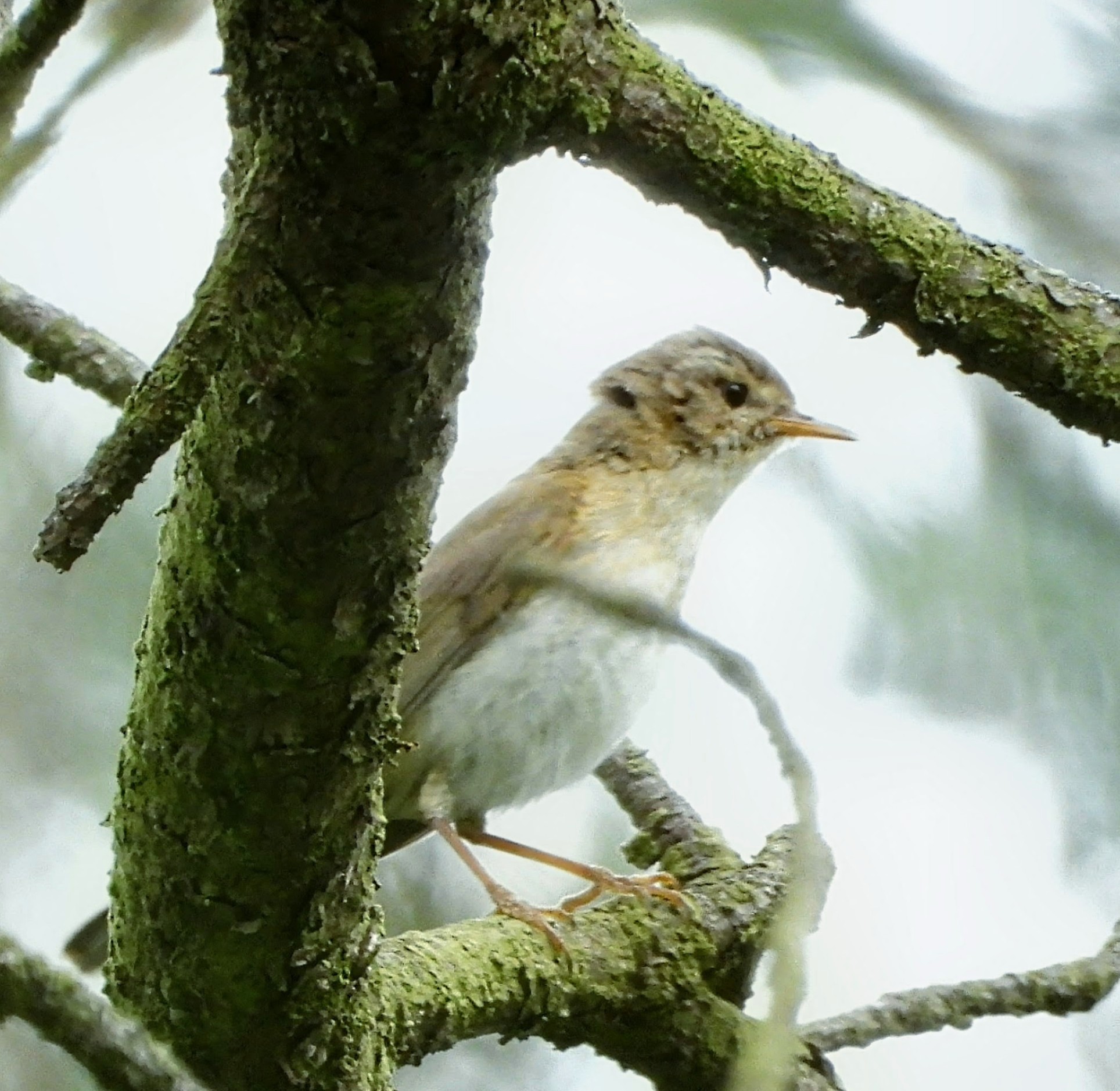
Greenish Warbler were found on Sumburgh Head (Shetland) on 12th-13th, North Ronaldsay (Orkney) on 15th, and at Winterton North Dunes (Norfolk) on 16th.
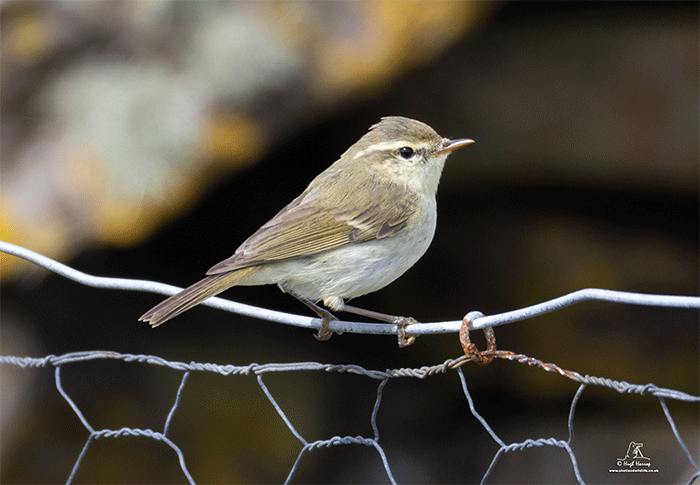
The week began with a possible Marsh Warbler on Rousay (Orkney) on 12th, followed by confirmed birds on North Ronaldsay (Orkney) on 13th where two were present, and again one on 18th; on Fair Isle (Shetland), which logged one bird on 13th and two by 16th, and back to one by 18th; at Sumburgh (Shetland) on 17th; and singing birds on the British mainland at Newbiggin (Northumberland) on 16th, and Saltholme RSPB (Cleveland) on 17th.
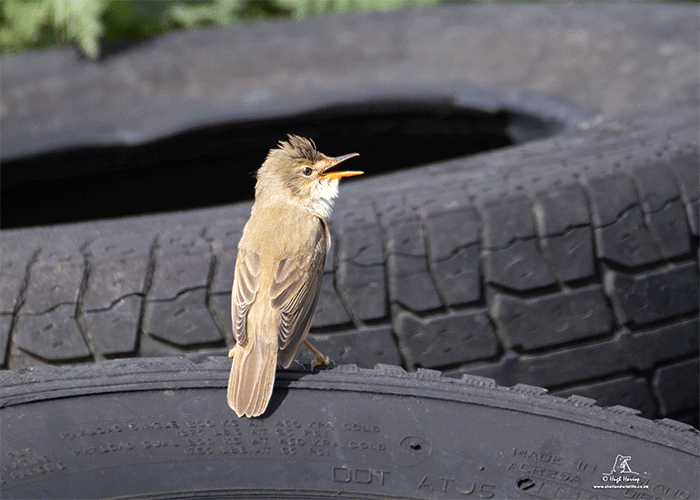
A probable Blyth’s Reed Warbler was trapped and ringed on Portland (Dorset) on 13th.
In Somerset the territorial Great Reed Warbler remained at Shapwick Heath NNR on 12th-18th.
Somerset also enjoyed a singing Savi’s Warbler at Catcott Lows NR on 13th-18th.
We head back to Scotland for Icterine Warbler - one in song near Latheronwheel (Highland & Caithness) on 13th, one on Stronsay (Orkney) on 13th also, and one in song on the outskirts of Lerwick (Shetland) on 18th.
The singing Red-breasted Flycatcher remained in Culloden Wood (Highland & Caithness) on 12th-18th.
A Rosy Starling was photographed on Shetland Mainland at Sellafirth on 17th.
The recent Serin lingered on Portland (Dorset) on 12th-13th, while another was seen at Gibraltar Point NNR (Lincolnshire) on 14th.
A singing Common Rosefinch was reported from Auchmithie (Angus) on 12th, and another was present on Harris (Western Isles) on 17th.
Apparently with us for the summer, the Great-tailed Grackle remained at Speke Hall NT (Lancashire & North Merseyside) on 12th-18th.
Also seemingly resident these days, the long-staying Pied Crow remained just outside Galway (Co.Galway) on 18th.
We’ll start the overseas news in France, where a Western Reef Heron was still present at Prise de Lanscanet on 12th; while at least one Elegant Tern remained at Polder de Sebastopol on 12th.
Heading north, in Sweden the Wilson’s Snipe continued to hold court at Storsjo on 12th-18th.
Norway meanwhile was blessed with a Bearded Vulture at Hernyken on 16th.
Up in Iceland, the drake White-winged Scoter was again seen at Njarovik on 16th.
Finally, a Short-tailed Shearwater was again noted at sea off Kuwait on 13th.
Being in the second half of June now, we’re firmly into the big one travels late and alone territory. And the coming week has some form in that regard…
This was the week, in 2020, when Ireland scored the sadly moribund Short-tailed Shearwater at Tramore Bay (Co.Waterford) on 22nd June – announcing the species on our seawatching radars. Sticking with Ireland a moment, this was also the week when, on 21st-22nd June 2021, a Red-winged Blackbird dropped into Annagh Marsh (Co.Mayo).
Less mega, but still high calibre nonetheless, the coming week boasts two records of Oriental Pratincole, three Sooty Tern, and four Blue-cheeked Bee-eater. All of which are just a sample of the late-travelling midsummer riches that have graced us in the past.
And needless to say, it’s a stone-cold classic time of year for a Lesser Grey Shrike or a Roller to drop in…
Jon Dunn
19 Jun 2026
Many thanks to all this week's contributors for your photos and videos and to everyone who contributed throughout the year.
Get Breaking Birdnews First
Get all the latest breaking bird news as it happens, download BirdAlertPRO for a 30-day free trial. No payment details required, and get exclusive first-time subscriber offers.
Share