Zitting Cisticolas breed in Suffolk for second year running
At least seven juveniles from three broods have been confirmed at Corporation Marshes, just a year after Zitting Cisticola first bred in Britain.
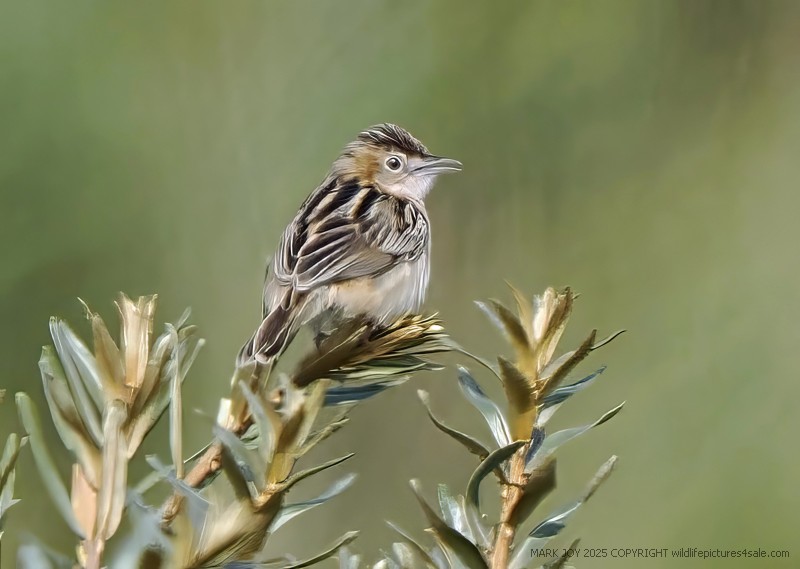
Zitting Cisticolas have successfully bred in Suffolk for the second year running, with at least seven juveniles from three separate broods now confirmed at Corporation Marshes, Walberswick.
Natural England's Suffolk coast National Nature Reserve team announced the breeding success on 6 August, when at least 11 birds were known to be present at the site. Up to three males were giving their characteristic "zitting" song flights, while at least seven juveniles had been recorded.
We are excited to announce Zitting Cisticola breeding success again at Corporation Marsh NNR in 2026. At least 11 birds present - with up to three males zitting and at least 7 juveniles from 3 broods as of 06/08/2026.
Natural England, Suffolk coast NNR team
The news confirms only the second breeding season for Zitting Cisticola Cisticola juncidis in Britain. The species bred here for the first time in 2025 at the same Suffolk site, when a singing male discovered in early August was subsequently joined by a second adult and recently fledged young. By late August four juveniles had been recorded.
What followed made the prospect of another breeding attempt in 2026 increasingly plausible. The Suffolk birds remained through the winter, with four Zitting Cisticolas reported at Walberswick on 17 January and at least three still present two days later, despite a period of cold weather.
By 23 April, two singing males were present at Walberswick, providing the first strong indication that the species might attempt to breed again. At least one bird remained at Corporation Marshes in early May, and a singing bird was again logged there on 9 July.
Confirmation of three broods this summer therefore marks a significant step beyond the single successful nesting event of 2025. With at least 11 birds now present, the Suffolk population is considerably larger than at the equivalent stage last year and provides the clearest evidence yet that Zitting Cisticola may be developing a more persistent presence on the east coast.
Formerly known as Fan-tailed Warbler, Zitting Cisticola is a small insectivorous passerine of open grassland, marshes and other rank vegetation. It is widespread around the Mediterranean and across parts of Africa and southern Asia, and is well known for its distinctive display flight in which males repeatedly give the short, explosive call that gives the species its English name.
The first British record was also in East Anglia, with a bird at Cley, Norfolk, on 24 August 1976 thought to have been the same individual subsequently seen at Holme. Further British records remained extremely scarce for many years, although sightings have become more frequent as the species has expanded northwards in continental Europe.
Before the Suffolk breeding in 2025, the only nesting recorded in the wider British Isles had been on Guernsey in 2009. The return to successful breeding at Walberswick in 2026, this time involving at least three broods, adds another important chapter to the species' rapidly changing status in Britain.
7 Aug 2026
Get Breaking Birdnews First
Get all the latest breaking bird news as it happens,
download BirdAlertPRO
for a 30-day free trial. No payment details required and get exclusive first-time subscriber offers.
Share this story