



Weekly birding round-up: 10 - 16 Apr
Still fairly peaceful times on the migration front, all things considered, but it’s still very early days yet for spring migration proper. Plenty of time yet for things to get busy and tasty. And it’s not like the past week was wholly barren – time was when a certain raptors in Suffolk and Norfolk would have caused utter pandemonium. How quickly complacency sets in…
Rather like another of the week’s headline birds, there was a time not so very long ago when breaking news of pale morph Booted Eagle would have been sufficient to cause a sudden outbreak of ill-health in elderly relatives, or cases of acute food poisoning, all such that the beleaguered twitcher in question simply had to leave work immediately…
Those days, courtesy of some compliant birds in the not so distant past, are now beyond us. All that said, for Suffolk birders the news that a pale morph Booted Eagle was seen heading south over Lowestoft on 16th would certainly have been startling enough. Were this to be pinned down somewhere in the weekend that lies ahead, it would doubtless have its admirers.
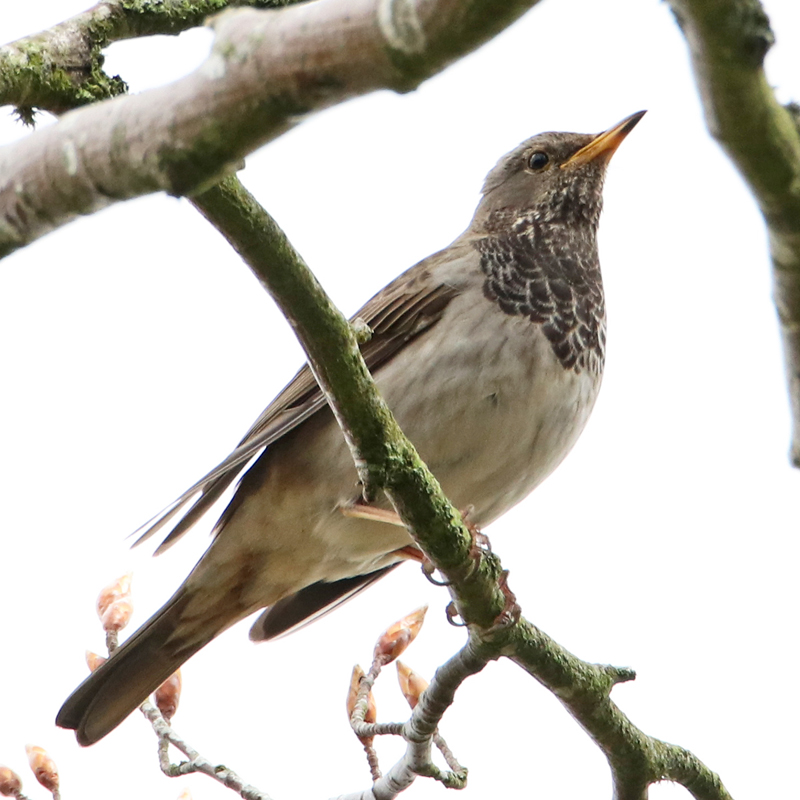
One Black-throated Thrush does not a spring make, as the saying should go, but it certainly goes a long way to enlivening a generally quiet week in the early throes of the season. Found in Lothian at Faseny Bridge on 12th, a male bird remained there until 16th, proving to be locally popular.
Also perennially popular in these parts, for all it’s given birders plenty of opportunities to connect with it in recent weeks and months, the Norfolk Black-winged Kite emerged from the woodwork and wherever it’s been lurking once more this week on 12th, putting in an appearance that day at Sea Palling.
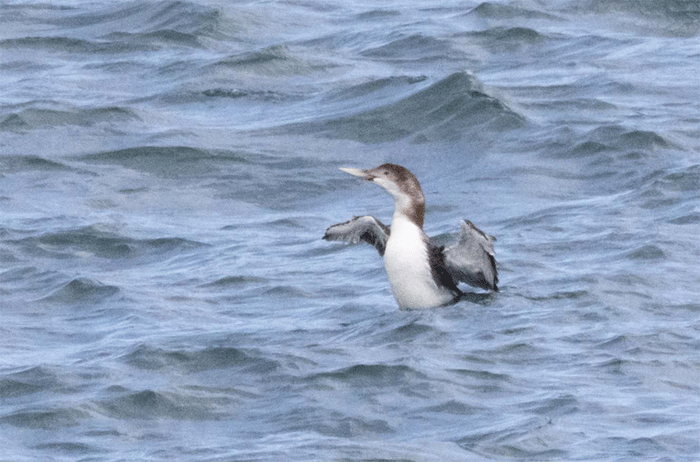
The weekly seabirds start anew in Ireland, where the Pacific Diver was once more seen from Achill Island (Co.Mayo) on 13th-16th.
Numbers of White-billed Diver were picking up in the traditional quarters of Portsoy (Aberdeenshire), with a peak count off there of 11 birds on 14th. Elsewhere in Scotland this week, a further 10 birds were logged, including four in Cullen Bay (Moray) on 14th.
Ten Leach’s Petrel were seen from Bridges of Ross (Co.Clare) on 12th; and a Pomarine Skua was also noted there that day.
Further single Pomarine Skua were seen in the English Channel in the morning of 16th, moving east off Dungeness (Kent) and St Catherine’s Point (Isle of Wight).
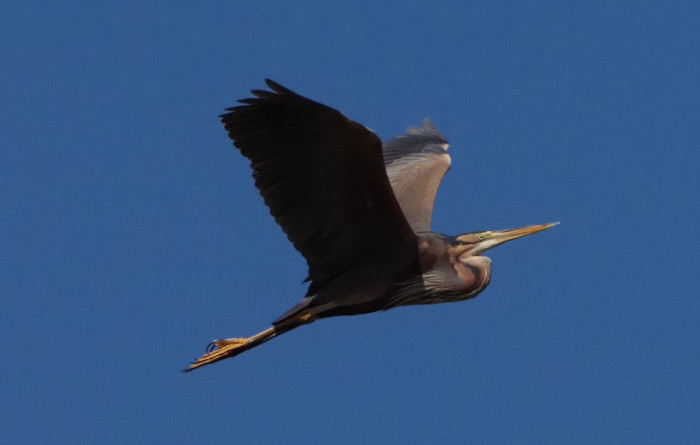
Breaking up the Glossy Ibis monopoly among the long-legged beasties this week were a scatter of Purple Heron - one seen at Rimac (Lincolnshire) on 10th and again on 13th; one seen coming in off the sea at Nanquidno (Cornwall) on 14th; one seen flying over Nybster (Highland & Caithness) on 16th; and a probable over St Mary’s (Scilly) on 12th.
Meanwhile in Ireland the American Bittern remained in Co.Cork at Cuskinny Marsh NR on 10th-16th.
Well that was a day! Blockade dodging run south to Cahore and digging out the Black winged stilt from distance then Lady’s Island for the American Coot before a dash to Cuskinney Marsh for the American Bittern. A 3 Irish tick day ? ? ? Ollin phone snapshots attached. pic.twitter.com/I374grmXj5
— Ian Young (@bonsaieejit) April 13, 2026
Our only representative of The Goose Formerly Known As Canada this week was the hutchinsii Richardson’s Cackling Goose still present at Clifton Pits (Worcestershire) 10th-16th.
Honkers generally were in shorter supply this past week. We look to Lancashire & North Merseyside once more for the Snow Goose still present at Marshside RSPB on 10th and 15th-16th, and at Southport again on 13th; and to Highland & Caithness for the bird again present at Insh Marshes RSPB on 10th-12th.
A Black Brant lingered in East Yorkshire around Kilnsea on 11th-16th, while in Ireland birds remained at Webb’s Field (Co.Wicklow) on 11th-12th, and Blennerville (Co.Kerry) on 11th still.
The recent drake Blue-winged Teal remained at Potteric Carr YWT (South Yorkshire) on 10th.
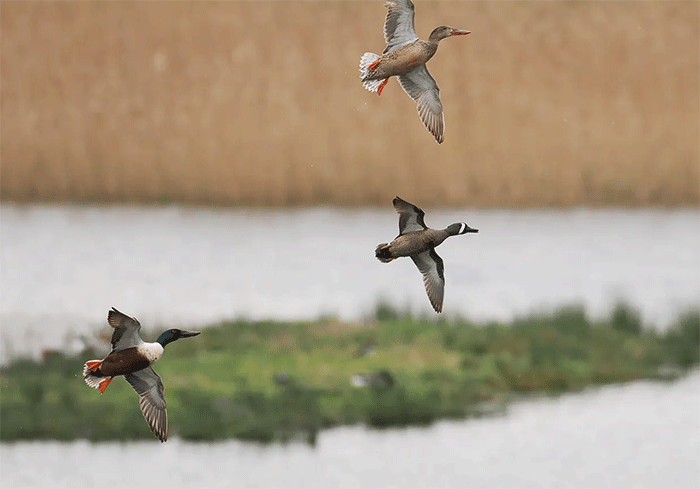
The flock of five American Wigeon remained in Glamorgan on Ogmore Estuary on 10th-16th, with a sixth individual occasionally reported there too. Our further birds were widely scattered, one remaining on Shetland at Loch of Spiggie on 14th-16th still, and another still on St Mary’s (Scilly) on 10th-16th.
Numbers of Green-winged Teal plummeted in Britain and Ireland in the past week, the peak count being two birds on Anglesey at Cors Ddyga RSPB still on 10th-14th; the balance being single birds at Marshside RSPB (Lancashire & North Merseyside) on 10th-13th, at Cahore Marsh (Co.Wexford) on 11th still, at Burton Mere Wetlands RSPB (Cheshire & Wirral) on 12th, at Aber Ogwen (Gwynedd) on 12th, and at Freiston Shore RSPB (Lincolnshire) on 14th-15th.
The Ferruginous Duck was still present at Ryton Pools CP (Warwickshire) on 11th. Two were reported on 16th at Bubbenhall (Warwickshire).
Two Lesser Scaup remained on Clifton Pits (Worcestershire) on 10th-16th; single birds also lingered at College Lake NR (Buckinghamshire) still on 10th-12th, and at Ellesmere (Shropshire) still on 10th-16th. A further bird was found at Wilstone Reservoir (Hertfordshire) on 13th-16th; and an additional sighting came on 15th from Staines Reservoirs (Surrey).
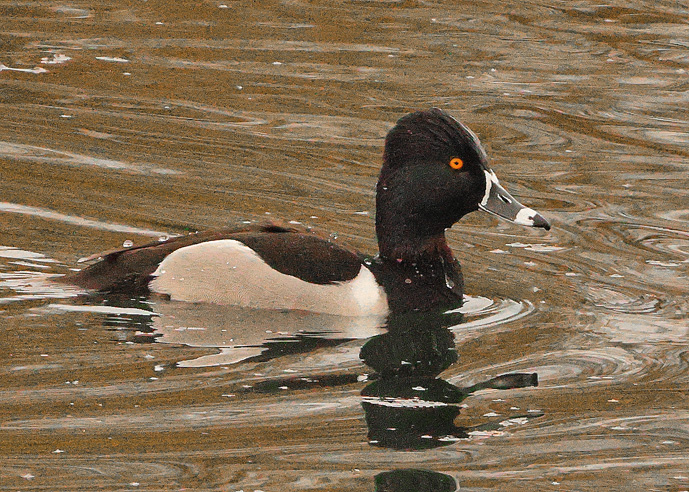
The Great Spring Clearance of Quackers isn’t quite upon us just yet, as evidenced by the still strong showing of Ring-necked Duck in Britain and Ireland this week – some 30 birds were logged in recent days, with the flock on Urlaur Lough (Co.Mayo) rising to 12 birds on 11th.
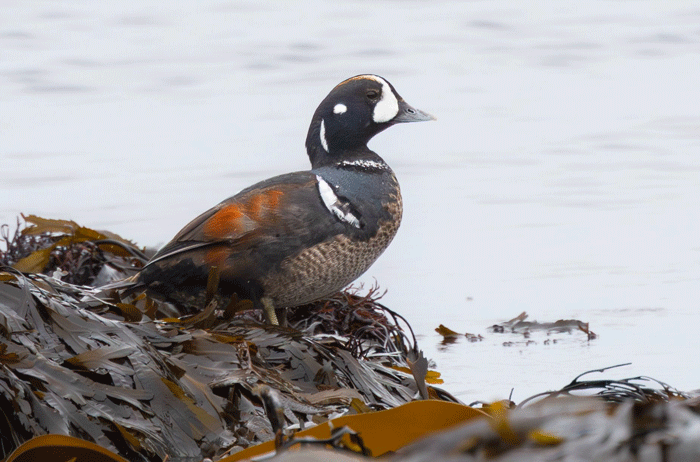
In Co.Donegal the first-winter drake Harlequin Duck remained off Curransport on 11th-15th.
The first-winter drake King Eider remained at Loch Fleet (Highland & Caithness) on 12th.
The drake White-winged Scoter was still present off Methil (Fife) on 10th-16th, and the second-winter Stejneger’s Scoter was still present in Fife at East Wemyss on 10th-13th.
Scotland accounted for almost all our small showing of Surf Scoter this week – sightings in Fife coming from Lower Largo on 11th and Methil on 12th and 15th-16th, with four birds present there on the latter date; and one still present off Vatersay (Western Isles) on 13th. Breaking the mould, a bird was found on 15th off Cape Clear (Co.Cork).
In Warwickshire, the female Hooded Merganser remained at Alvecote Pools NR on 10th-15th.
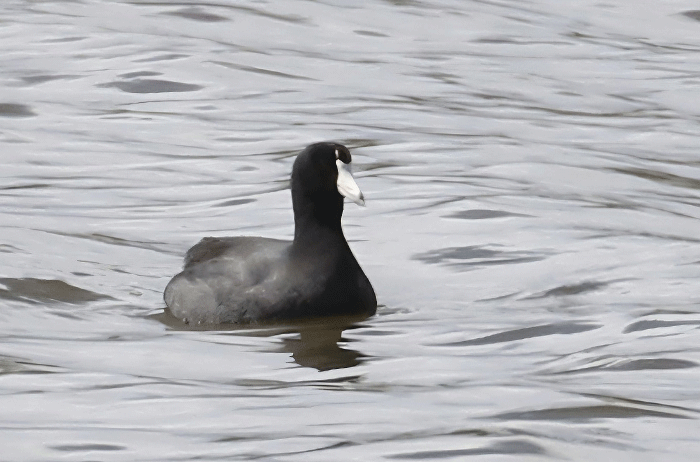
Finally, our honorary quacker, the American Coot at Lady’s Island Lake (Co.Wexford), remained there on 10th-13th.
Two of our recent American Golden Plover was seen during the past week, these being the individual still present at Hook-with-Warsash LNR (Hampshire) on 10th-15th, and that at Tacumshin (Co.Wexford) still on 16th.
Managed to catch up with the AMERICAN GOLDEN PLOVER at Hook-with Warsash today as it fed close to the sea wall @RareBirdAlertUK pic.twitter.com/2hEalcIr15
— Scott Usher (@SStanpit) April 11, 2026
A Kentish Plover dropped in to Havergate Island RSPB (Suffolk) on 11th.
Long-billed Dowitcher were seen again at Montrose Basin (Angus) on 10th-15th, and Tacumshin (Co.Wexford) on 12th-16th still.
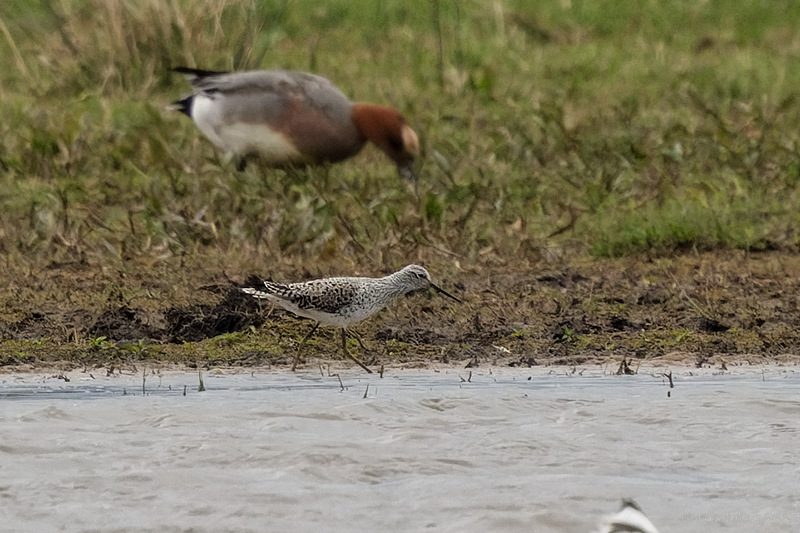
In Co.Durham the recent Marsh Sandpiper remained at Boldon Flats NR on 10th-16th.
Our three stalwart overwintering Lesser Yellowlegs remained all present and correct – in Denbighshire at Rhyl on 10th-12th, at Truro (Cornwall) still on 10th-13th, and on Rathlin Island (Co.Antrim) still on 11th-16th – and another was found on 14th at Leighton Moss RSPB (Lancashire & North Merseyside).
Finally, Ireland accounted for our Black-winged Stilt this week, with a bird still present in Co.Wexford at Ballinoulart on 10th and Cahore Marsh on 11th-13th; and a bird at Clew Bay (Co.Mayo) on 13th-14th.
Fittingly in a week during which Bonaparte’s Gull’s recent ubiquity saw it dropped as an official rarity by the BBRC, we continued to be knee-deep in them in Britain and Ireland. In Cornwall one remained at Hayle Estuary on 10th-14th, with two again there on 15th; two remained in Dorset at Chickerell on 10th-13th; one was present in Hampshire at Fishlake Meadows HIWWT on 12th; Abberton Reservoir (Essex) scored a bird on 10th-16th; one was seen in Glamorgan in Cardiff on 14th; a bird remained in Lancashire & North Merseyside at Myerscough Quarry on 12th-14th; the mobile Lerwick (Shetland) individual continued to lob around the town on 10th-13th; and in Ireland birds were noted at Tacumshin (Co.Wexford) on 10th, Bantry (Co.Cork) on 12th, and at Ballyconneely Strand (Co.Galway) on 12th-13th.
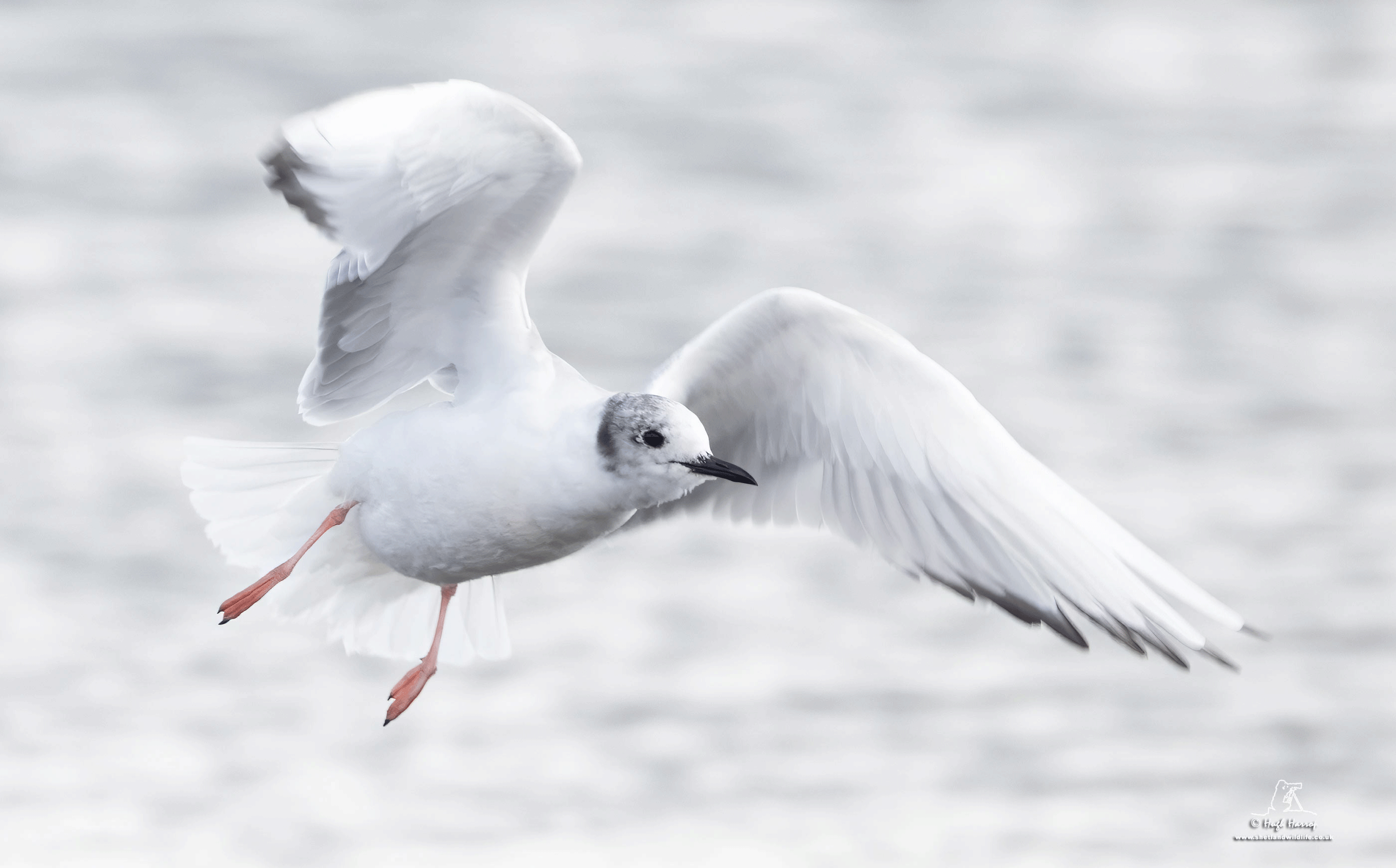
Ring-billed Gull were a scarcer commodity altogether, with just three logged – one at Loch Turret (Perth & Kinross) again on 10th, another still present at Blennerville (Co.Kerry) on 11th, and a final bird again seen at Barnaderg Bay (Co.Galway) on 16th.

White-wingers continued their spring fade from view, with little more than half a dozen Glaucous Gull and a dozen Iceland Gull logged across the region during the week. An adult Kumlien’s Gull was at Blennerville (Co.Kerry) again on 15th; and a further juvenile near Sharpness (Gloucestershire) on 15th.
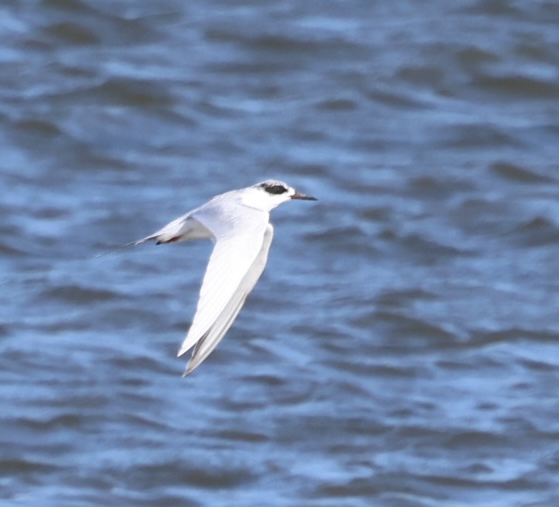
Finally, in Dorset, the adult Forster’s Tern continued to haunt the vastness of Poole Harbour, being seen at Brownsea Island NT again on 10th and 15th, off Shipstal Point on 12th, and reported from the Blue Lagoon on 13th.
A juvenile female Pallid Harrier was seen in North Yorkshire at Feldom Ranges on 14th.
A bit of local birding around my patch early am west of Richmond came across this Pallid Harrier looks like a 1cy bird to me pic.twitter.com/X4Ol1opBvX
— Rstephenson (@rstephenson08) April 14, 2026
North Yorkshire also gave us a Black Kite at Nosterfield LNR on 10th, and another reported from Skipwith Common on 12th; a possible was seen at Tickton (East Yorkshire) on 14th; a bird was seen at Brawlbin (Highland & Caithness) on 15th-16th; and one was reported from Radcliffe-on-Trent (Nottinghamshire) on 16th.
That harbinger of spring, Hoopoe, continued to shine brightly this past week, with some 20 birds noted across the days.
Furthermore, little says spring is coming quite like a Golden Oriole - one was found on 13th at Coomatloukane (Co.Kerry).
An Alpine Swift was seen on 11th at Cork (Co.Cork); and another was seen east of Hartlepool (Cleveland) on 13th over HMS Protector, unfortunately subsequently found dead.
Four Red-rumped Swallow also spoke eloquently of southern promise to come – seen at King George V Reservoir (London) on 11th, Minsmere RSPB (Suffolk) on 12th, Bodwrdda (Gwynedd) on 13th, and Sand Point (Somerset) on 14th.
Red-rumped Swallow @RSPBMinsmere this morning pic.twitter.com/krJvPzcBfj
— Tim Oakes (@TimAOakes) April 12, 2026
A Wryneck was seen on 11th at Benacre Sluice (Suffolk).
The recent Woodchat Shrike remained at Nanquidno (Cornwall) on 10th-16th, and another was found on 11th at Llanrhystud (Ceredigion).
Holding up their end of the late winter bargain, 15 Waxwing remained in Highland & Caithness at Coylumbridge on 11th.
Still firmly anchored in these parts, the wintering Hume’s Warbler remained in Warwickshire near Lea Marston on 10th-16th, and in Lowestoft (Suffolk) on 10th-16th.
The recent Yellow-browed Warbler remained singing at Penryn (Cornwall) on 10th, with another songster at St Ives on 11th-16th joined there on 12th-16th by a singing Pallas’s Warbler - some optimistic mixed messages being broadcast there. Right up there with them for optimism were two more Yellow-browed Warbler found on 16th singing in central Leeds (West Yorkshire).
Astonishing record this morning; @JamesBooty84 member of ScrubUpBritain recorded not 1 but 2 singing YELLOW-BROWED WARBLERS in a small park in the centre of Leeds !!! Volume on for this one folks. Congratulations James!! ??
— ScrubUpBritain (@ScrubUpBritain) April 16, 2026
See image: red pin marks the park. @RareBirdAlertUK pic.twitter.com/ZYQNeX85kx
An Iberian Chiffchaff was holding court at Hardwick Hall CP (Co.Durham) on 12th-16th; and another was found in song this week on 15th-16th at Pease Dean SWT (Borders).
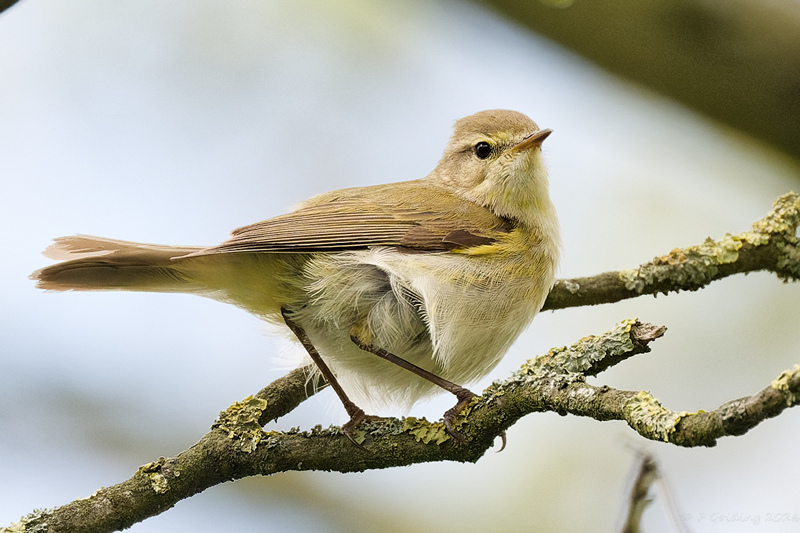
In Cornwall the Dusky Warbler remained present at Boscathnoe Reservoir on 10th.
An Eastern Subalpine Warbler male was found on Coquet Island (Northumberland) in the evening of 15th.
At least one Zitting Cisticola remained in Suffolk at Walberswick on 13th still.
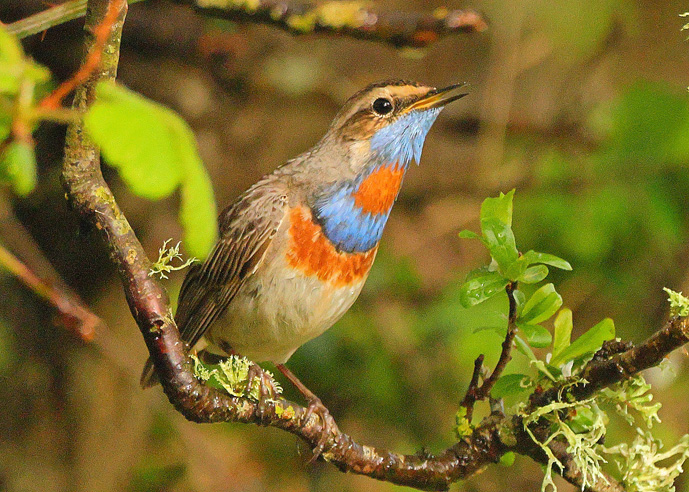
A Bluethroat continued to prove extremely popular in Dorset at Swineham GPs on 10th-16th, while another was seen at Foreness Point (Kent) on 13th.
A handful of Serin were seen in recent days – one at Kilnsea (East Yorkshire) on 13th, another at Chesil Cove (Dorset) on 14th, and a final bird at Pendeen (Cornwall) on 15th.
A Little Bunting was reported at Cadover Bridge (Devon) on 13th.
Finally, in Hampshire sightings of Great-tailed Grackle came from Millbrook on 10th-12th, in Holbury again on 13th, and on 14th at Broughton; while the male remained singing in Lancashire & North Merseyside at Speke Hall on 10th-16th.
In a very quiet week for reported overseas news, we start once more in the Netherlands where the first-winter male Black-faced Bunting remained singing on Texel on 12th.
Out on the Azores, a Great Blue Heron was seen on Faial on 11th.
A somewhat mixed bag, the coming week, if the weather forecasts are anything to go by – westerlies, northerlies, and then maybe some easterlies...
On the one hand, that almost implies anything’s possible. The absence of any southerlies from the equation, alas, probably precludes the more predictable colourful southern overshoots, but still… the coming week holds some quiet potential.
Historically, the coming week features some determined, displaced Nearctic passerines making their way north up the eastern seaboard of the Atlantic… there’d be no complaints were the likes of Slate-coloured Junco or Song Sparrow clock in. But perhaps those easterlies hold the most promise for something untoward. Maybe we should be daring to dream bigger, and think larks…
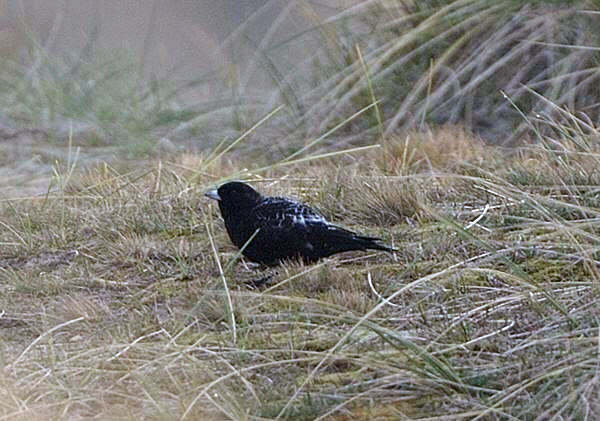
The coming week boasts two past records of Calandra Lark, one apiece for Scilly and Shetland, in 1996 and 2008 respectively; and one record of Black Lark, this being the adult male that dropped into Winterton Dunes (Norfolk) on 20th-21st April 2008. Either species would be warmly welcomed, particularly if they were on the mainland this coming week…
Jon Dunn
17 Apr 2026
Many thanks to all this week's contributors for your photos and videos and to everyone who contributed throughout the year.
Get Breaking Birdnews First
Get all the latest breaking bird news as it happens, download BirdAlertPRO for a 30-day free trial. No payment details required, and get exclusive first-time subscriber offers.
Share





