Bonaparte's Gull removed from British rarity list after continued rise in records
BBRC decision reflects sustained increase in sightings across Britain over the last 25 years
End of rarity status after sustained increase in records
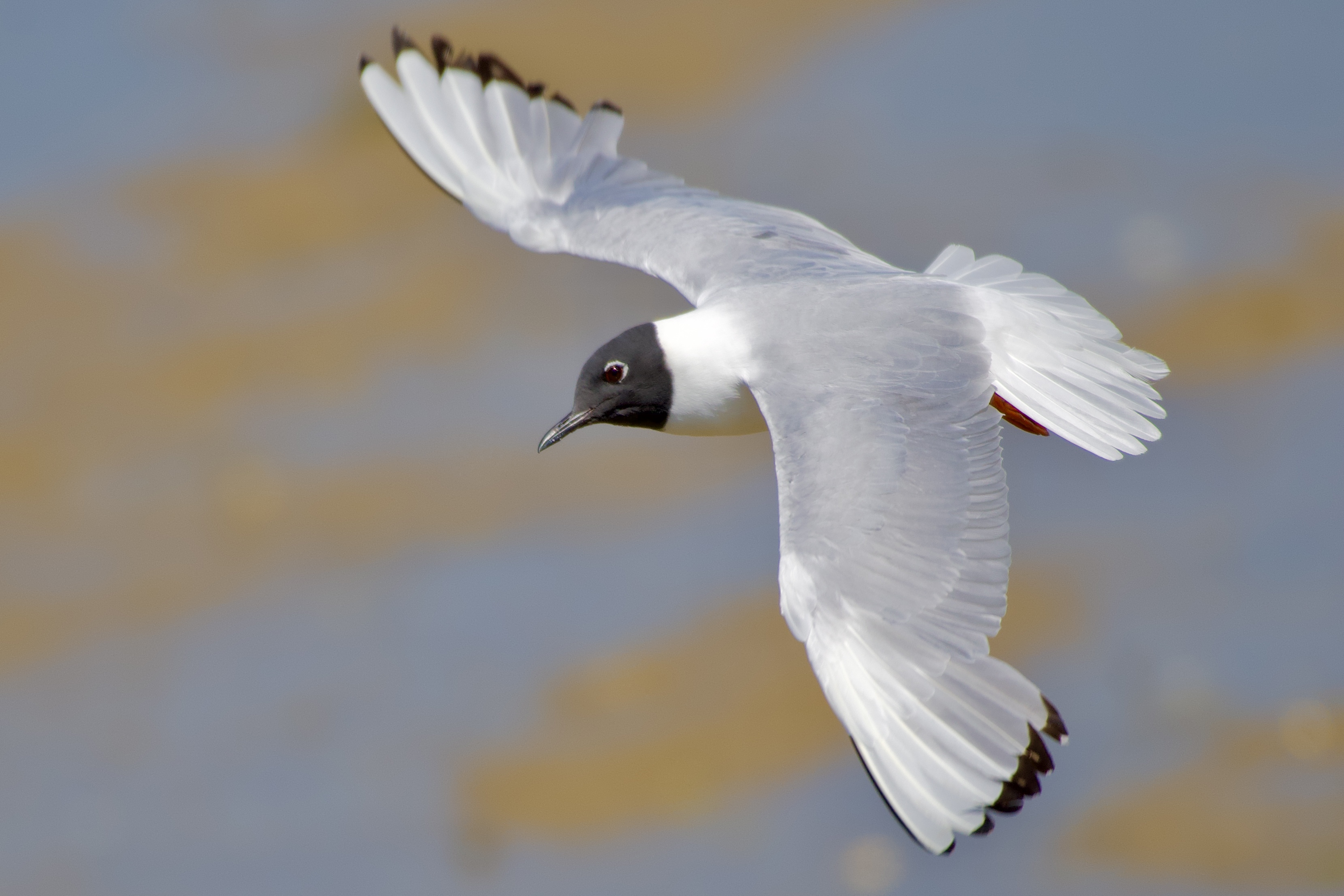
Bonaparte’s Gull has been removed from the British Birds Rarities Committee (BBRC) list with effect from 1 January 2026, following a sustained rise in annual records. The decision, confirmed at the committee’s 2026 AGM, brings to an end the species’ long-standing status as a national rarity in Britain.
Trend data underpins decision
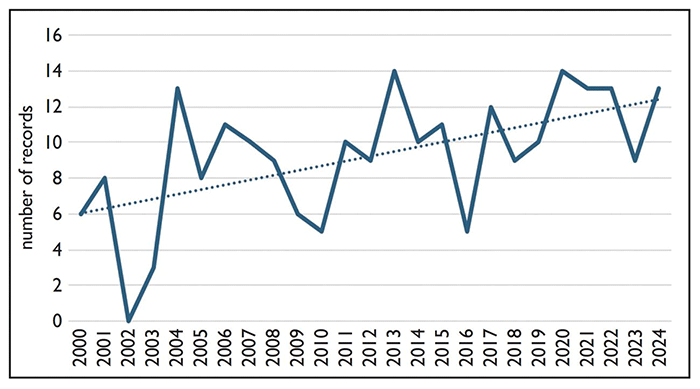
The accompanying data presented by BBRC highlights a marked increase in the number of records since the early 2000s. While annual totals fluctuate, the overall trajectory is clearly upward, with multiple recent years producing double-figure counts.
Attempts to link records between different regions - potentially indicating repeat individuals - have so far proved inconclusive. Even so, BBRC concluded that such factors would not sufficiently offset the strong and consistent rise in occurrence.
What the change means for birders
Bonaparte’s Gull will no longer require submission to BBRC from 2026 onwards, with records instead handled at a local or county level. The committee has noted that late submissions from 2025 are still welcome, marking a final opportunity for national assessment of recent records.
For birders, the species remains a sought-after find, but its growing regularity now places it outside the scope of national rarity assessment - a sign of just how much its status in Britain has shifted in recent years.
No change to RBA reporting
Although we closely follow the BBRC list of rarities there are a few exceptions to what we class a rarity. For now Bonapart’es Gull will remain a rarity on all RBA services.
The other non-BBRC species which we currently still class as a rarity, are;
- Lesser Yellowlegs
- White-rumped Sandpiper
- Alpine Swift
- Black Kite
- Red-footed Falcon
- Penduline Tit
- Blyth's Reed Warbler
- Red-rumped Swallow
- Radde's Warbler
- Dusky Warbler
- Greenish Warbler
- Arctic Warbler
- Red-flanked Bluetail
- Citrine Wagtail
- Olive-backed Pipit
April 2026
Get Breaking Birdnews First
Get all the latest breaking bird news as it happens, download BirdAlertPRO for a 30-day free trial. No payment details required and get exclusive first-time subscriber offers.
Share this story