



Weekly birding round-up: 20 - 26 Feb
Finally some sunshine, for some of us at least, in the past week, and signs of spring were a-springing – blossom frosting hedgerows, and optimistic butterflies on the wing. On which subject, it sounds like Large Tortoiseshell have successfully overwintered both in Kent and on the Isle of Wight, which is fabulous news. And from a birding perspective this past week, there was further good news to be had in Cornwall and Gloucestershire alike…
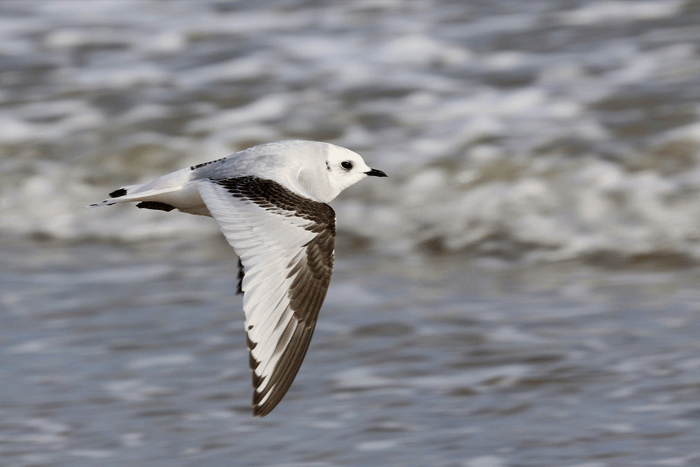
An absolute gem of a first-winter Ross’s Gull was found this week in Cornwall in Newlyn on 21st and, delightfully, remained present there and nearby Mousehole until 26th, showing exceptionally at times.
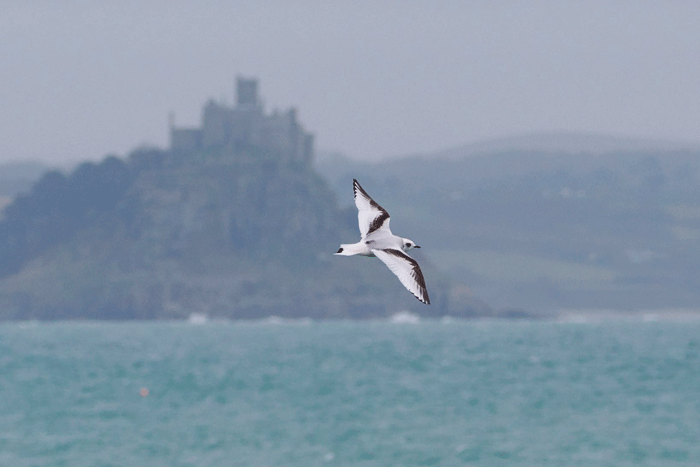
This dainty, diamond-tailed high Arctic gull is always well-received and, for all Cornwall’s a fair trek west for many, it was inevitable some would make the effort to worship at its altar. And why ever not. It’s that rarity in the gull world, a species where the first-winter birds are arguably every bit as attractive as their adult counterparts.
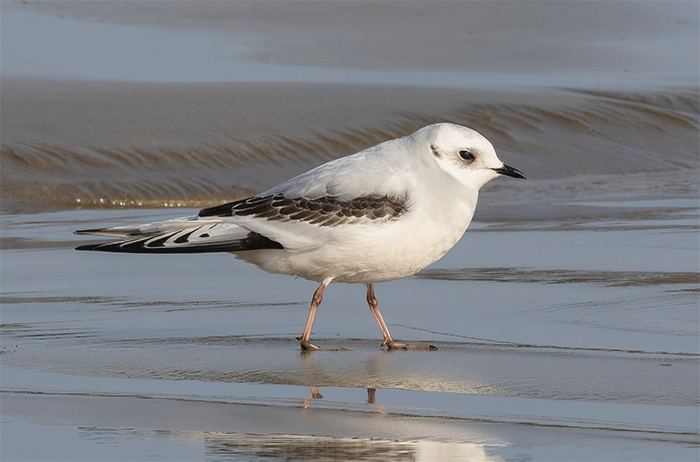
From a Cornish birding perspective, it’s the ninth record of Ross’s Gull for the county, and comes six years after the last, a one-day bird at Portscatho on New Year’s Day 2020. It’s only the fourth record for the county since the turn of the century, and only one of those prior three birds lingered for more than day – this being a two-day individual on The Lizard on 2nd-3rd January 2016. All in all, a settled bird in Newlyn this week was always going to prove as popular locally as it would for folk from up country, and so it proved.
Regular readers in these parts will know we view some past accepted Hooded Merganser with a rather jaundiced eye, given the species’ popularity with the ornamental duck-fancying fraternity close to home and on the near Continent too. Context sometimes seems to have flown out the window as readily as certain birds appear to have flown a mile or two from the duckpond upon which they initially started life.
Then again, there are still birds that have a feel-good factor around them. This past winter has been terrific for Nearctic ducks in these parts, with in the region of 50 Ring-necked Duck regularly reported on a weekly basis, double figures of Lesser Scaup too, several Bufflehead and, of course, the lovely Redhead that remains to this week in Co.Kerry. As supporting casts go, that’s all pretty sound stuff.
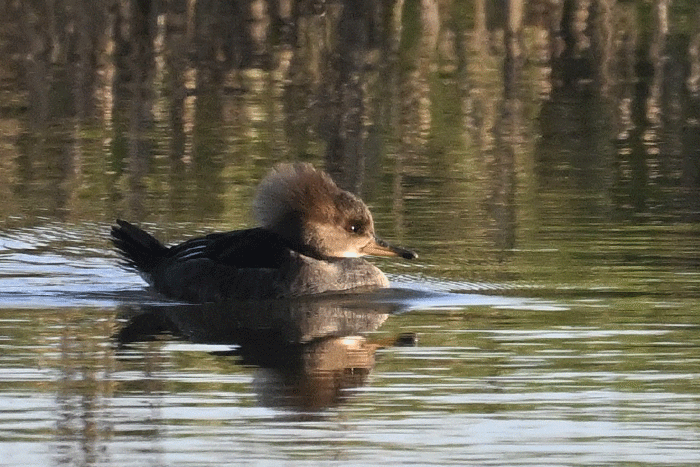
And that’s the context in which the female Hooded Merganser found this week in Gloucestershire finds herself. Present at Pilning Wetland on 23rd-24th she was fully-winged and capable of flight, and un-ringed too. If you’re looking for a feel-good factor Hooded Merganser in southern England, this feels as good as they get.
Still sitting tight for another week, with her cohort of Ring-necked Duck, the female Redhead remained in Co.Kerry on Lough Ygnanvan until 25th. It’s been a terrific winter for vagrant American wildfowl, and she remains the cherry on that particular cake.
Heading up the seabird news once more this week, the adult Double-crested Cormorant was once more to be seen in Ireland on Lough Gill (Co.Sligo) on 24th.
Also present in Ireland, Pacific Diver remained at Curransport (Co.Donegal) on 21st-25th, and again at Crookhaven (Co.Cork) on 23rd; while in Cornwall one was still present at Mousehole on 22nd-26th with it, or the other recent individual in the area, also seen off St Michael’s Mount on 24th.
Multiple White-billed Diver remained omnipresent of the east coast of Scotland in particular this past week, with around 20 birds in all logged during the week. Inverkeithing (Fife) once more boasted three birds on 22nd-24th; two were seen at Pease Bay (Borders) on 21st; and two on the River Blyth (Northumberland) on 25th-26th.
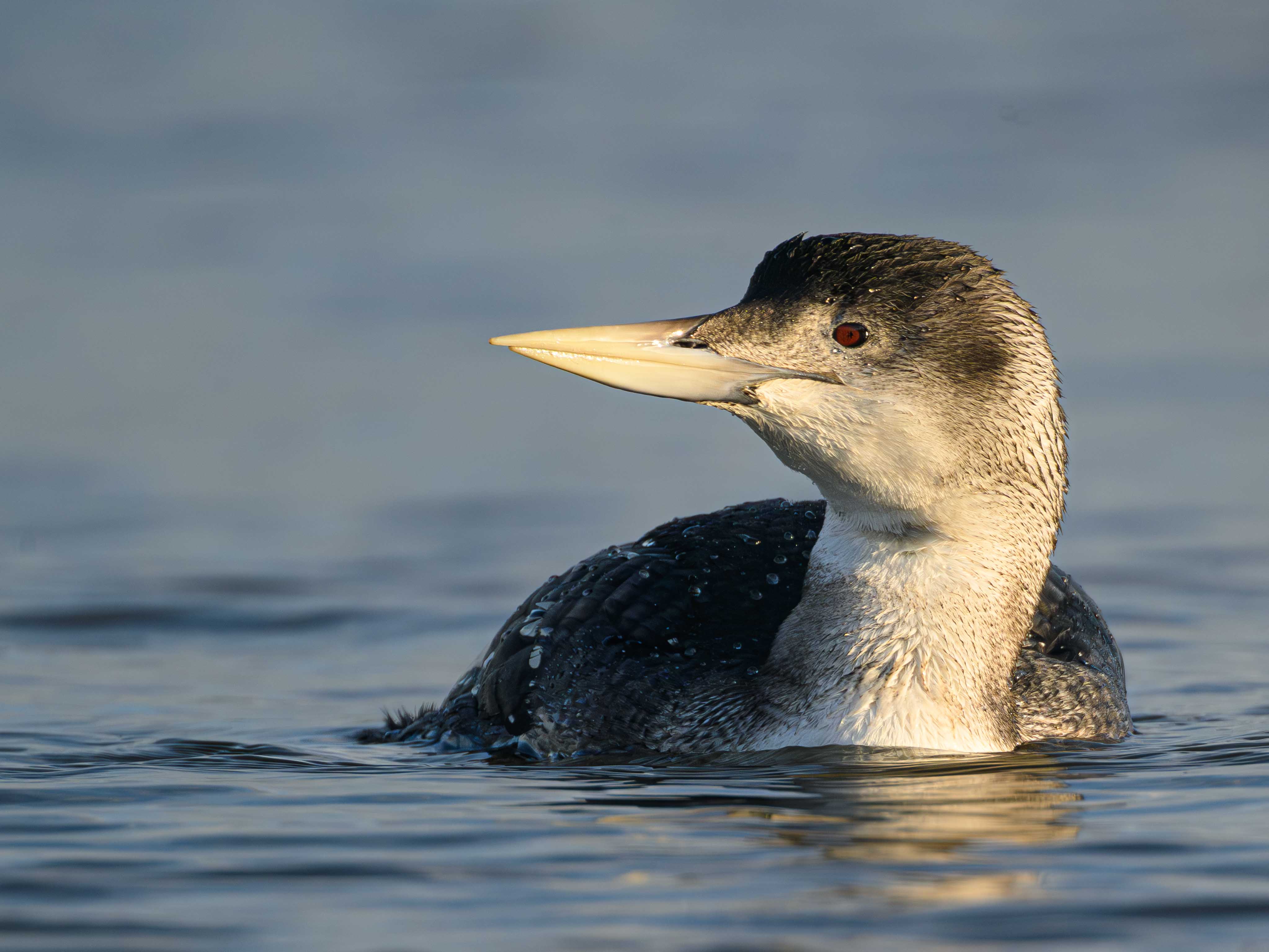
Just two Little Auk lately, a bird seen in Scapa Bay (Orkney) on 22nd, and one on Anglesey on 26th at Trearddur Bay.
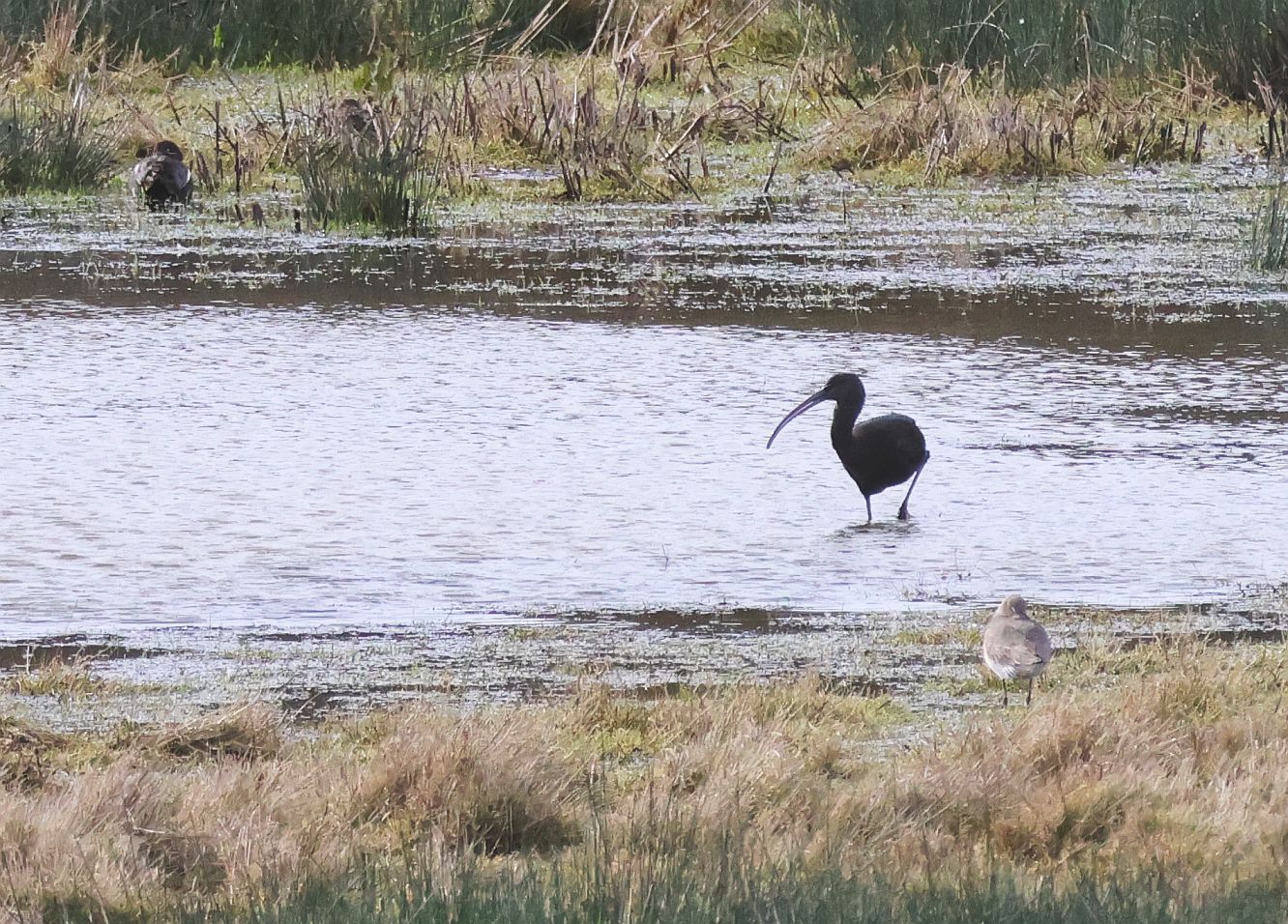
Our only notable long-legged beasties this week continued to be the wintering contingent of Glossy Ibis. The coming spring and summer may just mark the year they really establish a foothold as a regular breeding species in these quarters.
Still plenty of honkers and quackers on offer this past week. At some point in the not-too-distant future the great vanishing will take place when they abandon us for summer quarters but, for now, there was still plenty to be entertain us.
Starting as ever with The Goose Formerly Known As Canada, interior Todd’s Canada Goose were seen on 21st at Rattray Head (Aberdeenshire) and Lissadell (Co.Sligo), the latter site holding two birds; and on 25th at Marshside RSPB (Lancashire & North Merseyside). hutchinsii Richardson’s Cackling Goose meanwhile were seen at Lissadell on 21st; at Dunfanaghy New Lake (Co.Donegal) on 22nd, where two birds remained; and in Worcestershire at Ryall Pits on 23rd and Clifton Pits on 24th.
There was still snow on the ground in recent days, with settled Snow Goose to be seen at Insh Marshes RSPB (Highland & Caithness) on 20th-22nd, with two birds reported there on 22nd; in Lincolnshire around Baston Fen on 20th-21st, at Willow Tree Fen LWT on 22nd, and Pode Hole on 24th; and in Lancashire & North Merseyside at Marshside RSPB on 22nd still, and Southport again on 23rd-25th.
Black Brant this week were seen in Essex at Pyebridge Channel on 22nd, at Heybridge GPs on 22nd-23rd, and at Redward on 26th; at Kilnsea Wetlands NR (East Yorkshire) again on 25th, with two birds present the following day; and at Blennerville (Co.Kerry) on 22nd still. A possible Grey-bellied Brant was seen on 26th at Kilbarrack (Co.Dublin) still.
Finally for the honkers this week, the Red-breasted Goose was still present on Islay (Argyll & Bute) on 20th-21st.
Moving on to the ducks, the drake Blue-winged Teal remained at Loch Loy (Moray) on 22nd still.
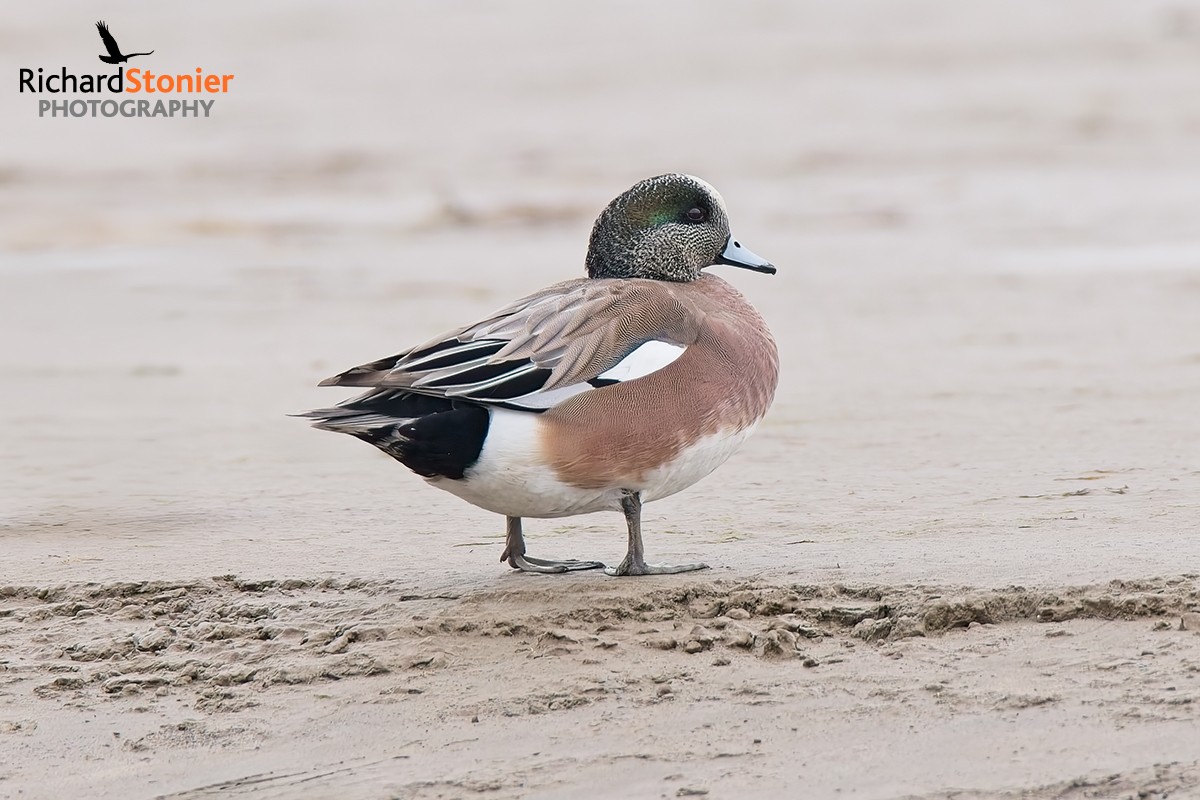
It was another strong week for American Wigeon, with 11 birds logged – still present on Shetland around Loch of Spiggie on 21st; on Sanday (Orkney) on 23rd; on South Uist (Western Isles) on 23rd again; still present at Newshot Island (Clyde) on 20th-26th; at Blagdon Hall (Northumberland) again on 24th-26th; at Bolton-on-Swale YWT (North Yorkshire) still on 23rd-26th; at Eyebrook Reservoir (Leicestershire) on 20th-26th; at Carlton Marshes SWT (Suffolk) still on 20th-22nd; at Poppit Sands (Pembrokeshire) again on 21st-22nd; at Slimbridge WWT (Gloucestershire) on 20th; and reported from Eldernell (Cambridgeshire) on 21st.
Slightly slimmer pickings of Green-winged Teal however, with not quite double figures reported – in Highland & Caithness at Alturlie Point on 20th-21st and Loch of Wester on 22nd; in Northumberland on Blyth Estuary on 20th, at Seahouses on 21st, and North Shields on 22nd; at Llanfairfechan (Conwy) still on 21st-22nd; at Broom GPs (Bedfordshire) on 20th-24th; and at North Bull Island (Co.Dublin) on 23rd still.
A handful of Ferruginous Duck continued to linger – at Holkham Hall (Norfolk) on 20th-22nd; at Titchfield Haven NNR (Hampshire) on 21st-22nd; at Napton Reservoir (Warwickshire) on 24th-25th; and in Co.Tyrone at Ballysaggart Lough still on 24th-26th.
Numbers of Lesser Scaup dropped ever so slightly, with eight birds logged in recent days. In Ireland the drake remained at Tacumshin (Co.Wexford) on 21st-24th. British birds remained in Leicestershire on Swithland Reservoir on 20th-24th; on Abberton Reservoir (Essex) on 20th-25th; on Staines Reservoir (Surrey) on 21st; at Woolston Eyes NR (Cheshire & Wirral) on 20th-25th; and in Cornwall at Helston where two remained on 21st-24th; while a drake was found in Northamptonshire at Clifford Hill GPs on 20th-26th.
A shade over 55 Ring-necked Duck were noted across Britain and Ireland this week, with Ireland still holding the largest aggregation of their kind, these being the eight birds still present on Lough Yganavan (Co.Kerry) on 22nd-23rd rising once more to 11 birds on 25th, with 10 birds on Urlaur Lough (Co.Mayo) on 26th in close second place. Britain’s best count were a mere five present on Tangy Loch (Argyll & Bute) on 23rd-24th.
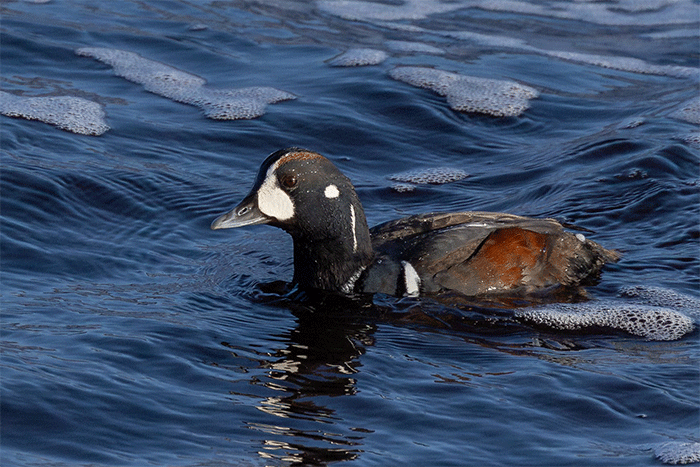
In Co.Donegal the first-winter drake Harlequin Duck remained off Curransport on 20th-26th.
In Wales the recent drake Bufflehead was last seen on Anglesey at Llyn Coron on 20th.
Shetland’s first-winter female King Eider remained in Quendale Bay on 20th-23rd.
Scotland made most of the running again where Surf Scoter were concerned, with two still off Dornoch (Highland & Caithness) on 21st, one off Vatersay (Western Isles) on 20th-24th still, and one reported from Gullane Point (Lothian) on 22nd. In Wales, one was seen again from Llandulas (Conwy) on 22nd.
The drake Black Scoter remained at Rossbeigh (Co.Kerry) on 21st-25th.
A drake White-winged Scoter was present at Port Seton (Lothian) on 25th-26th.
Finally, the putative second-winter Stejneger’s Scoter was still present off East Wemyss (Fife) on 20th, and once more on 26th off Buckhaven.
It was once again a matter of quality over quantity where our notable weekly waders were concerned, the best of those again being the Semipalmated Sandpiper still present at Seafield (Co.Clare) on 21st-22nd.
Also in Ireland, the Spotted Sandpiper was still to be seen at Ballynagaul (Co.Waterford) on 22nd.
The Long-billed Dowitcher was still present at Montrose Basin (Angus) on 22nd-26th.
In Somerset, the Kentish Plover remained at Burnham-on-Sea on 22nd-23rd.
Lastly, Lesser Yellowlegs were still present in Cornwall at Truro on 23rd-25th, and in Denbighshire at Rhyl on 20th-25th.
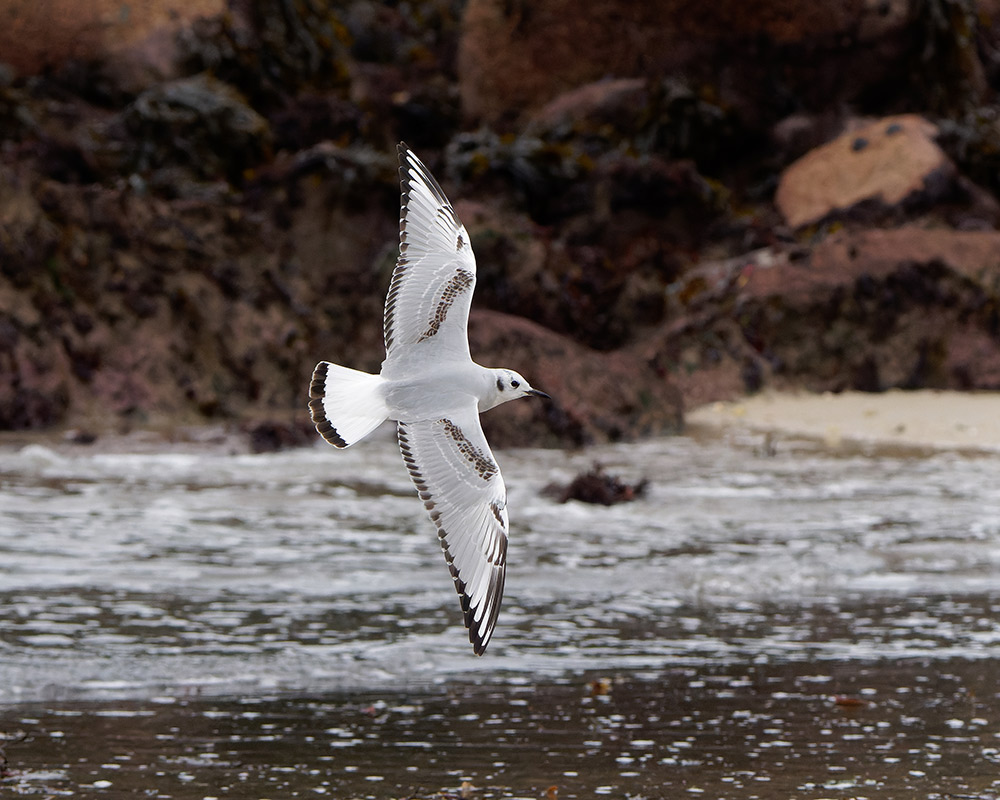
Another lively week for Bonaparte’s Gull saw birds present at both extremities of Britain, with the recent bird still present on St Mary’s (Scilly) on 20th-26th, and another found up on Unst (Shetland) on 23rd-25th. Further birds remained in Cornwall at Penzance on 22nd-23rd, and Blennerville (Co.Kerry) on 20th-25th; augmented by additional birds seen in Kent at Oare Marshes KWT on 21st, and in Brixham (Devon) on 22nd.
Ireland did well for Ring-billed Gull, with birds still present in Sligo (Co.Sligo) on 21st-23rd; at Blackrock (Co.Louth) on 21st-26th; at Cork Lough (Co.Cork) on 22nd-26th; in Co.Kerry at Tralee Bay Wetlands on 20th-25th and Blennerville on 23rd; and at Enniskillen (Co.Fermanagh) on 22nd still. The adult remained at Hayle Estuary RSPB (Cornwall) on 22nd-25th; the first-winter again at Fishguard (Pembrokeshire) on 25th; and an adult was seen on Lewis (Western Isles) on 20th.
It proved to be another good week for Kumlien’s Gull, with the juvenile still in Cornwall at Helston on 21st-23rd; the adult still at Helmsdale (Highland & Caithness) on 20th and reported again on 25th there, and a juvenile also in Highland & Caithness at Dunnet Bay on 21st; one at Widnes (Cheshire & Wirral) on 26th; and the adult again at Blennerville (Co.Kerry) briefly on 25th, and again on 26th. Meanwhile the third-winter bird remained on Unst (Shetland) on 23rd-25th.
Some 20 Iceland Gull were again seen during the week, with two at Killybegs (Co.Donegal) on 22nd, and two at Brough (Highland & Caithness) on 24th the only multiples of their kind; while a little over a dozen Glaucous Gull were also seen.
News of a juvenile Pallid Harrier in Co.Cork at an undisclosed site on 20th was followed a few days later by a juvenile seen over Saleen Creek on 24th. In Wales the female remained at Llanrhidian Marsh (Glamorgan) on 22nd.
A Hoopoe was again seen this week in Shropshire at Isombridge on 21st and 23rd.
Both recent Great Grey Shrike remained for another week, seen respectively in Hampshire at Stoney Cross Plain on 21st-26th, and in Lincolnshire outside Ingham still on 20th-25th.
A few Waxwing were found in recent days – in Highland & Caithness seven at Abernethy Forest RSPB on 20th, and three at Muir of Ord on 21st; and singletons near Stocksfield (Northumberland) on 20th, at Nosterfield (North Yorkshire) on 23rd, at Blackhall Rocks (Co.Durham) on 24th; and also in Co.Durham on 25th at Metal Bridge where three were seen.
A Penduline Tit was once again seen in Somerset at Stockmoor CP on 20th; and another sighting came from Shapwick Heath NNR on 25th.
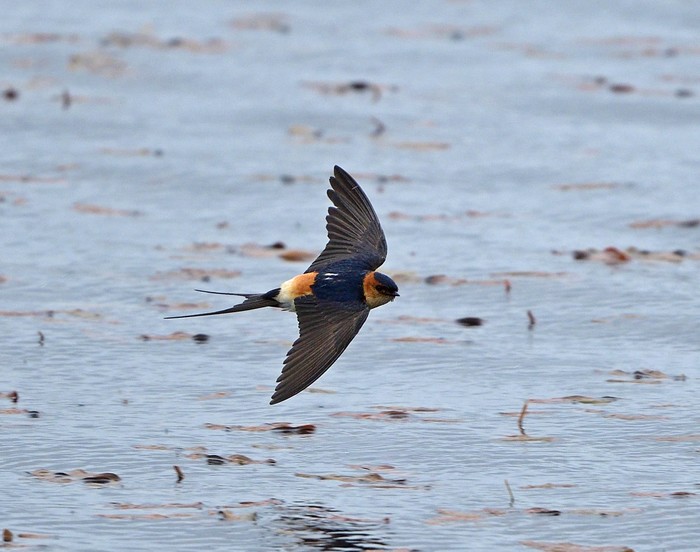
Marking a change in the seasons, a Red-rumped Swallow made it to Long Strand (Co.Cork) on 26th.
The Hume’s Warbler remained in Lowestoft (Suffolk) on 20th-26th, and the Lea Marston (Warwickshire) individual there on 20th-26th still too.
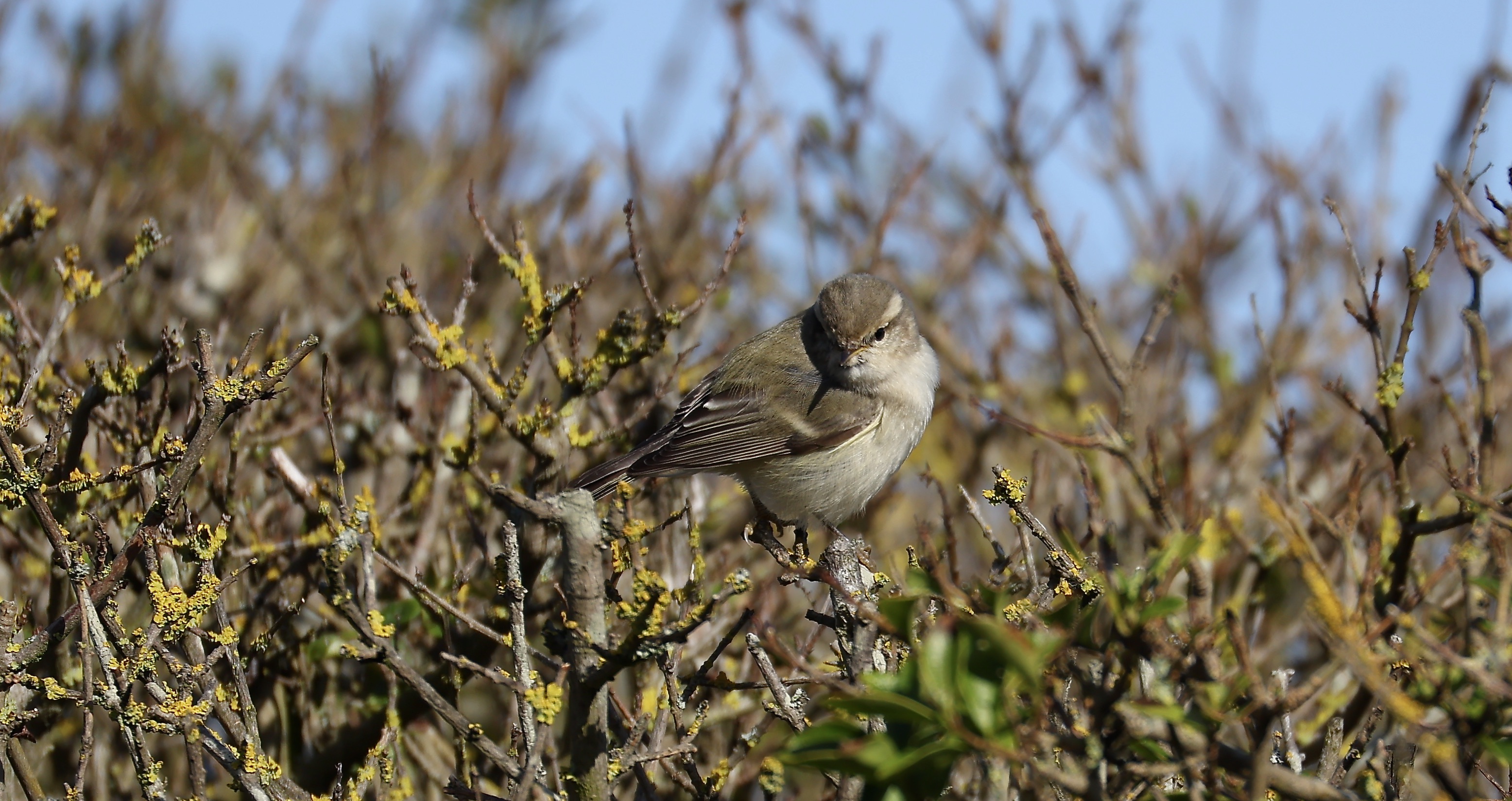
The Yellow-browed Warbler remained in Devon at Efford Marsh NR on 23rd-26th; another possible was seen in a garden in Hampshire on 23rd at Ropley; and a final bird was in Cornwall at St Just on 24th.
In Kent the Pallas’s Warbler remained at Faversham Creek on 24th-26th.
In Cornwall the Dusky Warbler remained present at Boscathnoe Reservoir on 20th-25th, with another seen in the county at Marazion Marsh RSPB on 22nd.
Good news from Suffolk, with three Fan-tailed Warbler still present at Walberswick on 24th.
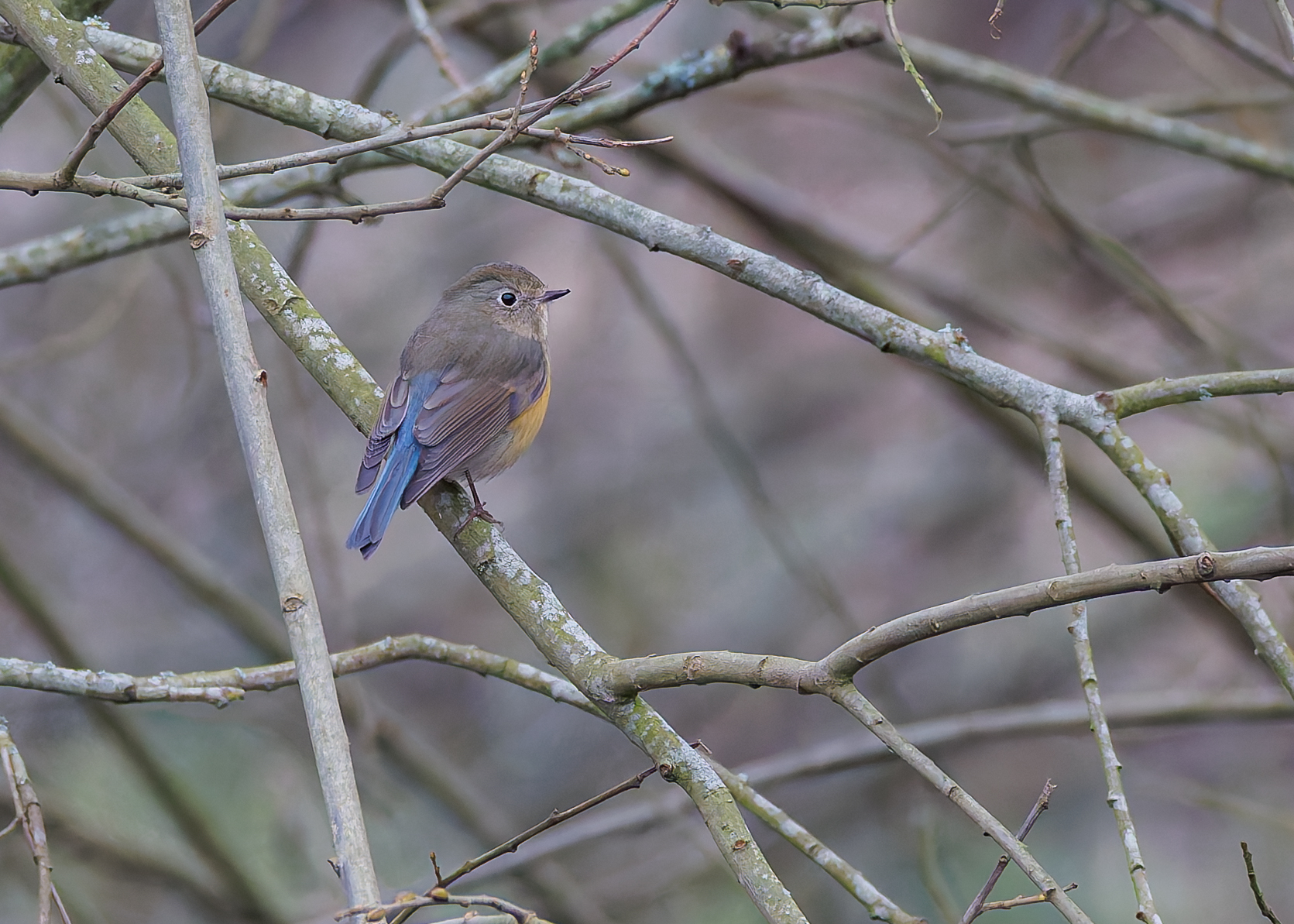
In Kent, the Red-flanked Bluetail continued its winter residency at Crockham Hill Common on 22nd-25th; the recent bird in Norfolk was last reported from Wendling Beck Project on 21st.
Norfolk’s first-winter male Eastern Black Redstart was made of sterner stuff, still present at Sheringham on 20th-26th.
The Black-bellied Dipper also remained in Norfolk at Bintree on 22nd-25th.
Norfolk also scored a flyby Richard’s Pipit this week at Cley NWT on 21st.
In Cornwall the Little Bunting remained at Boscathnoe Reservoir on 22nd-23rd.
The Pied Crow was still hanging around in Co.Galway at Mervue on 21st-24th.
And finally, the Great-tailed Grackle was still present in Holbury (Hampshire) on 21st-26th, and the probable remained in Lancashire & North Merseyside at Speke Hall on 20th-26th.
Our overseas news starts once more in the Netherlands, where the stalwart Black-faced Bunting remained settled on Texel on 20th-26th, and the Pygmy Cormorant was still at Natuurpark Lelystad on 21st-26th. Of passing interest, the rehabilitated drake Spectacled Eider looks set to be released on the Wadden Sea at some point in the near future.
In France the Belted Kingfisher was still on the Canal de Nantes a Brest on 20th-26th; and Sociable Lapwing sightings came from Treogat on 21st-22nd and Etang de Trunvel on 24th.
Belgium enjoyed a American Robin on 25th at Wervik.
Denmark’s Dusky Thrush remained at Refshaleoen on 20th-24th.
Up on Iceland, the Baltimore Oriole continued to tough out the winter in Reykjavik on 24th still.
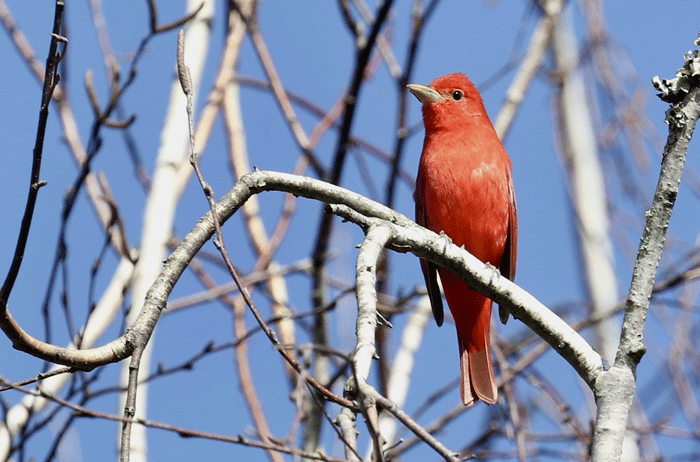
Similarly colourful fare in Portugal this week, where a male Summer Tanager remained into its third week in Porto, still present there on 24th.
The Cape Gull remained in Spain at Laredo on 20th.
Out on the Azores, the Snowy Egret remained on Terceira on 26th.
Finally, in Cape Verde, lots of news this week. An Allen’s Gallinule was present on Santiago on 19th-25th; Sao Vicente boasted Black-headed Heron still on 21st-26th, Black Heron also again on 21st-26th, and Yellow-billed Egret on 22nd-25th; and the Western Willet was still on Boa Vista on 22nd-24th.
Ah, March… There you are at last, with all your promise of spring unfolding ahead of us.
We can bid goodbye to February for another year this coming week – a month that, while it’s treated us to a few good birds, has nonetheless felt tediously long and grey. We could do with some dashes of warmth and colour in the month ahead, and it’ll surely deliver. And the coming week, what of that?
Could a forecast period of strong southerlies over the coming weekend open the door to an early spring overshoot? Could a wayward Great Spotted Cuckoo or another Red-rumped Swallow find itself on our shores? Here’s hoping.
Jon Dunn
27 Feb 2026
Many thanks to all this week's contributors for your photos and videos and to everyone who contributed throughout the year.
Get Breaking Birdnews First
Get all the latest breaking bird news as it happens, download BirdAlertPRO for a 30-day free trial. No payment details required, and get exclusive first-time subscriber offers.
Share





