Accidental discovery reveals grim future for Emperor Penguins
British Antarctic Survey says satellite images show widespread breeding failure in a key Antarctic region after record-low sea ice
A chance finding with serious implications
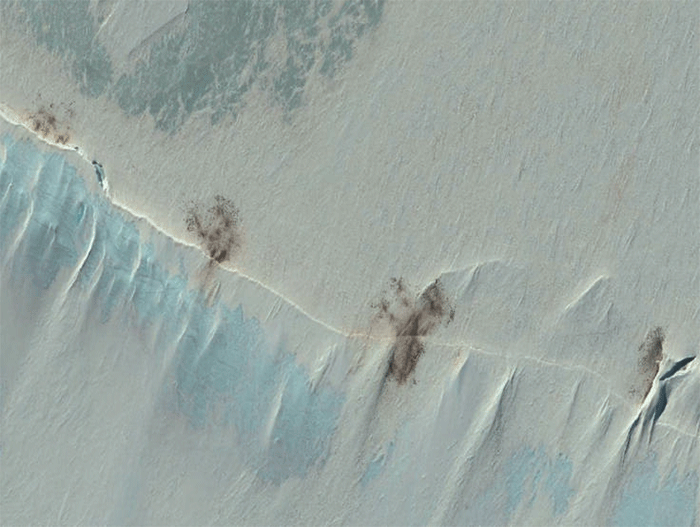
An unexpected discovery by scientists at the British Antarctic Survey (BAS) has revealed what it describes as a “grim future” for Emperor Penguins. While examining satellite imagery of Antarctica, researchers identified extensive breeding failure across a large stretch of the continent following a year of exceptionally low sea-ice extent.
BAS says the finding was not part of a planned field survey but emerged during routine monitoring of known colonies. The images showed that several colonies had suffered catastrophic chick loss after sea ice broke up earlier than usual.
Sea ice is everything
Emperor Penguins are uniquely adapted to breed on stable sea ice during the Antarctic winter. Adults lay their eggs in the darkest, coldest months and rely on the ice platform to remain intact through spring and early summer, when chicks are still growing and not yet ready to swim.
According to BAS, in the year examined the sea ice beneath multiple colonies disintegrated before chicks had developed waterproof feathers. Without that protection, young birds cannot survive in the freezing Southern Ocean, leading to near-total breeding failure at affected sites.
Widespread impact across a region
The satellite evidence indicates that the breeding failures were not isolated incidents but occurred across a broad area of the Antarctic coastline. BAS scientists say this pattern aligns with record-low winter sea-ice conditions observed in recent years.
“This is a stark example of how sensitive Emperor Penguins are to changes in sea ice,” BAS researchers said in response to the findings, warning that repeated events of this kind could have severe long-term consequences for the species.
A warning for the future
Emperor Penguins are often seen as one of the most iconic symbols of Antarctica, yet their dependence on sea ice makes them especially vulnerable to climate-driven change. BAS has previously modelled that continued sea-ice loss could lead to dramatic population declines over the coming decades.
The newly documented breeding failures provide real-world confirmation of those projections. If low-ice years become more frequent, colonies may struggle to recover between successive failures.
Eyes in the sky
Much of what scientists now know about Emperor Penguins comes from satellite monitoring. BAS uses high-resolution imagery to track colonies in remote and inaccessible parts of Antarctica, allowing researchers to assess population changes and breeding success without disturbing the birds.
The accidental nature of this discovery underlines the value of such monitoring. Without regular satellite observations, widespread breeding collapse in such remote regions could easily go unnoticed.
From symbol to signal
For BAS, the message is clear: what happened at these colonies is not an anomaly but part of a wider pattern linked to warming oceans and declining sea ice. The findings strengthen concerns that Emperor Penguins face a challenging future if current climate trends continue.
As Antarctic sea ice reaches new lows, the fate of one of the continent’s most recognisable species may serve as an early warning of deeper changes unfolding across the Southern Ocean.
February 2026
Get Breaking Birdnews First
Get all the latest breaking bird news as it happens, download BirdAlertPRO for a 30-day free trial. No payment details required and get exclusive first-time subscriber offers.
Share this story